




Meenakari jewellery online: The Craft Behind the Colour and How to Buy It Right
Meenakari jewellery online has become one of the most searched traditional jewellery categories in India, and for good reason. The vivid enamel work, rooted in Rajasthani and Mughal craft traditions, translates beautifully into earrings, necklace sets, bangles, and maang tikkas that suit festivals, weddings, and ethnic occasions equally well. Knowing what separates quality pieces from poor imitations makes every purchase more confident.
What Meenakari Jewellery Actually Is: Craft Origins and Style Categories
The Enamel Technique and Its Regional Variations
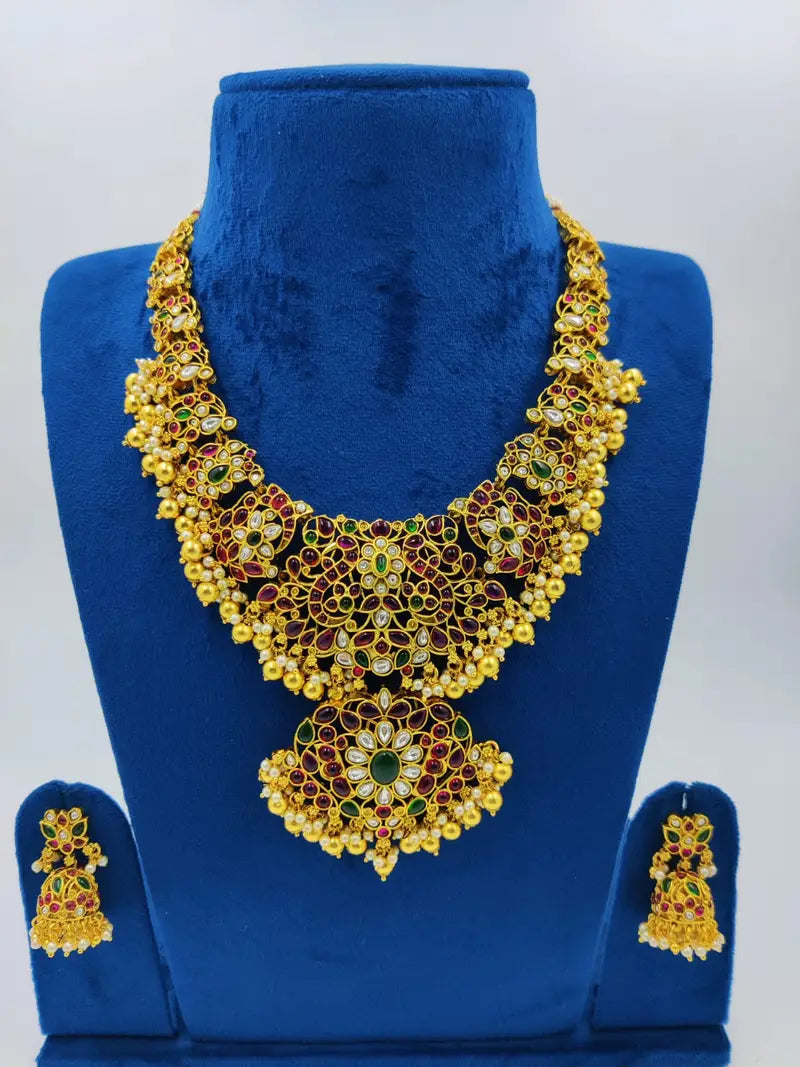
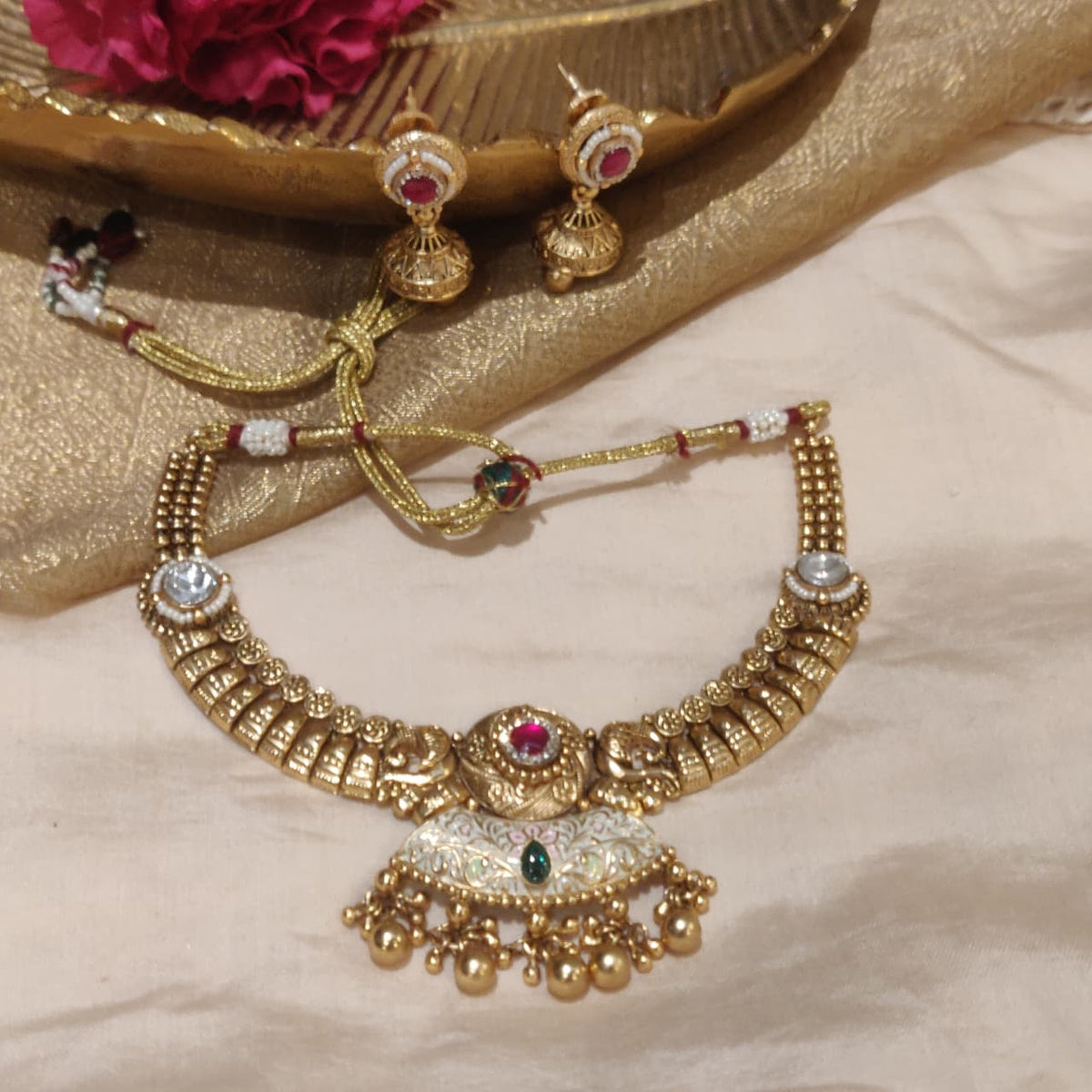
Meenakari is the art of fusing coloured enamel onto metal surfaces using heat, a technique that arrived in Rajasthan via Persian craftsmen during the Mughal era. Jaipur became the dominant centre for this craft, producing the vivid multi-colour enamel work now recognised globally. The base metal varies: traditional pieces use gold or silver, while fashion and artificial versions use brass, copper alloy, or zinc alloy with gold plating over the top.
Key Style Categories Available When Shopping Online
Online platforms stock Meenakari jewellery across several distinct style families, each suited to different occasions and outfit pairings. Understanding these categories before browsing prevents impulse purchases that do not match your wardrobe. Shoppers exploring fashion jewellery online will find Meenakari represented across most of these families.
-
Rajasthani Meenakari: Bold multi-colour enamel on gold-toned bases, typically featuring peacock, floral, or geometric motifs.
-
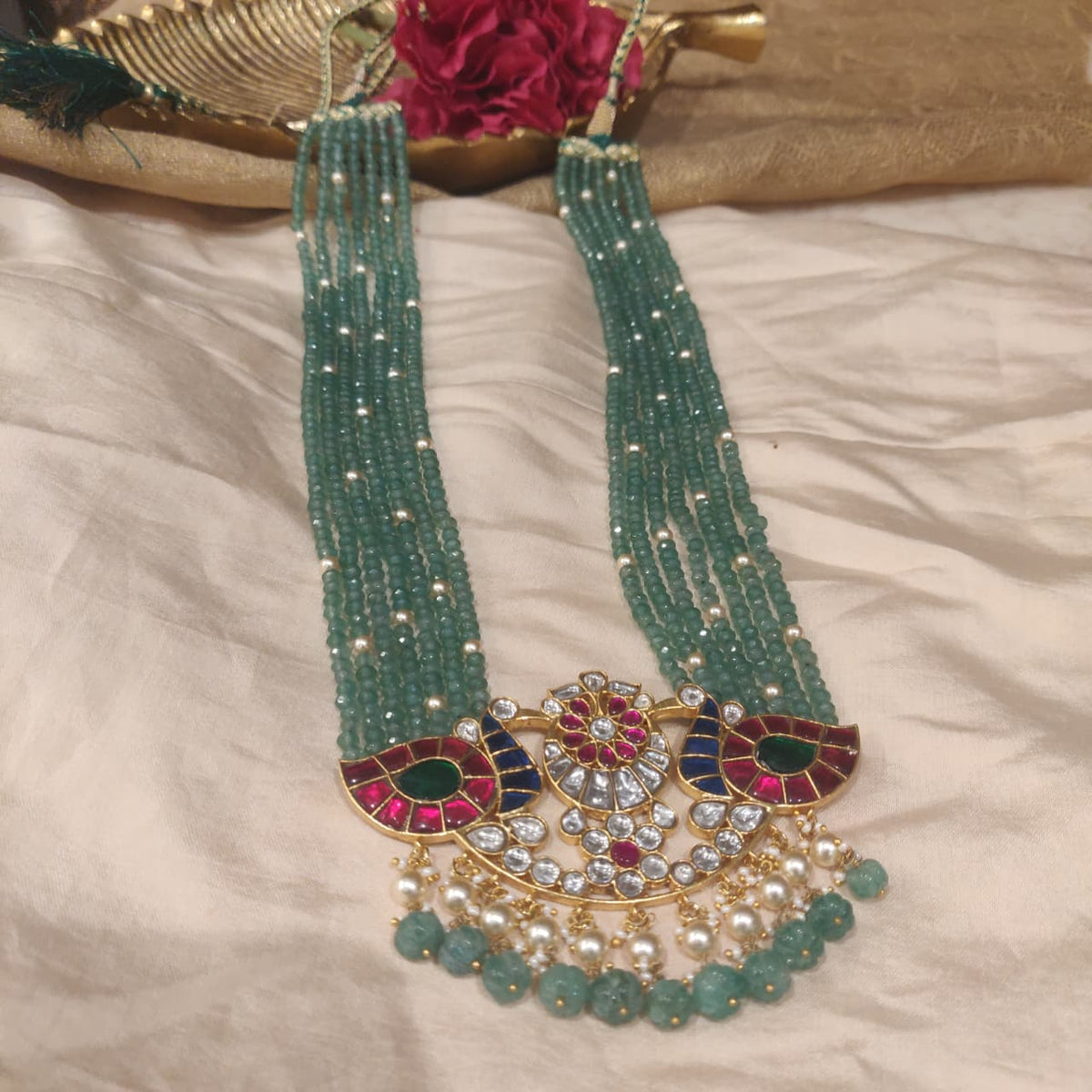
Kundan-Meenakari combination: Kundan stone settings on the front face with Meenakari enamel detailing on the reverse side of the piece.
-
Single-colour Meenakari: Monochrome enamel, often red or green, used in minimalist contemporary designs.
-
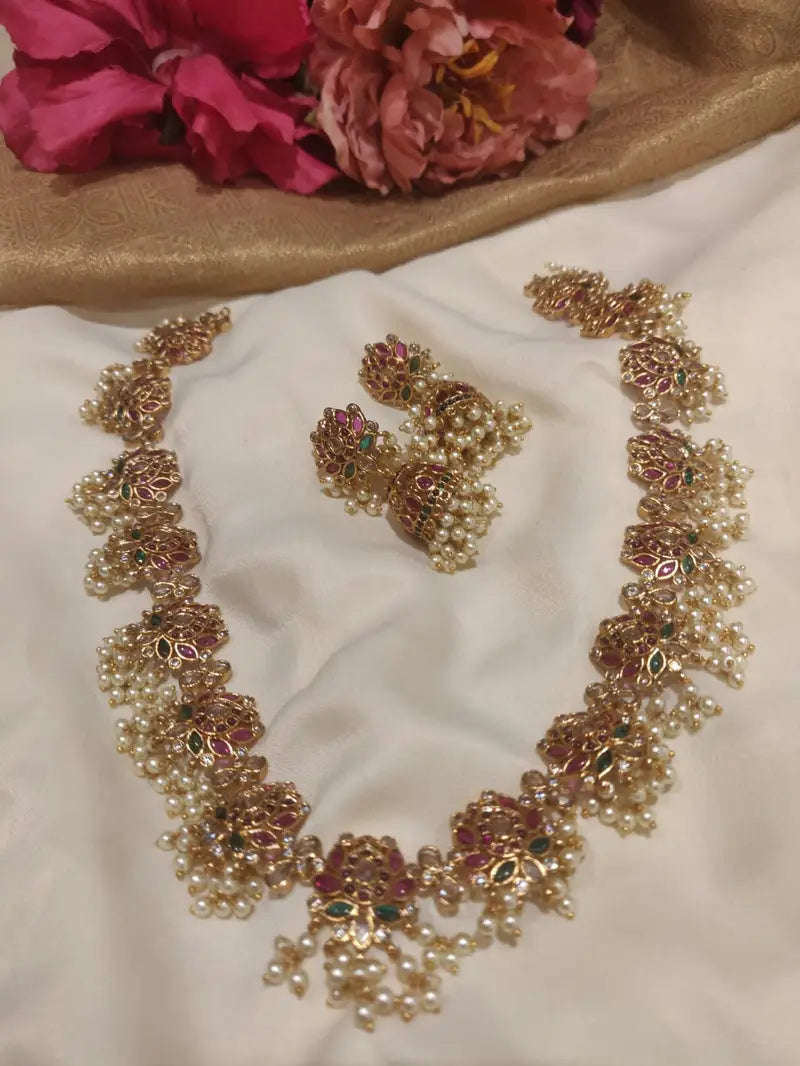
Meenakari with AD stones: American diamond accents layered over enamel work for added sparkle in bridal and party sets.
-
Lac Meenakari: A lower-cost variant using lac-based colour fills rather than fired enamel, common in budget fashion jewellery.
How to Evaluate Meenakari Jewellery Quality Before You Buy Online
Reading Product Listings and Images Critically
Product photography for Meenakari jewellery is often shot under studio lighting that intensifies colour saturation, making enamel appear more vibrant than it looks in natural light. A reliable listing will include close-up images showing the enamel surface texture, the reverse side of the piece, and the clasp or hook mechanism. If a listing shows only one flat front-facing image with no detail shots, treat that as a signal to request more information before purchasing.
Material and Finish Specifications That Matter
The base metal and plating thickness directly affect how long the colour and finish hold up through regular wear. Brass-base pieces with thick gold plating generally outperform zinc alloy bases in terms of colour retention and structural integrity. Buyers seeking fancy artificial jewellery should pay particular attention to these material indicators when reviewing listings.
-
Base metal listed as brass or copper alloy rather than unspecified "metal alloy."
-
Plating described as gold-toned or gold-plated rather than vague terms like "golden finish."
-
Enamel described as fired or kiln-set rather than painted or printed.
-
Closure type specified: fish hook, push back, or screw back for earrings.
|
Base Metal |
Typical Price Range (INR) |
Durability Level |
Best For |
|
Brass with gold plating |
500 to 2,500 |
Moderate to good |
Festivals, weddings, regular ethnic wear |
|
Zinc alloy with gold tone |
200 to 800 |
Low to moderate |
Occasional wear, gifting |
|
Silver with enamel |
1,500 to 8,000 |
Good to high |
Heirloom-style pieces, bridal |
|
Lac-based fashion Meenakari |
150 to 600 |
Low |
Budget styling, single-event use |
Matching Meenakari Jewellery to Occasions and Outfits
Occasion-Based Selection: A Practical Decision Framework
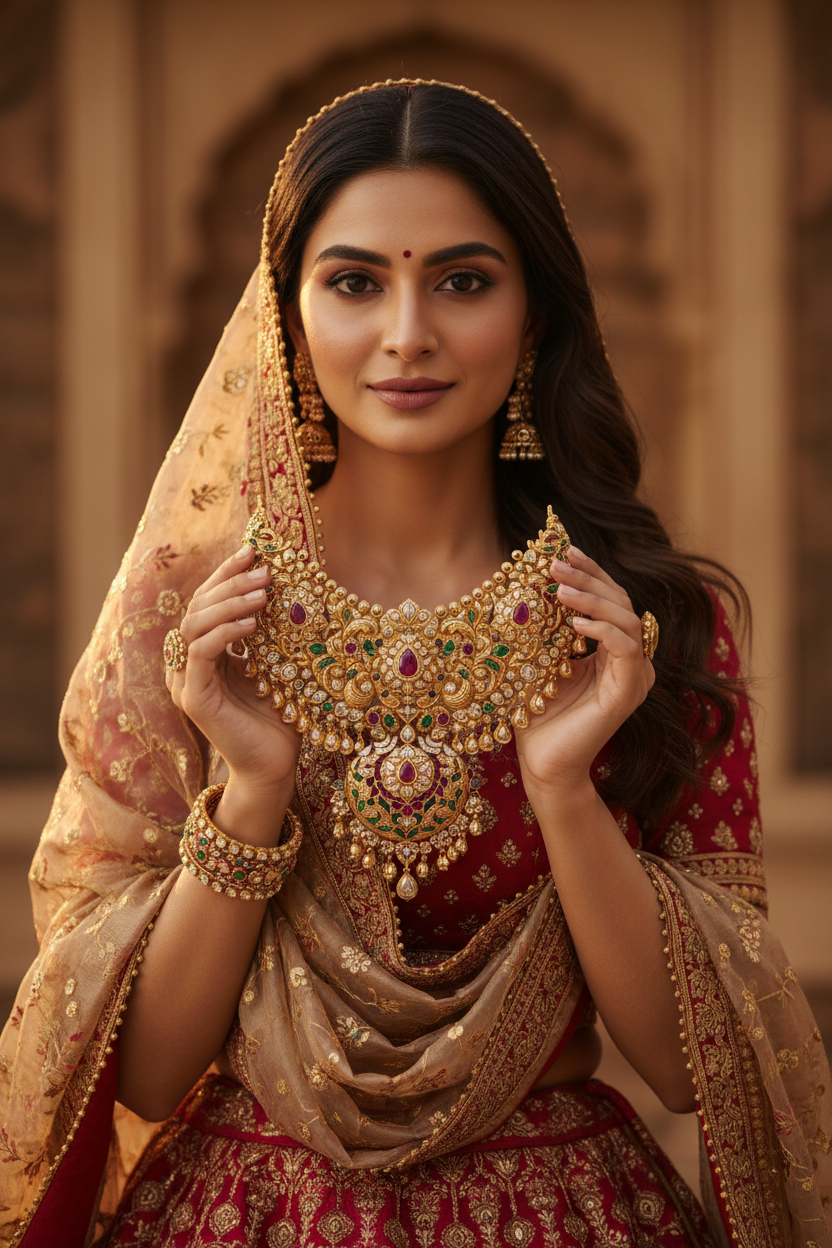
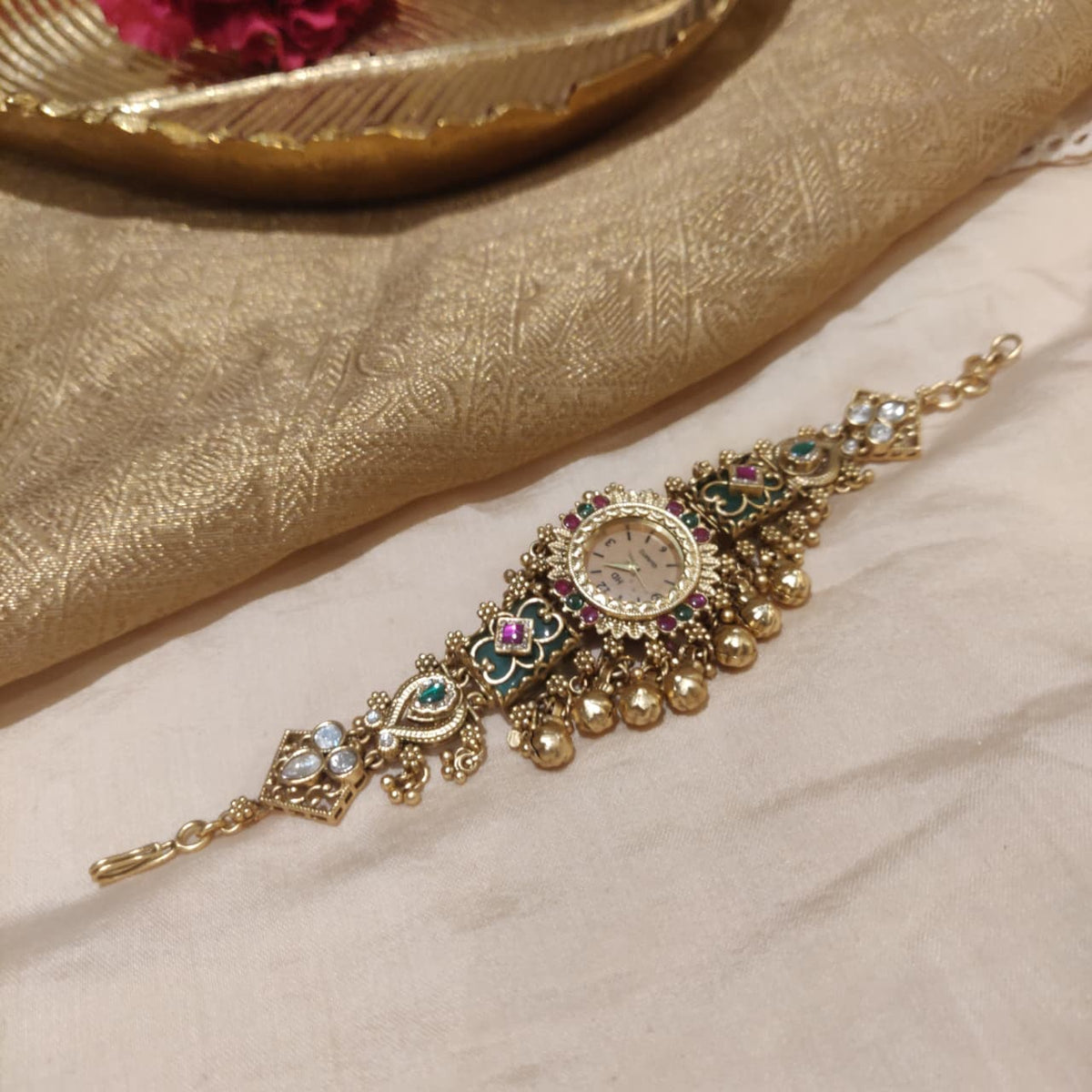
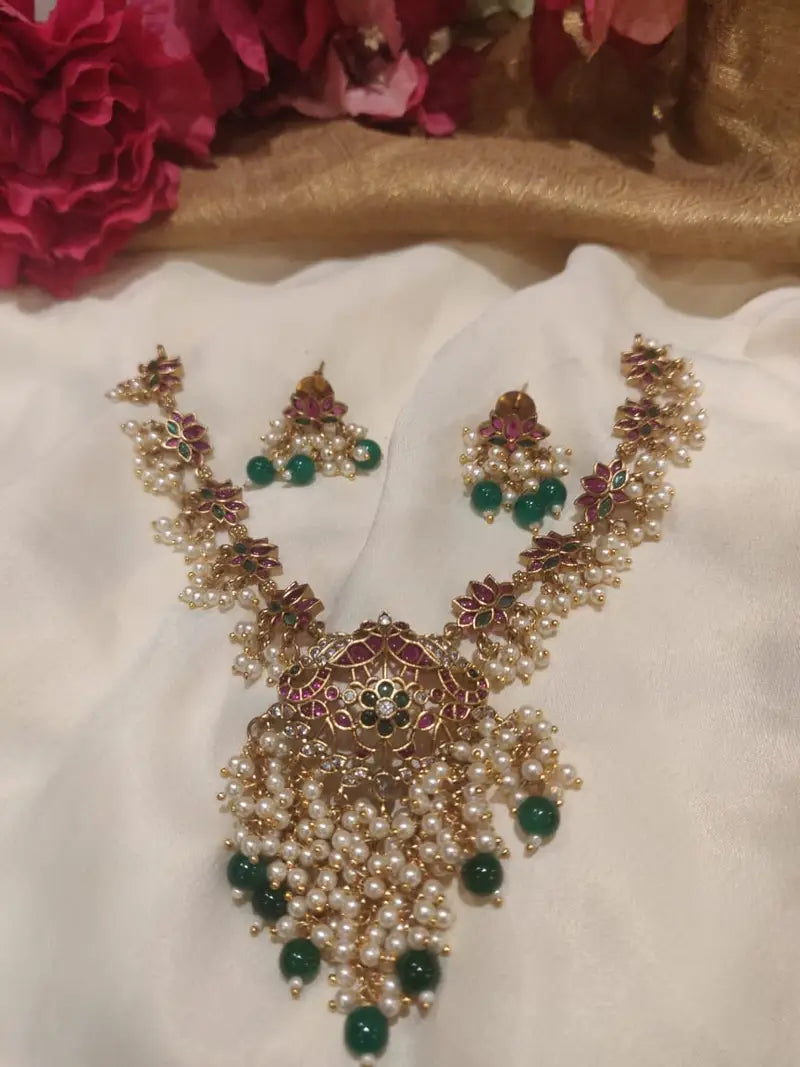
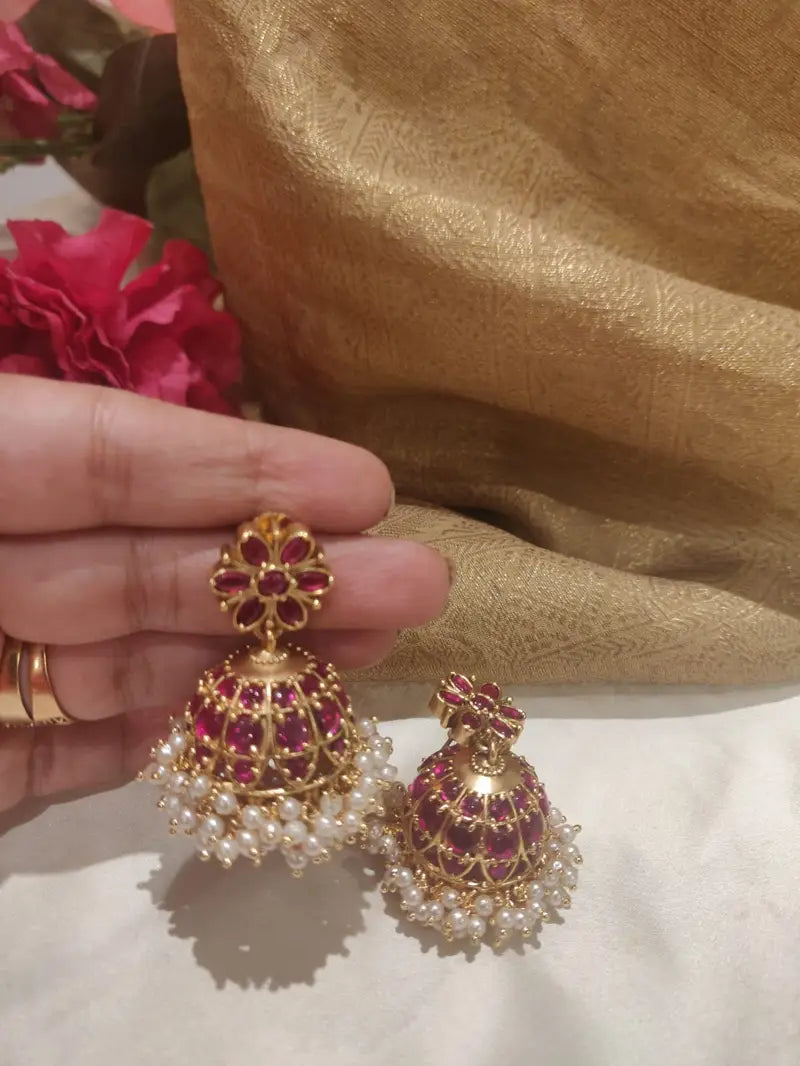
Meenakari jewellery is not a one-size-fits-all category. The weight, colour palette, and set composition should align with the formality and dress code of the occasion. A heavy Kundan-Meenakari bridal set with matching maang tikka and jhumkas suits a wedding lehenga, while a single pair of lightweight Meenakari studs pairs cleanly with a cotton kurta for a daytime festival. Pearl necklace and earring set styles follow a similar occasion-based logic, where scale and formality must match the outfit. Choosing the wrong scale of jewellery for an occasion is the most common styling mistake buyers make when shopping online without trying pieces on first.
Colour Coordination Rules for Meenakari Enamel
|
Enamel Colour |
Pairs Well With |
Avoid Pairing With |
|
Red and green multi-colour |
Ivory, cream, gold, deep maroon |
Busy printed fabrics |
|
Blue and turquoise |
White, off-white, royal blue, pink |
Neon or fluorescent tones |
|
Single-colour green |
Red, orange, yellow, mustard |
Olive or khaki green fabrics |
|
Pink and magenta |
Grey, black, navy, beige |
Clashing warm reds |
Buying Meenakari Jewellery Online: A Step-by-Step Evaluation Process
How to Assess a Seller Before Placing an Order
The online Meenakari jewellery market includes both established craft retailers and unverified resellers, so seller evaluation is as important as product evaluation. Platforms like Myntra, Amazon India, and dedicated jewellery stores each carry Meenakari ranges, but product consistency varies significantly between sellers even on the same platform. Those looking for designer jewellery online should verify seller credibility before placing an order.
-
Check the seller's return and exchange policy before adding to cart, specifically for colour variation or size discrepancy.
-
Read reviews that mention colour accuracy, as studio photography often oversaturates enamel tones.
-
Confirm whether the product ships in a jewellery box or padded pouch, since Meenakari enamel can chip if pieces knock together in transit.
-
Verify that the listing specifies the piece dimensions, particularly earring drop length and necklace chain length.
-
Look for sellers who list the weight of the piece, as heavier pieces often indicate a more substantial base metal.
Care Instructions That Protect Your Meenakari Pieces Long-Term
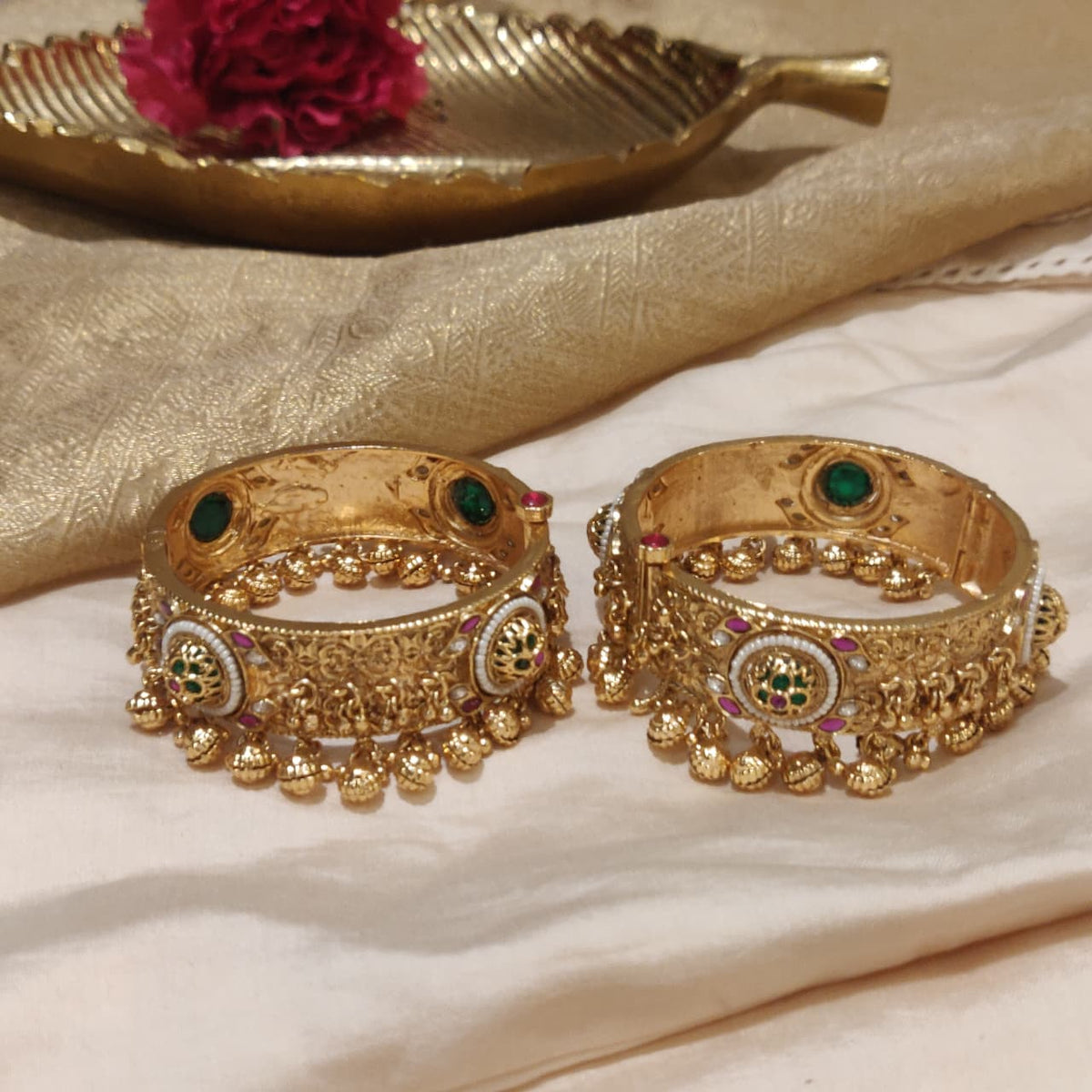
Meenakari enamel is sensitive to moisture, perfume, and physical impact, which means storage and handling habits directly affect how long the colour stays vivid. Store each piece separately in a soft pouch or individual compartment to prevent surface scratching and enamel chipping. Traditional gold bangle designs and Meenakari bangles alike benefit from the same care principles: keep pieces away from water, apply perfume before wearing jewellery, and wipe gently with a dry cloth after each use.
Frequently Asked Questions
What is the difference between Meenakari and regular enamel jewellery?
Meenakari is a specific South Asian craft tradition using fired coloured enamel on metal, typically featuring intricate floral or peacock motifs rooted in Rajasthani and Mughal design heritage, whereas generic enamel jewellery may use painted or printed colour fills without the same craft lineage.
Is Meenakari jewellery suitable for daily wear?
Fashion Meenakari jewellery on brass or zinc alloy bases is best reserved for occasional and festive wear rather than daily use, as regular exposure to sweat, water, and friction can dull the enamel and affect the plating over time.
How do I verify the enamel quality in an online listing?
Request or look for close-up macro images of the enamel surface; quality fired enamel appears smooth and slightly glossy with clean colour boundaries, while painted or lac-based fills often show uneven edges or a matte, flat texture.
What occasions are Meenakari jewellery sets most appropriate for?
Meenakari sets are most commonly worn for weddings, festivals like Navratri and Diwali, sangeet ceremonies, and ethnic occasions where traditional Indian outfits such as lehengas, sarees, and anarkalis are the dress code.
Can Meenakari jewellery be gifted, and how should it be packaged?
Meenakari jewellery makes an excellent gift for festivals and weddings, but it should be packed in a rigid jewellery box with individual compartments to prevent the enamel from chipping during transit or storage.