

Jhumka Earrings Online in India: A Style Breakdown for Every Face Shape, Occasion, and Outfit
Let us start with what everyone already knows: jhumkas are the most versatile earrings in the Indian jewellery wardrobe. They work with a saree worn to a wedding, a salwar suit for a day function, a kurta paired with jeans, and even with certain western outfits when the style is right. But not every jhumka works for every face shape, every outfit, or every occasion. The range available when you shop for jhumka earrings online in India is enormous, and that is precisely where the challenge lies.
This guide breaks it down: every jhumka type, who it suits, what it works with, and how to buy one that actually looks as good on you as it does in the product photo.
Every Type of Jhumka You Will Find Online
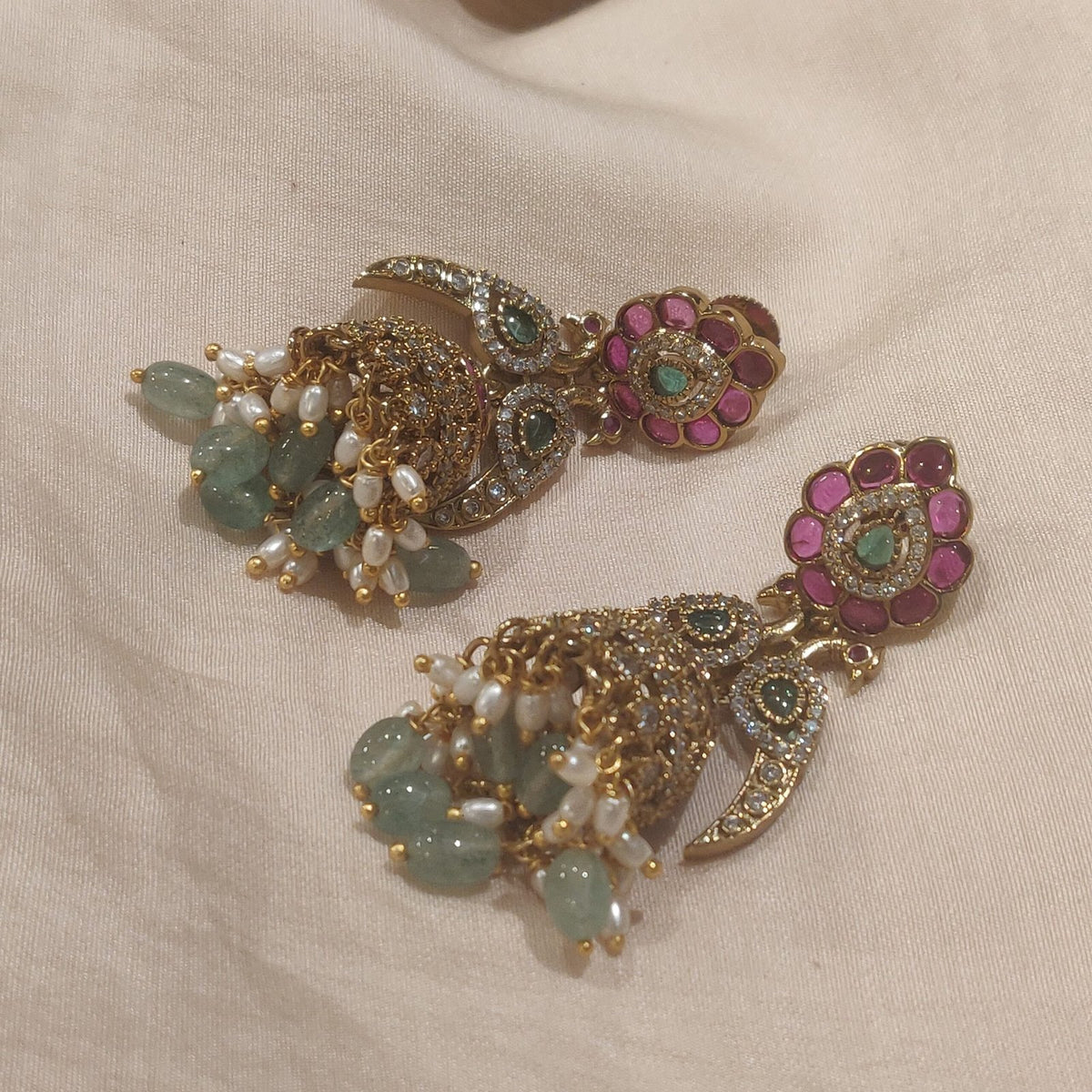
The classic jhumka A bell-shaped dome on a flat top stud or hook, with a hanging fringe of small beads or stones. This is the foundational design from which every other jhumka type is derived. It sits at the earlobe and has a drop length of approximately 2 to 4 centimetres.
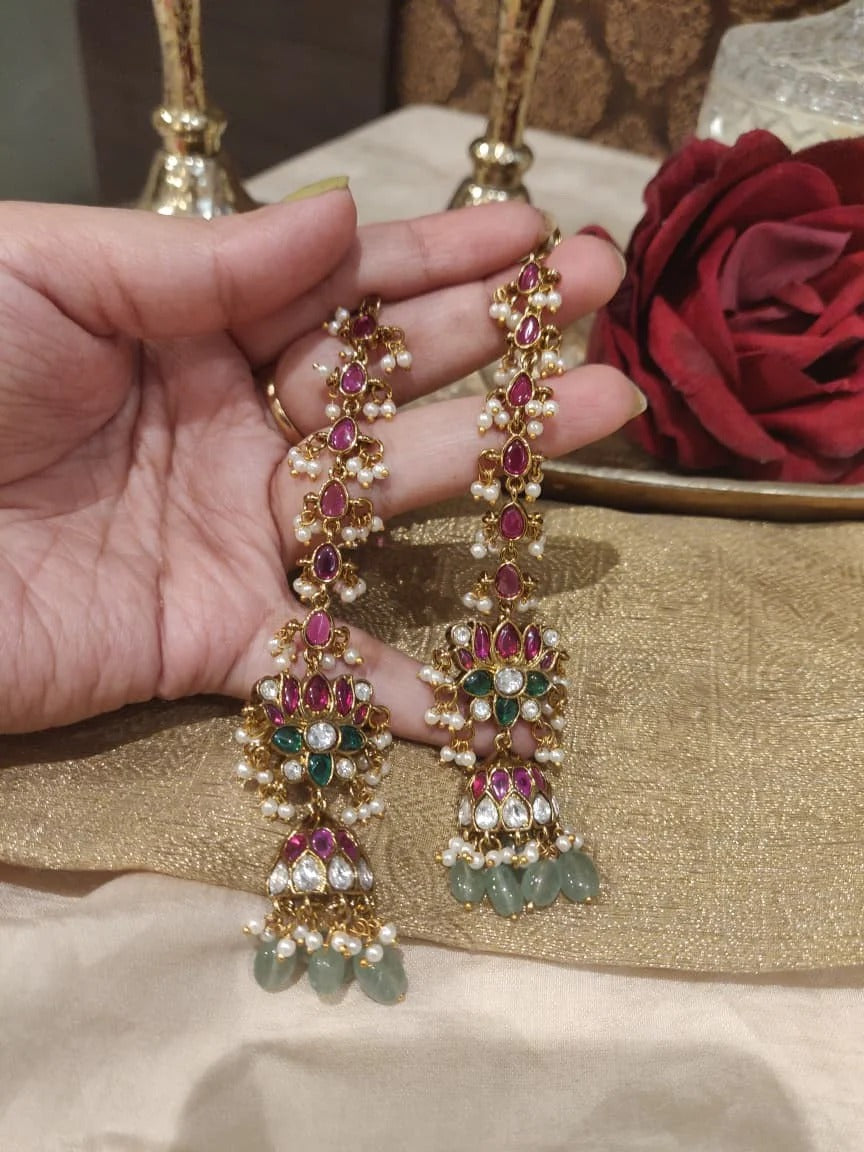
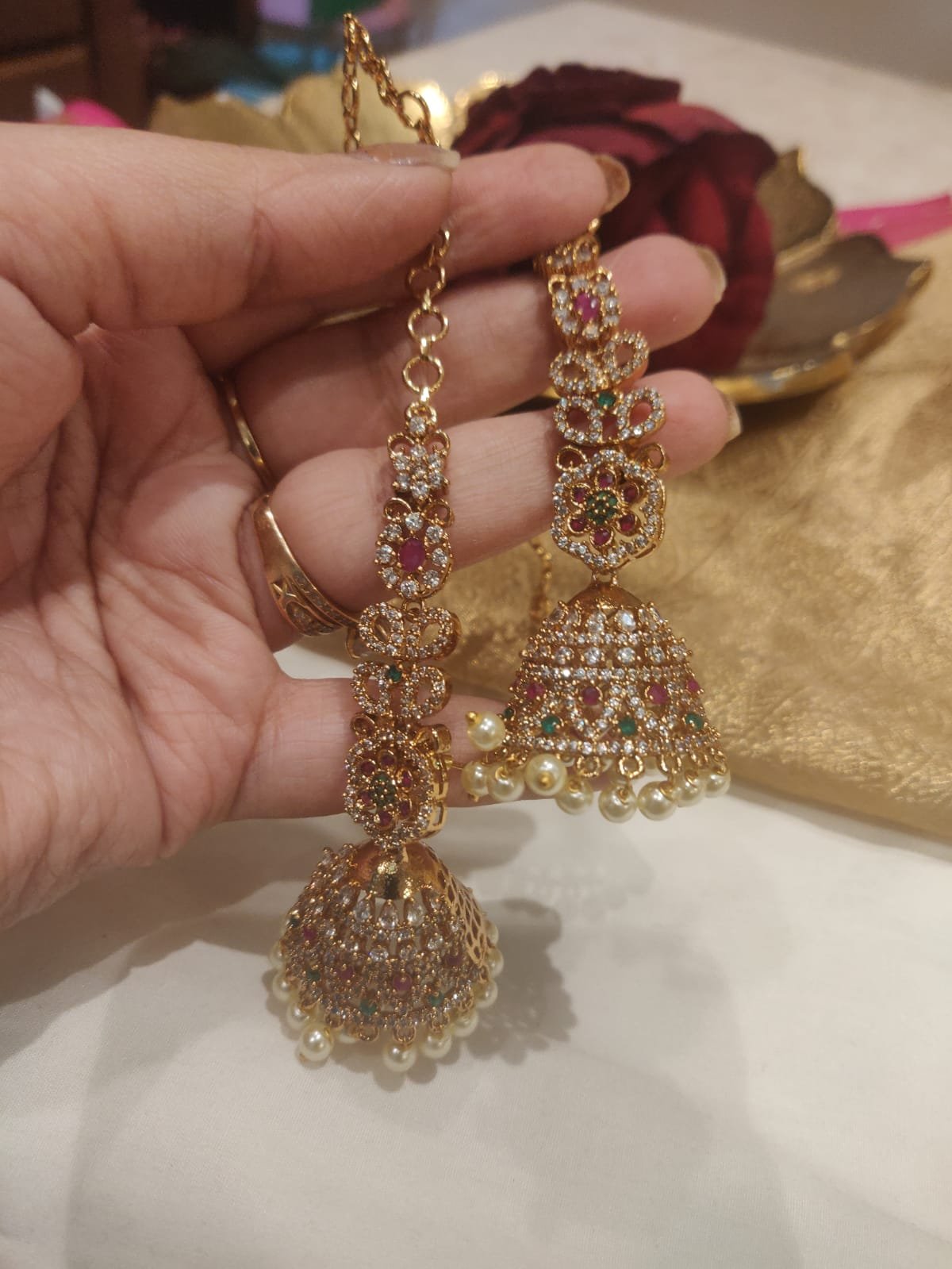
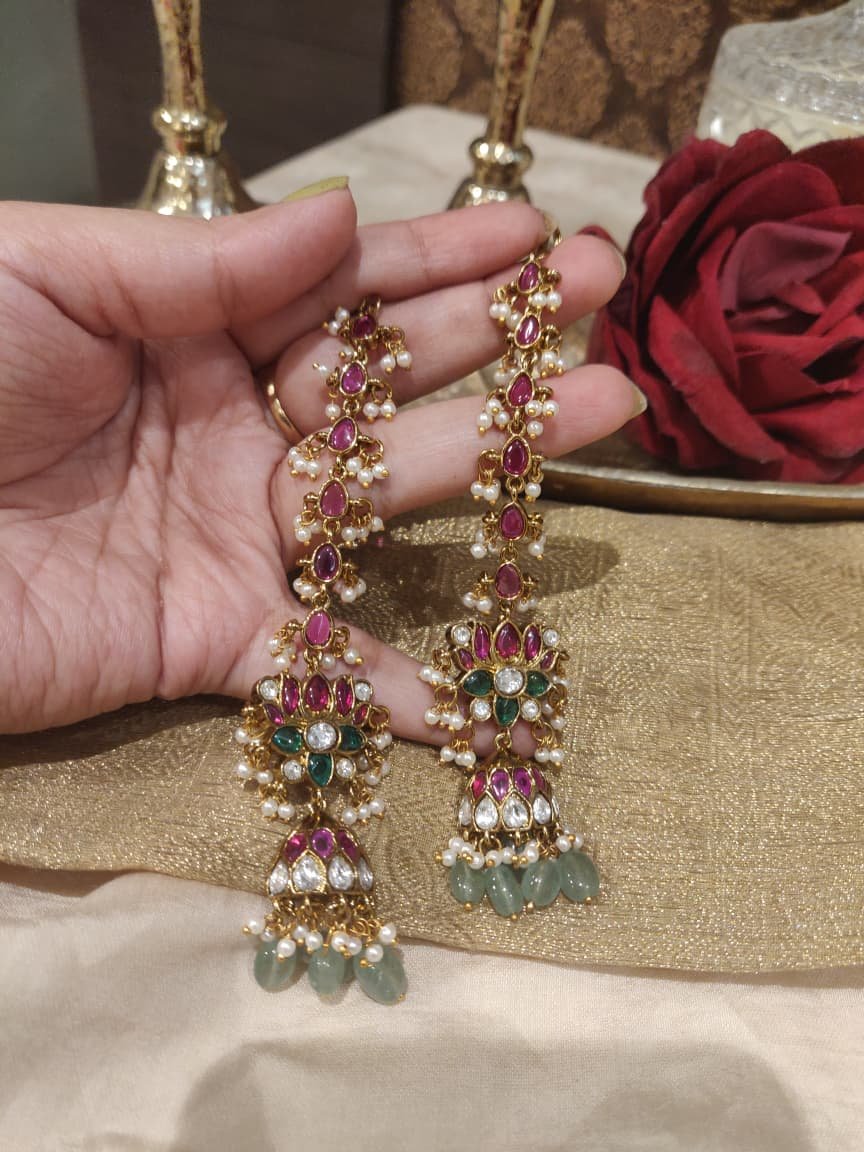
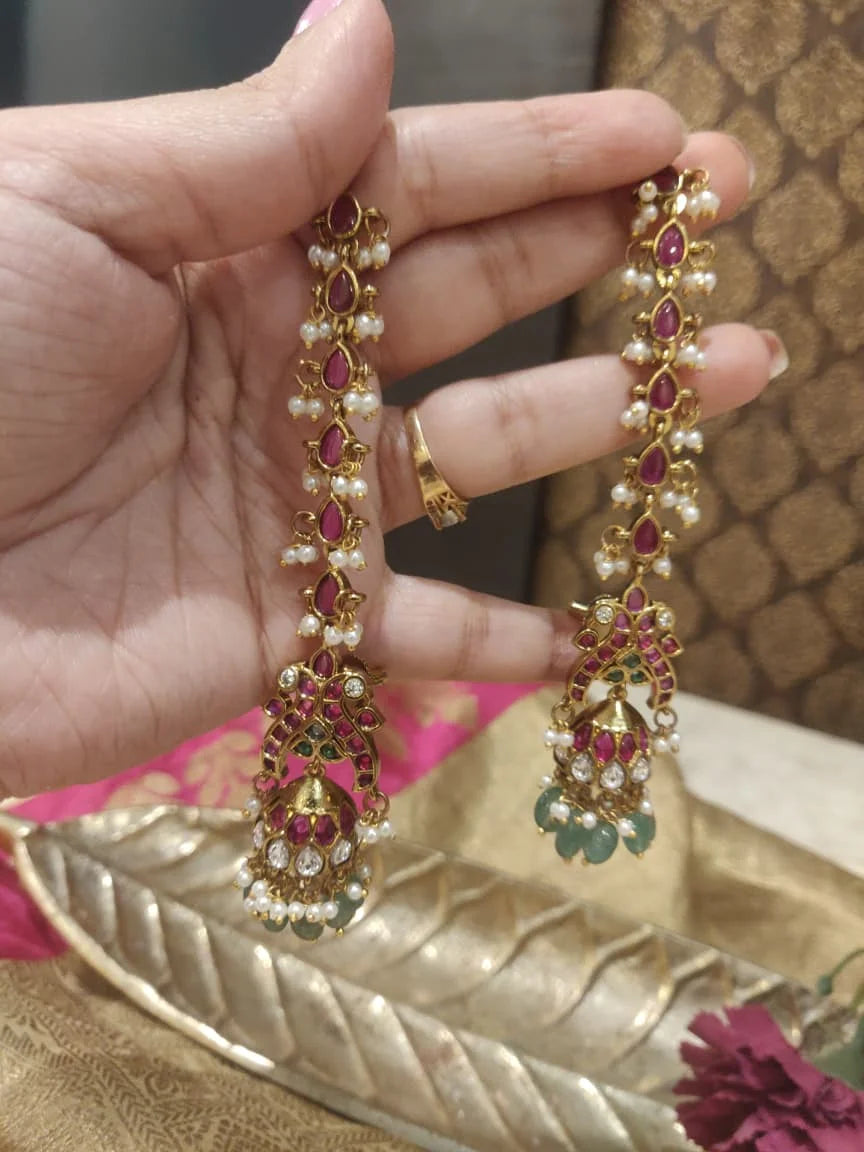
The long jhumka (dangler) An extended version where the chain or chain-link detail above the dome adds length. These fall at the jaw or collarbone level and create a dramatic vertical line. Best for women with round or square face shapes, where length visually elongates the face.
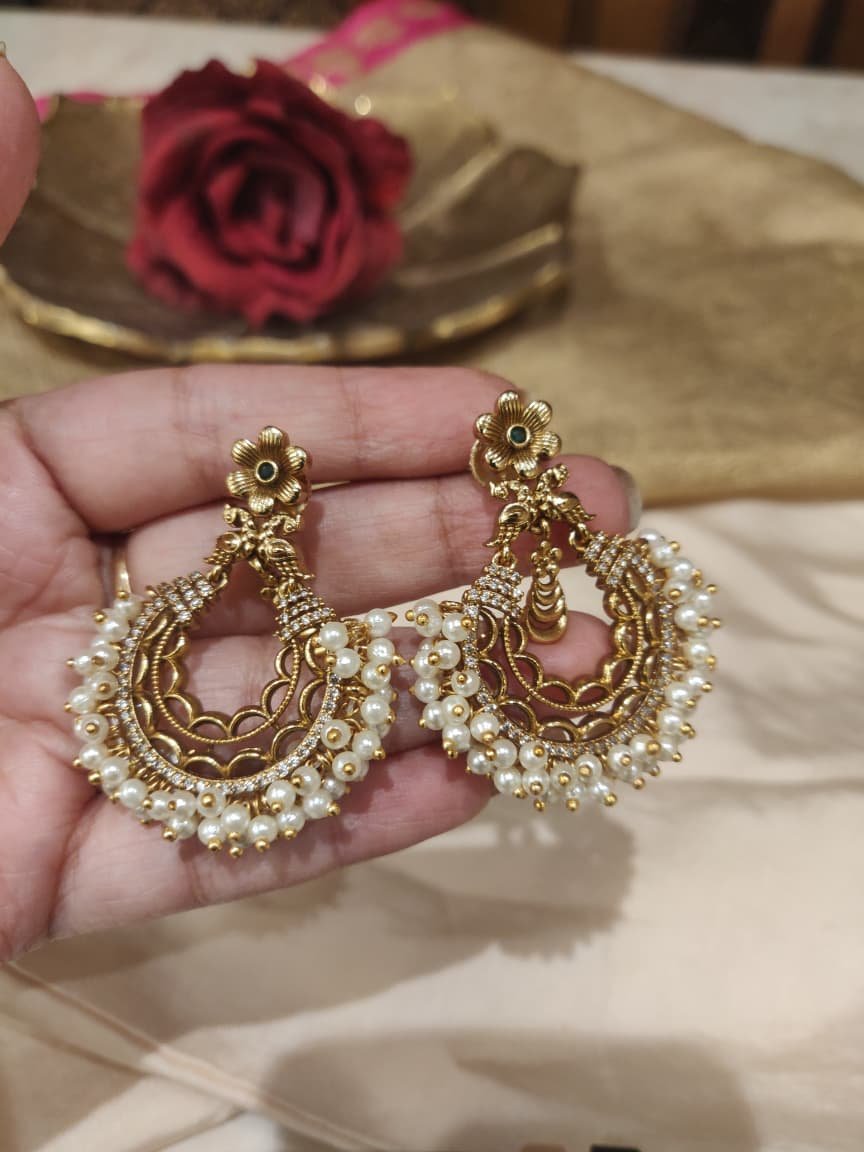
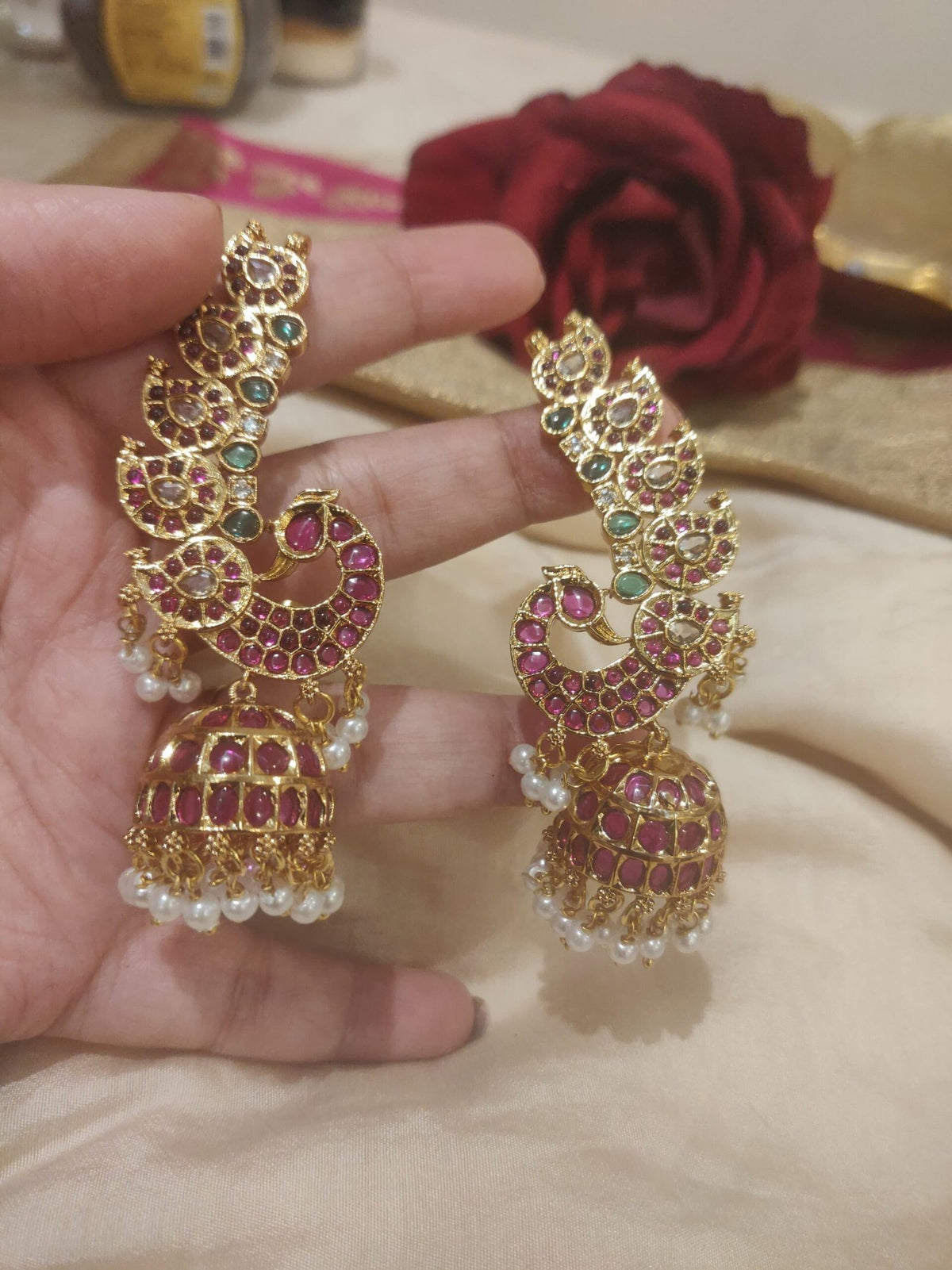
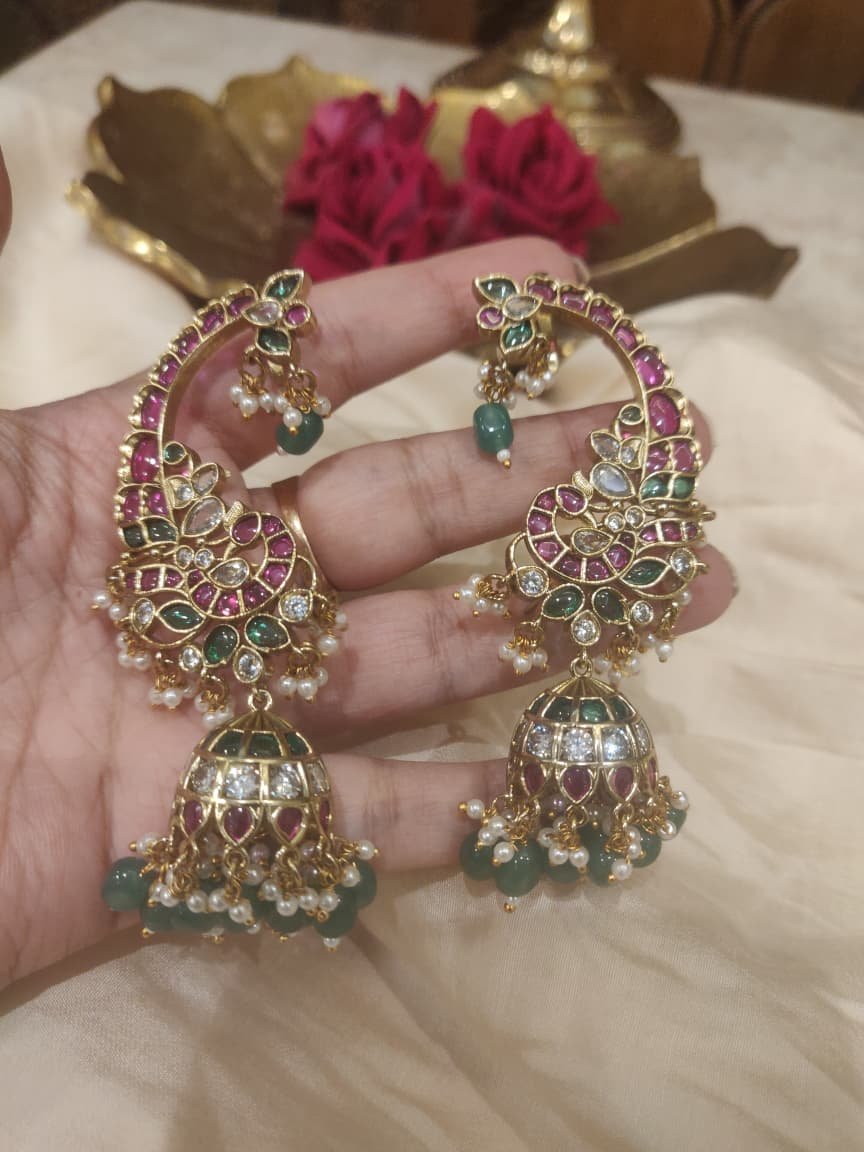
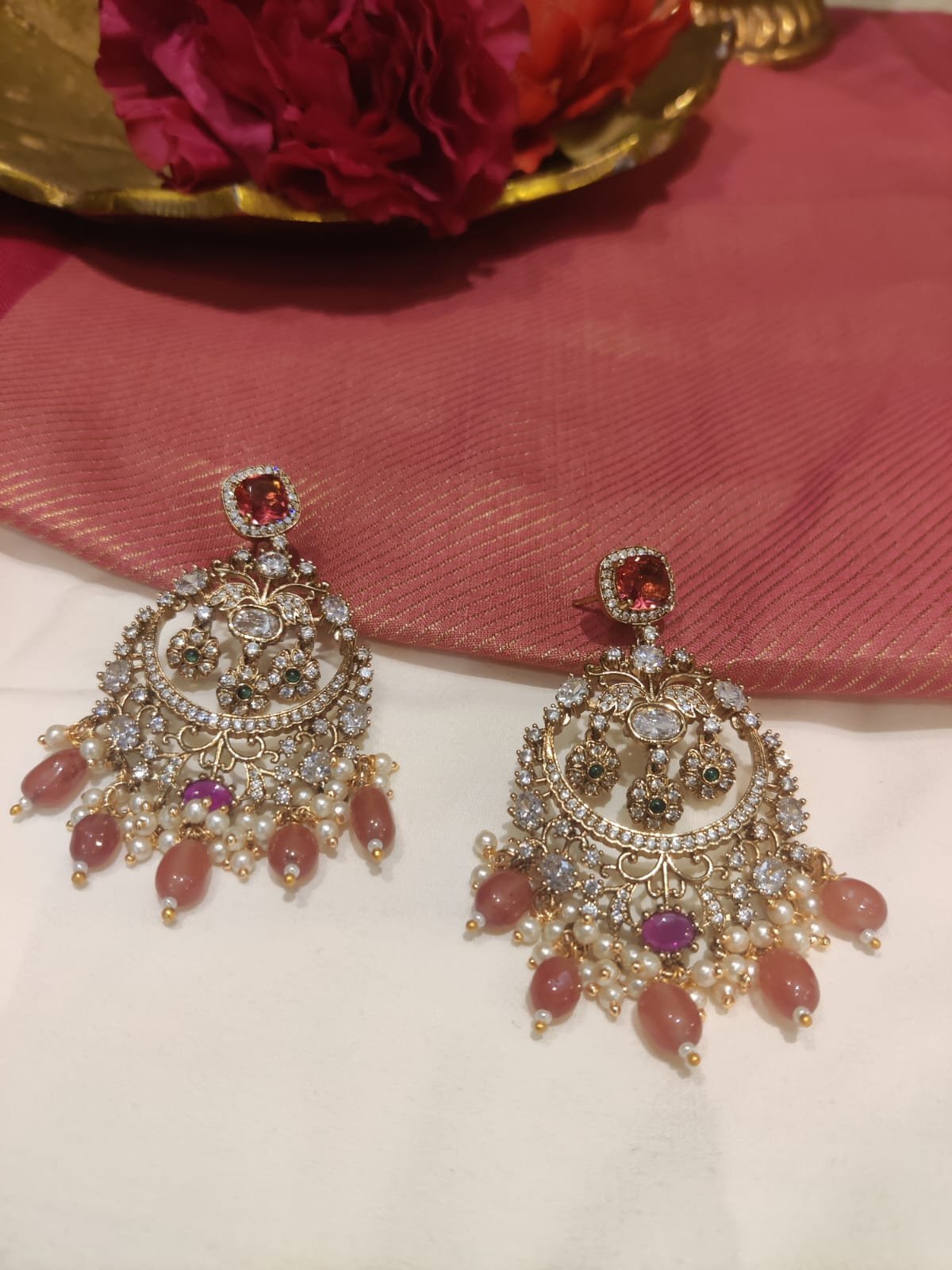
The chandbali jhumka A crescent (chand, meaning moon) shaped flat top with a jhumka hanging from the lower edge. The flat crescent is often set with kundan, American diamond, or meenakari stones. This style frames the face beautifully and is particularly suited to oval and heart-shaped faces.
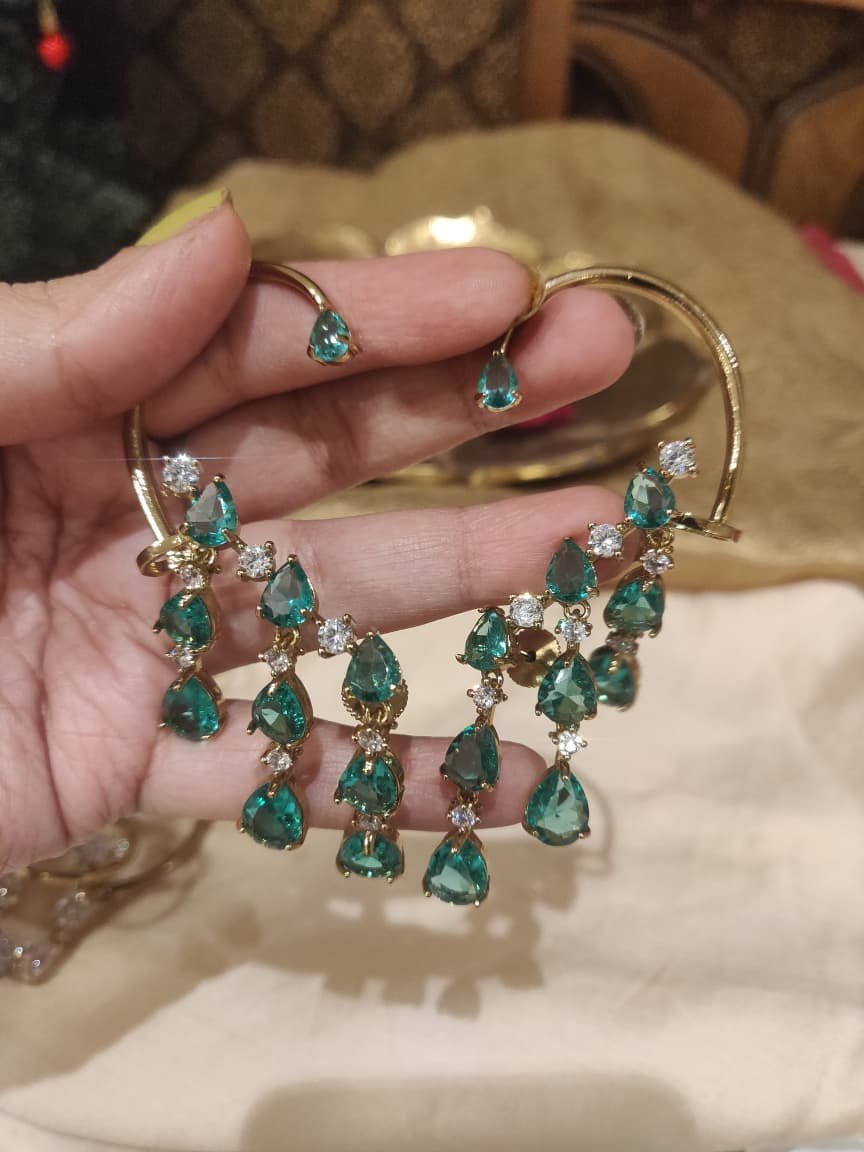
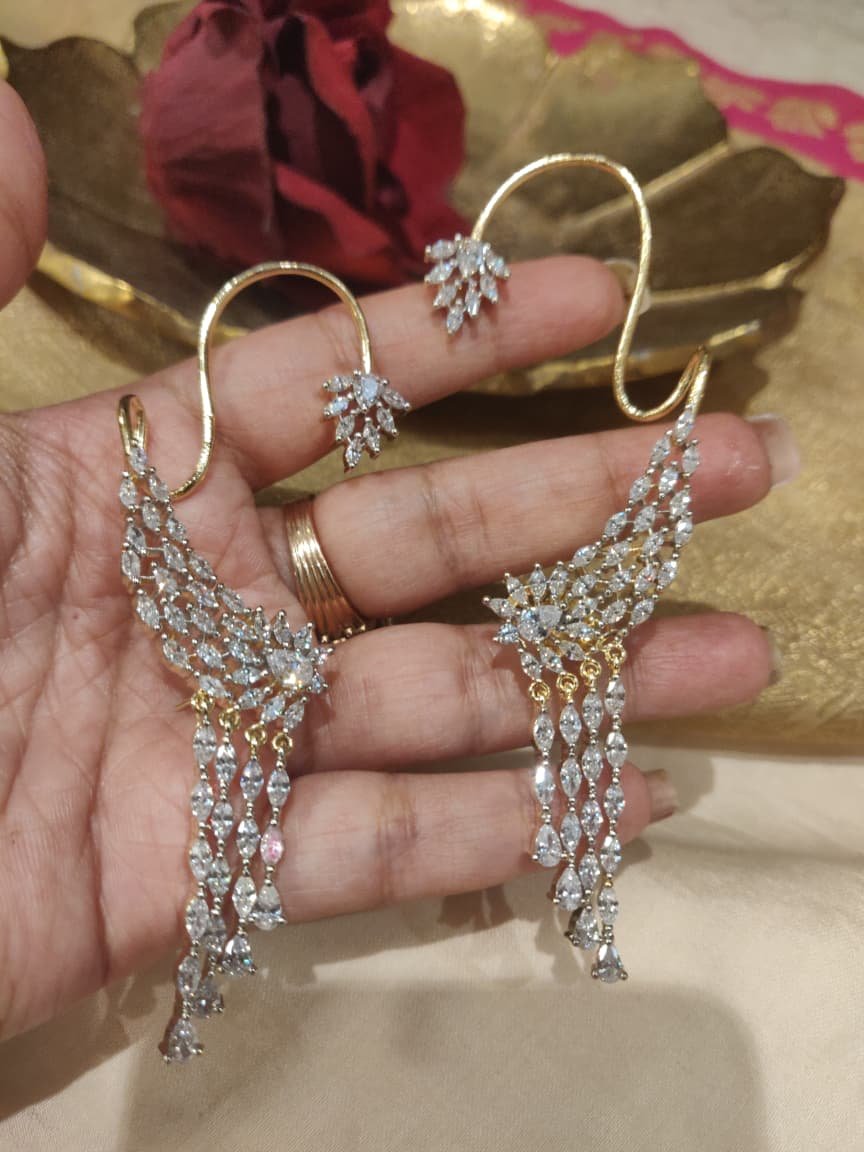
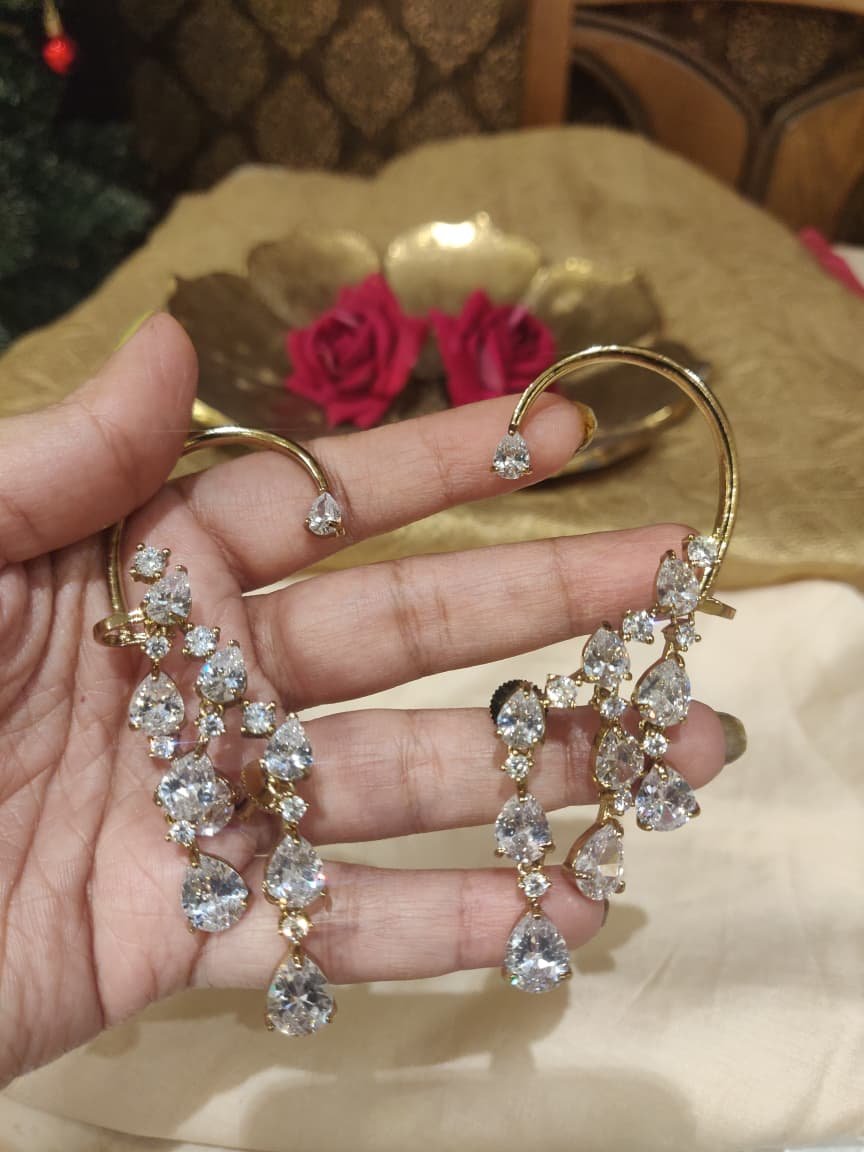
The ear-cuff jhumka A contemporary design where the jhumka attaches at the earlobe but a chain or cuff connects to the upper ear cartilage. Popular for fashion-forward and fusion looks.
The basket jhumka A deeper, more three-dimensional dome that resembles a woven basket. It creates more visual volume than a standard jhumka and is popular in South Indian and temple jewellery designs.
The oxidised jhumka A dark, matte silver-finish jhumka with geometric or tribal-inspired detailing. This style crosses the line between traditional and contemporary easily and works well with handloom and cotton fabrics.
The fashion jewellery range includes all of these jhumka styles across multiple finish types and price points.
Matching Jhumkas to Your Face Shape
This is the section most style guides skip, and it is the most practically useful information for any earring purchase.
Round face: Avoid small, wide jhumkas that add width at the cheekbone. Choose long dangler jhumkas or narrow chandbalis that create vertical length and visually slim the face.
Oval face: The most versatile face shape for jhumkas. Almost every style works. Classic jhumkas, chandbalis, and basket jhumkas all suit an oval face well.
Square face: Avoid flat-topped, angular jhumka settings. The curved dome of a classic or long jhumka softens the jaw. Chandbalis also work well.
Heart-shaped face (wider forehead, narrower chin): Jhumkas with slightly wider lower domes balance the proportions. Avoid very top-heavy earrings. A classic jhumka with a small stud top and a full dome works well here.
Long face: Avoid very long dangler jhumkas that add further length. A classic short jhumka or a chandbali with width adds the visual balance a long face needs.
Matching Jhumkas to Outfits
With a silk saree: A basket jhumka or a chandbali in temple jewellery or kundan style. The weight and structure of these styles hold well against the richness of silk.
With a salwar suit or churidar: A classic jhumka in antique gold or oxidised finish. This is the most natural pairing in everyday Indian dressing.
With a lehenga: Long danglers or chandbali jhumkas coordinate with the elaborateness of a lehenga. Match the stone colour to the embroidery tones in the outfit.
With a kurta and jeans: An oxidised jhumka or a simple classic jhumka in a smaller size. Avoid heavy traditional pieces with casual western silhouettes.
With a western formal outfit: A small contemporary jhumka in a rhodium or gold-tone setting. Keep it minimal.
The artificial jewellery section includes jhumkas across all these styling categories.
What to Look for When Buying Jhumka Earrings Online
Before you confirm any purchase, check the following:
Drop length in centimetres or inches: Jhumka drop length is not standardised. A 5cm drop looks very different from a 2cm drop. Always look for this measurement in the product specifications.
Hook or post type: Jhumkas come with a wire hook, a screw back, or a clip (for non-pierced ears). Confirm which of your ears is suited for. Hook styles are the most common and most comfortable for extended wear.
Stone setting consistency: In product images, check that stones are evenly placed across both earrings. Asymmetry in stones between the left and right earring is a production quality issue.
Weight: Heavier jhumkas pull on pierced ears and can cause discomfort over long wear. Product descriptions sometimes include weight in grams. Where given, check this against your comfort level.
Customer photos in reviews: Studio images always look better than reality. Customer photos in actual lighting conditions are the most reliable quality indicator.
For bridal jhumka options that are part of full coordinated sets, the bridal collections page is a good starting point.
Occasion Styling Guide
Navratri: Colourful jhumkas with meenakari or kemp stone detailing in red, green, and orange. A different colour for each of the nine nights works particularly well.
Office wear: Small classic jhumkas in antique gold finish or a simple rhodium-plated pair. Keep the drop short so movement is minimal.
Weddings (as a guest): A chandbali or long dangler in kundan or antique gold finish paired with a single coordinated necklace. Let the earrings be the statement.
Casual outings: Oxidised jhumkas with minimal stone work. These require no coordination effort and complement most Indian casual wear.
Gifting: Jhumka earrings are one of the safest jewellery gifts because they are size-independent. A classic design in antique gold finish is a reliable choice.
Frequently Asked Questions
Q1. What is the ideal jhumka size for everyday wear?
For everyday wear, a jhumka with a dome diameter of 2 to 3 centimetres and a total drop of 3 to 4 centimetres is comfortable, visible, and not so heavy as to be impractical.
Q2. How do I stop jhumkas from drooping or pulling?
Use earring backs (silicone or rubber clutch backs) behind the hook to secure the earring and distribute weight. This prevents drooping and reduces pressure on the piercing.
Q3. Can jhumkas be worn with short hair?
Yes. Short hair actually allows jhumkas to be more visible. Long danglers tend to look particularly striking with short hair or hair tied up.
Q4. Are jhumka earrings suitable for sensitive ears?
Look for hooks described as nickel-free or hypoallergenic. If you have known metal sensitivity, applying clear nail polish to the hook before wearing it creates a barrier between the metal and your ear.
Q5. What stone settings look best in jhumka earrings for weddings?
Kundan, American diamond, and Kemp stone settings are all popular for wedding jhumkas. Kundan creates a traditional regal look. American diamond (CZ) stones add sparkle. Kemp stones suit South Indian traditional look specifically.