


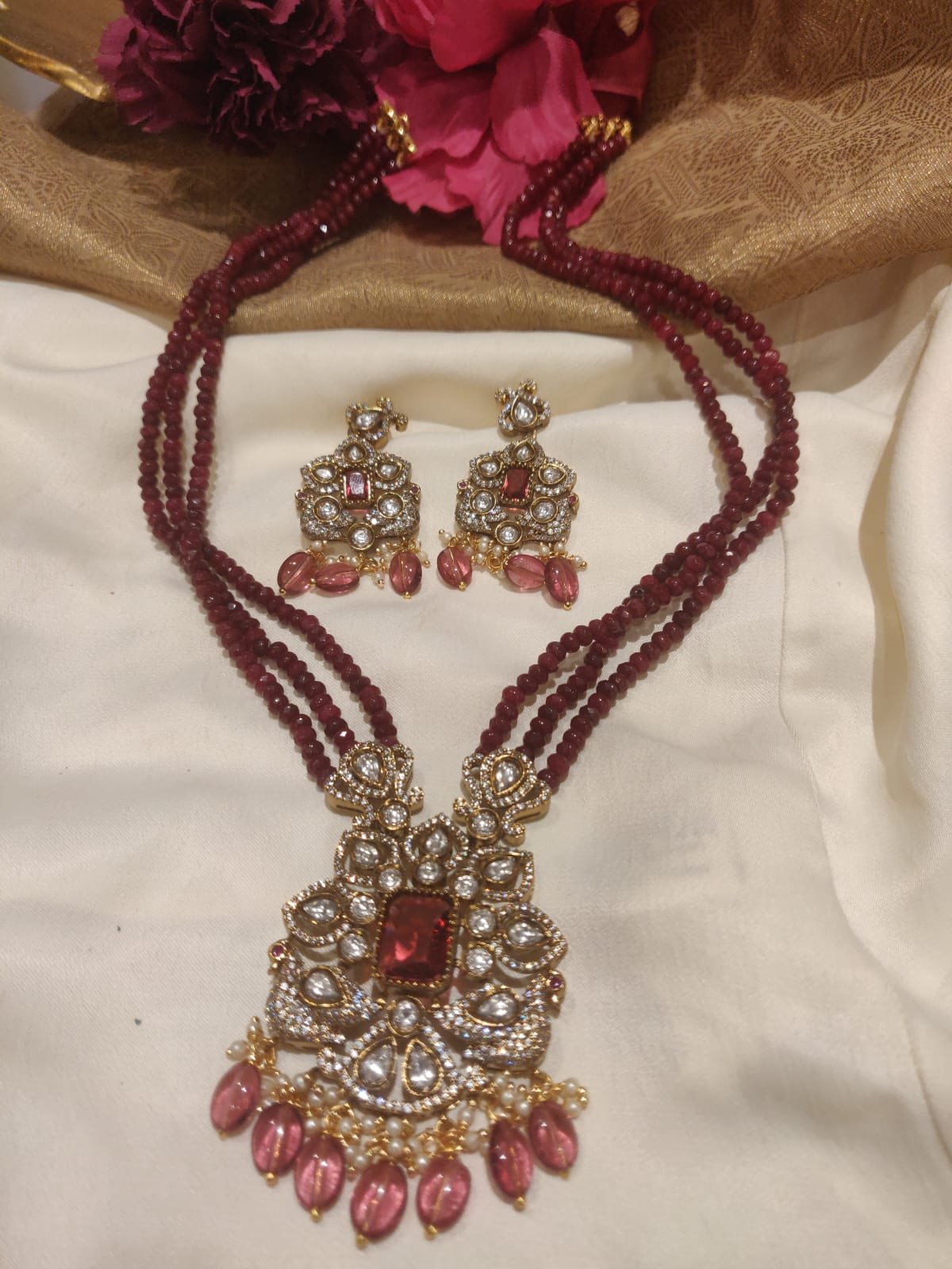
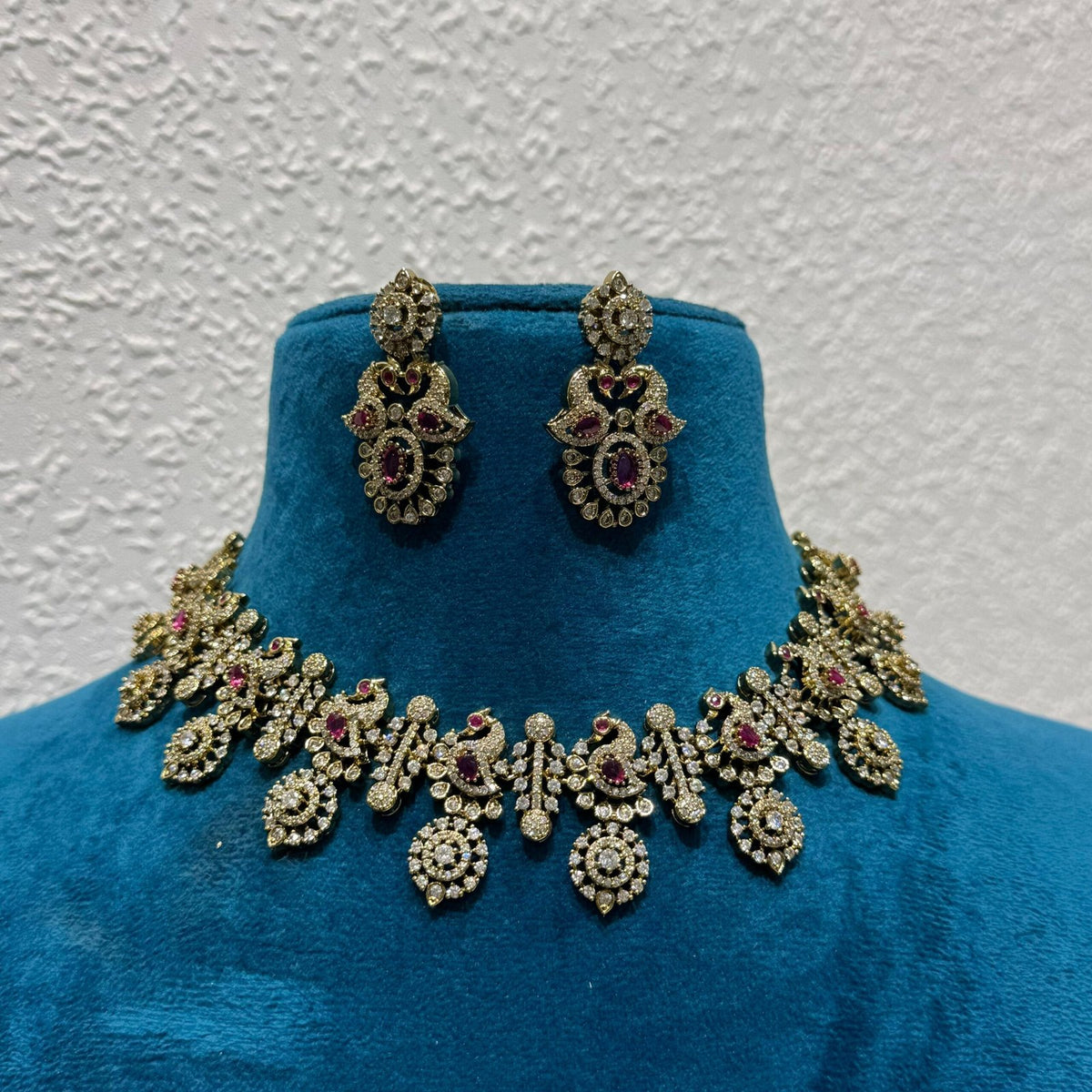
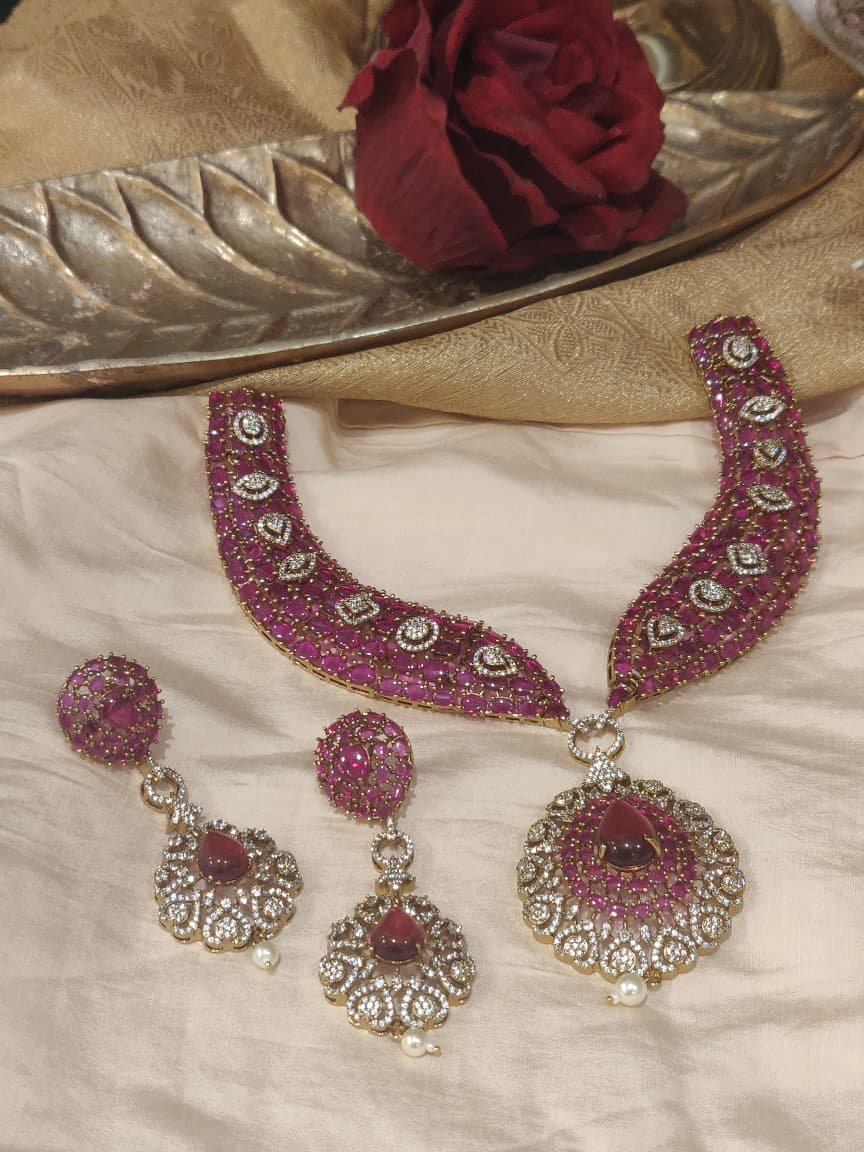
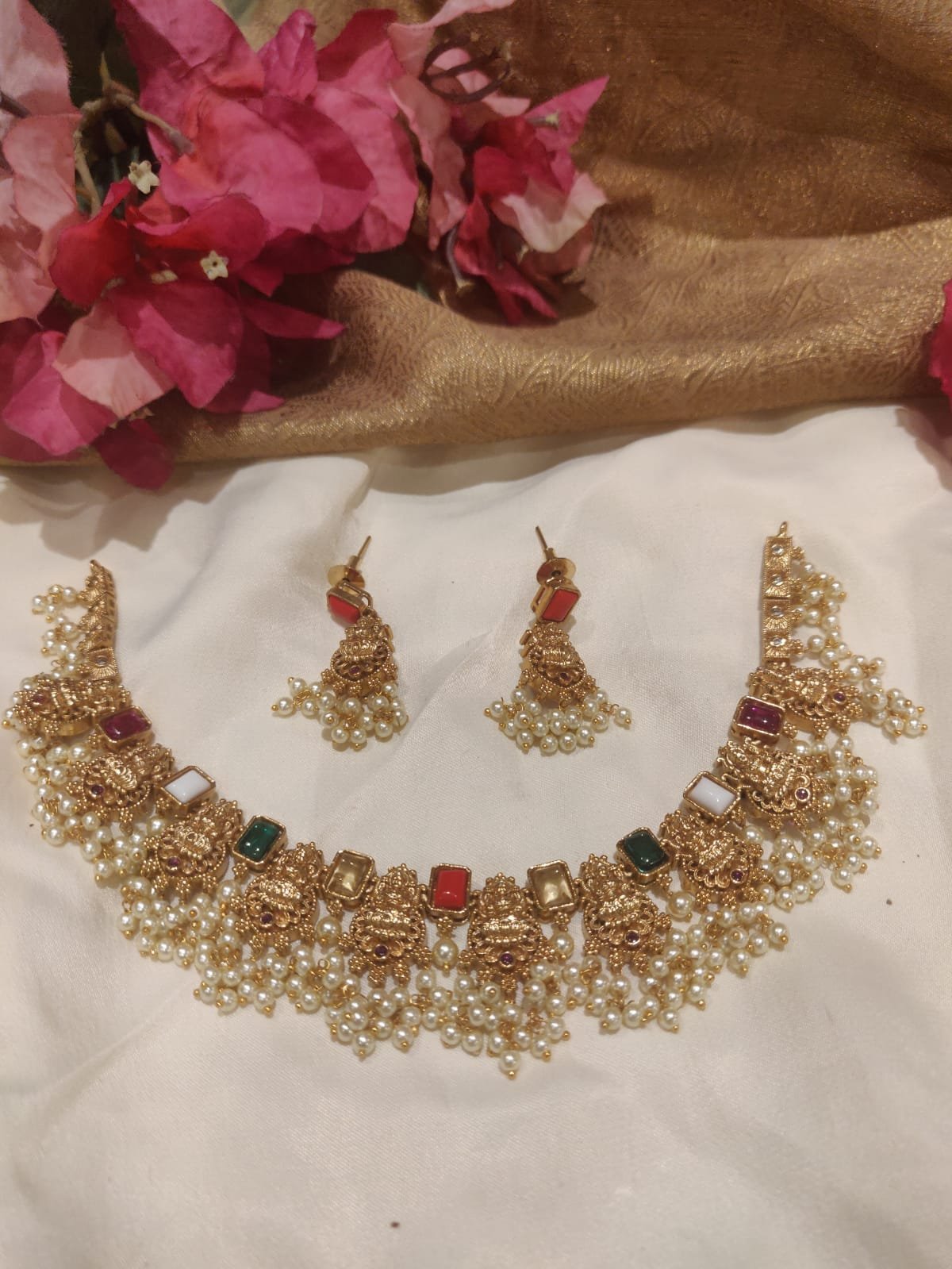
Jewelry Sale Online India: How to Shop Smart and Save More in 2026
India's online jewelry market has matured rapidly, giving buyers access to certified gold, diamond, and silver pieces at competitive prices without stepping into a store. Knowing how sales are structured, what certifications matter, and which price windows offer real value helps you avoid overpaying and under-researching your next purchase. For more information, explore the Traditional gold bangle designs.
How the Online Jewelry Sale Market Works in India
Market Structure and Key Sale Periods
India's online jewelry retail segment is driven by seasonal demand cycles tied to festivals, weddings, and auspicious calendar dates. Major sale windows include Dhanteras, Akshaya Tritiya, Dussehra, and year-end clearance events, when platforms offer discounts on making charges rather than on gold weight value. Understanding this distinction is the single most important buying rule: gold price is market-linked and rarely discounted, but making charges, which range from 8 percent to 35 percent of the total bill depending on design complexity, are where genuine savings appear.
Who Sells and What They Offer
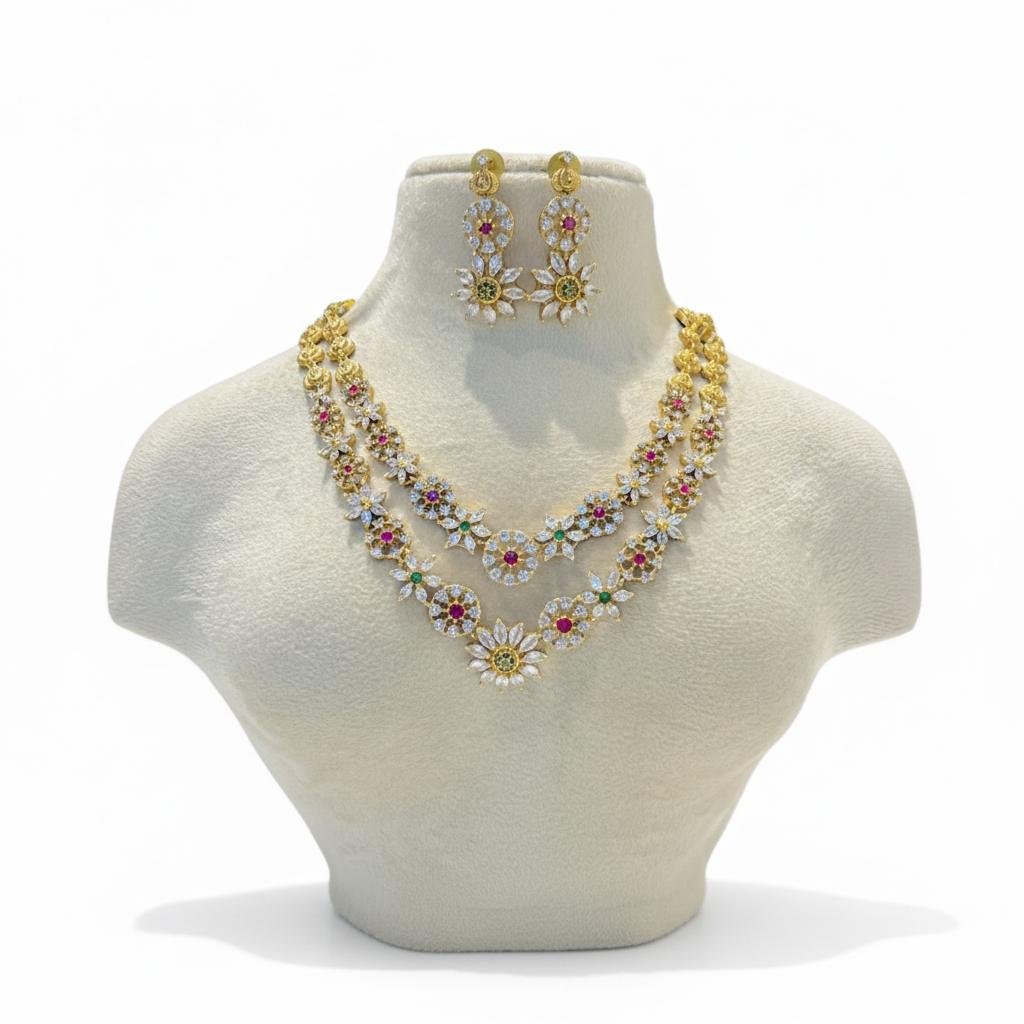
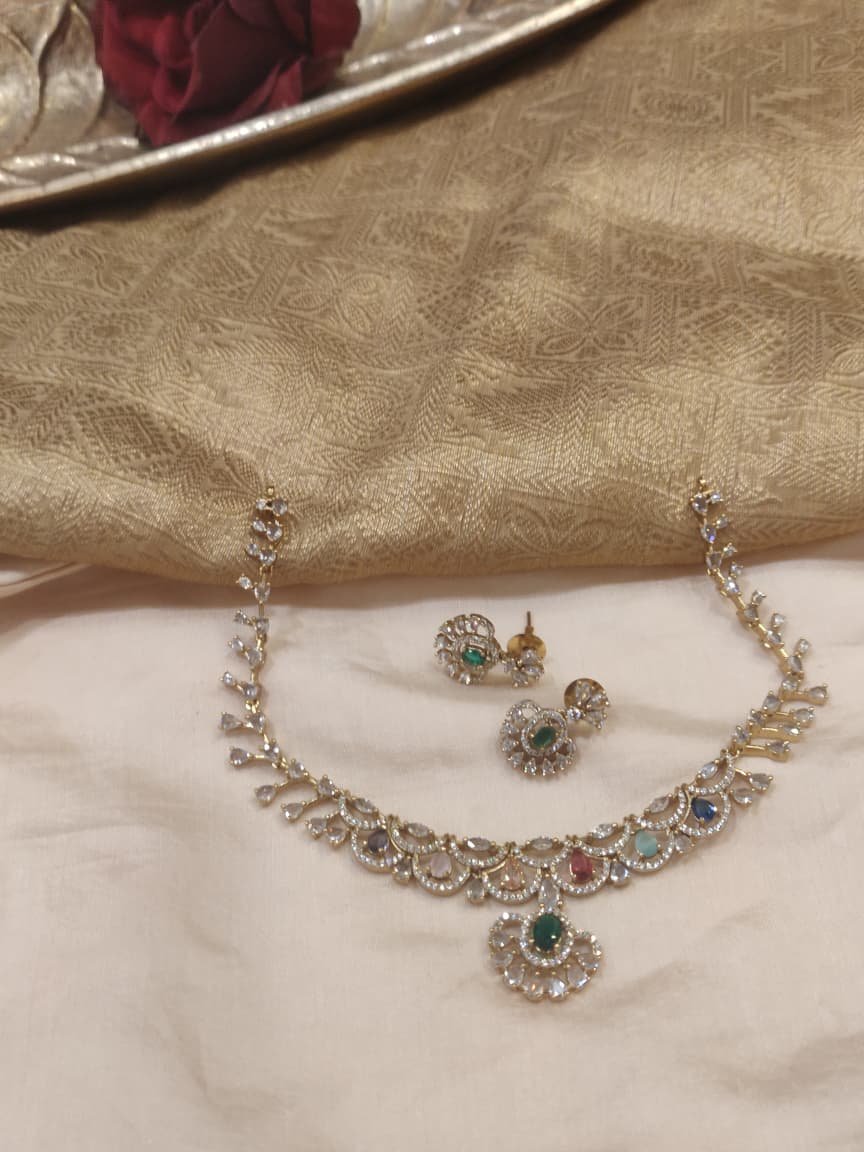
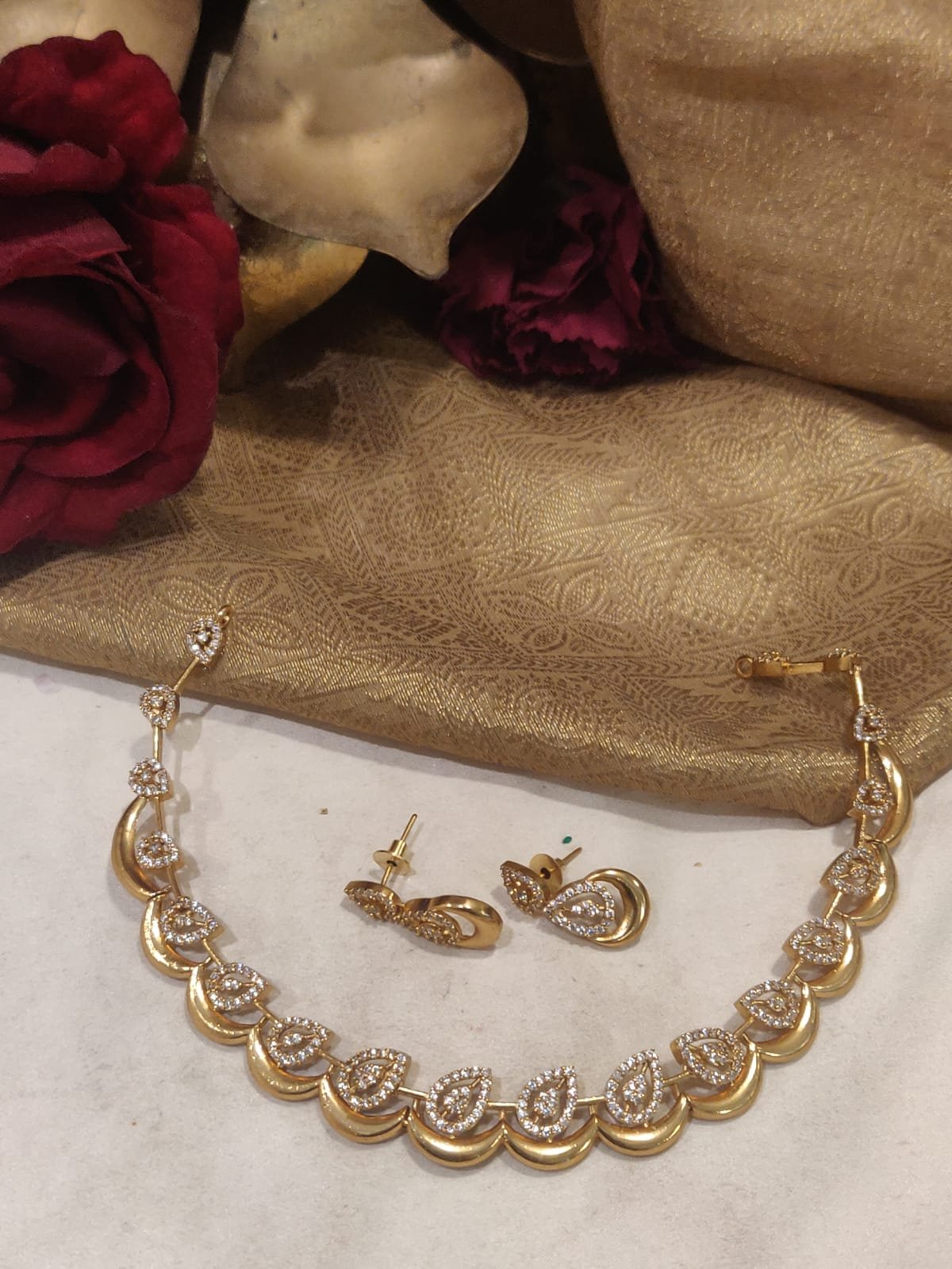
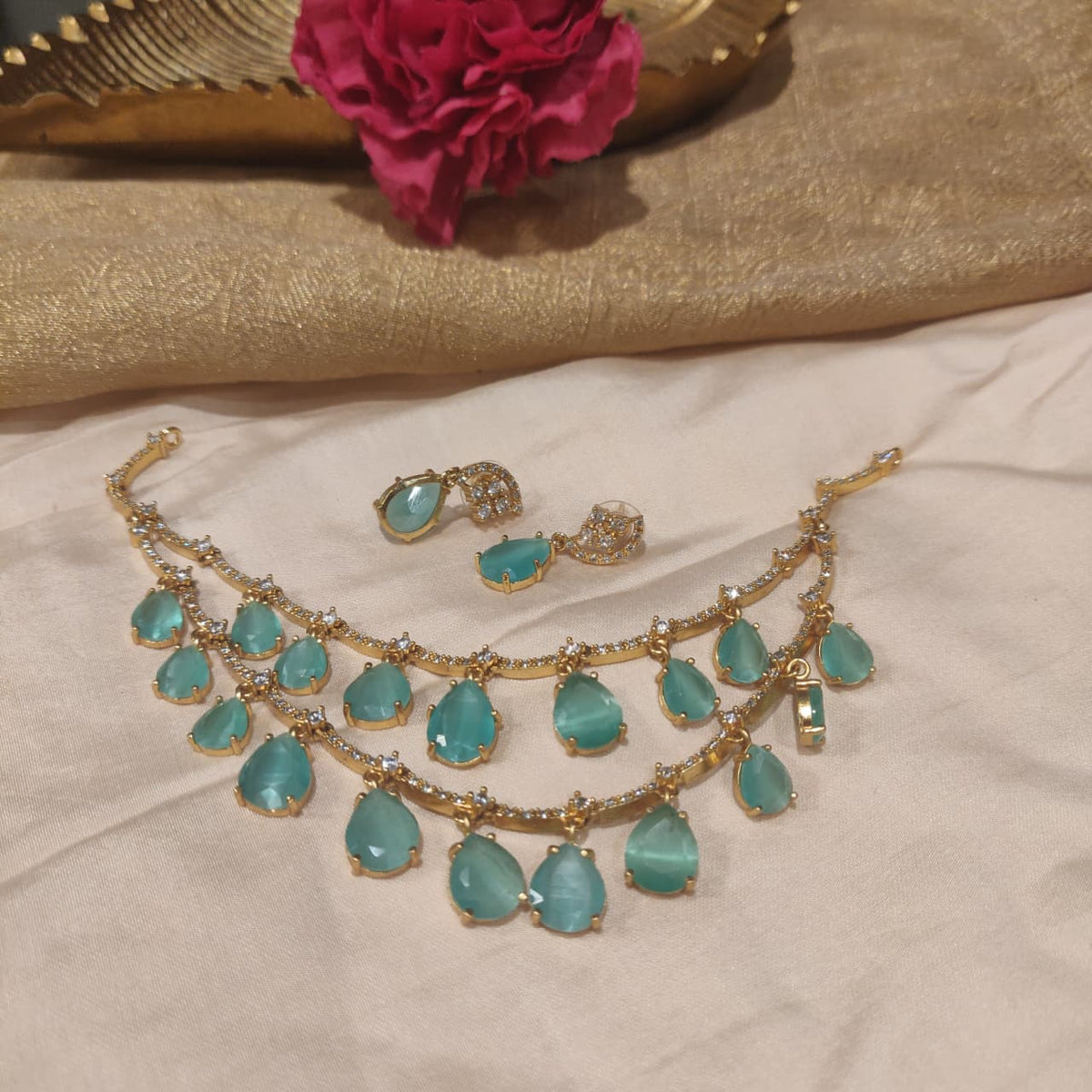
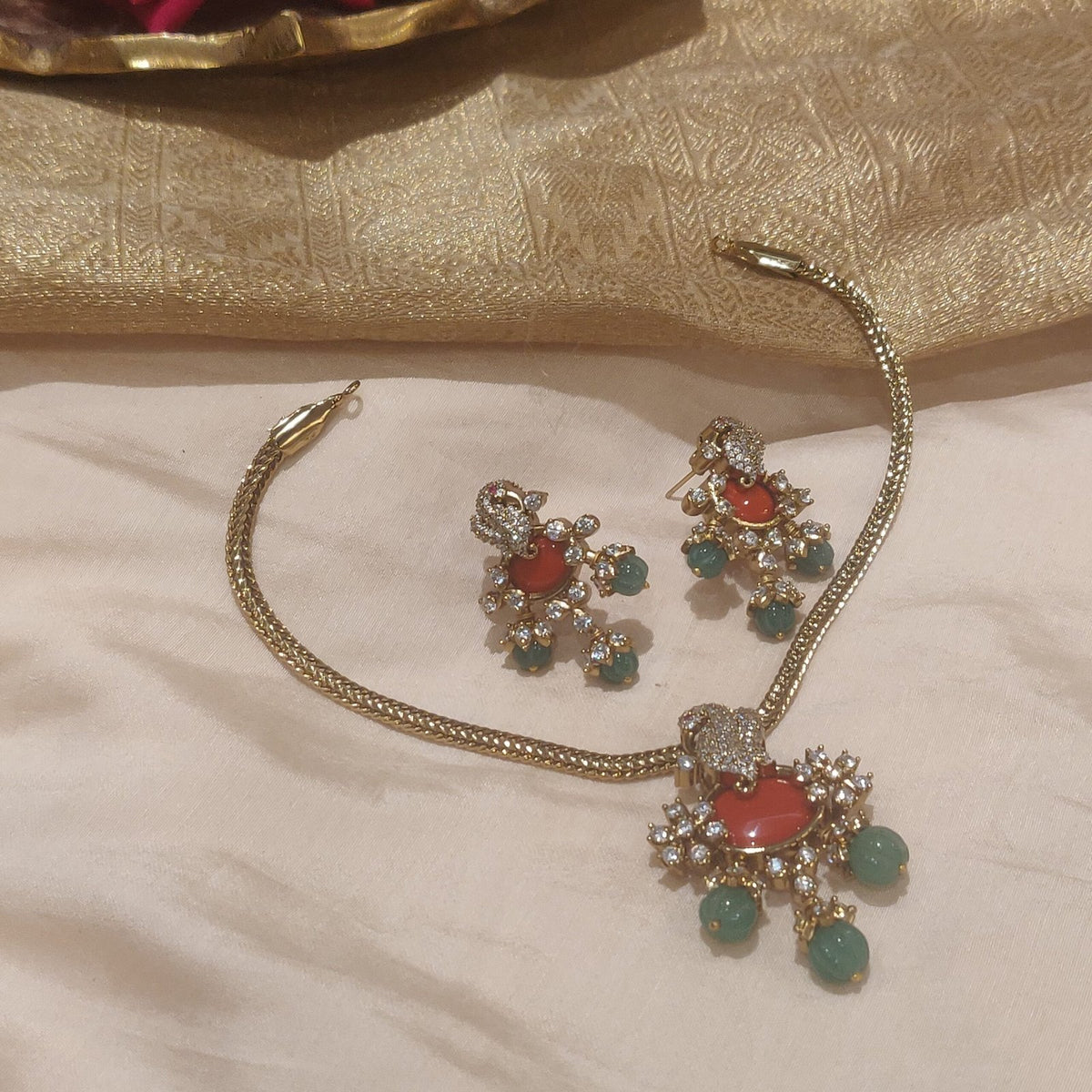
The online jewelry sale space in India includes large marketplace aggregators, brand-owned D2C storefronts, and regional jewelers with digital presence. Whether you're browsing fashion jewellery online or premium gold sets, each channel carries different trust signals and return policies. Platforms that hold BIS hallmarking compliance and provide a certificate of authenticity with every shipment offer the strongest buyer protection.
|
Sale Channel Type |
Typical Discount Area |
Certification Standard |
Return Window |
|
D2C Brand Storefront |
Making charges, 10-25% |
BIS Hallmark + IGI/GIA for diamonds |
15-30 days |
|
Marketplace Aggregator |
Coupon codes, bundled offers |
Varies by seller |
7-15 days |
|
Regional Jeweler Online |
Festival flat discounts |
BIS Hallmark (mandatory post-2021) |
Exchange only |
What to Verify Before Buying Jewelry Online in India
Hallmarking, Purity, and Certification Standards
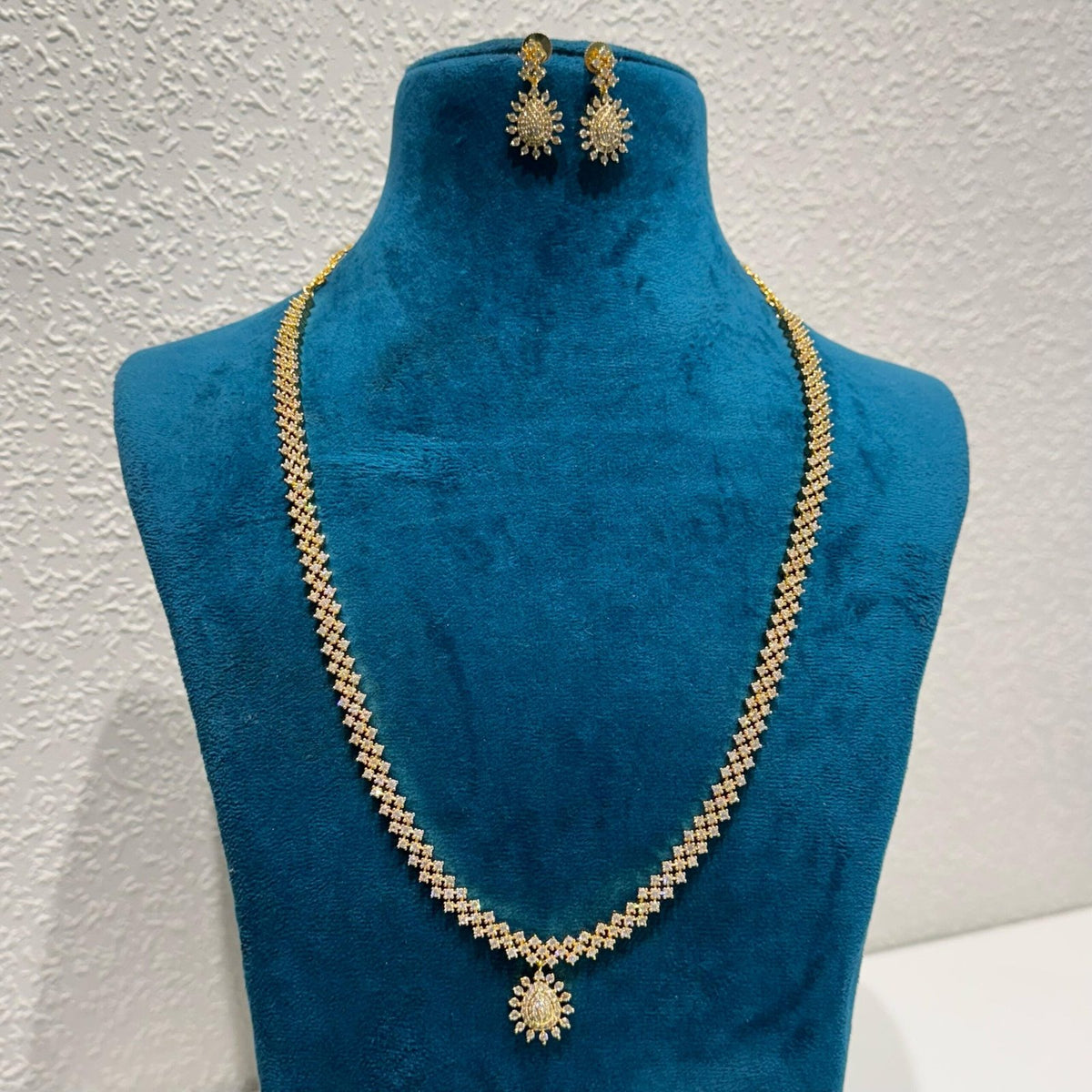
Since June 2021, BIS hallmarking has been mandatory for gold jewelry sold in India, covering 14K, 18K, and 22K purity grades. Every hallmarked piece carries a six-digit HUID number that buyers can verify on the BIS Care app. For diamond jewelry, look for IGI or GIA grading reports specifying the 4Cs: cut, color, clarity, and carat weight, as these reports are the only objective proof of stone quality in an online transaction.
Price Transparency and Hidden Charges
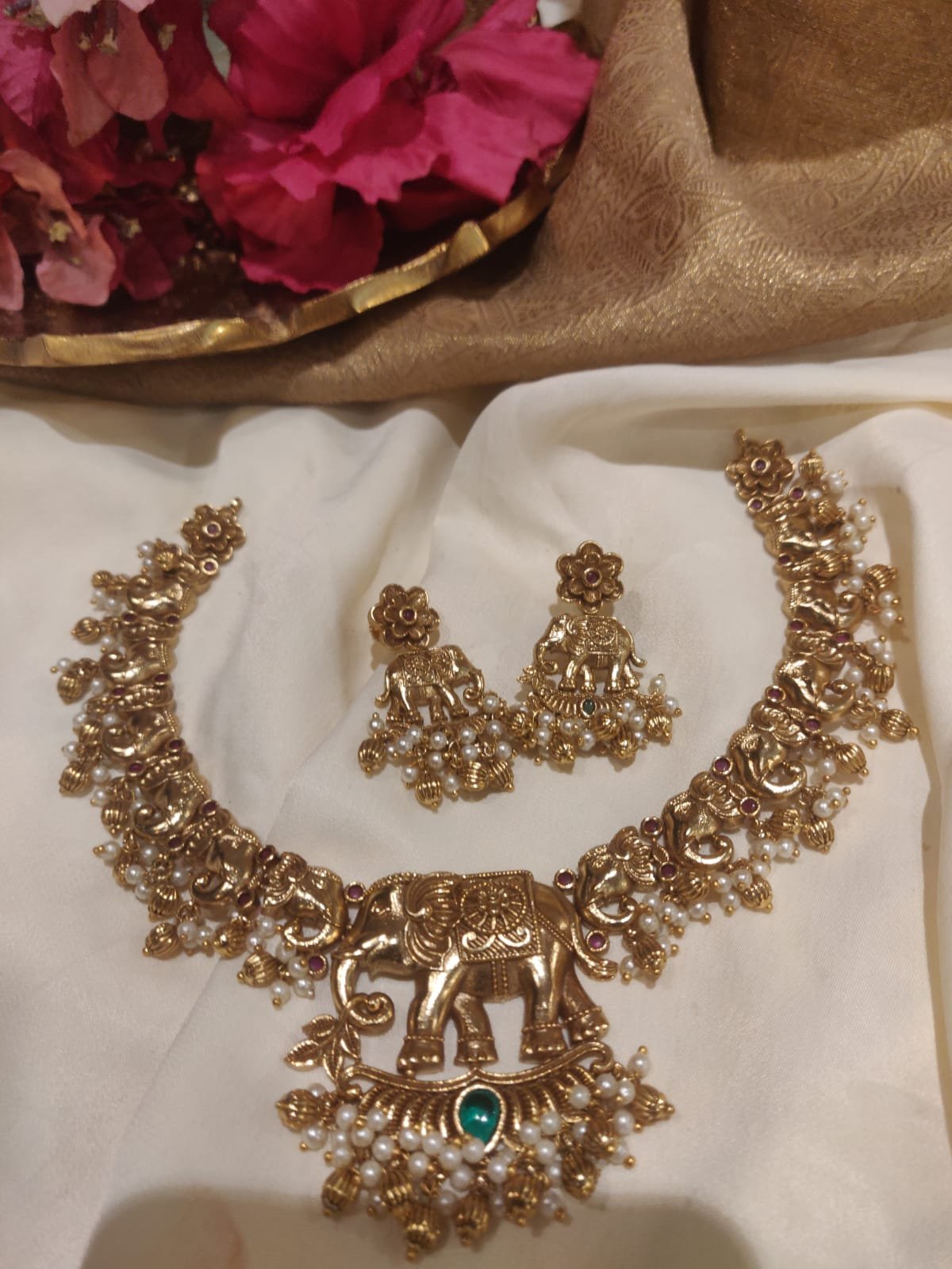
A trustworthy listing breaks down gold weight cost, making charges, stone charges, and GST separately. GST on gold jewelry is 3 percent on metal value plus 5 percent on making charges, which affects the total bill meaningfully on high-value pieces. Always request an itemized invoice and compare the listed gold rate against the day's MCX spot price. From classic pearl necklace and earring set options to diamond rings, transparent pricing is non-negotiable.
-
HUID verification: Cross-check the six-digit code on the BIS Care app immediately after delivery.
-
Stone grading report: Demand an IGI or GIA certificate for any diamond above 0.20 carats.
-
Making charge cap: Negotiate or filter for pieces where making charges stay below 15 percent for plain gold designs.
-
GST invoice: A proper GST invoice is legally required and protects you during resale or exchange.
-
Return policy scope: Confirm whether the return covers a full refund or exchange only, and whether custom-sized pieces are excluded.
How to Evaluate Jewelry Deals and Avoid Common Traps
Reading Sale Discounts Accurately
A "40 percent off" headline during an online jewelry sale in India almost always refers to making charges, not the total product price. Because making charges typically represent 15 to 25 percent of the final bill for standard designs, a 40 percent reduction on that component translates to roughly 6 to 10 percent off the total price paid. Buyers who calculate savings on the full MRP without understanding this structure consistently overestimate the deal value. Traditional gold bangle designs are a common category where this discount structure applies, so always verify the component breakdown before assuming headline savings.
Comparing Across Platforms Effectively
Use a standardized comparison method: note the gold weight in grams, multiply by the day's 22K or 18K rate, add the stated making charge, then add GST to arrive at a fair price benchmark. Avoid listings that show only a final price without a weight breakdown, as these are the most common source of post-purchase dissatisfaction. For fancy artificial jewellery, compare stone quality and finish standards across sellers before committing.
-
Note the exact gold weight (grams) and purity (22K, 18K, or 14K) from the product listing.
-
Check the current MCX gold rate for that purity on the day of purchase.
-
Calculate: (Gold weight x MCX rate) + Making charges + Stone charges + 3% GST on metal + 5% GST on making charges.
-
Compare your calculated fair price against the listed sale price to determine actual savings.
-
Verify the return and exchange policy in writing before completing payment.
|
Jewelry Type |
Typical Making Charge Range |
Best Sale Discount Realistic |
Certification to Demand |
|
Plain Gold Bangles |
8-12% |
5-8% off total |
BIS Hallmark + HUID |
|
Diamond Solitaire Ring |
15-25% |
10-15% off total |
GIA/IGI + BIS |
|
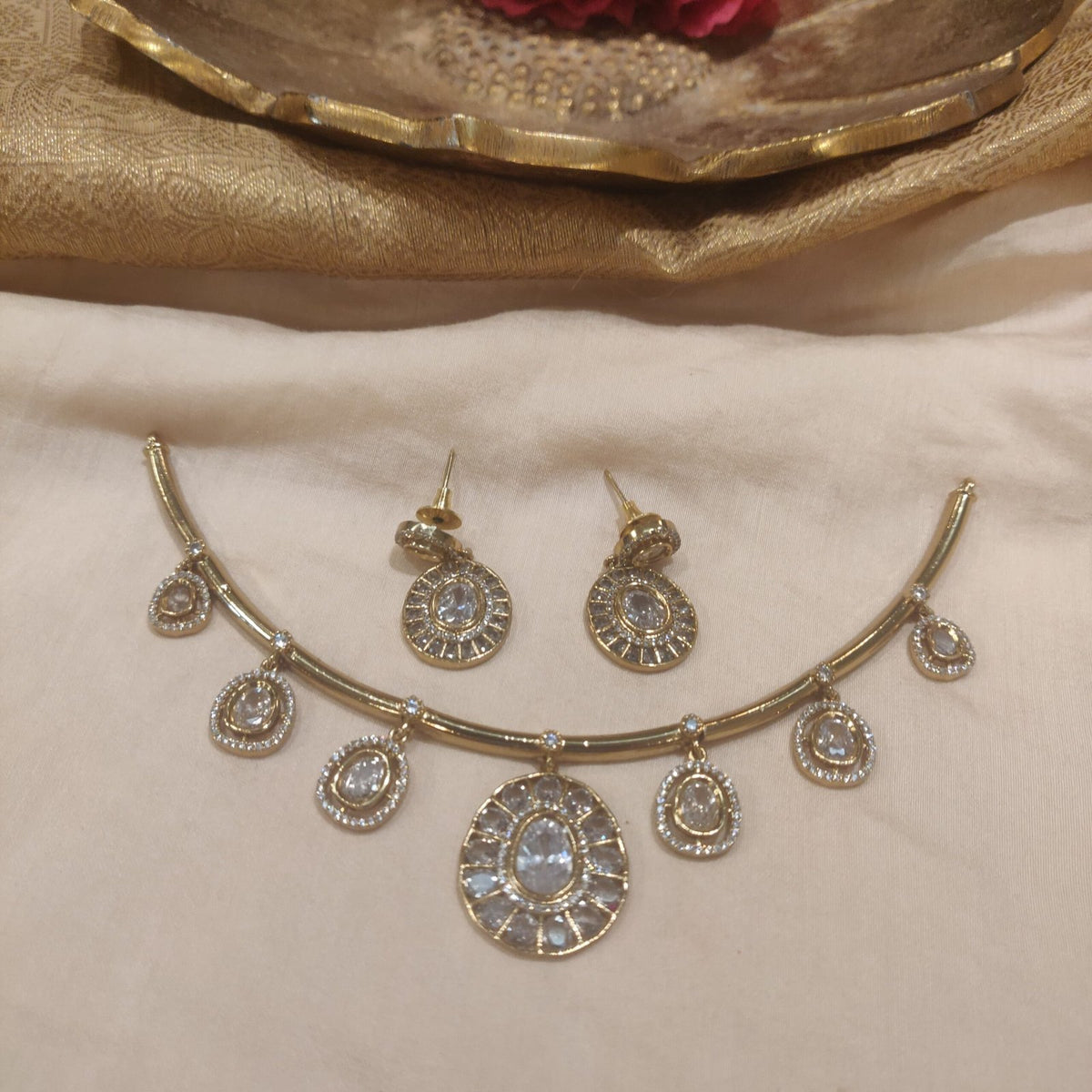
Kundan/Polki Set |
25-35% |
15-20% off total |
BIS Hallmark |
|
Silver Oxidized Jewelry |
20-30% |
20-25% off total |
925 Sterling stamp |
Care, Storage, and Long-Term Value After an Online Purchase
Maintaining Jewelry Bought During Sales
Gold jewelry above 18K purity is relatively resistant to tarnish but still requires storage in anti-tarnish pouches or fabric-lined boxes to prevent surface scratches. Diamond-set pieces should be cleaned monthly using a soft brush, mild dish soap, and lukewarm water, then dried completely before storage. Quality-focused platforms that offer designer jewellery online often include care cards with shipments, a practical indicator of after-sale commitment worth noting when choosing where to buy.
-
Anti-tarnish storage: Use individual zip-lock anti-tarnish pouches for each piece to prevent cross-scratching.
-
Ultrasonic cleaners: Avoid these for emerald, pearl, or enamel-set jewelry as vibration damages soft stones.
-
Annual professional cleaning: Schedule once a year with a local jeweler to check prong integrity on diamond pieces.
-
Document filing: Keep invoice, hallmark certificate, and grading report together in a single physical or digital folder.
Frequently Asked Questions
Is it safe to buy gold jewelry online in India?
Yes, provided the seller offers BIS hallmarked pieces with a HUID number, a GST invoice, and a clear return or exchange policy backed by a verifiable business registration.
What is the best time to find a jewelry sale online in India?
Akshaya Tritiya, Dhanteras, and year-end clearance periods consistently offer the deepest discounts on making charges, which is where real savings on online jewelry purchases occur.
How do I verify gold purity when buying jewelry online?
Check for the BIS hallmark stamp and use the six-digit HUID number on the BIS Care mobile app to confirm the registered purity and jeweler details instantly after delivery.
Are making charge discounts during online sales genuine?
Most are genuine reductions on the making charge component, but since making charges are only a portion of the total bill, the effective saving on the full price is smaller than the headline percentage suggests.
What certifications should diamond jewelry have when bought online in India?
Look for an IGI or GIA grading report for the diamond and a BIS hallmark certificate for the gold or platinum setting to ensure both the stone and metal quality are independently verified.