


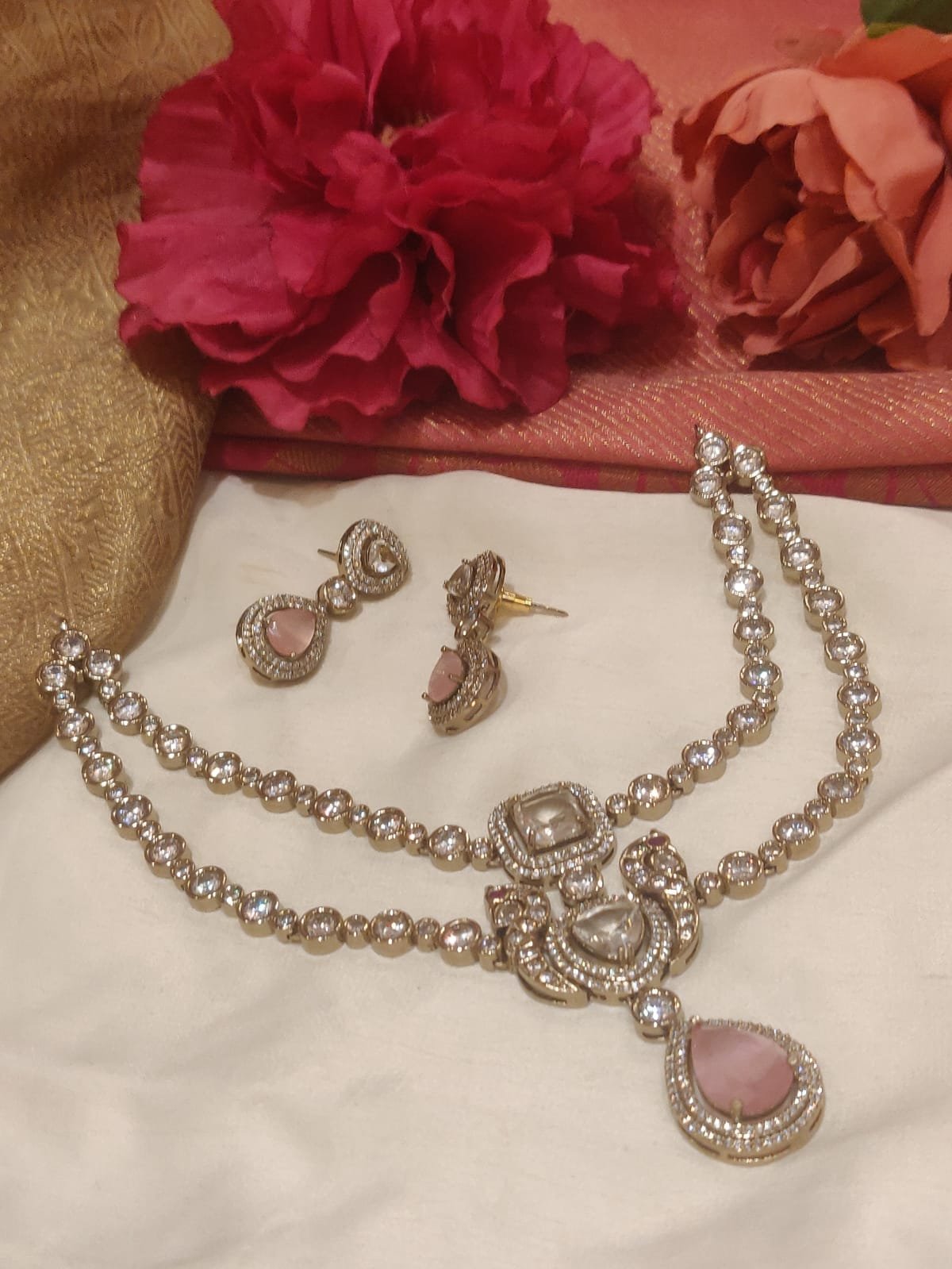

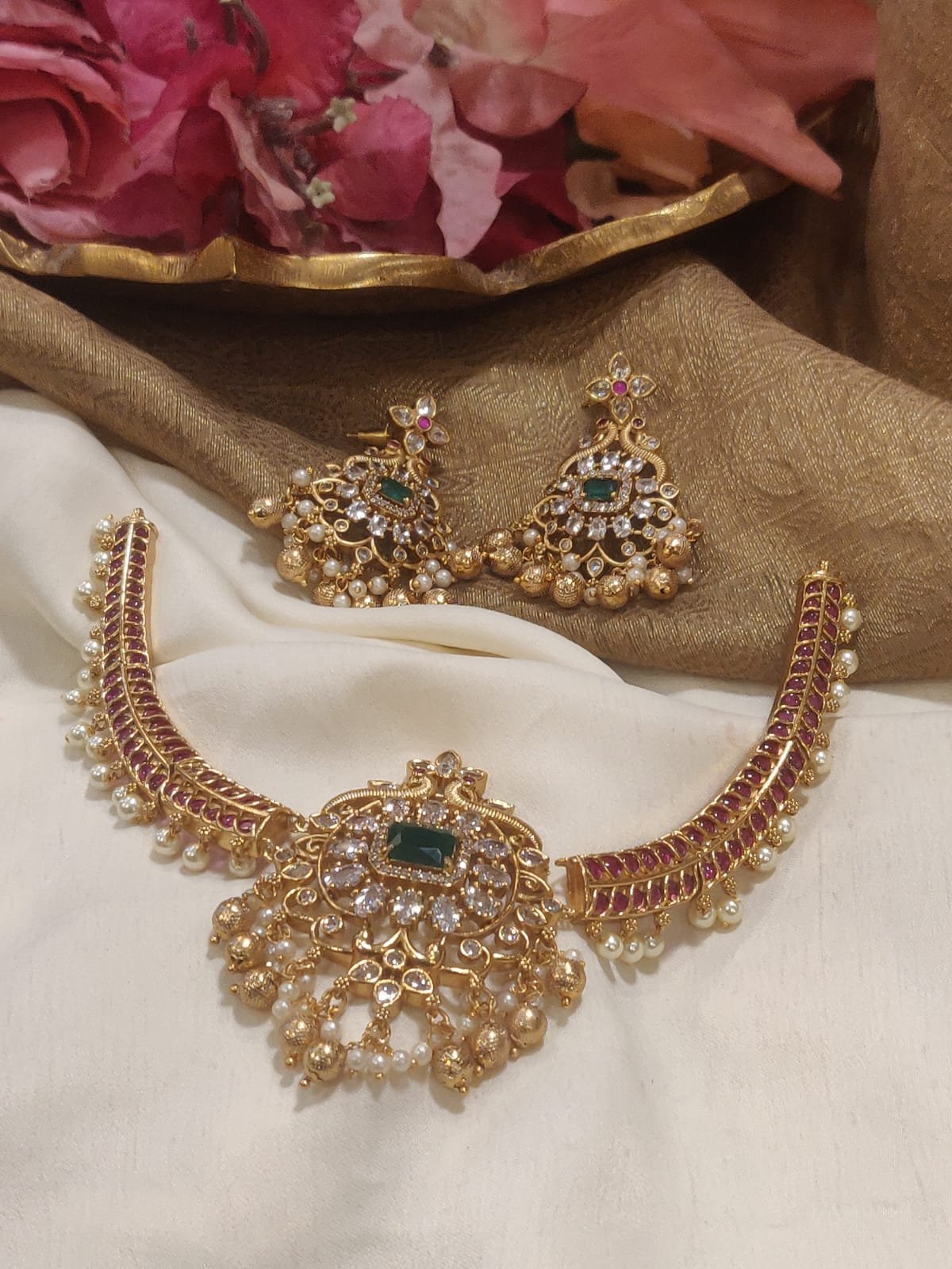
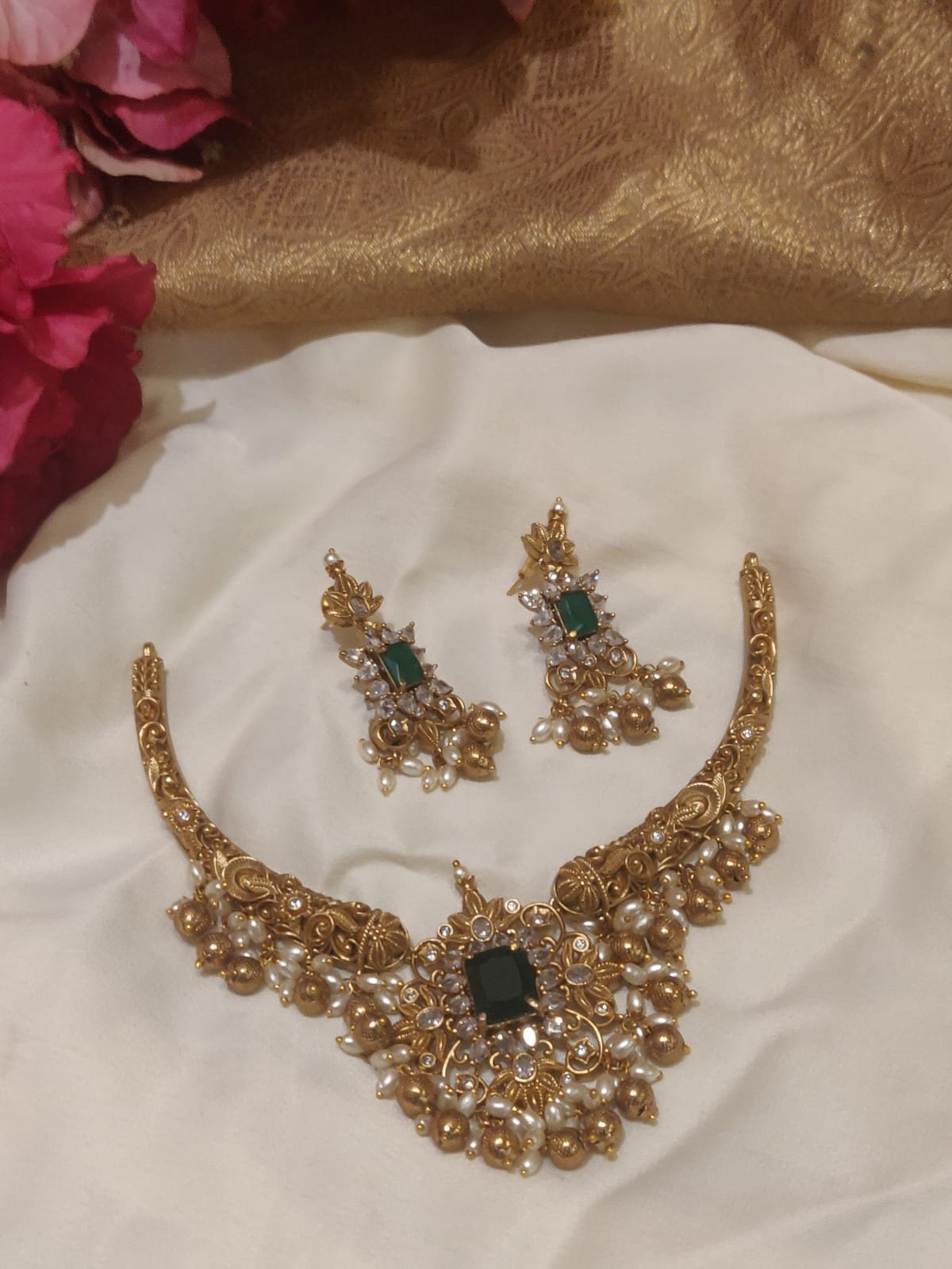
Indian Bridal Jewellery UK: Plan Every Wedding Function Look Before You Buy a Single Piece
Here is a reality that most Indian bridal jewellery guides avoid: buying everything at once without a plan is one of the most common and expensive mistakes a UK-based Indian bride can make.
Indian weddings in the UK span multiple functions over several days. Each function has its own dress code, its own mood, and therefore its own jewellery requirement. A bride who buys a single heavy set and expects it to work across her mehendi, wedding ceremony, and reception will either look overdressed at casual functions or underdressed at formal ones.
This guide approaches Indian bridal jewellery the way a stylist would: function first, purchase second. We cover every event in a typical UK Indian wedding, the right jewellery for each, and how to shop for it all online from the UK without confusion or waste.
The UK Indian Wedding Calendar: Functions and Their Jewellery Codes
Mehendi
The mehendi function is semi-casual and festive. The aesthetic tends toward colour and movement rather than heavy formality.
Right jewellery choices:
-
Colourful jhumkas in green, yellow, or orange tones
-
Light gold-toned bangles stacked loosely
-
Simple pearl or bead necklace
-
No heavy necklace sets as they interfere with henna application on hands and wrists
Avoid: Full Kundan sets, heavy chandelier earrings, or anything that requires careful positioning since mehendi events involve sitting for extended periods.
Haldi
Most brides skip jewellery entirely at haldi since turmeric stains are unavoidable. If jewellery is worn, keep it to inexpensive, disposable pieces in yellow or gold tones.
Sangeet
The sangeet is the most fashion-forward function. Brides and guests are expected to dress with visible effort. This is where statement jewellery earns its place.
Right jewellery choices:
-
Full statement necklace and earring set in AD or Kundan
-
Chandelier or tassel earrings for bridesmaids and guests
-
Bold bangles and kadas
-
Coordinated jewellery across the bridal party if desired
Wedding Ceremony
This is the main event. The bridal jewellery set here should be the heaviest, most complete, and most traditional of the entire wedding.
A complete wedding ceremony bridal set includes:
-
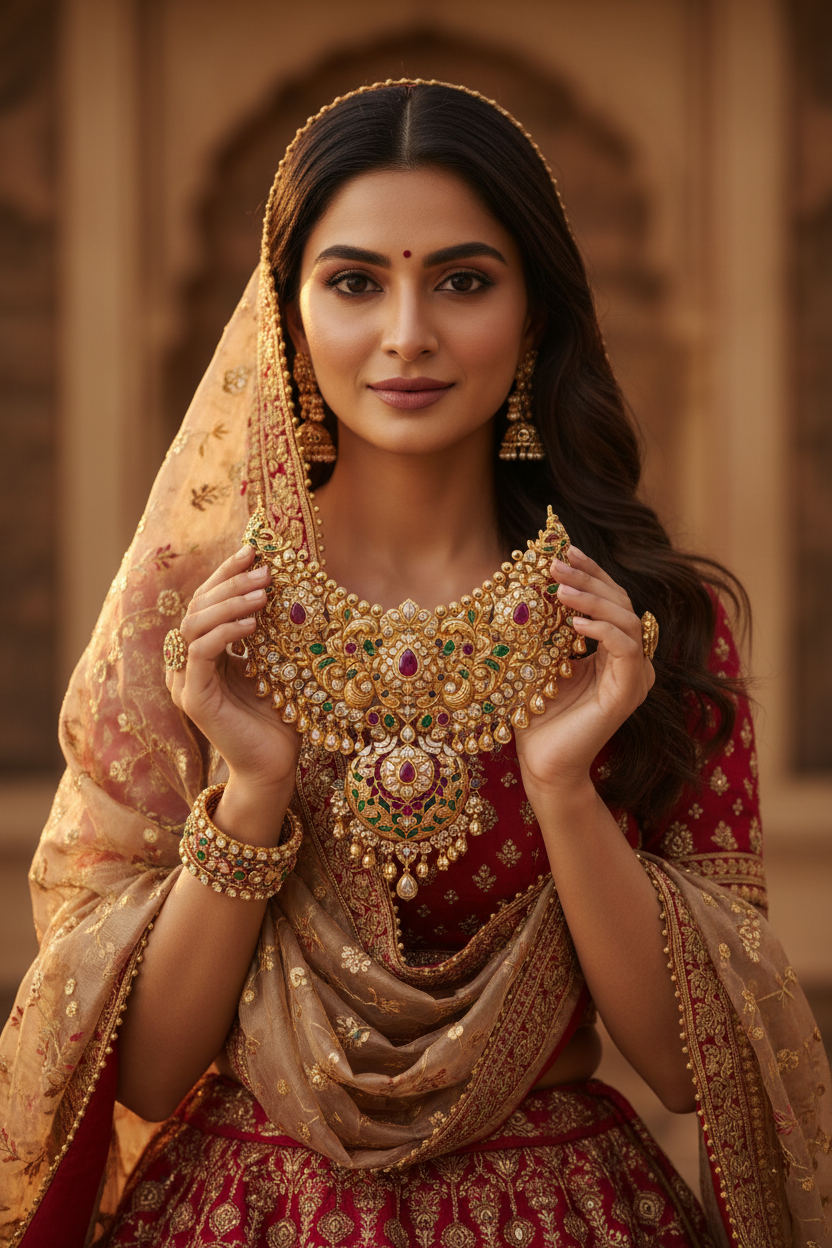
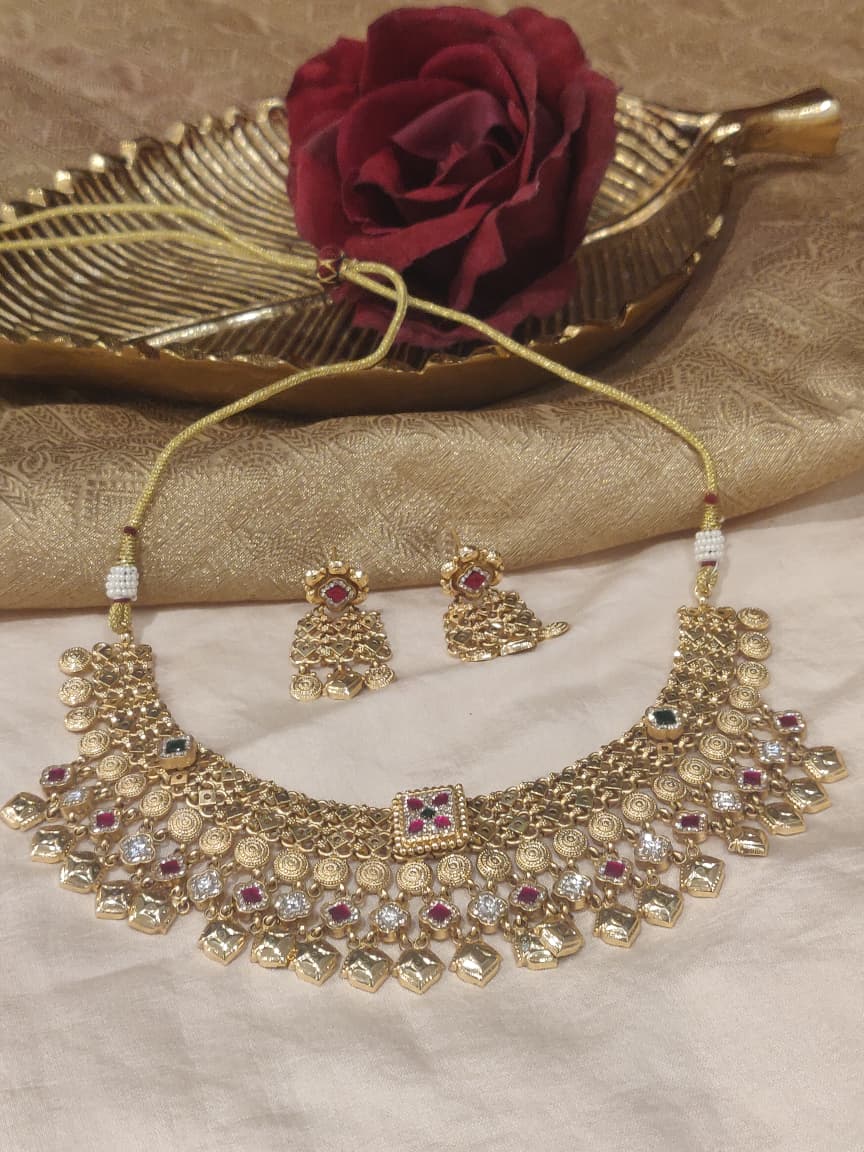
Statement necklace (Kundan, temple, or AD depending on regional tradition)
-
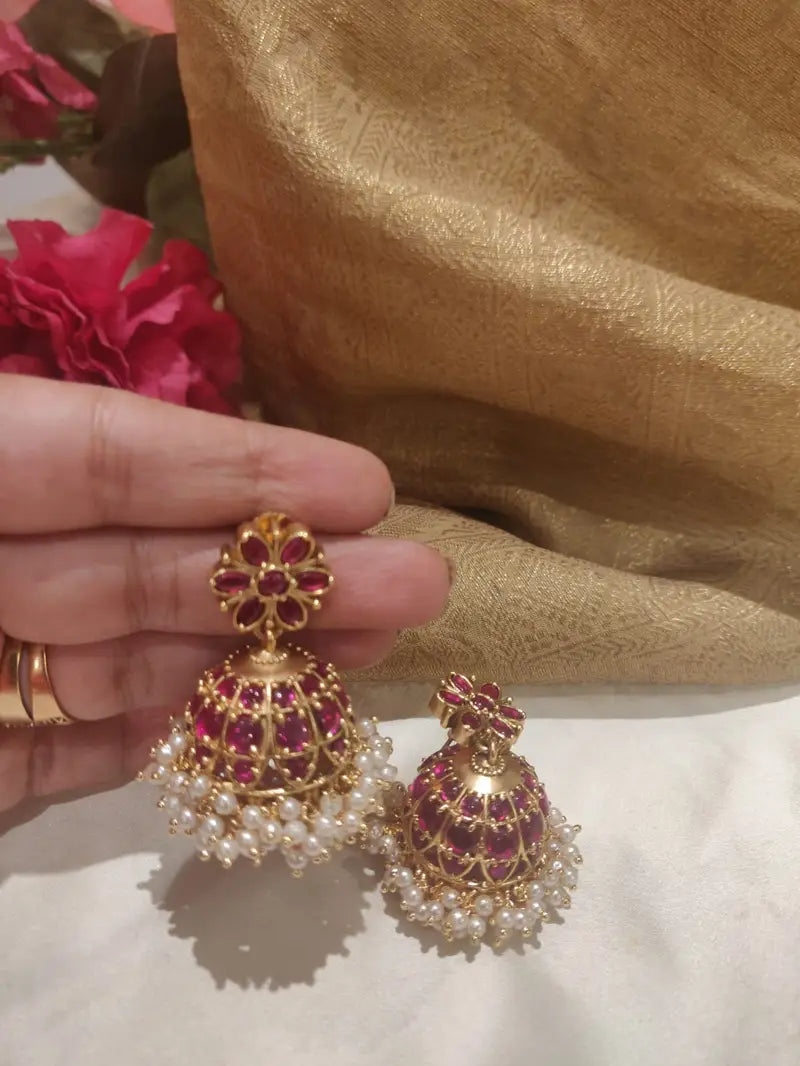
Matching earrings in chandelier or jhumka styles
-
Maang tikka centred along the hair parting
-
Bangles on both wrists
-
Nath if part of regional tradition
-
Passa or jhoomar for more elaborate bridal looks
Reception
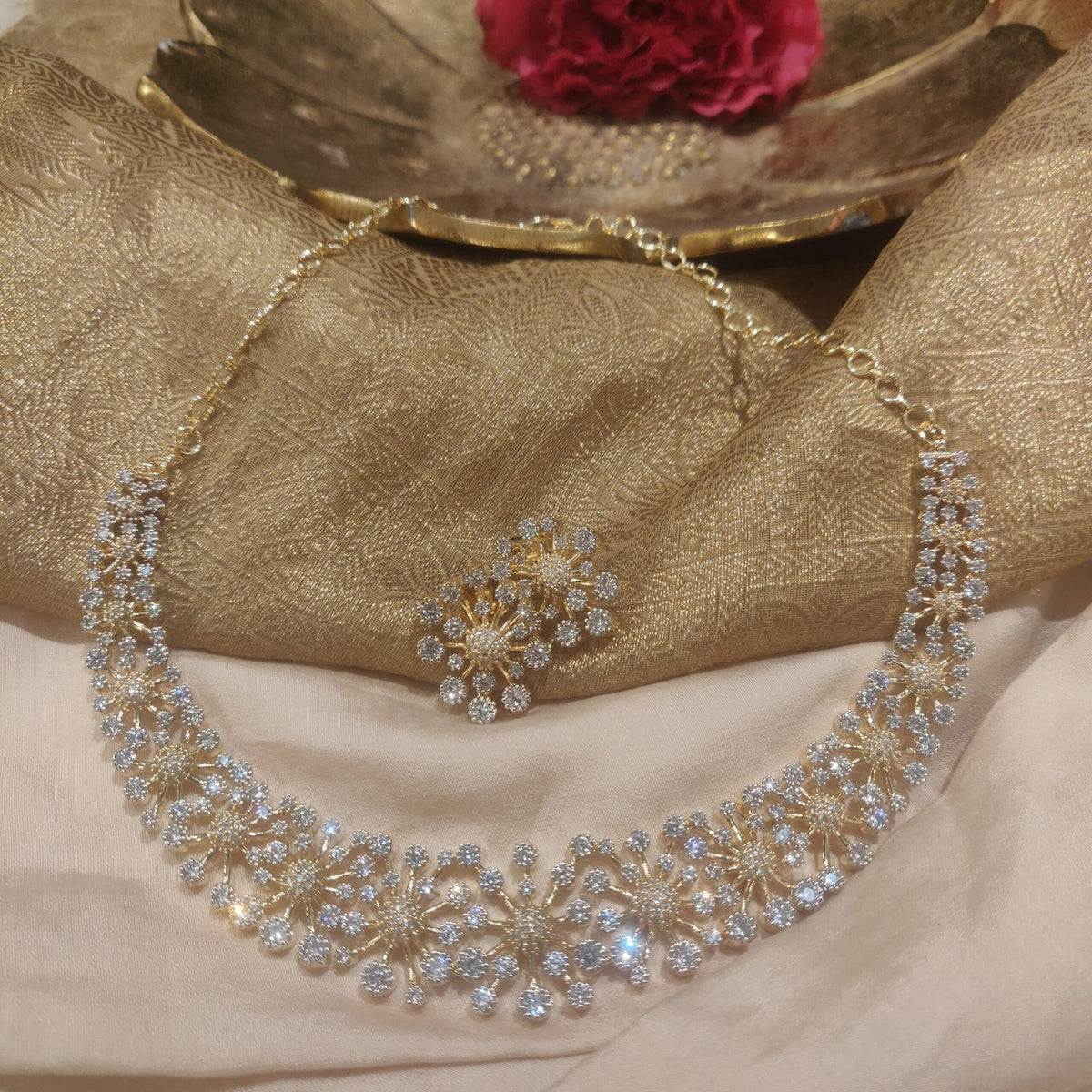
Reception jewellery is typically lighter and more contemporary than the wedding ceremony set. Many UK Indian brides choose AD sets, pearl combinations, or modern designer pieces for the reception.
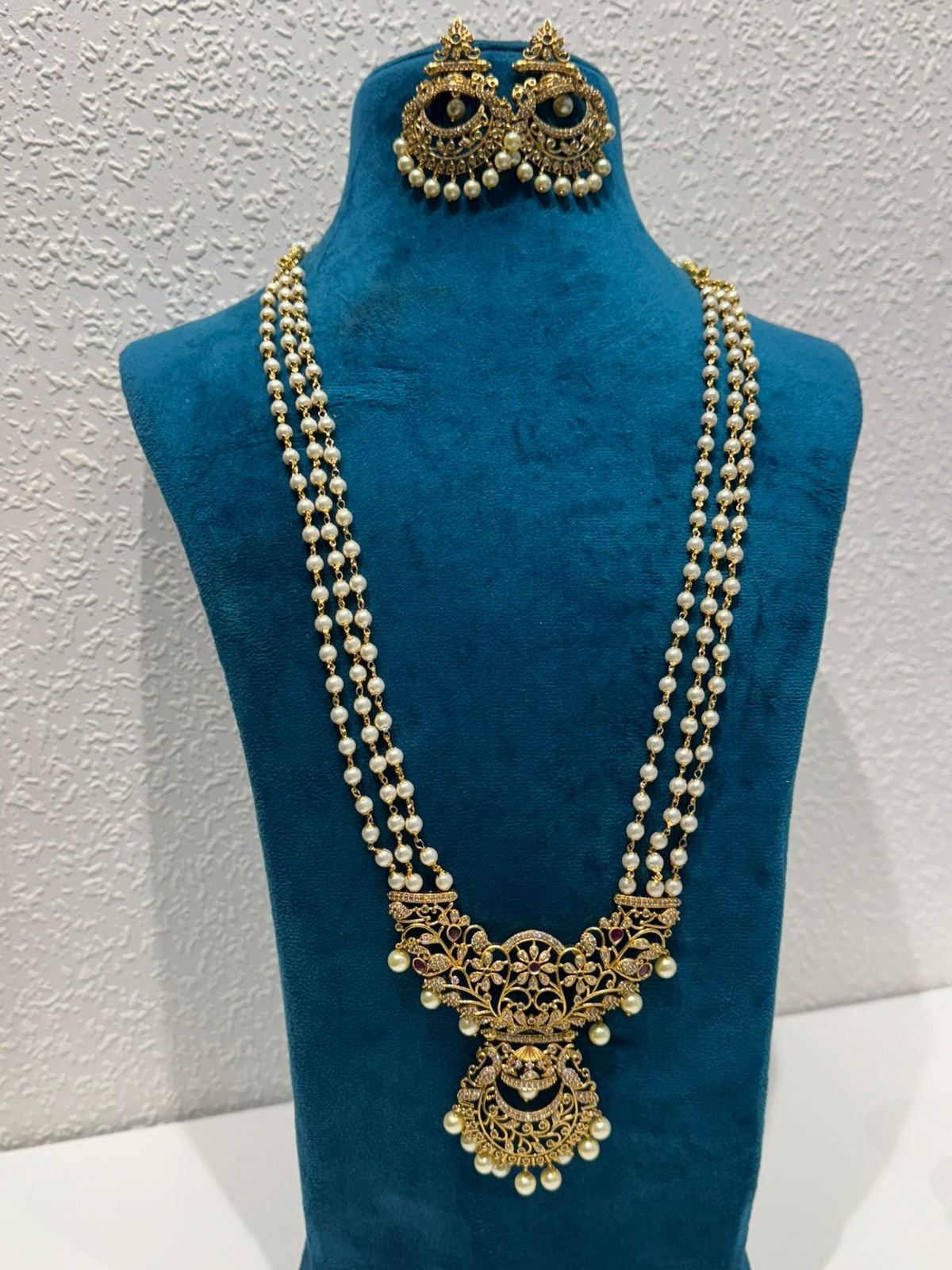
A pearl necklace and earring set is one of the most elegant and practical choices for an Indian wedding reception in the UK, bridging traditional and contemporary aesthetics effectively.
Regional Traditions and Their Jewellery Expectations in UK Indian Weddings
The UK Indian diaspora is diverse, and jewellery traditions differ meaningfully by community.
Punjabi weddings: Heavy Kundan sets for the wedding ceremony, chooda bangles (red and ivory bangle sets) for the bride's wrists, and kalire (hanging ornaments from the bangles) are typical. Sangeet jewellery tends to be glamorous and modern.
Gujarati weddings: Kundan jewellery with green and white stone accents is traditional. Mangalsutra, nose ring, and a full set including earrings, necklace, and tikka are expected for the main ceremony.
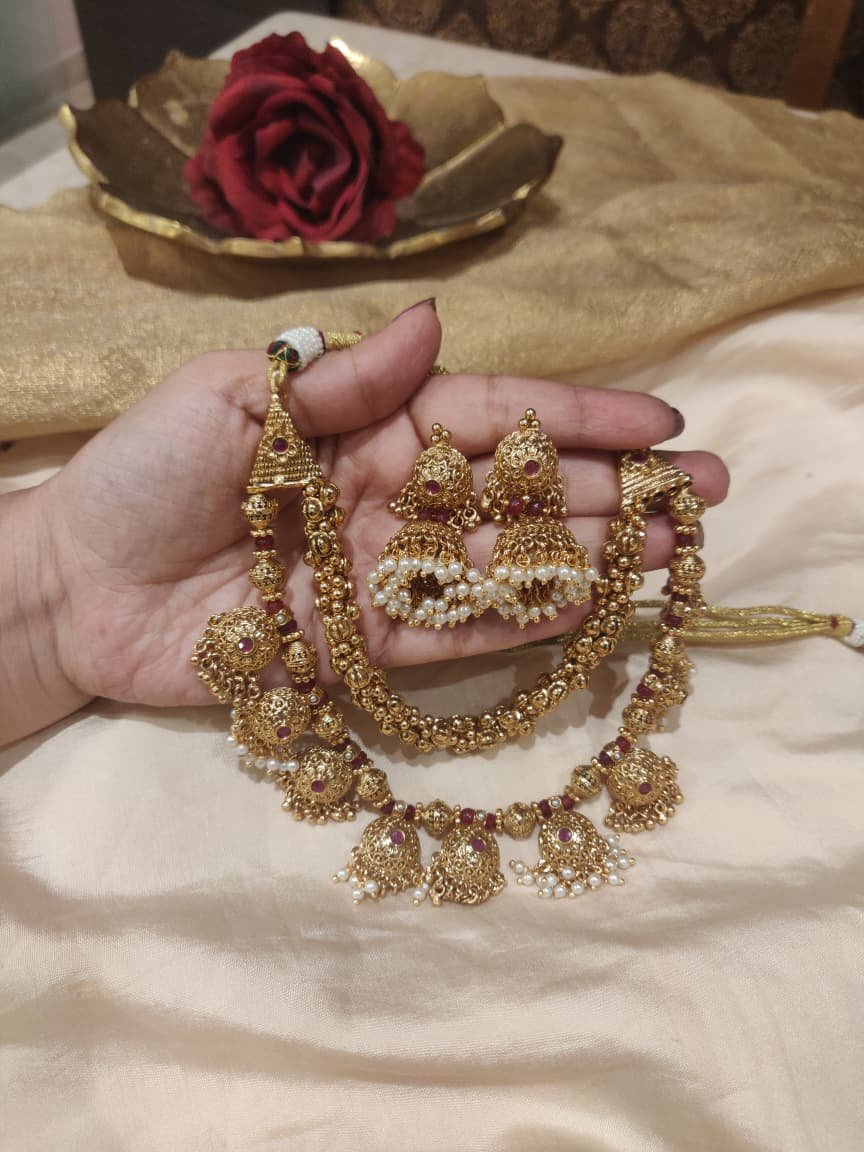
South Indian weddings: Temple jewellery is central. Long harams, jimikis, vanki (upper arm cuff), and traditional gold-toned pieces define the South Indian bridal aesthetic in the UK.
Muslim weddings: Meenakari and AD sets are popular for Nikah and Walima ceremonies. Elegant rather than overtly traditional designs tend to suit the aesthetic expectations of British Muslim wedding celebrations.
Browse fancy artificial jewellery for bridal sets across all regional traditions and UK wedding function types.
How to Order Indian Bridal Jewellery Online from the UK Without Stress
A practical order of operations for UK brides shopping online:
-
Finalise your outfits for every function before shopping for jewellery
-
Map each outfit to its occasion and identify the jewellery weight and colour requirements
-
Shop for the wedding ceremony set first, as it is the most complex and highest priority
-
Move through the remaining functions in order of formality
-
Confirm shipping timelines and ensure all orders are placed at least six to eight weeks before the wedding
-
For bridal sets, check whether the full set is included in the listing price or whether pieces are sold separately
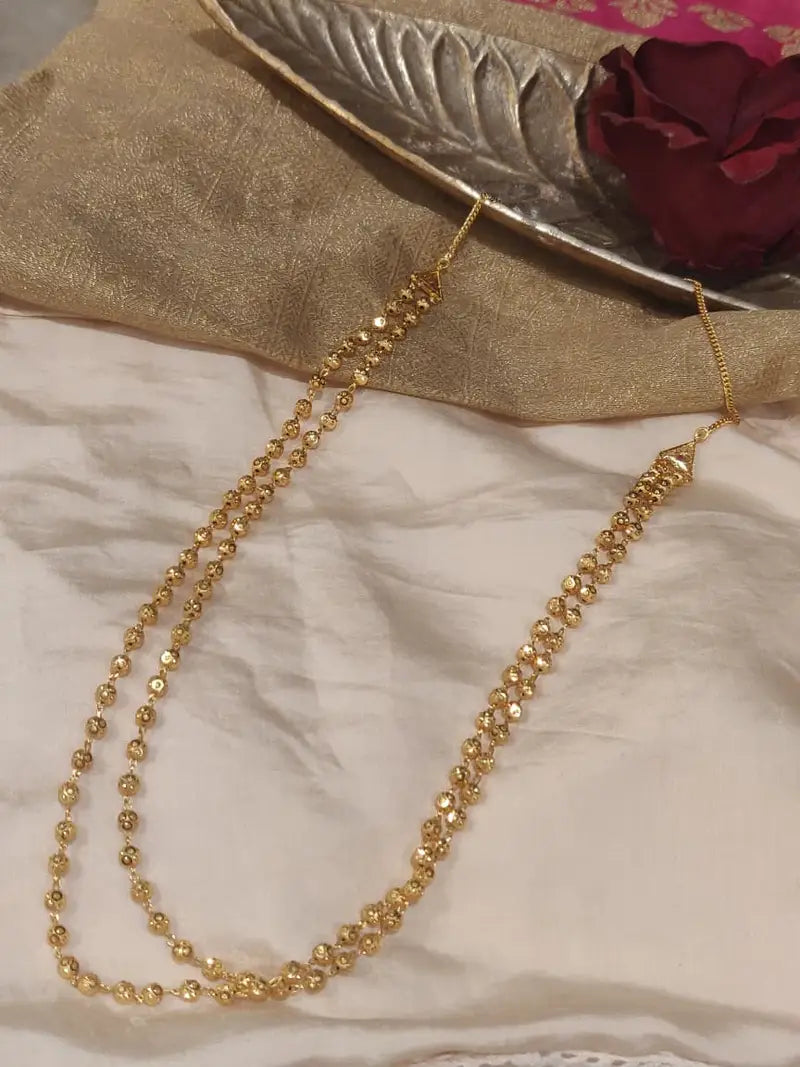
For traditional bangle sets that complete wedding function looks, explore traditional gold bangle designs that pair across multiple functions.
What UK Indian Brides Should Know About Buying Jewellery Sets Online
Shopping for a bridal set remotely requires more due diligence than everyday purchases.
-
Product images should show the set assembled, not just individual pieces on a white background
-
Necklace length in centimetres matters since the same piece can sit very differently on different necklines and outfit cuts
-
Confirm earring closure types for long event days, where comfort becomes important
-
Heavy chandelier earrings worn for eight to ten hours of wedding celebrations require a secure push-back or screw-back closure
Emporia Jewels curates bridal jewellery collections built around real Indian wedding occasions, with sets that cover every function from mehendi through to reception. It is a practical starting point for UK brides building their complete bridal jewellery wardrobe.
Frequently Asked Questions
Q1: How many jewellery sets does an Indian bride in the UK need?
Most brides need at least three to four sets: one for the wedding ceremony, one for the sangeet, one for the mehendi, and one for the reception.
Q2: What is the most important piece of Indian bridal jewellery?
The maang tikka is often considered the defining piece of Indian bridal jewellery since it is visible in most bridal photographs and completes the traditional look.
Q3: Is artificial jewellery acceptable for Indian weddings in the UK?
Yes. High-quality artificial jewellery is widely used by brides and guests at Indian weddings in the UK and is a culturally accepted and practical choice.
Q4: What Indian bridal jewellery style suits a South Indian wedding in the UK?
Temple jewellery is the traditional choice for South Indian weddings. Long harams, jimikis, and vanki pieces define the South Indian bridal aesthetic.
Q5: How do I match jewellery to my lehenga colour?
Gold-toned Kundan sets work well with red and maroon lehengas. Pearl or AD sets suit pastel colours. Coloured stone Kundan accents can be matched to specific outfit tones.
Q6: Where can I buy Indian bridal jewellery online in the UK?
Indian D2C brands, including Emporia Jewels, offer international shipping to the UK. Check the website for bridal collections, set inclusions, and current delivery timelines.