

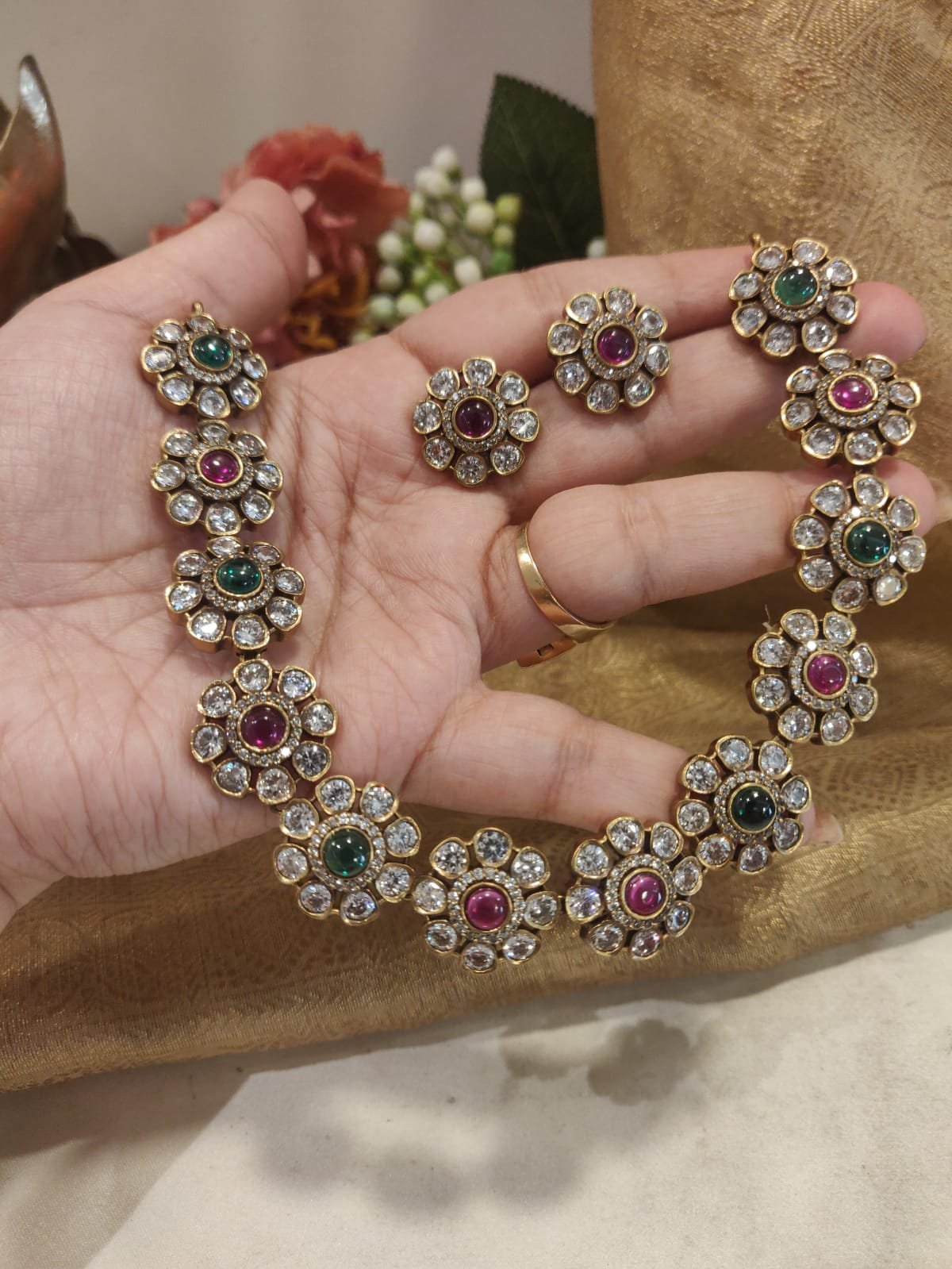
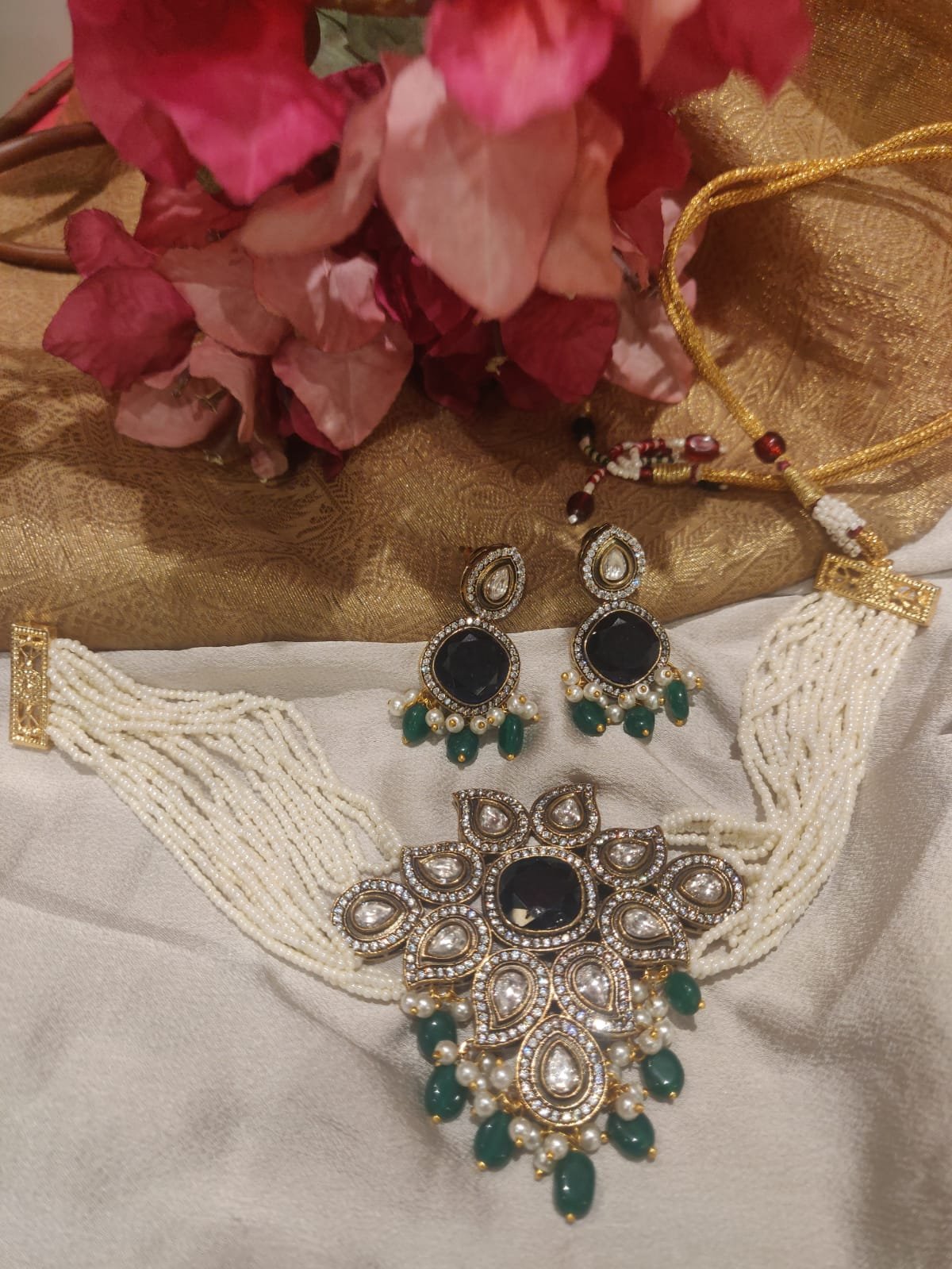
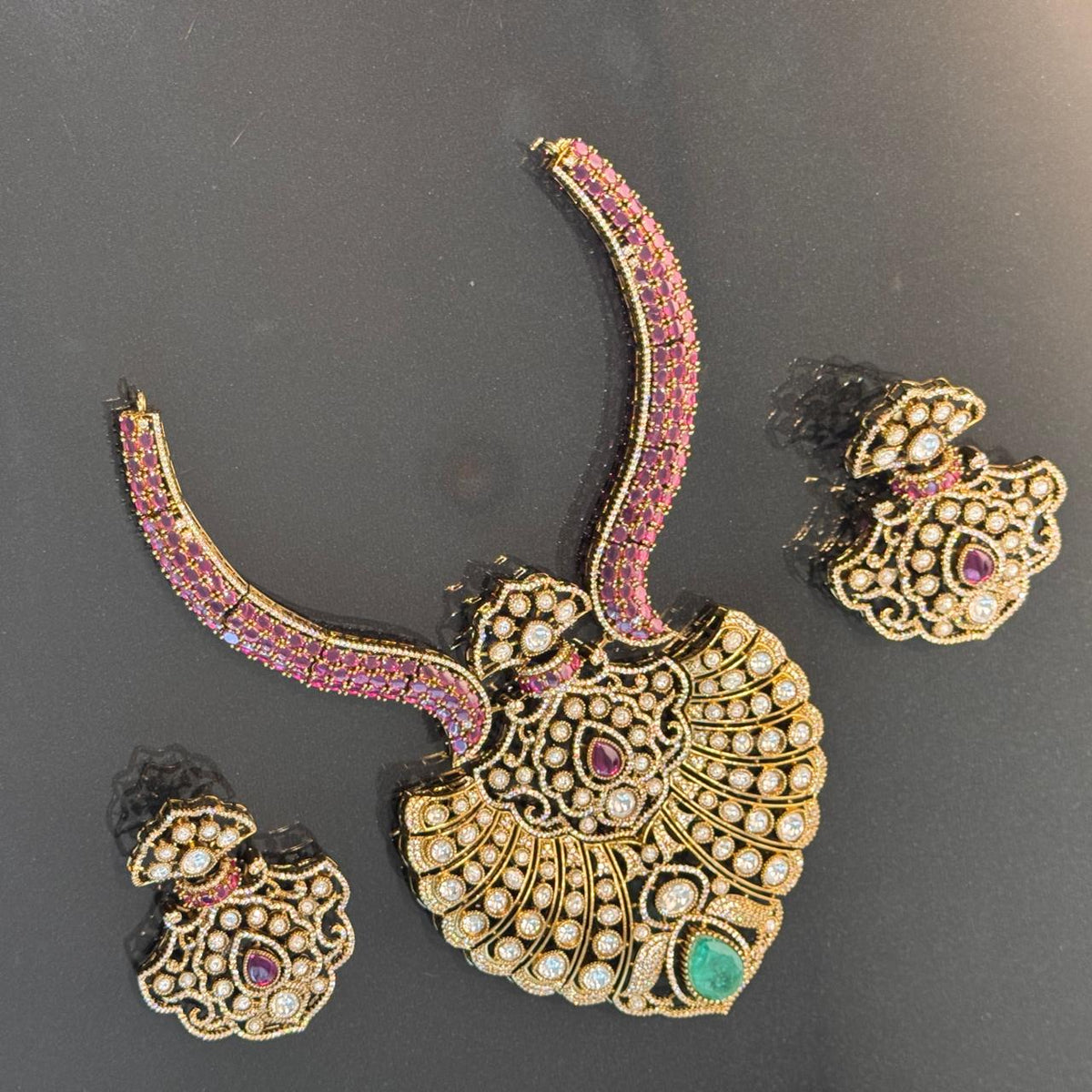
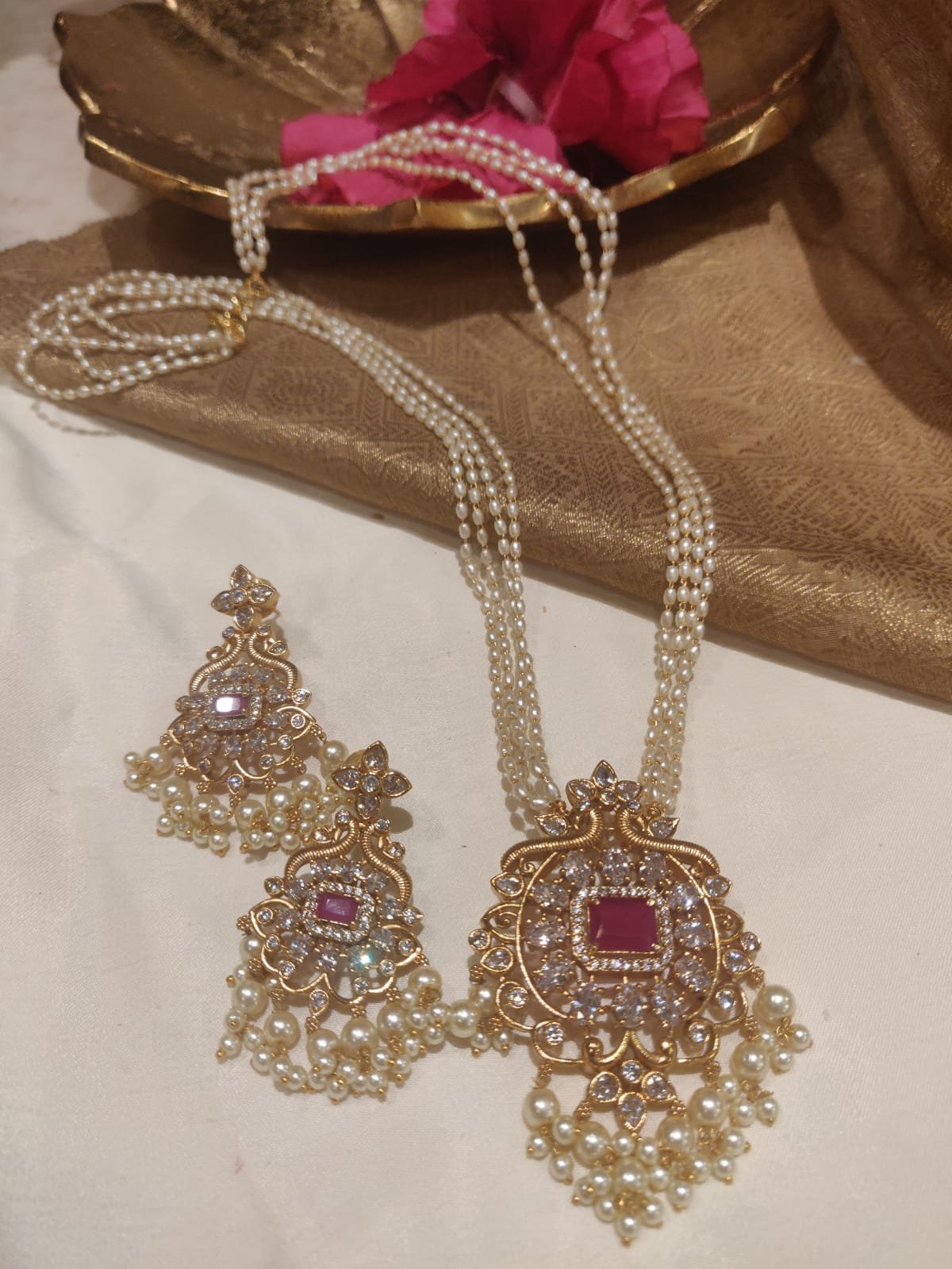
Handcrafted Jewelry of India: 7 Artisan Traditions Worth Knowing and Wearing
In a small workshop, an artisan takes silver wire thinner than a strand of thread, twists it, curls it, and shapes it into a lace-like flower. Hours later, a single pendant emerges. No machine could make two of them exactly the same.
That is the quiet magic of handcrafted jewelry. Every piece carries the hand, the skill, and often the family tradition of the person who made it. India has some of the richest jewelry craft traditions in the world, from filigree in Odisha to lost-wax casting in central India.
This guide explains what handcrafted jewelry really means, how to recognize it, and seven traditions worth knowing, with practical tips on how to wear each one.
What Counts as Handcrafted Jewelry?
Handcrafted jewelry is made mainly by hand, using traditional tools and techniques, rather than through fully automated machines.
It can include:
-
Pieces shaped, carved, or set entirely by hand
-
Pieces where the base is cast, but the detailing, stone setting, and finishing are done by hand
-
Pieces made using traditional craft methods passed down through generations
Many pieces sit somewhere in between. When shopping, read the product description to understand how much handwork is involved.
Handcrafted vs Machine-Made: How to Tell
Look for these signs:
-
Small variations: Handmade pieces often have slight differences in shape, spacing, or texture.
-
Detail depth: Hand-carved or hand-shaped details often look deeper and more irregular.
-
Natural finish: The surface may look less perfectly uniform than machine-polished pieces.
-
Unique character: Two "matching" earrings may have tiny differences.
-
Seller information: Good sellers mention the craft, region, or technique.
These small variations are not flaws. They are proof of the human hand behind the piece.
Seven Handcrafted Jewelry Traditions of India
Each profile below covers where the craft comes from, how it is made, its signature look, and how to wear it.
1. Tarakasi Filigree, Cuttack, Odisha
Origin: Cuttack in Odisha is closely associated with silver filigree, known locally as tarakasi.
Technique: Artisans draw silver into very fine wires, then twist, curl, and solder them into delicate frameworks.
Signature look: Light, lace-like patterns with flowers, leaves, and geometric shapes.
How to wear: Filigree earrings and pendants pair beautifully with cotton sarees, handloom outfits, and white kurtas.
2. Thewa, Pratapgarh, Rajasthan
Origin: Pratapgarh in Rajasthan, where the craft has been preserved by a small group of artisan families.
Technique: Fine gold sheet is worked into detailed patterns, often scenes from nature, mythology, or history, and fused onto colored glass.
Signature look: Gold-toned artwork over deep green, red, or blue glass, with a jewel-like glow.
How to wear: Thewa pendants and earrings make elegant statement pieces for festive and formal events.
3. Dhokra, Central and Eastern India
Origin: Practiced in regions such as Chhattisgarh's Bastar, as well as West Bengal, Odisha, and Jharkhand.
Technique: Dhokra uses lost-wax casting. Artisans make a wax model, cover it in clay, then melt out the wax and pour in molten metal. This casting method has roots going back over 4,000 years.
Signature look: Earthy brass or bell metal pieces with tribal motifs like animals, birds, and human figures.
How to wear: Dhokra necklaces look striking with handloom sarees, khadi kurtas, and even simple western tops.
4. Meenakari, Jaipur, Rajasthan
Origin: Strongly associated with Jaipur.
Technique: Artisans engrave patterns into metal, then fill them with colored enamel and fire the piece so the enamel sets.
Signature look: Bright pinks, greens, blues, and reds in floral and bird designs.
How to wear: Meenakari jhumkas and necklaces work beautifully for mehendi, festivals, and colorful suits.
5. Lac Craft, Rajasthan
Origin: Widely practiced in Rajasthan.
Technique: Lac is heated, colored, shaped, and decorated with stones, mirrors, and beads.
Signature look: Bold, colorful bangles and jewelry with sparkling embellishments.
How to wear: Lac bangles pair well with bandhani, leheriya, and festive outfits. Combine them with gold-toned bangles for a balanced stack. Browse traditional gold bangle designs to find pieces that mix well with lac.
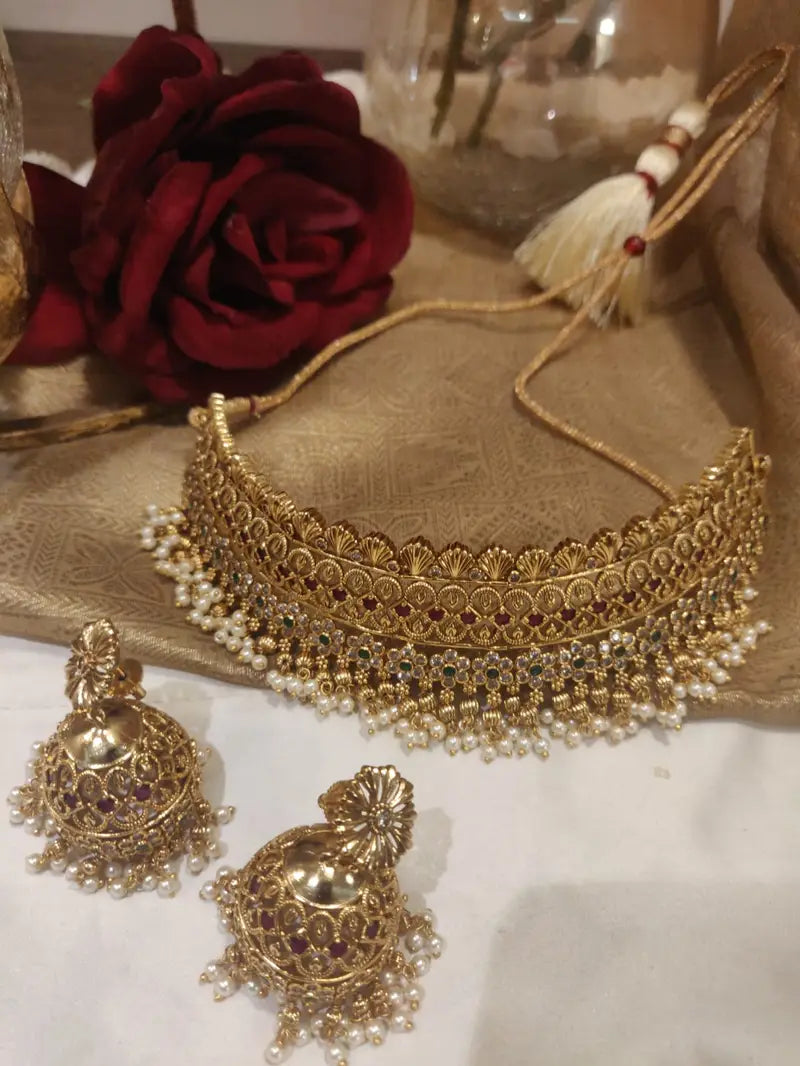
6. Temple Jewelry, Nagercoil, Tamil Nadu
Origin: Nagercoil in Tamil Nadu is well known for temple jewelry, traditionally worn by Bharatanatyam dancers and brides.
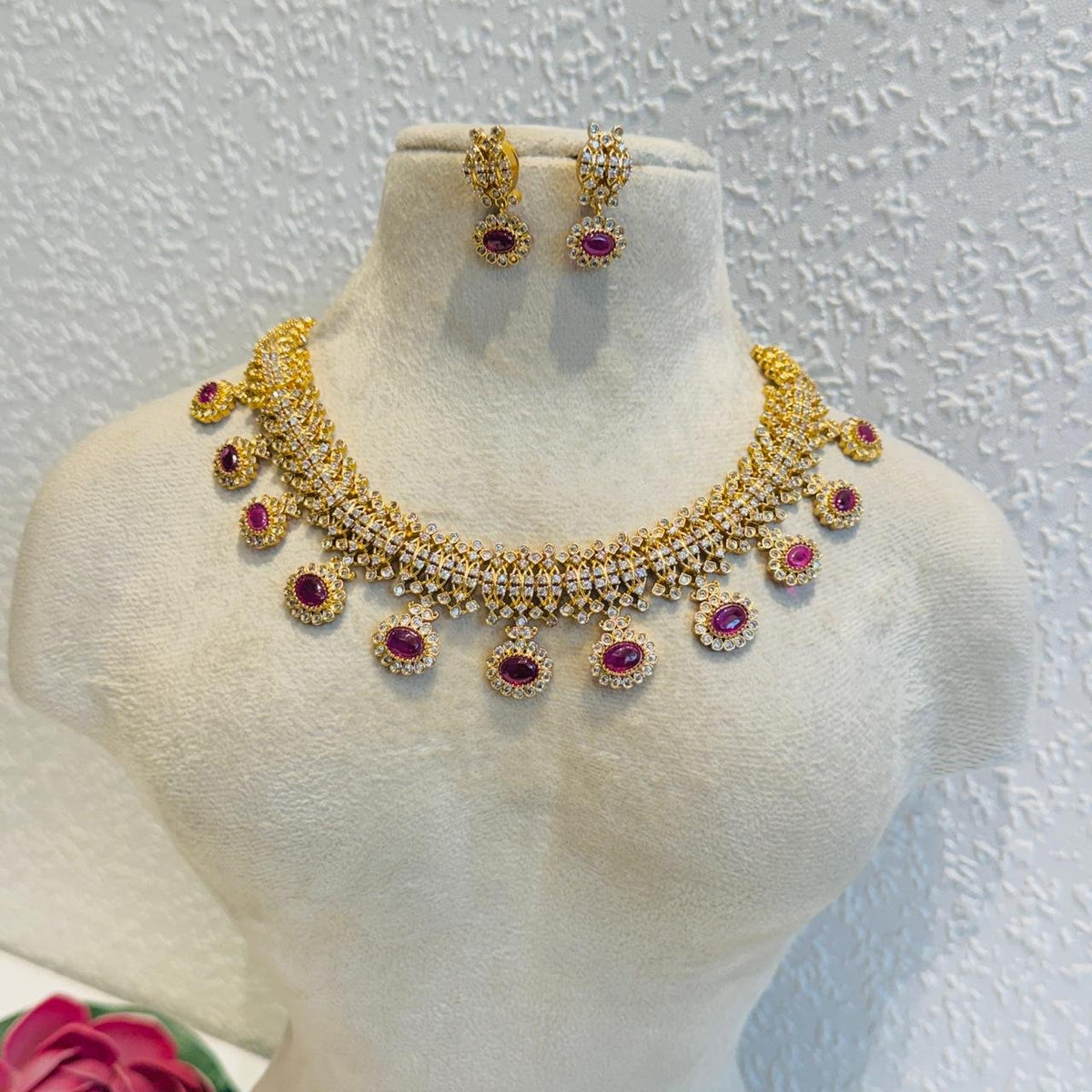
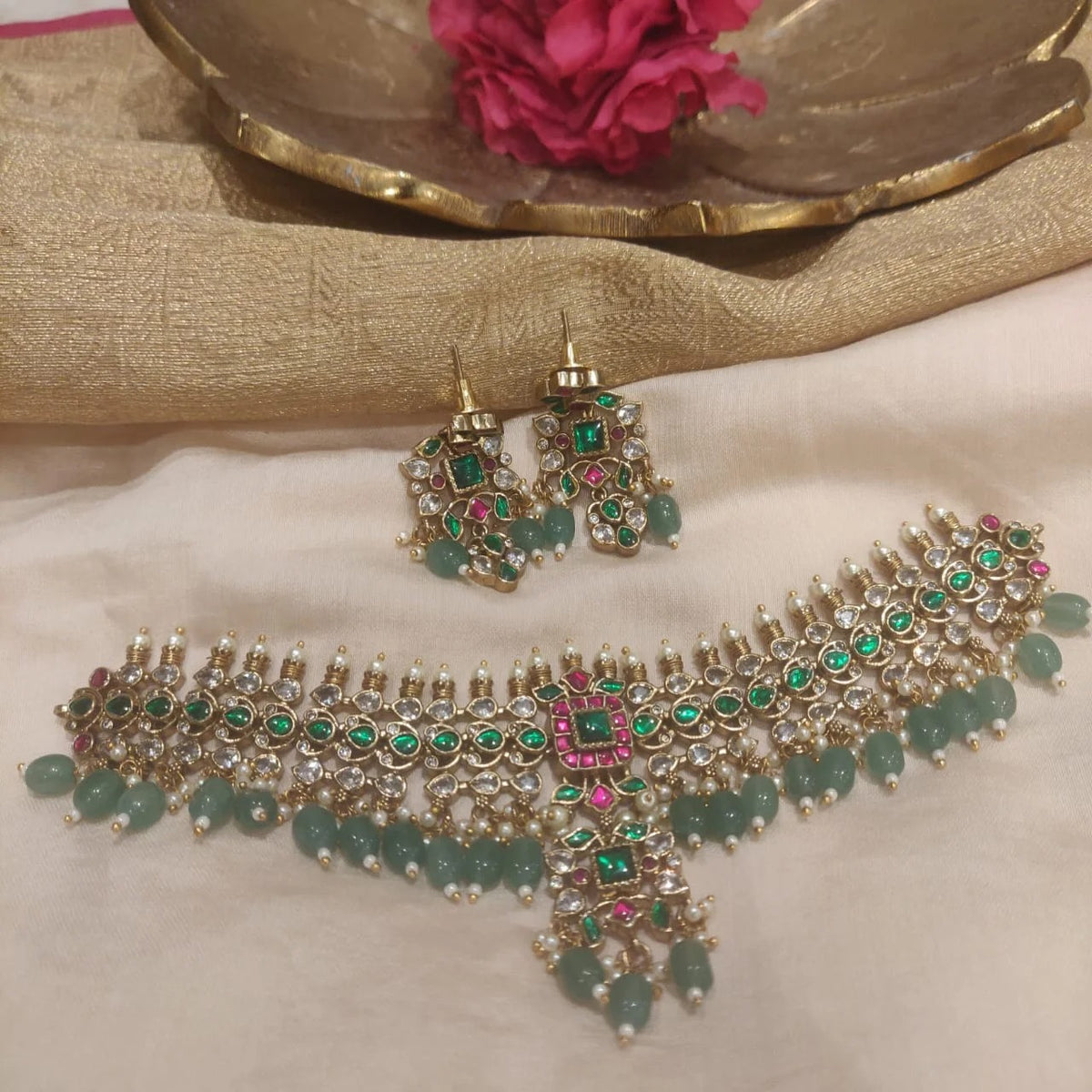
Technique: Artisans create detailed motifs of deities, peacocks, and flowers, often setting red and green stones.
Signature look: Structured, gold-toned designs inspired by temple art.
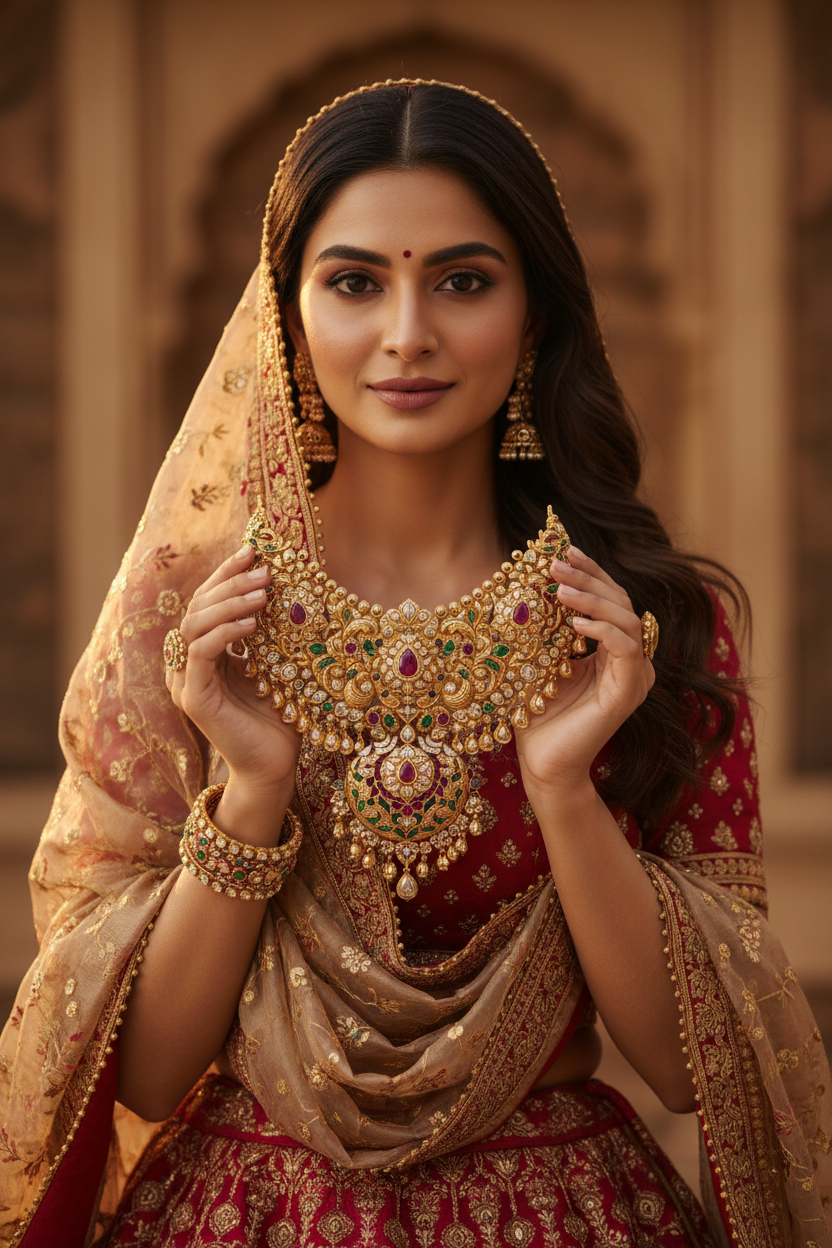
How to wear: Temple necklaces and jhumkas are perfect with Kanchipuram silk sarees for weddings and festivals.
7. Terracotta and Bead Craft, West Bengal and Beyond
Origin: Terracotta jewelry is found in several regions, with West Bengal known for its strong terracotta traditions.
Technique: Clay is shaped by hand, baked, and painted in earthy colors. Bead craft involves stringing glass, seed, or wooden beads by hand.
Signature look: Natural, earthy, and colorful.
How to wear: Pair with handloom cottons, khadi, and casual ethnic wear for a relaxed, artistic look.
Why Handcrafted Pieces Feel Different
-
They tell a story: Each craft carries regional history and identity.
-
They are unique: No two pieces are the same.
-
They support artisans: Buying handcrafted work helps keep traditional skills alive.
-
They feel personal: Wearing something shaped by hand feels more meaningful.
Many modern designs at Emporia Jewels draw inspiration from these traditional design languages. Explore the designer jewellery online collection for contemporary pieces inspired by India's craft heritage.
Caring for Handcrafted Jewelry
Different crafts need different care.
-
Filigree: Store flat. Avoid pressure that can bend the fine wires.
-
Thewa: Keep away from knocks that could crack the glass.
-
Dhokra: Wipe with a dry cloth. Store in a dry place to slow darkening.
-
Meenakari: Avoid scratches on the enamel.
-
Lac: Keep away from heat, which can soften lac.
-
Temple jewelry: Use a soft brush to clean detailed carvings.
-
Terracotta: Keep dry and avoid dropping.
How to Shop for Handcrafted Jewelry Wisely
-
Read descriptions carefully. Look for mentions of craft, technique, and region.
-
Ask questions. Good sellers can explain how a piece was made.
-
Expect small variations. These are part of handmade charm.
-
Do not assume. A design inspired by a craft is not always made using that craft.
-
Compare finishing. Neat edges and secure settings still matter.
For everyday pieces to pair with your handcrafted favorites, browse the fashion jewellery online collection at Emporia Jewels.
A Closing Thought on the Hand Behind the Piece
When you wear handcrafted jewelry, you carry more than an accessory. You carry a filigree pattern refined over generations, a lost-wax method thousands of years old, or a lac bangle shaped by a family craft. In a world of fast, identical things, that is worth choosing on purpose. Learn the crafts, ask about the makers, and let your collection hold a few pieces that were truly made by hand.
Frequently Asked Questions
What is handcrafted jewelry?
It is jewelry made mainly by hand using traditional tools and techniques, rather than fully automated machines.
How can I tell if jewelry is handcrafted?
Look for small variations, deeper detailing, a natural finish, and clear information from the seller about the craft.
What is Dhokra jewelry?
Dhokra is jewelry made with lost-wax casting, known for earthy brass pieces with tribal motifs.
Where does tarakasi filigree come from?
Tarakasi silver filigree is closely associated with Cuttack in Odisha.
What is Thewa jewelry?
Thewa is a Rajasthani craft where detailed gold sheet work is fused onto colored glass.
Is handcrafted jewelry suitable for daily wear?
Some pieces, like small filigree or terracotta earrings, work for daily wear. Delicate pieces are better saved for special occasions.