

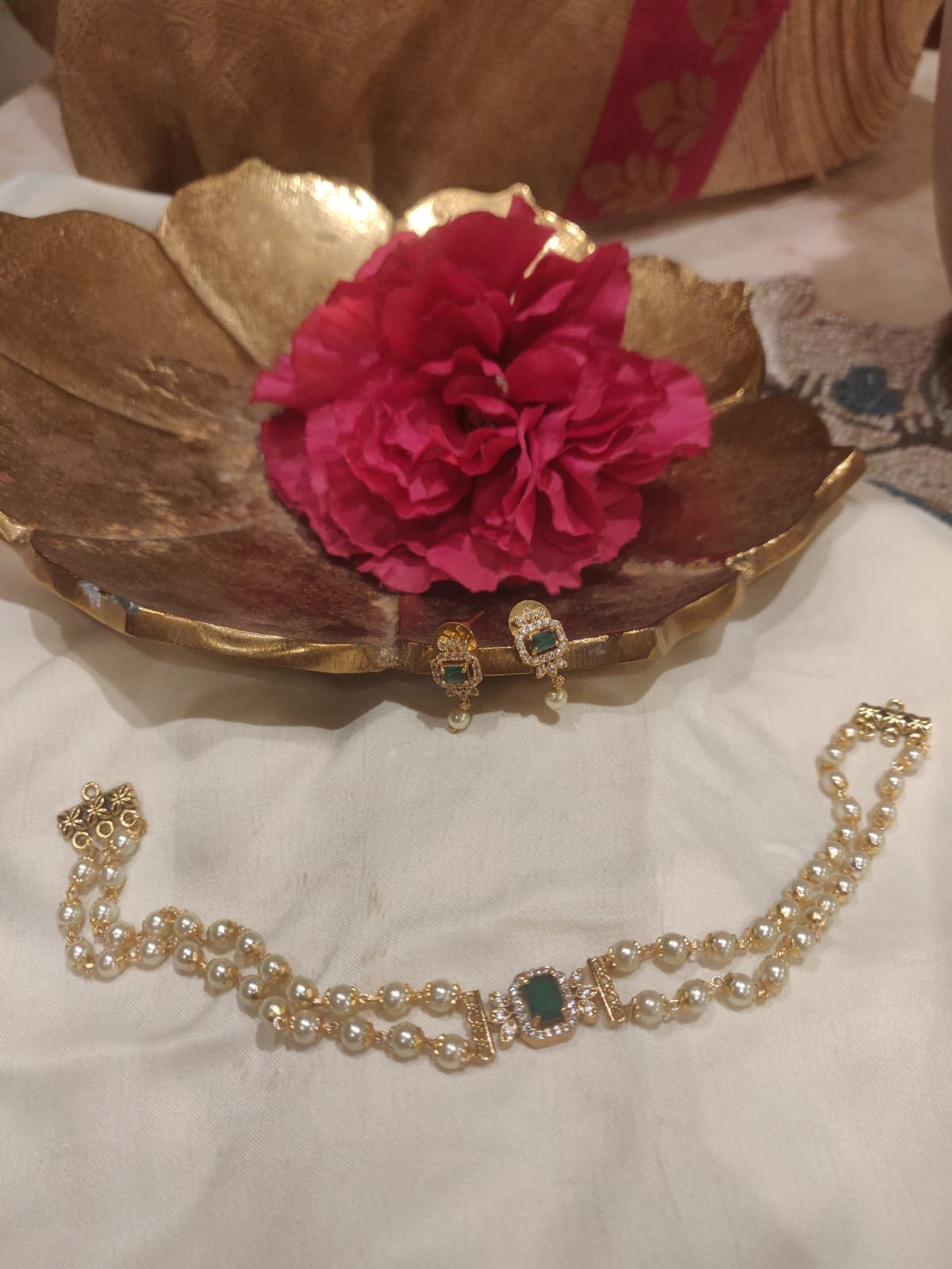
Ethnic Jewelry Set: The Complete Buying Guide to Owning a Collection That Actually Earns Its Price
An ethnic jewelry set is one of the highest-value purchases in traditional Indian accessory shopping. The right set unifies necklace, earrings, maang tikka, and bangles into a cohesive statement. This guide gives you concrete criteria to evaluate quality, compare metals, and buy with confidence today.
What Separates a Quality Ethnic Jewelry Set From an Overpriced Imitation
Construction Standards That Determine Longevity
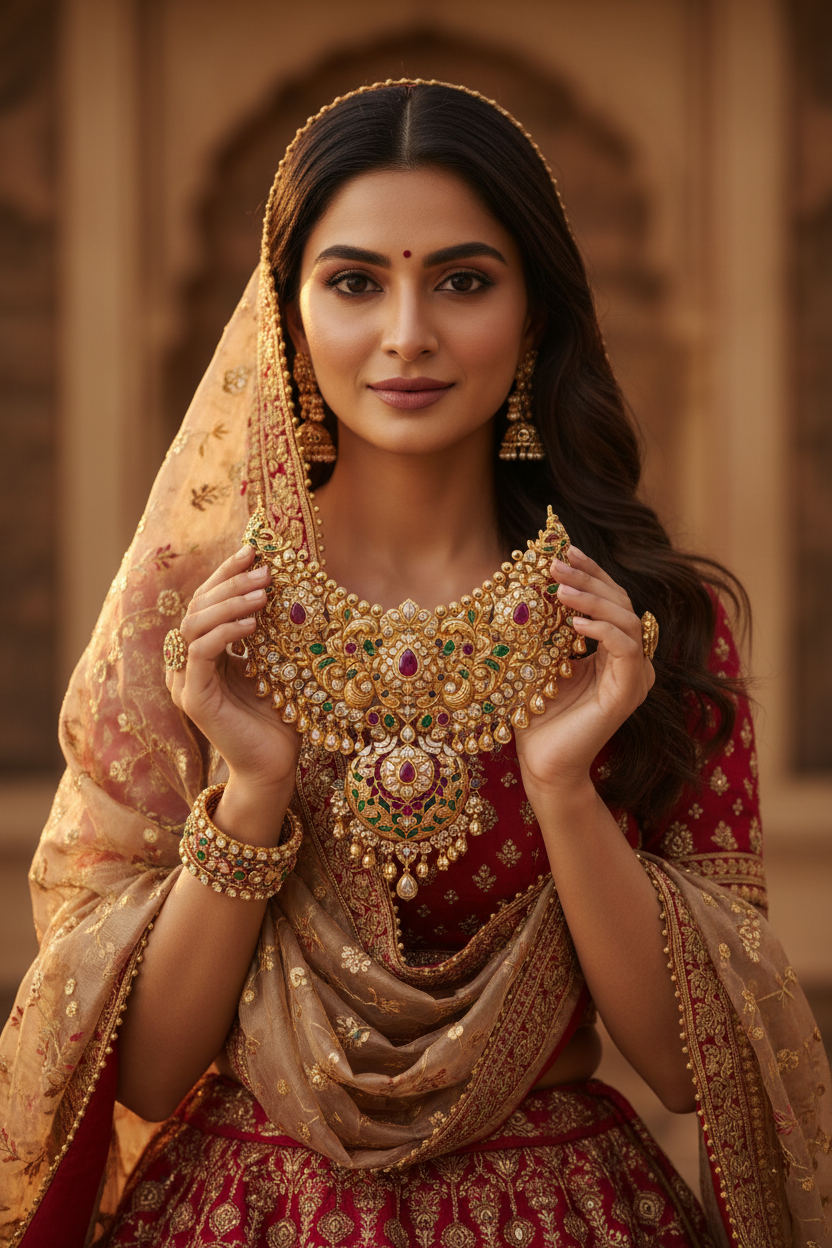
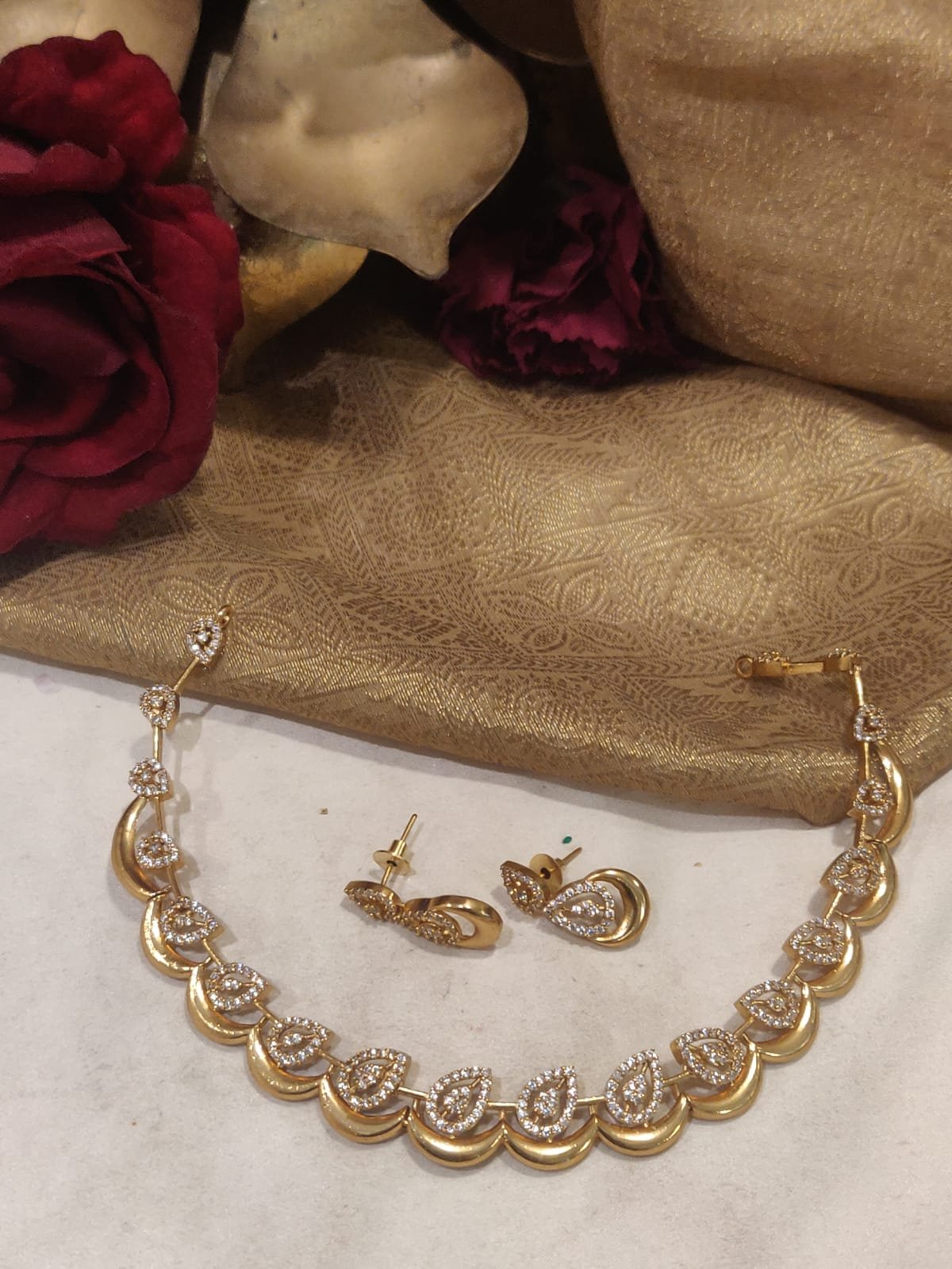
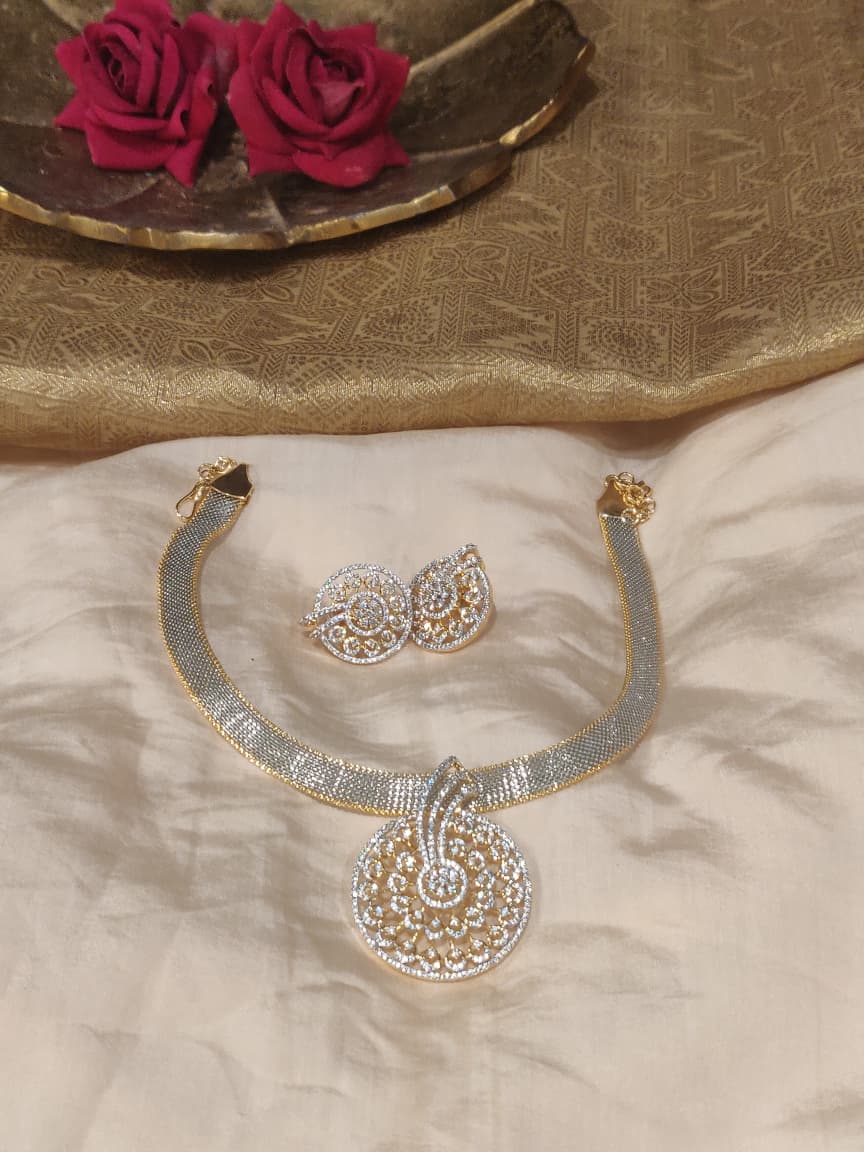
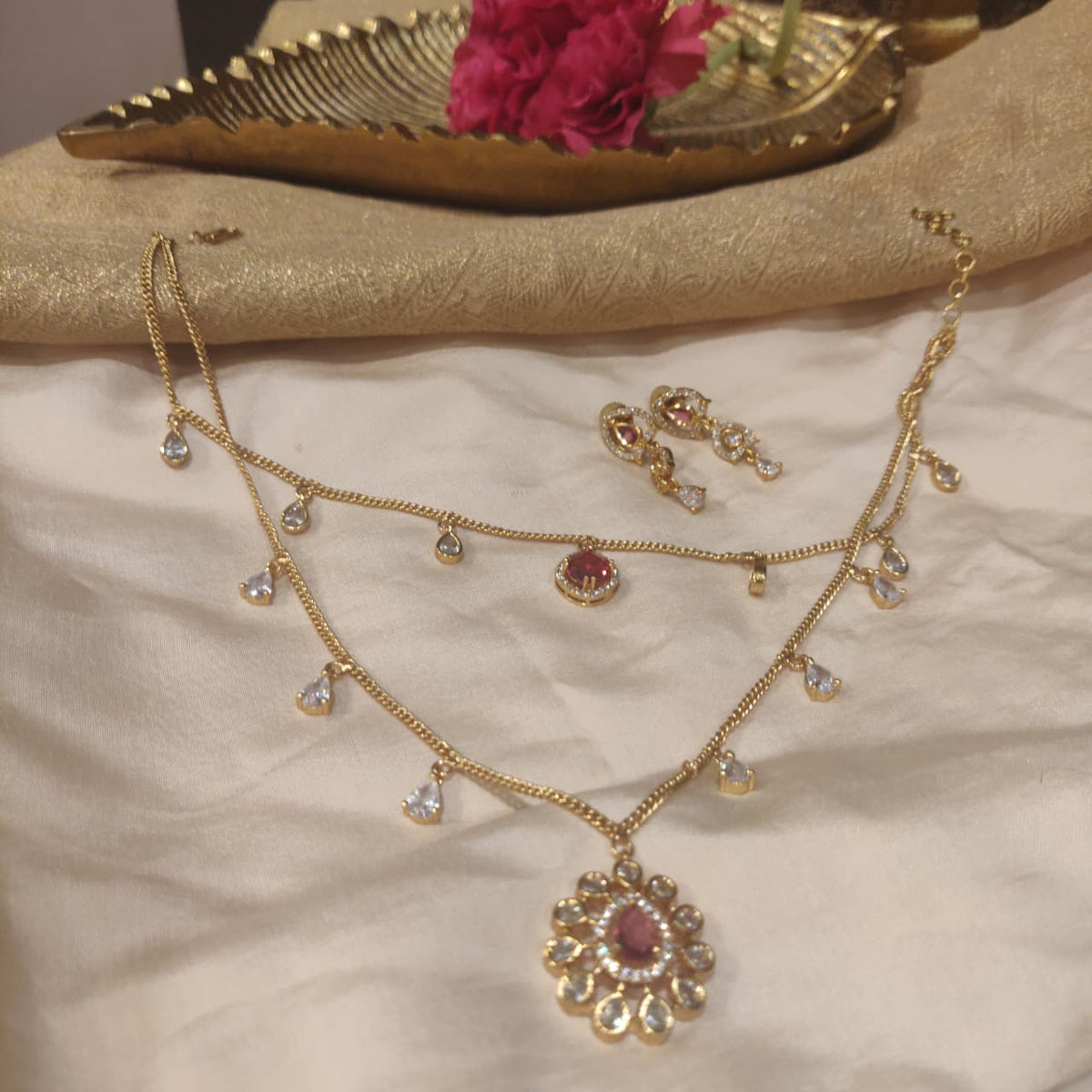
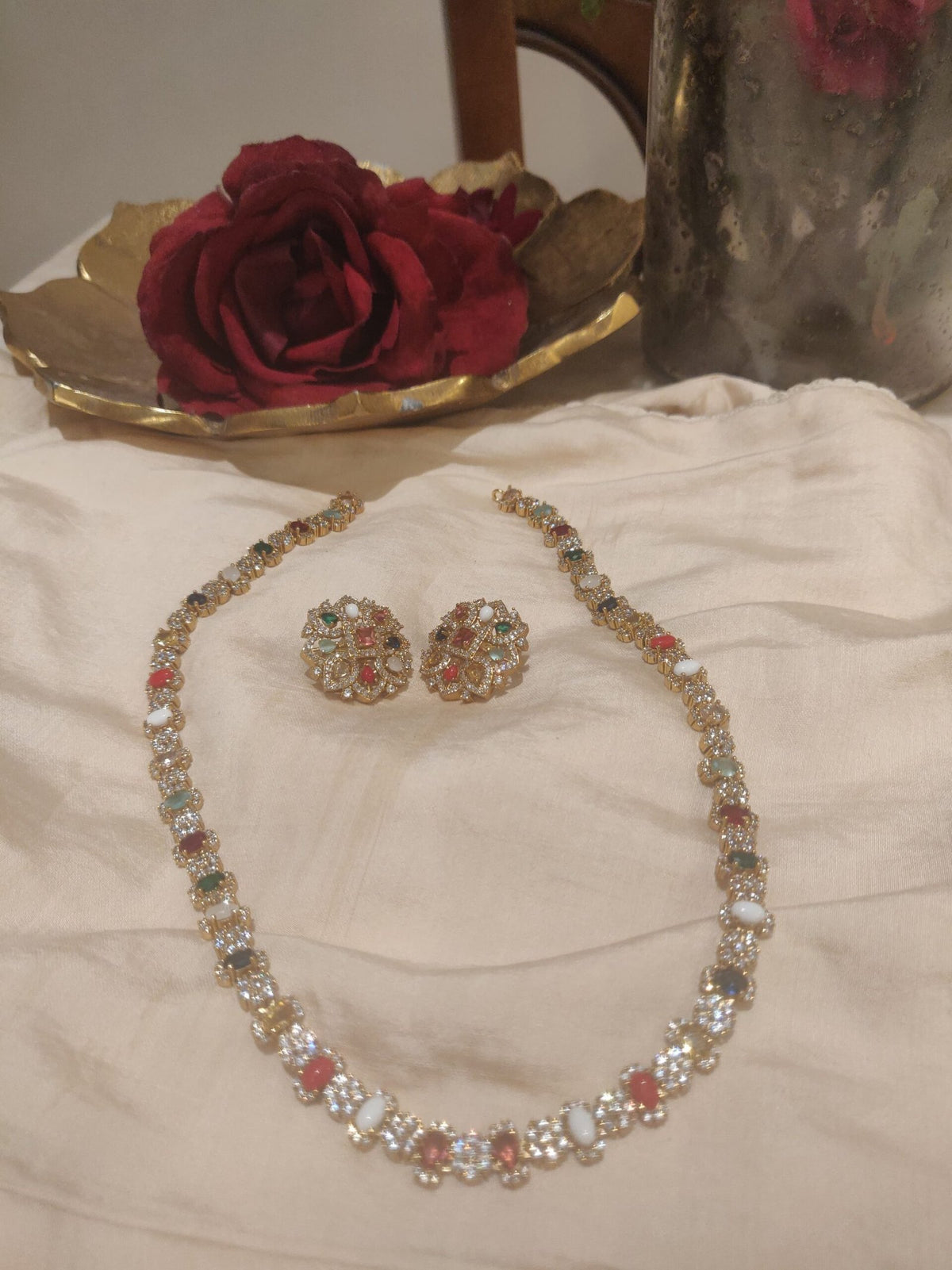
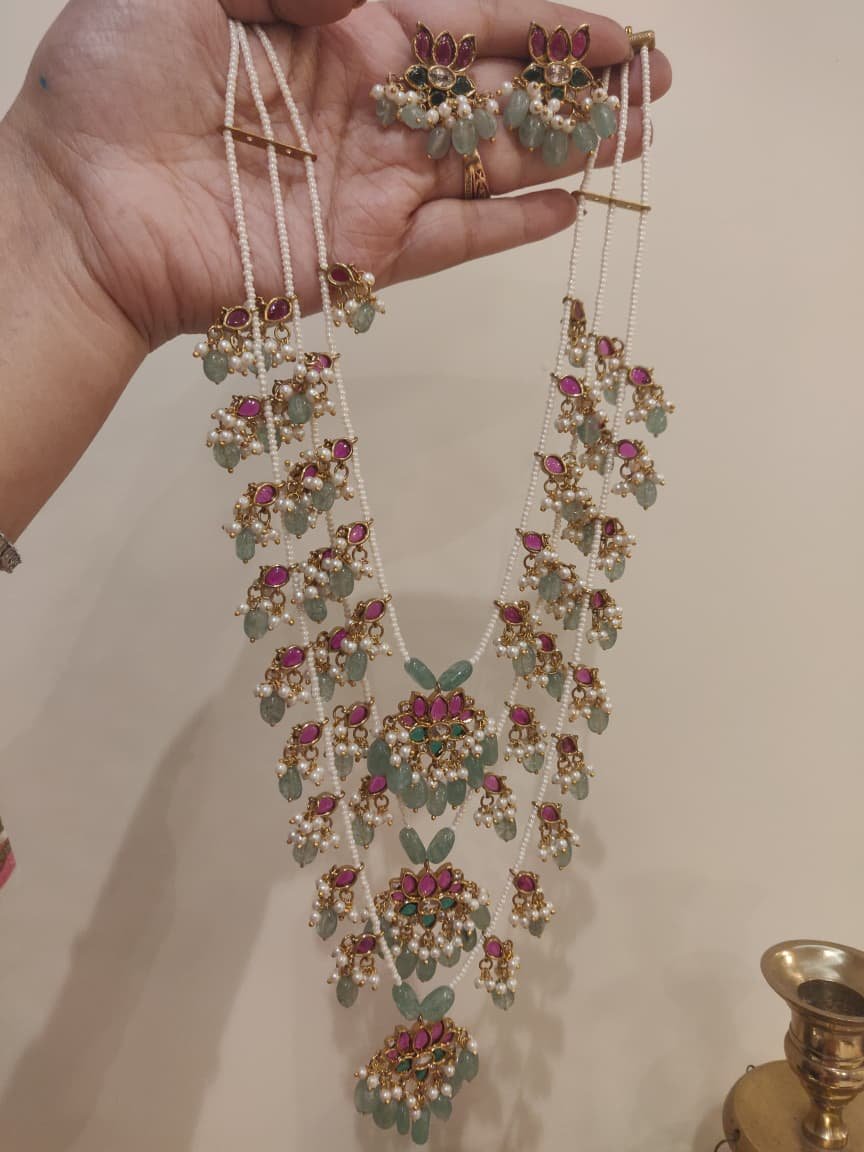
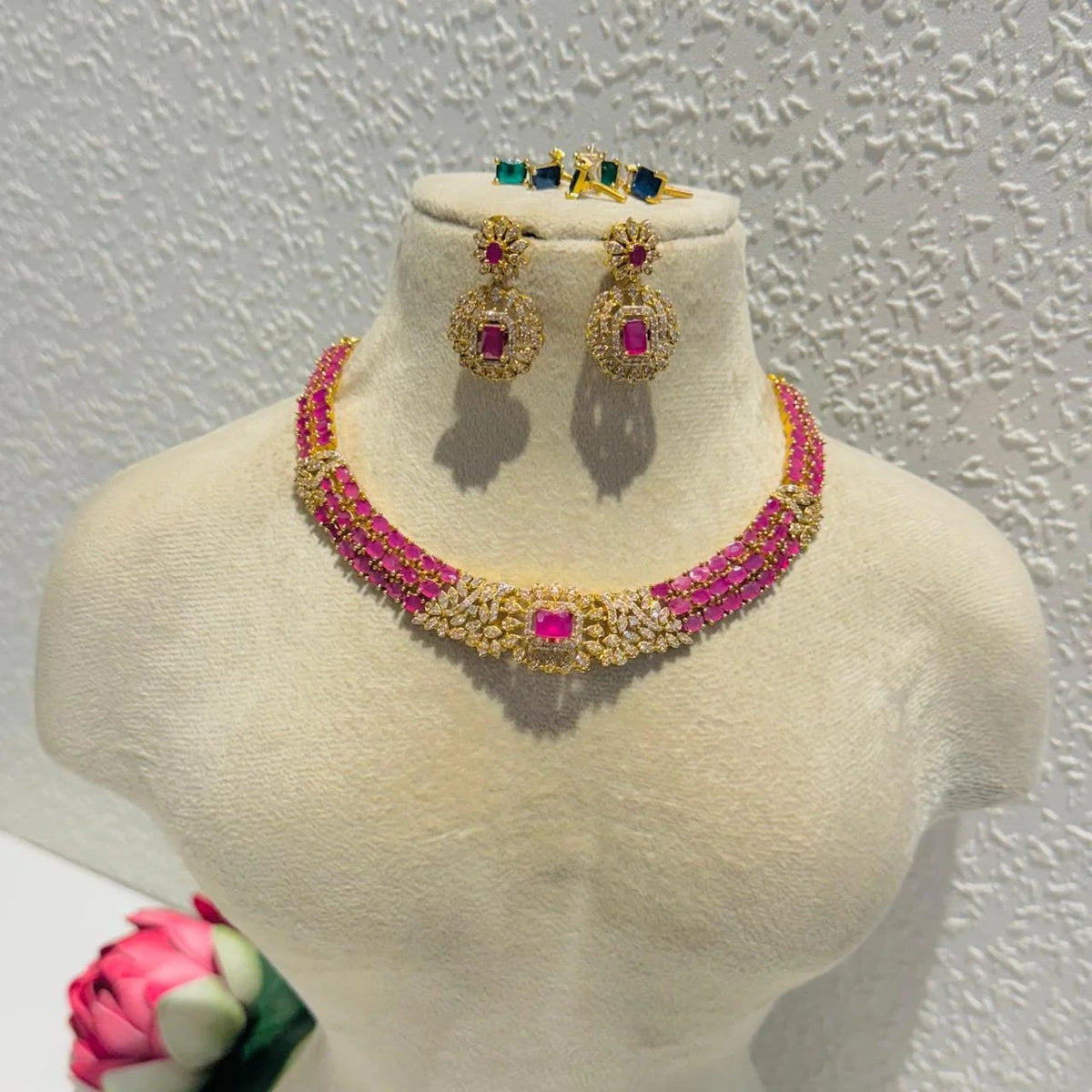
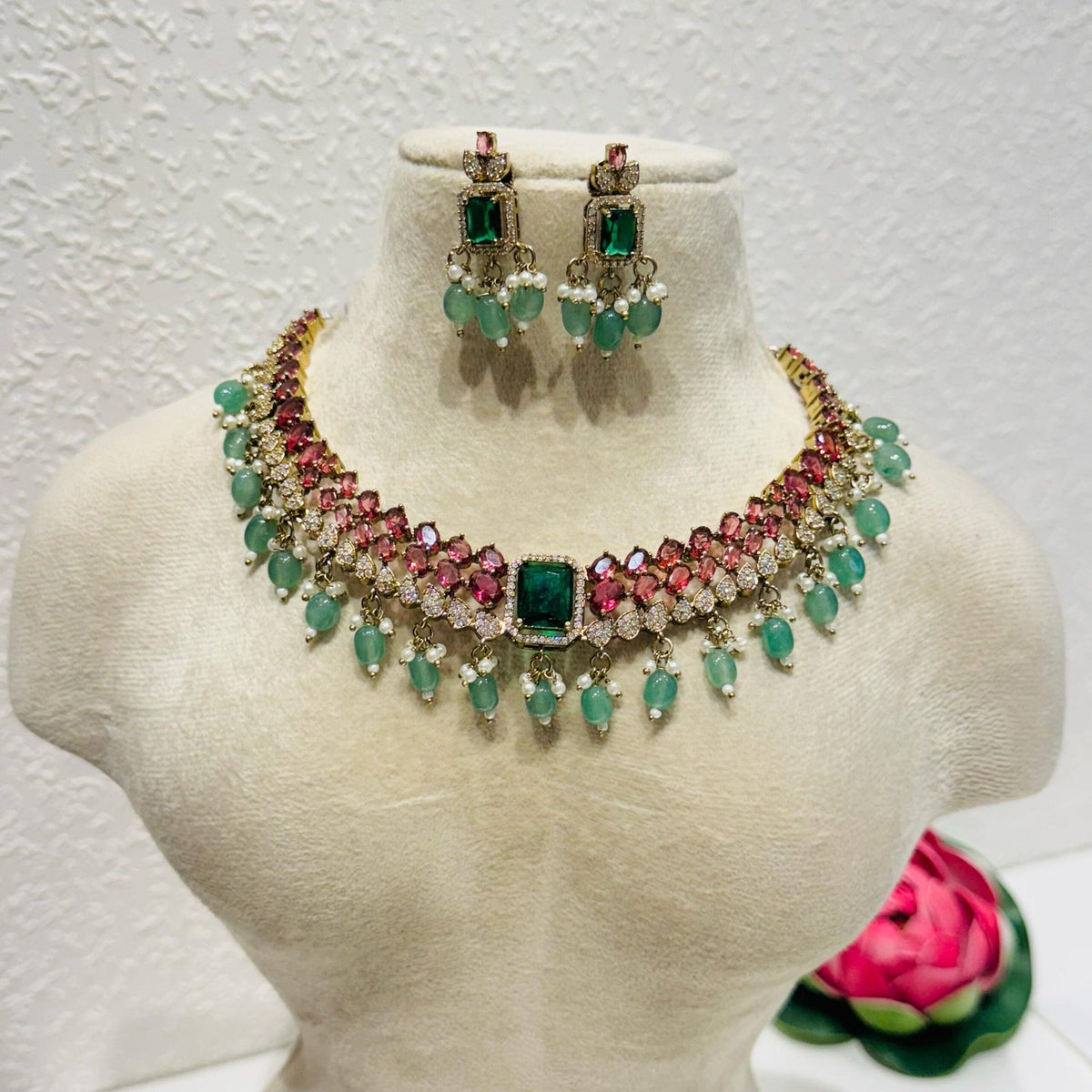
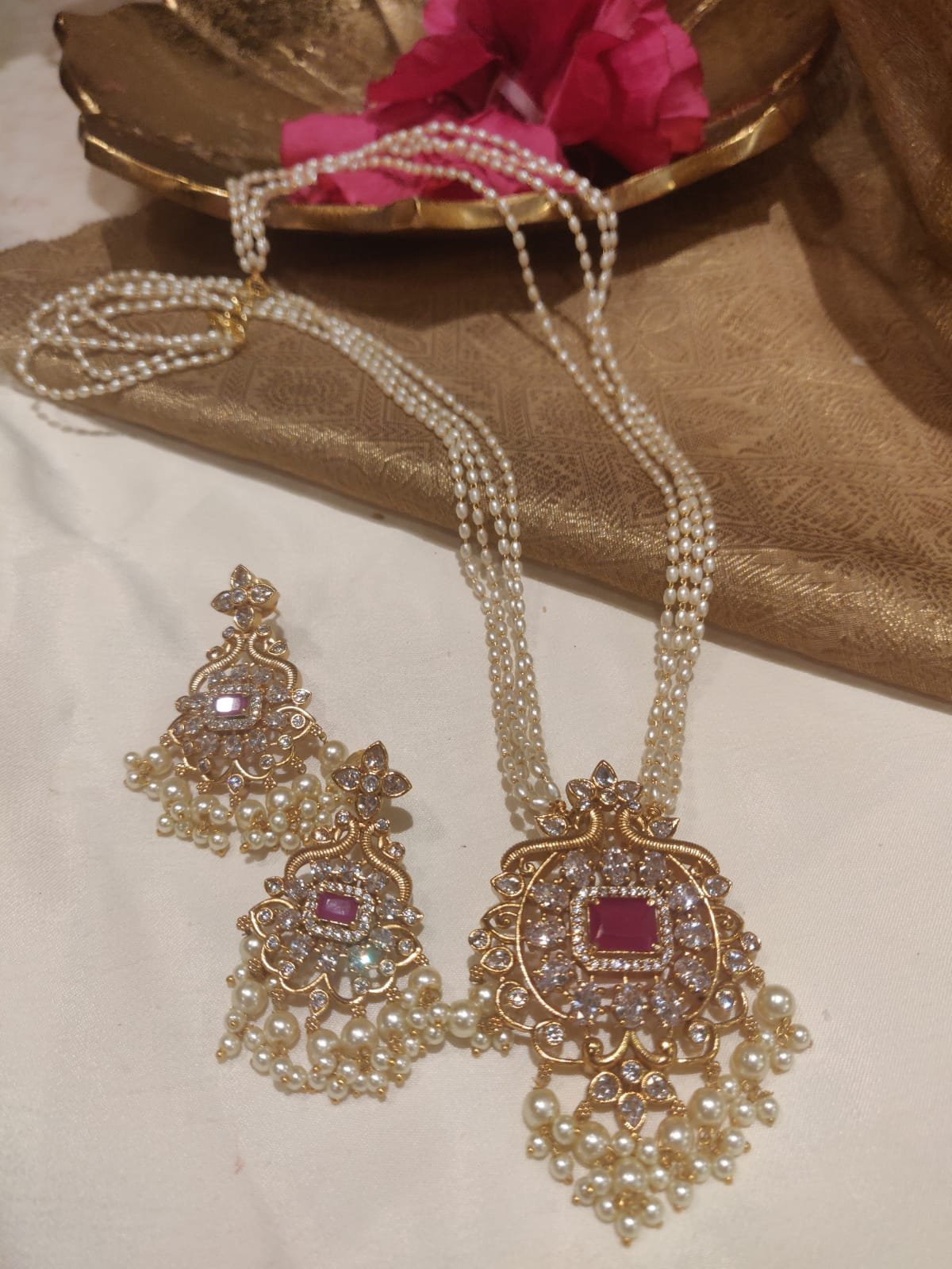
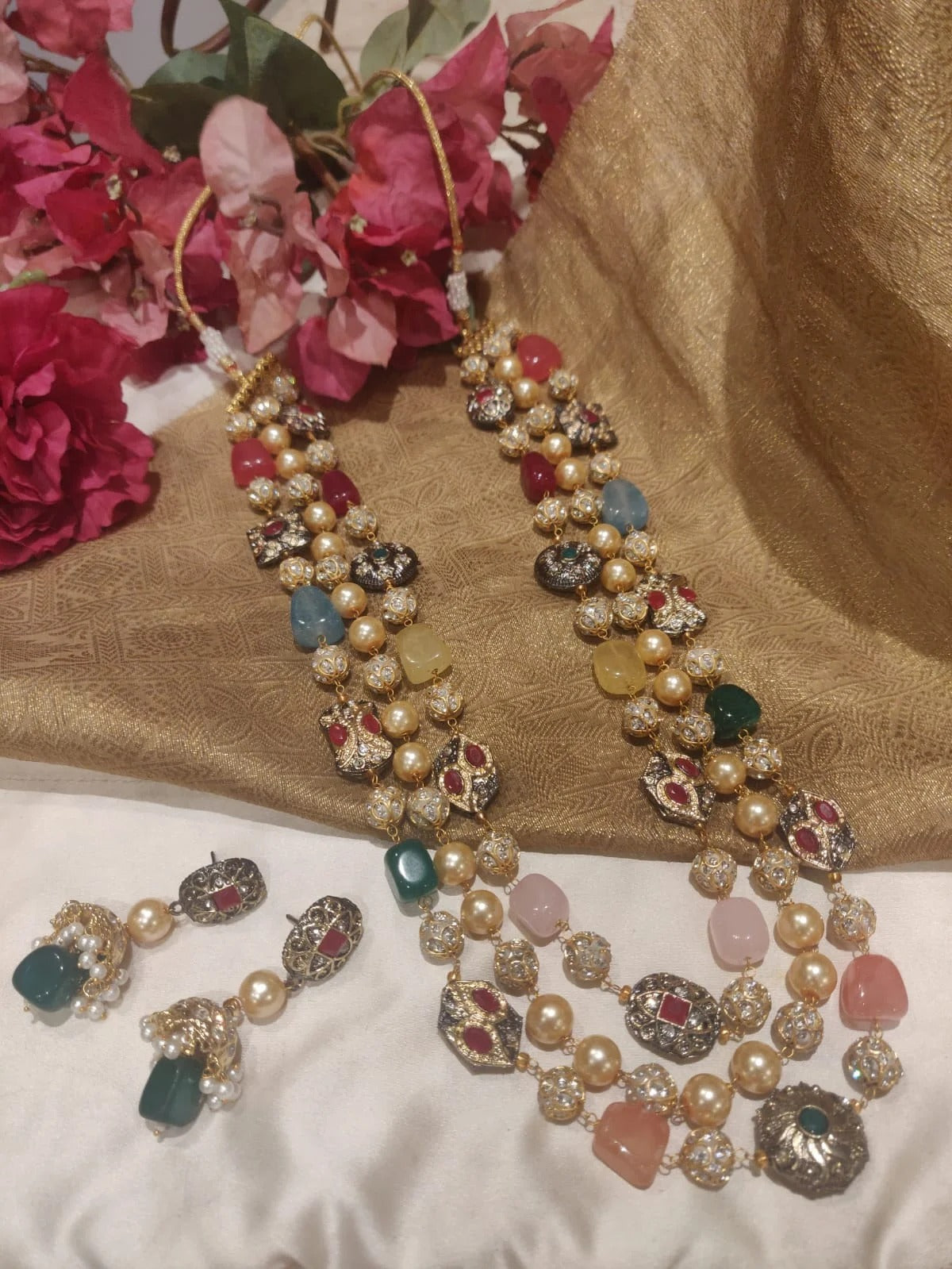
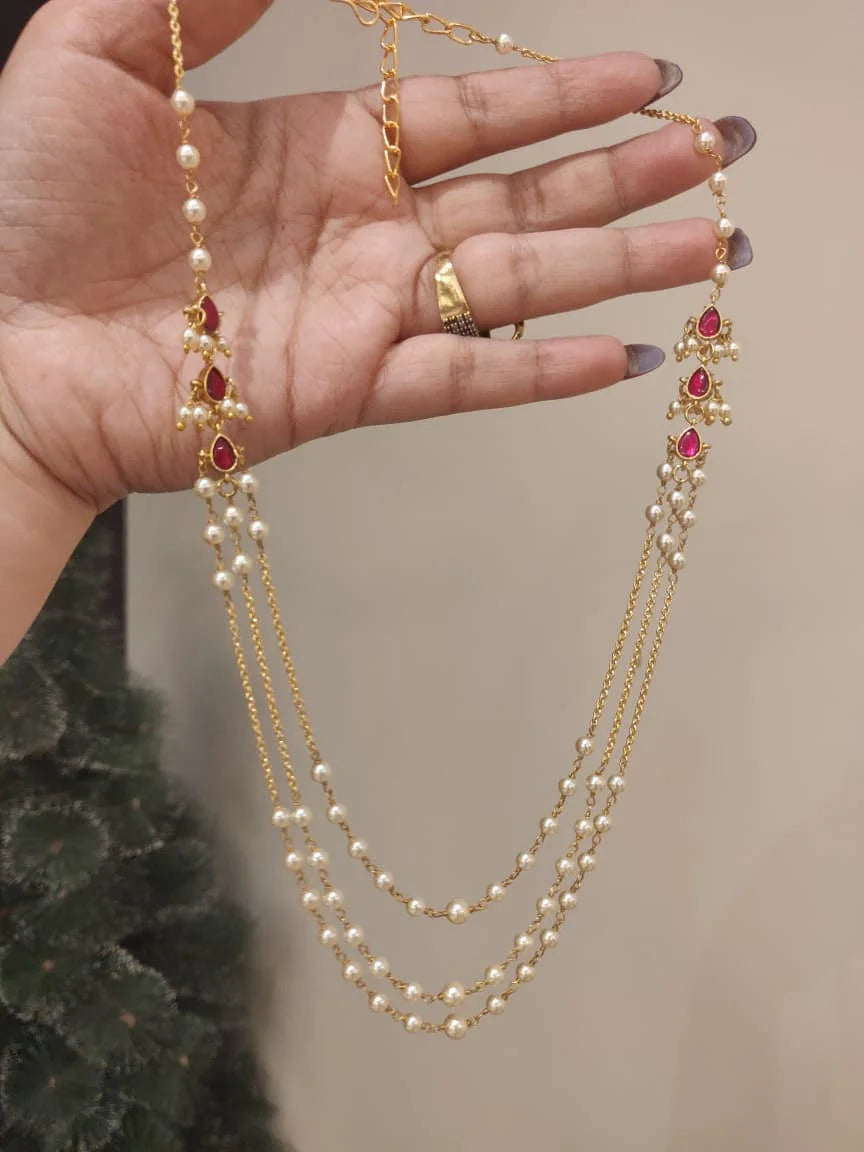
A well-made ethnic jewelry set uses closed-back stone settings, not open-glue mounts that shed kundan or polki stones after two wears. Buyers should press lightly on each stone in the necklace centerpiece; any movement signals inadequate prong or bezel work. Meenakari enamel panels should show clean color boundaries with no bleed between sections, a direct indicator of kiln temperature control during firing. Whether you prefer a pearl necklace and earring set or a kundan bridal piece, these construction checks apply equally.
Metal Base and Plating Depth: The Numbers That Matter
Gold-plated ethnic sets use a brass or copper base with a gold layer measured in microns; anything below 18 microns will show base metal within three to six months of regular wear. Hallmarked 22-karat gold sets carry a BIS hallmark stamp, a six-digit HUID code, and an assay center mark, all verifiable on the BIS Care app. Emporiajewels sources sets with verified metal standards, giving buyers a traceable quality baseline that most marketplace listings cannot match.
Types of Ethnic Jewelry Sets and Their Occasion Fit
Regional Styles and Their Defining Characteristics
Indian ethnic jewelry sets divide into distinct regional traditions, each with specific construction methods and stone vocabularies. Rajasthani kundan sets use 24-karat gold foil pressed around uncut glass or gemstones, while temple jewelry from Tamil Nadu uses repousse gold work depicting deities on thick sheet metal. Polki sets from Mughal craft traditions feature uncut diamonds set in silver foil, making them heavier and more formal than kundan counterparts. Shoppers exploring fancy artificial jewellery will find many of these regional styles replicated at accessible price points.
Occasion-to-Set Matching: A Practical Reference Table
Choosing the wrong set for an occasion is a common and costly mistake, especially when bridal and festive sets overlap in marketing but differ sharply in weight and formality. A bridal set typically includes a full necklace, jhumka earrings, maang tikka, nath, and at least two bangles, while a festive set may include only a necklace and earring pair. The table below maps set types to occasions so buyers can filter their search before comparing prices.
|
Set Type |
Typical Components |
Best Occasion |
Approximate Price Range (INR) |
|
Bridal Kundan Set |
Necklace, earrings, maang tikka, nath, bangles |
Wedding ceremony |
8,000 to 45,000 |
|
Temple Gold Set |
Necklace, jhumka earrings |
Religious festivals, Bharatanatyam |
5,000 to 25,000 |
|
Polki Bridal Set |
Necklace, earrings, passa, haath phool |
Nikah, reception |
15,000 to 80,000 |
|
Festive Meenakari Set |
Necklace, earrings |
Navratri, Diwali, Eid |
1,500 to 8,000 |
|
Oxidised Silver Set |
Necklace, earrings, ring |
Casual ethnic, college, travel |
500 to 3,500 |
How to Evaluate an Ethnic Jewelry Set Before You Buy Online
A Step-by-Step Inspection Process for Online Listings
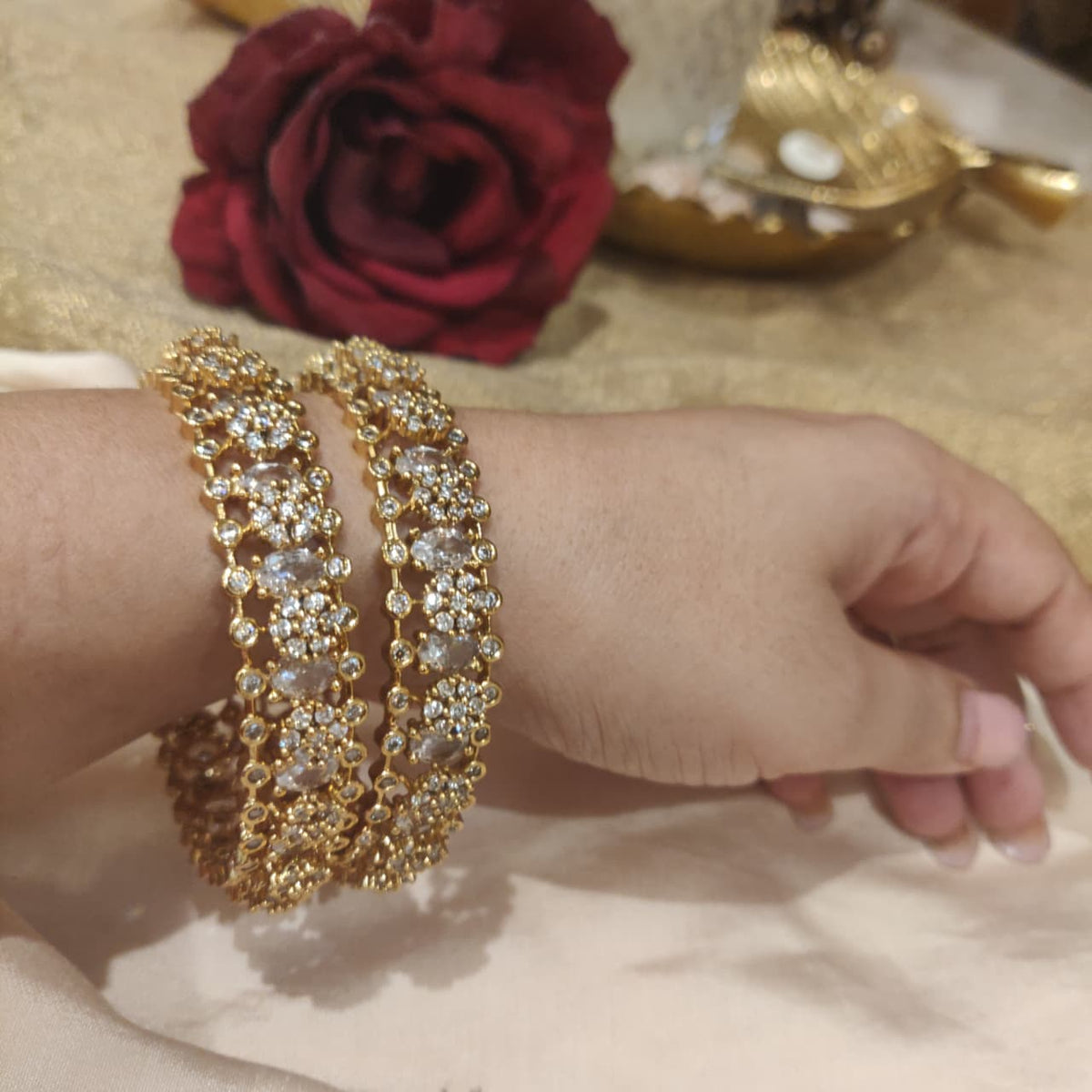
Online ethnic jewelry shopping requires a structured evaluation method because product photography routinely flatters plating quality and stone clarity. Follow this sequence before adding any set to your cart. For more information, explore the Traditional gold bangle designs.
-
Check the metal base material listed in the product specifications, not just the finish color.
-
Verify plating thickness in microns; request this from the seller if not stated.
-
Examine the clasp and hook type; lobster clasps and screw-back earring posts outlast fish-hook and push-pin variants.
-
Confirm stone setting method: prong, bezel, or kundan foil, and match it to your wear frequency.
-
Read return and exchange policies before purchase, especially for bridal sets above INR 10,000.
Emporiajewels provides detailed product descriptions that include metal type, plating standard, and stone setting method, removing the guesswork that plagues generic marketplace listings. Buyers looking for fashion jewellery online can use the catalog to cross-reference components and confirm completeness before ordering.
Key Quality Signals to Look for in Product Images
High-resolution images shot from multiple angles reveal construction quality that single flat-lay photos hide. Buyers should specifically look for these signals in any listing:
-
Uniform stone spacing with no visible gaps or adhesive residue around settings.
-
Consistent enamel color saturation across all meenakari panels in the set.
-
Clean solder joints at chain attachment points with no rough edges or discoloration.
-
Symmetrical pendant or centerpiece alignment when the necklace is laid flat.
-
Matching finish tone across all set components, including earrings and maang tikka.
Caring for Your Ethnic Jewelry Set to Protect Long-Term Value
Storage and Cleaning Practices That Prevent Premature Wear
Improper storage is the leading cause of plating degradation and stone loss in ethnic jewelry sets. Store each set in a separate soft-lined pouch or compartmentalized box to prevent metal-on-metal abrasion. Wipe each component with a dry microfiber cloth after every wear to remove skin oils and sweat, both of which accelerate tarnish on brass and copper bases. Those who regularly shop for designer jewellery online should apply these same care standards regardless of price point.
What to Avoid and When to Seek Professional Re-Plating
-
Never soak meenakari or lac-filled sets in water; moisture cracks the enamel base.
-
Keep sets away from direct sunlight during storage to prevent stone discoloration.
-
Remove sets before applying body lotion or sunscreen.
Frequently Asked Questions
What is typically included in a complete ethnic jewelry set?
A complete ethnic jewelry set usually includes a necklace, a pair of earrings, and one or more additional pieces such as a maang tikka, bangles, or a nath depending on the occasion and regional style.
How do I verify the gold plating quality of an ethnic jewelry set before buying online?
Ask the seller for the plating thickness in microns; a minimum of 18 microns is the standard for sets that will retain their finish through regular festive wear.
Is kundan the same as polki in ethnic jewelry sets?
No; kundan uses 24-karat gold foil pressed around glass or gemstones, while polki uses uncut natural diamonds set in silver foil, making polki sets significantly more expensive and heavier.
Can I wear an ethnic jewelry set daily or is it only for special occasions?
Most gold-plated ethnic sets are designed for occasional wear; daily use accelerates plating wear, so oxidised silver or solid gold sets are better suited for everyday styling.
How should I store an ethnic jewelry set to prevent tarnishing?
Store each set in a separate soft-lined pouch away from humidity, direct sunlight, and other metal pieces to prevent abrasion and oxidation.