


Ethnic Indian Jewellery Online Europe: Your Region-by-Region Guide to Shopping, Styling, and Celebrating in Style
The Indian diaspora in Europe does not live in one place. It is spread across dozens of countries, dozens of cities, and dozens of distinct cultural environments. A Tamil family in Amsterdam attends the same Navratri celebration type as a Gujarati family in Zurich, but their jewellery traditions, their festive aesthetics, and their purchasing habits are shaped by different regional backgrounds, different local contexts, and different levels of access to Indian retail.
What they share is a common challenge: finding genuine, varied, quality ethnic Indian jewellery without the access to specialist South Asian markets that UK cities provide. For the Indian diaspora across mainland Europe, ethnic Indian jewellery online is not a phrase that describes a preference. It describes a necessity.
This guide addresses the European Indian diaspora buyer as a whole while acknowledging that the community is not a monolith. It covers the major European regions with significant Indian populations, the jewellery styles relevant to each, the shared import challenges that apply across EU and non-EU European countries, and the practical approach to building an ethnic jewellery wardrobe that serves diaspora life on the continent.
Mapping the Indian Diaspora Across Europe
Understanding where Indian communities are concentrated helps frame what the demand actually looks like.
Germany: Approximately 200,000 to 250,000 Indian-born residents, concentrated in Frankfurt, Munich, Berlin, Düsseldorf, and Stuttgart. Predominantly South Indian in composition, with a significant IT and pharmaceutical sector professional community.
France: Tamil community with historical Pondicherry connections, South Indian professional migrants, and a smaller Gujarati merchant community concentrated in Paris and Lyon.
Netherlands: One of the most concentrated Indian diaspora communities in Europe, with a significant Indo-Surinamese community in Amsterdam and a South Indian professional community in Amsterdam and Eindhoven.
Switzerland: A smaller but established Indian community in Zurich, Geneva, and Basel, concentrated in the pharmaceutical, banking, and engineering sectors. Predominantly South Indian and Gujarati.
Belgium: The Indian community is concentrated in Brussels and Antwerp, with Flemish diamond trading history creating long-standing Indian business connections.
Sweden, Denmark, Norway: Smaller but growing Indian professional communities in Stockholm, Copenhagen, and Oslo, celebrating Indian festivals through community associations.
The Ethnic Indian Jewellery Styles Every European Buyer Should Know
Kundan: The Pan-Indian Bridal Standard
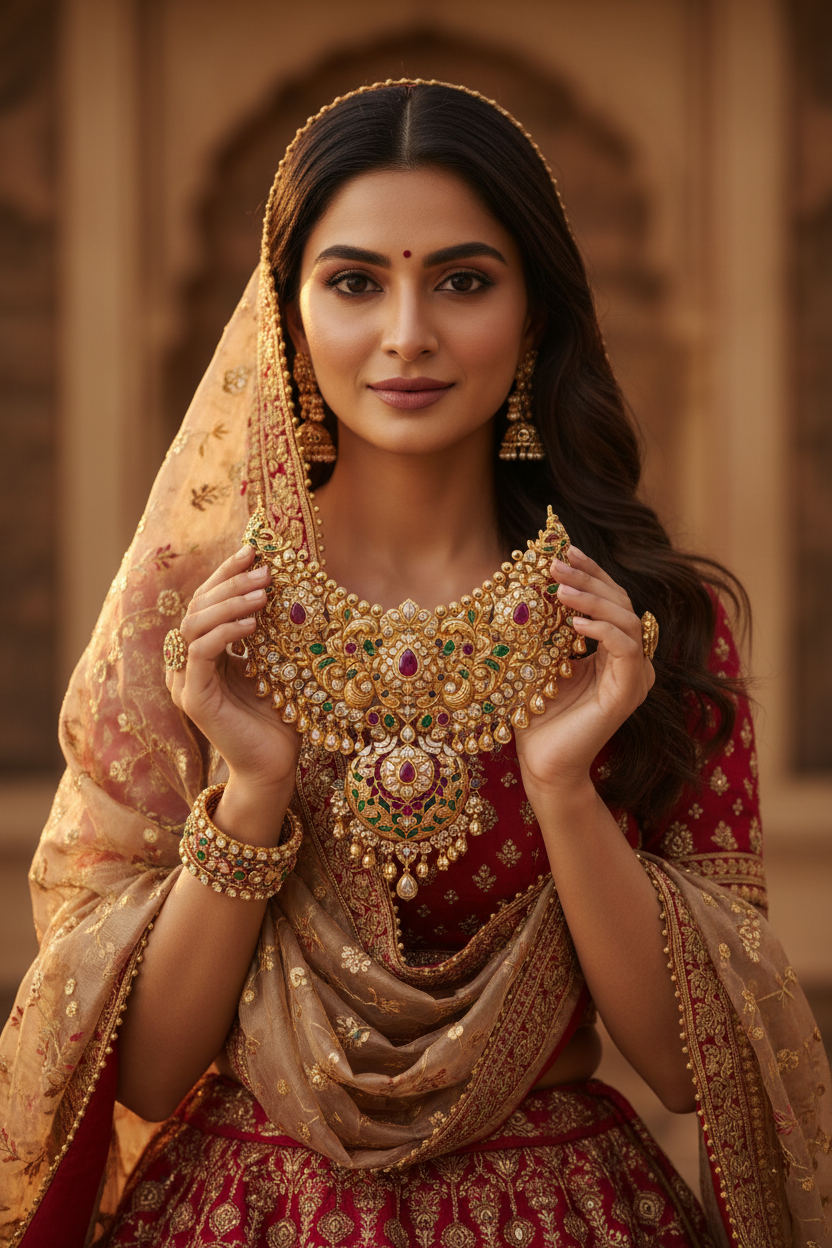
Kundan is the most widely recognised Indian bridal jewellery style across regional communities. Its flat, polished stone settings in gold-toned frameworks produce the elaborate, photogenic bridal aesthetic that defines Indian wedding ceremony visuals. For Indian brides across Europe from North Indian, Punjabi, and Gujarati communities, Kundan is the default starting point for bridal jewellery planning.
Temple Jewellery: Essential for South Indian Communities
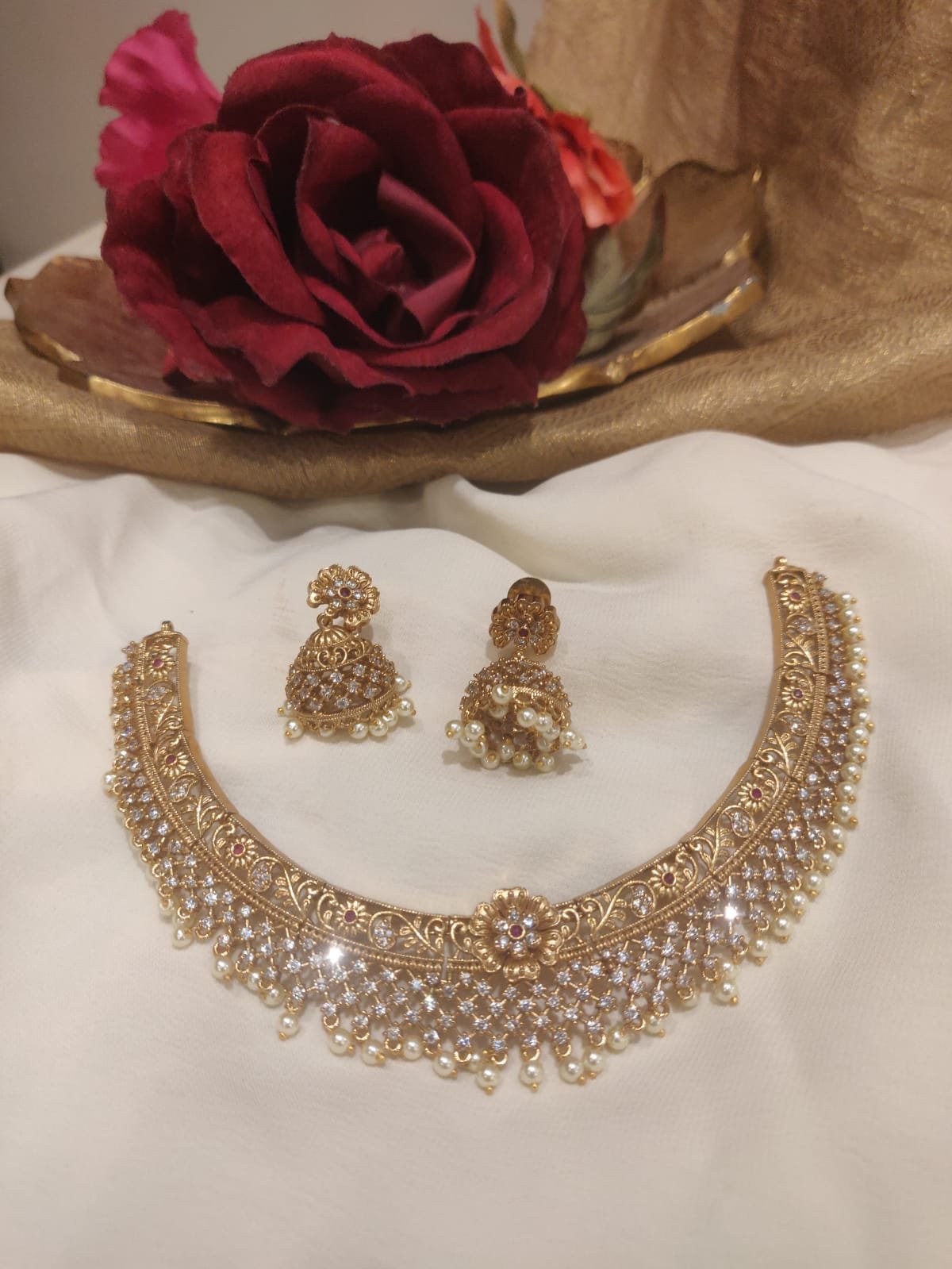
Given the significant South Indian professional population across European cities, temple jewellery carries substantial demand. Deity motifs, layered harams, and jimiki earrings are the defining characteristics. For Tamil and Telugu communities in Germany, France, and the Netherlands, temple jewellery is the standard for weddings, classical dance events, and formal cultural occasions.
Explore fashion jewellery online for both Kundan-inspired and temple-inspired collections available with international delivery across Europe.
Meenakari: The Festive Specialist
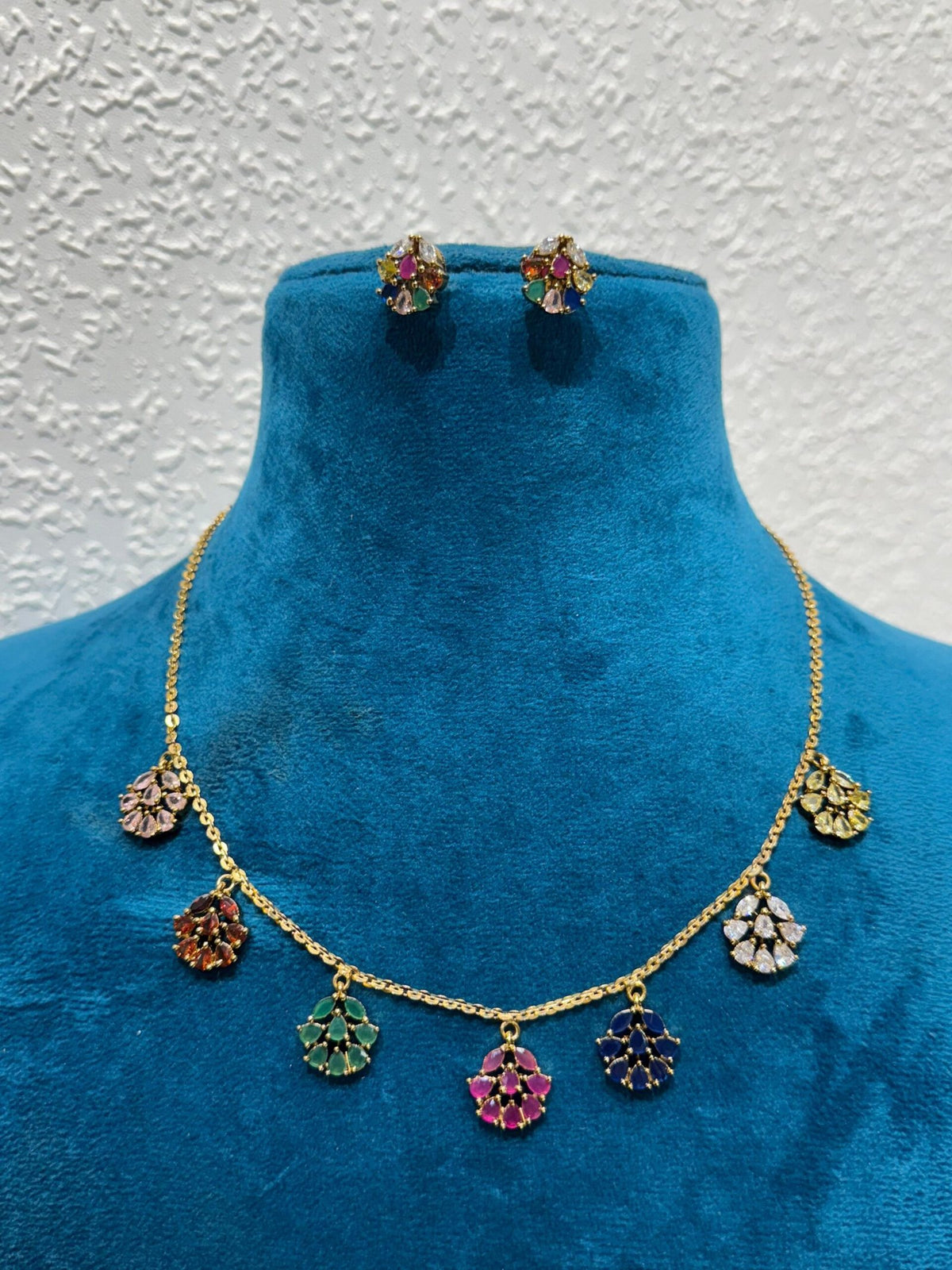
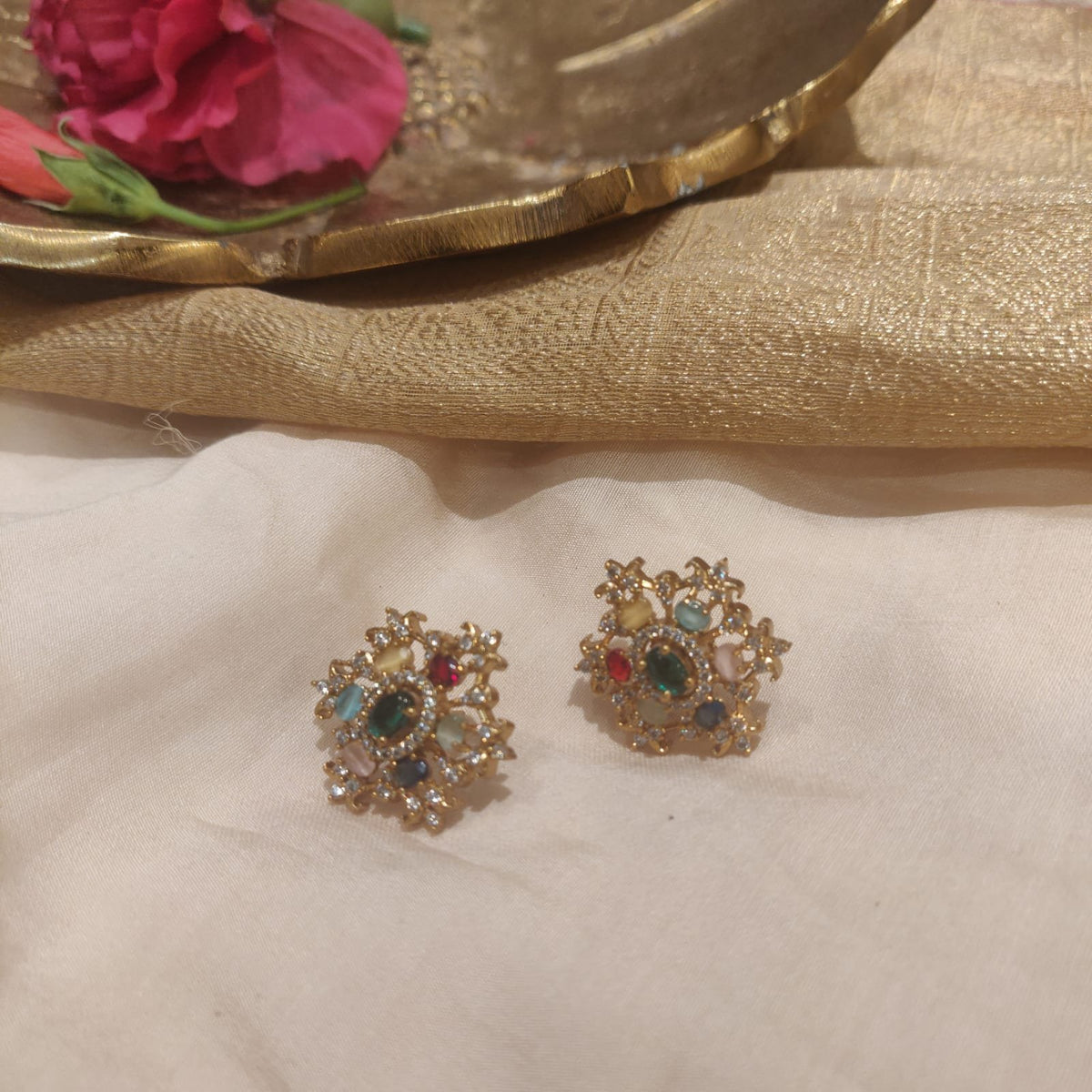
Meenakari enamel jewellery in red, green, blue, and multi-colour combinations is the most visually distinctive Indian jewellery category for festive occasions. For Navratri, Diwali, and Eid events across European Indian communities, Meenakari's vivid colour palette photographs well under event lighting and complements the colourful traditional outfits associated with these occasions.
American Diamond and Pearl: The Contemporary Occasion Tier
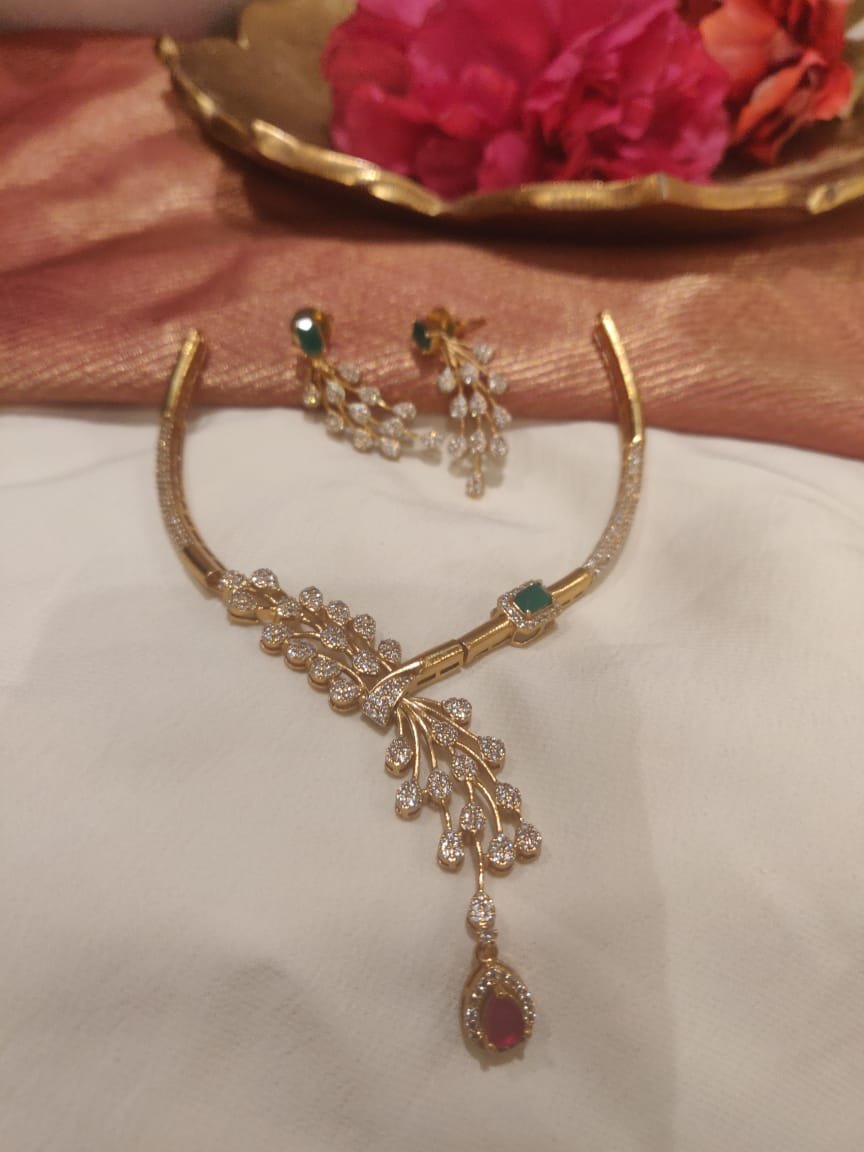
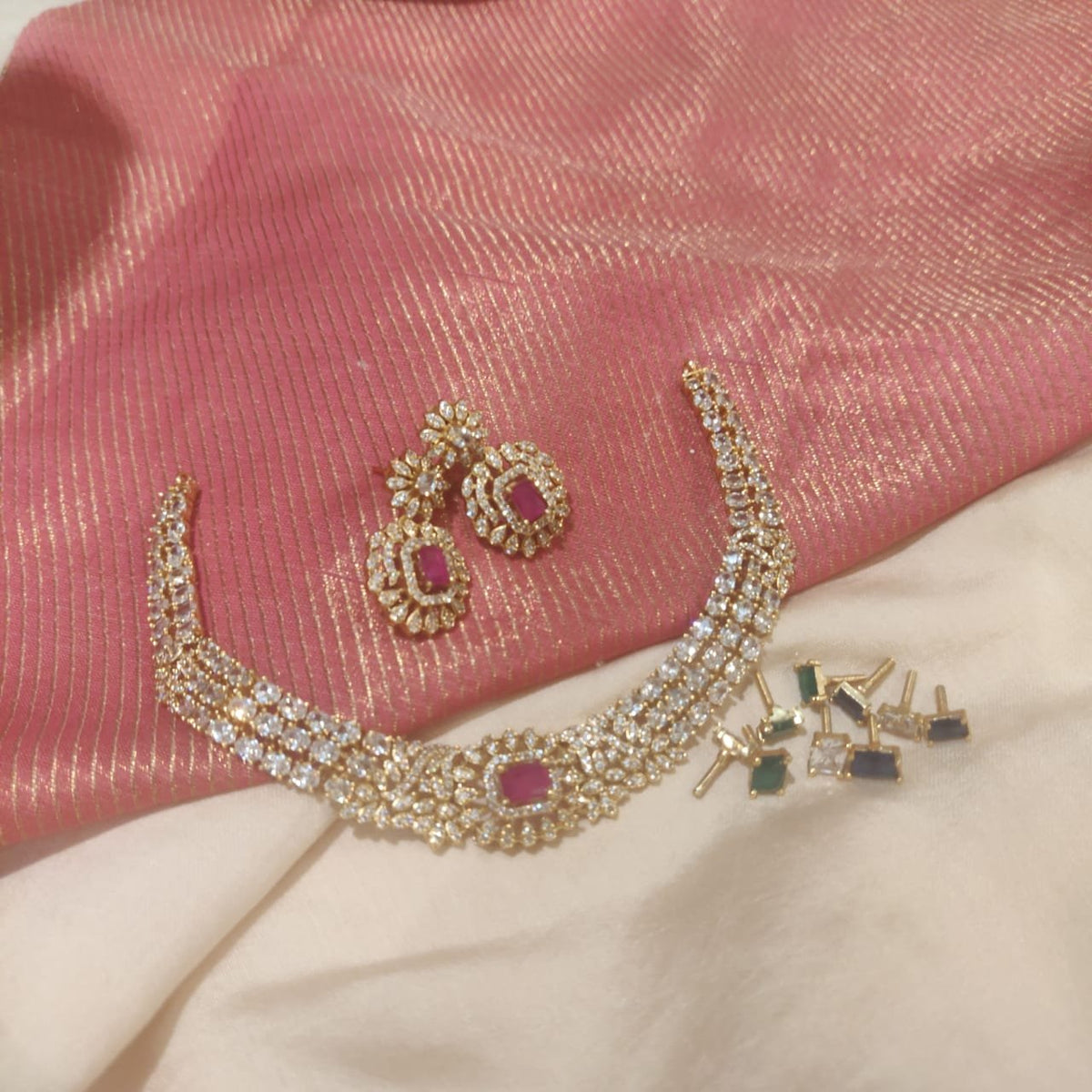
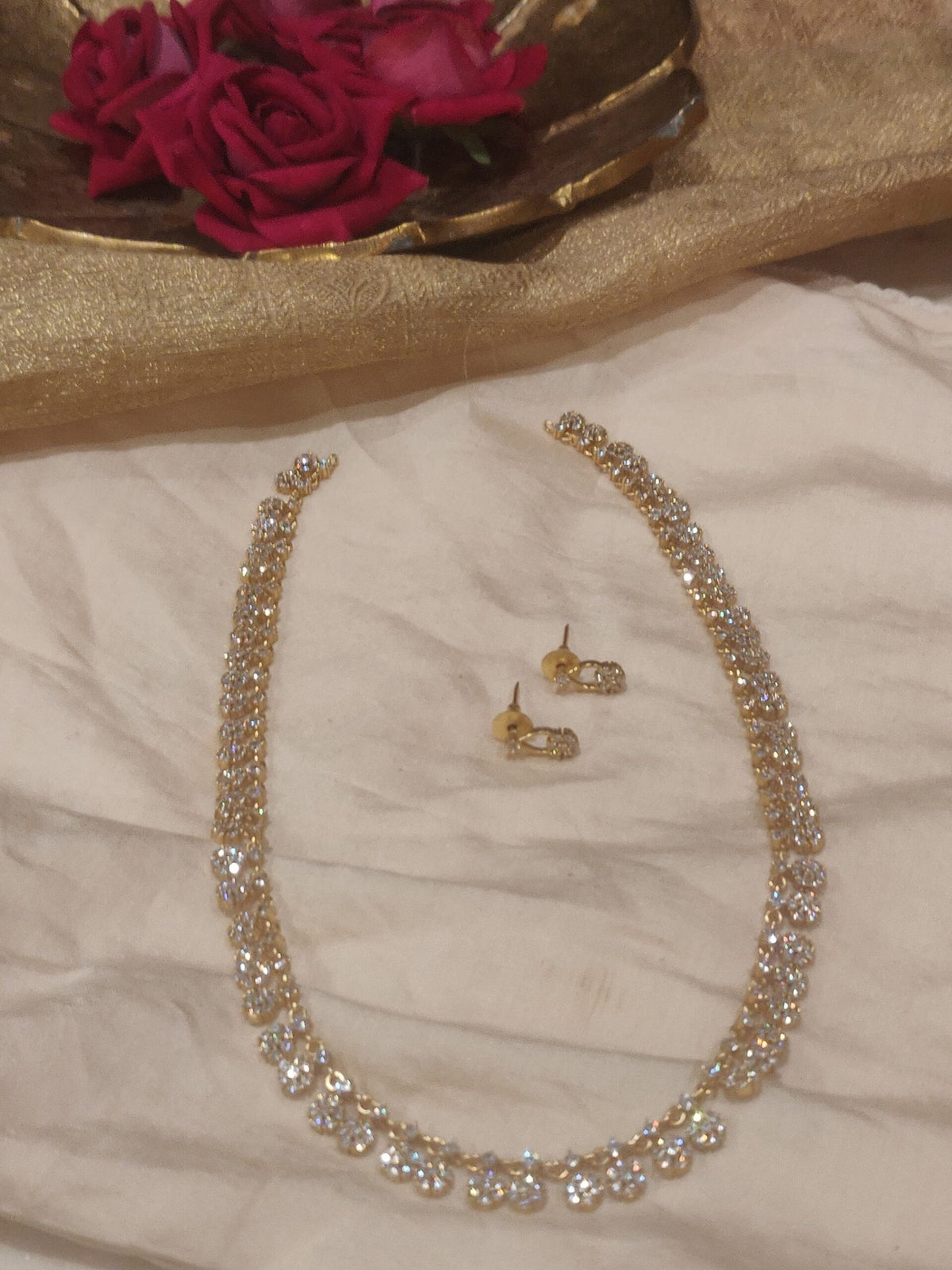
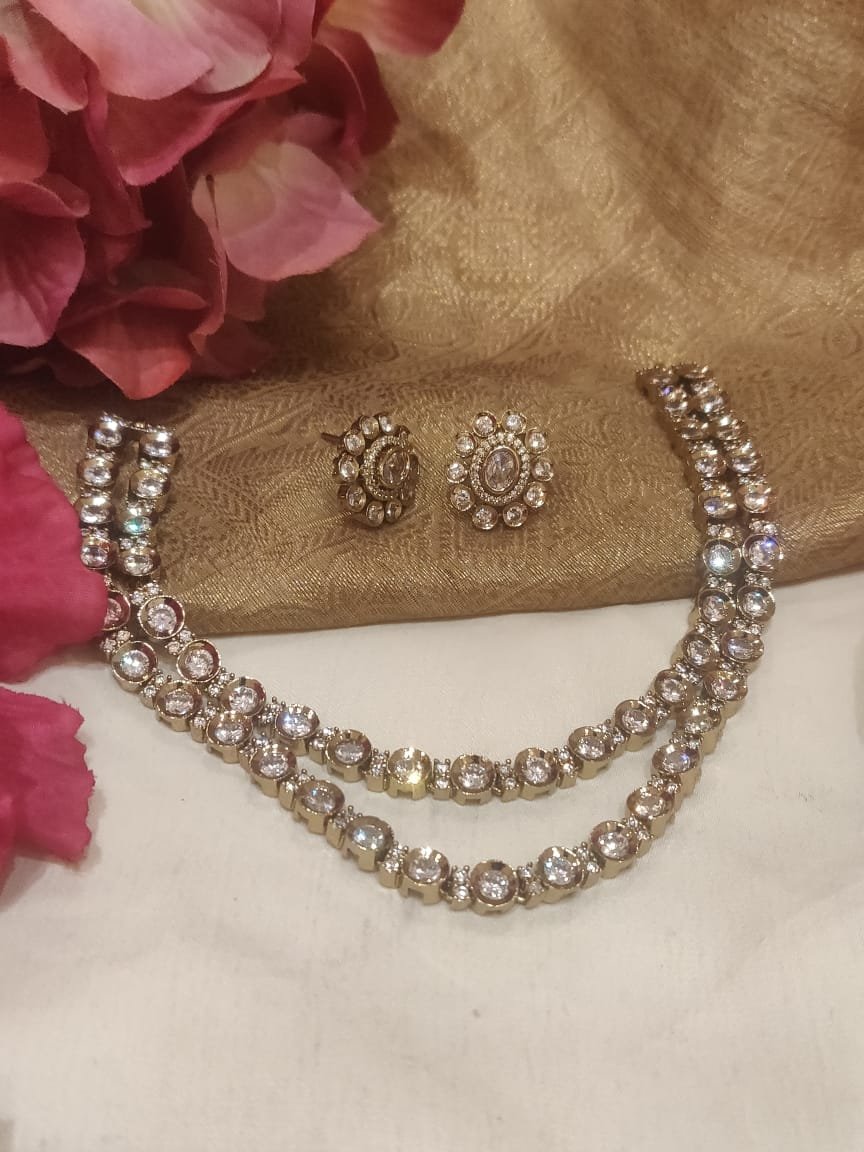
AD sets and pearl combinations offer occasion jewellery that bridges traditional Indian aesthetics with a more contemporary feel. They are particularly appropriate for reception looks, sangeet events, and semi-formal occasions where the full formal weight of Kundan or temple jewellery may be more than the context requires.
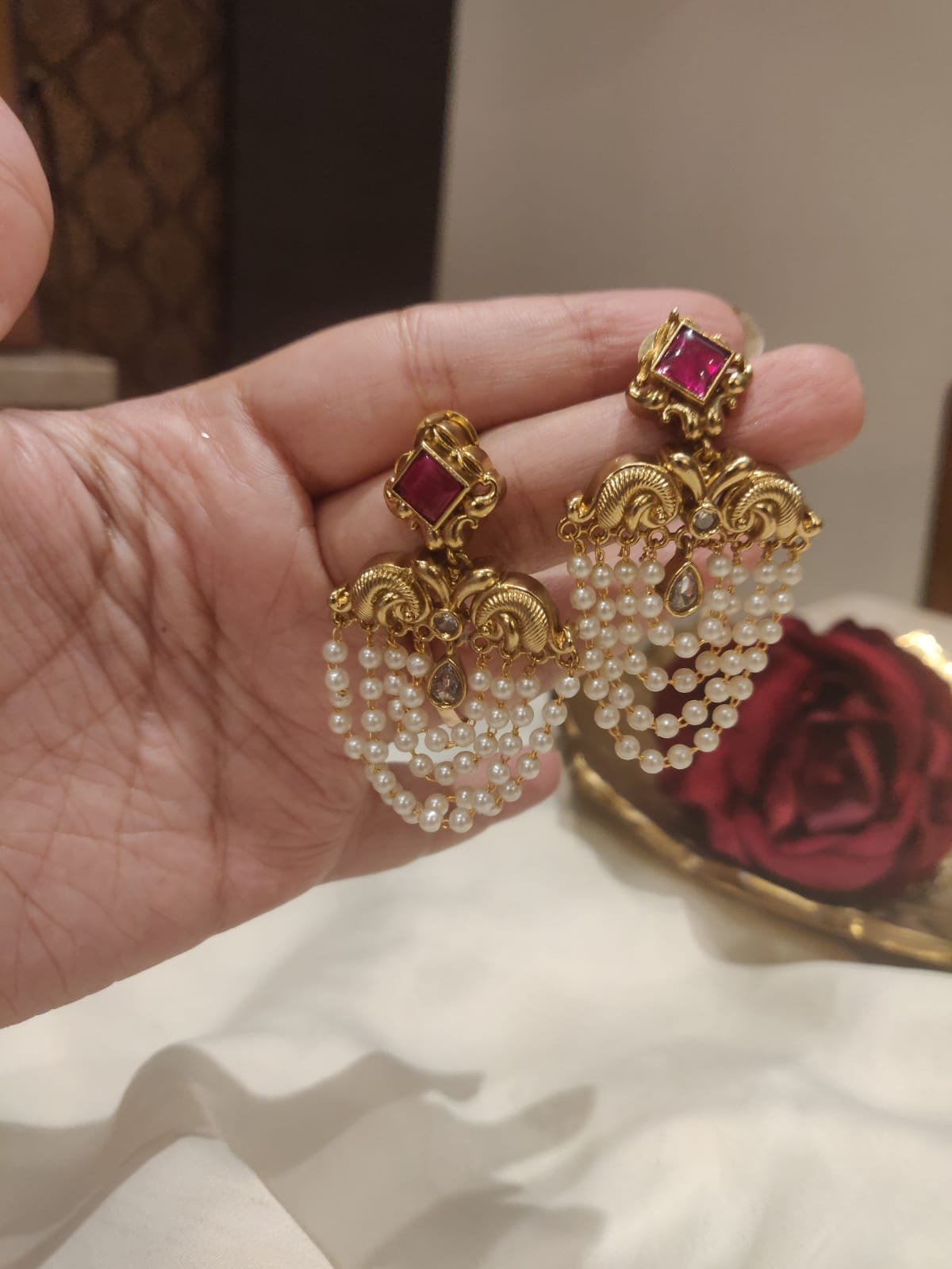
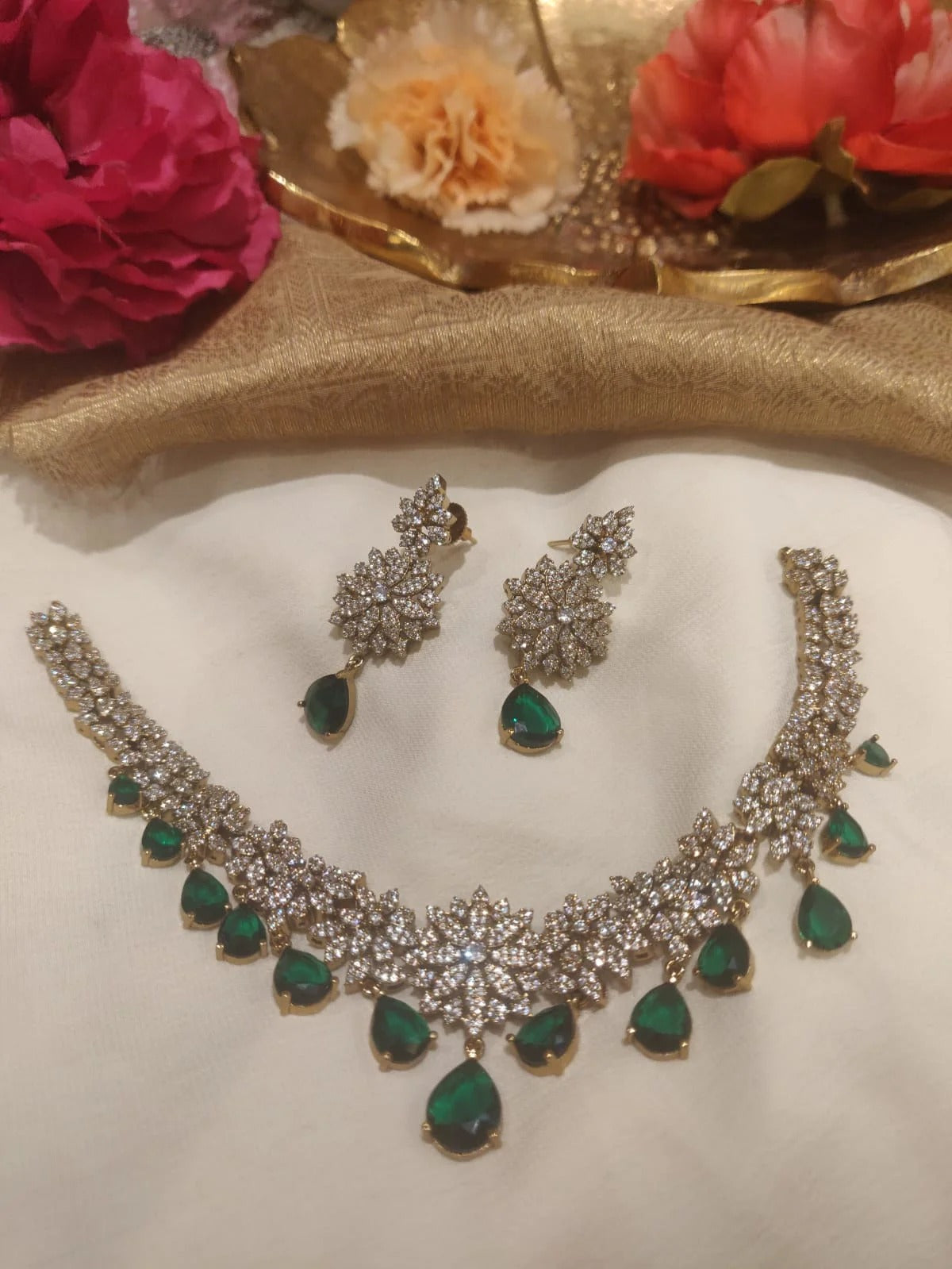
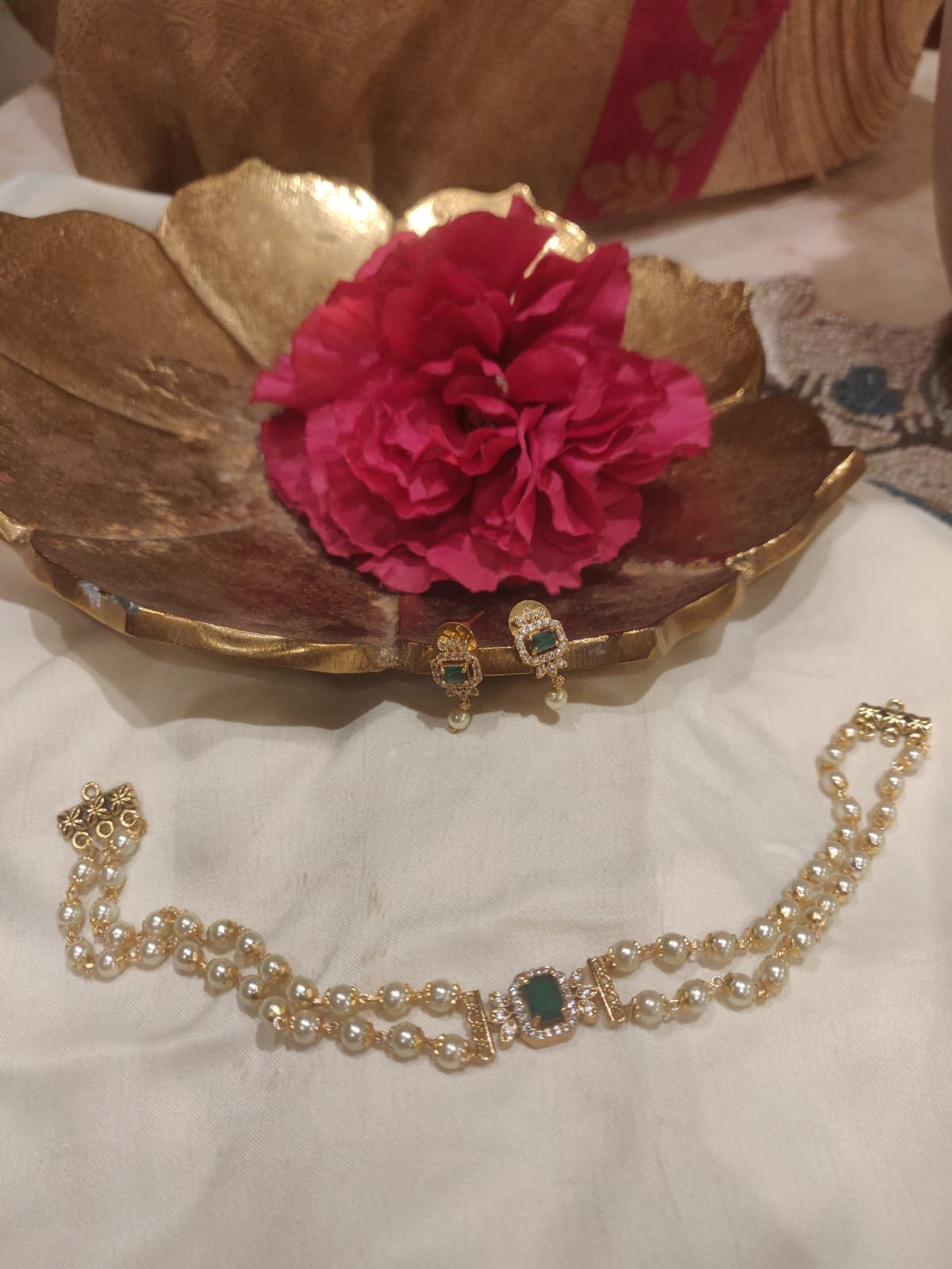
A pearl necklace and earring set is one of the most versatile Indian jewellery investments for diaspora women living in Europe, covering formal Indian occasions and fitting naturally into the elegance of European social contexts.
EU Import Rules: What Every European Indian Jewellery Shopper Must Understand
This section applies to all EU member states. Non-EU European countries (Switzerland, Norway, UK) have their own separate import frameworks.
The VAT change of July 2021: Before July 2021, imports into the EU below EUR 22 in value were exempt from VAT. This exemption was removed. As of July 2021, all imports into EU countries from outside the EU attract VAT at the destination country's standard rate, regardless of order value.
Standard VAT rates across key European countries:
-
Germany: 19 per cent
-
France: 20 per cent
-
Netherlands: 21 per cent
-
Belgium: 21 per cent
-
Sweden: 25 per cent
-
Switzerland (non-EU): 7.7 per cent on most goods
Customs duties above EUR 150: Orders from outside the EU exceeding EUR 150 in total value may attract customs duties in addition to VAT. Fashion jewellery typically falls under tariff codes attracting 2 to 4 per cent duty under EU classification.
IOSS scheme: Some Indian jewellery brands are registered for the EU's Import One-Stop Shop (IOSS) scheme, which allows VAT to be collected and paid at the point of sale rather than at the border. This simplifies the delivery process for buyers in EU countries. Check whether the brand you are purchasing from is IOSS-registered before ordering.
Practical recommendation: When budgeting for Indian jewellery ordered to any EU country, add approximately 20 to 25 per cent to the listed price to cover VAT and potential duties. This prevents unexpected costs at delivery.
Region-by-Region Occasion Calendar for European Indian Communities
Netherlands (Amsterdam, Eindhoven): The Indo-Surinamese community in Amsterdam celebrates both Indian and Surinamese cultural occasions. Holi, Diwali, and Eid are major events. Indian weddings in the Netherlands often blend South Asian and Dutch-Caribbean cultural elements, creating unique jewellery requirements.
Switzerland (Zurich, Geneva): The Swiss Indian community is small but professionally concentrated. Diwali and Navratri events are organised through community associations. Indian weddings in Swiss venues tend to be more intimate but maintain full traditional jewellery expectations.
Belgium (Brussels, Antwerp): Diamond trading history has created a distinctive relationship with jewellery in the Belgian Indian community. Antwerp's Indian diamond merchants have a long-established community with strong Gujarati cultural traditions, including full Navratri and wedding jewellery customs.
Scandinavia (Stockholm, Copenhagen, Oslo): Indian communities in Scandinavian cities celebrate Diwali and Indian cultural events actively through community associations. The communities are predominantly South Indian and professional, with strong temple jewellery and classical dance traditions maintained through cultural organisations.
For bangles that complement ethnic Indian jewellery across the full range of European Indian occasion types, browse traditional gold bangle designs.
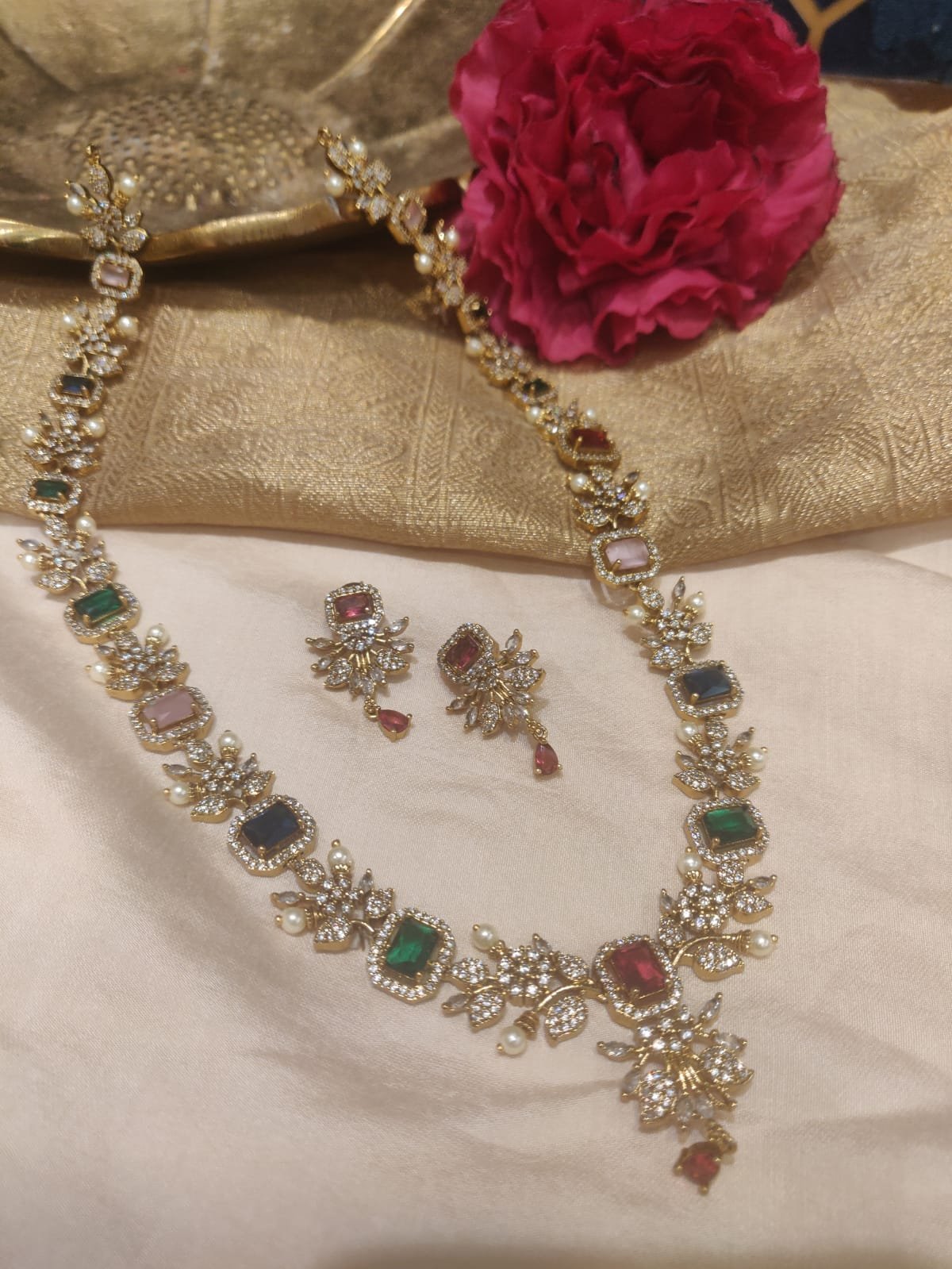
For complete sets suited to the full range of European Indian community occasions, explore designer jewellery online.
Emporia Jewels carries ethnic Indian jewellery collections that serve the full range of the European Indian diaspora buyer's needs, from South Indian temple bridal sets to Gujarati festive meenakari and North Indian Kundan bridal looks, with international shipping across European destinations.
Frequently Asked Questions
Q1: Can I buy ethnic Indian jewellery online with delivery across Europe?
Yes. Indian D2C brands, including Emporia Jewels, offer international shipping to European countries. Check the brand's website for current country coverage and delivery timelines.
Q2: Does the EU VAT rule apply to all European countries?
The July 2021 VAT rule applies to all EU member states. Non-EU European countries, including Switzerland, Norway, and the UK, have their own separate import and tax frameworks.
Q3: What Indian jewellery styles are most in demand across European Indian communities?
Kundan sets, temple jewellery, meenakari pieces, pearl combinations, and festive jhumkas are consistently the most purchased styles across the European Indian diaspora.
Q4: How do South Indian communities in Europe source temple jewellery?
Online purchasing through Indian D2C brands that offer international shipping is the primary and most practical channel for South Indian communities in Germany, France, and the Netherlands to access temple jewellery.
Q5: What is the recommended lead time for ordering Indian bridal jewellery from Europe?
Order at least twelve weeks before your wedding ceremony to account for international shipping, EU customs processing, and any issues requiring resolution before the event.
Q6: Is there any city in Europe with physical Indian ethnic jewellery shops comparable to the UK South Asian markets?
Physical Indian jewellery retail in mainland European cities is very limited. The UK's Southall, Wembley, and Leicester markets have no equivalent in mainland Europe, making online purchasing the standard channel for the European Indian diaspora.