


Buy Indian Jewellery in Germany: A Practical Sourcing Guide for the Indian Community
Germany has the largest Indian diaspora community in the European Union. With an estimated 200,000 to 250,000 Indian-born residents, concentrated particularly in Frankfurt, Munich, Berlin, Düsseldorf, Hamburg, and Stuttgart, the demand for Indian ethnic jewellery for weddings, Diwali, Navratri, and cultural celebrations is substantial and consistent throughout the year.
Yet walk into any German high street or shopping centre, and you will find nothing. German retail has no equivalent to the South Asian jewellery market. There is no Southall, no Wembley, no equivalent of Leicester's Golden Mile. For Indian families in Germany, online shopping is not an option or a supplement to physical retail. It is the only realistic channel for accessing genuine Indian ethnic jewellery with any meaningful variety.
This guide is written specifically for Indian shoppers in Germany. It covers what to look for, what to expect when importing from India, how to plan purchases around German Indian community events, and which jewellery styles have the strongest relevance for the German Indian community's occasion needs.
The Indian Community in Germany: Who Is Shopping and Why
The Indian community in Germany is predominantly professional, concentrated in the IT sector, the pharmaceutical industry, engineering, and academia. It skews younger than the UK Indian diaspora and has a slightly different cultural makeup, with a significant proportion of South Indian families, particularly from Tamil Nadu, Andhra Pradesh, and Karnataka.
This matters for jewellery purchasing because:
-
The South Indian community's demand for temple jewellery and classical dance accessories is proportionally higher in Germany than in the UK
-
The community celebrates Indian festivals actively, with Diwali and Navratri events organised through Indian community associations in Frankfurt, Munich, and Berlin
-
Indian weddings in Germany occur year-round and often involve guests flying in from across Europe
-
The professional and well-travelled nature of the community means buyers have a relatively high awareness of Indian jewellery aesthetics and quality
Which Indian Jewellery Styles Matter Most in Germany
Temple Jewellery for South Indian Communities
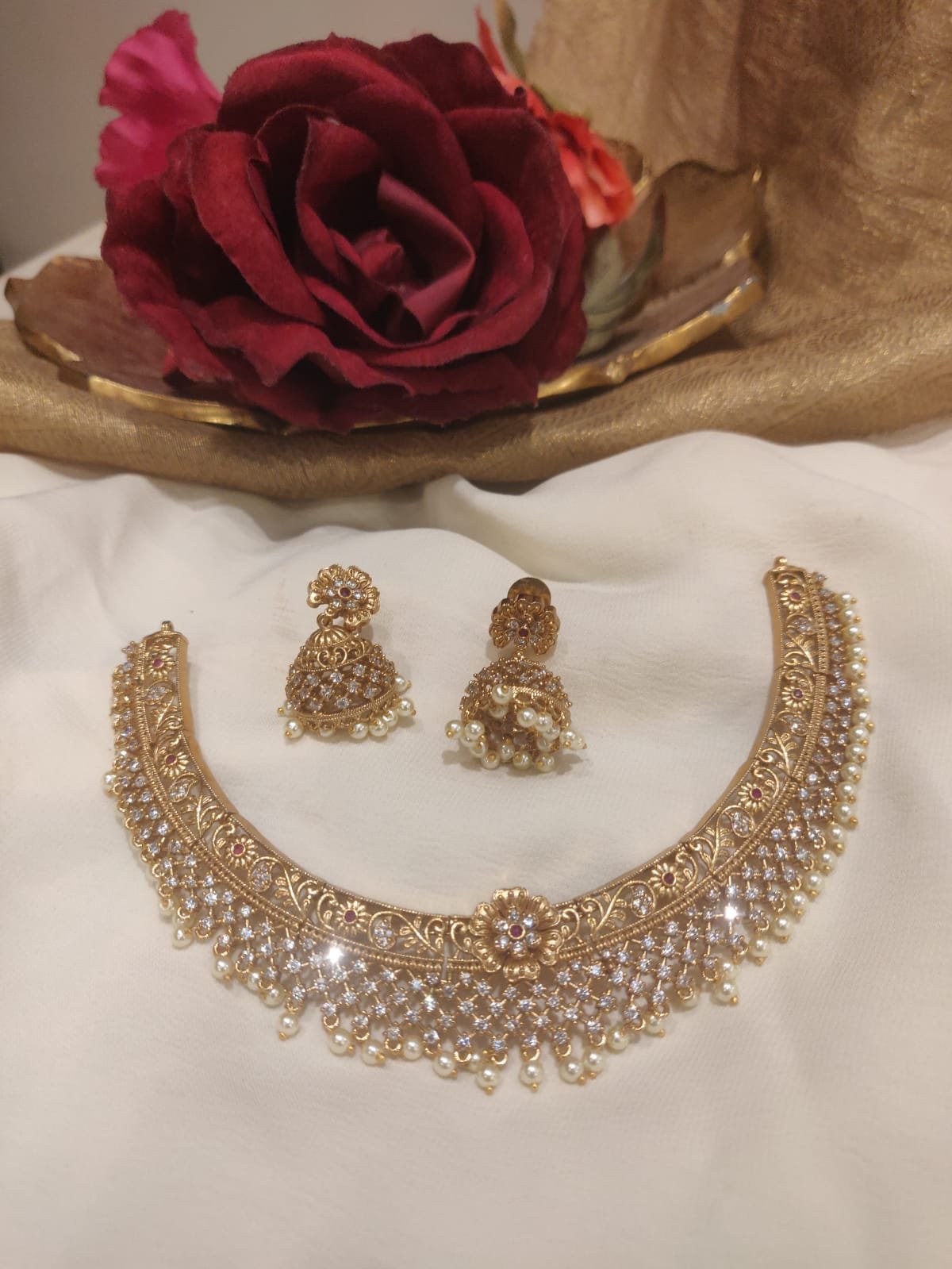
Given the significant South Indian population in Germany, particularly in Frankfurt and Munich, temple jewellery is consistently one of the most searched and purchased Indian jewellery styles. Bridal sets for Tamil and Telugu weddings in German cities, Bharatanatyam arangetram performances, and South Indian cultural programs all drive temple jewellery demand.
A complete South Indian temple jewellery bridal set for a Germany-based bride should be ordered well in advance. The full set typically includes a layered haram necklace, jimiki earrings, vanki arm cuff, nethichutti forehead ornament, and coordinated bangles.
Kundan Sets for North Indian and Gujarati Weddings
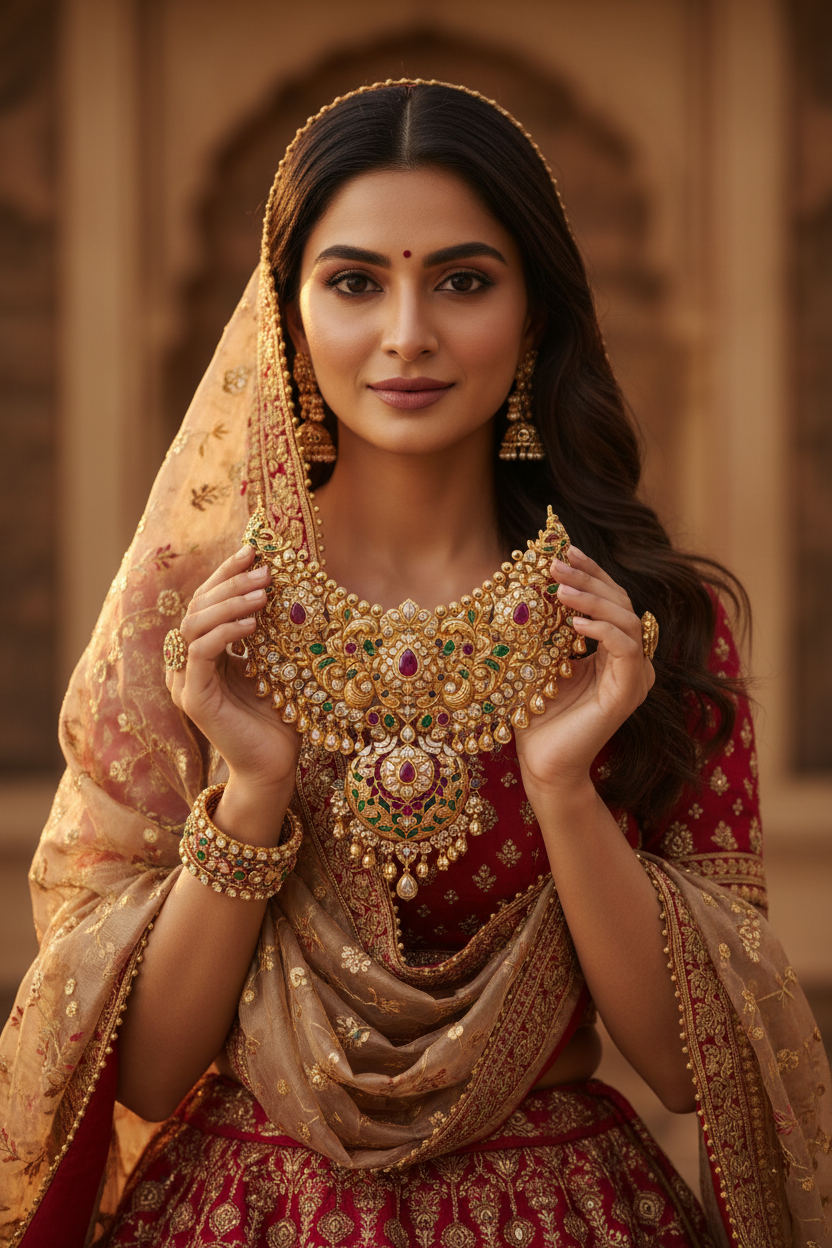
North Indian and Gujarati families form another significant segment of Germany's Indian community. For this group, Kundan sets remain the standard bridal and wedding guest jewellery choice. The visual weight and cultural specificity of Kundan communicate formality and occasion in a way that is recognised across Indian regional communities.
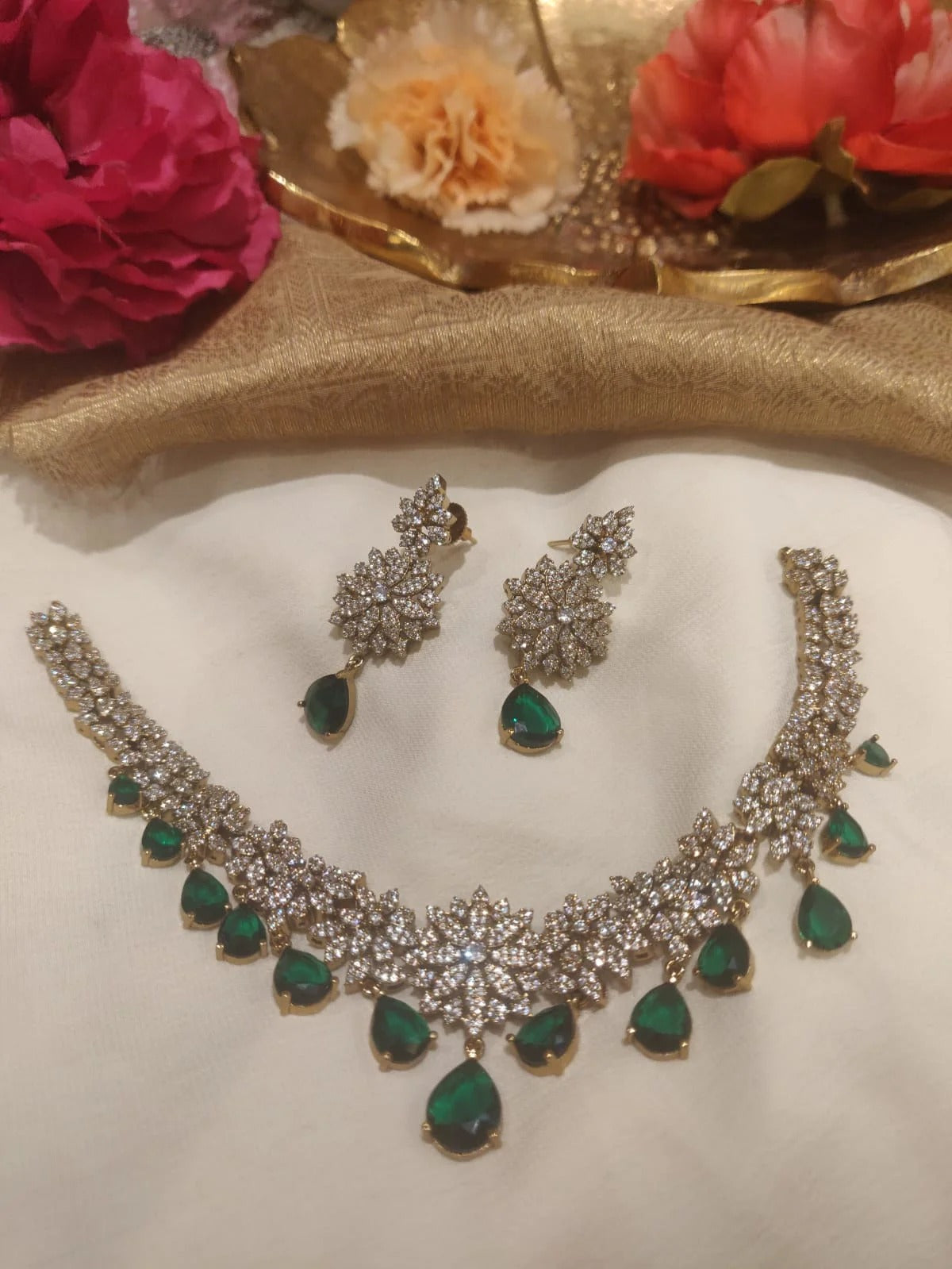
Explore designer jewellery online for curated Kundan and temple jewellery sets with international delivery to Germany.
Everyday Jhumkas and Casual Ethnic Accessories
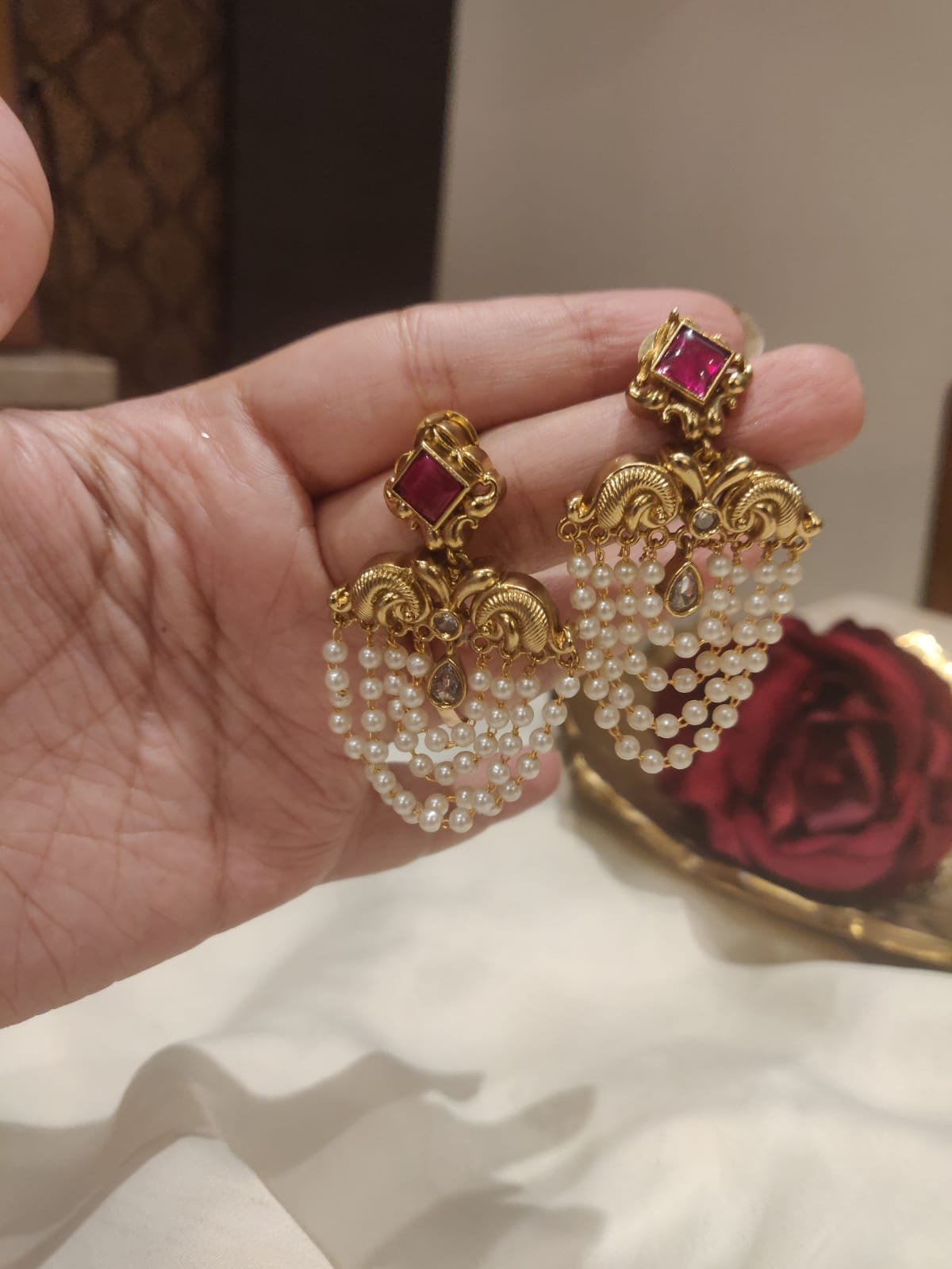
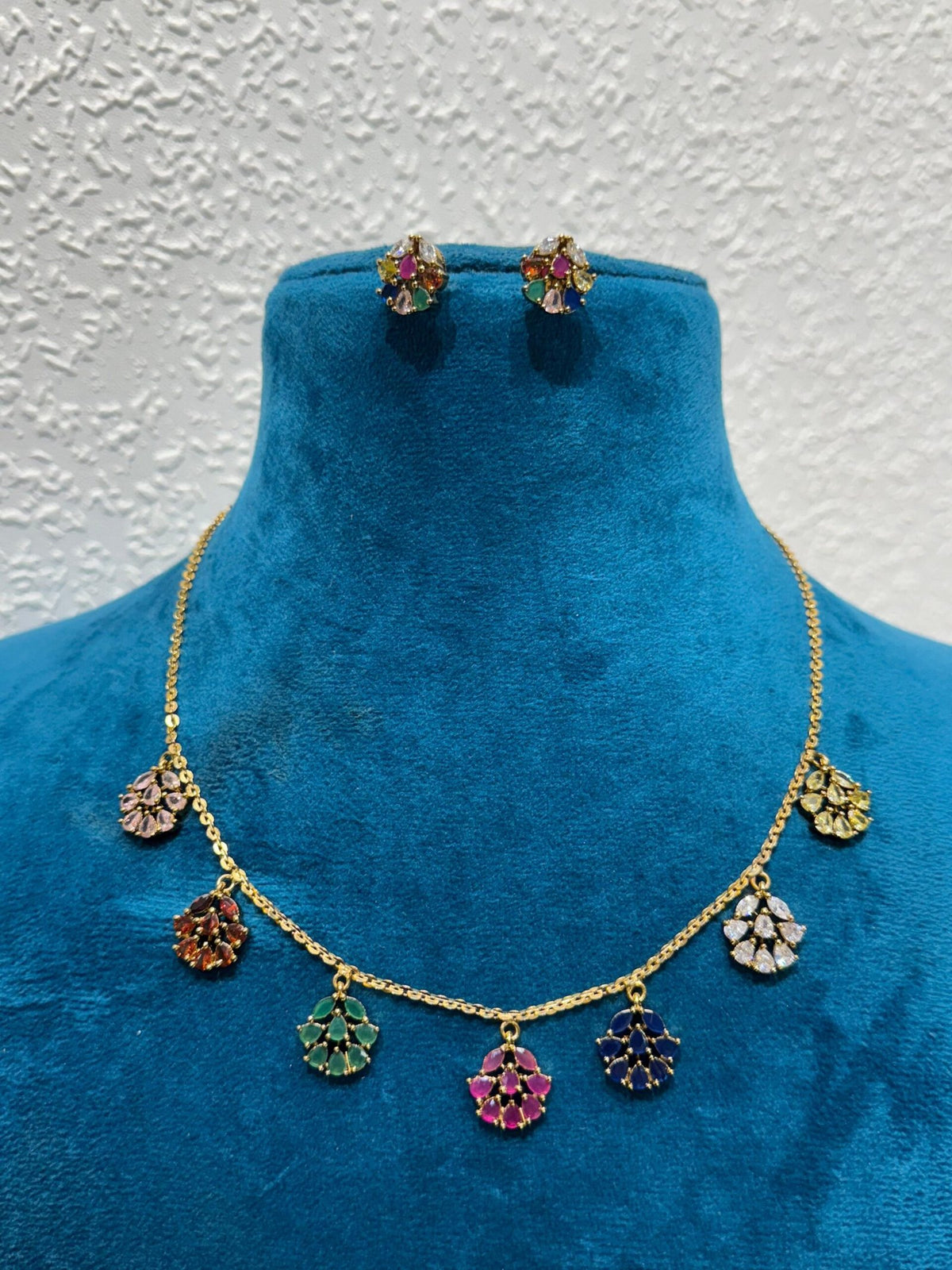
For day-to-day ethnic wear, German-based Indian women reach for light jhumkas, simple necklace and earring combinations, and thin bangle sets. These pair with kurtas and salwar suits for cultural events, community gatherings, and personal occasions throughout the year.
Festive Jewellery for Navratri and Diwali
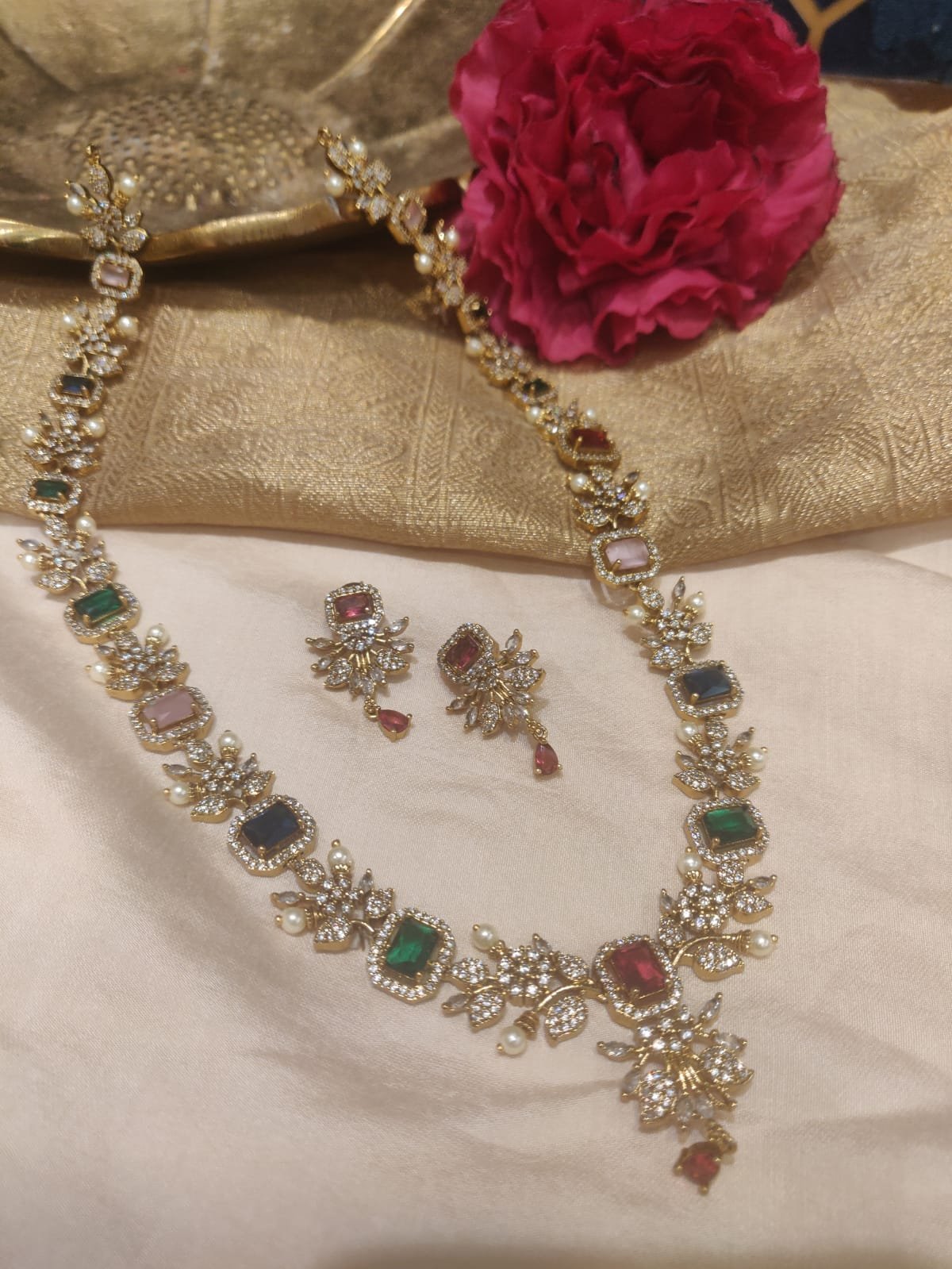
Indian community organisations in Frankfurt, Munich, and Berlin host Navratri garba events and Diwali celebrations that draw significant attendance. Festive jewellery in gold tones with coloured stone accents sees its highest purchase volume in September and October, ahead of these events.
Understanding German Import Rules for Indian Jewellery
This is the section most guides skip, and most buyers regret not reading.
Germany is part of the European Union. All imports into Germany from countries outside the EU, including India, are subject to EU customs rules.
VAT (Mehrwertsteuer / MwSt):
-
Since July 2021, the EUR 22 low-value import VAT exemption has been removed
-
All imports into Germany, regardless of value, are now subject to German VAT at 19 per cent on fashion accessories and jewellery
-
VAT is typically collected by the carrier at delivery or handled by the seller through the EU Import One-Stop Shop (IOSS) scheme if the seller is registered
Customs duties:
-
Imports above EUR 150 in value may attract customs duties in addition to VAT
-
Indian jewellery and fashion accessories typically fall under EU customs tariff codes that attract duties of 2 to 4 percent depending on the specific product classification
-
Confirm the applicable tariff code and duty rate with your customs authority or the EU's TARIC database before placing high-value orders
Practical implications for German buyers:
-
Include estimated VAT and possible duty in your total budget when ordering Indian jewellery from India
-
Choose sellers who have an IOSS registration or clearly disclose the import cost implications for EU buyers
-
For high-value bridal sets, consider whether the total landed cost (jewellery price plus shipping plus VAT plus potential duties) is within your budget before ordering
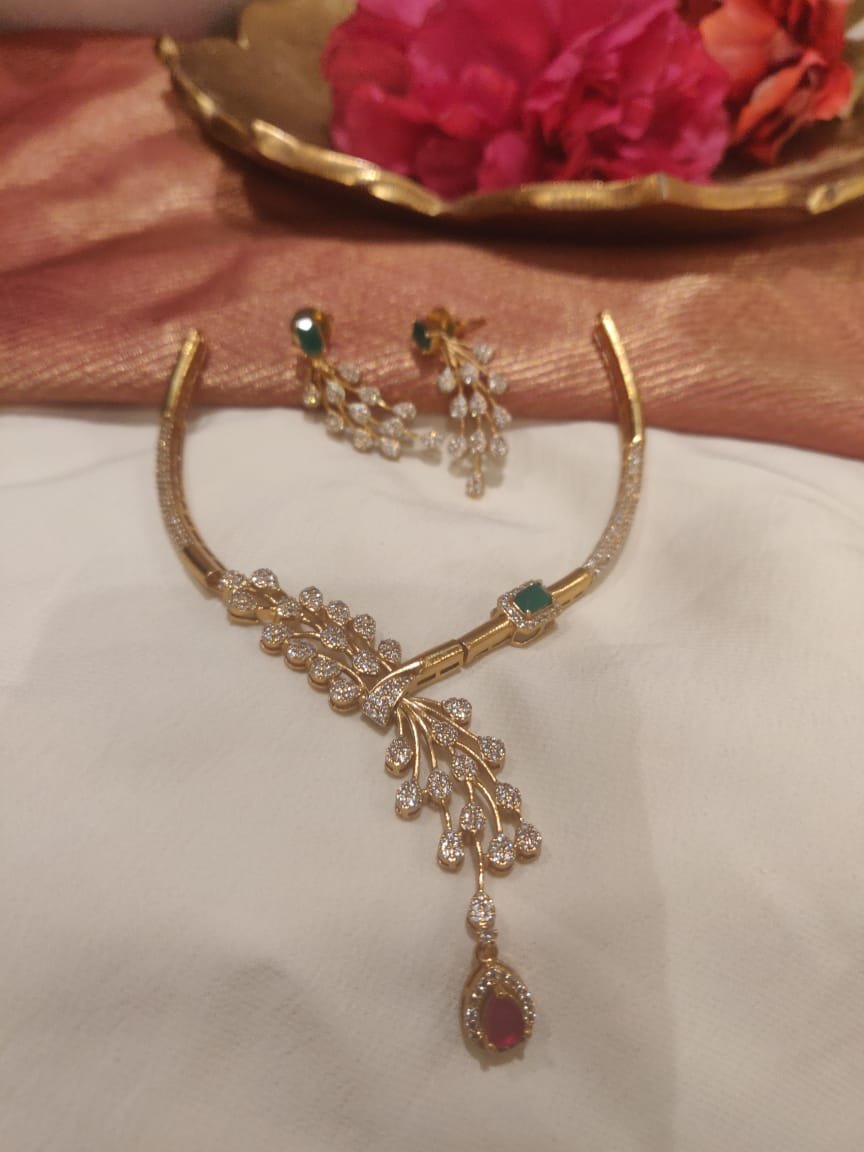
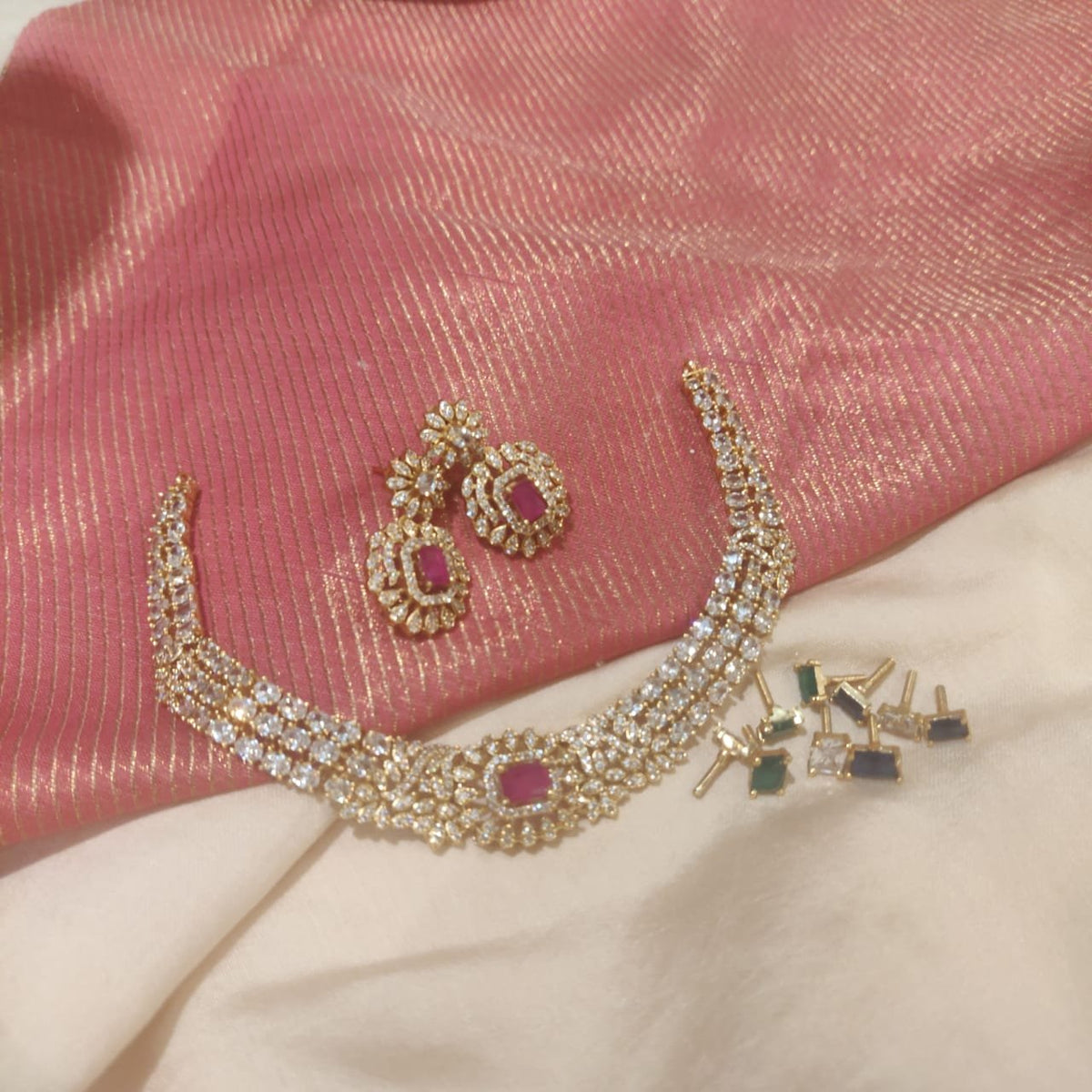
For everyday and festive pieces at accessible price points, explore fashion jewellery online to understand the range available with delivery to Germany.
Occasion Planning for the German Indian Community
Indian event seasons in Germany follow broadly similar patterns to the wider European Indian community.
Wedding season: Indian weddings in Germany cluster in spring (April to June) and autumn (September to November). Both windows require early ordering. For bridal sets, order twelve weeks ahead minimum. For wedding guest purchases, six to eight weeks is the recommended lead time.
Navratri: Frankfurt, Munich, and Berlin all host organised Navratri garba events. These are major community occasions that call for traditional festive dress and accessories. Order festive jewellery by early September at the latest.
Diwali: Diwali events in Germany are typically organised by Indian community associations and temple trusts. Jewellery and ethnic accessories are purchased in the weeks before Diwali. Order by mid-October to cover the November date.
Eid: Germany has a significant Muslim South Asian population. Eid celebrations call for ethnic dress and jewellery, particularly meenakari and AD sets suited to the occasion's aesthetic.
For bangle sets that complement Indian festive and wedding looks throughout the German Indian community's event year, browse traditional gold bangle designs.
What to Look for When Buying Indian Jewellery Online from Germany
Shipping clarity: Confirm that the brand ships to Germany specifically. Broad "international shipping" claims do not always include all EU countries.
Import cost transparency: Look for sellers who address EU import rules clearly, either through IOSS registration or through transparent disclosure of import cost implications.
Product image quality: For remote purchasing, multiple-angle images and close-up stone setting photographs are essential. A product listing with a single image is insufficient for confident purchasing of occasion jewellery.
Set component confirmation: Always confirm whether the full set (necklace, earrings, tikka, bangles) is included in the listed price or whether pieces are sold separately.
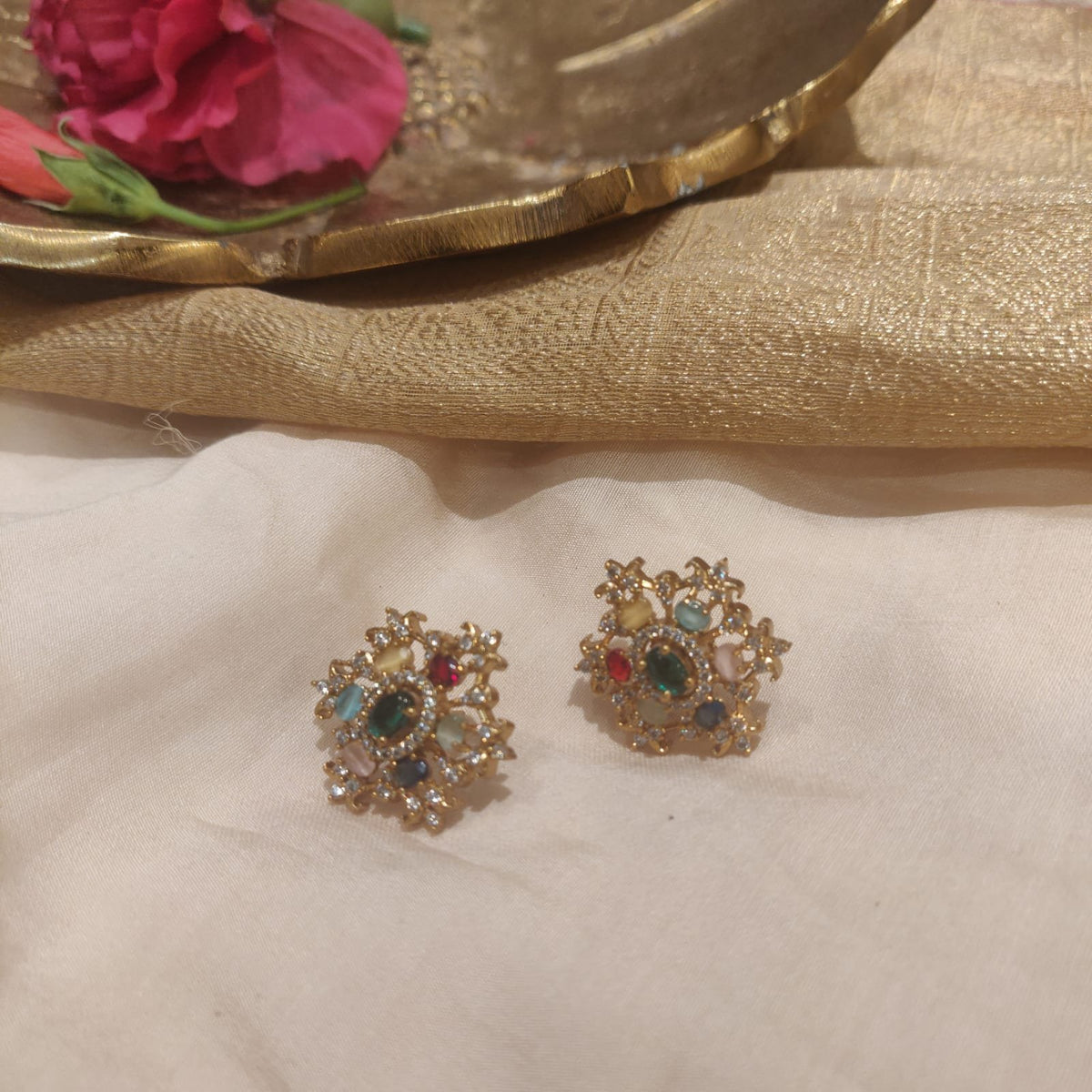
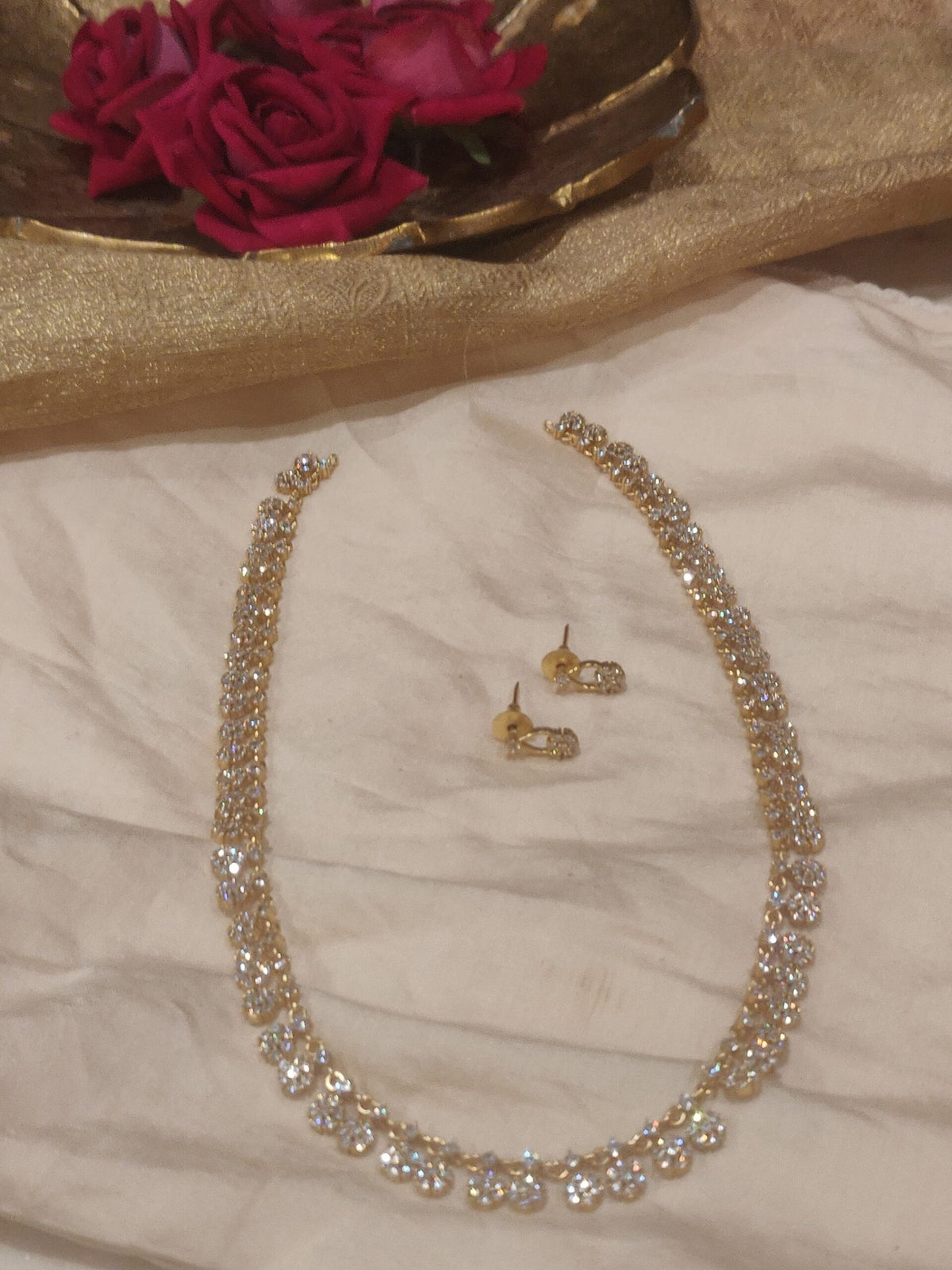
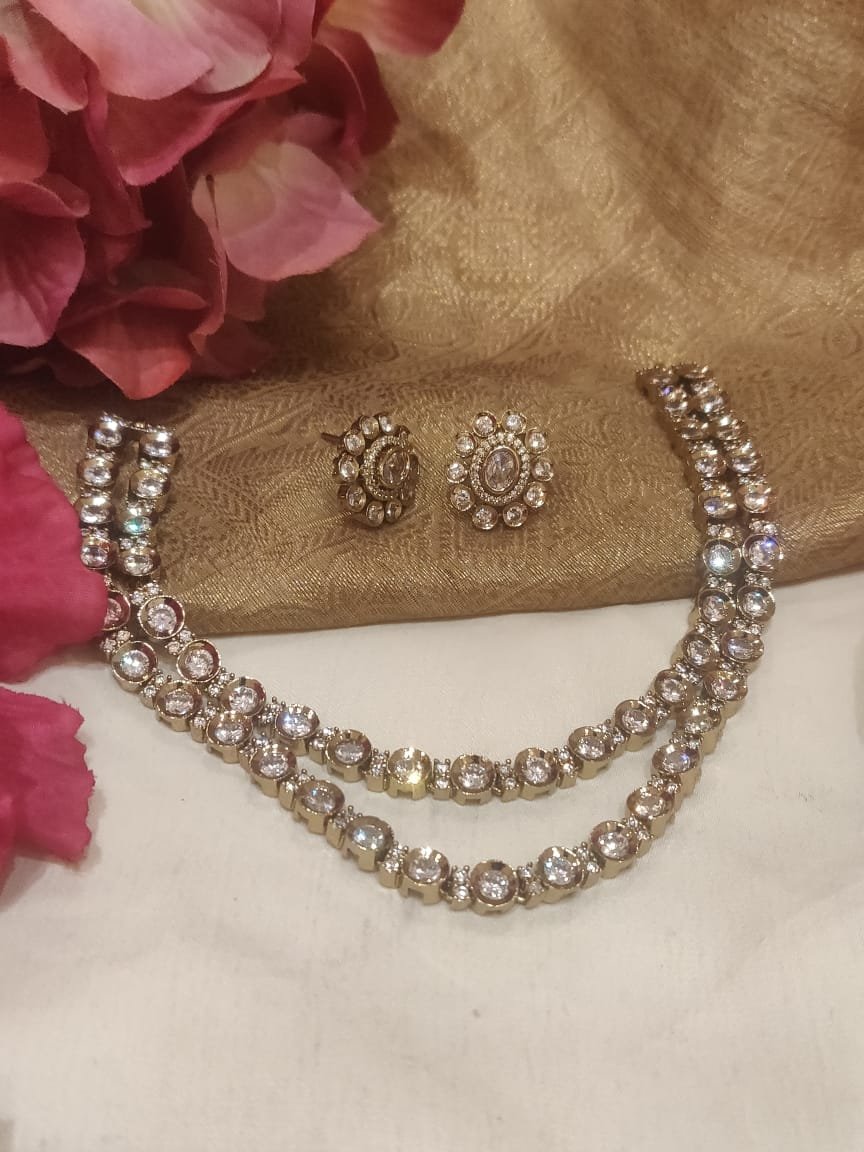
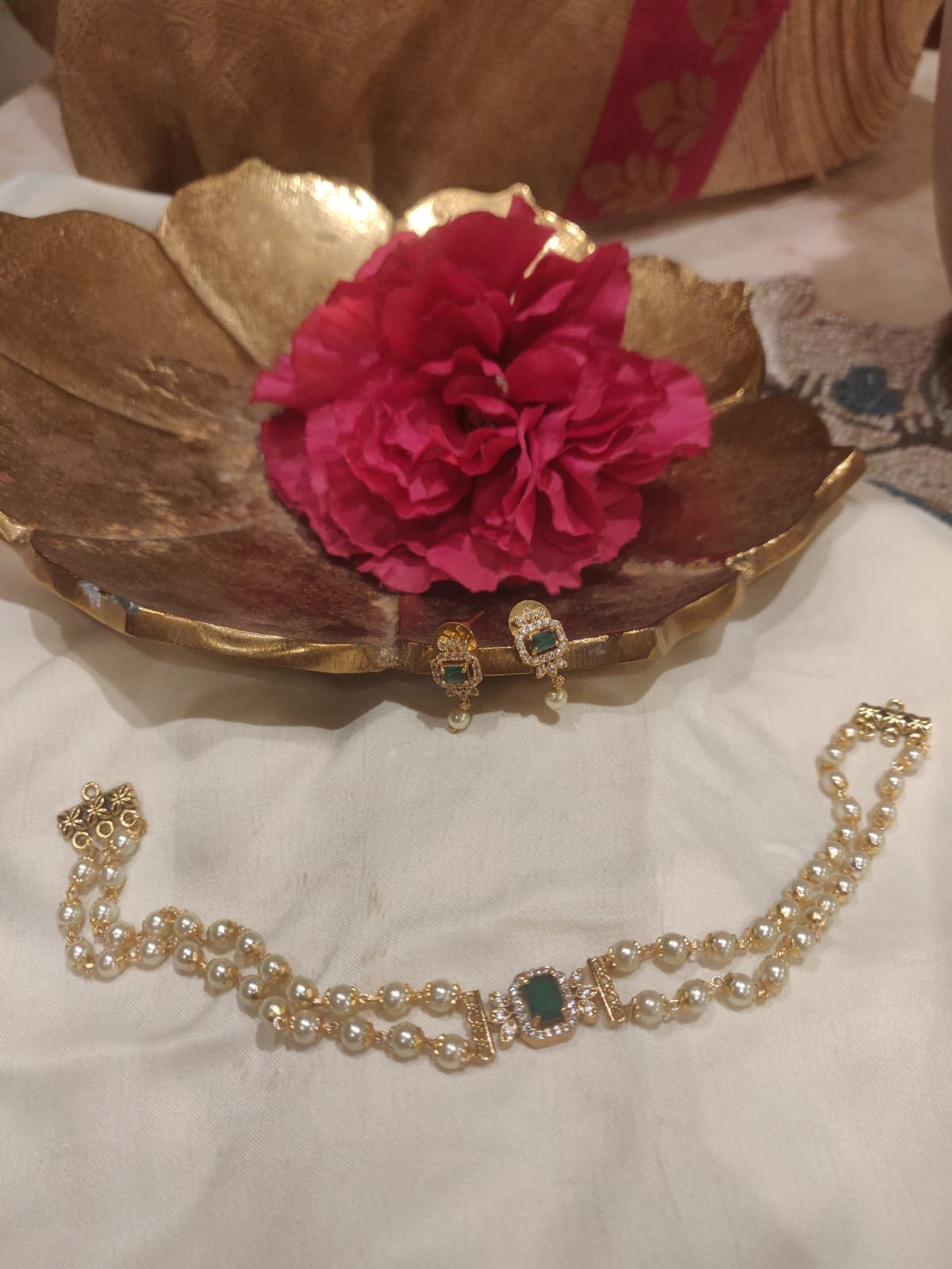
Emporia Jewels carries Indian jewellery collections including bridal sets, festive pieces, and everyday accessories, with international shipping available for NRI buyers across Germany and the wider European Union.
Explore fancy artificial jewellery for occasion-ready Indian jewellery collections suited to the needs of the German Indian diaspora community.
Frequently Asked Questions
Q1: Can I buy Indian jewellery online and get it delivered to Germany?
Yes. Indian D2C brands, including Emporia Jewels, offer international shipping to Germany. Check the brand's website for current delivery timelines and EU shipping policies.
Q2: Do I have to pay VAT on Indian jewellery ordered to Germany?
Yes. Since July 2021, all imports into Germany from outside the EU are subject to German VAT at 19 per cent, regardless of order value.
Q3: What Indian jewellery styles are most popular in Germany?
Temple jewellery, Kundan sets, jhumkas, and festive bangles are consistently popular among the German Indian community, with temple jewellery in particular high demand given the significant South Indian population.
Q4: How early should I order Indian bridal jewellery for a wedding in Germany?
Order at least twelve weeks before your wedding ceremony to account for international shipping, customs processing, and any issues that need resolution before the event.
Q5: What occasions drive Indian jewellery purchases in Germany?
Indian wedding seasons, Navratri, Diwali, Eid, Raksha Bandhan, and personal gifting occasions are the primary purchase drivers for the German Indian community.
Q6: Are there Indian jewellery shops in German cities?
Physical Indian jewellery specialist stores are very limited in Germany. Online shopping through Indian D2C brands is the primary and most practical channel for accessing a genuine Indian ethnic jewellery variety from Germany