



Your Step-by-Step Guide to Choosing the Perfect Bridal Jewelry Set for Every Wedding Function
A wedding is not one event. For most Indian brides, it is five to seven events across several days, each with its own outfit, its own mood, and its own jewelry requirement. The mehendi is intimate and relaxed. The haldi is casual and messy. The sangeet is celebratory and energetic. The wedding ceremony is grand and traditional. The reception is modern and photographed from every angle.
A single bridal jewelry set cannot serve all of these occasions. But with the right planning, two or three thoughtfully chosen sets can cover everything without leaving you scrambling at the last minute.
This guide walks you through the entire process, function by function, with everything you need to know to make confident purchases.
Understanding What a Bridal Jewelry Set Includes
Before you shop, it helps to know what a complete set typically covers.
A full bridal jewelry set for the main wedding ceremony might include:
-
A main necklace, often layered or a combination of choker and long
-
Matching earrings
-
A maang tikka for the hairline
-
A nath or nose ring for traditional looks
-
Bangles or churis
-
Passa or jhoomar for hair if the outfit calls for it
You rarely need all of these for every function. Knowing the full picture helps you decide what to prioritize and what to skip based on your outfit and comfort preferences.
Step 1: Map Your Functions to Jewelry Needs
Start by listing every function you are dressing for and the outfit you plan to wear to each one. Then assign a jewelry category to each.
Mehendi: Light, colorful, floral designs work best. The mehendi itself is the visual focus of the day, so jewelry should complement rather than compete with it. Floral earrings, thin bangles, and a simple necklace are usually enough.
Haldi: This is an event where most brides avoid their best pieces entirely, since turmeric stains are persistent. Minimal or sacrificial jewelry, pieces you are not deeply attached to, is the smart move here.
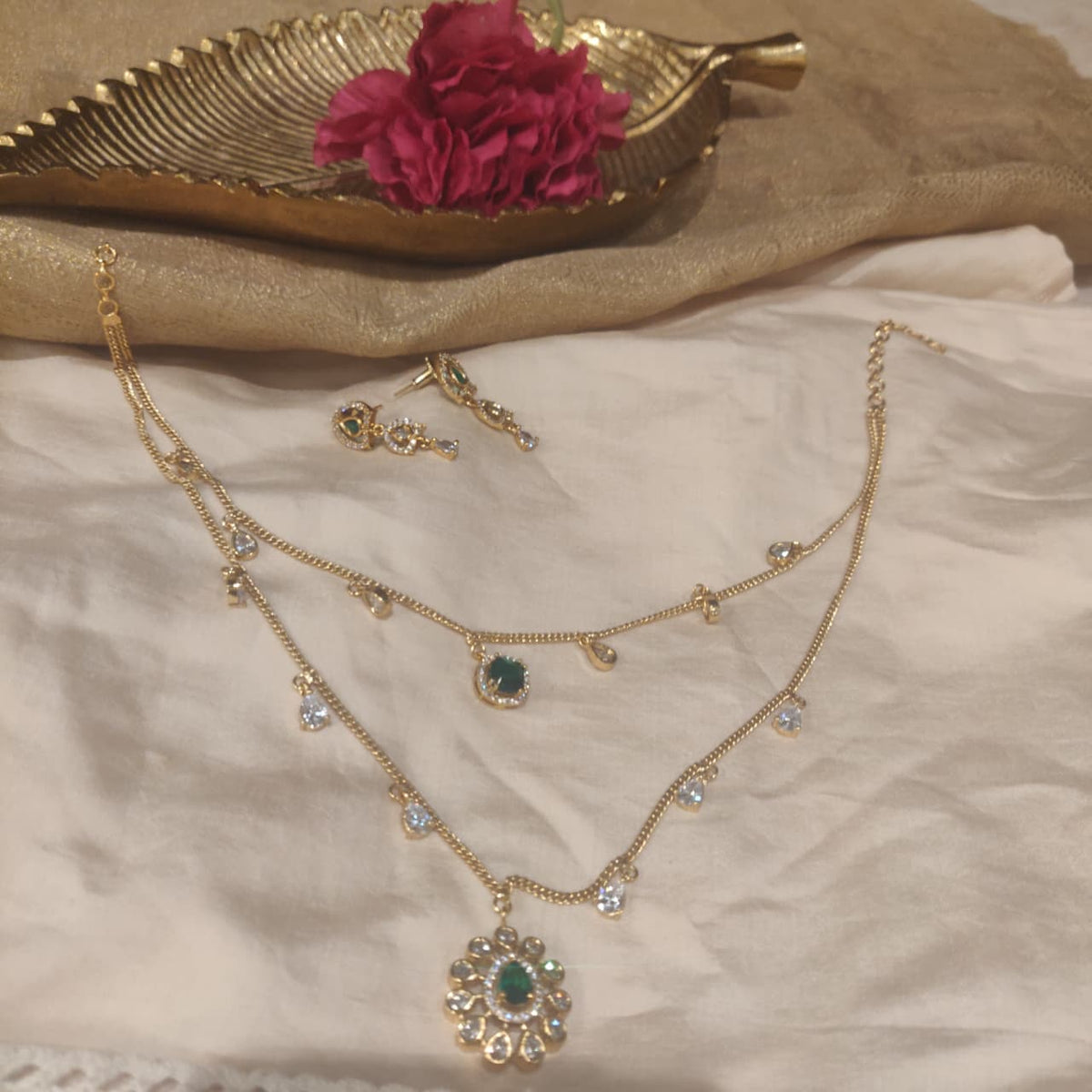
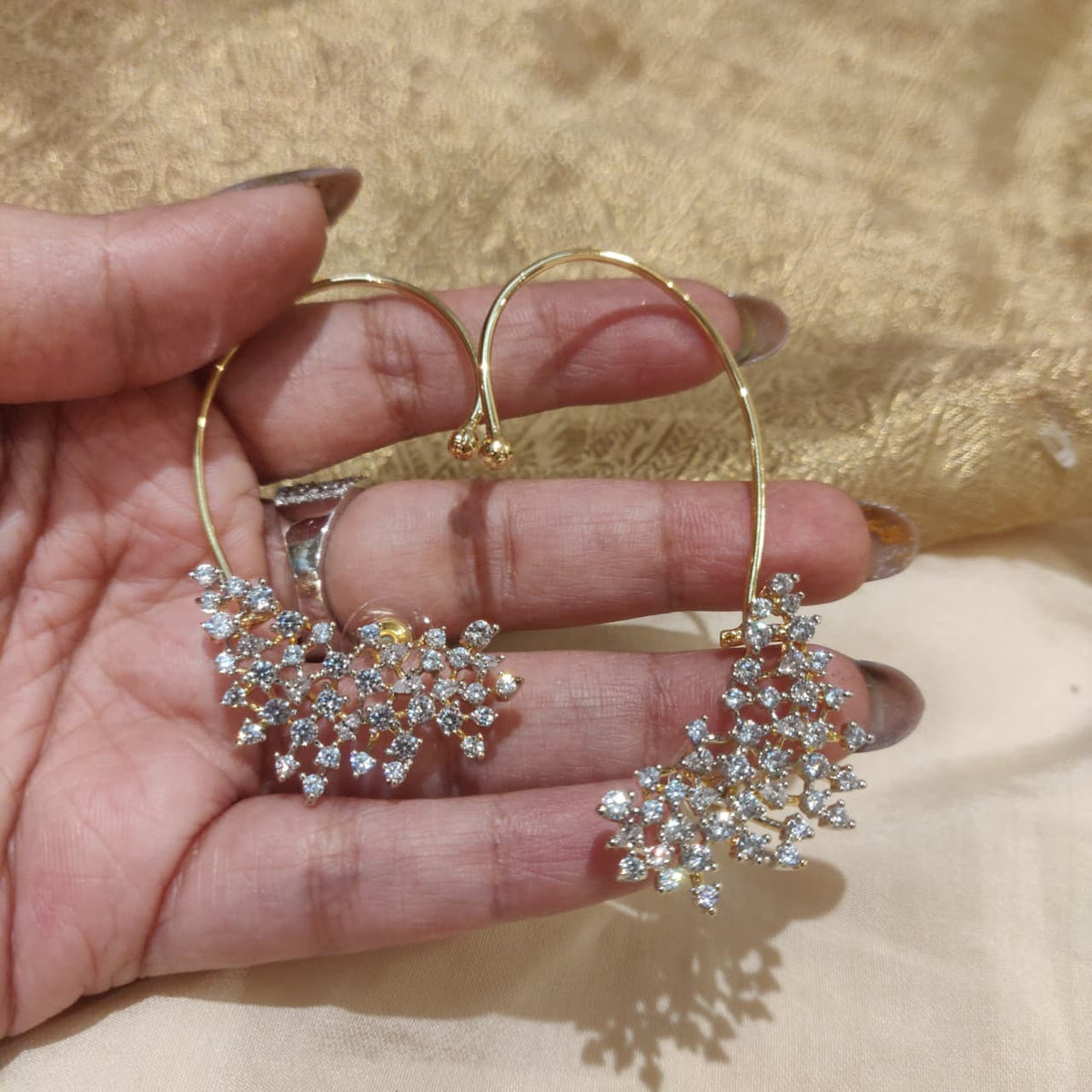
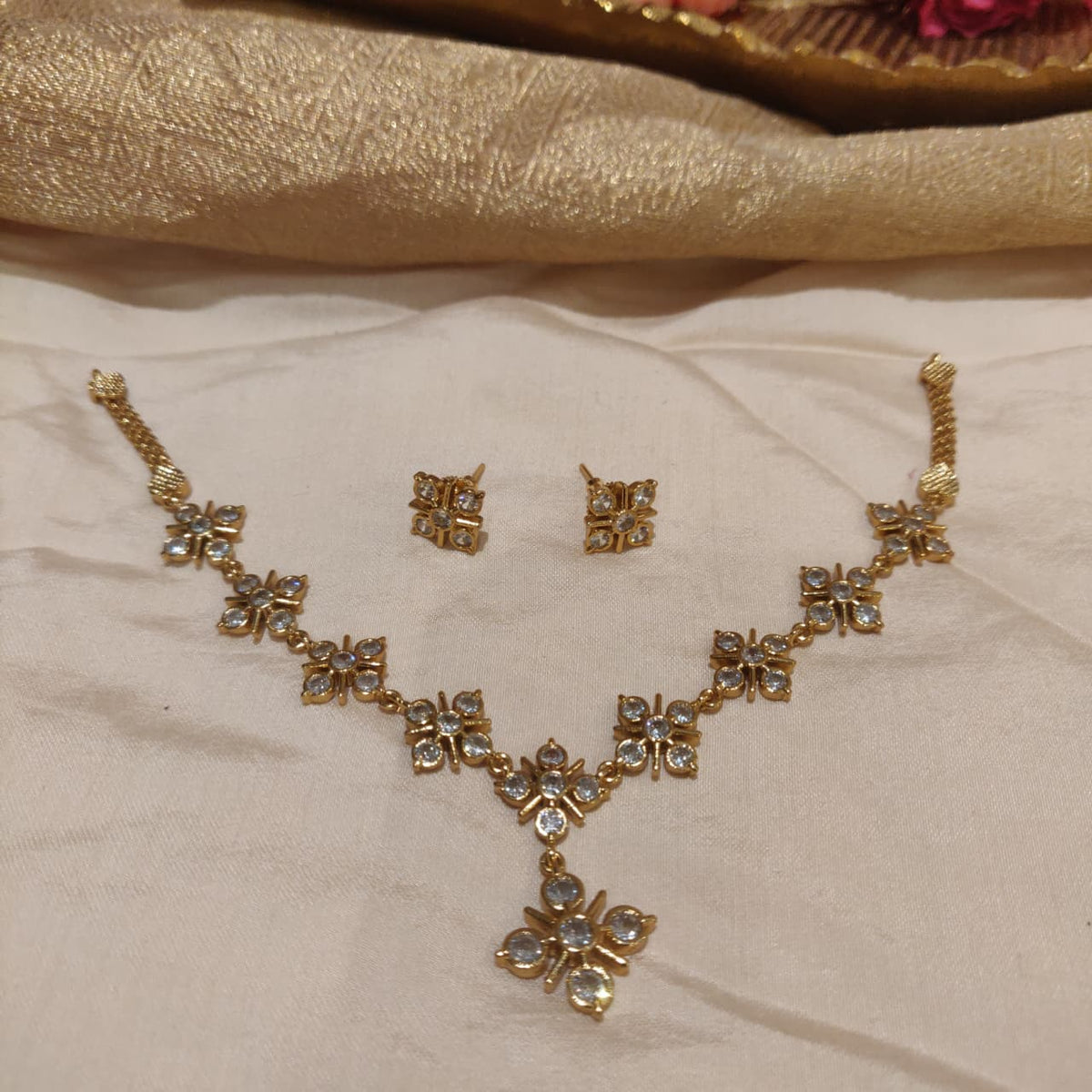
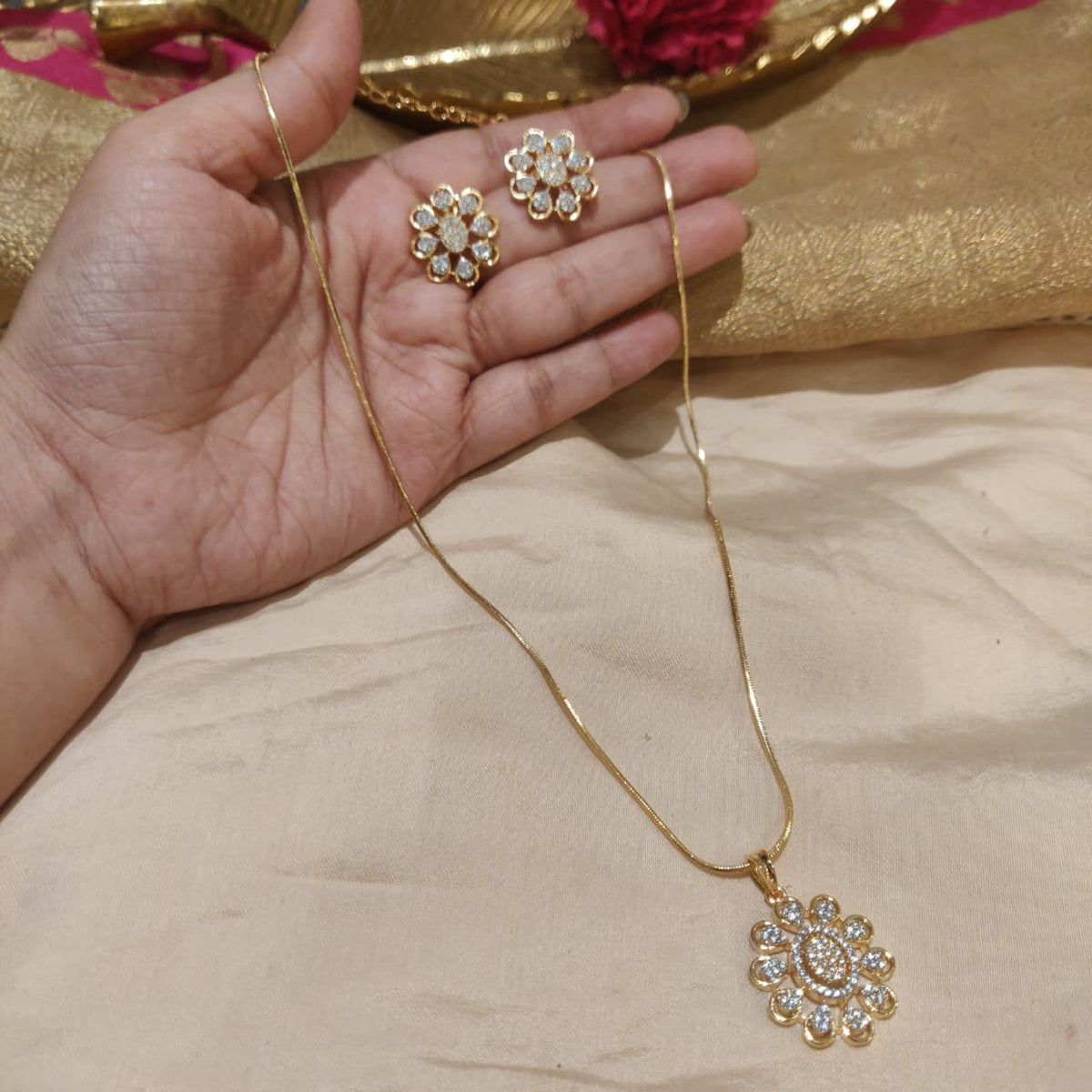
Sangeet: This is an expressive, celebratory event. Statement earrings and a bold necklace pair well with the energy. AD jewelry with its sparkle and movement is a consistent choice for sangeet functions.
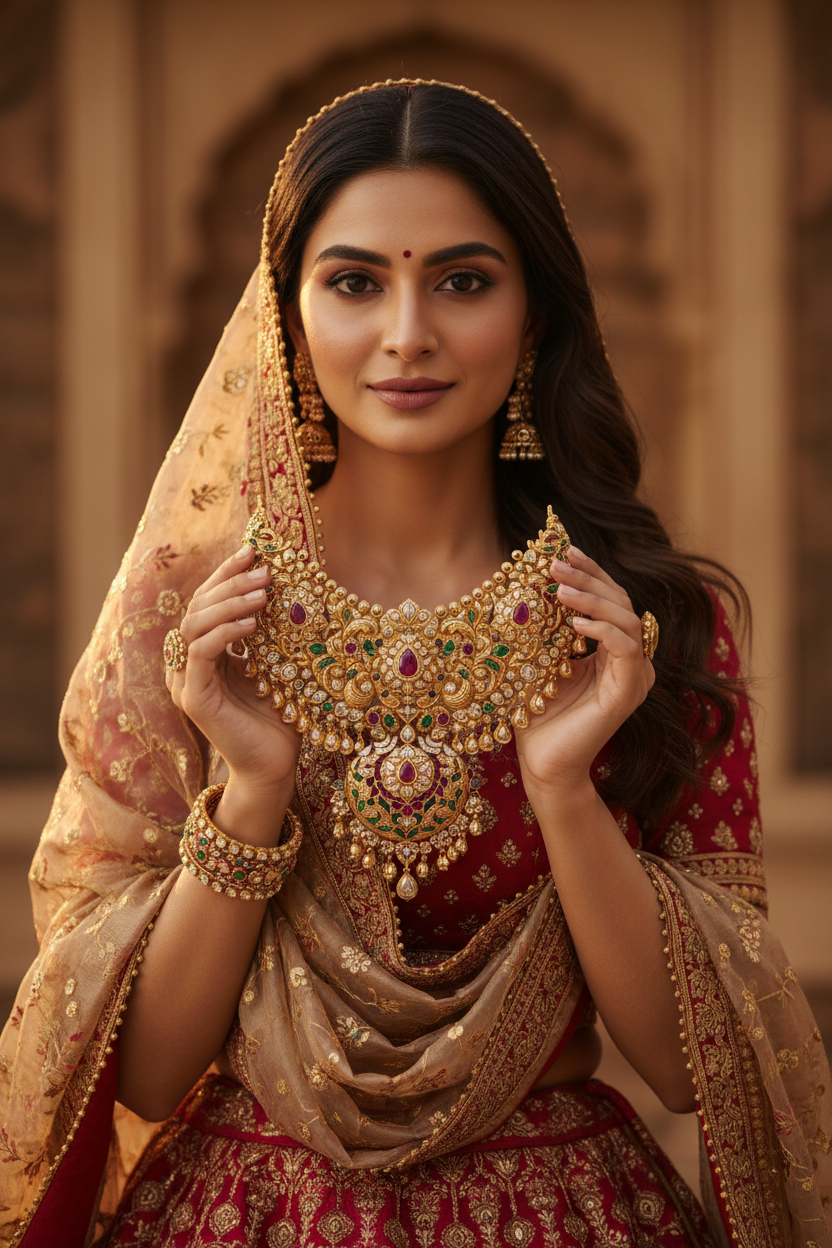
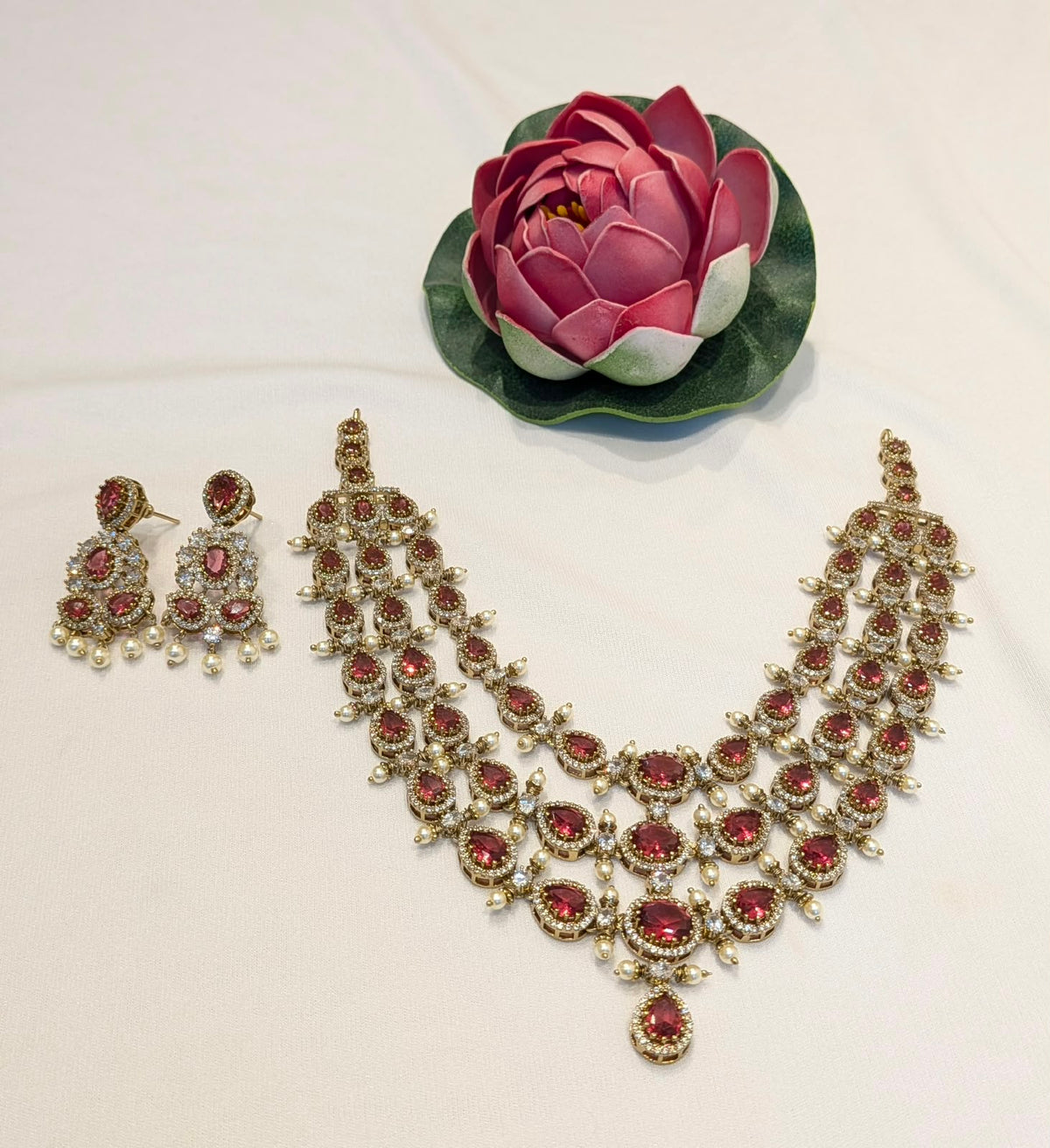
Wedding ceremony: This is your maximum jewelry moment. A full Kundan, polki, or AD bridal set, with matching earrings, maang tikka, and bangles, creates the traditional bridal visual impact that photographs will carry for a lifetime.
Reception: The reception outfit is usually more modern, which means the jewelry should follow that shift. Sleeker, more contemporary designer pieces work better here than a repeat of the full traditional wedding set.
Step 2: Set Your Budget Across Functions, Not Per Piece
One of the most common bridal shopping mistakes is approaching each piece without a total function-specific budget in mind.
If you spend your entire jewelry budget on the wedding ceremony set, you end up scrambling for the reception and sangeet. Instead, allocate a rough percentage of your jewelry budget to each function before you start shopping.
A rough allocation guide:
-
Wedding ceremony: 40-50% of total jewelry budget
-
Reception: 20-25%
-
Sangeet: 15-20%
-
Mehendi: 10-15%
This allocation keeps shopping focused and prevents the disappointment of having stunning jewelry for one event and nothing that works for the others.
Step 3: Choose the Wedding Ceremony Set First
The wedding ceremony jewelry set is the anchor of your entire bridal look. Everything else gets planned around it.
When selecting your main bridal set:
Match to your outfit's weight. A heavily embroidered lehenga needs jewelry that matches its visual weight. A plainer bridal sari gives you more room to go bold.
Consider your blouse neckline. The necklace length needs to work with the neckline. A choker sits best with deeper necklines or strapless blouses. A longer layered necklace works with higher or more covered necklines.
Think about color contrast. Gold-toned jewelry against a red or maroon outfit is a classic pairing. AD jewelry with its diamond-like sparkle works across almost every bridal color.
Plan for comfort in long wear. Wedding ceremonies run long. A maang tikka that sits uncomfortably on a part line is a distraction across a four-hour ceremony. If you can try the piece before committing, do.
Step 4: Select Your Reception Look to Contrast the Ceremony
The reception is your second big photography moment, and it should feel different from the ceremony. Brides who wear the same set to both events often wish they had made a different choice when reviewing photos.
The reception is an opportunity for a more contemporary, design-forward look. This is where exploring the designer jewellery online collection pays off, since it covers pieces that sit at the intersection of ethnic design and modern aesthetics, making them ideal for receptions with fusion-influenced outfits.
Step 5: Plan Your Sangeet and Mehendi Jewelry Together
These two functions are stylistically closer to each other than to the wedding and reception, so it makes sense to plan them in the same shopping session.
For the sangeet, you want something that moves well, catches light, and suits an energetic, celebratory environment. Statement earrings are often the focal piece here. Long drops, oversized jhumkas, or dramatic chandbalis all work.
For the mehendi, the jewelry should feel festive but not precious. This is where beautiful but lighter pieces earn their place. A delicate floral necklace, colorful beaded bangles, and simple earrings let the mehendi and outfit take center stage.
Step 6: Add Bangles as a Separate Category
Bangles are often treated as an afterthought in bridal jewelry planning, which is why so many brides end up with bangles that do not quite coordinate with their sets.
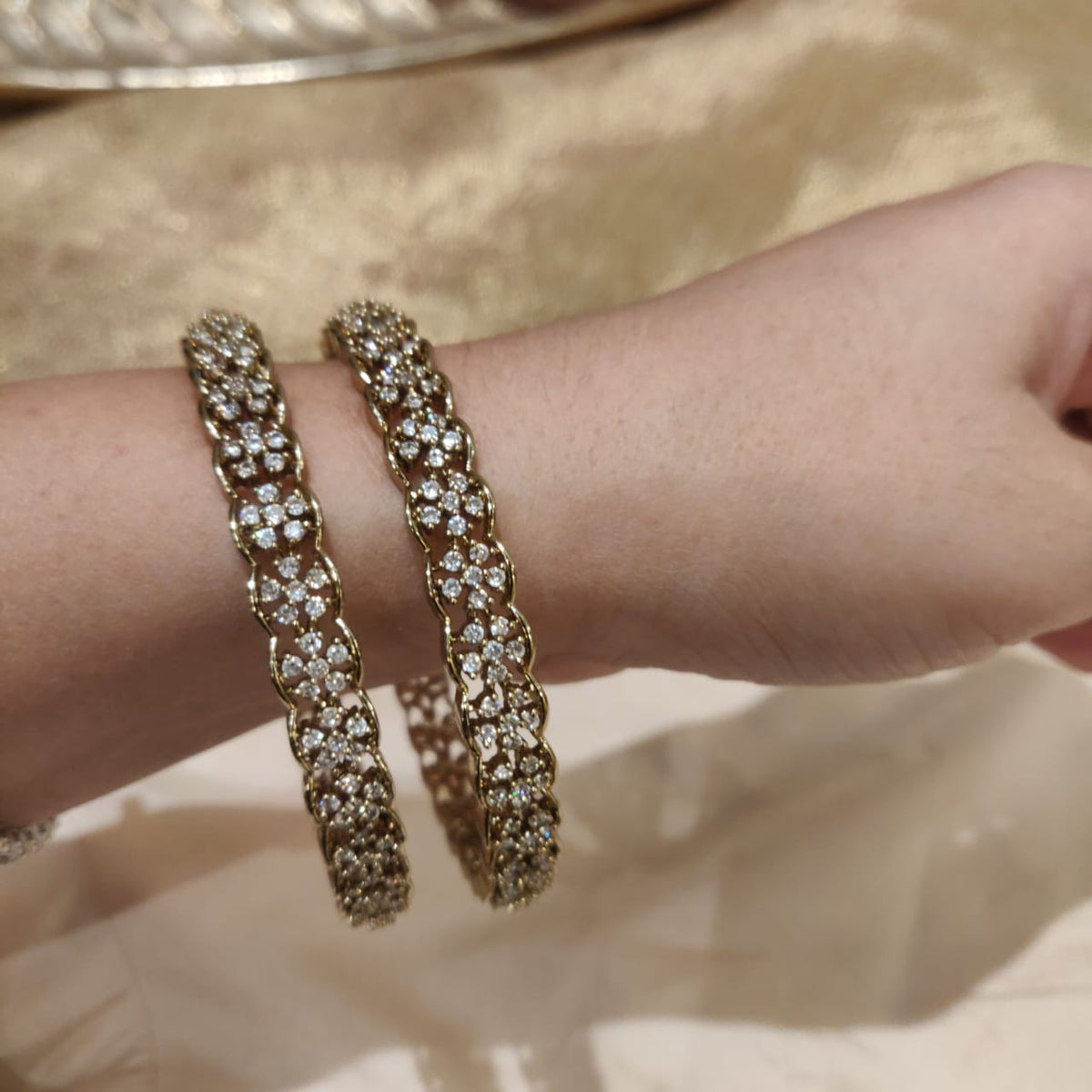
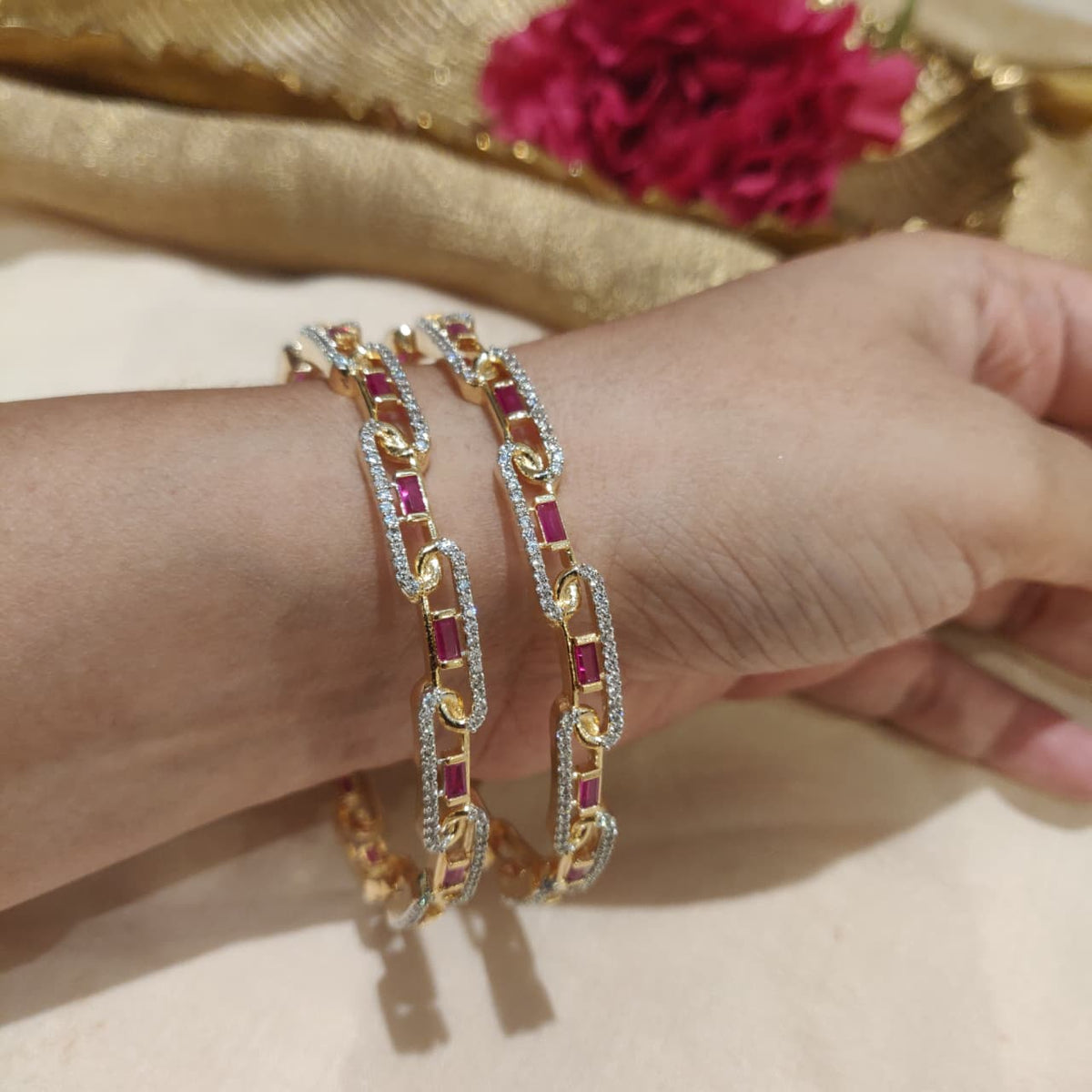
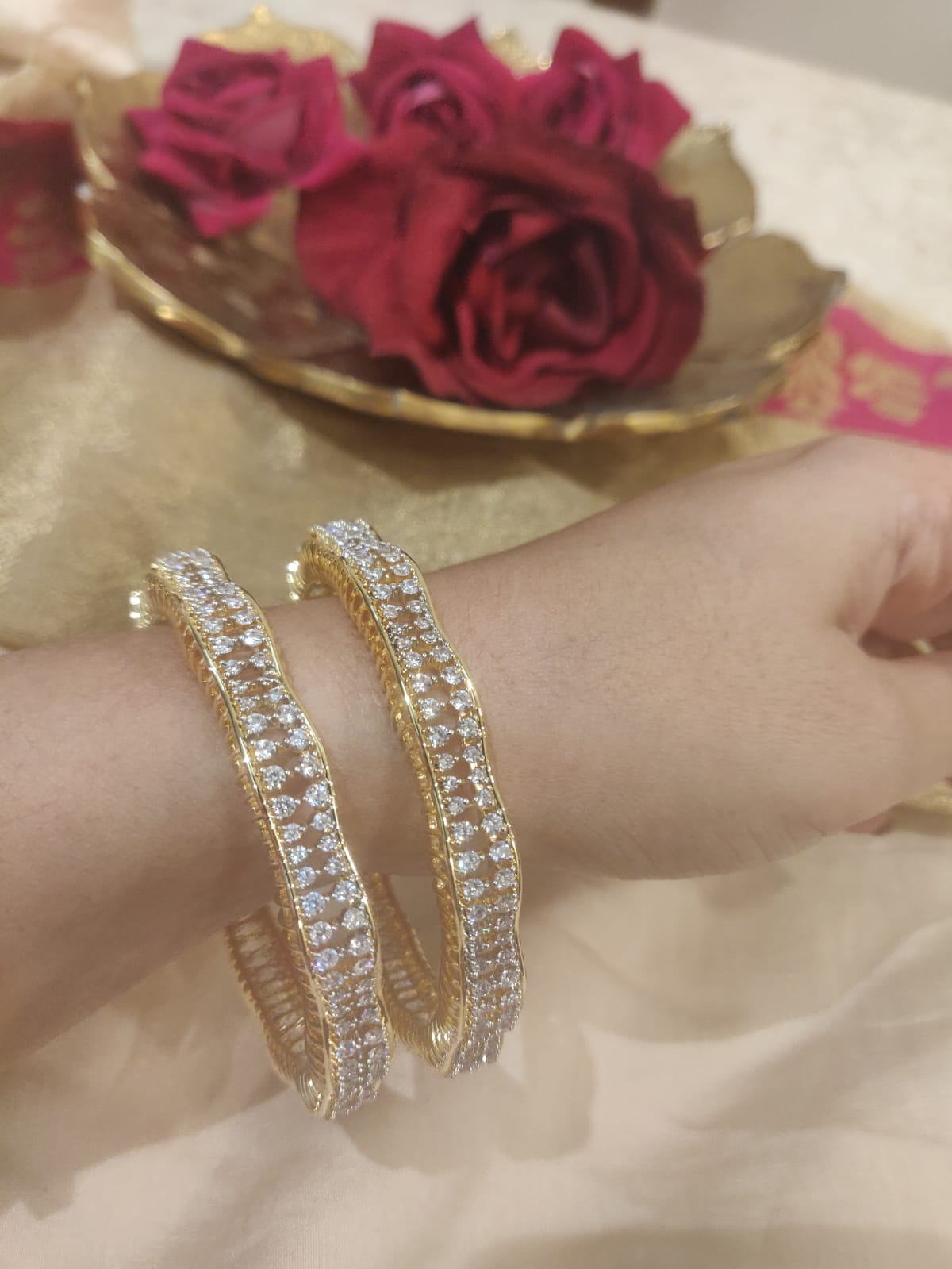
Plan bangles alongside each function's outfit and jewelry set rather than as a separate purchase at the end. The width, design, and color of bangles should respond to both the outfit and the other jewelry pieces you are wearing that day.
Traditional gold-toned bangle designs work across most bridal functions and pair naturally with Kundan and AD sets. For a consistent, coordinated look across all your wedding functions, the traditional gold bangle designs collection offers options that transition well between different event moods.
Step 7: Order With Enough Lead Time
This step sounds obvious but is frequently skipped, with predictable results.
Give yourself enough time to:
-
Receive each order and check it against your actual outfit
-
Determine whether anything needs to be exchanged or reconsidered
-
Make adjustments without time pressure
Jewelry ordered the week before a wedding event is jewelry you cannot evaluate properly against your outfits before the day arrives. For destination weddings or events abroad, the lead time requirement is even greater.
Common Bridal Jewelry Mistakes to Avoid
-
Choosing a set before confirming the outfit color and neckline
-
Buying all pieces from a single function and neglecting others
-
Not considering event duration when evaluating heavy pieces
-
Repeating the same set across the ceremony and reception
-
Shopping for bangles last and finding nothing that coordinates
-
Ordering without sufficient lead time to review pieces before the event
Conclusion
Bridal jewelry planning is not a single shopping trip. It is a function-by-function process that works best when you treat each event as its own design problem rather than trying to solve all of them with one set. Map your functions, set your budget across events, start with the ceremony set as your anchor, and work outward from there. When every function has jewelry that was chosen for it specifically, the difference shows in every photograph, and in how comfortable and confident you feel across the entire wedding.
Frequently Asked Questions
How many jewelry sets does a bride typically need?
Most brides benefit from at least two distinct sets, one for the wedding ceremony and one for the reception, with lighter pieces for mehendi and sangeet.
Is artificial bridal jewelry a good choice for weddings?
Yes, many brides choose artificial jewelry for its design variety, lighter weight, and premium visual appearance across both ceremony and reception events.
When should I start shopping for bridal jewelry?
Begin at least two to three months before the wedding date to allow time for browsing, ordering, and reviewing pieces against your actual outfits.
Should the bridal jewelry match across all functions?
Not necessarily. Many brides choose a coordinated color palette rather than matching pieces, which allows for variety across functions while maintaining visual coherence.
Can bangles be bought separately from the main jewelry set?
Yes, and this is often advisable. Bangles can be mixed from different collections to create a personalized stack that works across multiple events.
What is the most important piece in a bridal jewelry set?
The main necklace typically anchors the entire look, so it is usually the most important purchase decision in a bridal jewelry set.