

Anklet Online in India: How to Find, Style, and Wear the Most Underrated Jewellery Piece in Your Wardrobe
The anklet is the most underrated piece in Indian jewellery. It does not get the attention that necklaces and earrings do. Nobody writes about Payal styling the way they write about bridal sets. And yet, the moment you put on a well-chosen anklet, the entire lower half of a traditional outfit comes alive in a way nothing else achieves. The sound of a beaded or bell-studded payal with a silk saree or a churidar. The glint of a thin gold-tone chain catches the light against bare feet in sandals. These are small details that read loudly in person and in photographs.
If you have been meaning to buy an anklet online in India but kept putting it off because you were unsure which style to pick, this guide settles that question.
The Anklet Styles You Will Find Online
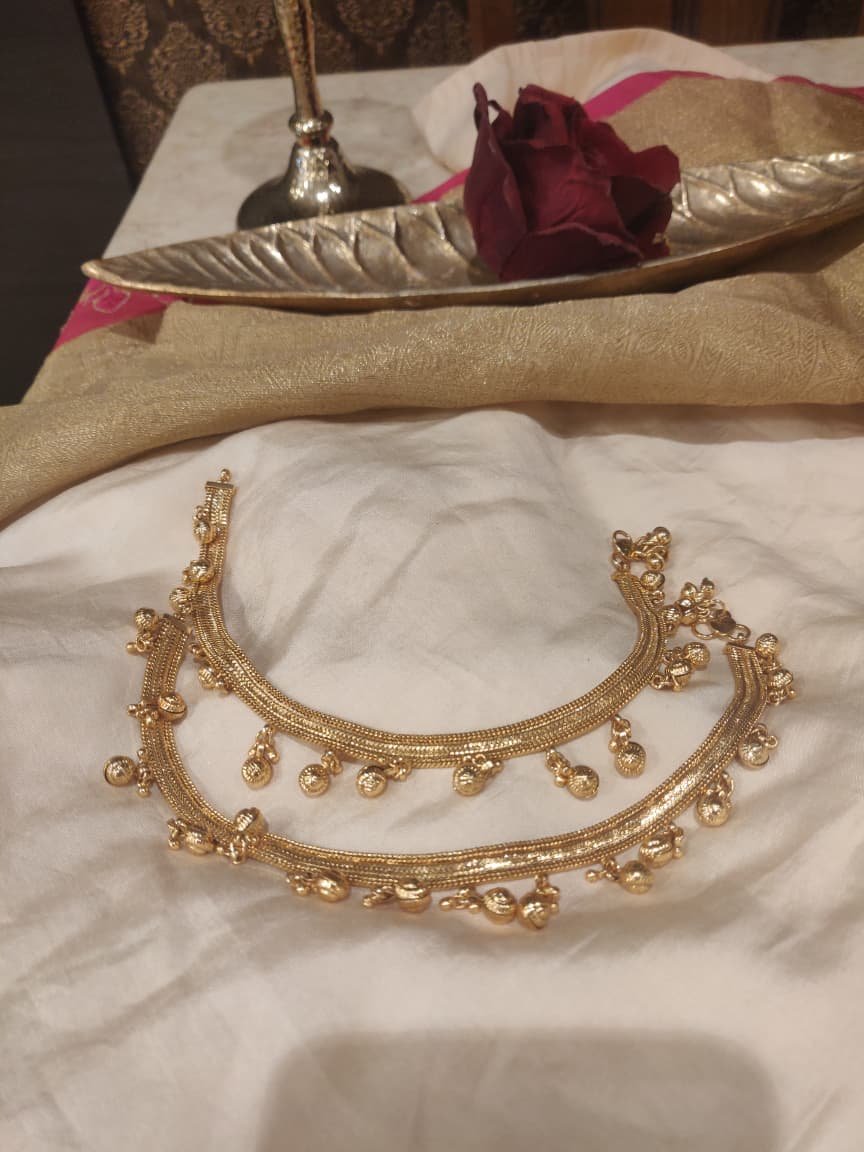
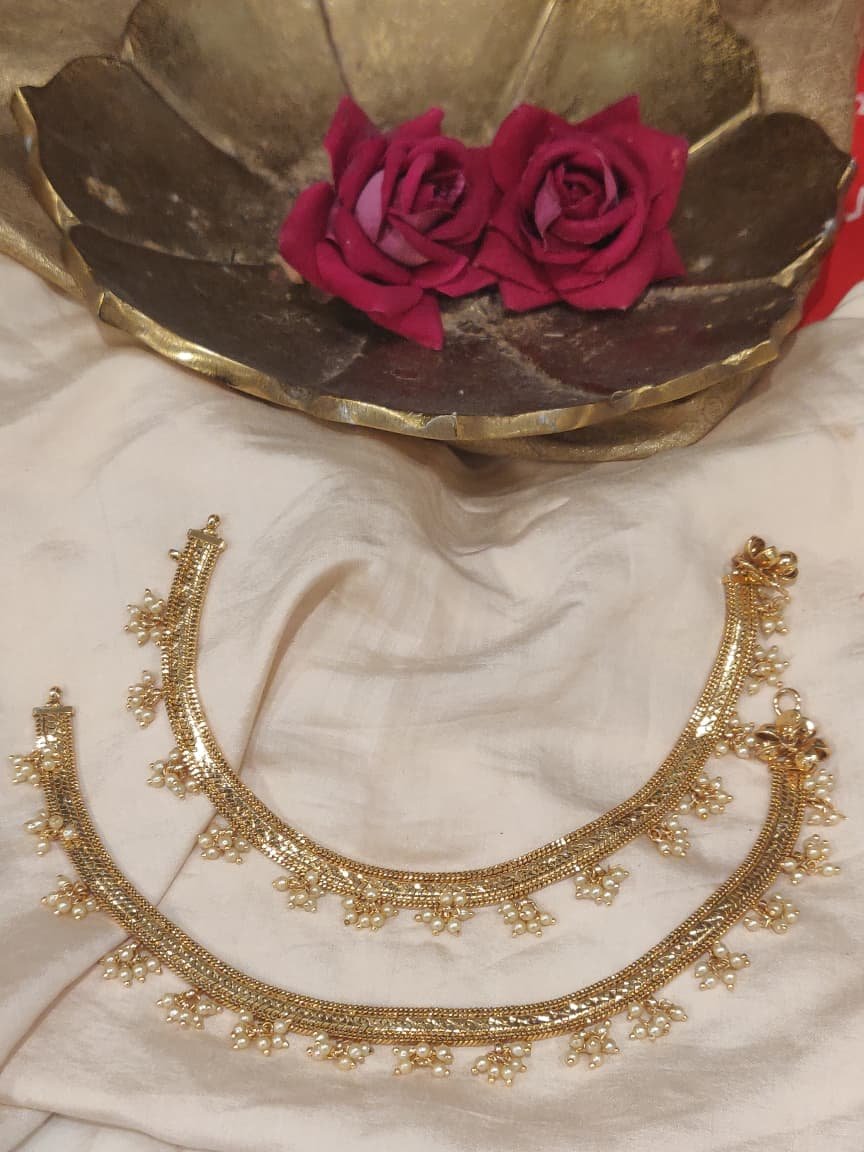
Payal (traditional Indian anklet): A structured chain anklet with small bells (ghungroo) or decorative drops that produce a characteristic sound with movement. Worn in pairs on both ankles. Deeply rooted in Indian tradition and associated with classical dance, weddings, and festive occasions. Available in gold-tone and silver-tone finishes across a range of weights.
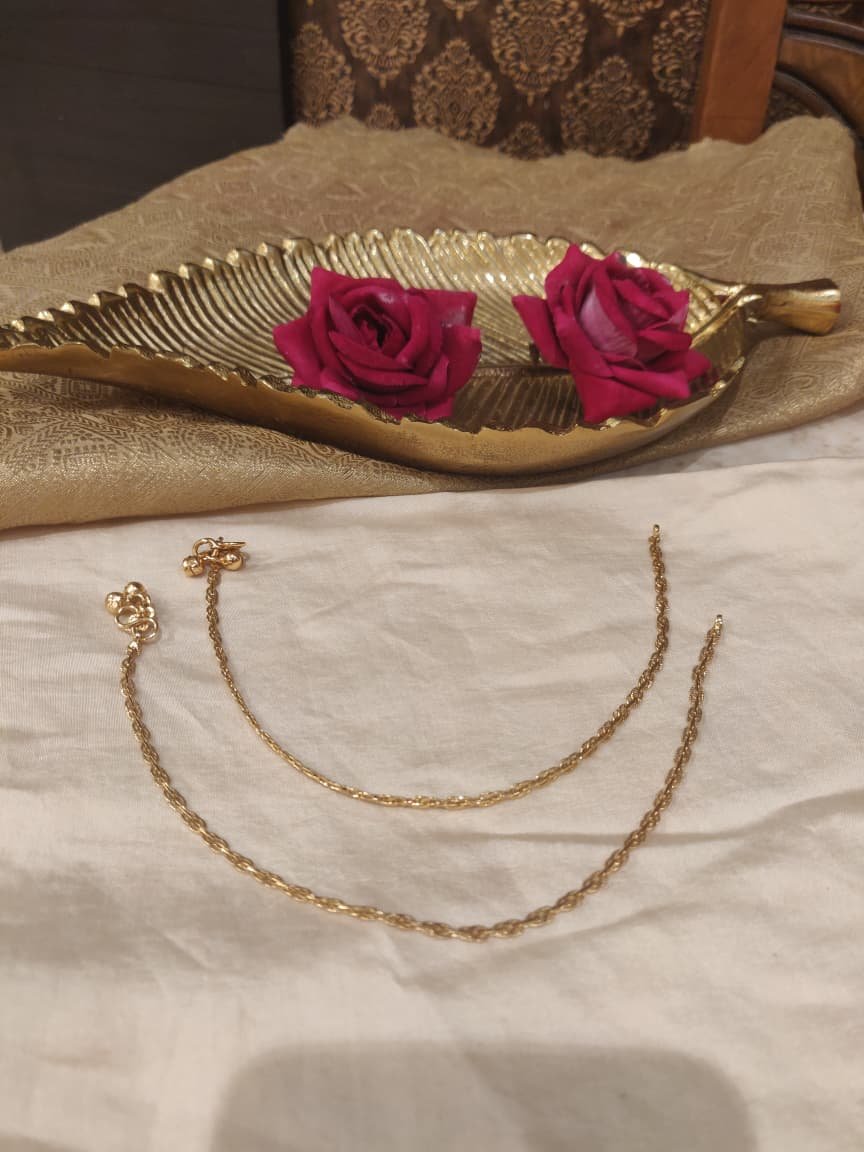
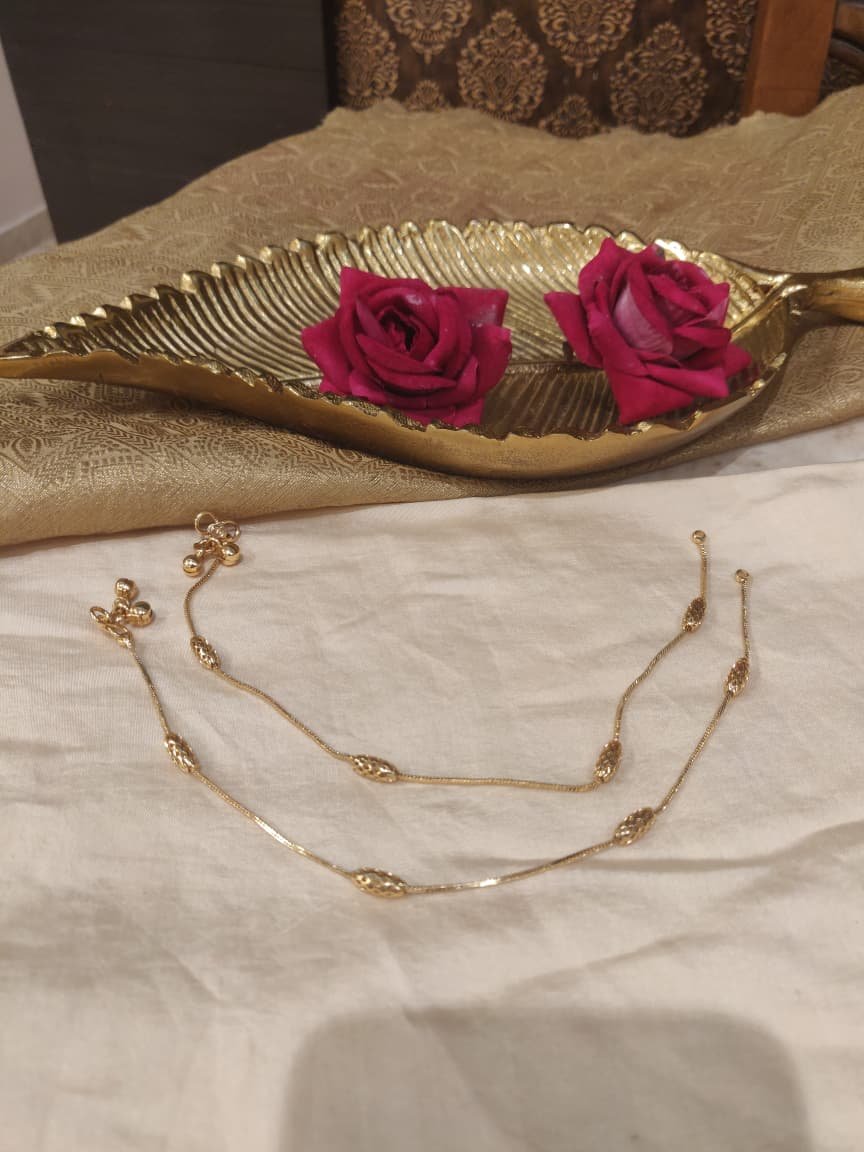
Thin chain anklet: A minimal, delicate chain without bells or heavy drops. This is the most wearable everyday style. In gold-tone or silver-tone finish, thin chain anklets work with both traditional Indian outfits and contemporary western wear.
Beaded anklet: Anklets strung with small beads, pearls, or semi-precious stones. These can be very lightweight and casual or more elaborate in a full beaded strand design. Popular for beach trips, casual outings, and summer wear.
Charm anklet: A delicate chain with small decorative charms attached at intervals. Contemporary styling for casual and western-influenced looks.
Broad kada-style anklet: A wide, cuff-style anklet in metal with etched detailing or stone settings. Heavier and more statement-making than chain styles. Suited to formal traditional occasions.
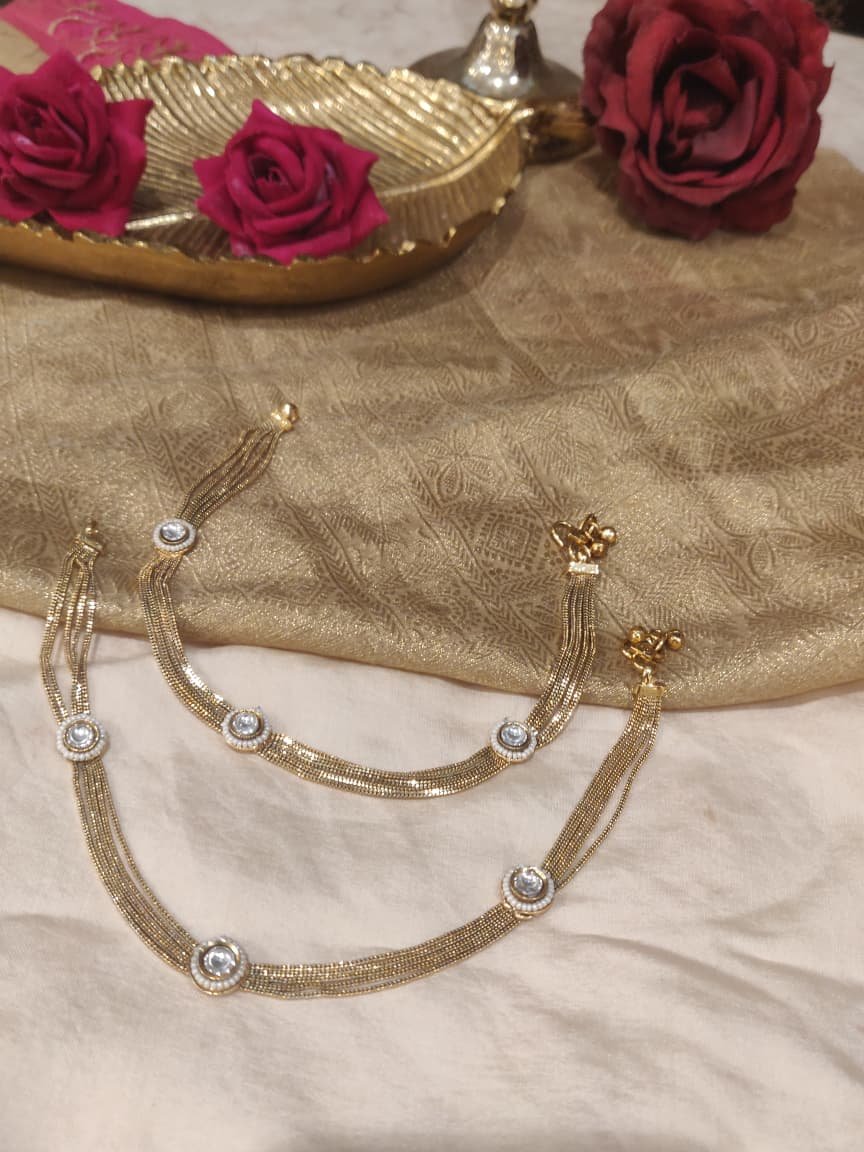
Layered anklet: Multiple thin chains worn together as a single anklet unit. Creates a fuller, more contemporary look popular with fusion and western outfits.
The fashion jewellery range includes anklets across most of these categories in multiple finish types.
Understanding Anklet Sizing for Online Purchases
Ankle sizing is the most frequent source of disappointment in online purchases. An anklet that is too tight is uncomfortable. One that is too loose slides down toward the foot or catches underfoot.
Standard anklet length: Most anklets are designed to fit an ankle circumference of 8 to 10 inches. Check this against your own ankle measurement before ordering.
How to measure your ankle: Use a soft measuring tape or a strip of paper. Wrap it around the narrowest point of your ankle (just above the ankle bone). Note the measurement. Add half an inch to one inch for comfortable wearing room.
Adjustable anklets: Many contemporary anklets use an extension chain that allows a range of fit. These typically adjust between 8 and 10 inches. If you are unsure of your size, choose a style with an extension chain.
Payal fit: Traditional payals (structured chain anklets without an adjustable section) come in fixed sizes. Indian standard sizes are typically listed as small, medium, and large, corresponding to ankle circumference ranges. Check the size chart on the product page specifically.
Occasion and Outfit Pairing Guide
For weddings and ceremonies: Traditional payals in gold-tone or silver-tone with ghungroo bells. Worn in pairs on both ankles. Coordinate with the overall jewellery set in terms of metal finish. If you are wearing gold-tone earrings and a necklace, gold-tone payals maintain consistency.
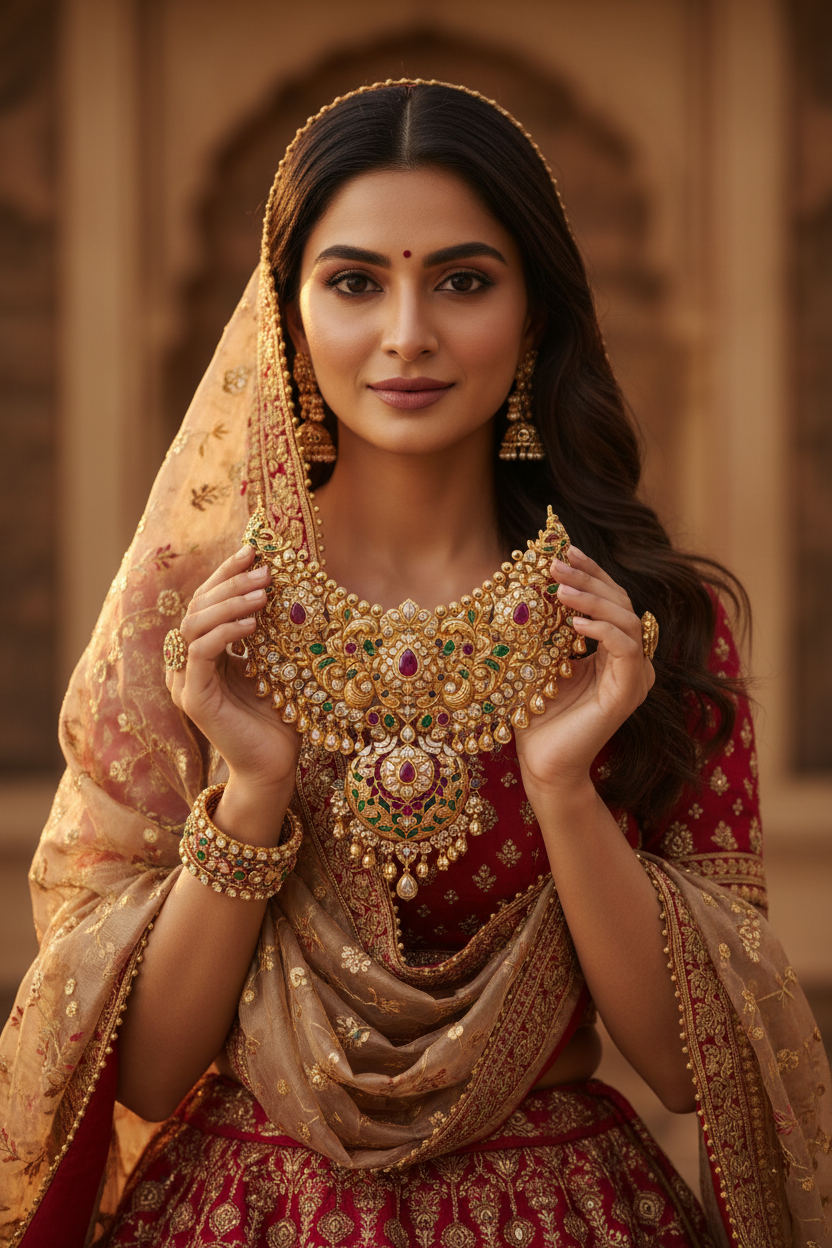
For coordinated bridal looks, the bridal collections range is the most targeted starting point for anklets worn as part of a full wedding jewellery set.
For Navratri and festivals: Colourful beaded anklets or traditional payals. The sound of bells during Garba and Dandiya is both functional and festive. Choose a style that allows freedom of movement.
For everyday Indian wear (salwar suits, kurtas, sarees): A thin chain anklet in gold-tone or silver-tone worn on one or both ankles. Barely-there but visually finishing. Choose a minimal design if you wear the anklet daily.
For casual and western outfits: Beaded, charm, or thin layered anklets. These translate well across style contexts. Wear on bare feet with sandals or with thin socks and low shoes in cooler weather.
For classical dance: Ghungroo anklets are specifically designed for classical dance performance and are not typical fashion jewellery. They are heavy with multiple bells tied on leather or cotton bases. Separate from the fashion anklet category.
Regional Significance of Anklets in India
Anklets carry cultural meaning that varies across regions.
In many North Indian traditions, married women wear silver anklets as a mark of marital status, similar to the significance of toe rings. In some communities, gold anklets are worn by married women while silver is reserved for unmarried women, though these conventions vary by family and community.
In South India, anklets are worn for classical dance contexts and by young girls in traditional families. Bridal payals are worn as part of the full wedding jewellery set.
In Rajasthan, heavy silver kada-style anklets are part of traditional tribal jewellery traditions and are worn by women as community markers as much as personal ornaments.
Understanding whether your anklet purchase carries any of this cultural context in your specific family or community is worth considering before selecting a style.
The handcrafted jewelry range includes artisan-detailed anklet designs where the craft quality is appropriate for both fashion wear and more meaningful occasion use.
What to Check Before You Buy an Anklet Online
Clasp type: Most chain anklets use a lobster claw clasp. Check that the clasp is robust enough for regular wear. Lobster clasps are more durable than spring rings.
Chain link size: Finer chains look more delicate but can be fragile. If you want an everyday anklet, choose a medium-weight chain rather than the thinnest option.
Material description: Confirm the base metal and plating type. For an anklet worn near the floor and exposed to more environmental contact than most jewellery, the durability of the plating matters more than for earrings.
Ghungroo attachment: For anklets with small bells, check in product reviews whether the bells are securely attached or fall off easily with regular wear.
The artificial jewellery collection includes anklets with detailed product specifications to help you make an informed purchase.
Frequently Asked Questions
Q1. Can anklets be worn on one ankle or must they be worn in pairs?
This is entirely a matter of personal preference and cultural convention. Traditional Indian payals are typically worn in pairs. Contemporary and minimalist anklets are often worn on a single ankle as a deliberate styling choice.
Q2. What metal tone is more versatile for everyday anklets?
Gold-tone anklets work with most Indian outfit colour palettes. Silver or rhodium-tone anklets are more versatile for Western and contemporary outfits. If you want one anklet for all contexts, gold-tone is the broader choice within Indian fashion.
Q3. Are anklets appropriate for formal occasions?
Traditional payals in gold-tone are appropriate for formal Indian occasions, including weddings and ceremonies. Minimal thin-chain anklets are appropriate for smart casual contexts. Beaded or charm anklets are casual only.
Q4. How do I keep an anklet from tangling or knotting?
Store each anklet separately, laid flat and unfastened, in a soft cloth pouch or a flat section of a jewellery box. Avoid dropping them loosely into a shared compartment where chain anklets will tangle.
Q5. Does Emporia Jewels offer COD for anklets?
Yes. Emporia Jewels offers cash on delivery across India for all jewellery categories, including anklets and payal sets.