

What Is Kundan Jewellery: Unveiling India's Regal Heritage, Craftsmanship, and Selection Secrets
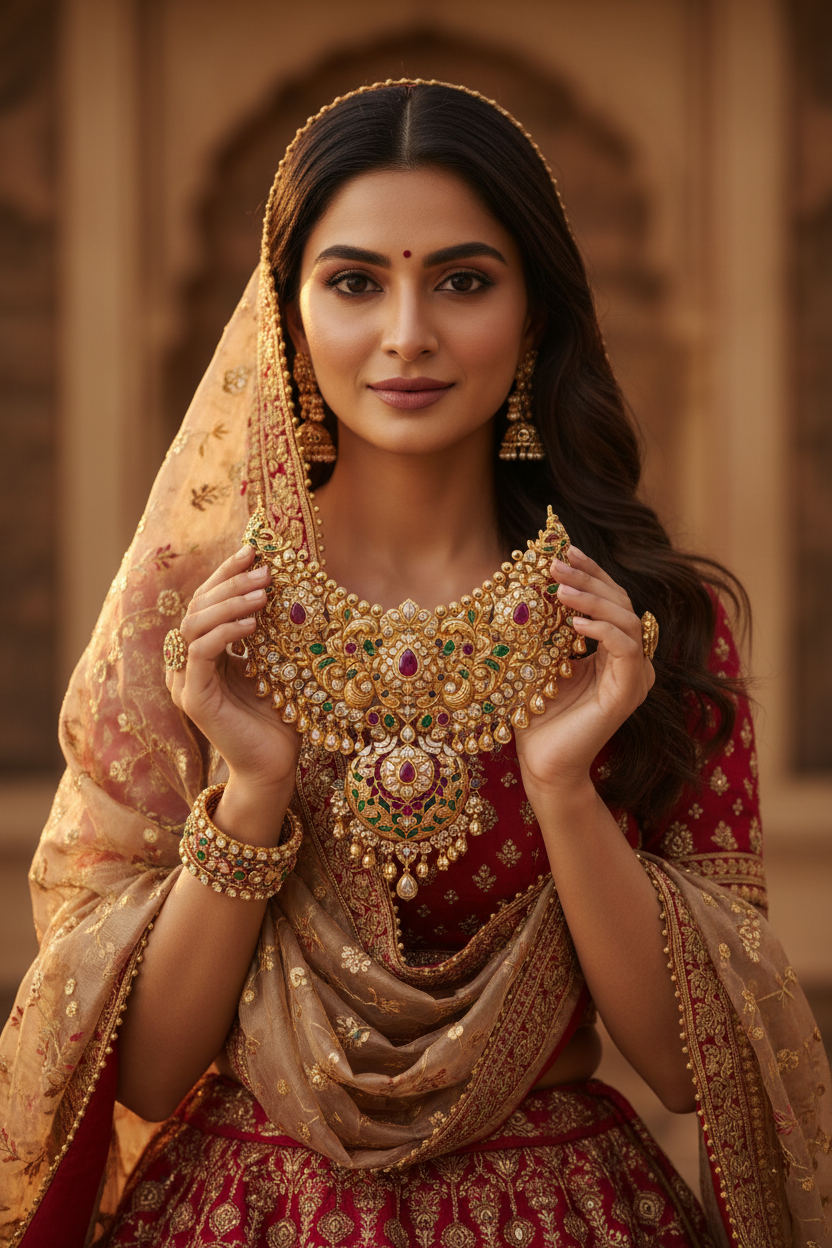
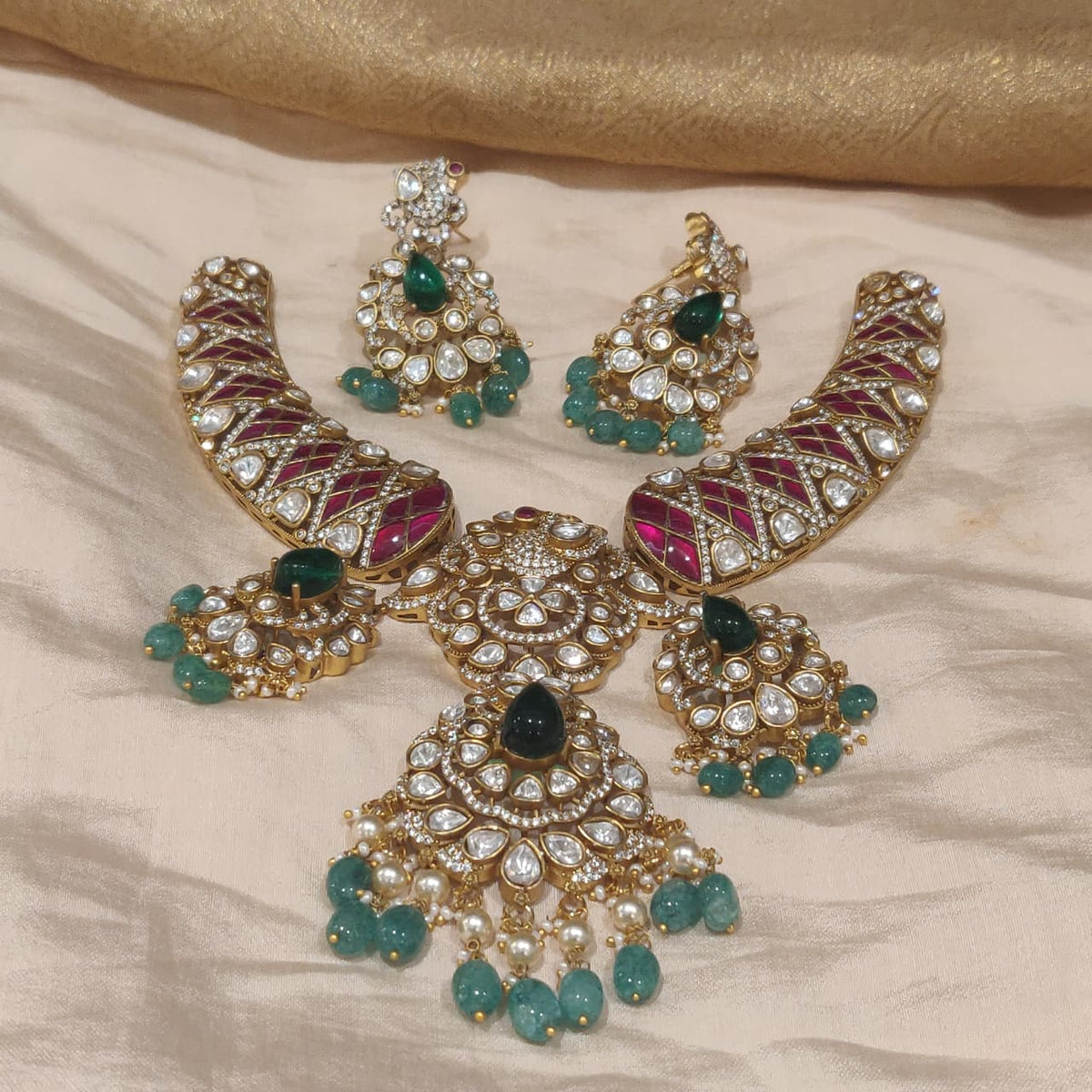
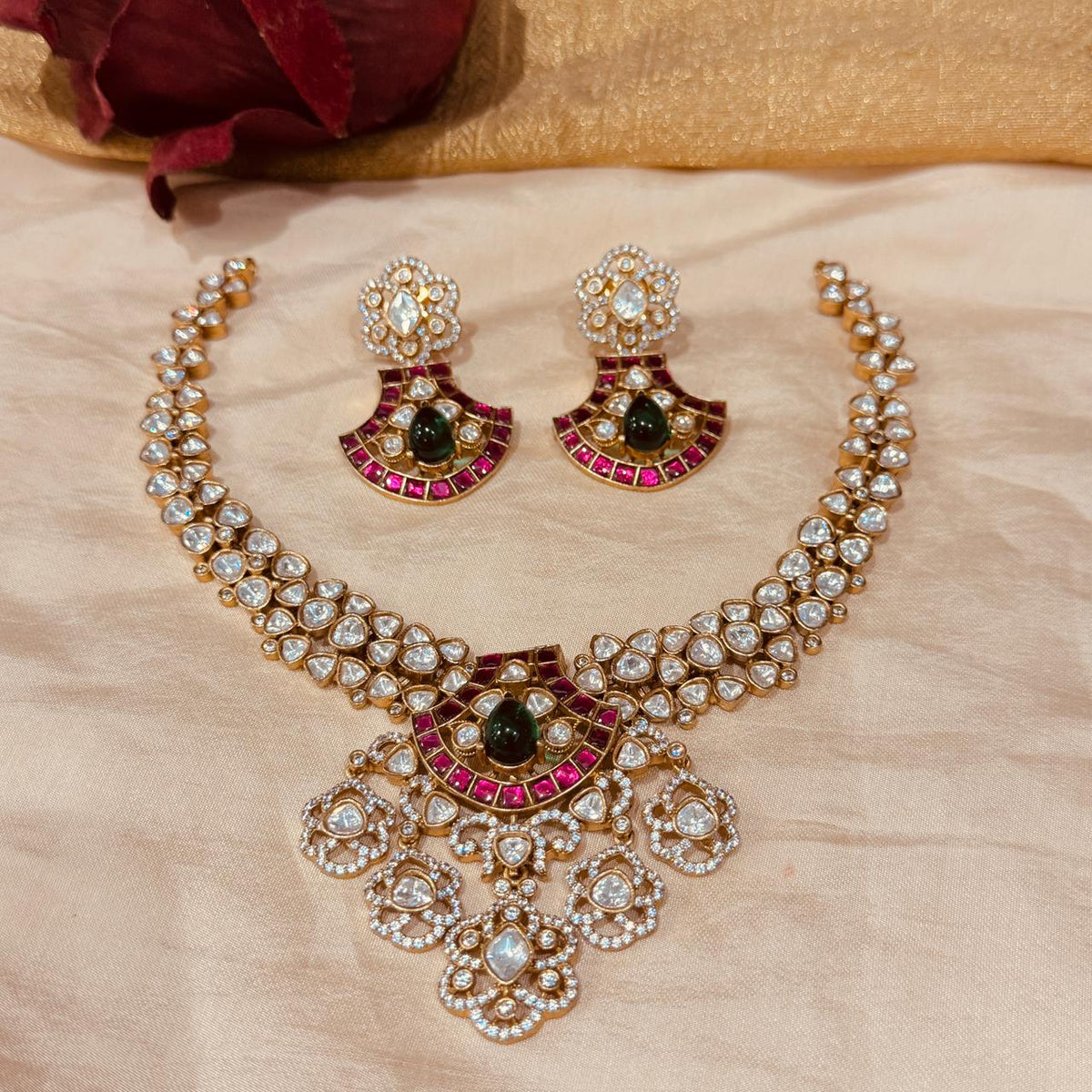
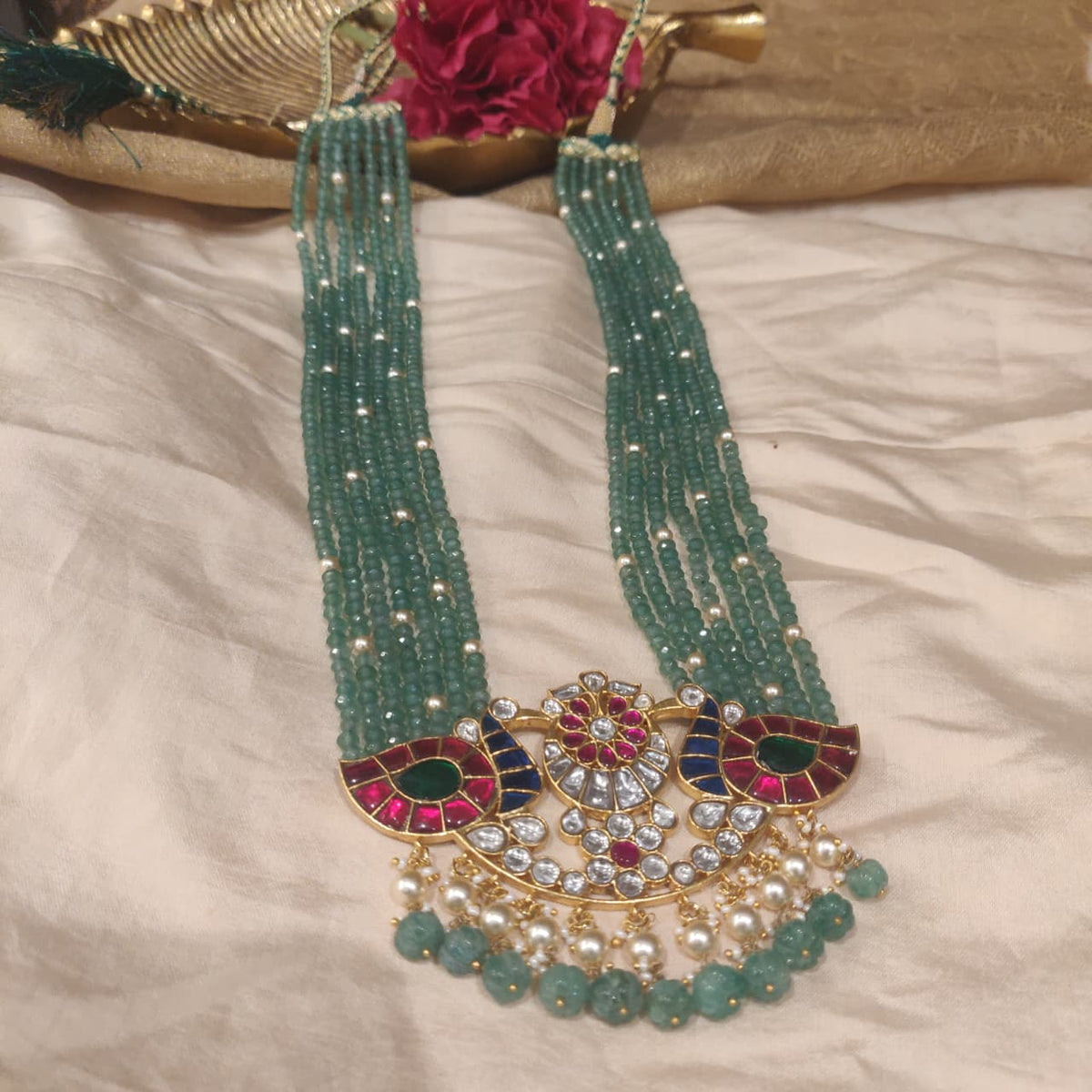
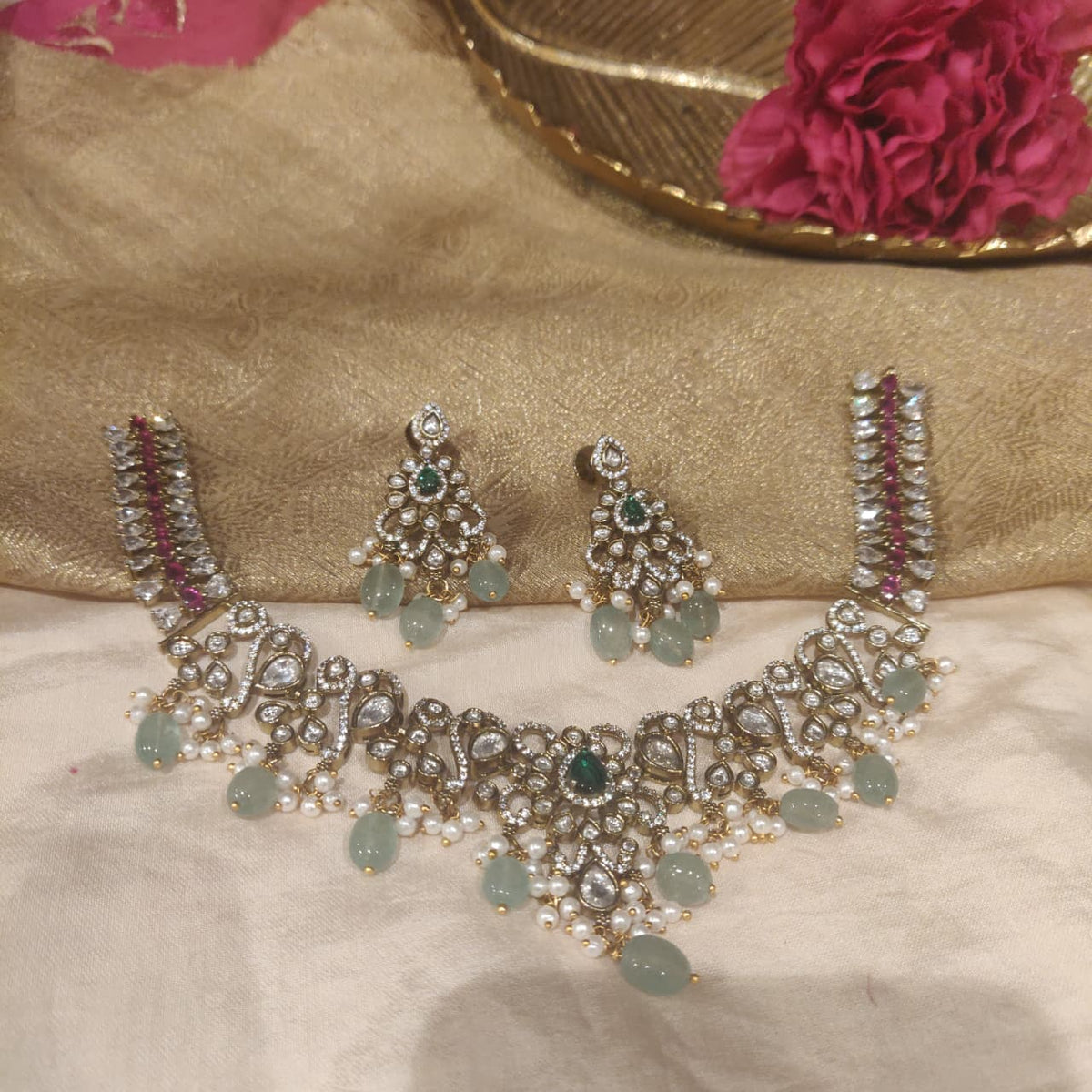
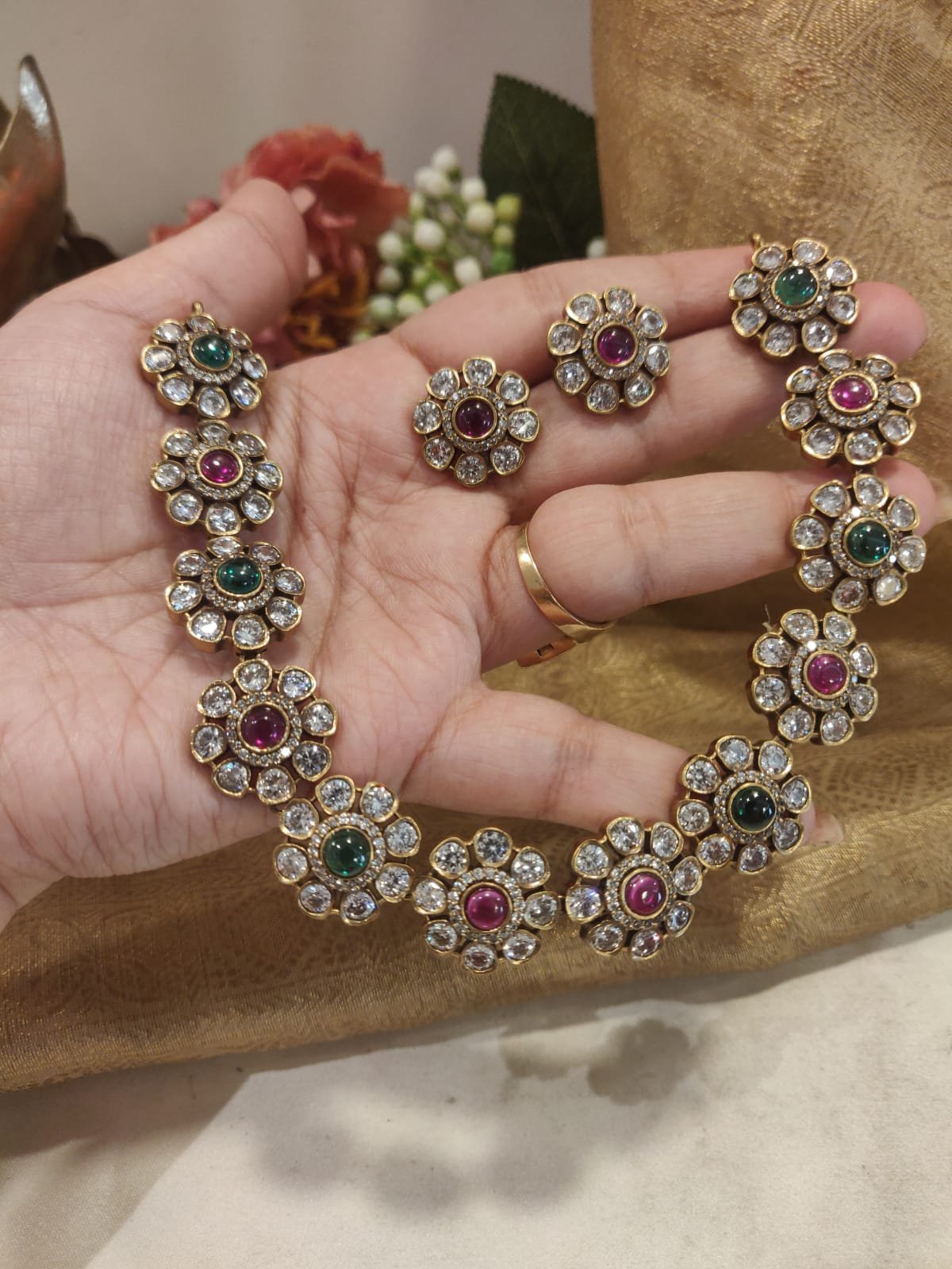
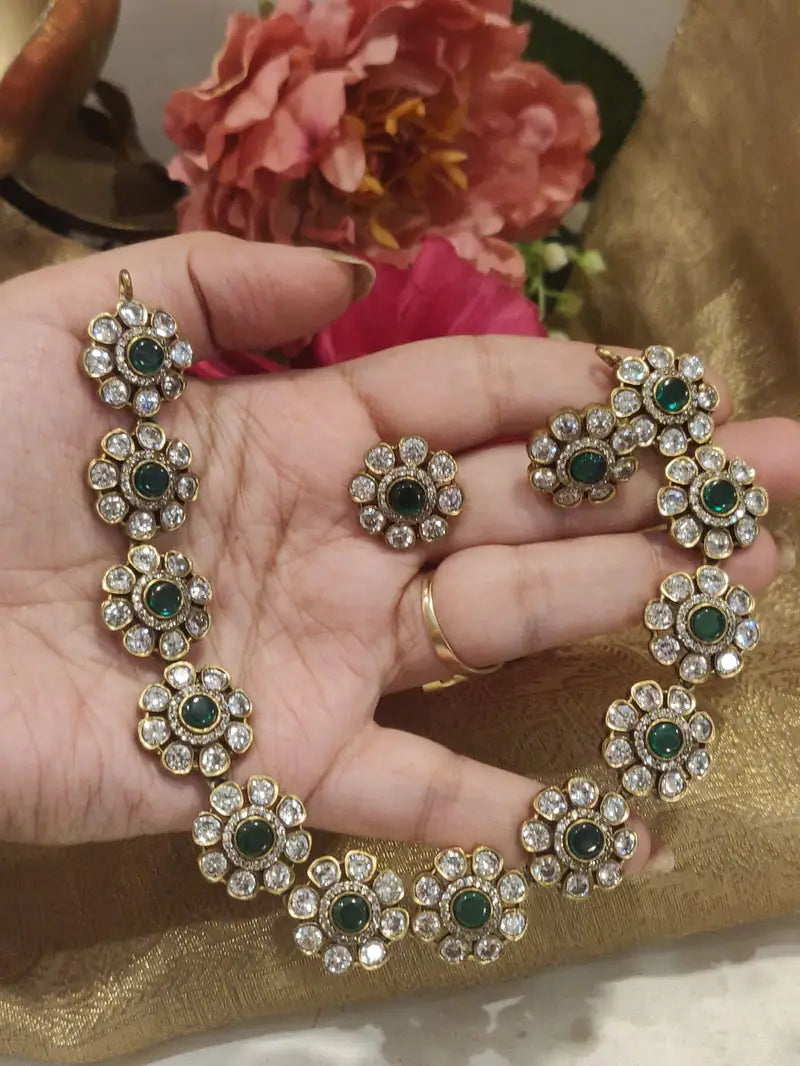
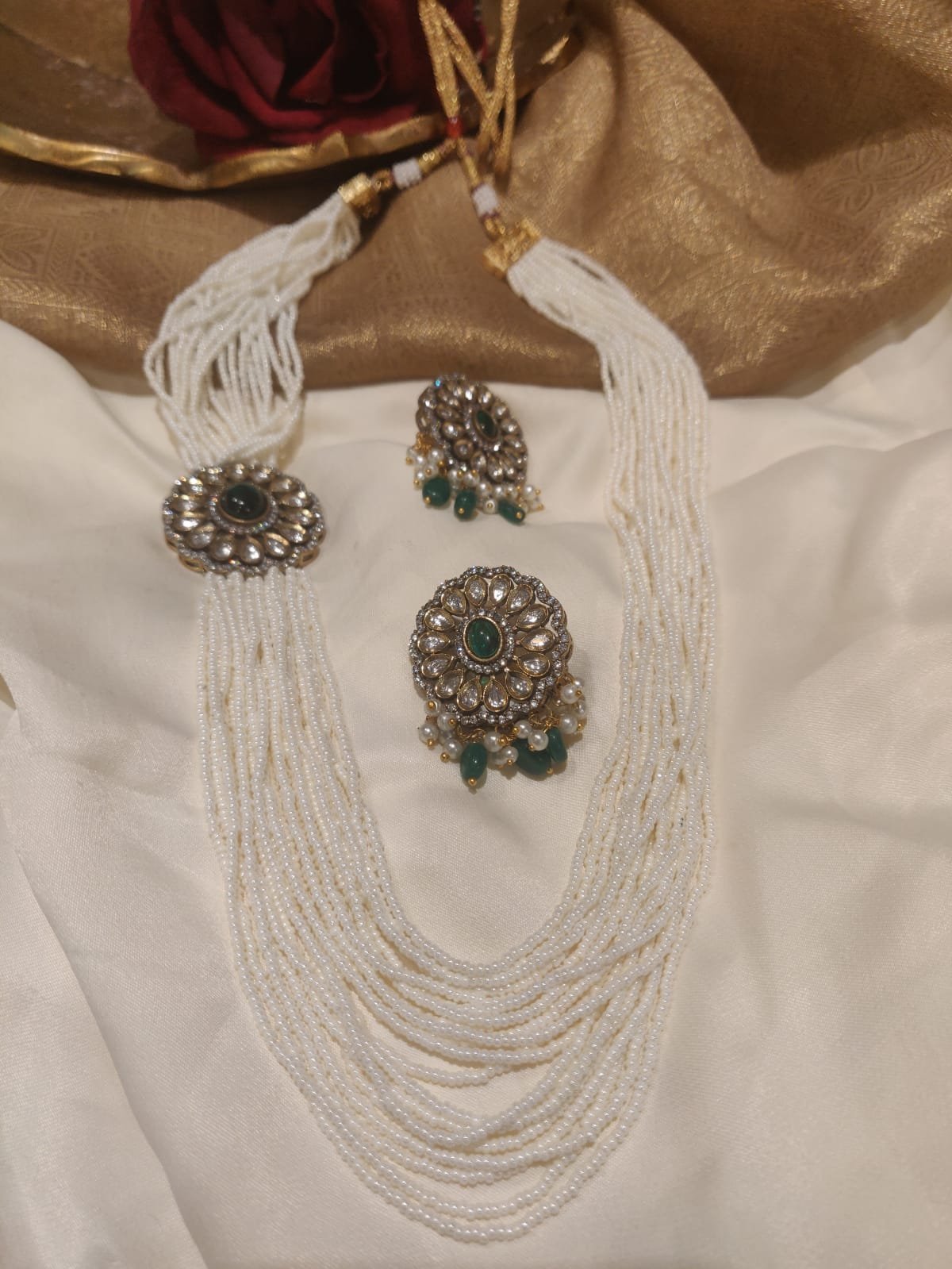
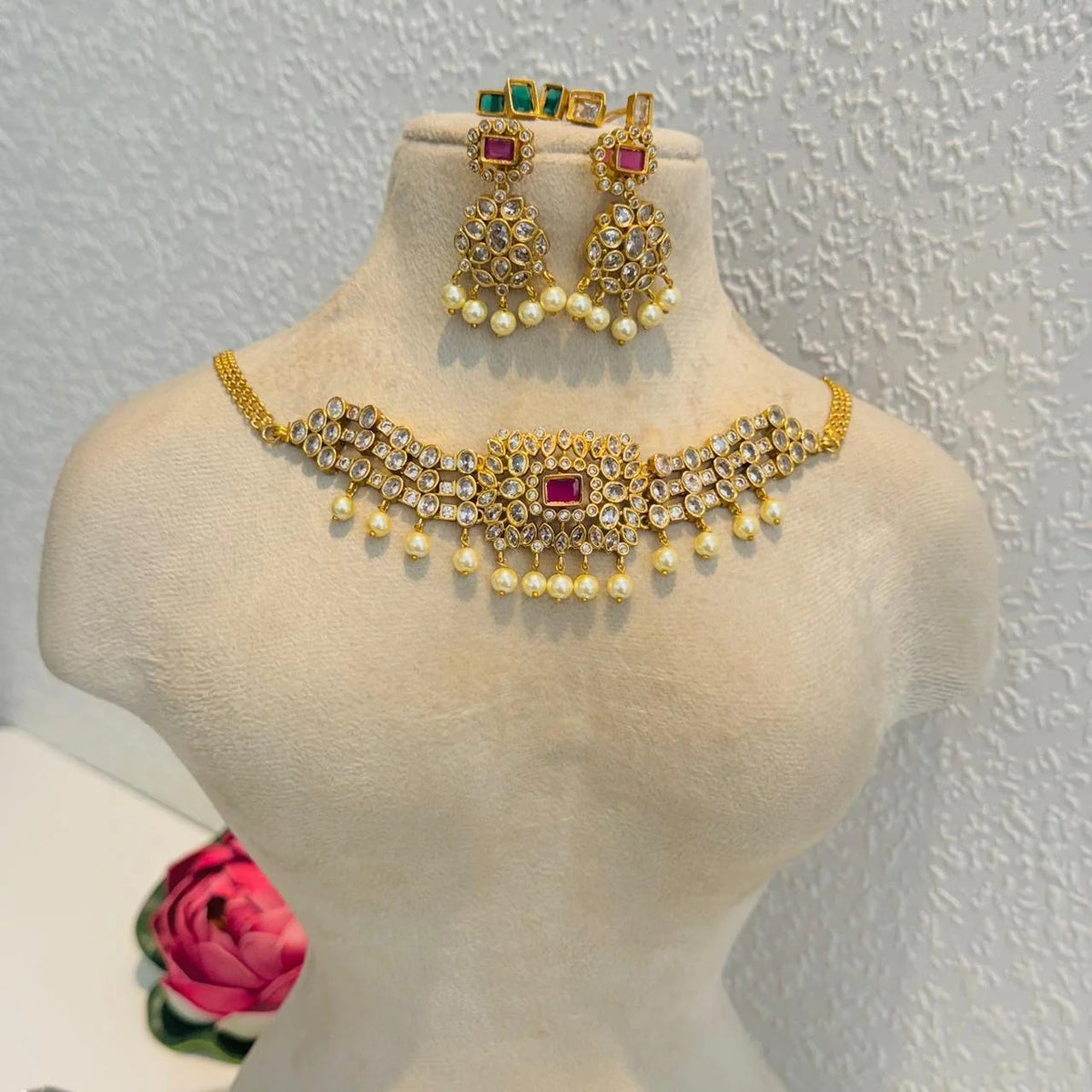
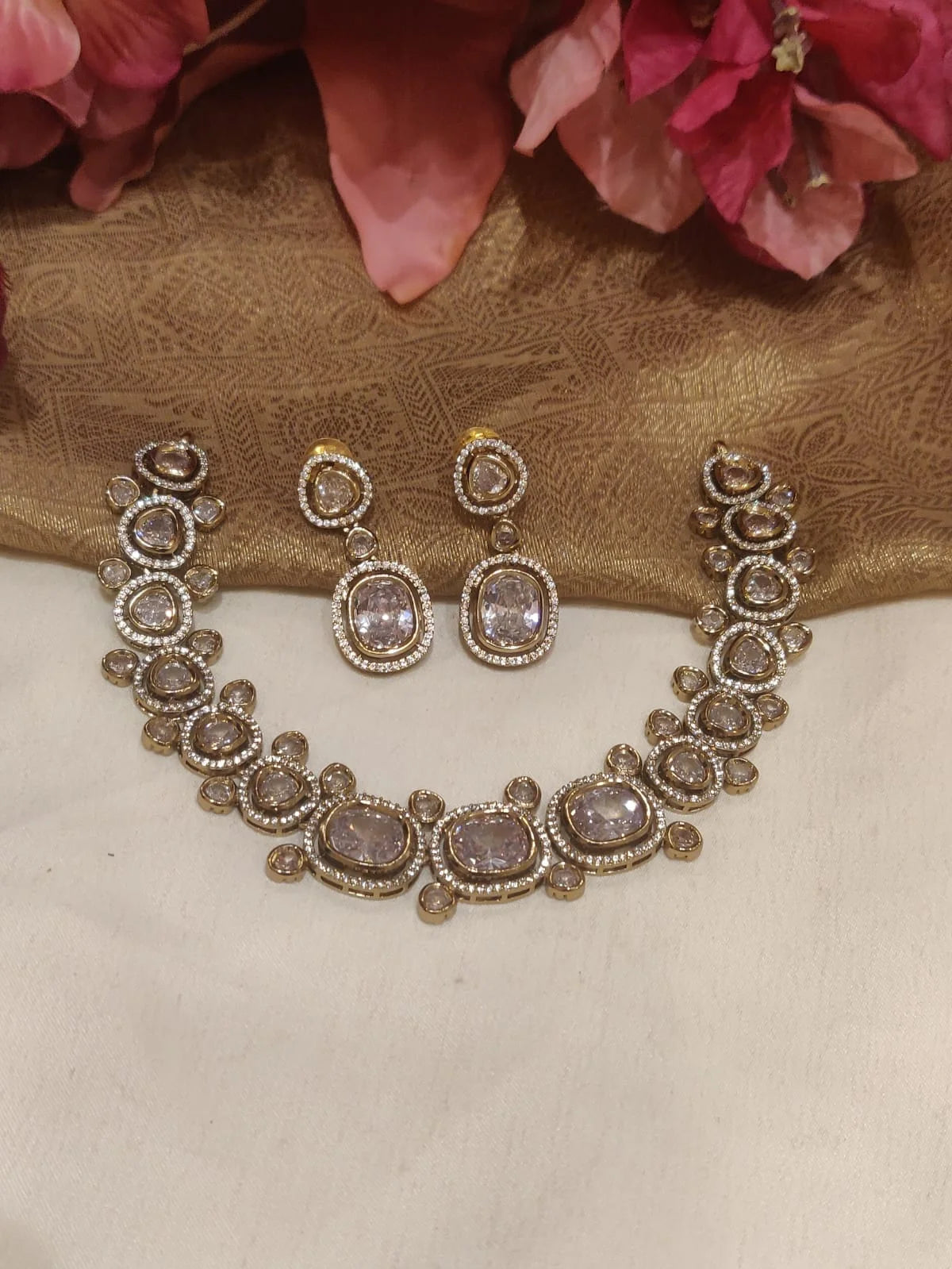
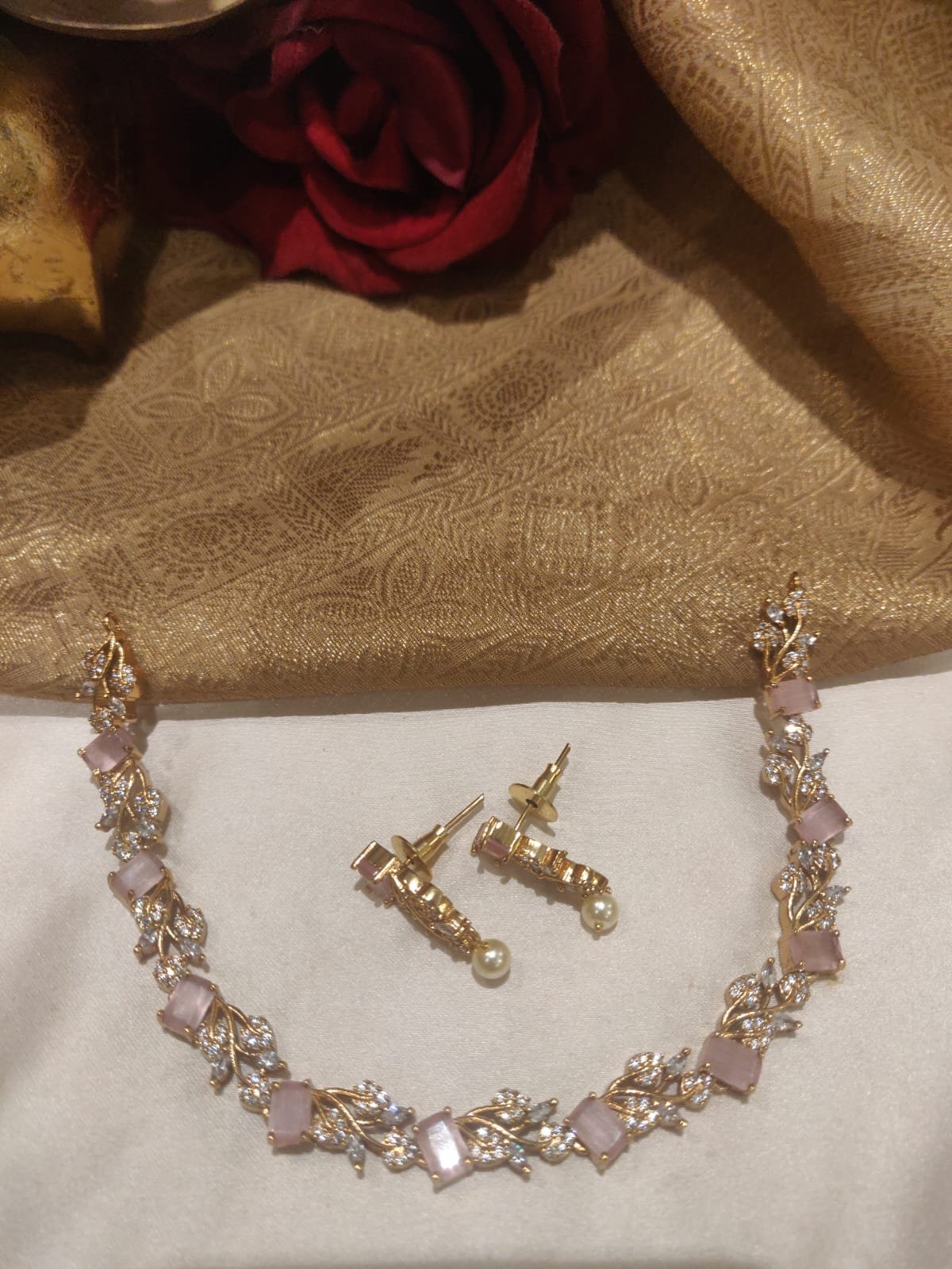
Originating in the grand royal courts of the Mughal era, Kundan ornament art represents one of India's oldest and most prestigious jewellery styles. The word itself translates to highly refined pure gold, showcasing a complex technique of setting glassy stones or gems. From festive bridal lookbooks to global heritage appreciation, this craft continues to mesmerize luxury jewellery collectors around the world. Those exploring fashion jewellery online will find Kundan among the most celebrated and sought-after traditional styles available today.
The Historical Roots and Meaning of Kundan Craft
Sanskrit Origins and Royal Patronage
The term Kundan historically translates to highly purified gold, specifically referring to the 24-karat hyper-refined gold foil that master artisans manually burnish to secure precious gemstones or glass pieces into their custom-sculpted metallic mounts. This remarkable handcrafting technique originated and flourished in the royal courts of Rajasthan and Gujarat during the opulent Mughal era, where elite patrons and emperors commissioned massive, ornate suites to display their immense wealth. Over several centuries, dedicated generations of localized artisans in legacy centres like Jaipur, Bikaner, and Nathdwara meticulously perfected this specialized setting style, ensuring it remained an enduring symbol of Indian royal prestige and cultural heritage.
-
Jaipur: Integrating red and green enamel highlights to complement the golden settings. For more information, explore the Traditional gold bangle designs.
-
Bikaner: Heavy-set court patterns focusing on multi-layered collar chokers.
-
Nathdwara: Spiritual motifs featuring devotional icons with high precision.
Evolution Into Modern Festive Couture
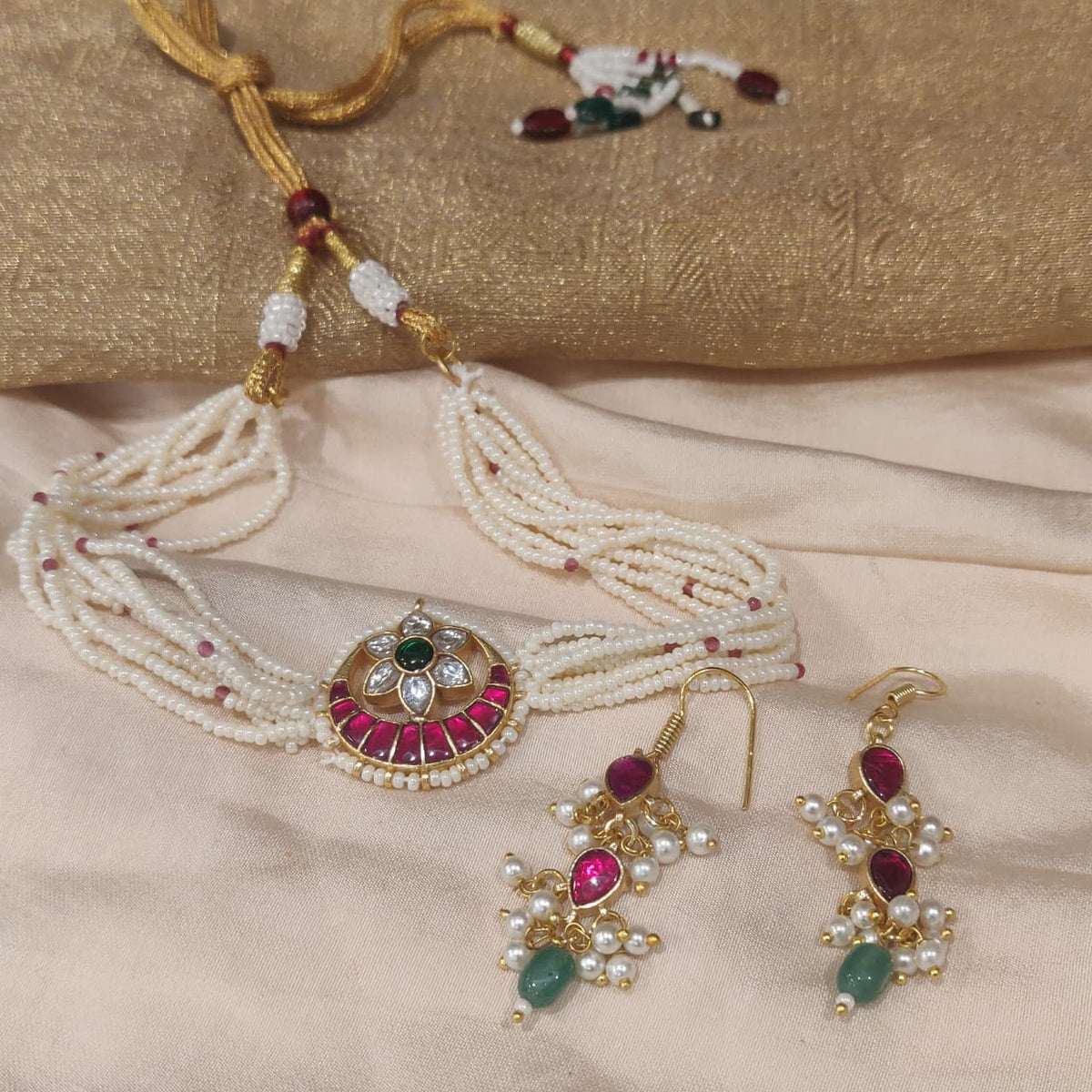
While historically reserved exclusively for the personal adornment of royalty and aristocratic families, this traditional jewellery style has successfully transitioned from ancient court chambers into the high-fashion realm of contemporary global couture. Today's discerning luxury brides frequently choose these timelessly elegant statement pieces because they deliver a majestic, classical aesthetic that coordinates seamlessly with heavily embroidered designer lehengas and modern western fusion wear. In practice, pioneering online platforms like Emporiajewels continue to honour this majestic artistic legacy by introducing lightweight, highly versatile variations that are engineered specifically for modern celebration schedules and cosmopolitan festive occasions. Brides often pair these sets with a classic pearl necklace and earring set to create a layered, multi-textured bridal look that feels both timeless and contemporary.
The Intricate Manufacturing Process and Materials
The Multi-Stage Setting Technique
Creating a single authentic piece of this jewellery is an exceptionally labour-intensive process requiring unmatched manual precision, collaborative multi-artisan workshops, and monk-like focus over many weeks of production. The complex handcrafting method begins with a foundational stage called Ghadayi, where the intricate metal frame is carefully shaped, followed by Khudayi to engrave the custom cavities for stone placement. Next, a natural dark resin known as lac is filled into these cavities before highly refined 24-karat gold foil is meticulously pressed around each stone to seal them permanently without any heat.
-
Ghadayi involves crafting the base framework from gold or silver sheets.
-
Khudayi represents engraving details and preparing hollow cavities for stones.
-
Eklaaj is the phase where artisans embed glass stones using lac resin.
-
Meenakari completes the work by fusing colorful enamel onto the reverse side.
Essential Materials Used in Authentic Pieces
Authentic creations utilize a meticulous combination of highly refined gold foil, natural lac resin, and hand-polished glass stones or semi-precious gems to achieve their signature warm glow. Unlike standard Western jewellery designs that hold gems using metal claws or prongs, this traditional method relies entirely on multiple layers of highly malleable, hand-burnished pure gold foil. The reverse side of each piece is frequently decorated with intricate Meenakari enamel, which not only provides a stunning colorful aesthetic but also reinforces the physical integrity of the entire structural framework. Shoppers seeking fancy artificial jewellery inspired by these techniques will find a wide range of Kundan-style options crafted with similar attention to surface detail and finish.
Kundan vs Polki: A Technical Material Comparison
Defining the Core Differences
Many jewellery buyers frequently confuse Kundan and Polki because both historic styles employ the traditional Jadau hand-setting method to place gemstones into their gold bases. In practice, the critical difference lies in the specific types of stones selected for the setting rather than the actual metalworking methodology used by the craftsmen. While premium Polki designs exclusively feature raw, uncut natural diamonds that retain their organic shape, classical Kundan relies on highly polished glass stones, synthetic gems, or refined semi-precious crystals.
|
Feature |
Kundan Jewelry |
Polki Jewelry |
|
Core Stone |
Polished glass or synthetic crystal |
Raw, uncut natural diamonds |
|
Finish |
Luminous, highly polished surface |
Rustic, organic antique-style sparkle |
|
Cost |
Accessible and highly cost-effective |
Premium investment-grade price |
Value, Resale, and Durability Tradeoffs
When investing in fine jewellery, understanding the long-term monetary and structural tradeoffs is essential for choosing a piece that matches your lifestyle and financial goals. Polki jewellery inherently commands a superior resale value on the secondary market due to the rare, high-value natural diamonds set within the pure gold foil framework. In contrast, Kundan's primary market value is driven by its intensive artistic craftsmanship and elaborate enamel detailing rather than the raw commodity value of its glass stones. Traditional gold bangle designs are frequently paired with Kundan necklace sets to complete a cohesive bridal ensemble that balances heritage craftsmanship with enduring material value.
|
Parameter |
Kundan Traits |
Polki Traits |
|
Weight |
Lighter and comfortable for wear |
Heavier due to diamond layout |
|
Resale |
Retains value based on artistry |
Retains value as diamond investment |
|
Best Use |
Colorful pre-wedding ceremonies |
Primary wedding ceremonies and heirlooms |
Practical Buying Advice and Maintenance Rules
Spotting Authenticity and Assessing Quality
Navigating the modern jewellery market requires a highly systematic inspection method to ensure you are purchasing authentic works rather than low-quality brass imitations. Discerning buyers should always check the purity hallmarks stamped on the base metal framework and examine the precision of the hand-painted enamel on the reverse side. Acquiring your pieces from trusted, transparent design platforms like Emporiajewels ensures that each set features genuine artisan construction and meets rigorous quality standards. Browsing curated designer jewellery online collections also allows buyers to compare craftsmanship details, stone quality, and enamel finishing across multiple authentic Kundan styles before making a final purchase decision.
-
Verify the hallmarking on the gold framework to confirm actual purity.
-
Ensure the gold foil setting around each stone is absolutely seamless.
-
Examine the reverse side to confirm detailed hand-painted Meenakari.
Frequently Asked Questions
What is the main material used in Kundan jewellery?
Authentic pieces feature highly purified 24-karat gold foil securing polished glass or semi-precious stones.
Is Kundan jewellery made of real diamonds?
No, classic Kundan jewellery uses polished glass stones, whereas Polki jewellery exclusively features raw, uncut diamonds.
Can Kundan jewellery get damaged by moisture?
Yes, exposure to moisture can easily deteriorate the internal lac resin and tarnish the delicate gold foil.
How do you verify if Kundan is real?
You can verify authenticity by confirming gold purity hallmarks and checking for high-quality Meenakari enamel on the reverse.
How should you store Kundan sets?
You should store these sets flat in airtight boxes lined with soft cotton to prevent moisture damage.