

Types of Artificial Jewellery: The Ultimate Guide to Modern Materials, Styles, and Buyer Quality Metrics
Selecting the ideal types of artificial jewellery requires a deep understanding of metallurgy, base finishes, and modern stone settings. This complete analysis explores how contemporary materials mimic precious counterparts while delivering excellent longevity and accessibility. By evaluating base compositions, high-micron plating, and faux embellishments, buyers can curate a premium collection from Emporia Jewels that endures.
Classification by Core Metallurgical and Base Materials
Brass, Copper, and Zinc Alloy Foundations
In practice, the durability and weight of artificial jewellery depend heavily on the specific base metal selected during manufacturing. Brass and copper serve as the traditional backbones for intricate, heavy-set traditional pieces due to their extreme malleability. Meanwhile, lightweight zinc alloys allow for rapid casting of complex, contemporary designs that remain comfortable during extended wear. Traditional gold bangle designs often rely on these very alloys to achieve their characteristic heft and detail.
Advanced Stainless Steel and Tarnish-Free Alloys
Modern manufacturers are increasingly turning to medical-grade stainless steel to create hypoallergenic, daily-wear accessories. Field use commonly shows that these modern alloys provide exceptional resistance to perspiration, moisture, and mechanical scratches. For premium designs, such as those curated by Emporia Jewels, selecting these robust bases guarantees that fashion pieces withstand the test of time.
|
Base Metal |
Weight Profile |
Skin Sensitivity |
Tarnish Resistance |
Primary Style Use |
|
Brass |
Medium to heavy |
Moderate risk |
Low (needs plating) |
Traditional bridal sets |
|
Copper |
Heavy and dense |
Low risk |
Low (oxidizes easily) |
Antique temple jewelry |
|
Stainless Steel |
Light to medium |
Hypoallergenic |
Excellent (anti-tarnish) |
Minimalist daily wear |
|
Zinc Alloy |
Extremely lightweight |
High allergy risk |
Moderate (short lifespan) |
Fast-fashion jewelry |
Distinguishing Varieties by Aesthetic Treatment and Plating Techniques
High-Micron Gold Electroplating and Vermeil Methods
The longevity and surface lustre of plated jewellery are directly determined by the micron thickness of the gold layer applied. Standard fashion pieces utilize basic flash plating, which quickly rubs off, whereas premium vermeil features a thick gold layer over sterling silver. In practice, choosing a high-micron electroplated finish ensures that the golden sheen remains vibrant without exposing the underlying base metal. Shoppers seeking fancy artificial jewellery will find these plating distinctions especially relevant when comparing product tiers.
-
Flash Plating: Extremely thin layer under 0.25 microns for budget-friendly fashion accessories.
-
Micron Plating: Durable coating between 1.0 and 2.5 microns suitable for everyday wear.
-
Vermeil Plating: Premium 2.5-micron gold layer over sterling silver for luxurious longevity.
-
Rhodium Plating: Brilliant silver-white finish that provides exceptional scratch resistance and hypoallergenic protection.
Oxidized, Antique, and Rhodium Finishes
Oxidized and antique finishes are deliberately treated with sulfur compounds to create a darkened, rustic aesthetic that highlights intricate relief carvings. This technique is highly popular in silver-look jewellery, where the shadowed crevices emphasize traditional Indian motifs and ethnic patterns. Rhodium finishes offer the opposite effect, providing a blindingly bright silver-white reflective shield that mimics white gold.
-
Oxidized Silver: Styled with a dark patina to mimic vintage tribal and heritage ornaments.
-
Antique Gold: Features a dull matte texture with dark accents for a regal, historic look.
-
Rhodium Protection: Resists tarnishing while providing a smooth mirror-like lustre to the wearer.
Classification of Embellishments and Stone-Studded Designs
Precision-Cut Cubic Zirconia and American Diamonds
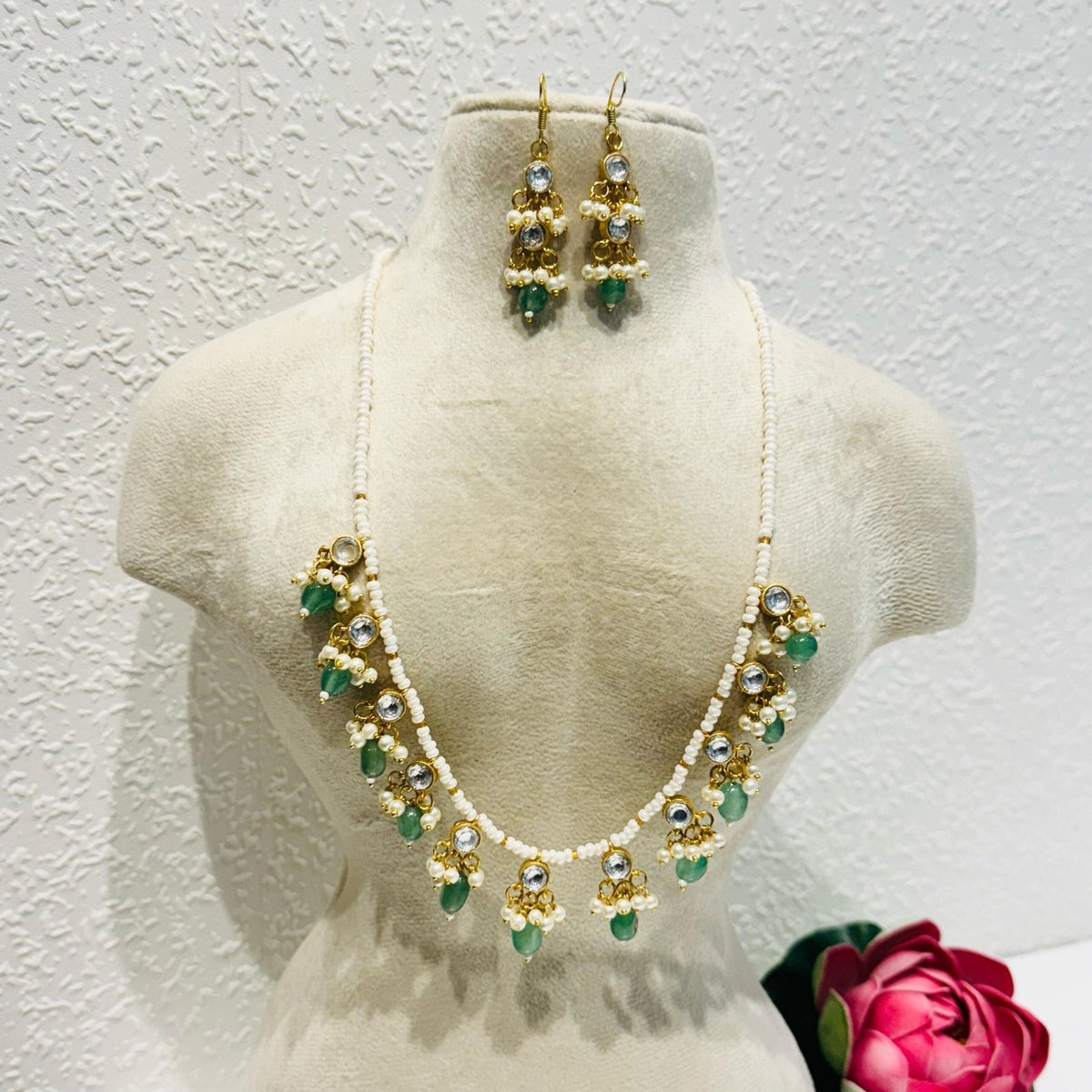
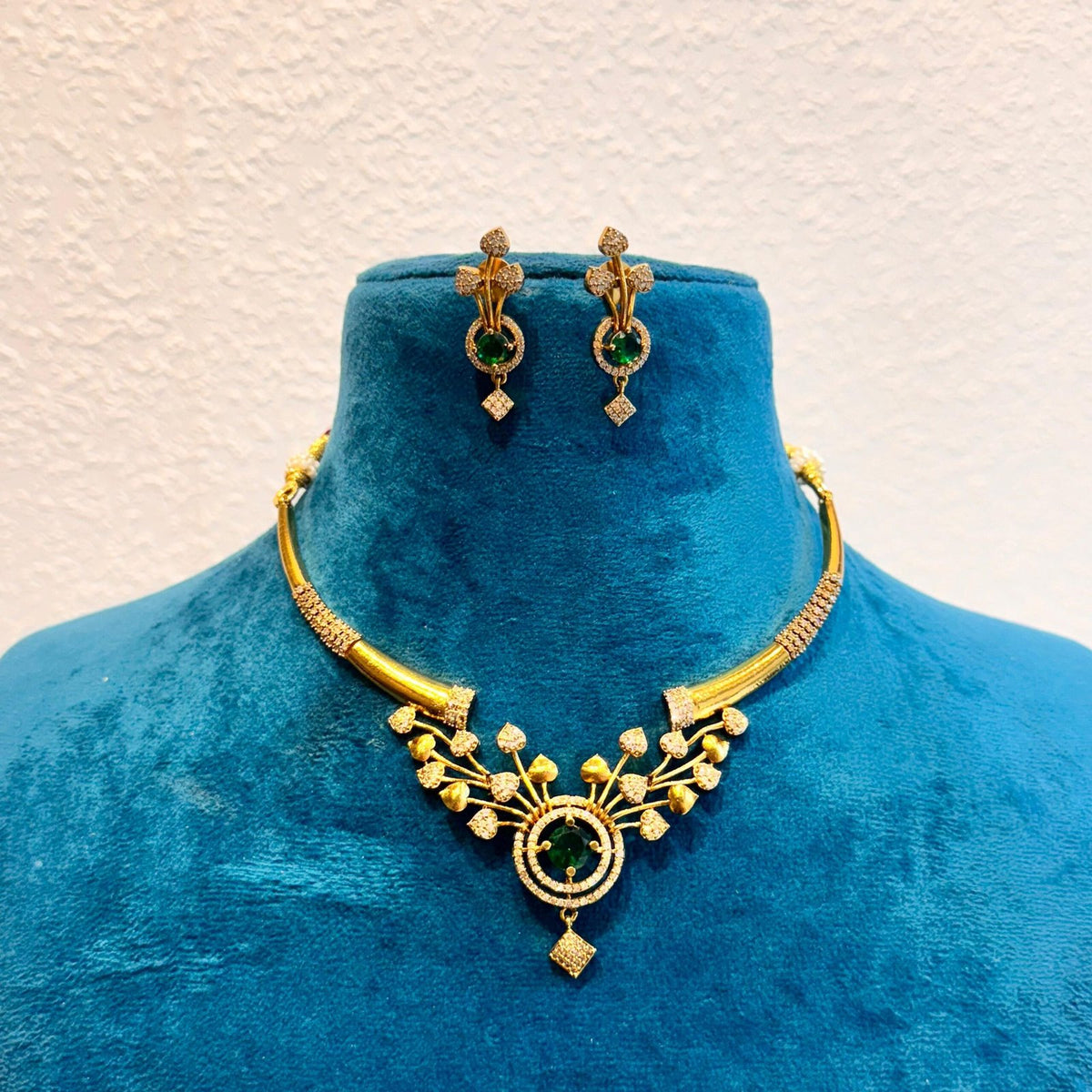
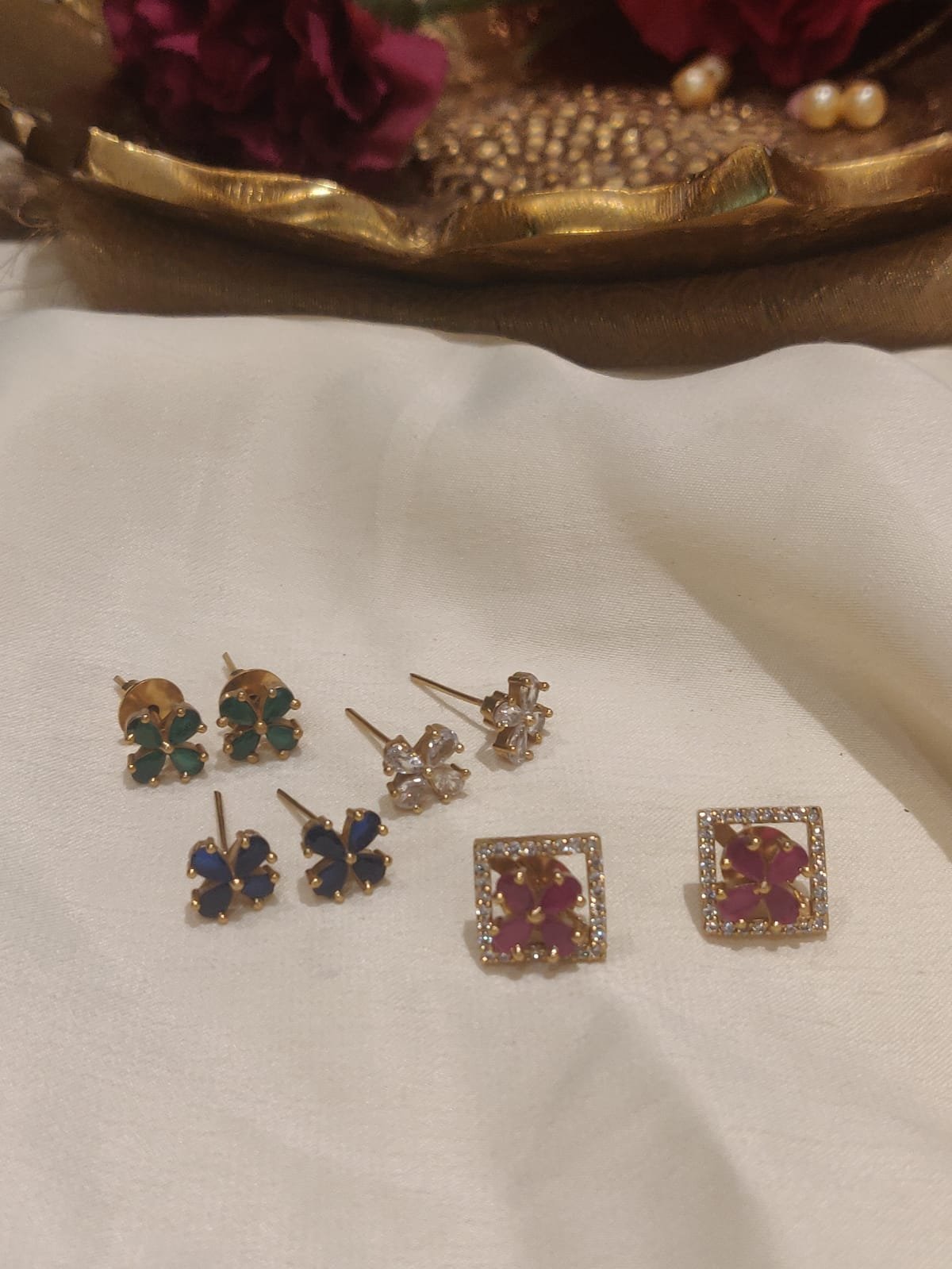
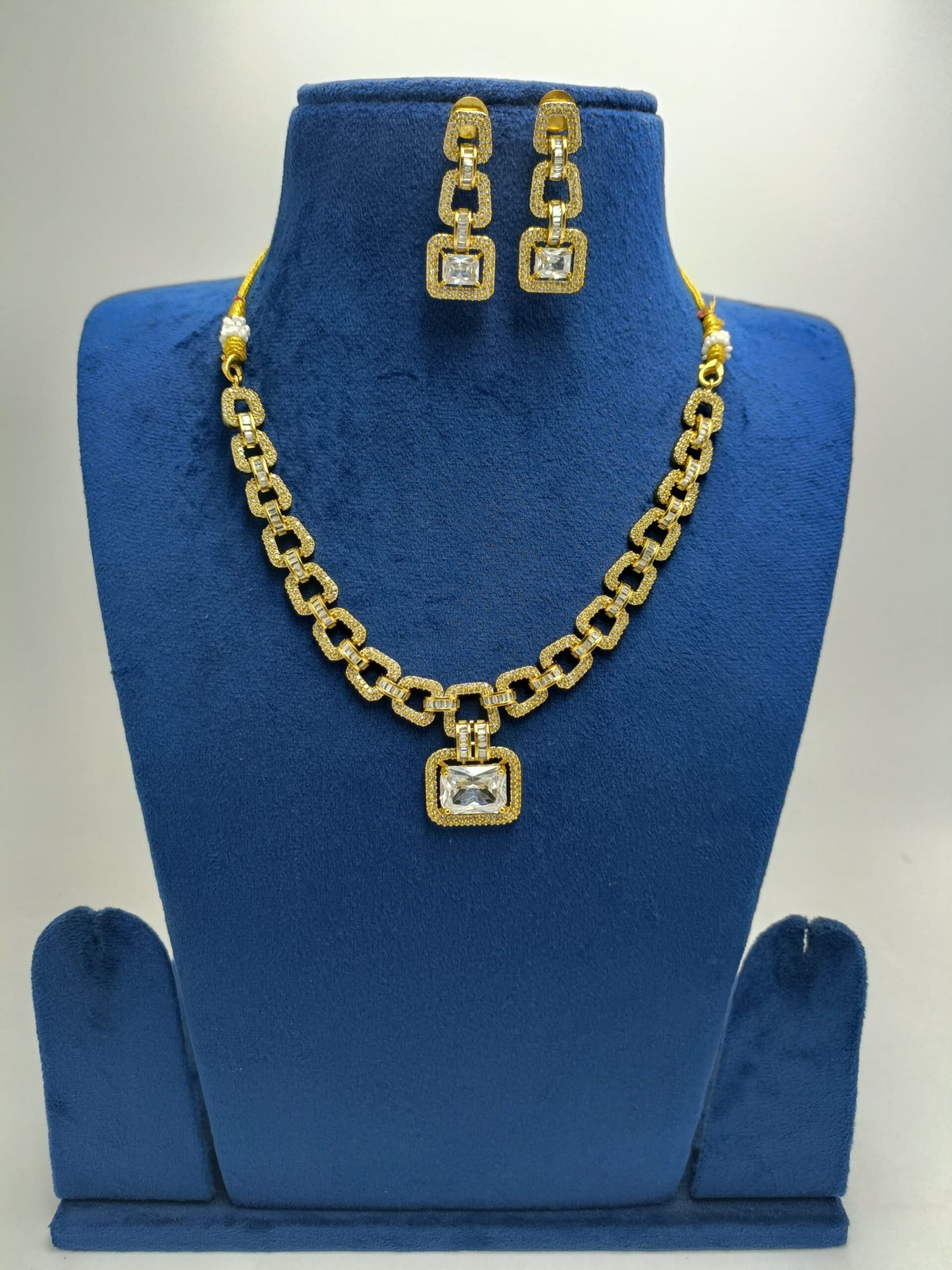
Cubic zirconia and American diamonds represent the pinnacle of diamond alternatives due to their high refractive index and flawless clarity. These synthetic crystals are precision-faceted to capture and disperse light exactly like mined stones, ensuring an incredibly opulent look. Field use commonly shows that choosing prong-set stones rather than glued alternatives dramatically decreases the risk of losing individual embellishments over time. A classic pearl necklace and earring set similarly benefits from secure prong or bezel settings that protect each stone.
|
Stone Type |
Core Composition |
Brilliance Level |
Longevity Profile |
Ideal Application |
|
Cubic Zirconia |
Zirconium dioxide |
Very high sparkle |
High (resists scratches) |
Engagement rings and bridal jewelry |
|
Glass Crystal |
Leaded or molded glass |
Moderate shine |
Medium (susceptible to chipping) |
Statement necklaces and casual earrings |
|
Rhinestone |
Acrylic or foil-backed glass |
Low to moderate |
Low (foil backing degrades) |
Stage costumes and fast-fashion bangles |
|
Synthetic Pearl |
Glass or plastic core |
Satin-like finish |
Moderate (outer nacre can peel) |
Classic drop earrings and strand necklaces |
Faux Gemstones, Glass Beads, and Imitation Kundan
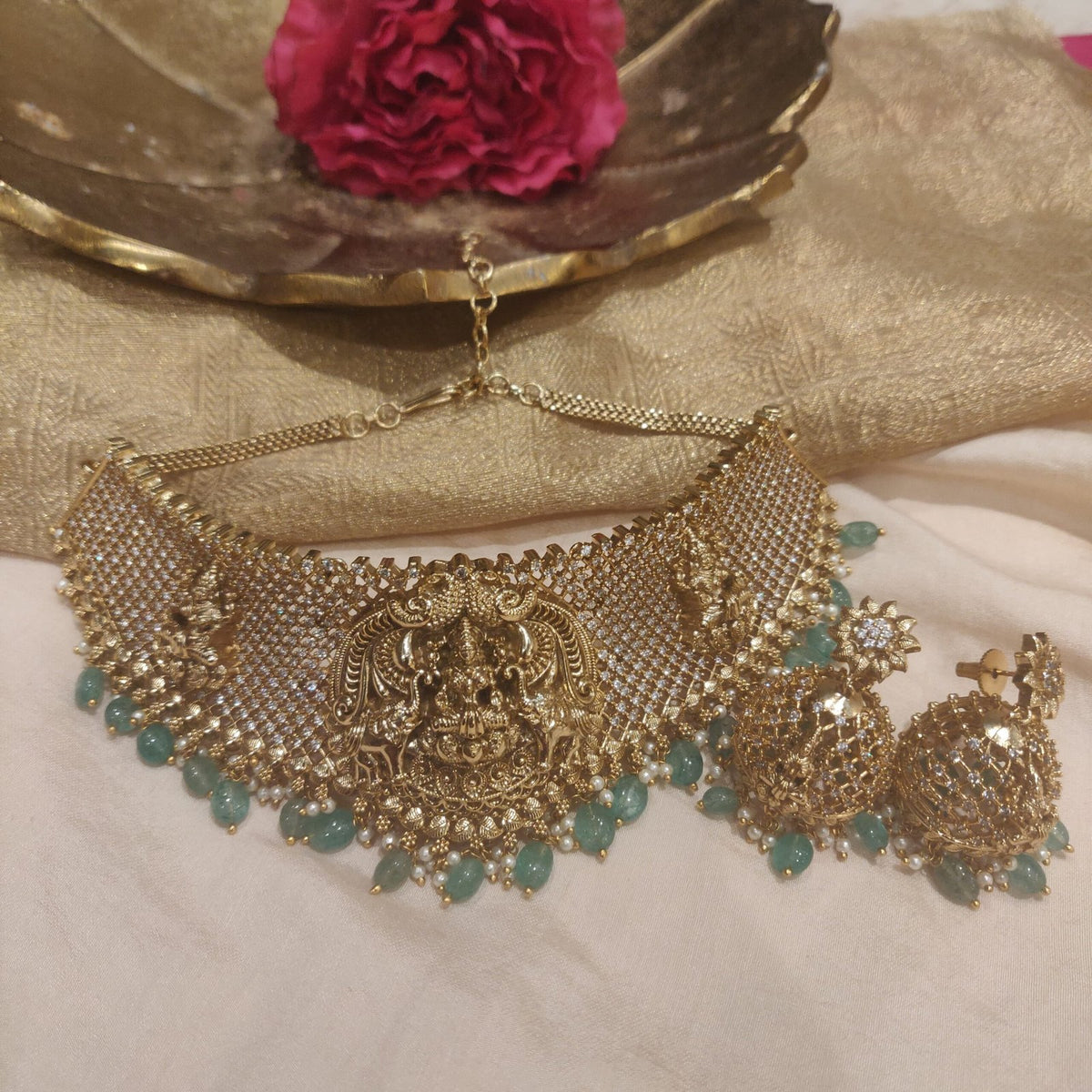
Imitation Kundan and Polki jewellery rely heavily on highly refined glass stones and colored resins set into gold-foiled metallic frames. This ancient setting style creates a soft, traditional glow that beautifully mimics the uncut diamonds used in royal heritage ensembles. These faux gemstones provide a stunning alternative for grand celebrations, allowing jewellery enthusiasts to enjoy majestic, traditional styles without immense financial investment.
Practical Selection Framework and Maintenance Protocols
Systematic Quality Inspection for Smart Buyers
Discerning buyers must look past surface-level glitter and evaluate the structural integrity of fashion jewellery before making a purchase. Examining the security of clasps, the smoothness of metal edges, and the precision of stone prongs is essential. In practice, taking a methodical approach to checking these key quality benchmarks prevents premature damage and ensures a comfortable, irritation-free wearing experience. Browsing fashion jewellery online makes it easier to compare specifications and reviews side by side before committing to a purchase.
-
Verify the core metallurgical composition of the base metal to avoid copper or brass blends containing high levels of nickel.
-
Inspect the plating thickness by reviewing product specifications for terms like vermeil or high-micron coatings.
-
Check the embellishment attachment method to ensure stones are securely held by metal prongs rather than weak adhesive.
-
Test the mechanical integrity of jewellery clasps, earring posts, and jump rings to confirm smooth operation.
-
Review consumer care guidelines, warranty documentation, and brand guarantees provided by highly reputable sources like Emporia Jewels.
Tailored Preservation and Anti-Tarnish Storage Rules
Preserving the integrity of your jewellery collection requires strict adherence to protective habits that limit exposure to chemical agents. Moisture, perfume, hairspray, and sweat are the primary catalysts that accelerate metal oxidation and strip away golden platings. Placing your treasured ornaments in individual airtight pouches represents the most effective strategy to maintain original shine and prevent unsightly scratching. Those who shop for designer jewellery online should pay close attention to the care instructions provided with each piece to protect their investment.
-
Apply perfumes, body lotions, and hairsprays fully before putting on any plated accessories.
-
Wipe each ornament with a dry microfiber cloth after every use to eliminate sweat residues.
-
Store items in separate zip-lock bags with silica gel packets to absorb ambient moisture.
-
Avoid wearing any fashion jewellery while swimming, showering, exercising, or sleeping.
See How It Works
To discover the science behind jewellery longevity, explore our educational materials guide and see how it works on our platform.
Frequently Asked Questions
What is the primary difference between costume and fashion jewellery?
While costume jewellery is designed for temporary novelty wear using basic plastics or base metals, modern fashion jewelry utilizes high-quality electroplating and tarnish-resistant alloys suitable for regular styling.
How do you systematically prevent your artificial jewellery from tarnishing?
To maintain the original shine, always store your jewellery in clean, airtight plastic pouches away from ambient humidity and ensure all cosmetics are fully dried before dressing.
Is brass or stainless steel better for artificial jewellery?
Stainless steel is generally superior for daily wear due to its hypoallergenic nature and natural scratch resistance, whereas brass is better suited for highly detailed traditional bridal sets.
Can people with sensitive skin wear artificial jewellery?
Yes, individuals with sensitive skin can safely wear artificial jewellery by choosing pieces built with nickel-free stainless steel or sterling silver bases.