

Traditional Indian jewellery online: A Region-by-Region Buyer's Guide to Styles, Materials, and Smart Choices
Traditional Indian jewellery online covers dozens of regional craft traditions, each with distinct materials, motifs, and occasion rules. Knowing which style suits your outfit, budget, and event before you browse saves time and prevents costly mismatches. This guide maps the key traditions, evaluation criteria, and where Emporia Jewels fits into your decision.
India's Regional Jewellery Traditions and What Sets Each Apart
North and West India: Kundan, Polki, and Meenakari Styles
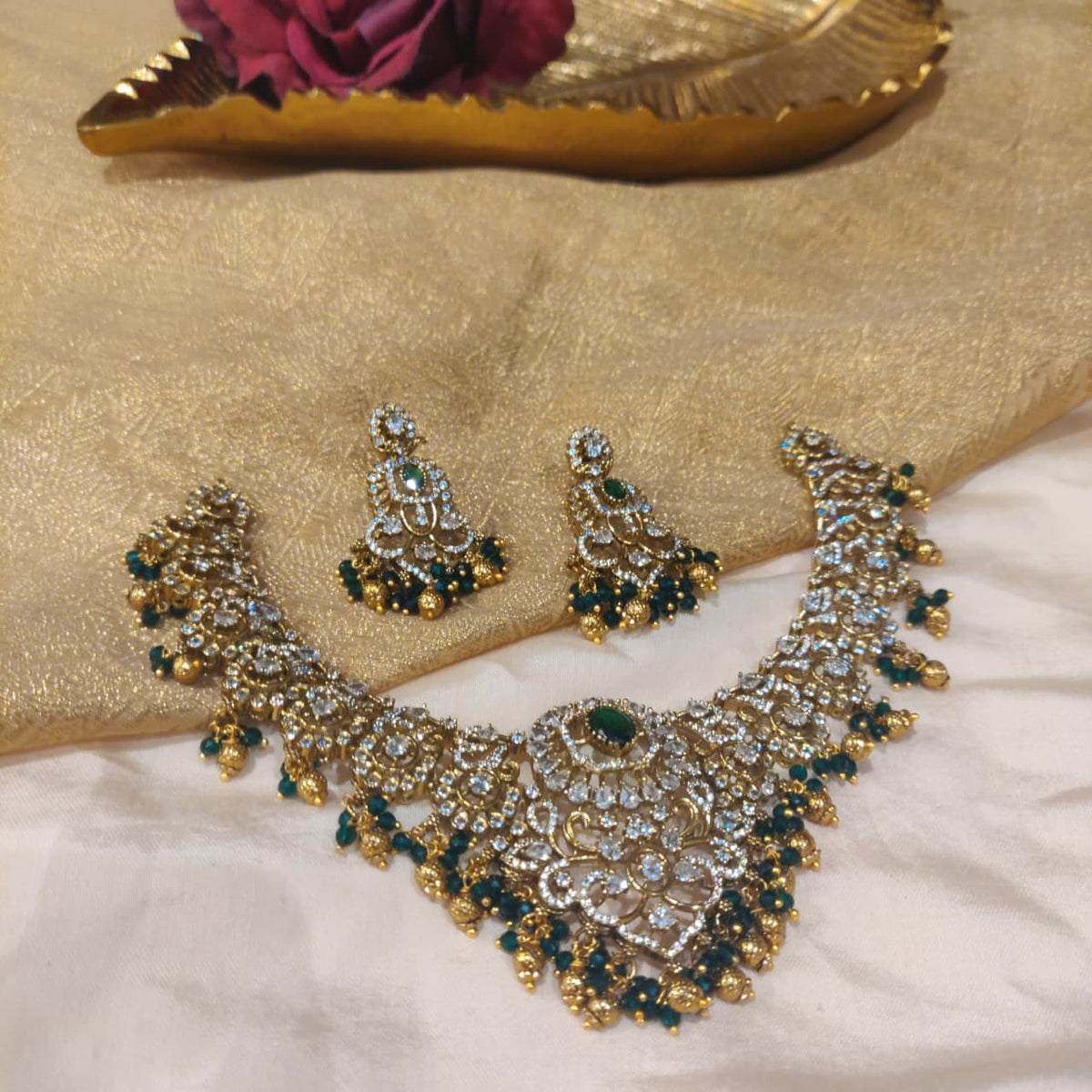
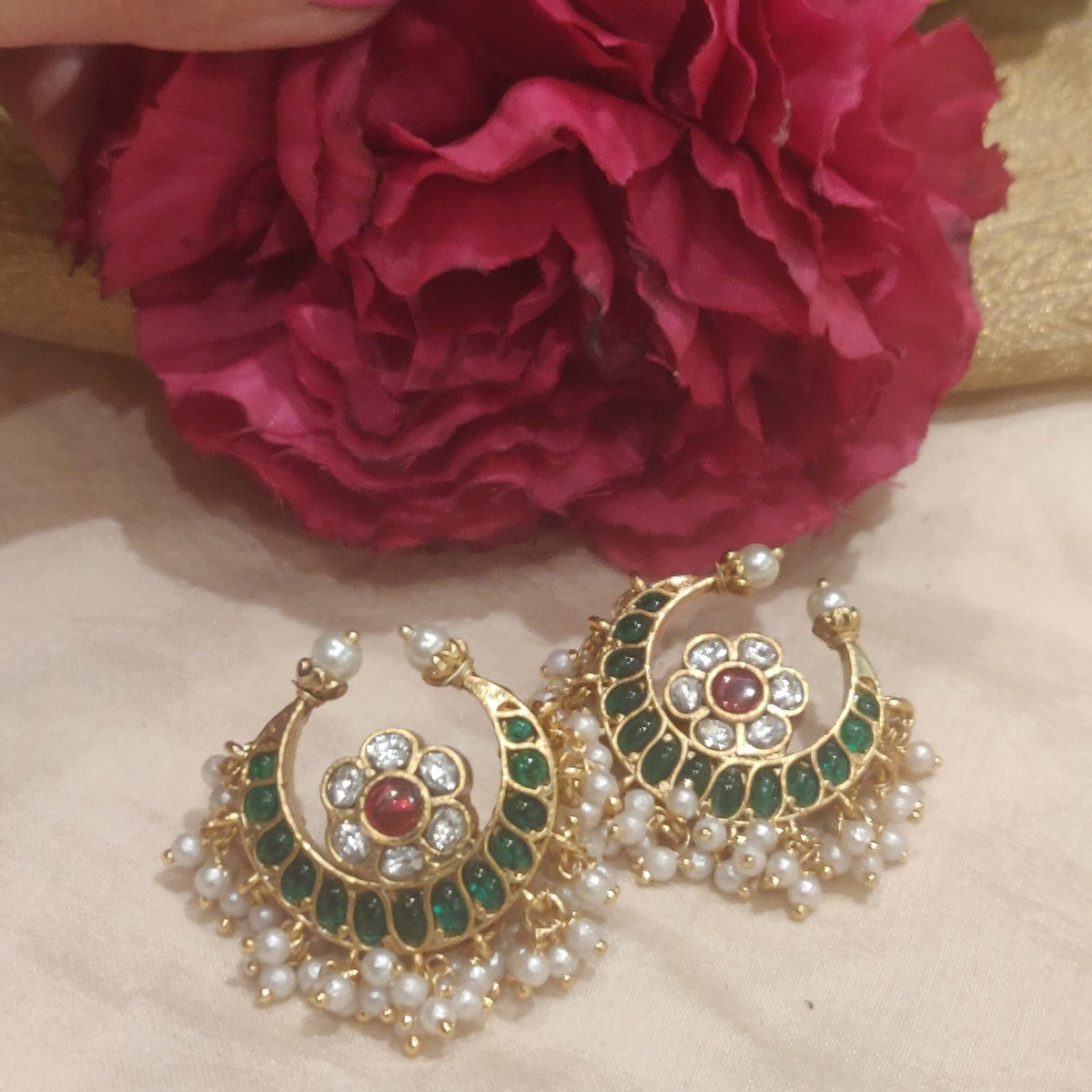
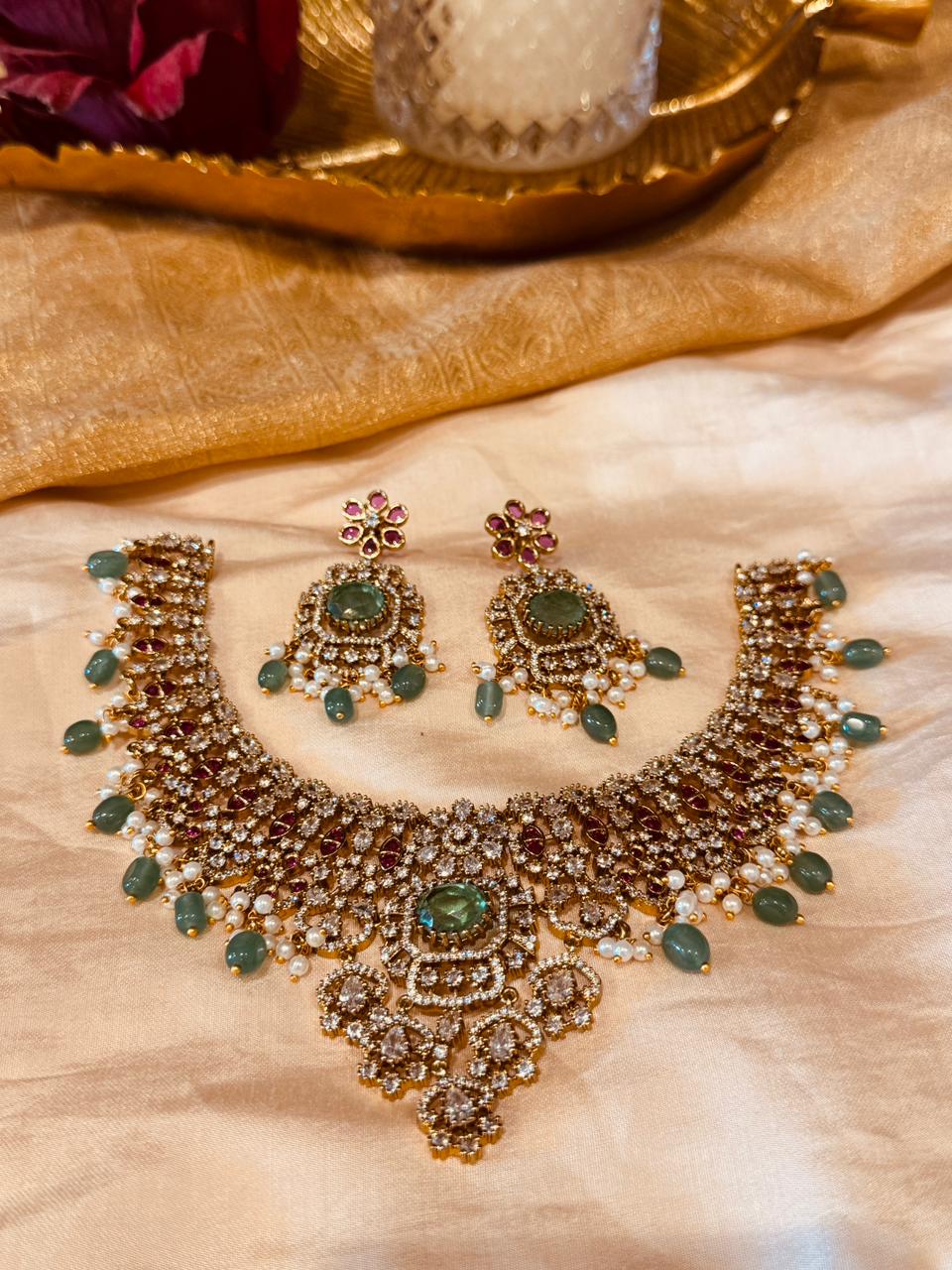
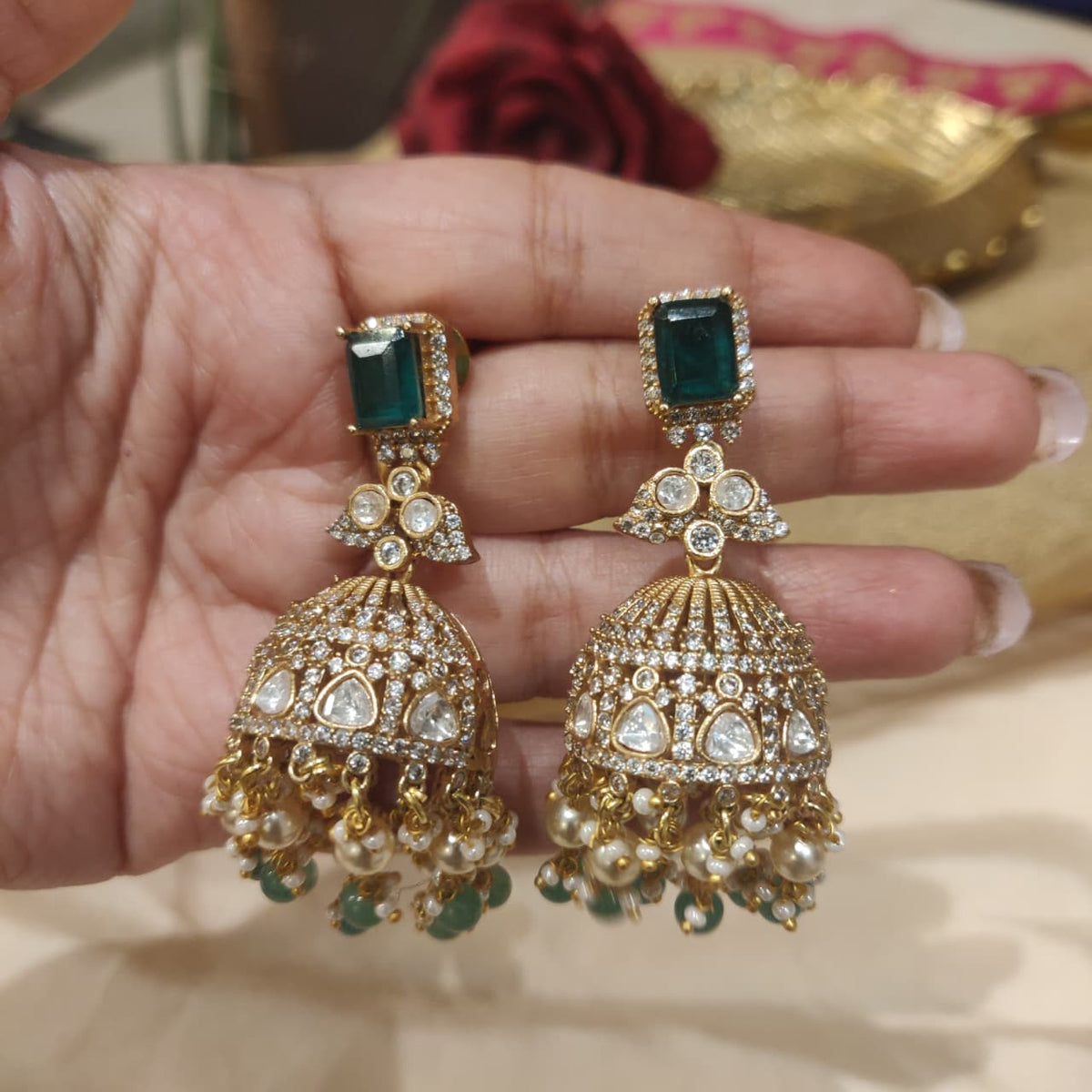
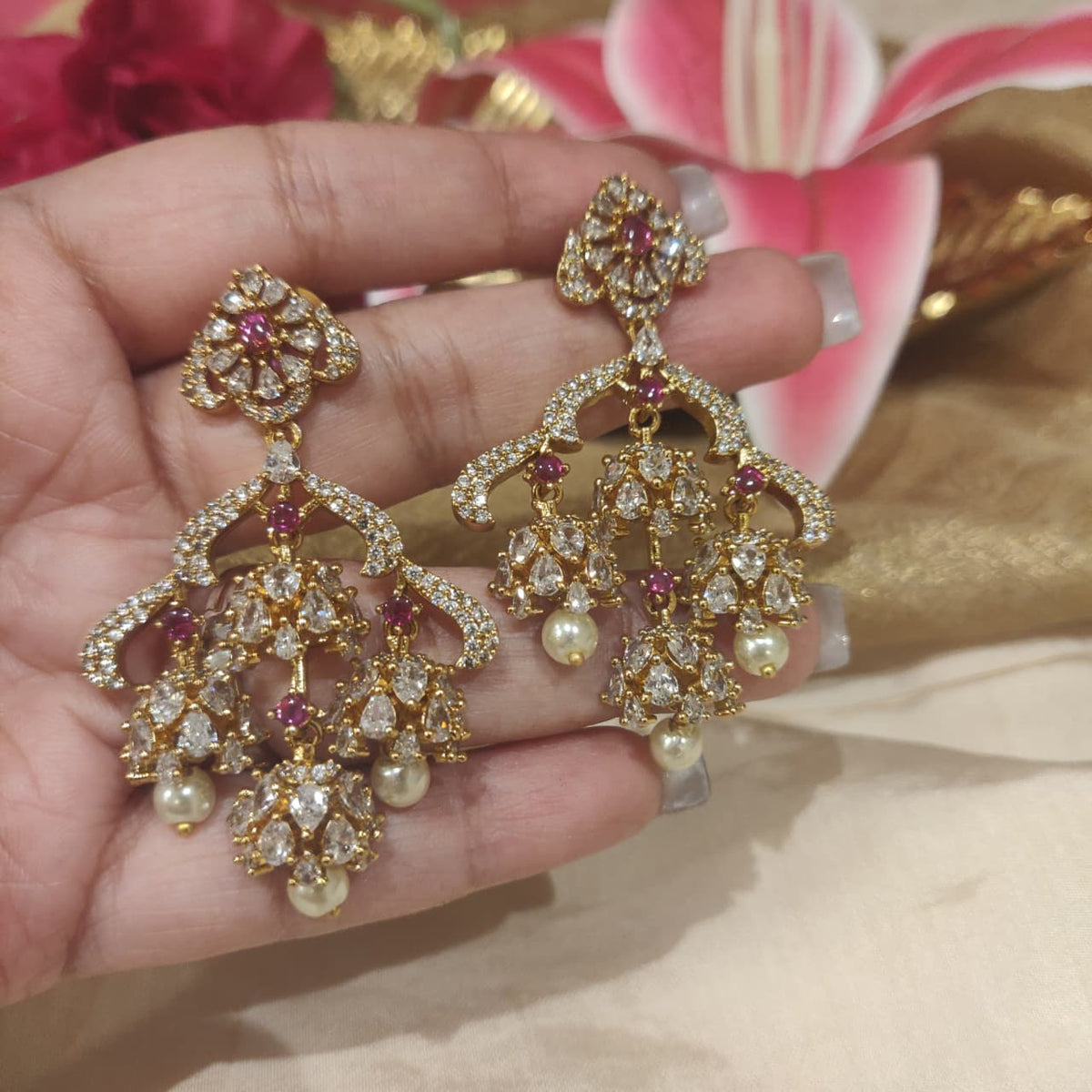
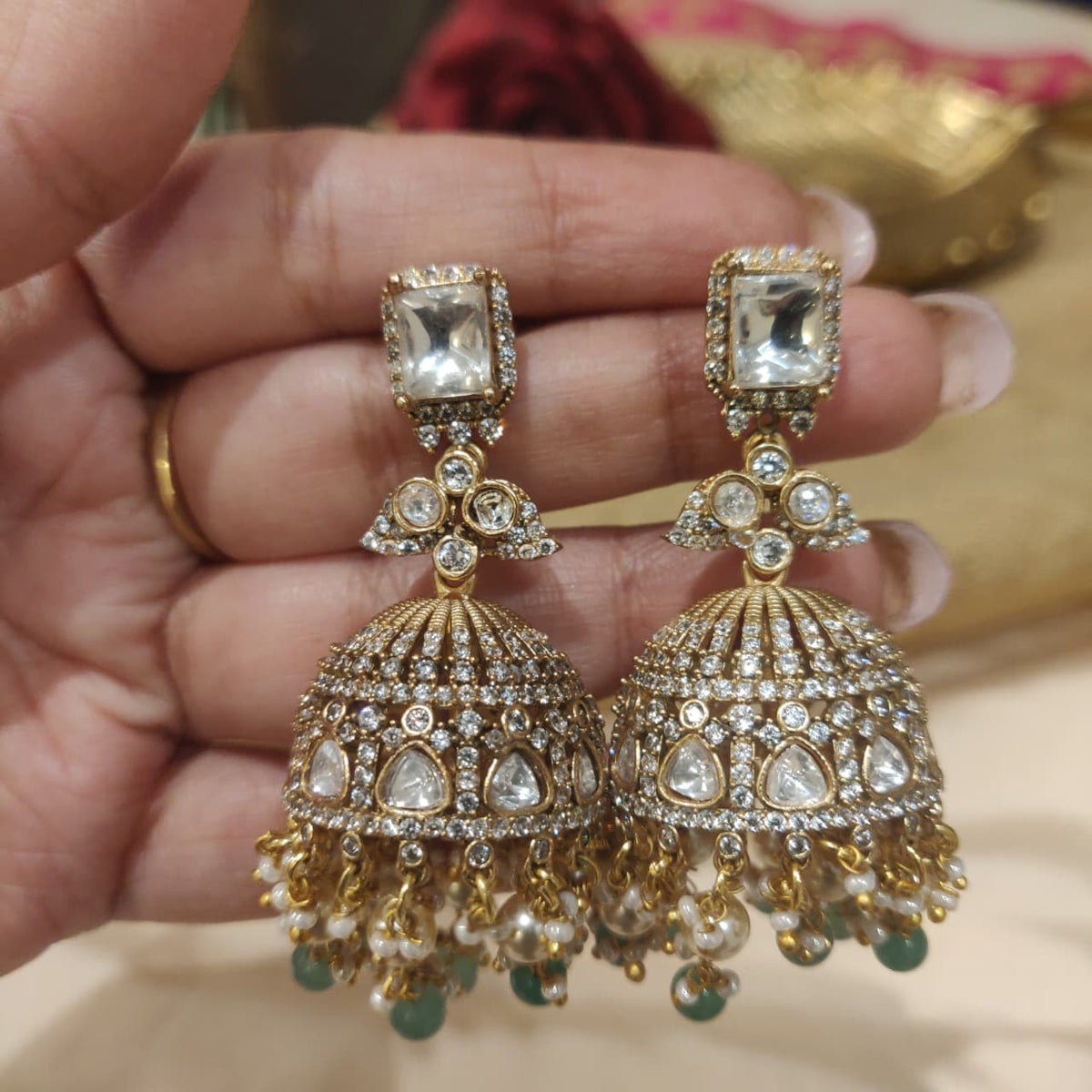
Kundan jewellery originates from Rajasthan and uses a lac-filled gold foil base to set uncut glass or stones in intricate floral and geometric patterns. Meenakari enamel work, applied to the reverse side of many Kundan pieces, is a hallmark of Jaipur craftsmanship. In fancy artificial jewellery, these techniques are replicated using gold-plated brass bases and glass stones, making the visual effect accessible without the fine jewellery price point.
South India: Temple Jewellery and Antique Gold Finishes
Temple jewellery from Tamil Nadu features deity motifs, Lakshmi pendants, and peacock designs originally crafted for classical dance and temple rituals. The characteristic antique gold finish gives pieces a warm, aged appearance that pairs well with silk sarees and Kanjivaram weaves. Emporia Jewels carries temple-style sets that replicate this aesthetic in gold-plated fashion jewellery, making them suitable for Bharatanatyam performances, weddings, and festival occasions.
|
Regional Style |
Key Motifs |
Typical Occasion |
Fashion Jewellery Equivalent |
|
Kundan (Rajasthan) |
Floral, geometric, Mughal |
Bridal, sangeet, reception |
Gold-plated kundan sets with glass stones |
|
Temple (Tamil Nadu) |
Lakshmi, peacock, deity |
Classical dance, weddings, festivals |
Antique gold-finish temple sets |
|
Meenakari (Jaipur) |
Enamel florals, birds |
Festivals, ethnic occasions |
Enamel-painted gold-plated pieces |
|
Oxidised (Bengal/Maharashtra) |
Tribal, nature-inspired |
Casual ethnic, college, travel |
Oxidised silver-finish fashion jewellery |
How to Evaluate Traditional Indian Jewellery Online Before Buying
Reading Product Listings for Material and Construction Clues
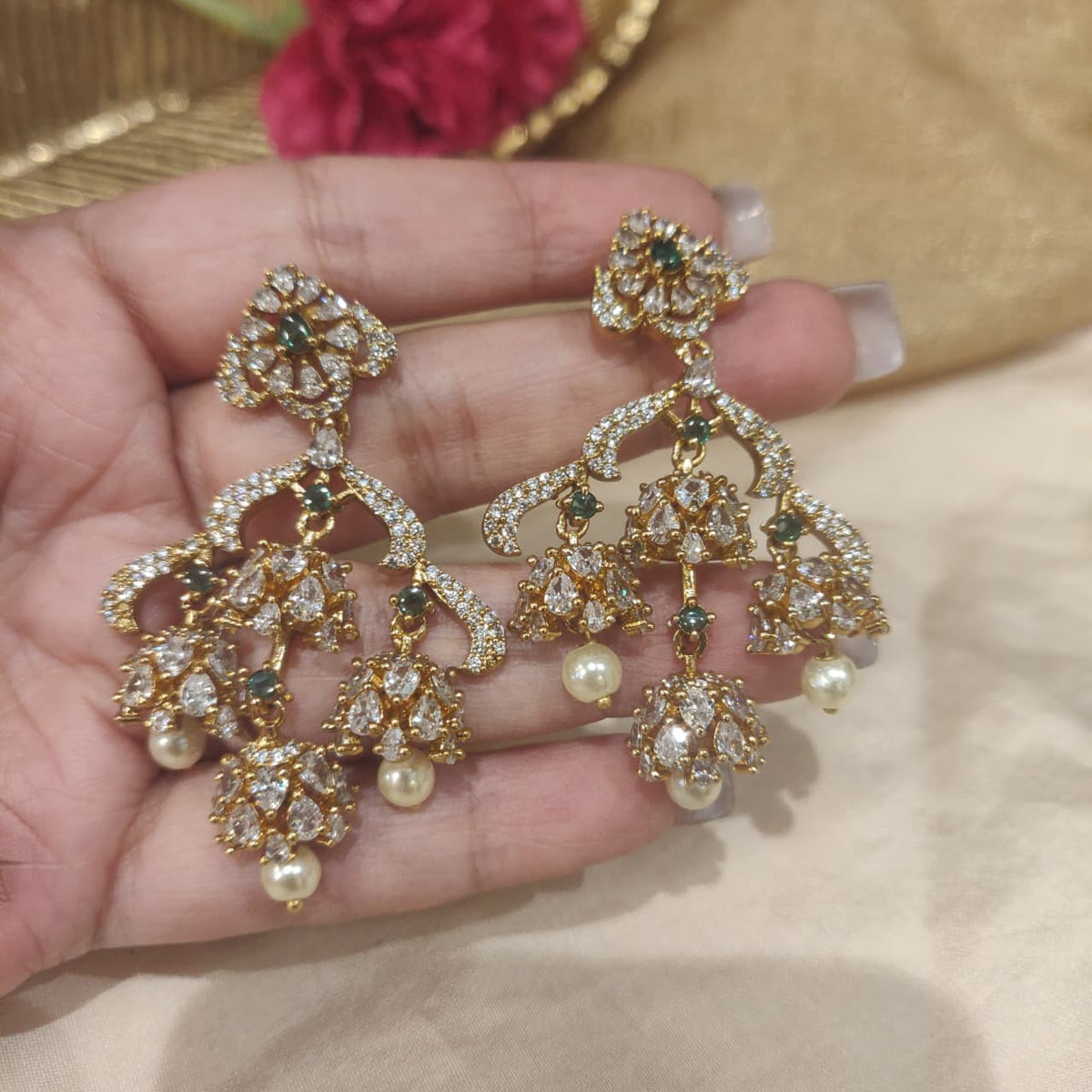
A reliable product listing for traditional fashion jewellery online will specify the base metal, plating type, and stone variety separately rather than using vague terms like "premium quality." Look for descriptions that mention brass or zinc alloy base, gold or silver plating, and whether stones are glass, AD (American diamond), or acrylic. Emporia Jewels product pages follow this practice, giving buyers enough detail to match the piece to their outfit and occasion without guesswork.
Sizing, Weight, and Wearability Checks for Traditional Sets
Traditional Indian necklace sets, particularly choker-haaram combinations and layered bridal sets, vary significantly in weight and drop length. A listed weight above 150 grams for a full bridal set signals substantial construction, while anything under 80 grams suits casual or semi-formal occasions. Always cross-check the necklace length in centimetres against your neckline and blouse design before confirming your order. A classic pearl necklace and earring set is a versatile option that works across a range of necklines and occasion types.
-
Check the base metal type: brass holds plating longer than zinc alloy under regular use.
-
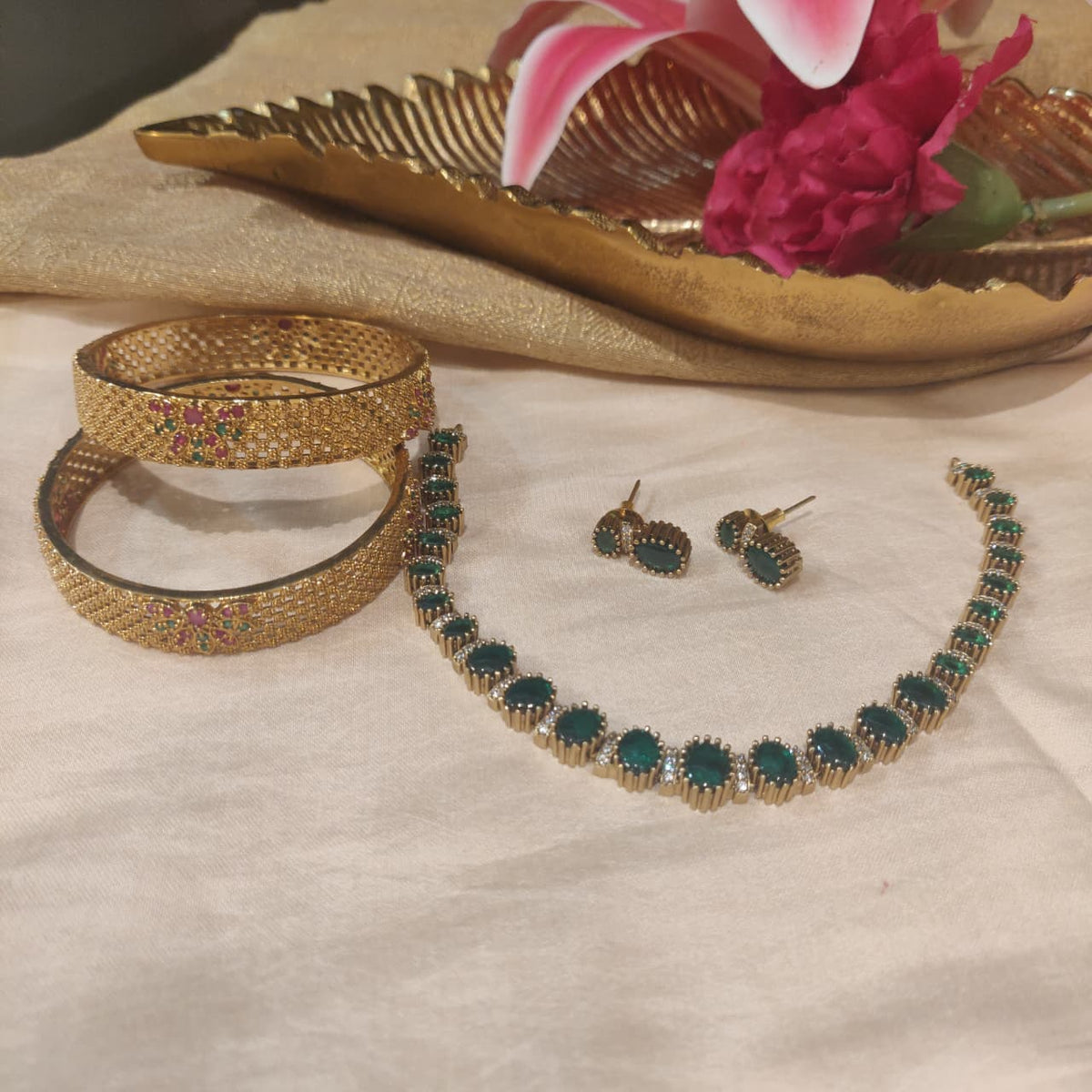
Confirm stone setting method: prong or bezel settings hold stones more securely than glue-only applications. For more information, explore the Traditional gold bangle designs.
-
Review the clasp type: lobster clasps and box clasps are more reliable than simple hook closures for heavy sets.
-
Examine multiple product images: look for close-up shots that reveal stone clarity and plating evenness.
-
Read return and exchange terms before purchasing, especially for bridal sets where fit is critical.
Occasion-to-Style Matching: Choosing the Right Traditional Piece
Bridal and Wedding Functions: What Each Ceremony Calls For
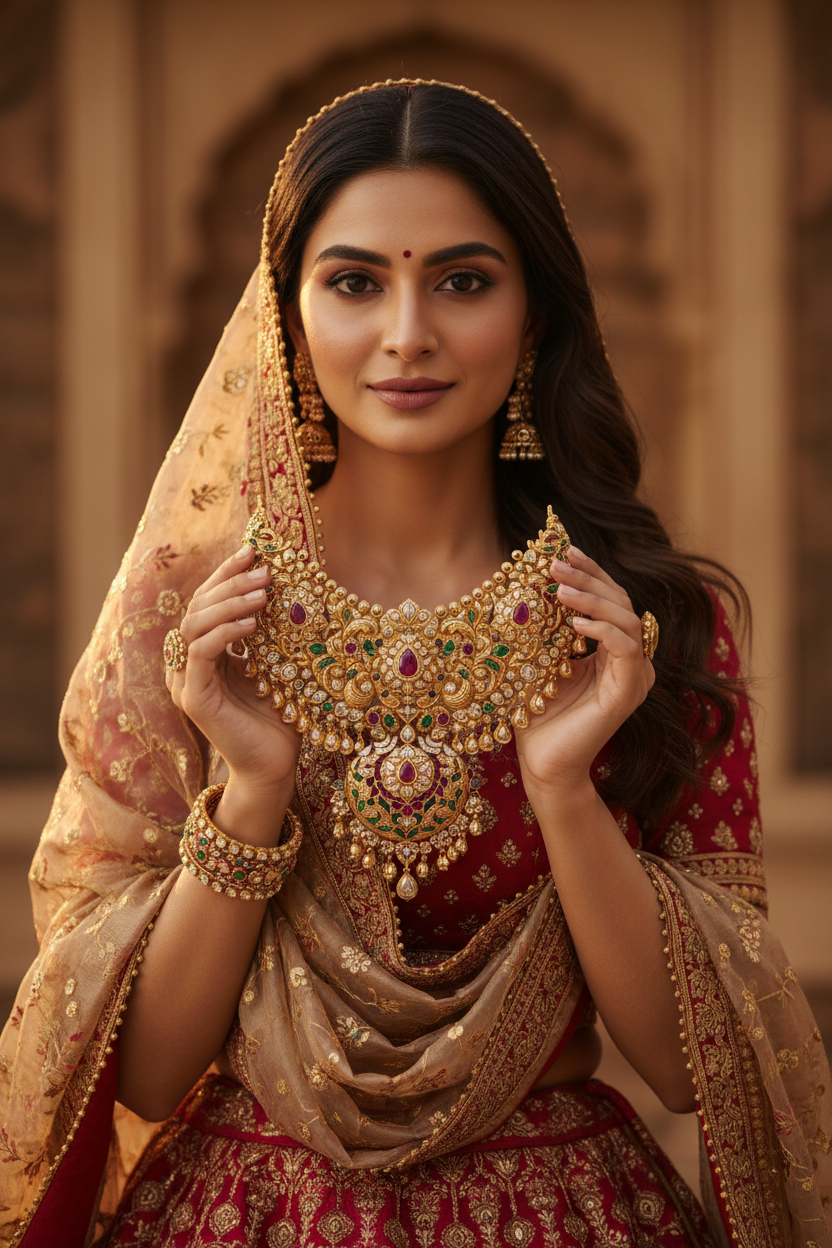
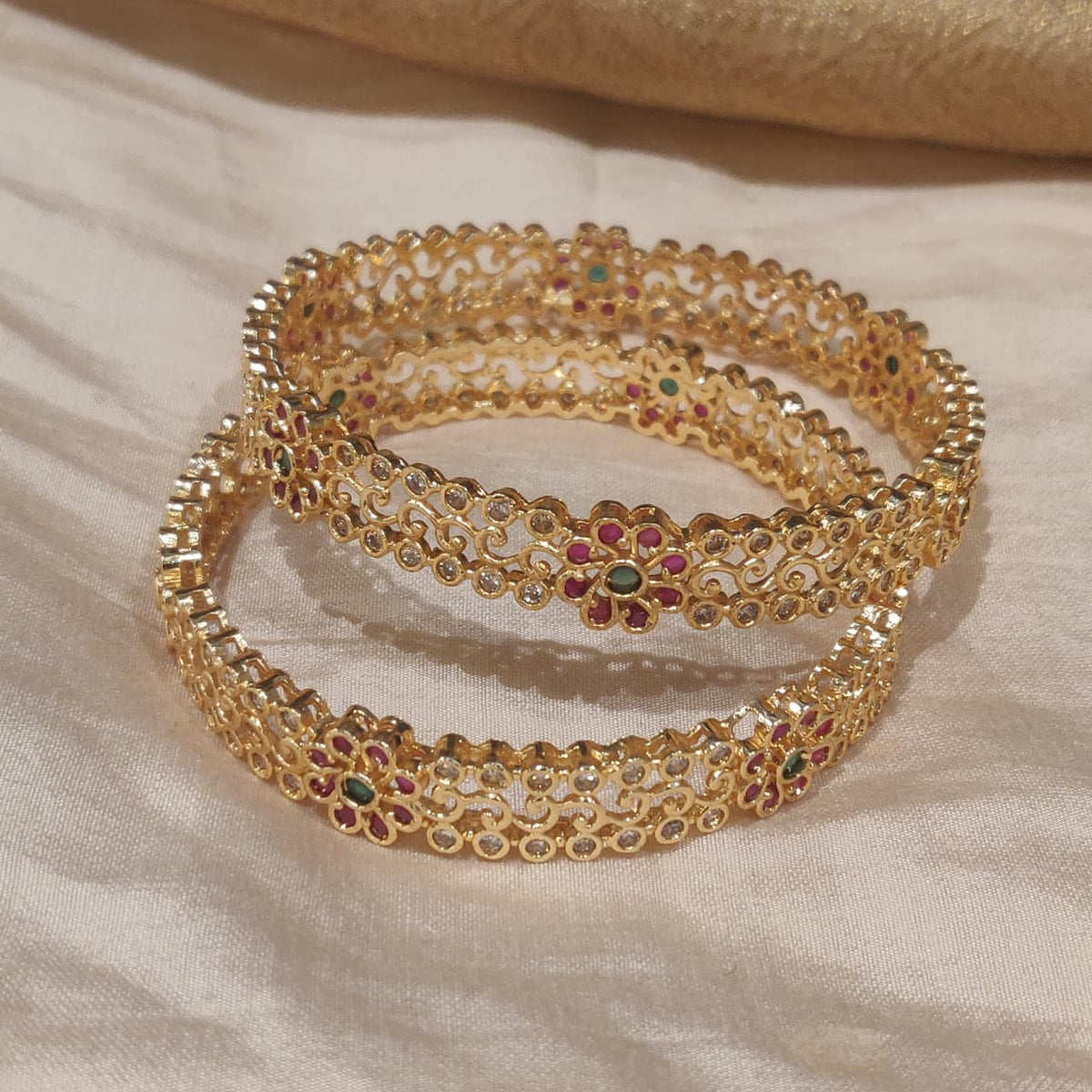
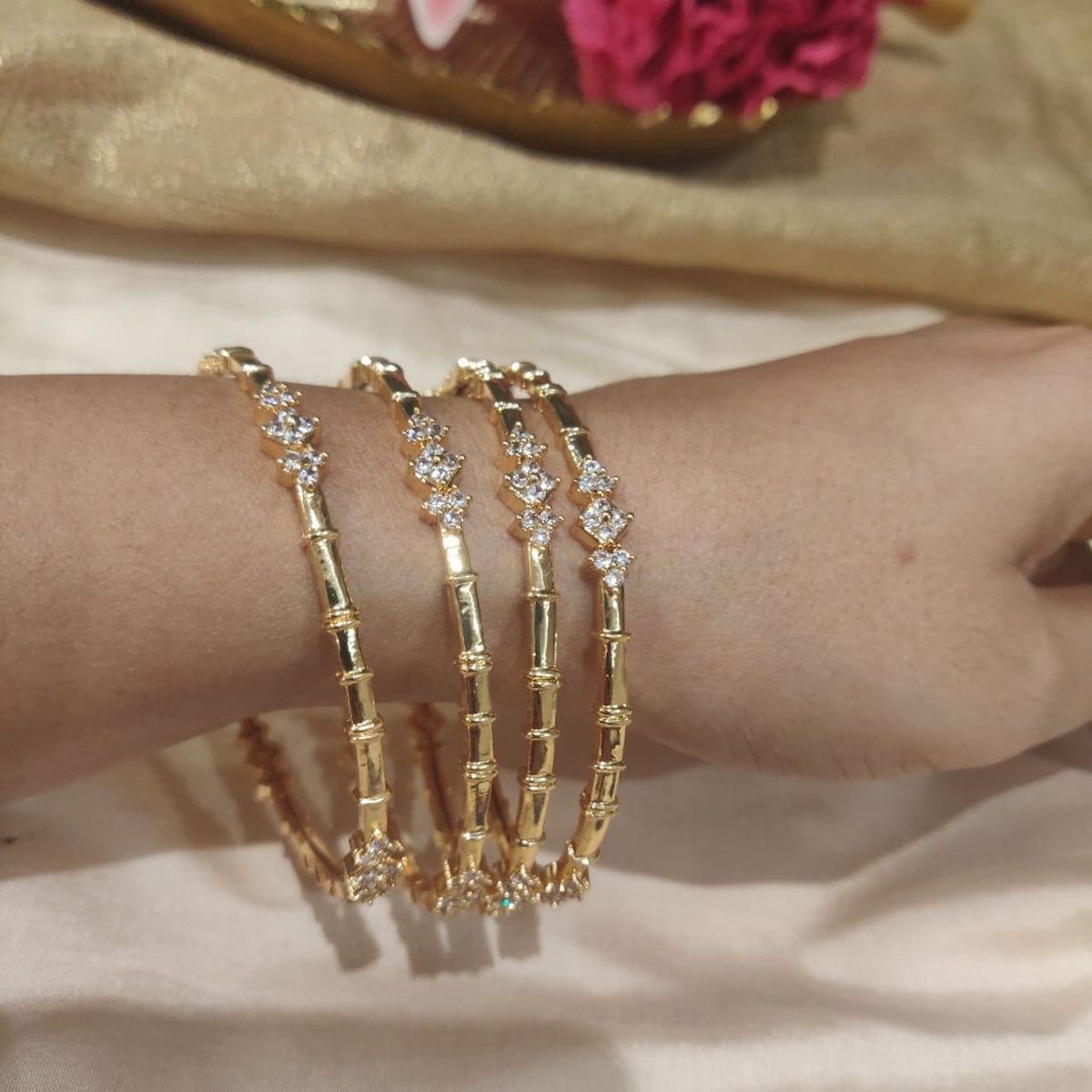
Mehendi and haldi ceremonies typically call for lighter, colourful pieces such as floral chokers, shell jewellery, or oxidised sets that complement casual lehengas and printed sarees. Sangeet and reception events support heavier kundan or AD stone sets with matching maang tikka, jhumkas, and bangles that photograph well under event lighting. Traditional gold bangle designs are a popular choice for reception looks, adding structured elegance that complements both heavy and lightweight bridal sets. Emporia Jewels bridal collections are organised by function, simplifying selection when coordinating multiple outfits across a multi-day wedding schedule. For more information, explore the designer jewellery online.
|
Occasion |
Recommended Style |
Key Pieces |
Approximate Price Range (INR) |
|
Bridal reception |
Heavy kundan or AD stone set |
Necklace, earrings, maang tikka, bangles |
1,500 to 4,500 |
|
Sangeet / mehendi |
Floral or oxidised set |
Choker, jhumkas, haath phool |
500 to 1,800 |
|
Diwali / Navratri |
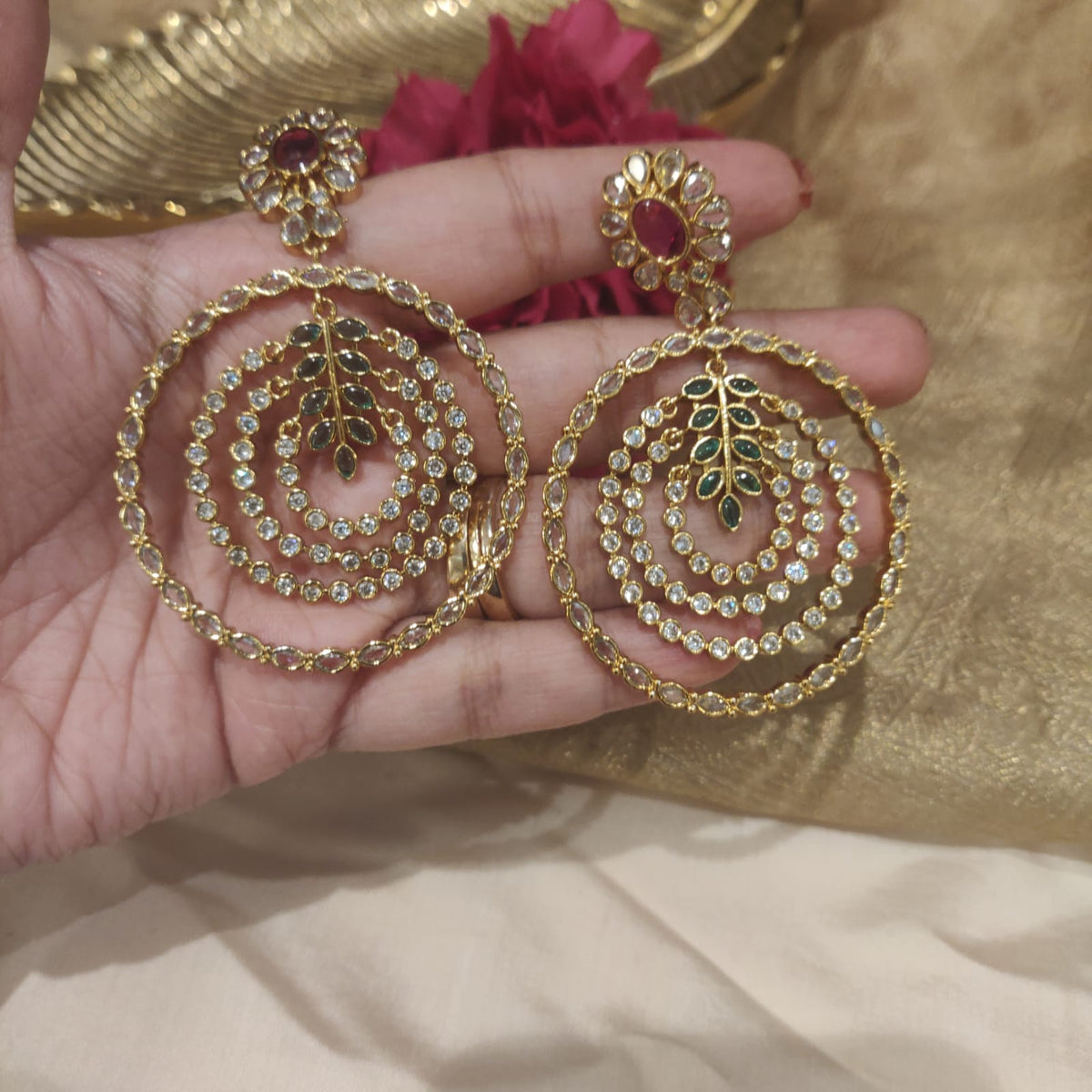
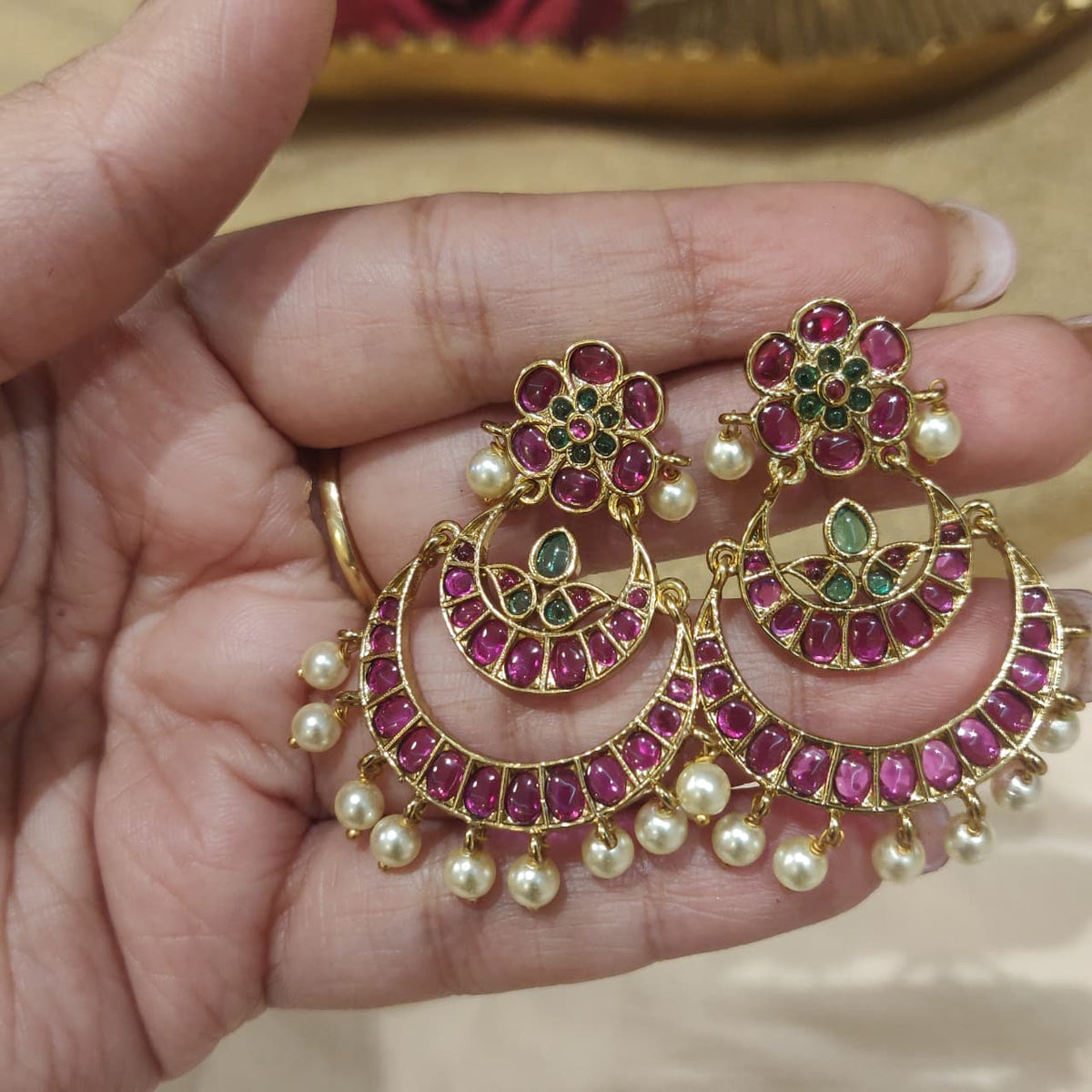
Chandbali or temple style |
Earrings, layered necklace |
300 to 1,200 |
|
Everyday ethnic |
Lightweight gold-plated |
Single earring or slim choker |
150 to 600 |
Why Emporia Jewels Stands Out for Traditional Indian Jewellery Online
Catalogue Depth Across Regional Styles and Occasions
Most online stores concentrate on one or two regional styles, leaving buyers to visit multiple platforms for a complete bridal trousseau. Emporia Jewels organises its catalogue by both style tradition and occasion type, so a buyer can move from a temple jewellery set for a South Indian wedding to a kundan maang tikka for a North Indian reception within the same session. This cross-regional depth reduces the coordination effort that typically comes with sourcing traditional jewellery from multiple vendors. For more information, explore the fashion jewellery online.
-
Wide range of kundan, temple, meenakari, and oxidised styles in one catalogue.
-
Bridal sets organised by wedding function for easier multi-day coordination.
-
Gold-plated and antique-finish options to match both silk and cotton ethnic wear.
-
Festival-specific collections updated seasonally for Navratri, Diwali, and Pongal.
-
Accessible price tiers that support building a full traditional jewellery wardrobe.
Frequently Asked Questions
What is the difference between kundan and temple jewellery?
Kundan jewellery uses a lac-filled base with set stones in Mughal-inspired designs, while temple jewellery features deity and nature motifs originally made for South Indian classical dance and religious use.
Can traditional Indian fashion jewellery be worn daily?
Lightweight oxidised or slim gold-plated pieces are suitable for regular ethnic wear, but heavier bridal sets are better reserved for special occasions to preserve their finish.
How should I store traditional Indian fashion jewellery?
Store each piece in a separate soft pouch or fabric-lined box to prevent surface contact, and keep sets away from moisture, perfume, and direct sunlight.
What traditional jewellery style suits a silk saree?
Temple jewellery with an antique gold finish or a classic kundan set pairs best with silk sarees, particularly Kanjivaram and Banarasi weaves.
Is it safe to buy traditional Indian jewellery online without seeing it in person?
Yes, provided the product listing includes clear close-up images, specific material details, and a transparent return or exchange policy before you complete the purchase.