

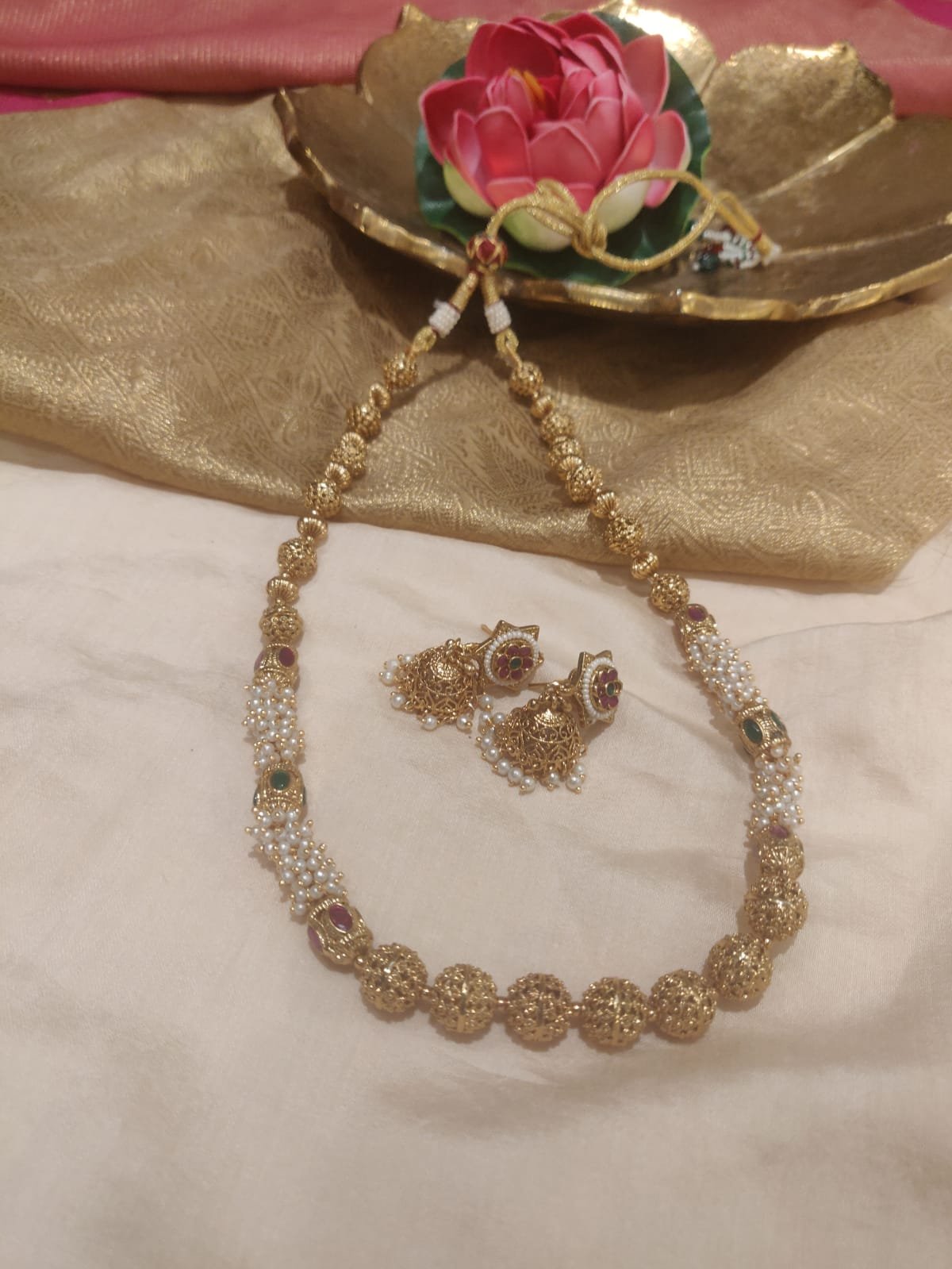
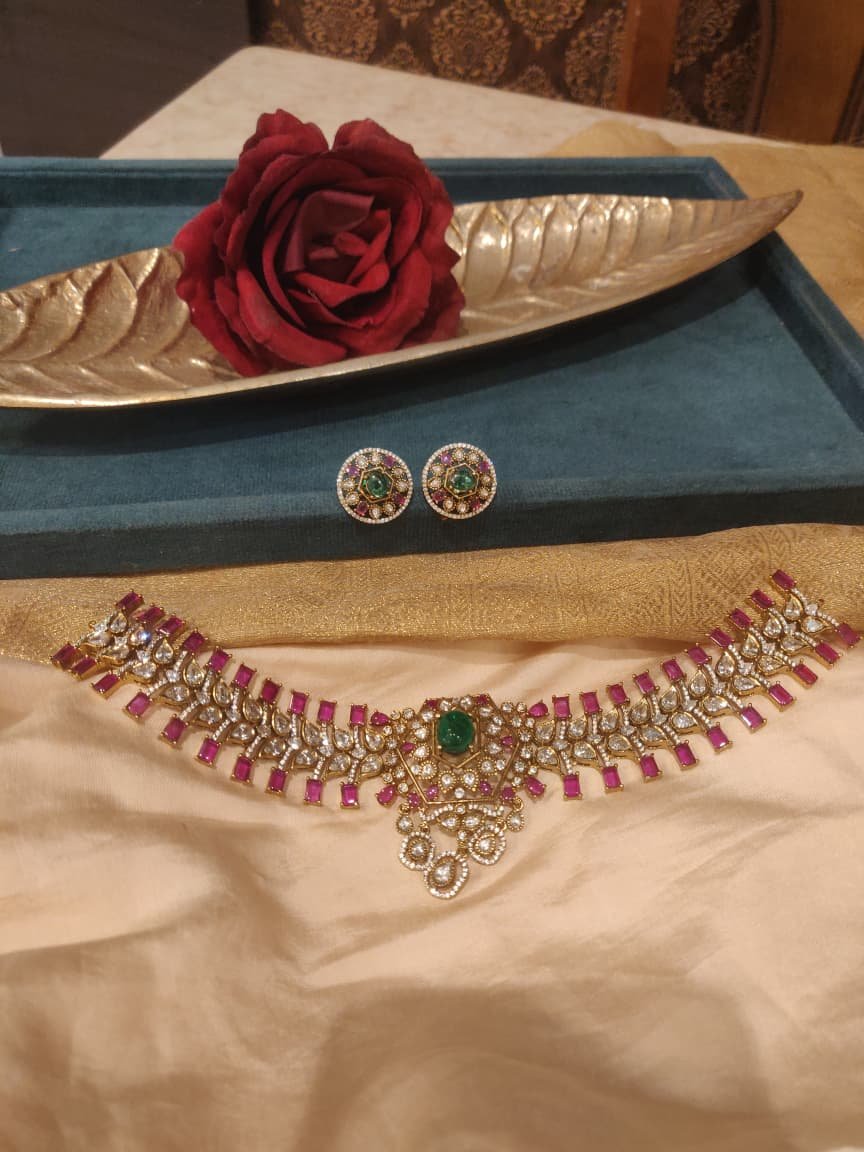
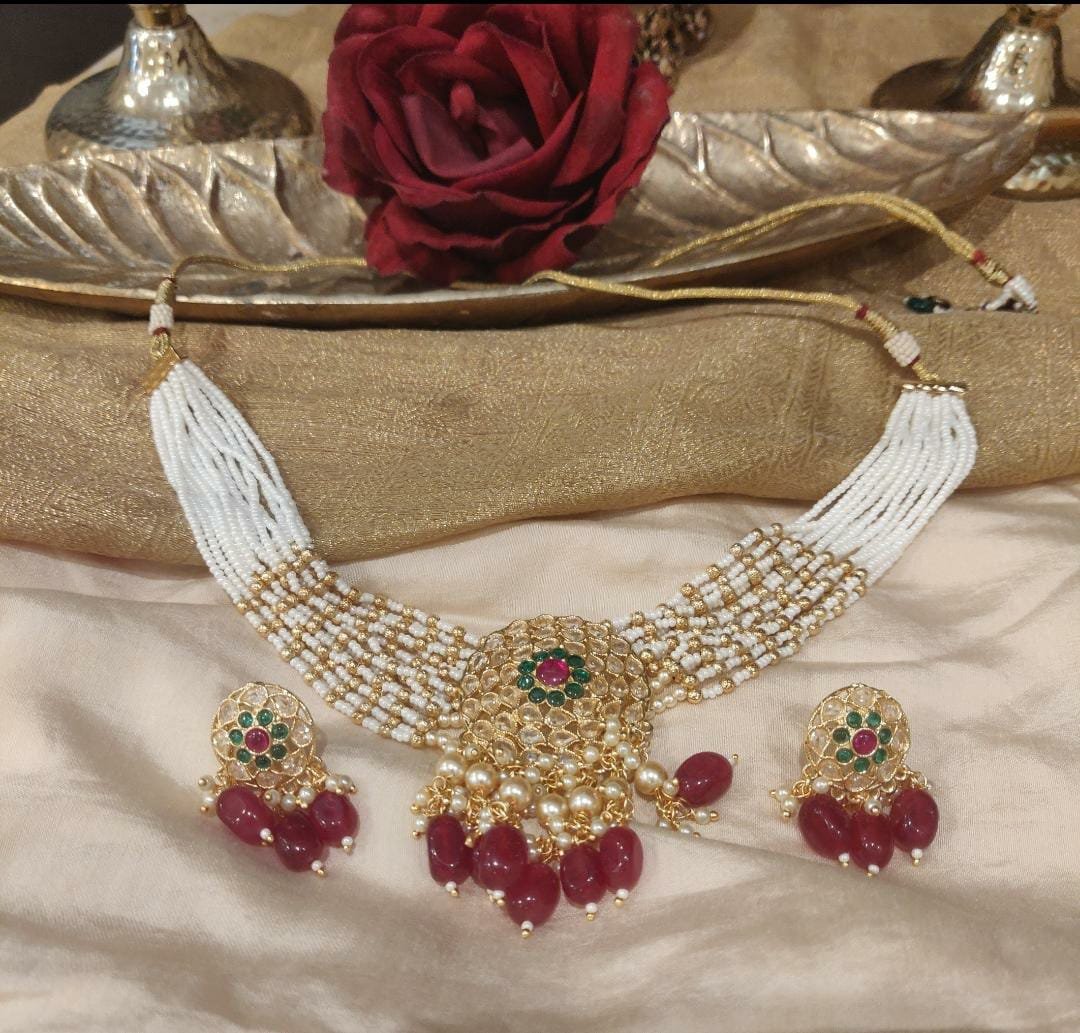
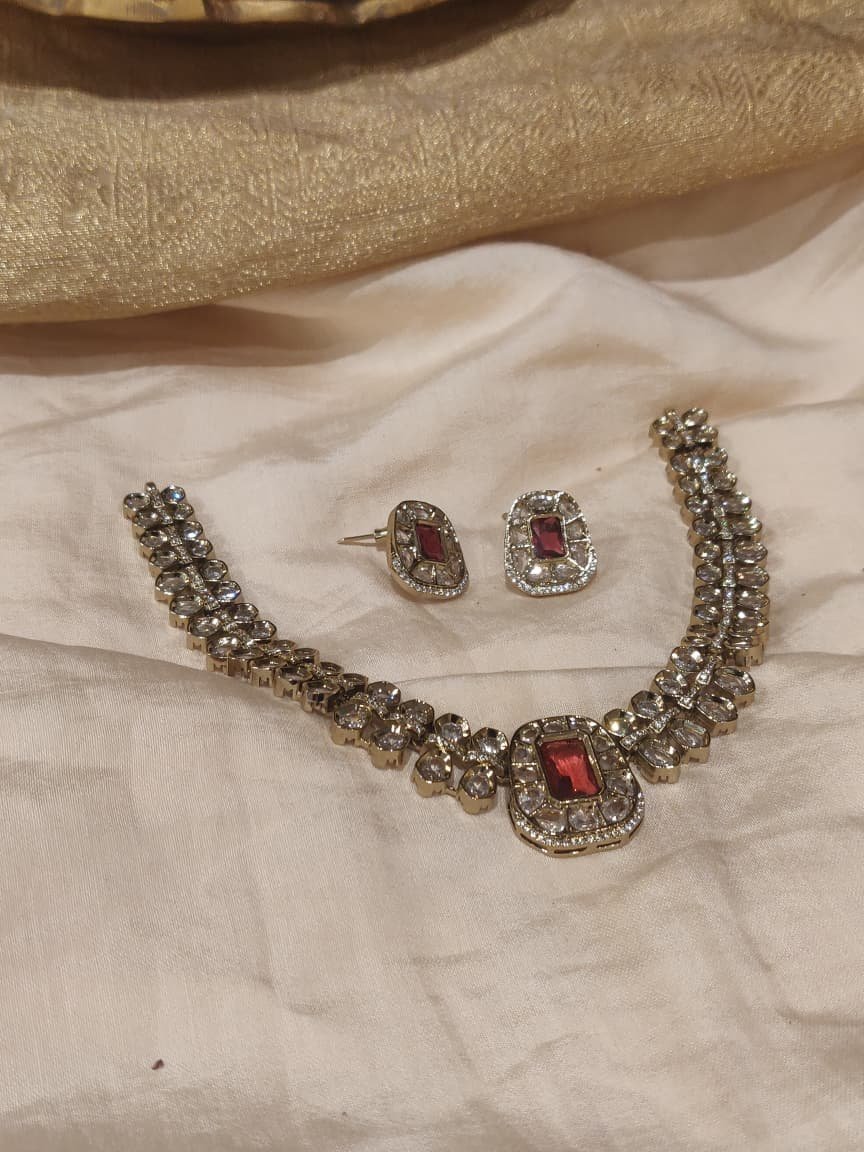
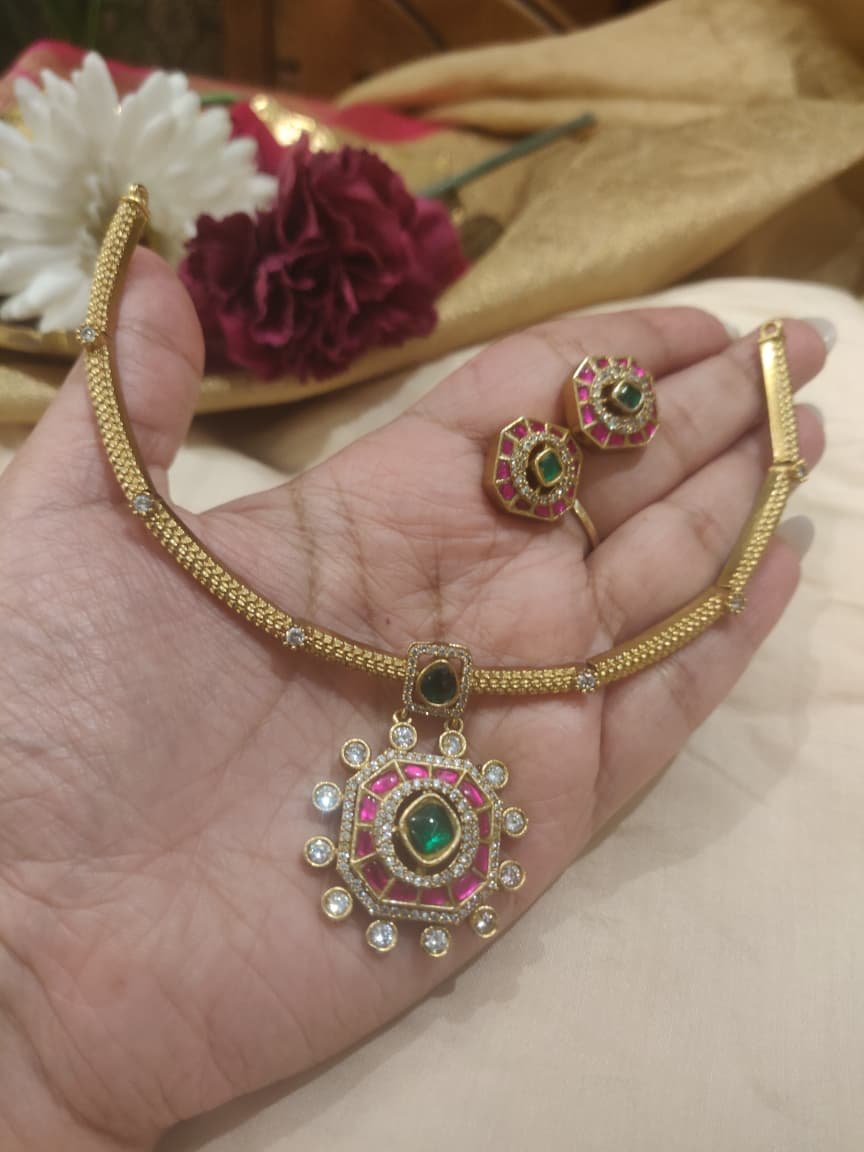
Pendant and Earring Set: The Science of Proportional Matching and Fine Metal Selection
Selecting a coordinated pendant and earring set involves more than matching colors or gemstones. In practice, achieving visual harmony requires balancing drop length, metal weight, and stone proportions against your facial structure. This comprehensive guide outlines the technical criteria for evaluating these fine jewellery pairings. Whether you are exploring a classic pearl necklace and earring set or a bold gemstone suite, understanding these principles ensures you invest wisely in pieces that complement your features and lifestyle for years to come.
Structural Anatomy and Calibration of Coordinated Jewellery Sets
Understanding Proportional Scale in Pendant Sets
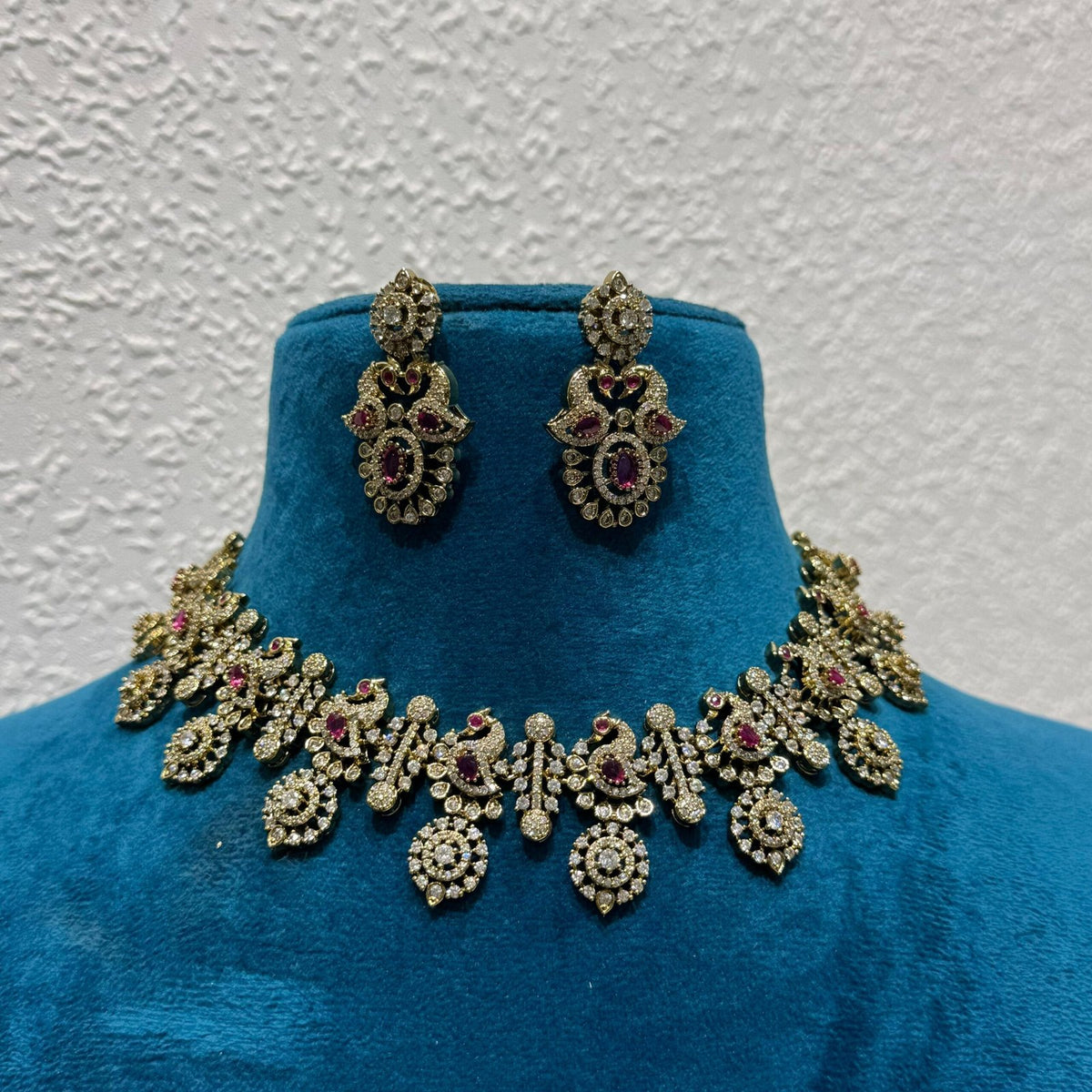
When selecting a pendant and earring set, the physical dimensions of the focal pendant must dictate the scale of the accompanying earrings to ensure a balanced aesthetic. For instance, a heavy teardrop pendant requires minimalist studs or delicate drops, whereas small slide pendants pair best with identical, equally scaled earrings. Jewellers utilise specific dimensional ratios, often keeping earring dimensions at roughly sixty percent of the main pendant's surface area to maintain visual balance. Applying this ratio consistently across different metal types and stone shapes helps buyers make more confident, informed decisions when browsing fancy artificial jewellery collections that replicate fine jewellery proportions at accessible price points.
Metal Weight and Purity Configurations
The overall durability and color consistency of your jewellery suite depend heavily on the specific gold alloy purity chosen for the design. Standard luxury configurations usually range from robust eighteen-karat gold for intricate gemstone settings to rich twenty-two-karat gold for traditional, metal-forward masterpieces. Ultimately, selecting matching purities across both pieces prevents contrasting metal undertones and ensures completely uniform wear characteristics over decades of frequent use. For more information, explore the designer jewellery online.
-
22K Gold: Highest purity alloy containing 91.6% pure gold, offering a rich yellow hue ideal for traditional designs.
-
18K Gold: Comprising 75% gold, this metal provides the structural strength necessary for secure gemstone claws.
-
14K Gold: A highly durable option with 58.3% gold, resisting scratches and daily wear-and-tear effectively.
-
Platinum: Hypoallergenic and dense white metal that securely grips precious stones with minimal wear over time.
Stone Settings and Gemstone Selection Criteria
Analyzing Prong versus Bezel Settings
The specific manner in which gemstones are secured in a pendant and earring set affects both brilliant light performance and everyday structural durability. While classic prong settings maximize light entry from all angles to enhance stone brilliance, they remain highly susceptible to snagging on fine clothing fibres. Conversely, secure bezel settings surround the entire perimeter of the gem with metal, offering maximum protection but slightly muting the stone's overall light refraction. Shoppers who prefer exploring a wide variety of setting styles will find it especially convenient to browse fashion jewellery online, where curated collections present both prong and bezel configurations across multiple price tiers. For more information, explore the fancy artificial jewellery.
|
Setting Type |
Light Refraction Rating |
Security Level |
Recommended Wear Profile |
|
Prong Setting |
Excellent (High sparkle) |
Moderate (Prongs can bend) |
Occasional or evening wear |
|
Bezel Setting |
Moderate (Metal collar) |
Maximum (Fully enclosed) |
Daily active wear |
|
Channel Setting |
Good (Linear reflection) |
High (Gems flush with metal) |
Sleek modern suites |
|
Pavé Setting |
High (Surface shimmer) |
Moderate (Small prongs) |
Accent jewelry and clusters |
Color Coordination and Light Refraction
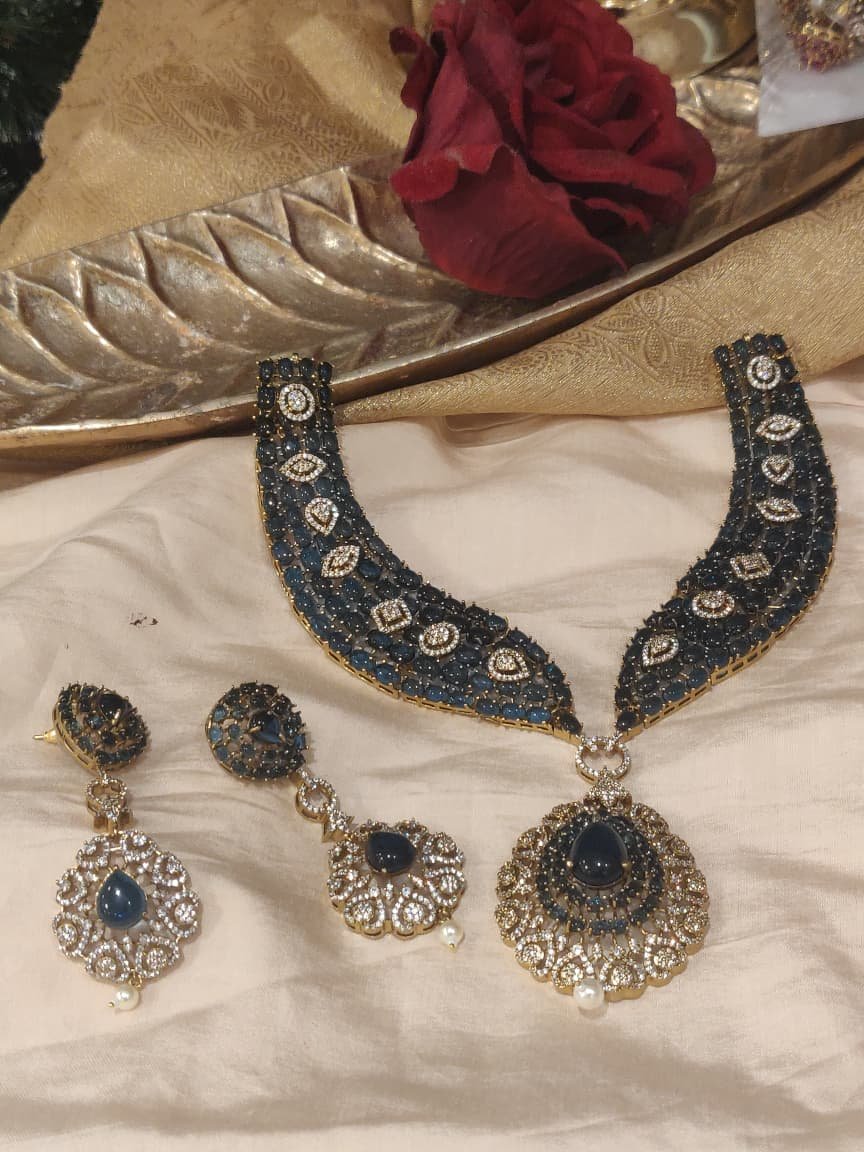
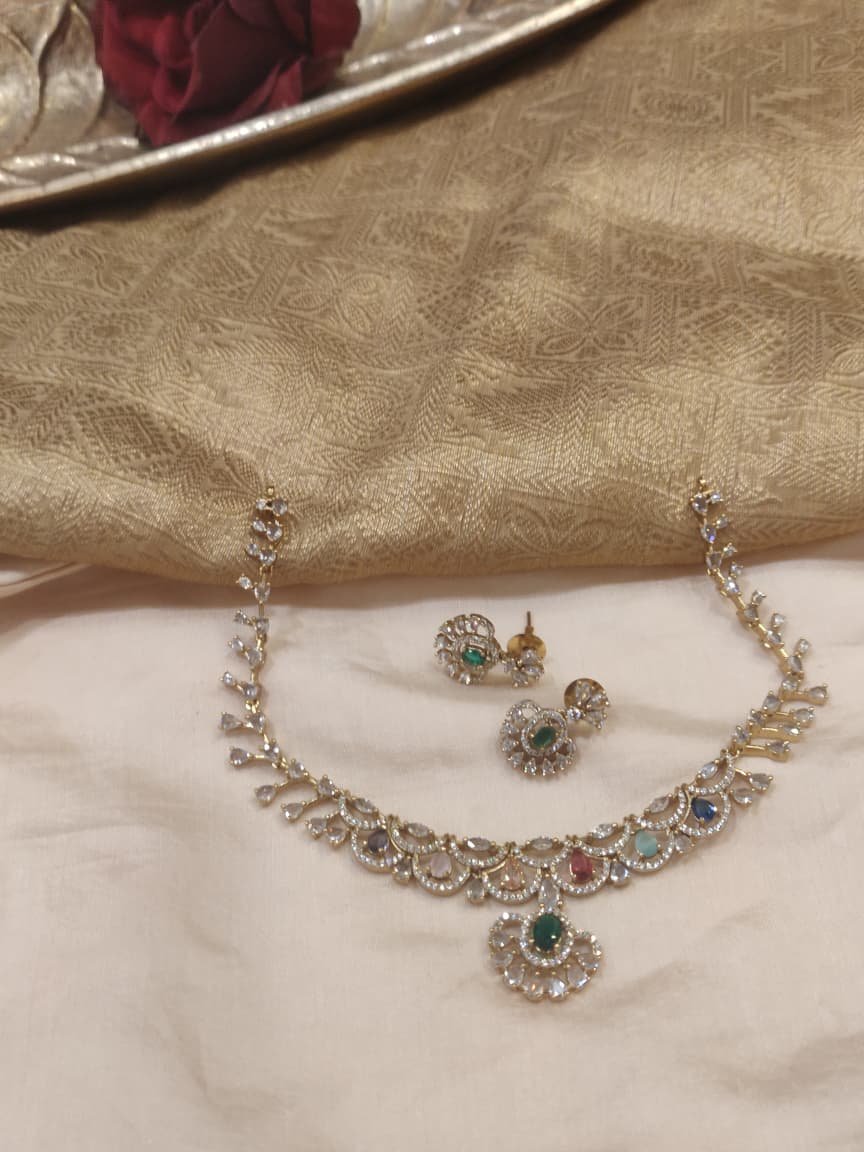
True color continuity in a premium gemstone pendant and earring set requires meticulously matching the gem's hue, tone, and saturation across all three focal points. Slight variations in natural stone depth can make the main pendant appear darker than the earrings, breaking the cohesive illusion of the matching suite. Selecting professionally calibrated gems ensures that each individual component reflects light at identical angles, projecting a unified, flawless, and premium appearance. Reputable retailers who specialize in designer jewellery online typically provide detailed stone grading information, making it far easier to verify color consistency before purchasing a complete set remotely.
Buying Guide: Choosing Sets by Face Shape and Occasion
Architectural Matching for Facial Symmetry
Matching your coordinating jewellery to your architectural facial structure helps naturally harmonize your overall proportions and highlight your best features. For example, individuals with round face shapes benefit greatly from elongated drops and vertical pendants that create a flattering, lengthening visual effect. In contrast, those with heart-shaped faces should opt for wider teardrop earrings coupled with a simple, understated pendant to balance the jawline. For more information, explore the Traditional gold bangle designs.
-
Identify your primary face shape by measuring the widest parts of your forehead, cheekbones, and jaw.
-
Determine your neck length to select the correct standard chain length for your pendant.
-
Choose matching earrings that contrast with your face shape to create a balanced silhouette.
-
Verify the weight of the earrings to ensure they remain comfortable throughout long events.
Formal versus Daily Wear Configurations
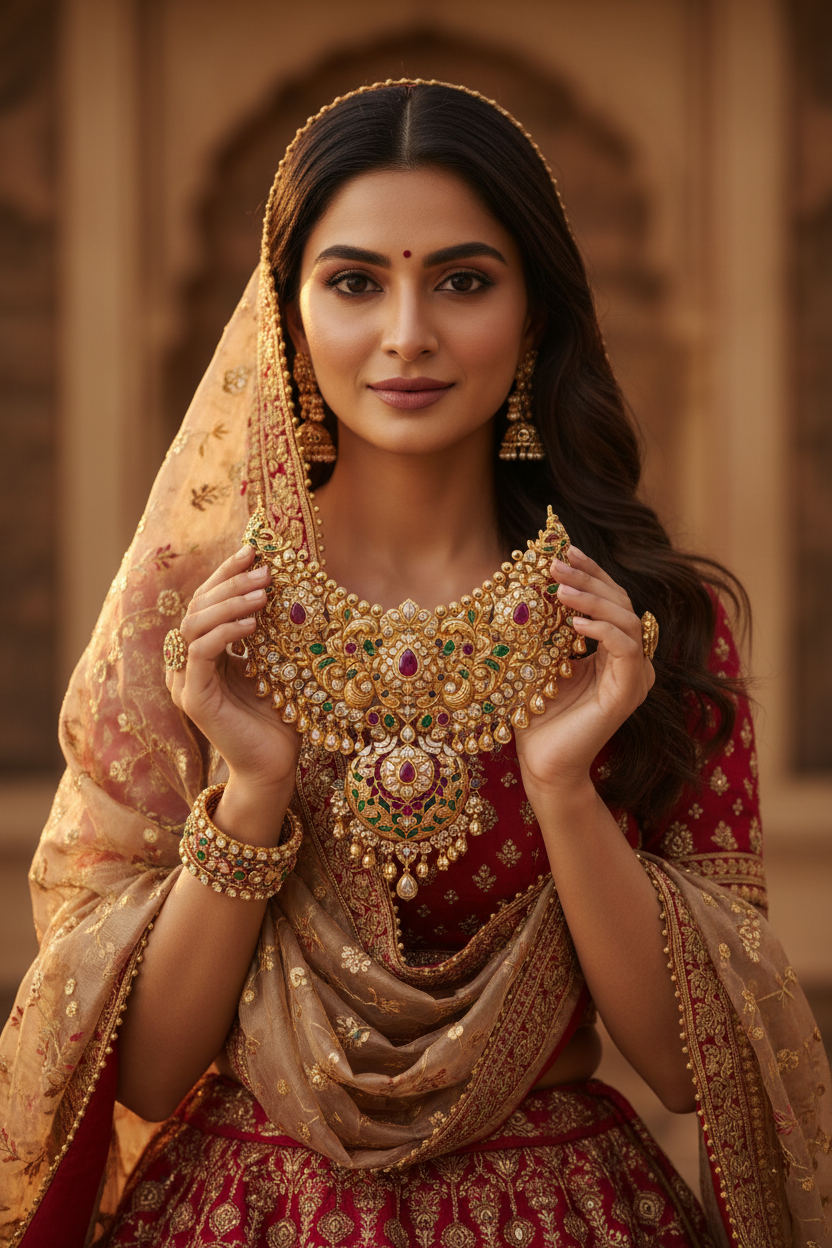
Everyday lifestyle demands dictate whether you should invest in a minimalist daily set or an ornate ceremonial suite. Brands like Emporia Jewels offer versatile configurations that bridge this gap, ensuring that buyers do not have to sacrifice wearability for elegance. Evaluating your typical weekly activities will guide you toward the most practical metal weights and stone sizes for your budget. Traditional gold bangle designs can also be layered alongside pendant sets to create a cohesive bridal or festive look that feels both culturally rooted and visually polished.
|
Feature |
Daily Wear Configuration |
Formal Ceremonial Wear |
|
Chain Type |
Robust cable or box chain |
Intricate snake or rope chain |
|
Earring Style |
Friction-back studs or small hoops |
Chandelier drops or long dangles |
|
Gemstone Size |
Subtle solitaire under 1 carat |
Multi-stone clusters over 2 carats |
|
Metal Type |
Durable 18K gold or platinum |
Traditional high-polish 22K gold |
Maintenance, Longevity, and Quality Evaluation
Structural Integrity and Clasp Inspection
Before acquiring any fine jewellery set, verifying the structural integrity of the fastening mechanisms is absolutely vital for preventing accidental loss. Pendants require a sturdy, fully soldered bail that slides smoothly along the neck chain without binding or catching on fine links. For the earrings, tension-post clutches or threaded screwbacks offer the highest level of security, particularly for high-value precious gemstone pairs. For more information, explore the fashion jewellery online.
-
Lobster Clasp: Highly secure mechanical latch recommended for heavier, premium pendant chains.
-
Spring Ring: Lightweight and affordable clasp best suited for thin, delicate neck chains.
-
Screw Back: Threaded earring post that prevents accidental slippage of valuable diamond studs.
-
Lever Back: Hinged closure that secures drop earrings without requiring separate loose backings.
Frequently Asked Questions
Should a pendant and earring set always feature matching gemstones?
While traditional sets feature identical stones, contemporary styling allows for complementary gemstones of the same color family or tonal palette.
What is the most secure backing for heavy pendant set earrings?
Threaded screw backs provide the highest level of safety by mechanically locking the earring onto the post.
How do I prevent my pendant from twisting on its chain?
Ensure the pendant bail is perfectly balanced and slightly heavier than the chain itself to keep it centred.
Is 18K or 22K gold better for a gemstone-heavy set?
An 18K gold alloy is superior for gemstone-heavy sets because its alloy components provide the structural hardness needed to hold stones securely.
How should I store my jewellery sets when travelling?
Keep the pendant and earrings in separate soft pouches to prevent them from rubbing and scratching each other during transit.