

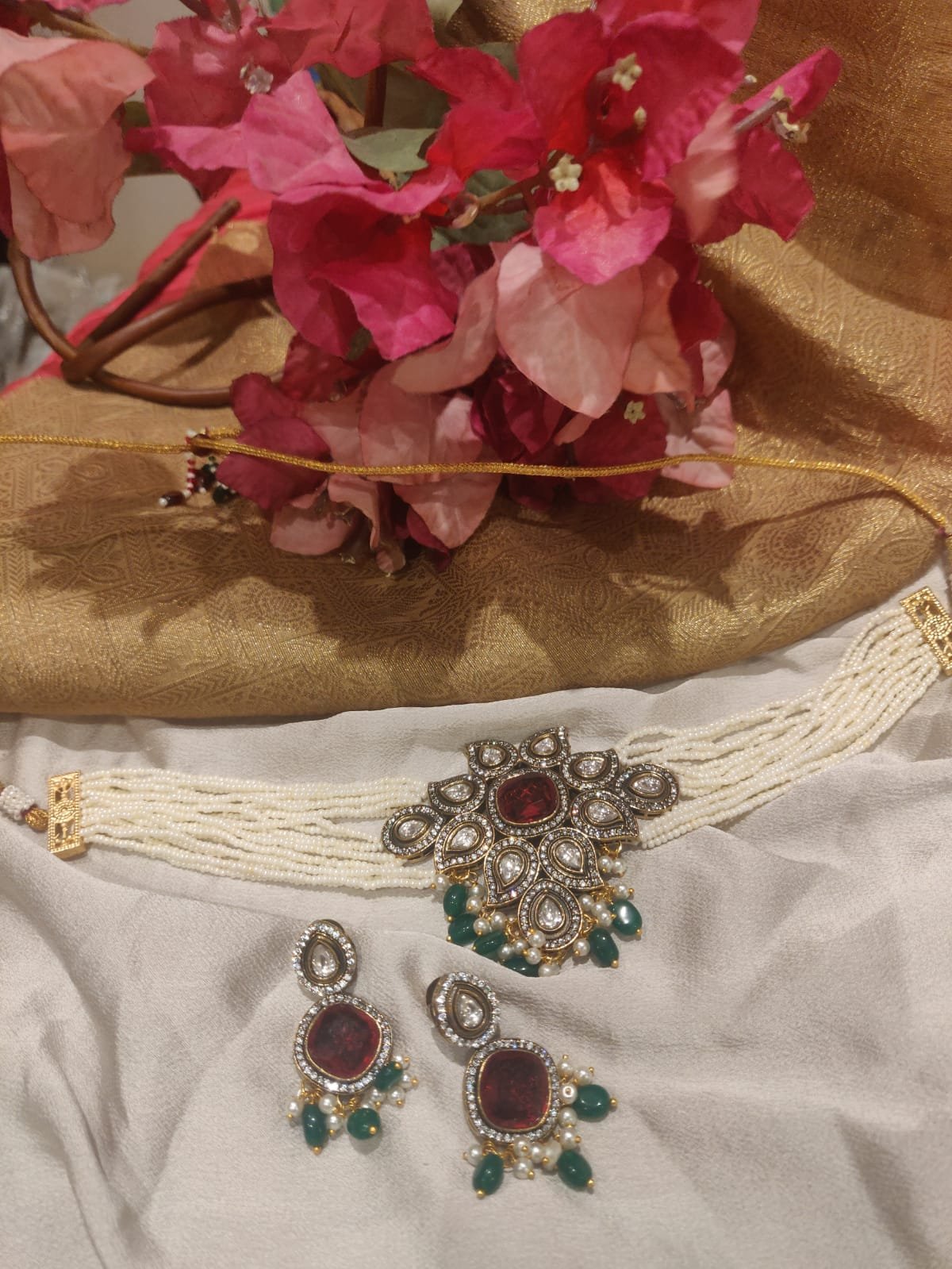
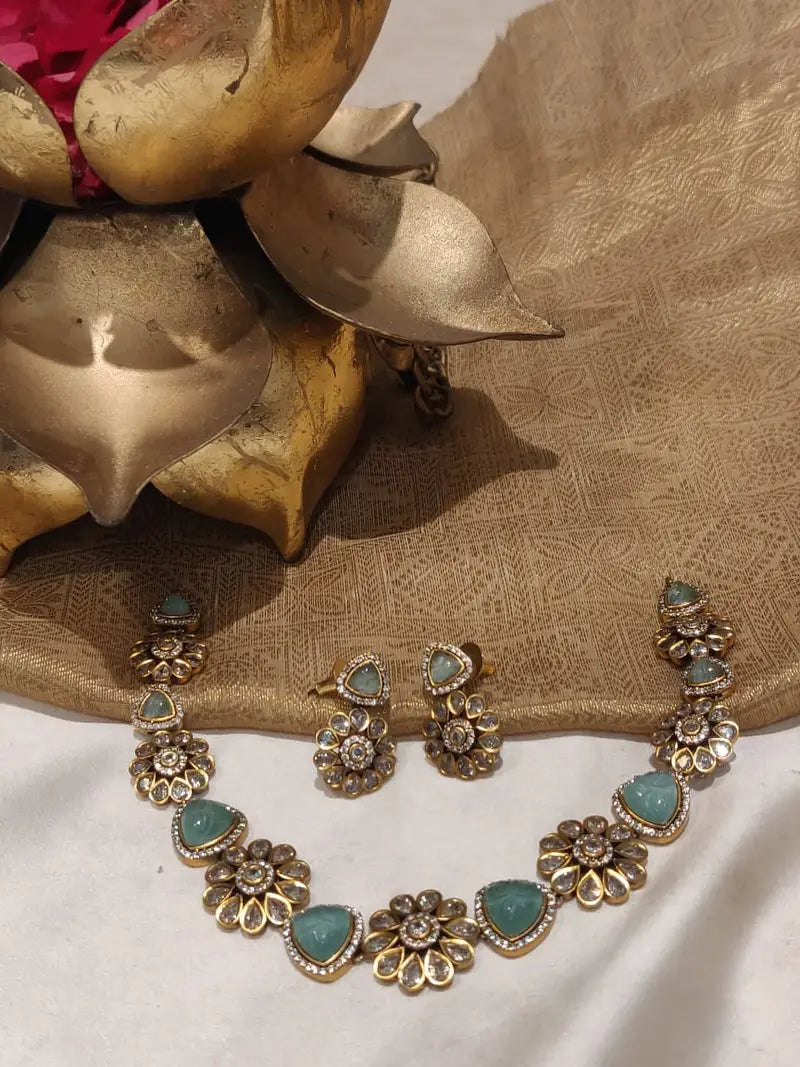
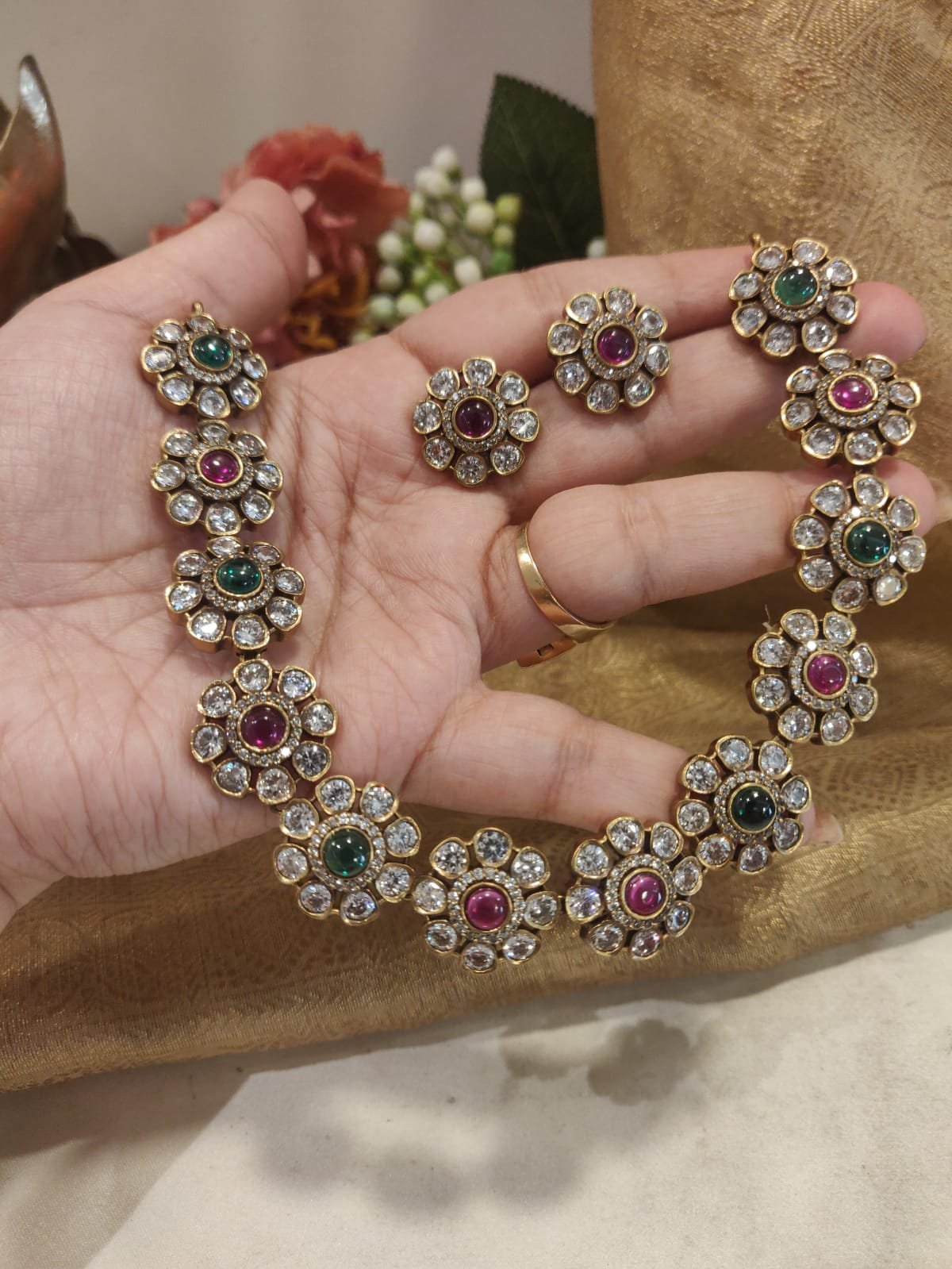
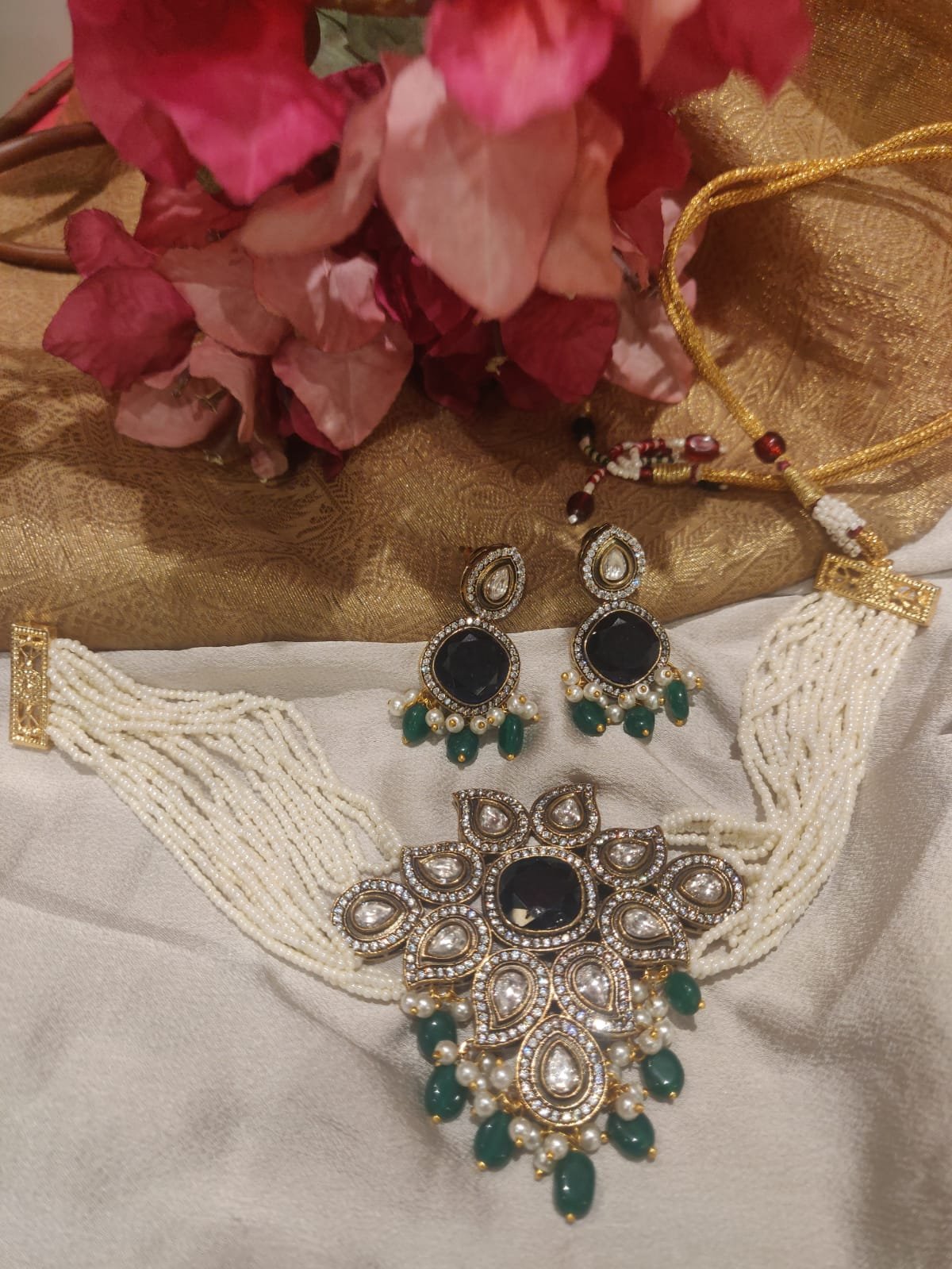
Kundan Jewelry Decoded: The Royal Craft, How It Is Made, and How to Wear It Today
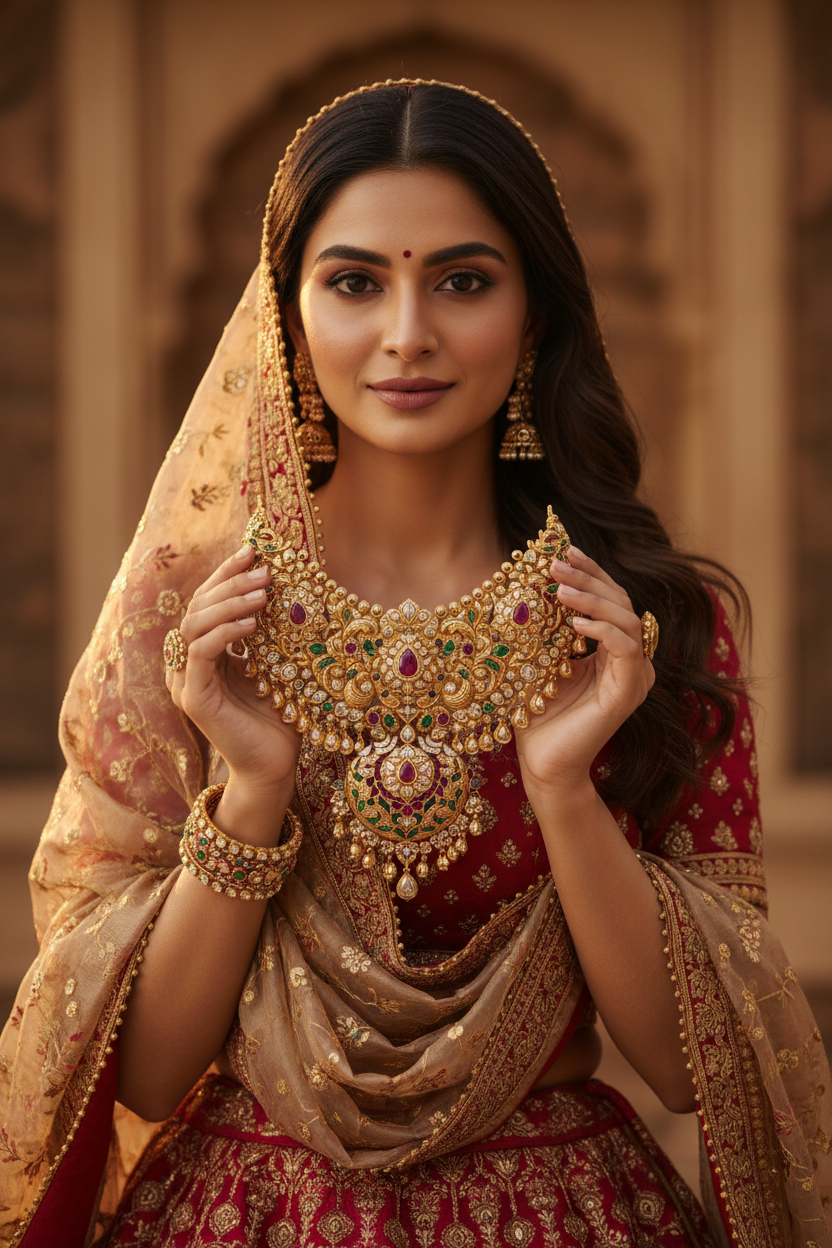
Long before it showed up on wedding hashtags, Kundan jewelry was worn in the royal courts of Rajasthan and the Mughal empire. Kings commissioned it, queens wore it to court, and skilled artisans in Jaipur and Bikaner passed the technique down within families for generations.
Today, Kundan jewelry is one of the most recognized styles in Indian fashion. But most people who wear it know very little about where it comes from or how it is made. This guide covers its history, the step-by-step craft behind it, the main types you will see, and how to wear Kundan in a way that feels current rather than costume-like.
Where Kundan Jewelry Comes From
The Royal Roots
Kundan is widely linked to the courts of Rajasthan and grew in prominence under Mughal patronage. Jaipur and Bikaner became major centers for the craft, and they remain closely tied to it today.
The word "kundan" traditionally refers to highly refined gold. In classic Kundan work, artisans pressed thin sheets of this pure gold around stones to hold them in place. This setting method allowed stones of irregular shapes to be set without prongs, which gave Kundan its distinctive, smooth-edged look.
From Court to Wedding Hall
Over time, Kundan moved from royal wardrobes into wedding traditions, especially in North India. It became a favorite for brides in Rajasthan, Punjab, Delhi, and Uttar Pradesh. Today, it is worn across India and by the Indian diaspora worldwide, especially for weddings and festive occasions.
How Kundan Jewelry Is Made: The Traditional Process
Traditional Kundan work involves several specialist artisans. Each stage is usually handled by a different craftsperson.
-
Design sketch: The designer draws the piece, deciding on stone placement, motifs, and proportions.
-
Making the frame (ghaat): A metalsmith creates the base structure of the piece, including hollow spaces where stones will sit.
-
Engraving: Fine patterns are carved into the metal, especially on the reverse side.
-
Meenakari (enameling): If the piece has enamel work, colored enamel is filled into the engraved patterns on the back. This is why many Kundan pieces look just as detailed on the reverse.
-
Stone setting: Stones are placed into the frame. Foil is often added behind them to boost their shine. The edges are then sealed with the refined metal, giving the piece its signature finish.
-
Finishing and stringing: A patua (threading artisan) adds silk threads, beads, or chains, and the piece is polished.
Fashion Kundan jewelry today recreates this look using alloy bases, glass stones, and foil backing. It keeps the visual language of traditional Kundan while making it far more accessible and lighter to wear.
Kundan vs Polki vs Jadau vs Kundan Meena: What Is the Difference
These terms are often used interchangeably, but they mean different things.
Kundan
Refers to the stone-setting technique and the finish it creates. Stones are set flush within metal borders, with a polished, framed look.
Polki
Traditionally refers to uncut, unpolished diamonds set in the Kundan style. Polki has a more raw, antique glow compared with the shinier finish of Kundan glass stones. Fashion versions recreate the look with stones designed to mimic that uncut appearance.
Jadau
Jadau is the broader traditional craft of embedding stones into metal, and Kundan is one of its methods. You will often see "Jadau Kundan" used to describe the classic royal style.
Kundan Meena
This describes Kundan pieces with Meenakari enamel work, usually on the reverse side. It is one of the most popular combinations for bridal sets because it adds color and detail.
How to Tell a Well-Made Kundan Piece
Whether you are buying in a store or online, check these details:
-
Stone alignment: Stones should sit evenly, with no visible gaps or tilting.
-
Clean borders: The metal edges around each stone should look smooth, not lumpy or uneven.
-
Reverse side: A well-made piece looks finished on the back too, not rough or glued.
-
Consistent color: Matching stones should be the same shade across the full piece.
-
Secure stringing: Threads, chains, and clasps should feel firm and adjustable.
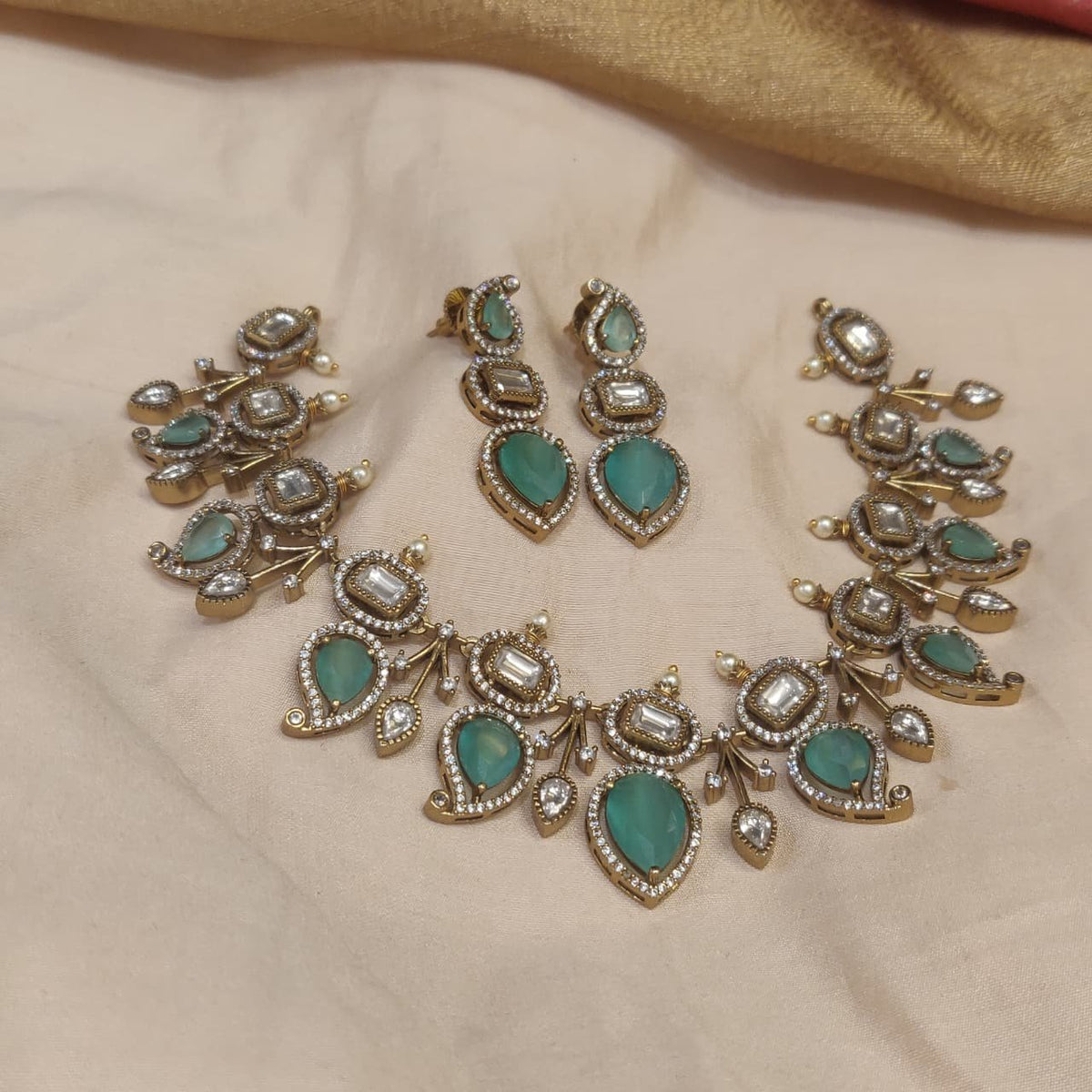
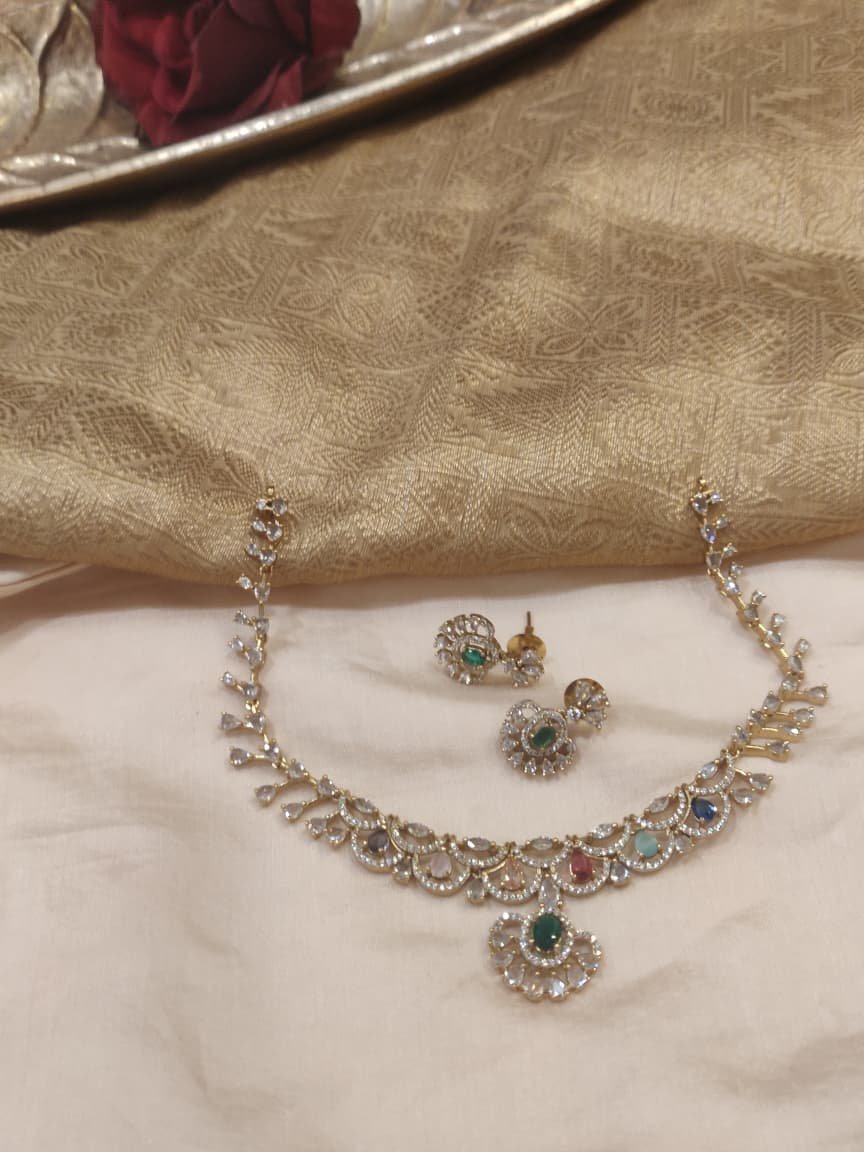
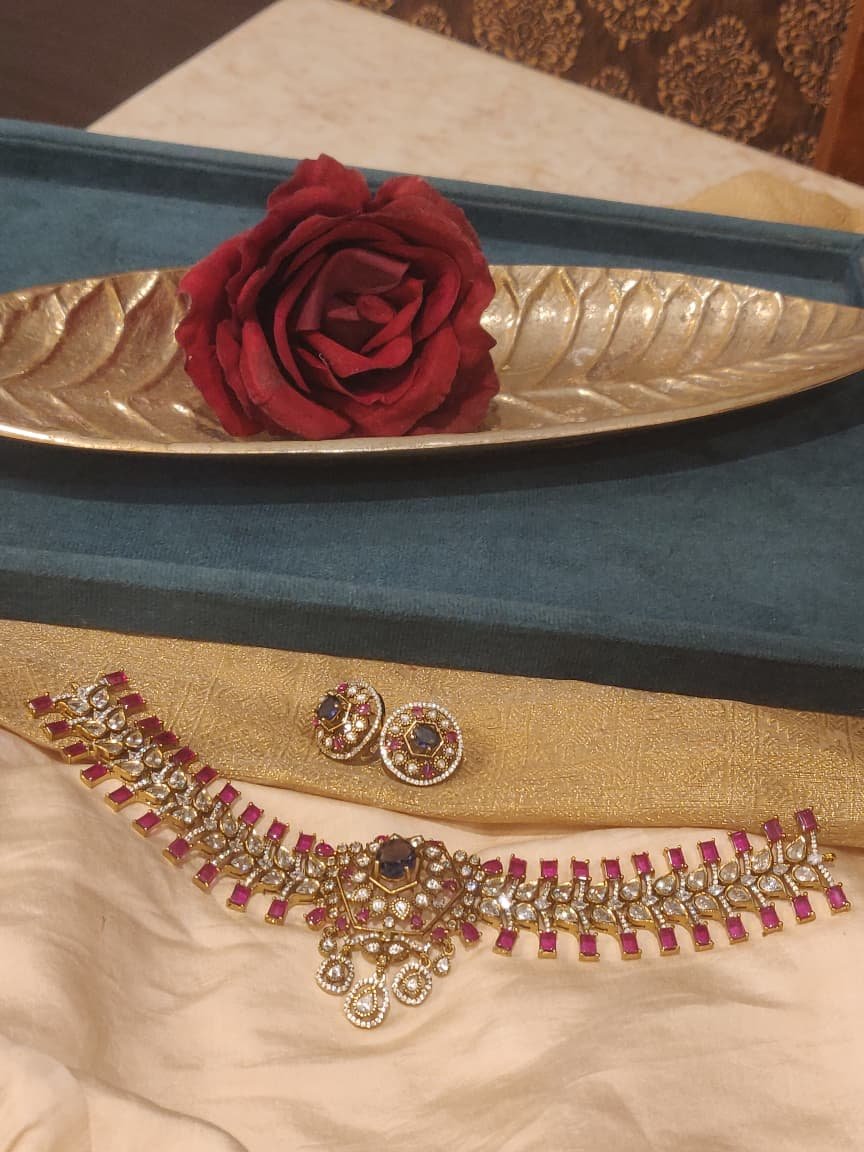
When shopping online, look for close-up photos of both the front and the back. Emporia Jewels includes detailed product images so you can see stone setting and finish before you buy.
Modern Ways to Wear Kundan Jewelry
Kundan does not have to mean a full bridal set. Here are ways to wear it that feel fresh.
The Single Statement Piece
Pick one bold Kundan item, such as a choker or large earrings, and keep everything else minimal. This works well for festive dinners and Diwali parties.
Kundan With Pastels
Kundan has traditionally been paired with deep reds and maroons. Pairing it with pastel lehengas, mint green suits, or blush sarees gives it a modern, lighter feel.
Kundan With Indo-Western Outfits
A Kundan choker with a cape-style top, a dhoti skirt, or a structured jacket looks intentional and fashion-forward. Keep earrings small so the choker stays the focus.
Kundan Earrings Only
For office festivals, college events, or casual gatherings, Kundan earrings alone give an ethnic touch without looking overdressed. Explore a wider range of fancy artificial jewellery to find earrings that pair with Kundan necklaces you already own.
Mixing Kundan With Other Styles
Kundan pairs surprisingly well with pearls, since pearl strands soften the boldness of the stones. Many modern brides also mix Kundan with Polki-style pieces for a layered, heirloom look.
Kundan for Different Occasions
-
Bridal: Full Kundan Meena set with necklace, earrings, maang tikka, and matching bangles.
-
Wedding guest: A Kundan choker or necklace with matching earrings, no tikka.
-
Festivals: Kundan earrings or a medium-sized necklace with an ethnic suit or saree.
-
Engagement or roka: A lighter Kundan set, often in pastel stone colors.
-
Reception: A more contemporary Kundan design, or a mix of Kundan and modern pieces. Browse the designer jewellery online collection at Emporia Jewels for pieces that blend Kundan details with modern shapes.
How to Care for Kundan Jewelry
Kundan settings need gentle handling.
-
Store each piece flat in a soft-lined box, separate from other jewelry.
-
Keep pieces away from water, perfume, and hairspray.
-
Wipe gently with a soft, dry cloth after each wear.
-
Avoid pulling on threads or stringing when removing a piece.
-
Wrap pieces in soft cloth or butter paper when traveling to protect the edges.
Conclusion
Every Kundan piece carries a little of its royal past: the frame, the enamel, the foil-backed stones, and the careful hands that put it together. Knowing that history changes how you wear it. You start choosing pieces for their craft, pairing them with intention, and caring for them so they last. That is the real way to wear Kundan jewelry today: with an understanding of what makes it special.
Frequently Asked Questions
What is Kundan jewelry?
Kundan is a traditional Indian jewelry style where stones are set flush into metal frames. It originated in the royal courts of Rajasthan and is now popular for weddings and festive wear.
Where did Kundan jewelry originate?
Kundan is closely linked with Rajasthan, especially Jaipur and Bikaner, and grew under Mughal royal patronage.
What is the difference between Kundan and Polki?
Kundan refers to a setting technique and its polished finish. Polki traditionally refers to uncut diamonds set in that style, which gives a more raw, antique glow.
Is Kundan jewelry heavy to wear?
Traditional Kundan can be heavy, but fashion Kundan made with alloy bases is usually lighter and easier to wear for long events.
Can Kundan jewelry be worn with western outfits?
Yes. A single Kundan choker or a pair of Kundan earrings can work well with Indo-western or simple western outfits.
How do I store Kundan jewelry?
Store it flat in a soft-lined box, away from moisture and perfume, and keep each piece separate to protect the settings.