

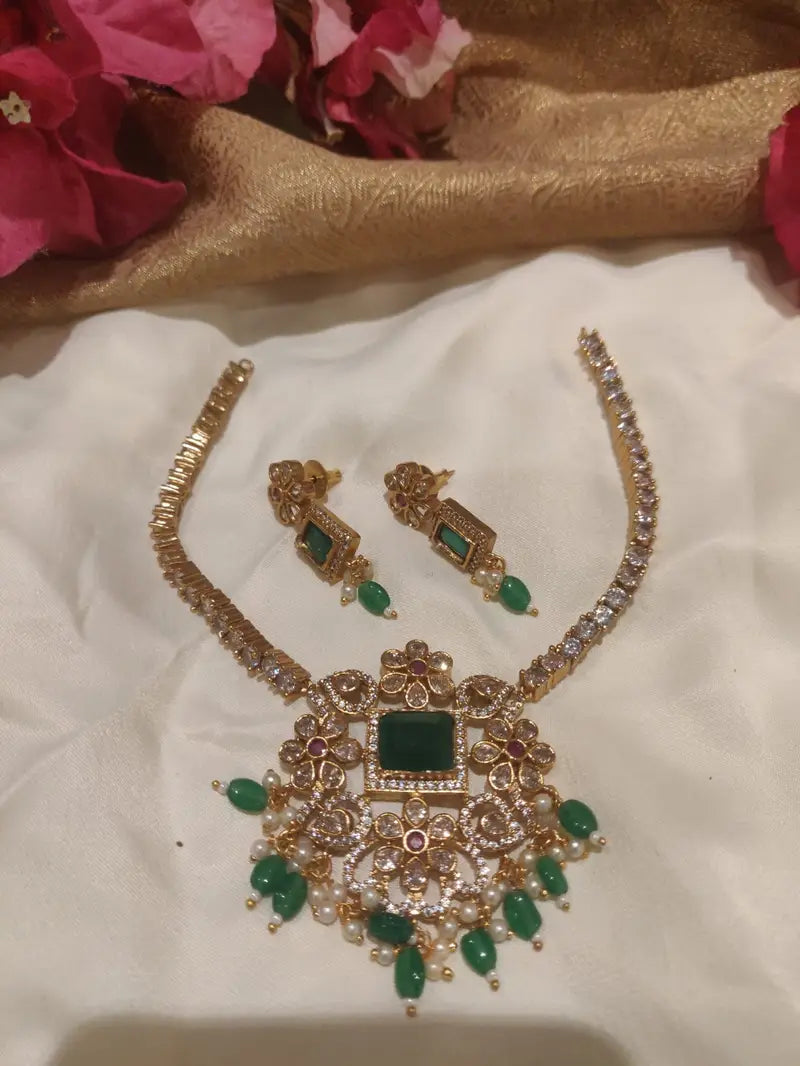
Kundan Jewellery: The Definitive Expert Guide to Royal Craftsmanship, Authenticity, and Modern 2026 Styles
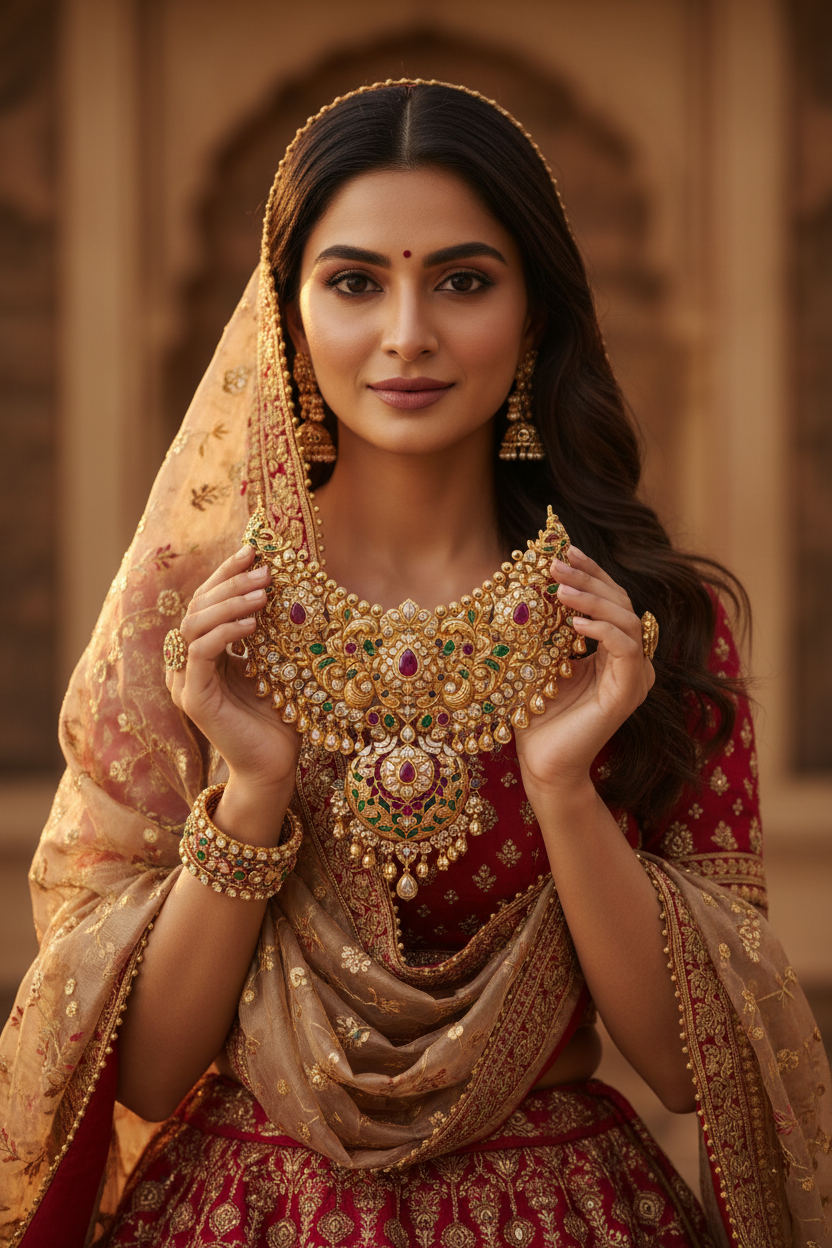
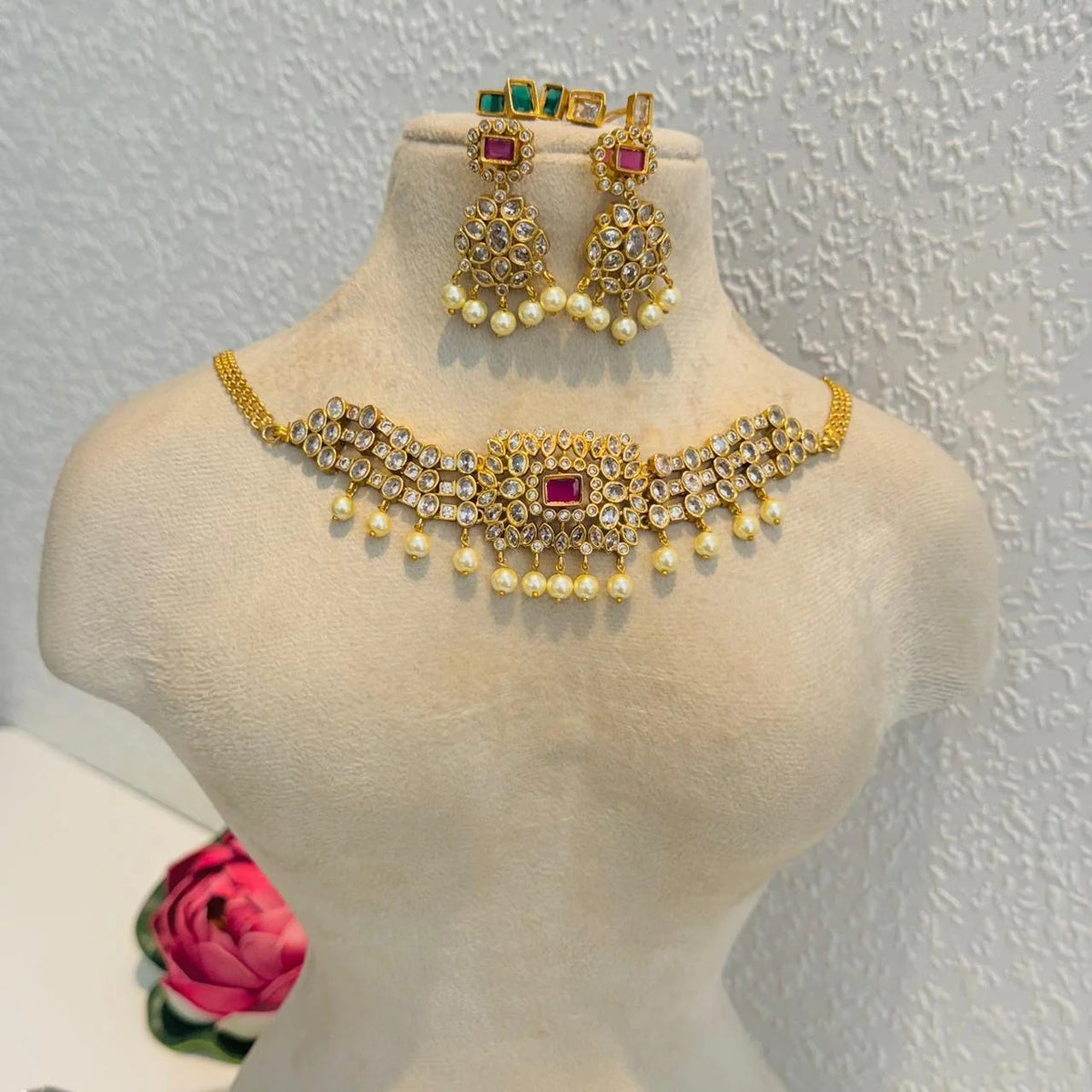
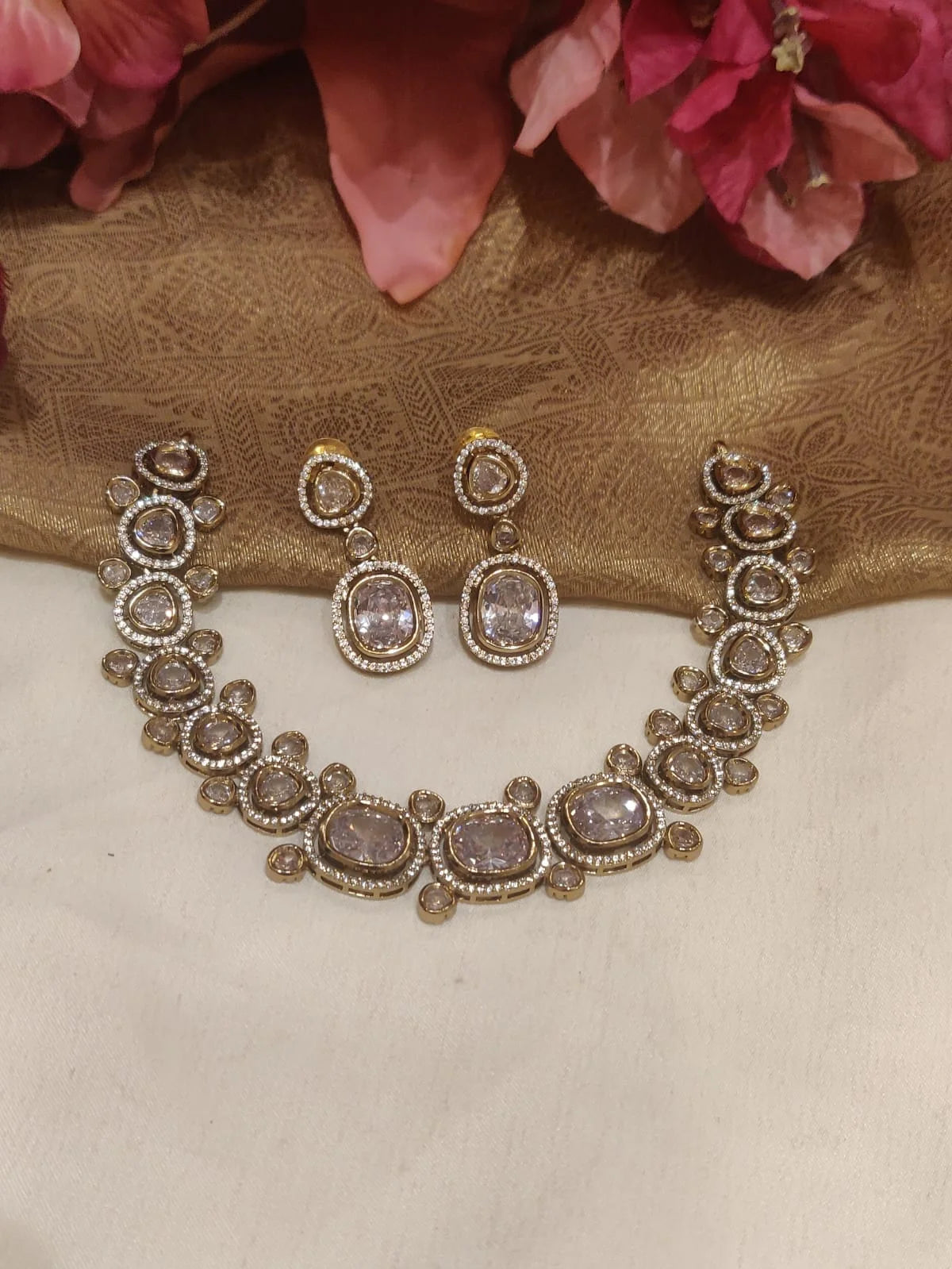
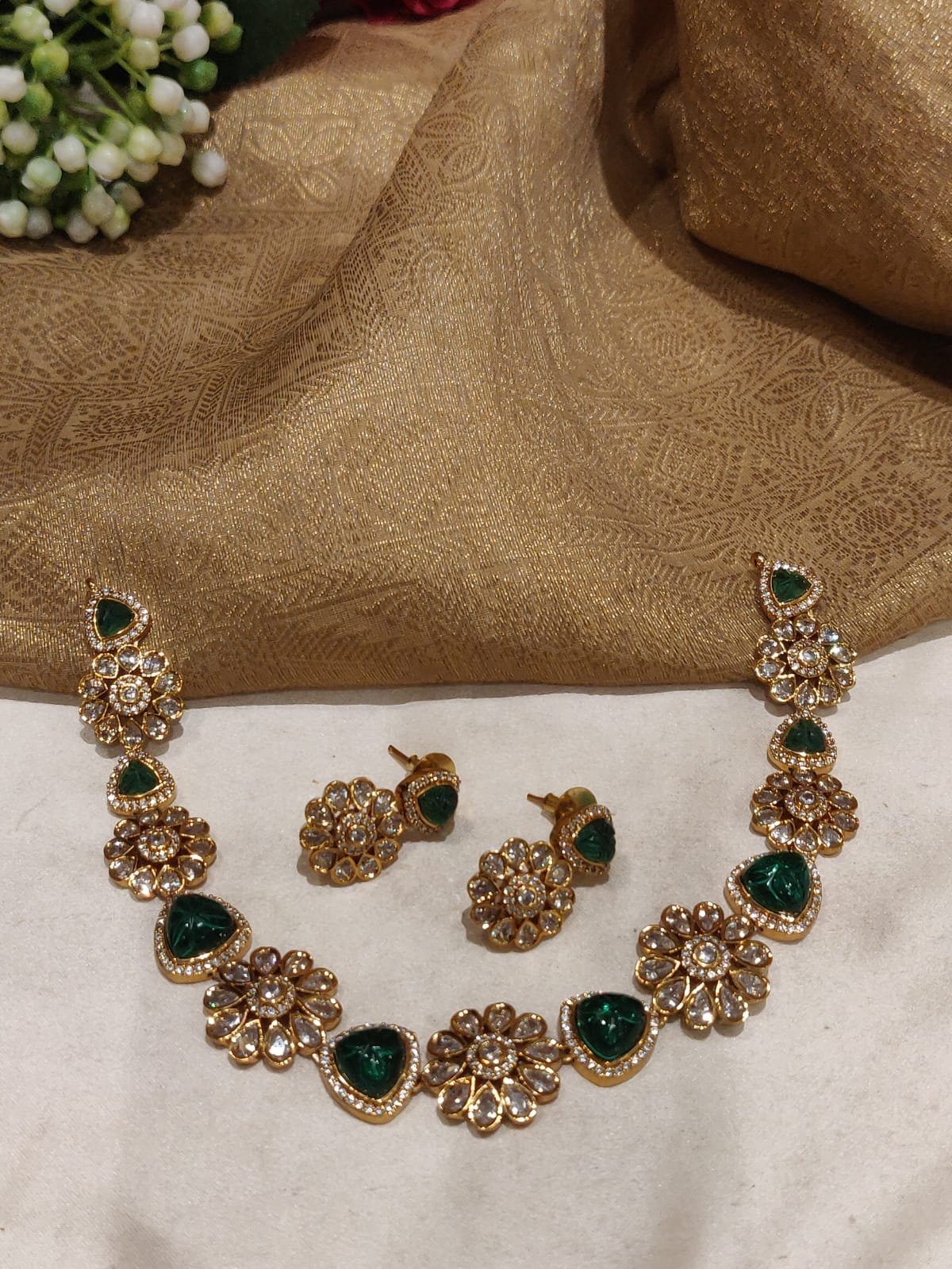
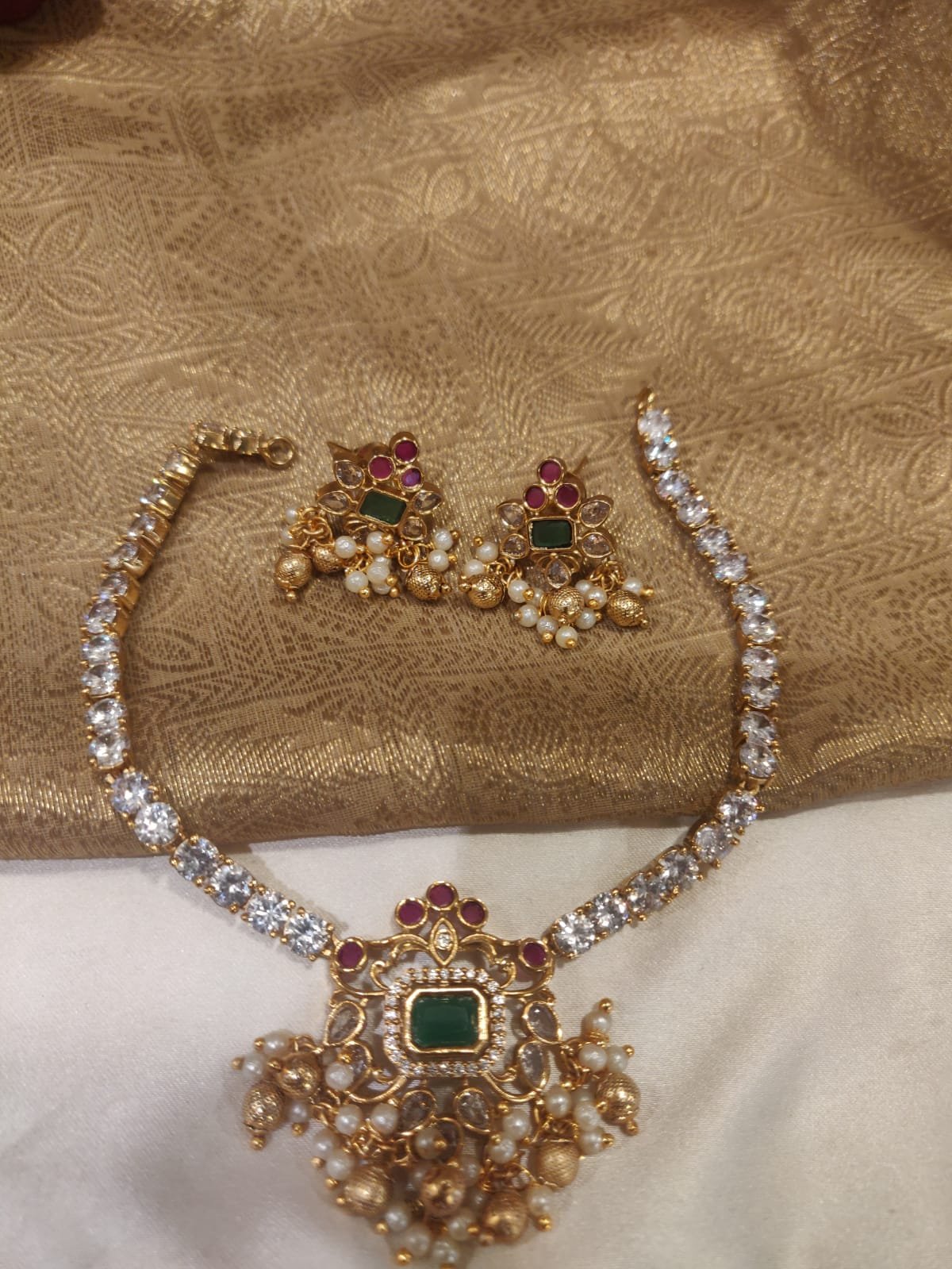
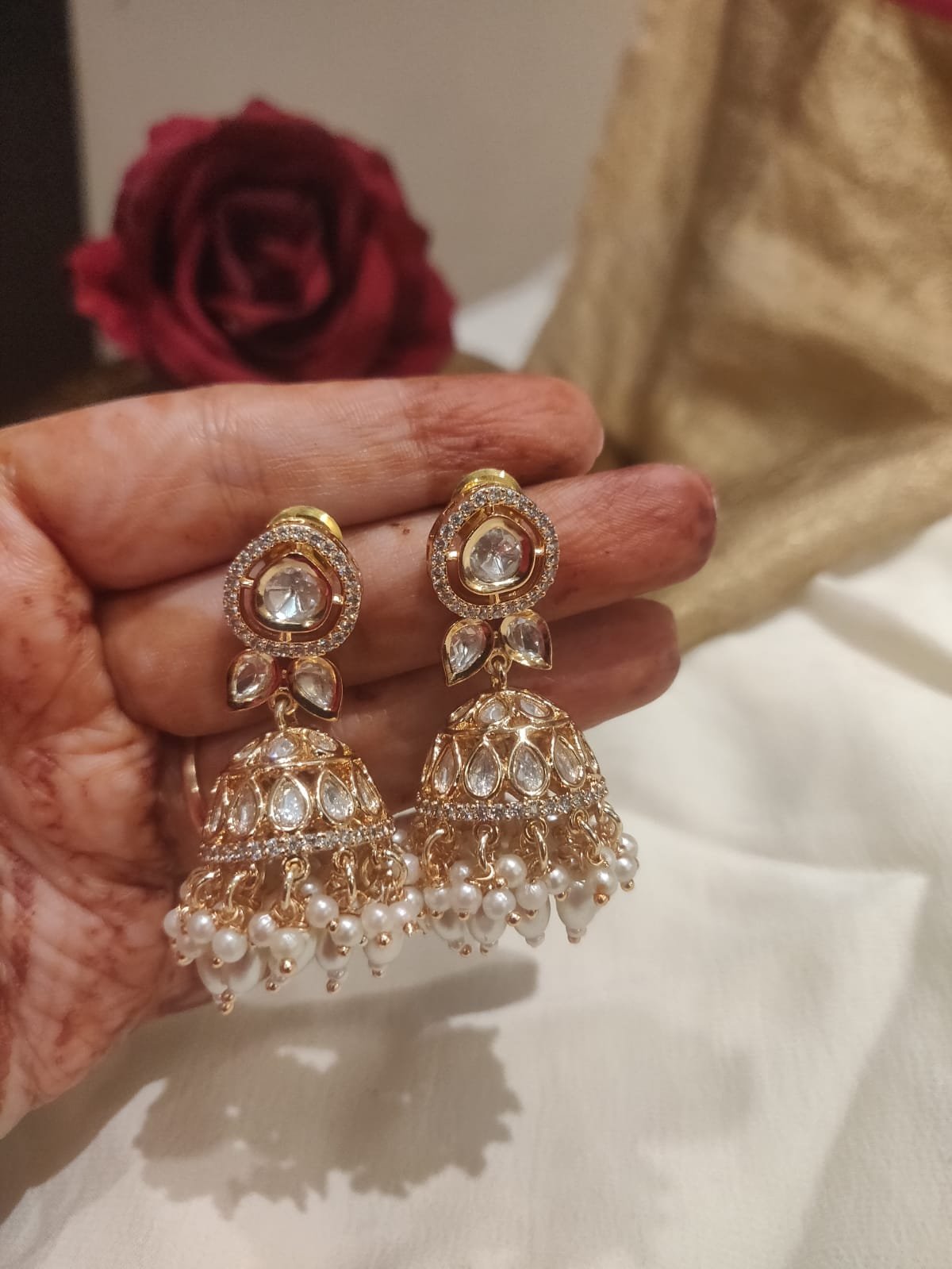
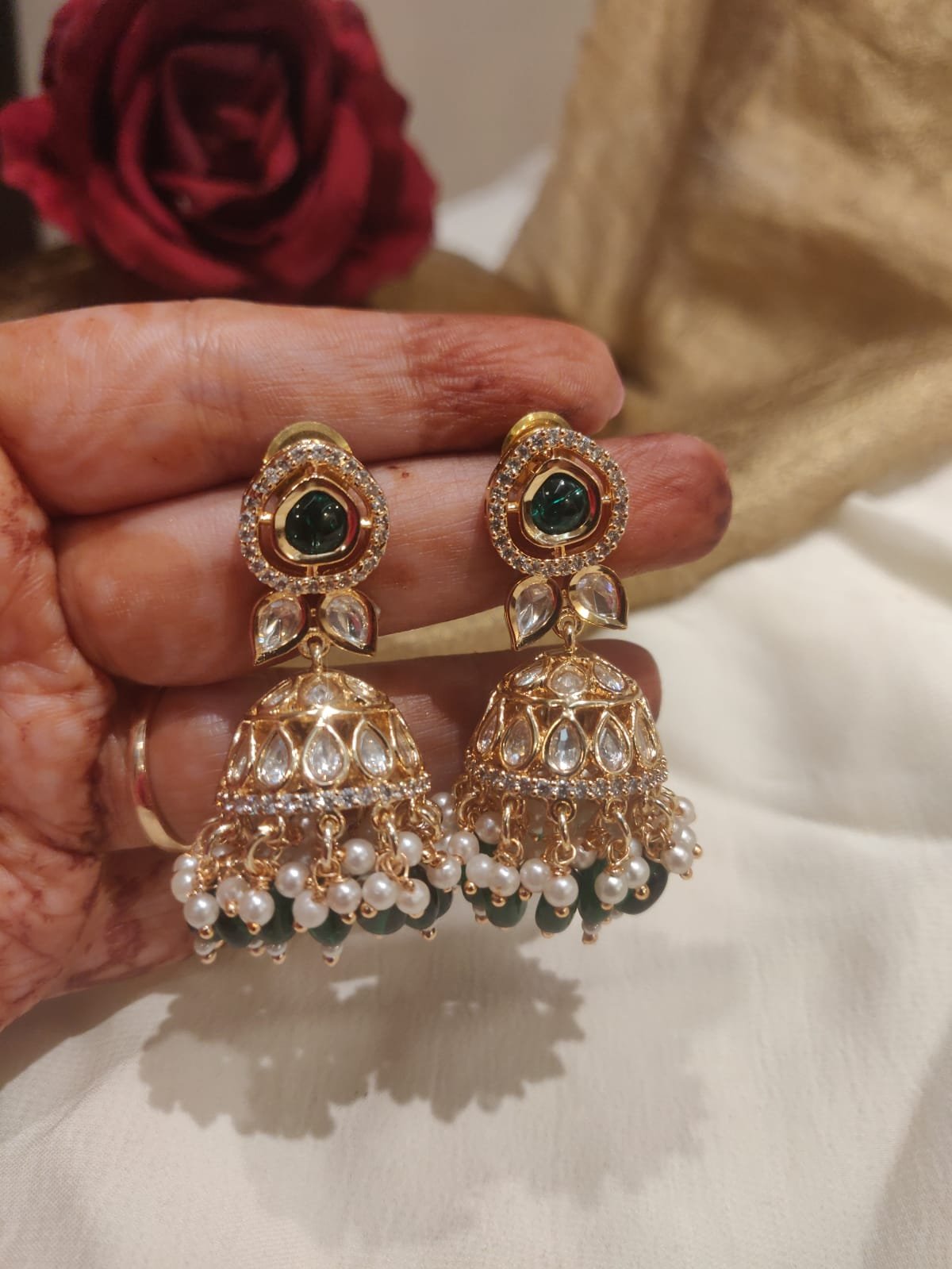
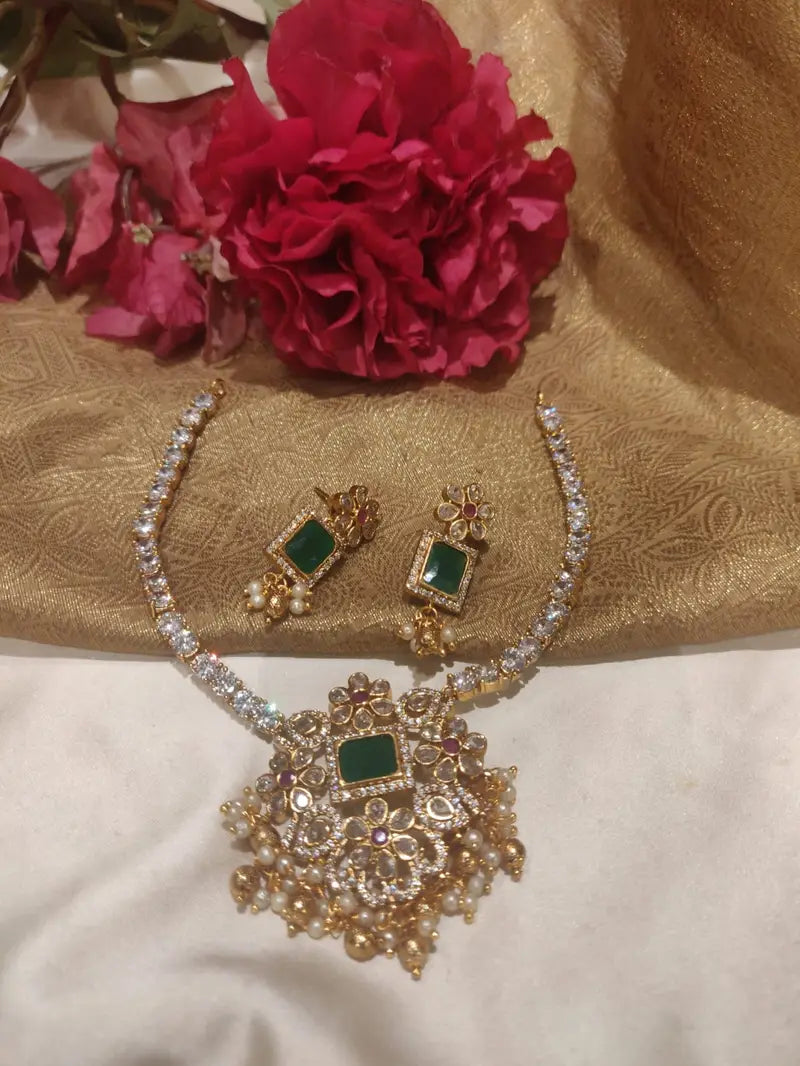
Originating in the royal courts of Rajasthan, kundan jewellery represents the pinnacle of Indian artisanal heritage and luxury. This unique craft involves setting refined gemstones or glass into a pure gold foil framework to create radiant, timeless designs. Today, platforms like Emporiajewels continue to celebrate this legacy by bridging traditional craftsmanship and modern bridal demands, offering everything from fashion jewellery online to heirloom-grade bridal sets.
The Historical Legacy and Evolution of Kundan Artistry
Royal Roots in Rajasthan and Mughal Courts
The origins of this classical jewellery-making technique date back to the third century BCE in northern India. The craft achieved its golden age during the sixteenth century under Mughal rulers and Rajput kings. Royal courts in Jaipur and Gujarat commissioned intricate pieces to project political power and societal status.
Key historical milestones include:
-
Ancient origins during the Maurya dynasty as a method to set stones without claws.
-
Mughal refinement introduced elaborate floral patterns, symmetry, and rich meenakari work.
-
Regional expansion shifted artisan hubs to Rajasthan and Gujarat, establishing Jaipur as the global centre.
-
Silver adaptation allowed communities outside royal families to wear replica designs during traditional ceremonies.
The Modern 2026 Trend Shift Toward Minimalism
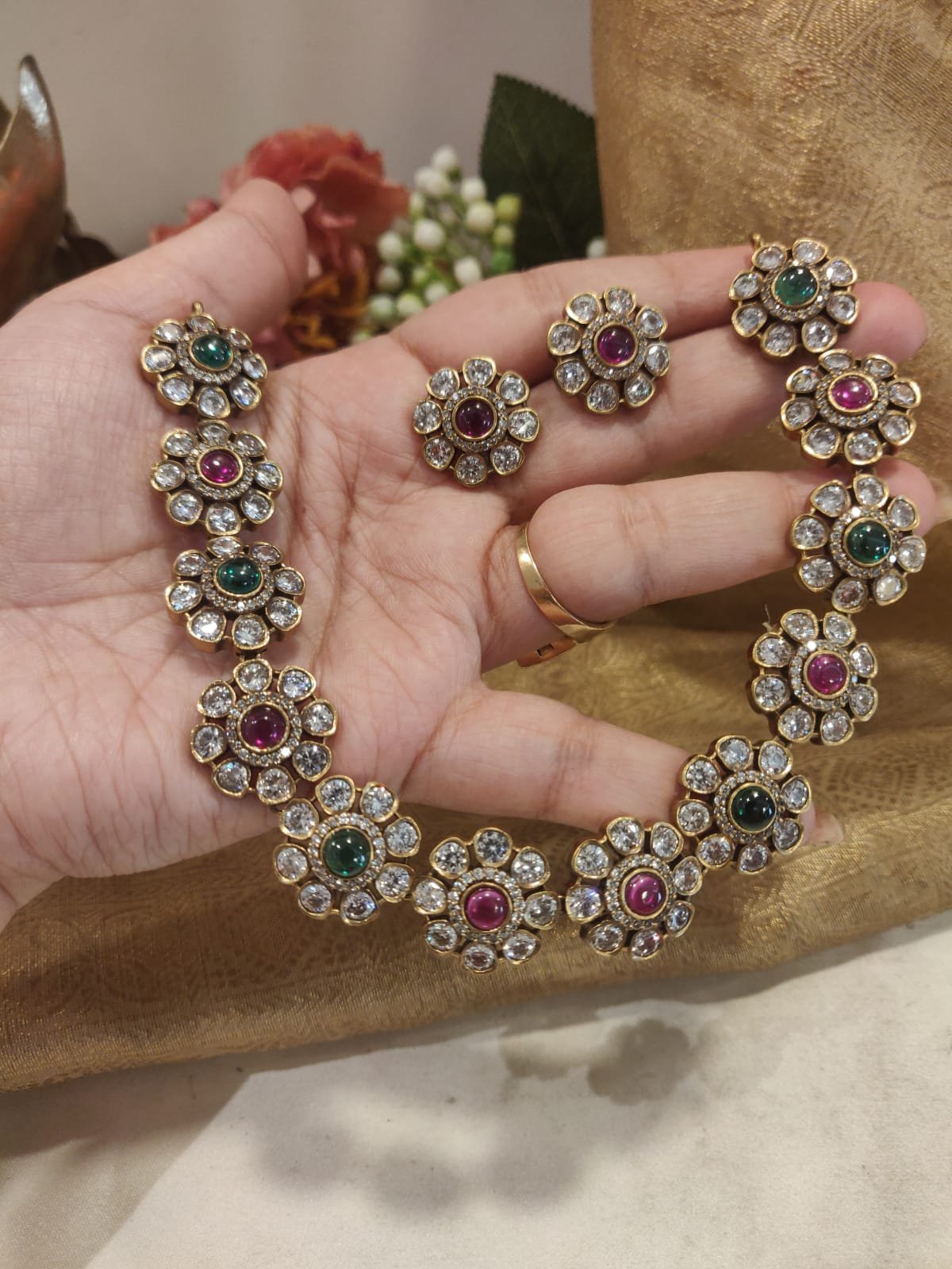
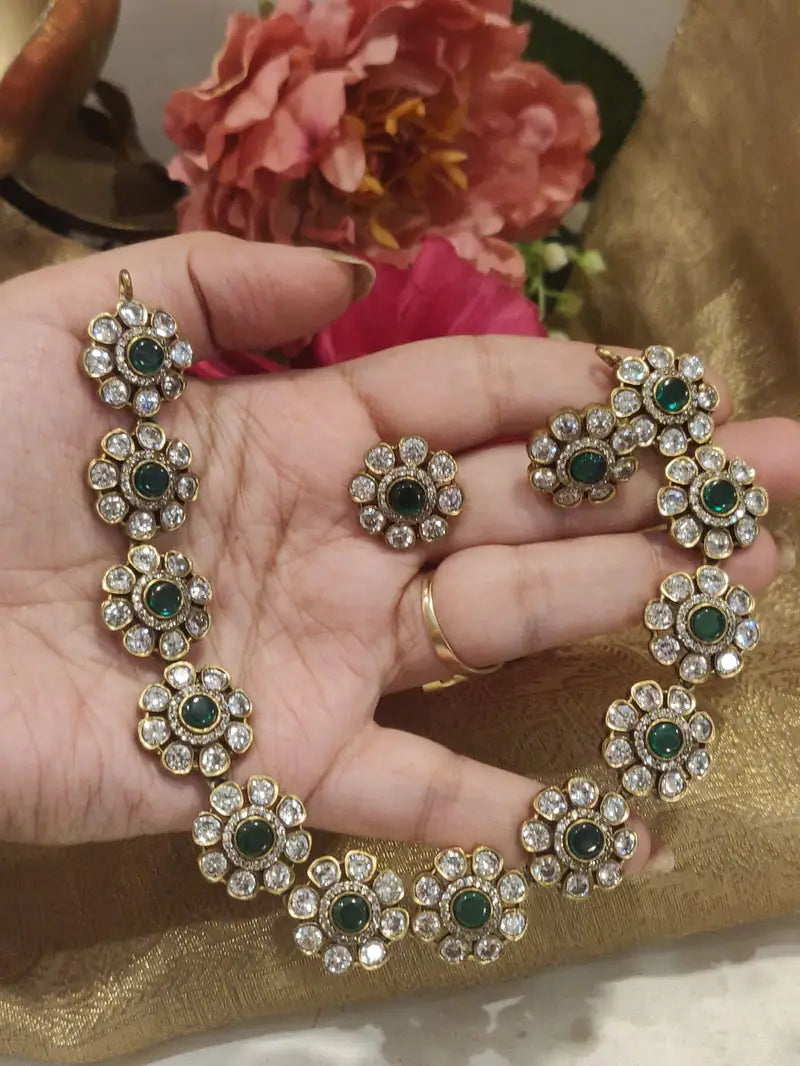
Contemporary jewellery trends in 2026 show a clear pivot away from heavy bridal ensembles toward wearable minimalism. Designers now introduce cleaner geometric layouts with fewer stones and lighter gold finishes. Modern brides frequently select layered chokers that balance cultural heritage with all-day comfort. This shift has also elevated fancy artificial jewellery as a practical alternative for brides seeking traditional aesthetics without the weight.
Leading aesthetic features of 2026 kundan designs include:
-
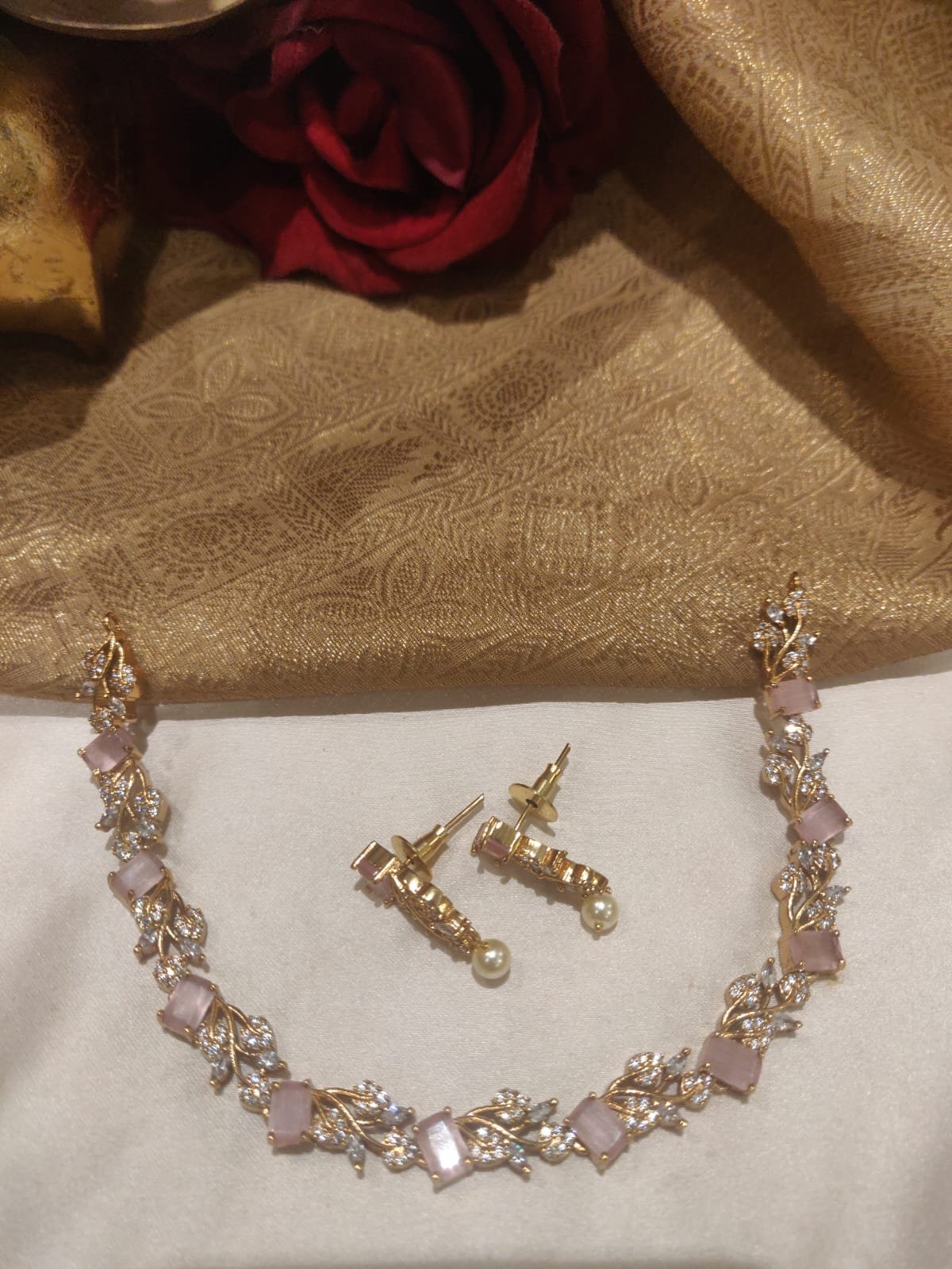
Pastel stone accents in mint green, blush pink, and soft peach to match modern lehengas.
-
Lightweight modular elements that detach, transforming a bridal necklace into a simple pendant.
-
Fusion aesthetics blending traditional gold settings with freshwater pearls and cubic zirconia.
-
Open-back settings that eliminate heavy resin backing to allow light through the stones.
Understanding Materials: Kundan, Polki, and Jadau Differences
Material Identification and Pure Gold Foil
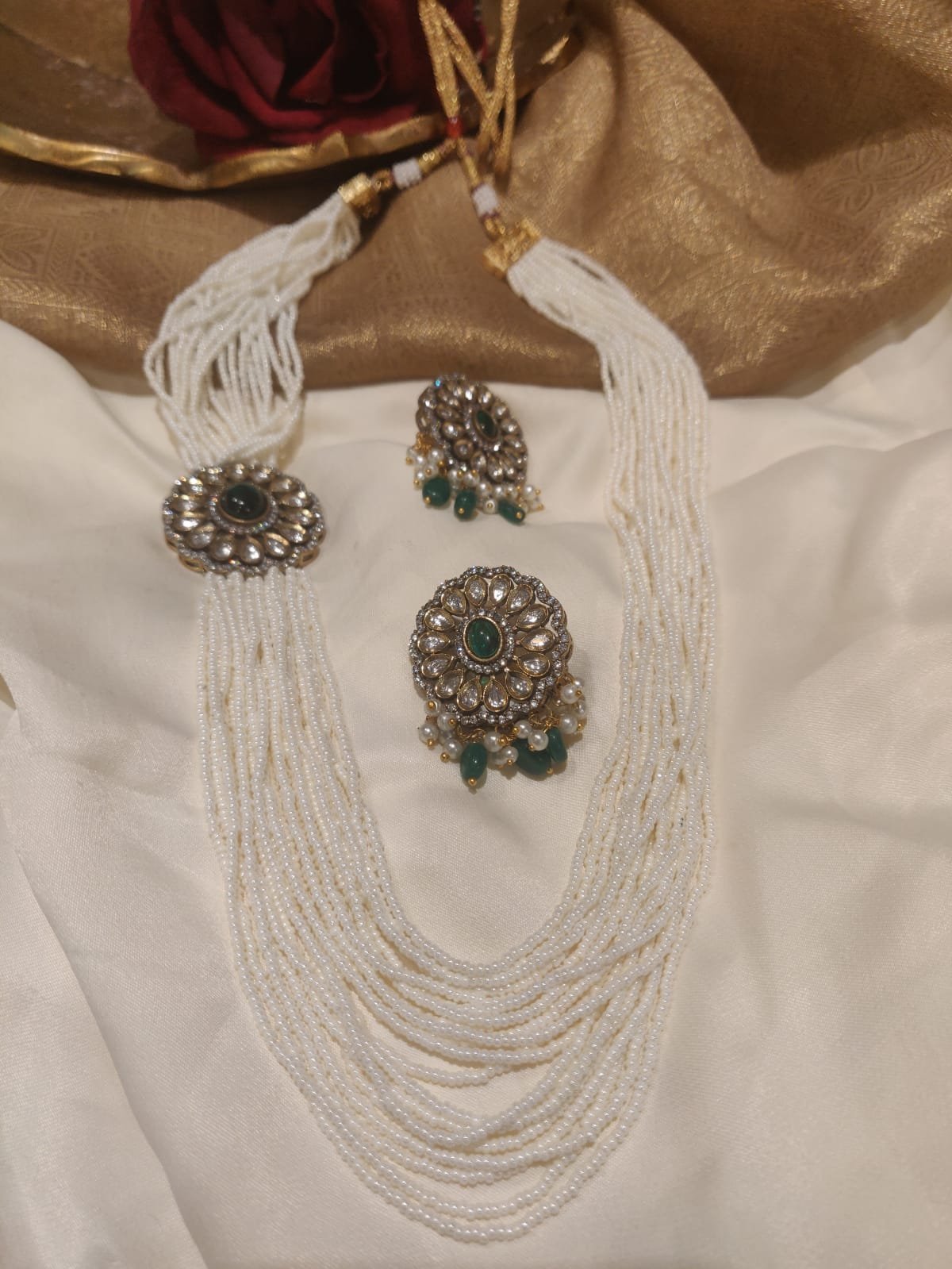
Many buyers use the terms kundan, polki, and jadau interchangeably, yet they represent entirely distinct technical concepts. While polki utilizes raw, uncut natural diamonds, kundan relies on polished glass or semi-precious gemstones. Understanding these differences helps consumers evaluate true value and avoid paying premium prices for glass replicas. Brides who also invest in a pearl necklace and earring set often find it pairs beautifully with lighter kundan chokers for a layered bridal look.
This table details the exact material differences and pricing trade-offs between these styles:
|
Feature Category |
Kundan Style Jewellery |
Polki Style Jewellery |
Jadau Crafting Technique |
|
Core Setting Stones |
Highly polished glass stones or natural gemstones. |
Raw, uncut natural diamonds in their organic, non-faceted shapes. |
The embedding method itself, which can secure either glass or diamonds. |
|
Base Metal and Foil |
Pure 24-karat gold foil set on silver or gold alloy bases. |
Usually 22-karat or 18-karat gold frames without extensive glass fillings. |
Pure gold alloy or high-grade sterling silver for modern lightweight collections. |
|
Price Point |
Highly affordable and budget-friendly for bridal and festive occasion wear. |
Extremely premium and expensive due to the inclusion of natural diamonds. |
Varies drastically depending on whether glass or real diamonds are embedded. |
|
Heirloom Investment Value |
Moderate, based on the gold weight and handcrafting. |
Excellent, as raw natural diamonds appreciate over future generations. |
High, as the value relies on the complexity of handcrafting methods. |
The Structural Significance of Meenakari Enamelling
A defining characteristic of premium kundan items is the inclusion of meenakari enamel work on the reverse side. This technique involves fusing colored mineral powders onto gold using controlled heat. This decorative backing protects the skin from sharp metal edges while showcasing the artisan's dual-sided mastery.
The Traditional Multi-Step Making Process
The Initial Stages of Ghaat and Paadh
Creating these masterpieces requires distinct groups of specialized craftsmen. The journey begins with the ghaat stage, where a gold or silver frame is hand-beaten into shape. The empty structure then undergoes the paadh stage by being filled with warm lac.
The complete traditional crafting flow follows these phases:
-
The ghaat phase models the metal frame using gold or silver wire to create the base design.
-
The paadh phase fills hollow frames with natural lac resin to provide a solid stone base.
-
The khudai phase etches precise spaces in the dry lac to fit each glass stone perfectly.
-
The kundan setting wraps pure gold foil around each stone to hold them permanently.
-
The meenakari phase adds hand-painted enamel designs to the reverse side for a double-sided finish.
-
The pakka phase polishes the ornament to a high-shine luster highlighting the gold borders.
The Final Setting and Refinement Techniques
During the kundan phase, artisans use steel styluses to press pure gold foil around each stone. This cold-welding process relies on the natural malleability of pure gold, bonding stones securely without heat. The finished piece is then polished to reveal a smooth, continuous gold border around every stone. Traditional gold bangle designs often employ the same cold-setting technique, making them natural companions to a full kundan bridal ensemble.
Practical Buying Rules and Quality Inspection Methods
Critical Verification and Hallmarking Standards
When shopping for premium items online, buyers must exercise diligence regarding metal purity and stone authenticity. Reputable jewellers like Emporiajewels provide metal disclosures and official BIS hallmarking certificates to guarantee investment value. Checking the physical weight of a piece reveals whether it contains too much internal resin filler.
This table details how to evaluate high-quality kundan pieces versus cheap replicas:
|
Inspection Point |
High-Quality Indicator |
Red Flag Warning Indicator |
|
Gold Foil Borders |
Continuous, tightly burnished gold foil with zero gaps or loose edges. |
Lifting gold foil, visible glue residue, or shaky, unstable stones. |
|
Reverse Side Design |
Intricate, hand-painted meenakari enamel work featuring bright, smooth colors. |
Plain unpolished metal backs or printed paper stickers instead of real enamel. |
|
Metal Certification |
Official BIS hallmark etched onto the metal frame. |
No certification stamp or vague verbal guarantees from unverified sources. |
|
Weight and Balance |
Substantial physical weight indicating a solid precious metal framework underneath. |
Extremely light feel indicating plastic stones and thin, cheap metal foil. |
Safe Storage and Maintenance Protocols
Because kundan jewelry utilizes natural lac resin and delicate glass, it is highly sensitive to moisture and temperature changes. Store each item in an airtight, velvet-lined box wrapped in soft butter paper to prevent oxidation. Those who also shop for designer jewellery online should apply the same storage rules to all resin-backed pieces. Avoid exposing these heirloom pieces to harsh perfumes, hairsprays, or water during festive events.
Frequently Asked Questions
Can kundan jewellery be worn daily?
Because of its delicate gold foil setting and resin filling, kundan pieces are best reserved for festive occasions rather than daily wear.
What is the difference between kundan and jadau?
Kundan refers specifically to the refined gold foil setting, whereas jadau is the overall framework technique used to mount those stones.
How can you tell if kundan jewellery is real?
Authentic pieces feature continuous, hand-burnished gold foil borders, detailed hand-painted meenakari enamel on the reverse side, and official BIS hallmarking on the gold components.
Does kundan jewellery have resale value?
Yes, genuine kundan pieces retain moderate resale value based on the exact weight of the gold framework, though the glass stones themselves do not appreciate.
Why is kundan jewellery so expensive?
The high cost reflects the intense, multi-step hand labour required by specialized artisans to shape, fill, set, and enamel each unique royal design.