

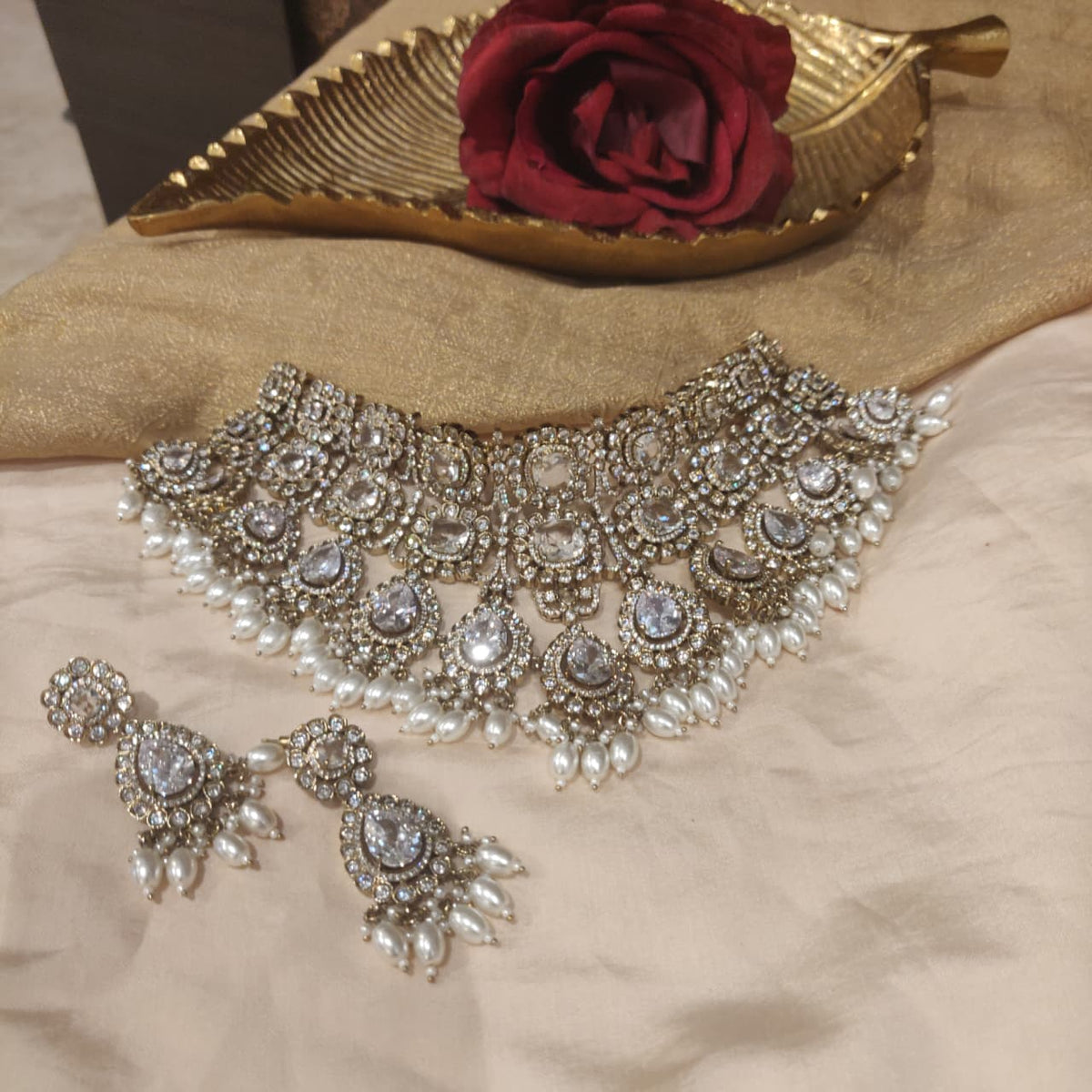
What a Jewelry Designer Actually Does: Inside the Creative Process Behind Your Favorite Pieces
Most people who love jewelry have never thought much about where it comes from. A necklace sits in a box, it goes around a neck, it gets noticed, and it goes back in the box. The designer behind it, the decisions made about stone placement, proportions, cultural references, and manufacturing techniques, is usually invisible.
This article pulls back that curtain. Understanding the jewelry design process changes how you evaluate, buy, and appreciate the pieces in your collection. And for anyone considering jewelry design as a path, it offers a clear look at what the work actually involves.
What Does a Jewelry Designer Do
A jewelry designer is responsible for the concept, visual design, material specification, and production direction of a jewelry piece from initial idea to finished product.
The role sits at the intersection of art, craft, cultural knowledge, and commercial understanding. A designer who creates stunning pieces that no one wants to buy is a sculptor. A designer who creates commercial pieces with no creative distinction is a manufacturer. The best jewelry designers balance both.
Specific responsibilities typically include:
-
Researching trends, historical design traditions, and customer preferences
-
Sketching initial concepts, often by hand before digital work begins
-
Selecting materials, stones, finishes, and setting techniques
-
Working with craftspeople and manufacturers to translate designs into physical pieces
-
Overseeing quality control across a production run
-
Adapting designs based on feedback, cost constraints, or technical limitations
The Creative Process: From Concept to Collection
Research and Inspiration
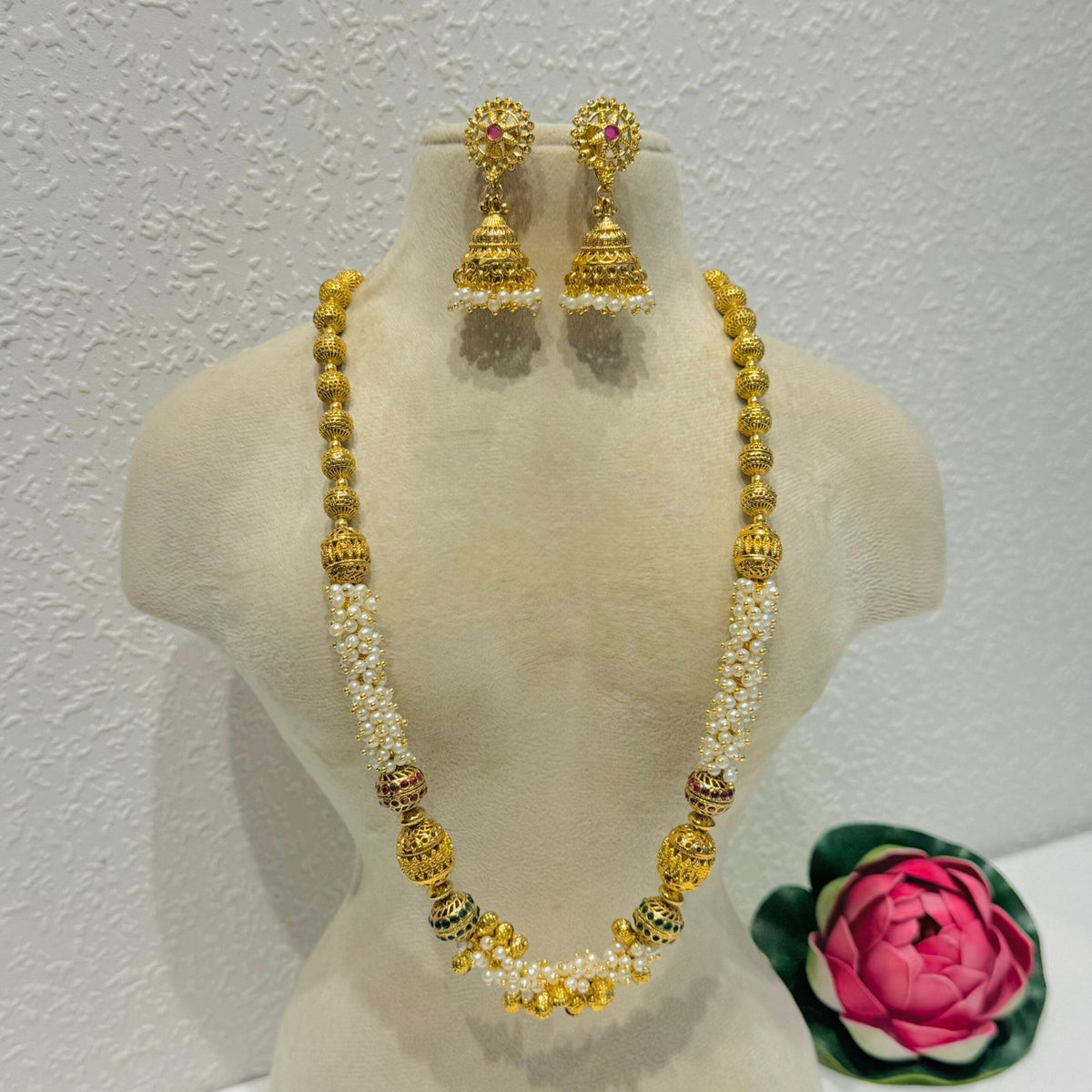
Every collection starts somewhere. For Indian jewelry designers, inspiration sources are extraordinarily rich. Temple architecture, Mughal miniature paintings, regional textile patterns, classical dance costume traditions, and street market aesthetics all feed into contemporary Indian jewelry design.
A designer working on a festive Diwali collection might spend time studying traditional lamp motifs, rangoli patterns, and the color palettes associated with the season before making a single sketch. This research phase is not visible in the final product, but it is what separates distinctive design from generic output.
Sketching and Concept Development
The initial sketching phase is exploratory. Most designers produce dozens of rough sketches before committing to a direction. At this stage, the goal is breadth: getting many ideas onto paper quickly before narrowing down.
Once a direction emerges, the designer develops more detailed technical drawings that specify proportions, dimensions, stone placement, and setting techniques. These technical drawings serve as the blueprint for the craftspeople who will execute the design.
Material Selection
Material choices in imitation and fashion jewelry involve selecting from a range of base metals, stone types, finishes, and surface treatments. Each choice has aesthetic and functional implications.
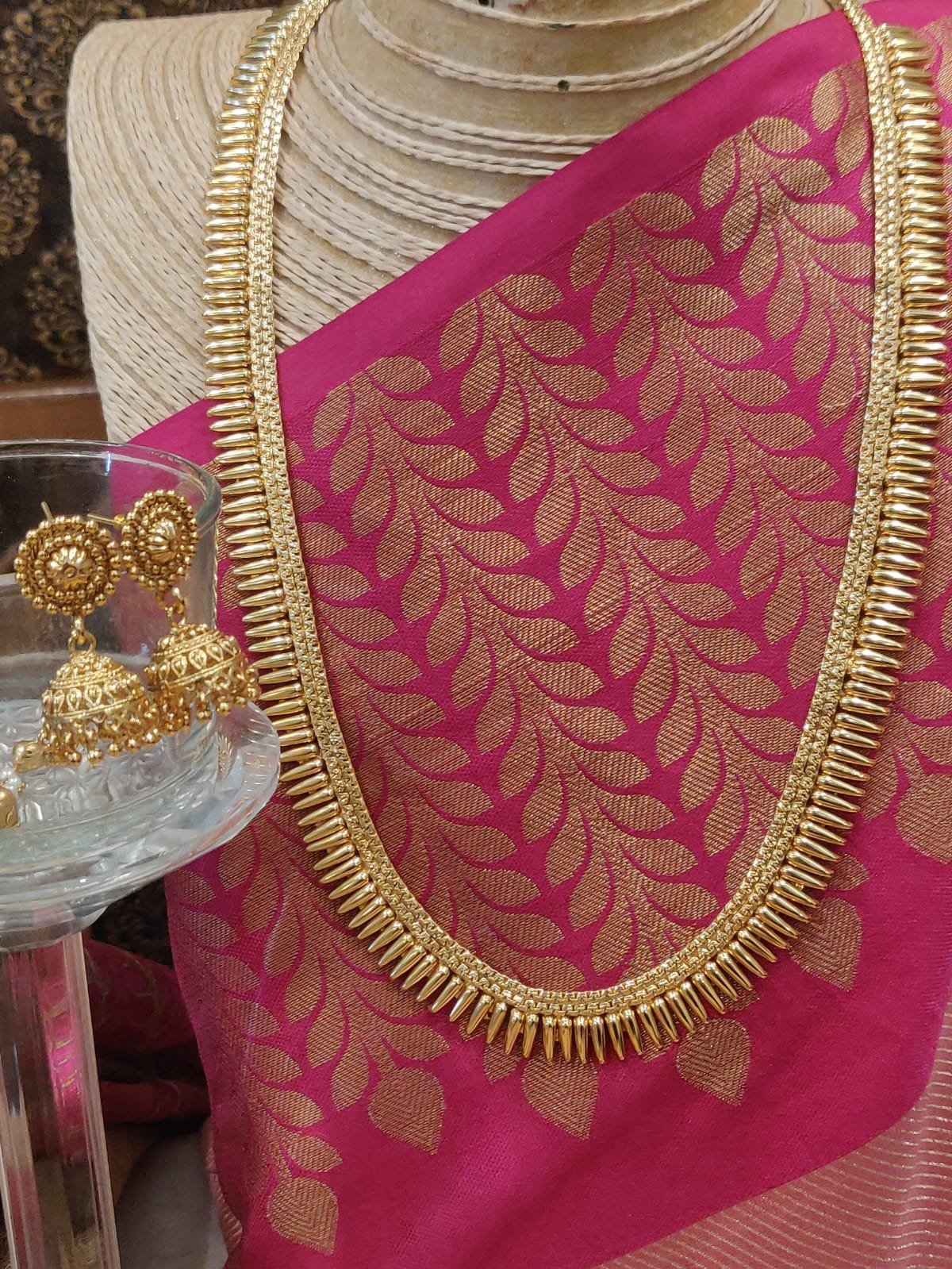
A gold-toned finish evokes warmth and tradition. A silver or oxidized finish suggests a more contemporary or bohemian sensibility. The weight of the base metal affects how a piece hangs and moves. Stone color choices connect the piece to specific outfits or seasons.
For fashion jewelry specifically, materials need to deliver visual quality at accessible price points, which requires both creative and commercial judgment from the designer.
Production and Quality Control
Translating a design drawing into a physical piece involves skilled craftspeople, specialized tools, and careful oversight. A jewelry designer at a fashion jewelry brand works closely with production teams to ensure that the finished piece matches the design intent.
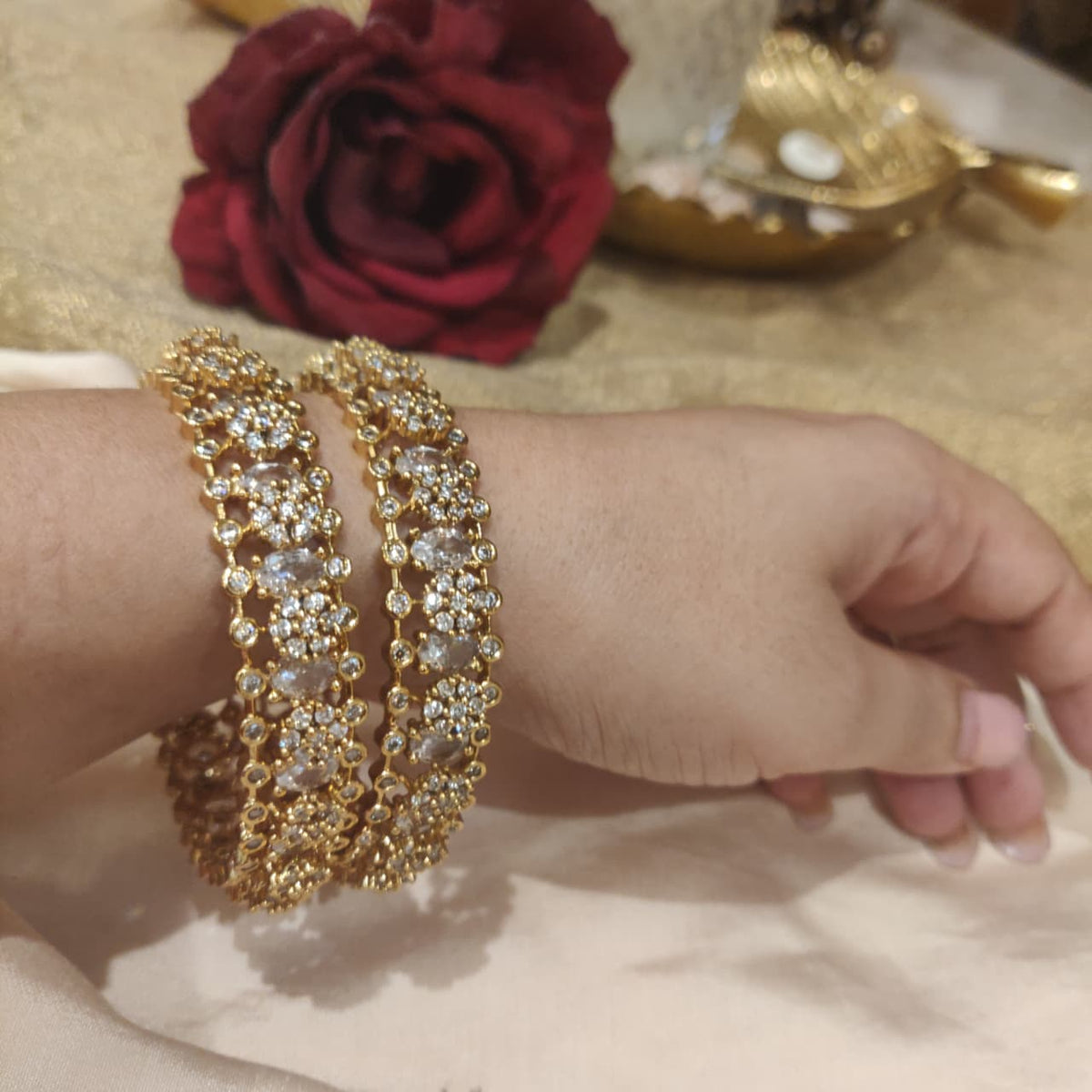
Stone settings need to be even and secure. Surface finishes need to be consistent across the entire piece and across a production run. Closures and structural elements need to function reliably.
Quality control is not a final step; it is built into every stage of the process.
Why Indian Jewelry Design Is Particularly Complex
Indian jewelry design draws from an extraordinarily diverse set of regional traditions, religious symbolisms, and craft techniques. A designer working in this space needs familiarity with:
-
Kundan and Meenakari techniques from Rajasthan
-
Temple jewelry traditions from Tamil Nadu and Karnataka
-
Filigree work from Odisha
-
Lac and bead craft traditions from Rajasthan and Gujarat
-
Jadau work from Jaipur
-
Contemporary fashion jewelry aesthetics influenced by global trends
Each of these traditions has its own design language, material vocabulary, and appropriate context. A designer who can navigate all of them, selecting and combining elements deliberately rather than randomly, creates work that feels both culturally rooted and contemporary.
The Balance Between Heritage and Contemporary Design
One of the central creative challenges for Indian jewelry designers today is the tension between tradition and contemporary relevance.
Pieces that are too traditionally styled can feel costume-like for modern Indian women who wear fusion outfits, have international sensibilities, and move between very different social contexts. Pieces that abandon traditional elements entirely lose the cultural resonance that makes Indian jewelry distinctive and meaningful.
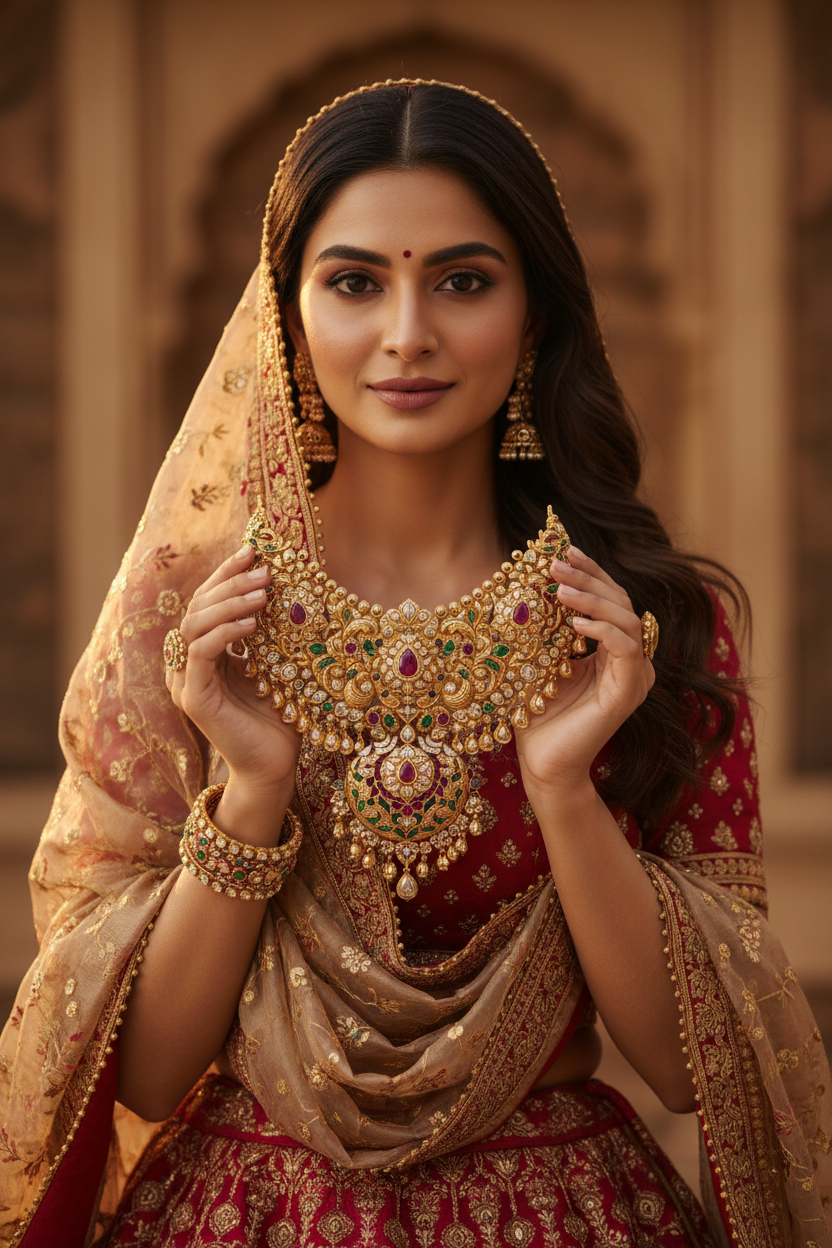
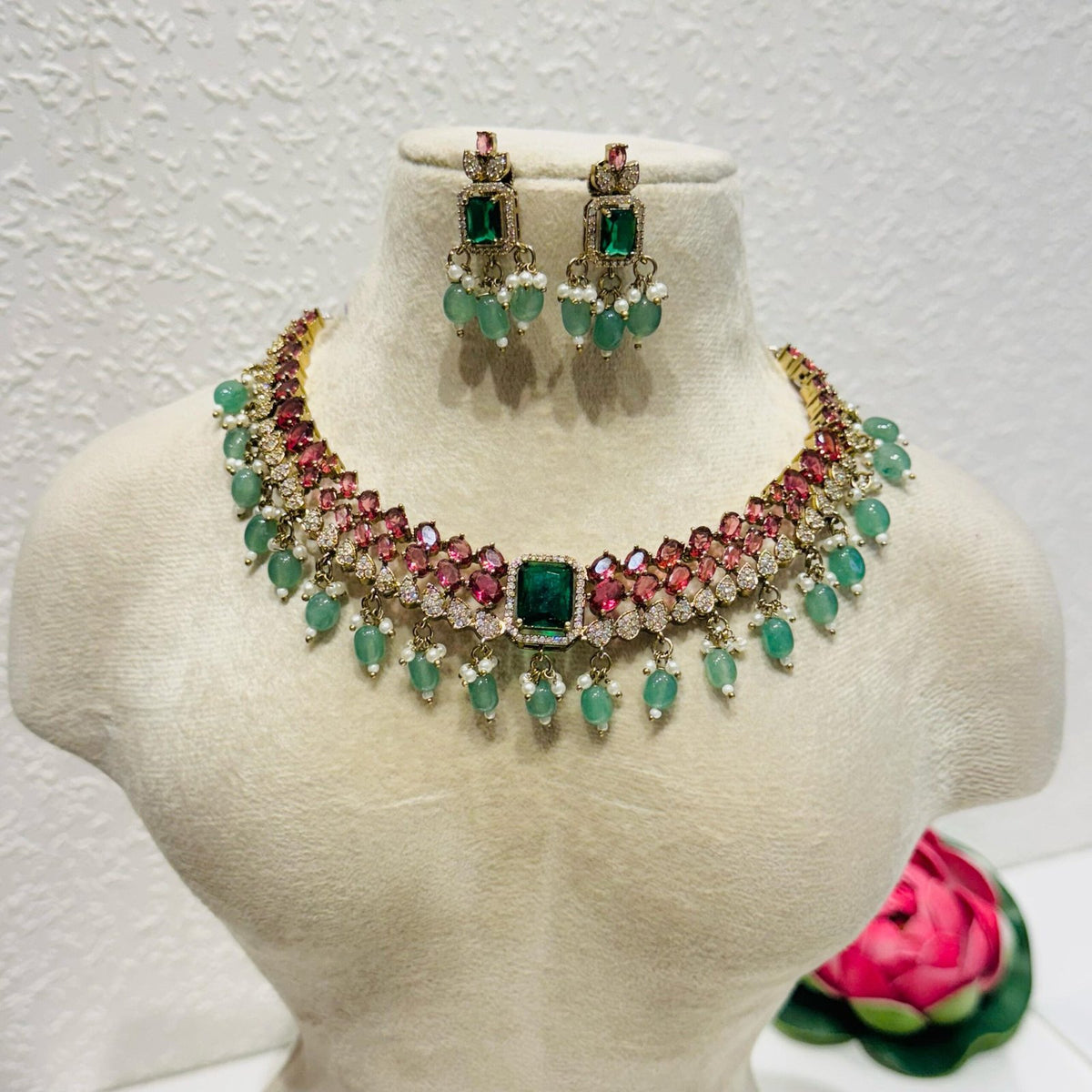
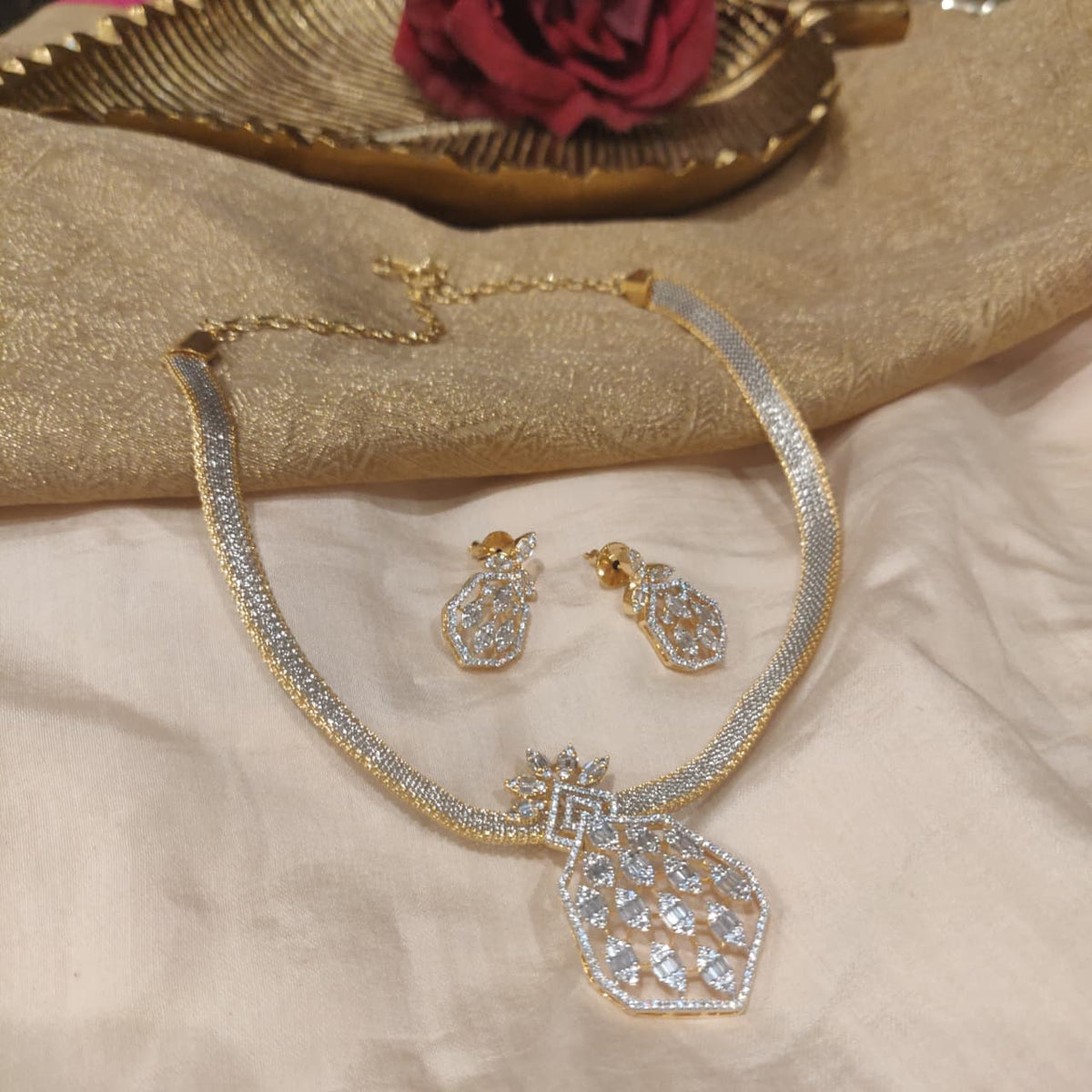
The most successful Indian jewelry designers find a synthesis: Kundan settings in more graphic, structured compositions. Temple motifs in lighter, more minimal arrangements. Traditional gold tones combined with contemporary stone colors.
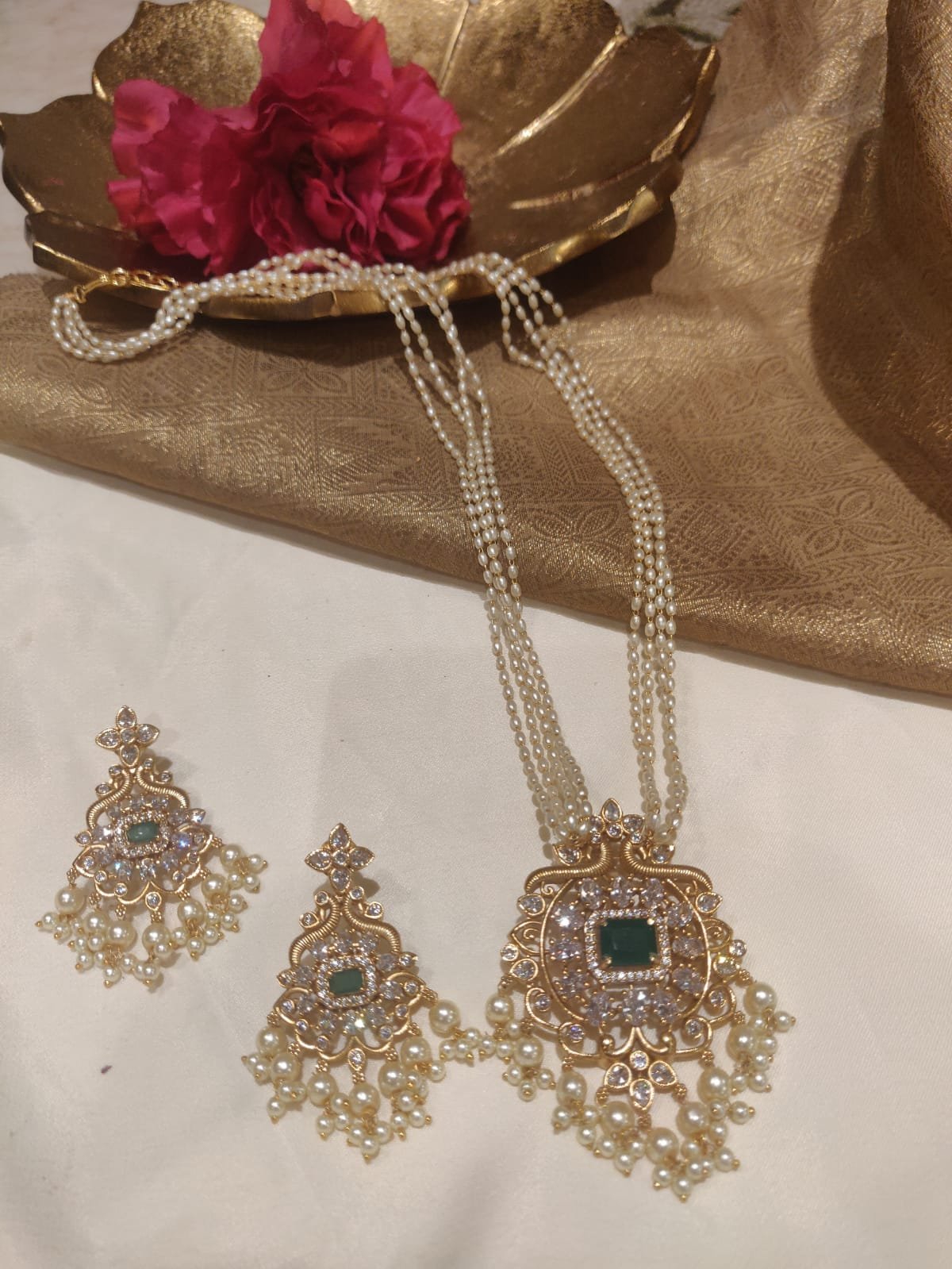
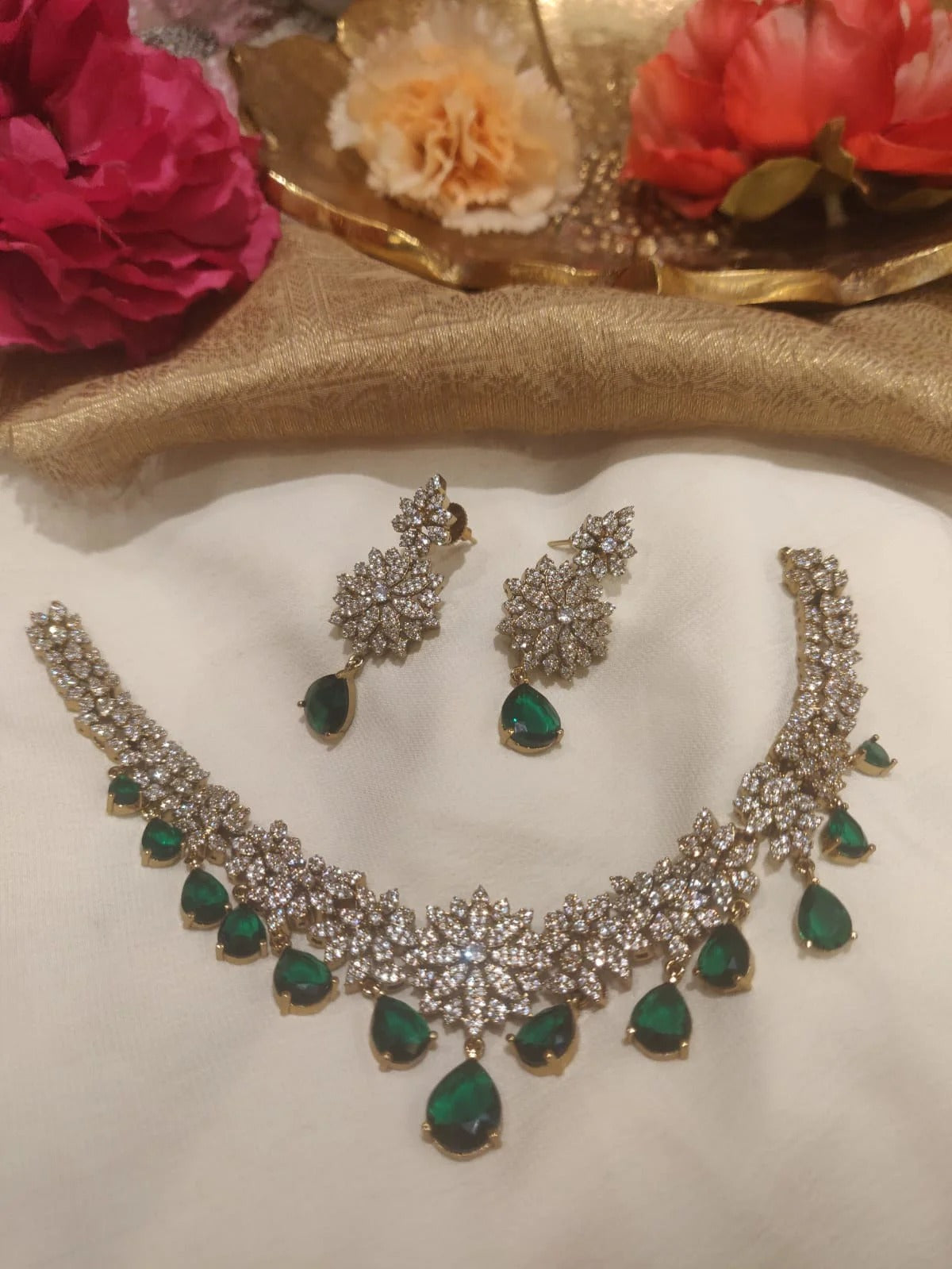
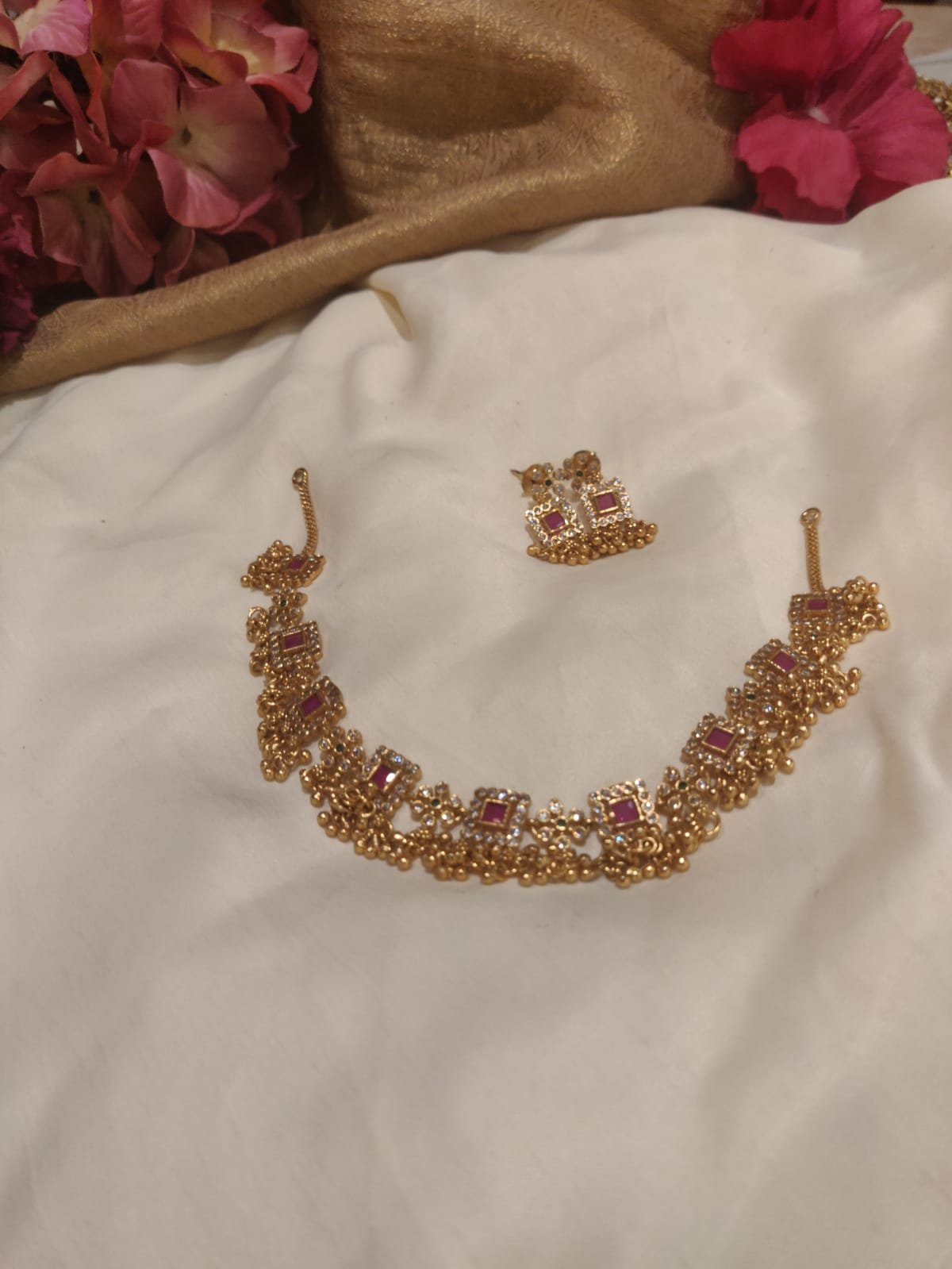
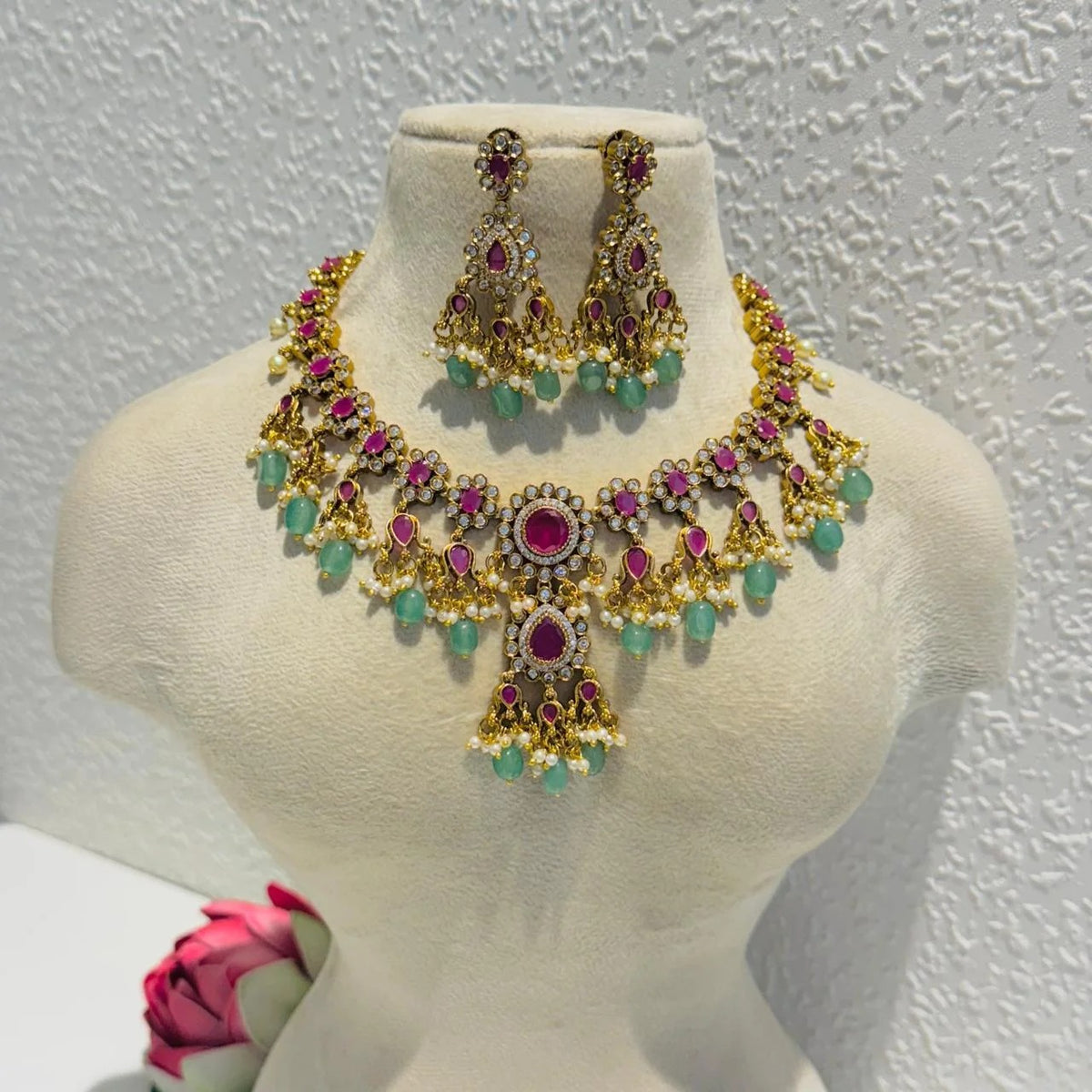
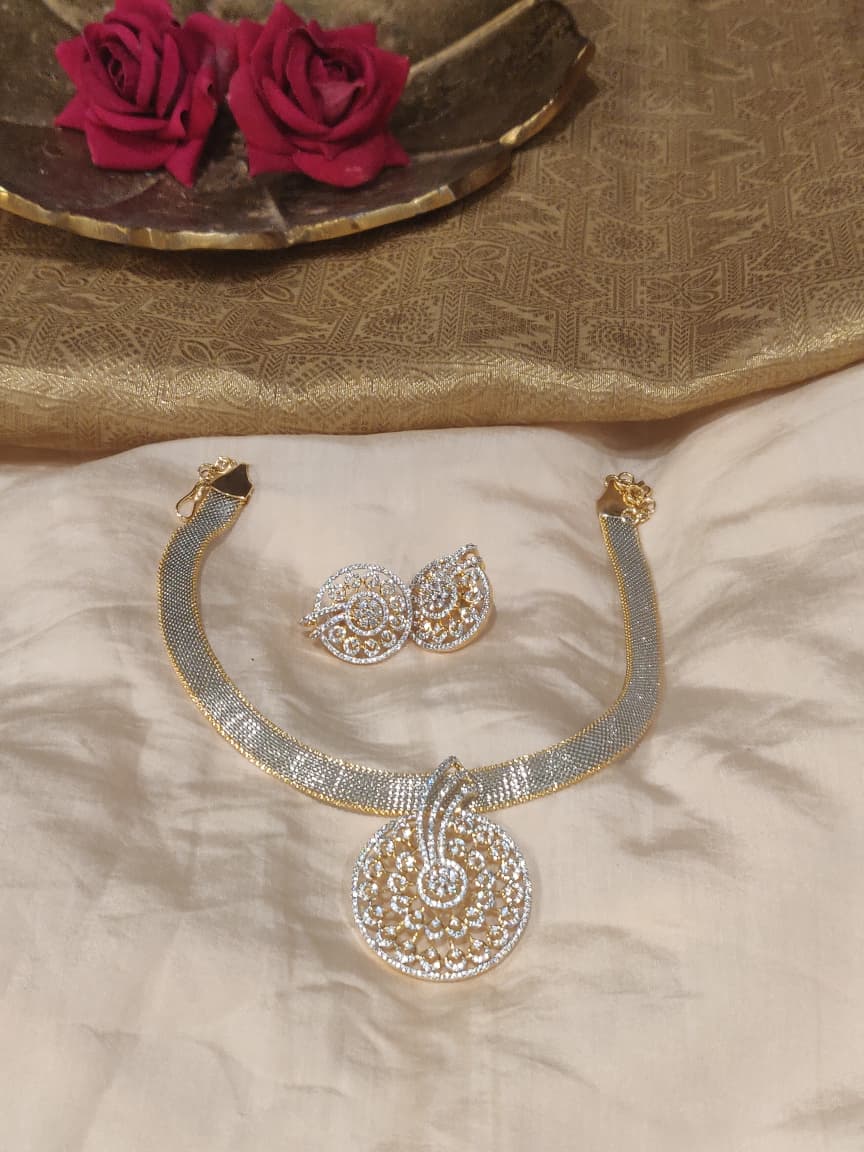
This synthesis is what drives collections at brands like Emporia Jewels, where the designer jewellery online collection reflects a deliberate effort to create designs that work for both traditional occasions and modern dressing contexts.
What Makes a Jewelry Collection Cohesive
A cohesive collection is not simply a group of pieces that look similar. It is a group of pieces that share a visual language while covering a range of occasions, outfit types, and price points.
A well-designed collection achieves:
-
Consistent design vocabulary (recurring motifs, proportions, or setting techniques)
-
Coverage across multiple occasions without being redundant
-
A range of statement and supporting pieces
-
A tone that feels intentional and distinctive
For buyers, a cohesive collection means that pieces from different sections of a store can be worn together without looking mismatched. This is one of the factors that separates a genuinely well-designed jewelry brand from one that simply aggregates designs without editorial vision.
How Understanding Design Improves Your Buying Decisions
Knowing something about jewelry design changes how you evaluate and buy pieces in useful ways.
You begin to notice setting quality because you understand why it matters. You recognize design coherence because you understand what makes it happen. You can tell the difference between a piece that follows a trend superficially and one that integrates it with genuine design intention.
This knowledge also helps you build a more intentional collection. When you understand that pieces are designed with specific outfit types and occasions in mind, you buy for coverage rather than impulse, and your wardrobe benefits.
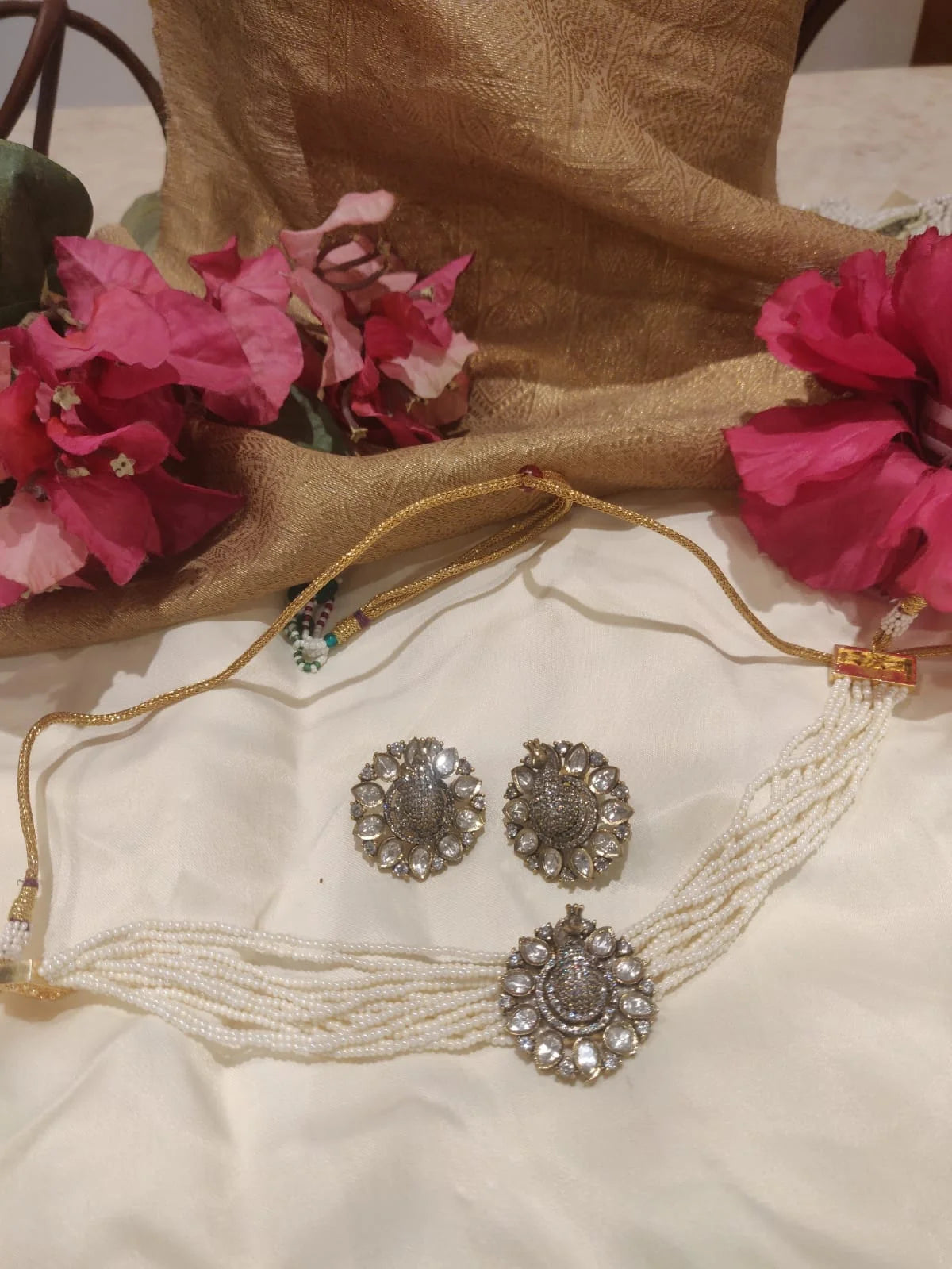
Exploring a range of thoughtfully designed pieces is a good starting point. The pearl necklace and earring set collection, for example, demonstrates how a single design tradition, the pearl, can be executed across multiple styles and occasions while maintaining a coherent visual identity.
Conclusion
The designer behind a piece of jewelry is making dozens of decisions that you will never consciously notice, but that you will feel every time you put the piece on. Good design is what makes jewelry feel right: the right weight, the right proportion, the right fit to the outfit and occasion. Understanding that process, even at a surface level, makes you a more discerning buyer and gives you a richer appreciation of the objects you wear closest to your body.
Frequently Asked Questions
What qualifications does a jewelry designer need?
Jewelry design programs exist at art and design schools across India and internationally. Many successful designers are also self-taught with deep craft knowledge and strong visual intuition.
How long does it take to design a jewelry collection?
Depending on the scale and complexity, designing a cohesive jewelry collection can take anywhere from a few weeks to several months, from initial research through production.
What is the difference between a jewelry designer and a goldsmith?
A jewelry designer focuses on the concept and visual design of pieces. A goldsmith or craftsperson executes the physical construction. At smaller studios, one person sometimes does both.
Can jewelry design be a full-time career?
Yes, though it typically requires either building a brand, working for a design house, or establishing a custom design practice. Very few designers sustain careers from standalone design consulting alone.
What trends are currently influencing Indian jewelry design?
Contemporary Indian jewelry design is seeing increased interest in minimal traditional forms, fusion pieces that work with western and Indian outfits, and bolder color choices influenced by global fashion weeks.
How can I tell if a jewelry brand has strong design quality?
Look for consistency across a collection, coherent design language, evident craft attention in photography, and clear editorial curation rather than a random assortment of unrelated pieces.