

Indo Western Jewelry: The Complete Style and Buying Guide for 2026
Indo western jewelry sits at the intersection of traditional Indian craftsmanship and contemporary global design. It blends Mughal-era motifs, Kundan settings, and polki stones with modern silhouettes, minimalist metalwork, and Western styling cues. Understanding how this category is constructed, priced, and styled helps buyers make confident decisions instead of guessing.
What Indo Western Jewelry Actually Means: Design Language and Key Characteristics
The Defining Design Vocabulary
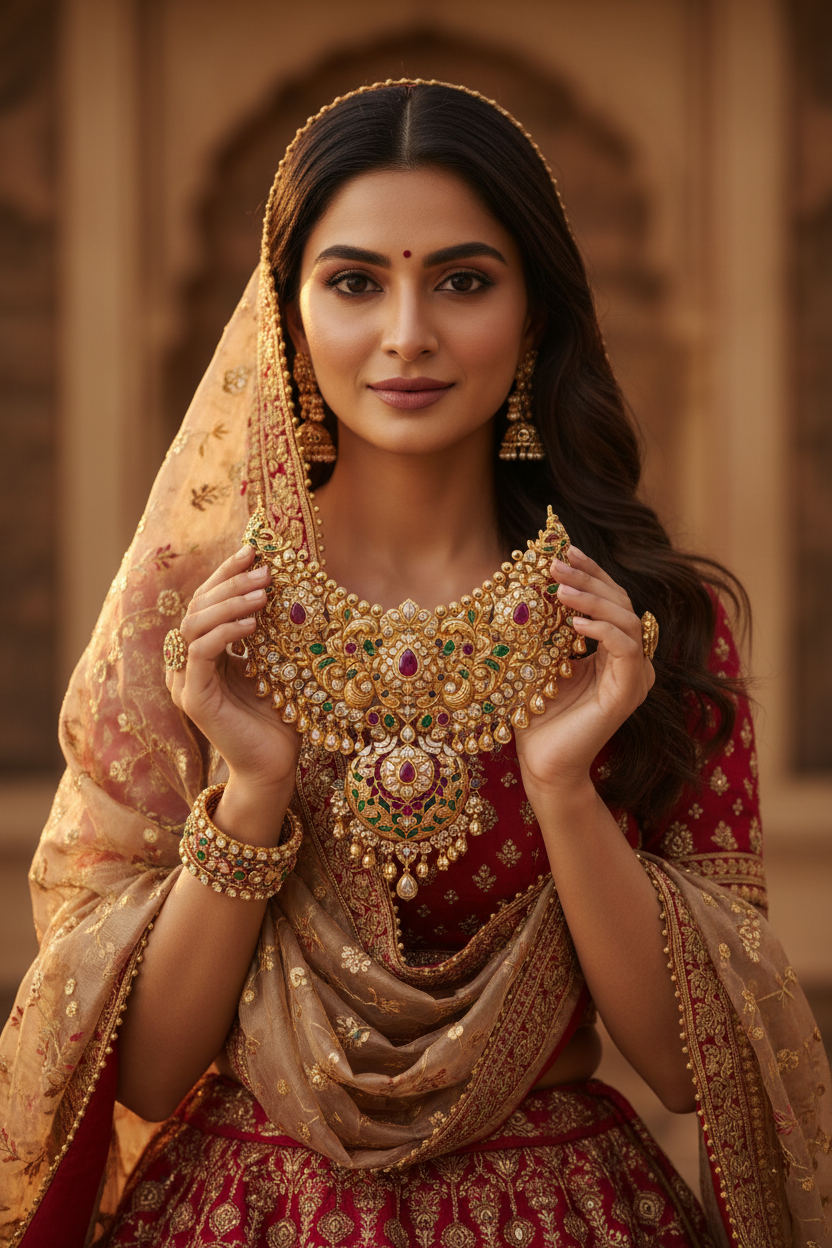
Indo western jewelry is not simply Indian jewelry with a modern finish. It deliberately fuses specific traditional elements, such as chandbali silhouettes, meenakari enamel, and temple motifs, with Western structural principles like geometric settings, open metalwork, and neutral color palettes. The result is a piece that reads as culturally rooted but visually accessible across global contexts. Buyers should look for this intentional duality rather than pieces that are simply gold-plated with a vague "fusion" label. A well-chosen pearl necklace and earring set, for instance, exemplifies this balance by pairing a heritage stone with clean, contemporary settings.
Core Material Combinations Used in 2026
The most commercially significant indo western jewelry in 2026 uses brass or copper base metals with gold or rhodium plating, set with moissanite, polki, cubic zirconia, or freshwater pearls. Moissanite has gained particular traction because it offers diamond-like brilliance at a fraction of the cost, making it ideal for statement pieces worn at weddings or corporate events. Buyers evaluating quality should check plating thickness, which should be at least 18 microns for durability, and confirm stone setting type, with prong or bezel settings being more secure than glue-set stones.
Indo Western Jewelry by Occasion and Silhouette: A Practical Matching Framework
Occasion-Based Selection Logic
Matching indo western jewelry to an occasion requires understanding the weight and visual density of the piece relative to the outfit. A heavy polki choker necklace set suits a lehenga or anarkali at a wedding reception, while a lightweight gold-plated lapel pin or slim cuff works for Indo-Western menswear at formal events. For everyday fusion wear, open-work earrings with minimal stone coverage strike the right balance without overpowering the look. Shoppers exploring fancy artificial jewellery will find a wide range of occasion-appropriate options across these silhouette types.
Silhouette Types and Their Styling Rules
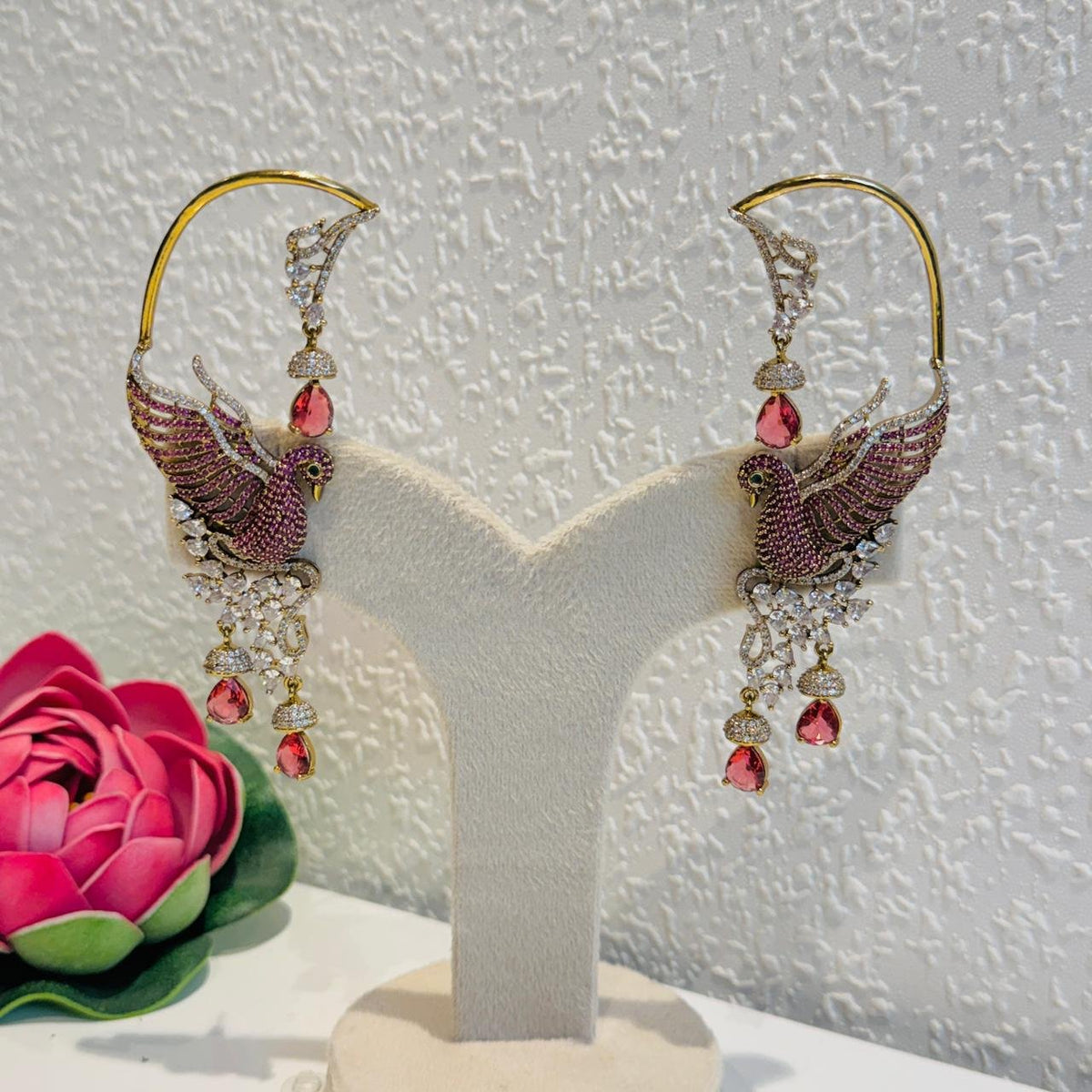
Indo western jewelry spans several distinct silhouette families. Chandbali earrings with geometric drops work with both Western gowns and Indian ethnic wear because the crescent base reads as traditional while the elongated drop reads as contemporary. Choker necklace sets with open metalwork pair well with deep necklines common in Western-cut blouses. Brooch and lapel pin combos add a heritage accent to suits and bandhgala jackets without requiring a full traditional jewelry set.
|
Occasion |
Recommended Piece Type |
Preferred Metal Finish |
Stone Choice |
|
Wedding Reception |
Polki Chandbali Earrings + Choker Set |
Gold Plated (22K tone) |
Polki or Moissanite |
|
Corporate Formal |
Lapel Pin or Slim Cuff |
Rhodium or Rose Gold |
CZ or Pearl |
|
Festive Casual |
Jhumka with Geometric Drop |
Antique Gold |
Meenakari Enamel |
|
Everyday Fusion |
Open-Work Stud or Ear Cuff |
Silver or Oxidised |
Minimal or None |
How to Evaluate Indo Western Jewelry Quality Before Buying
Construction and Finish Inspection Criteria
Quality in indo western jewelry is visible at the construction level, not just the surface finish. Inspect solder joints at earring hooks and necklace clasps, which should be smooth and flush rather than lumpy or discolored. Stone settings should show uniform prong height with no lifted edges, since a raised prong catches fabric and signals poor finishing. Requesting close-up product images or videos before purchasing online is a non-negotiable step. Fashion jewellery online platforms vary significantly in the detail they provide, so always verify construction specifics before committing.
Price Tiers and What They Actually Deliver
Indo western jewelry in India spans a wide price range, from under Rs. 500 for basic gold-plated brass pieces to Rs. 15,000 or more for handcrafted polki or moissanite sets. The mid-range tier between Rs. 1,500 and Rs. 5,000 typically delivers the best value, offering decent plating thickness, secure stone settings, and design complexity without the premium markup of luxury boutique labels. Buyers should treat anything priced below Rs. 800 with caution for occasion wear, since thin plating will oxidize within weeks.
|
Price Range (INR) |
Typical Base Metal |
Plating Quality |
Best Use Case |
|
Under 800 |
Brass or Alloy |
Thin (under 10 microns) |
One-time event or gifting |
|
800 to 2,500 |
Brass |
Medium (10-18 microns) |
Festive and casual fusion wear |
|
2,500 to 8,000 |
Brass or Copper |
Thick (18+ microns) |
Wedding and formal occasions |
|
Above 8,000 |
Sterling Silver or Gold Fill |
Premium or Solid |
Investment and heirloom pieces |
Buying Indo Western Jewelry Online: A Step-by-Step Evaluation Process
How to Vet an Online Listing Effectively
Online indo western jewelry purchases require a structured evaluation approach because product photography often flatters pieces beyond their actual quality. Start by reading the material description carefully, confirming base metal type, plating material, and stone type rather than relying on vague terms like "premium" or "luxury." Those seeking designer jewellery online should prioritize platforms that present detailed product information as the baseline standard for any credible retailer.
-
Check the base metal and plating thickness in the product description before adding to cart. For more information, explore the Traditional gold bangle designs.
-
Request close-up images of stone settings and solder joints from the seller if not already provided.
-
Verify the return and exchange policy, especially for occasion-wear purchases.
-
Cross-reference the price against the mid-range quality benchmark for the occasion type.
-
Read verified buyer reviews specifically mentioning durability after multiple wears, not just appearance on arrival.
-
Store each piece in a separate soft pouch to prevent scratching.
-
Keep jewelry away from perfume, lotion, and water exposure.
-
Wipe with a dry microfiber cloth after every use.
-
Re-plate pieces showing oxidation rather than discarding them.
-
Moissanite: Best for high-brilliance statement pieces at accessible price points.
-
Polki: Uncut diamonds with a raw, traditional finish suited to heritage-inspired designs.
-
Cubic Zirconia: Budget-friendly sparkle for everyday fusion and casual occasion wear.
-
Freshwater Pearl: Adds softness and a cross-cultural appeal to Indo-Western necklace sets.
Frequently Asked Questions
What is the difference between indo western jewelry and traditional Indian jewelry?
Indo western jewelry intentionally combines Indian craft techniques and motifs with Western structural design principles, while traditional Indian jewelry follows regional craft conventions without Western styling influence.
Which metal finish is most durable for indo western jewelry?
Gold plating with a thickness of 18 microns or more on a brass base offers the best durability for occasion wear, outperforming thinner plating that oxidizes within weeks of regular use.
Can men wear indo western jewelry?
Yes, men's indo western jewelry includes lapel pins, brooches, cufflinks, and slim chain necklaces designed to complement bandhgala jackets, suits, and kurta-trouser combinations.
How do I prevent my gold-plated indo western jewelry from tarnishing?
Store pieces in individual anti-tarnish pouches, avoid contact with perfume and moisture, and wipe with a dry microfiber cloth after each wear to significantly extend plating life.
Is moissanite a good stone choice for indo western jewelry?
Moissanite is an excellent choice because it delivers diamond-comparable brilliance at a lower price point, making it well-suited for statement Indo-Western pieces worn at weddings and formal events.