


Imitation Jewellery Wholesale in India: What Buyers, Resellers, and Retailers Need to Know Before They Order
The imitation jewellery wholesale market in India is one of the most active segments of the broader fashion accessories trade. It supplies everything from independent boutiques and Instagram resellers to gifting businesses, event stylists, and small-format physical retailers across the country. If you are entering this market for the first time or looking to make your sourcing more systematic, the information landscape can feel overwhelming. Wholesale listings vary wildly in quality, minimum order requirements, pricing structures, and reliability.
This guide is written specifically for buyers on the commercial side of imitation jewellery: people who are purchasing to sell, not to wear.
How the Imitation Jewellery Wholesale Market Is Structured in India
Understanding the supply chain helps you identify where to enter it strategically.
Tier 1: Manufacturers Production facilities, primarily in Jaipur (Rajasthani and kundan styles), Mumbai (Dharavi and Kurla for fashion jewellery), Kolkata (filigree and traditional designs), and parts of Tamil Nadu and Andhra Pradesh (temple and kemp jewellery). Manufacturers typically sell in very large quantities (hundreds to thousands of pieces per style) and work primarily with distributors and large retailers.
Tier 2: Wholesalers and Distributors Buy from manufacturers in bulk and sell in smaller quantities to retailers and resellers. This is the most relevant tier for most small to medium buyers. Minimum order quantities are lower than direct manufacturer sourcing, pricing is higher than manufacturer-direct but significantly lower than retail, and variety is better because distributors typically carry multiple manufacturer lines.
Tier 3: Wholesale Retailers These operate somewhere between wholesale and retail, offering lower prices than standard retail for buyers who purchase above a threshold quantity (sometimes as low as three to five pieces per style). Many online jewellery brands operate a parallel wholesale or bulk-buying channel alongside their retail business.
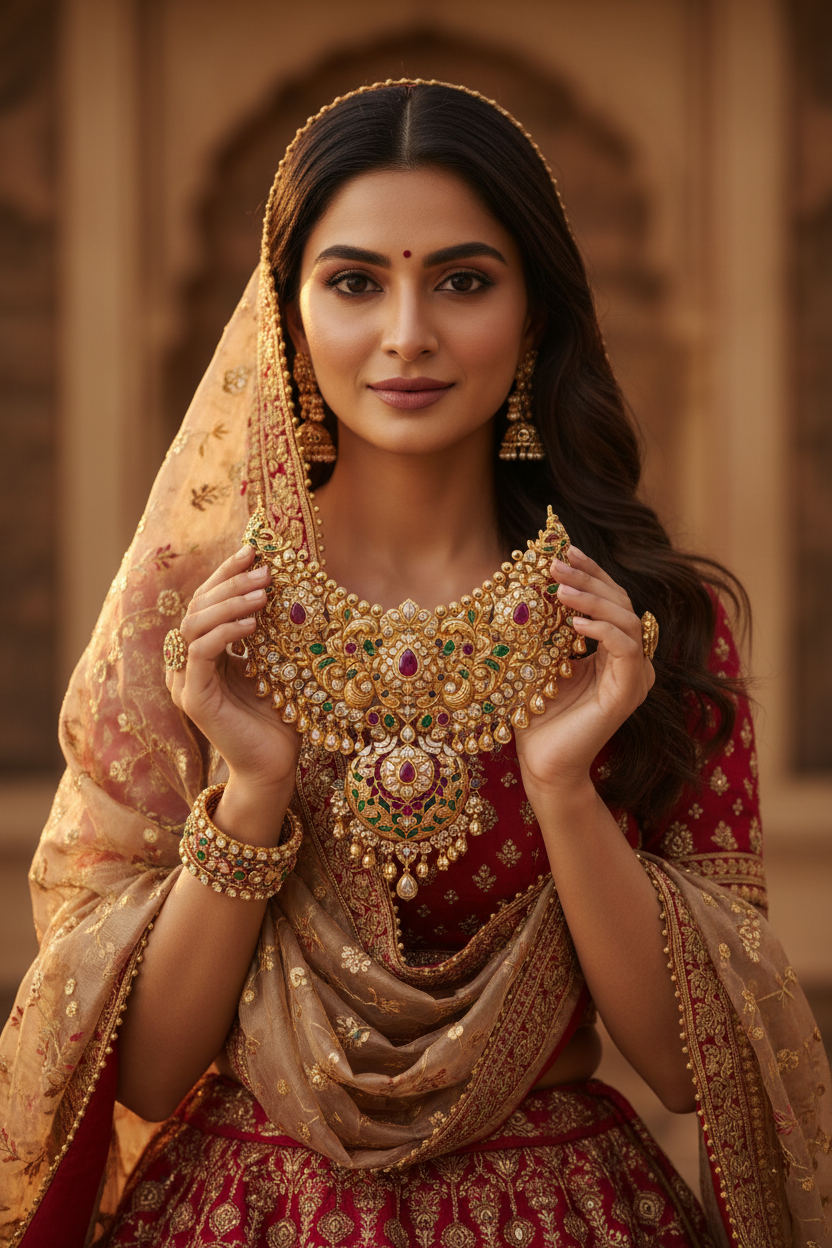
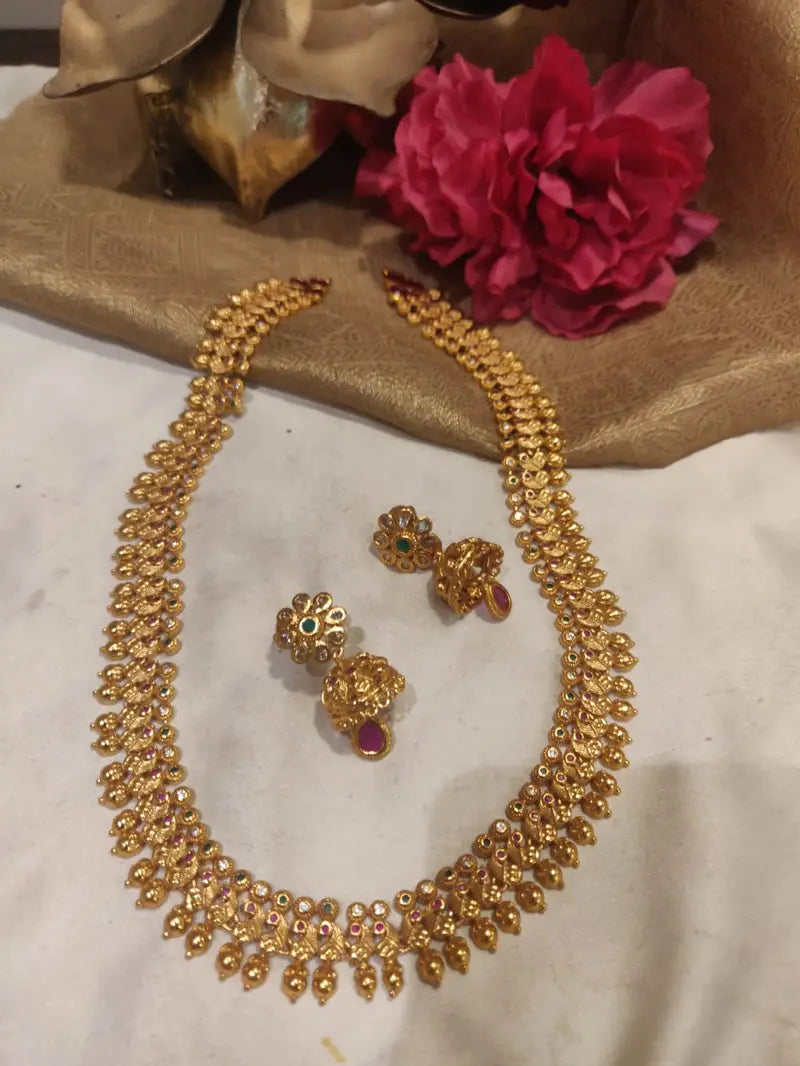
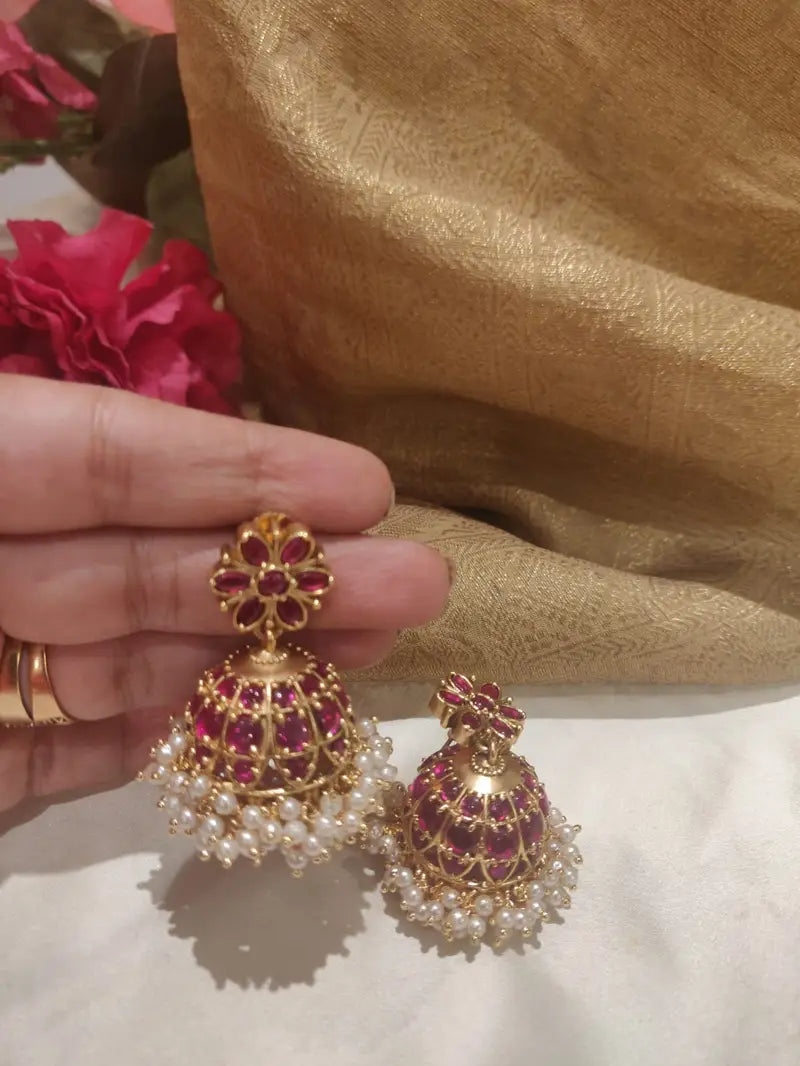
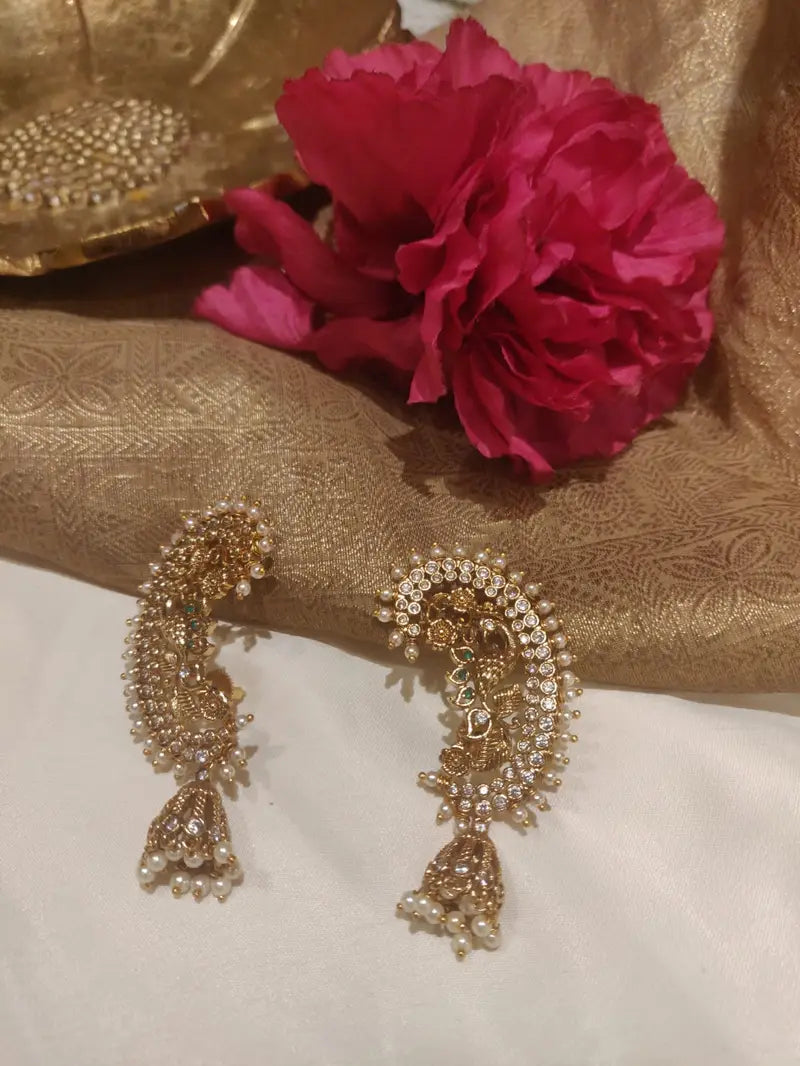
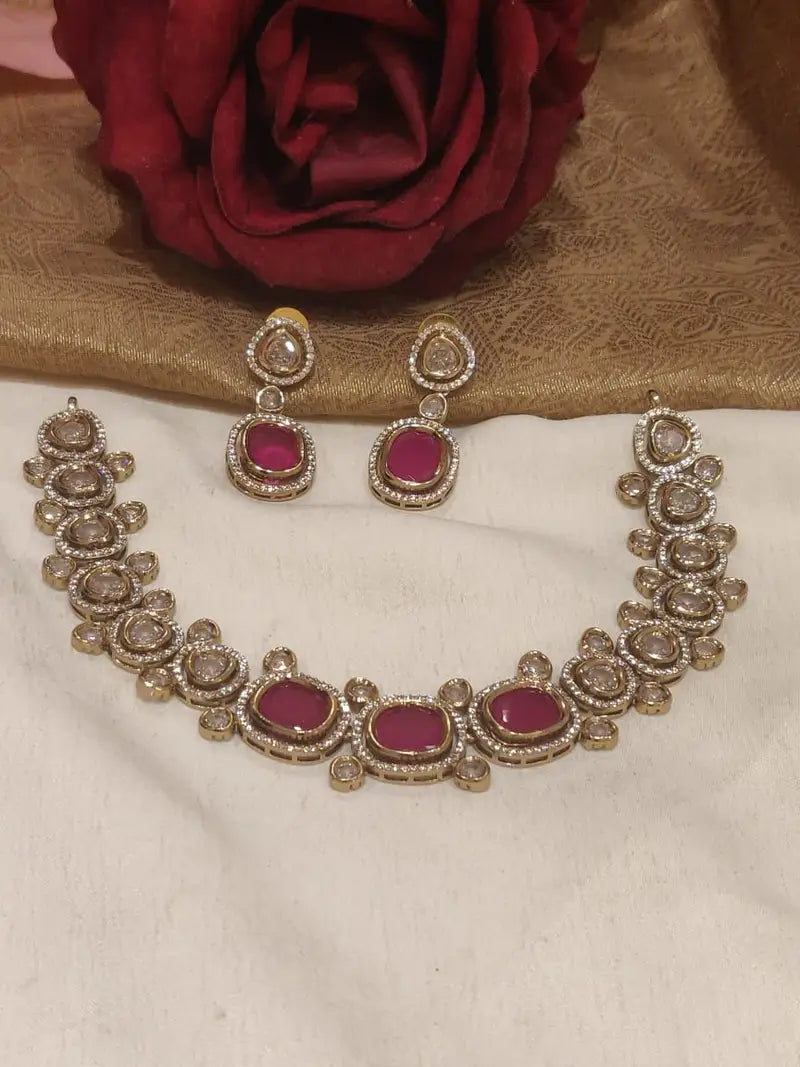
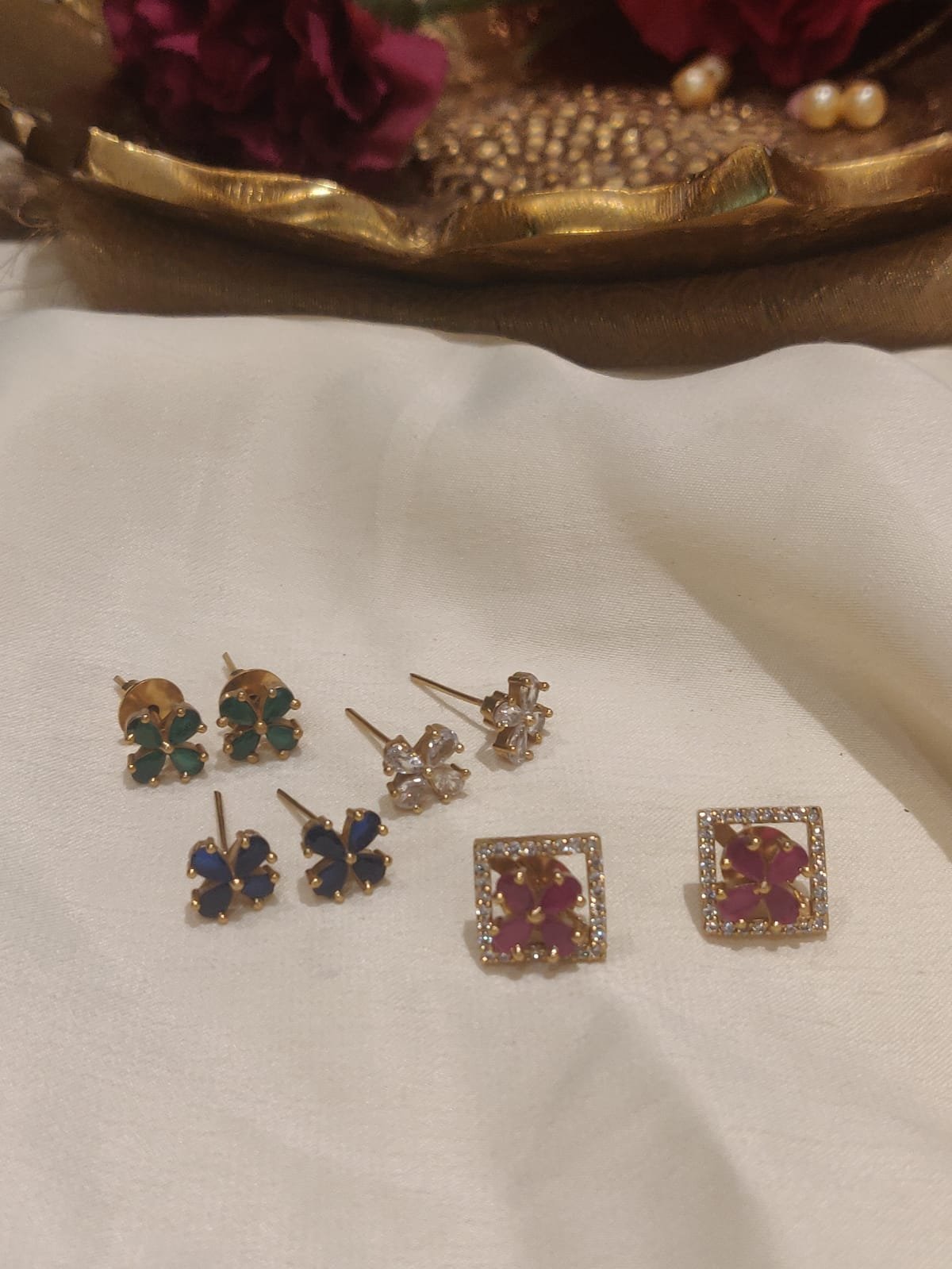
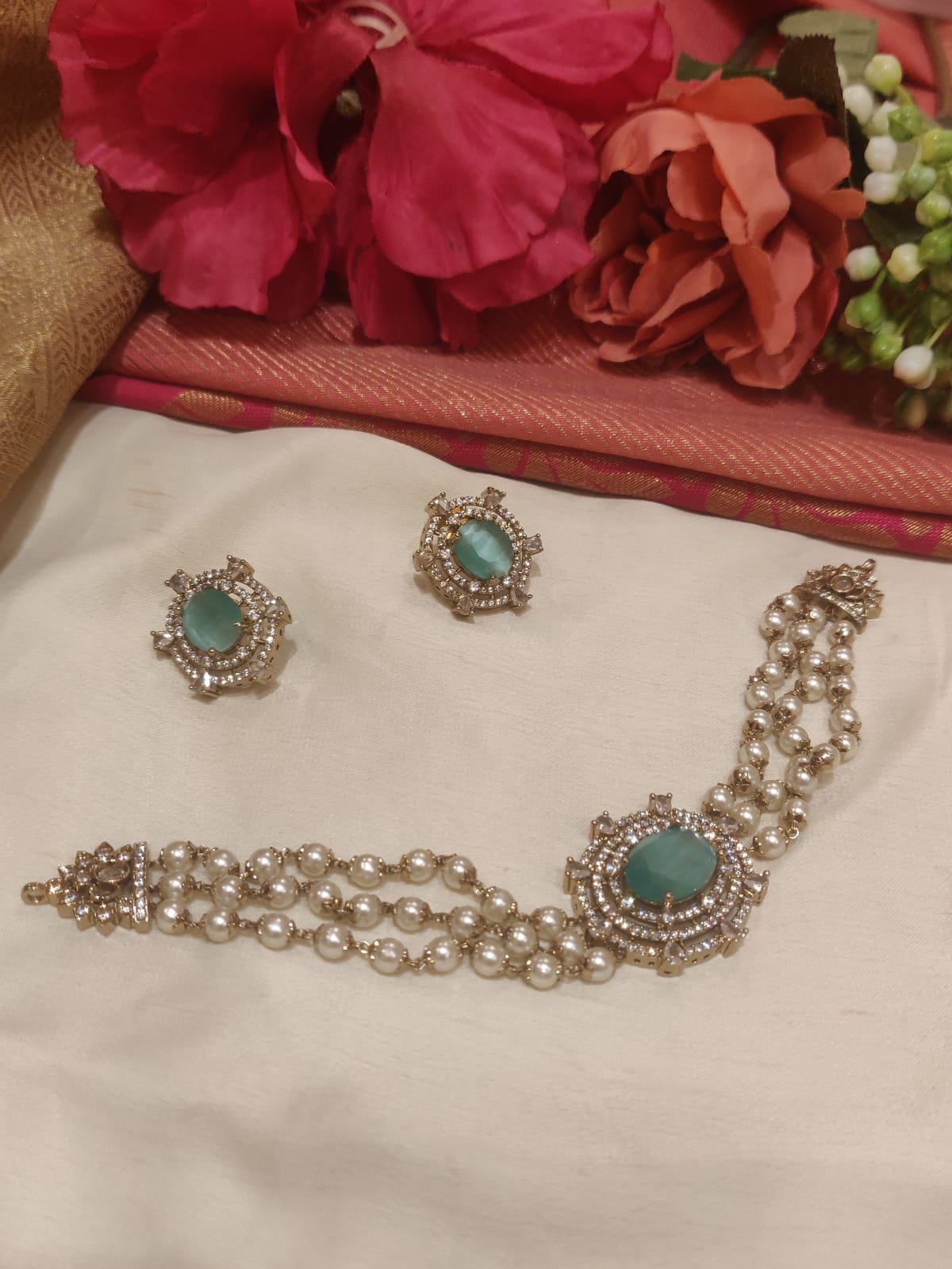
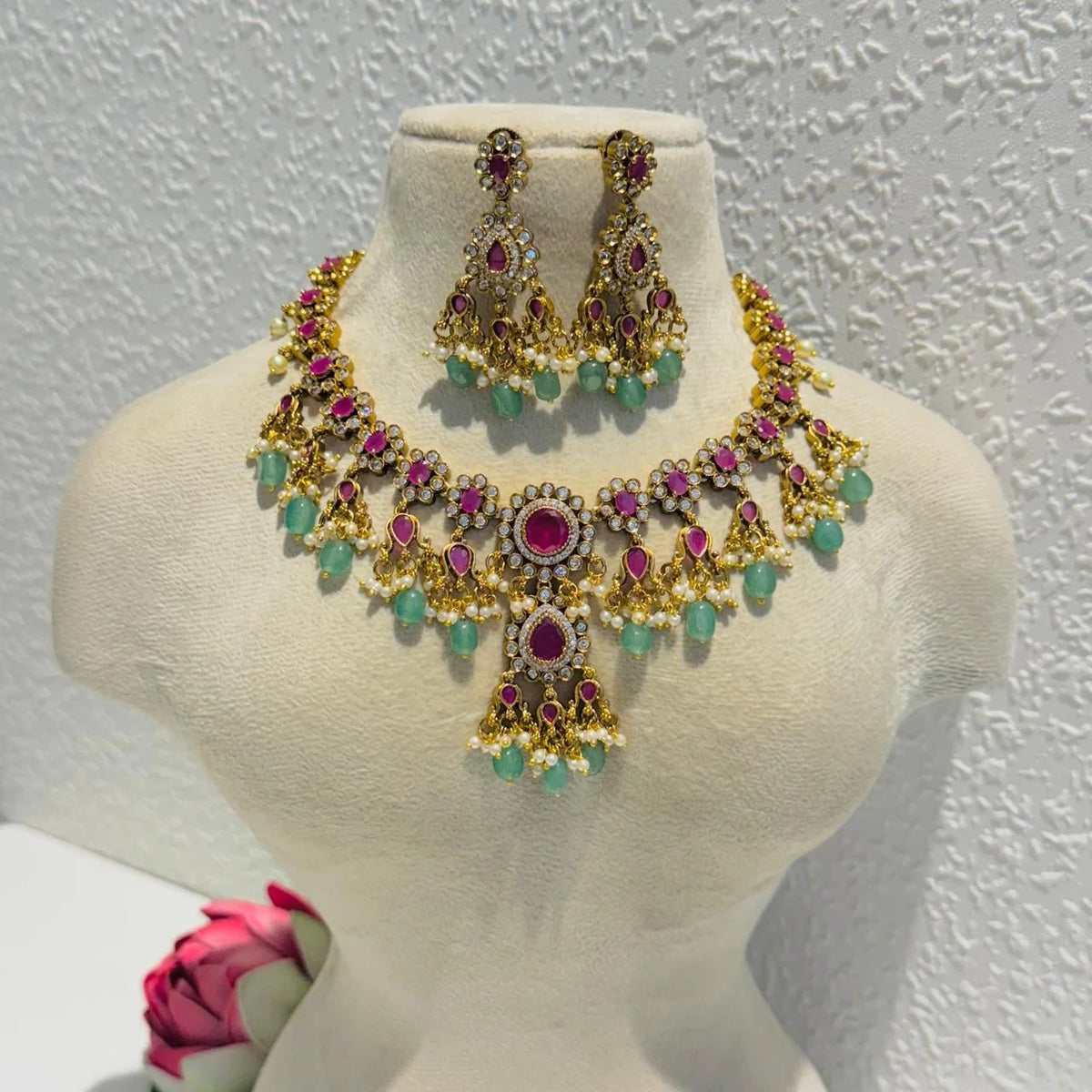
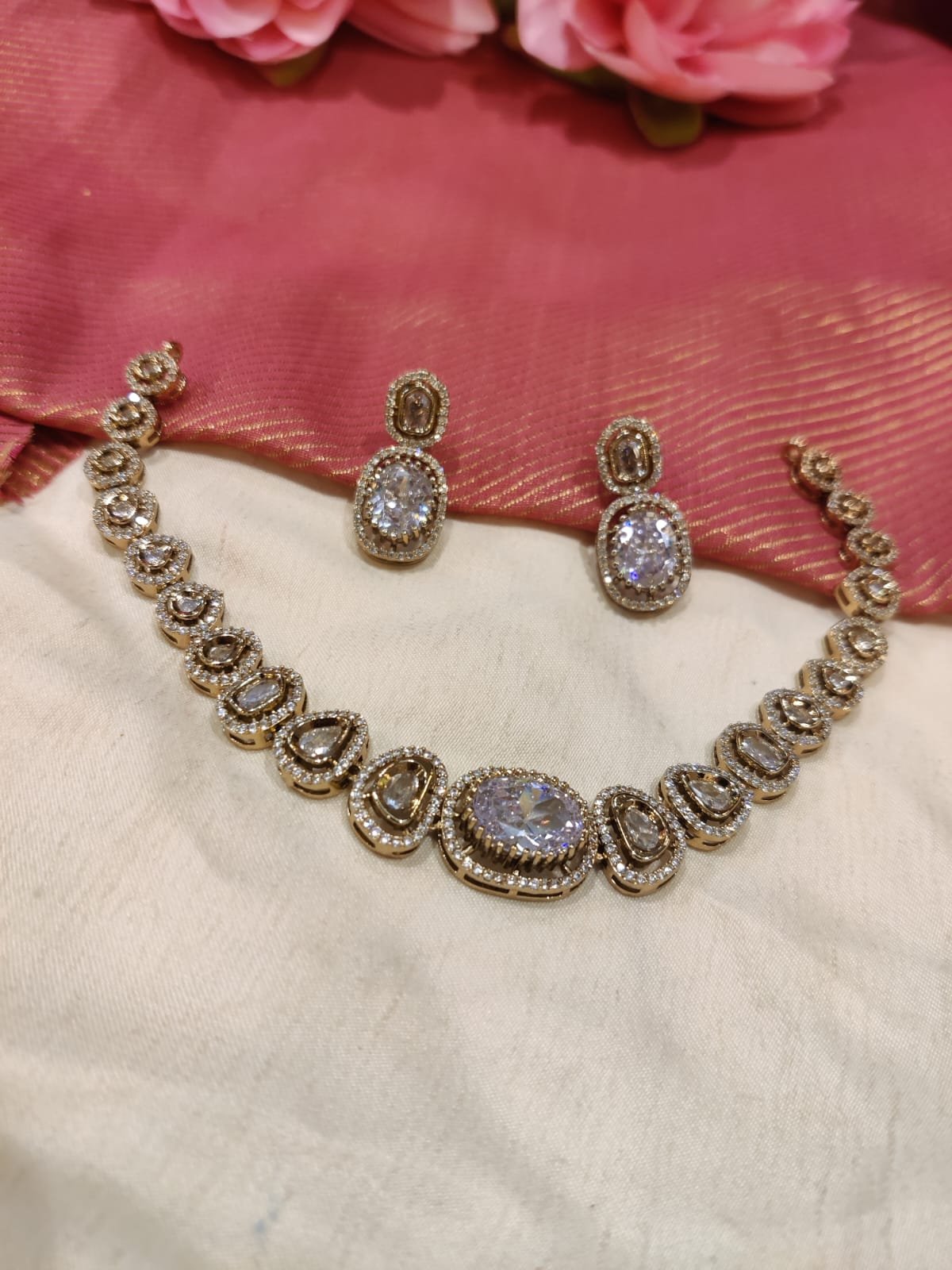
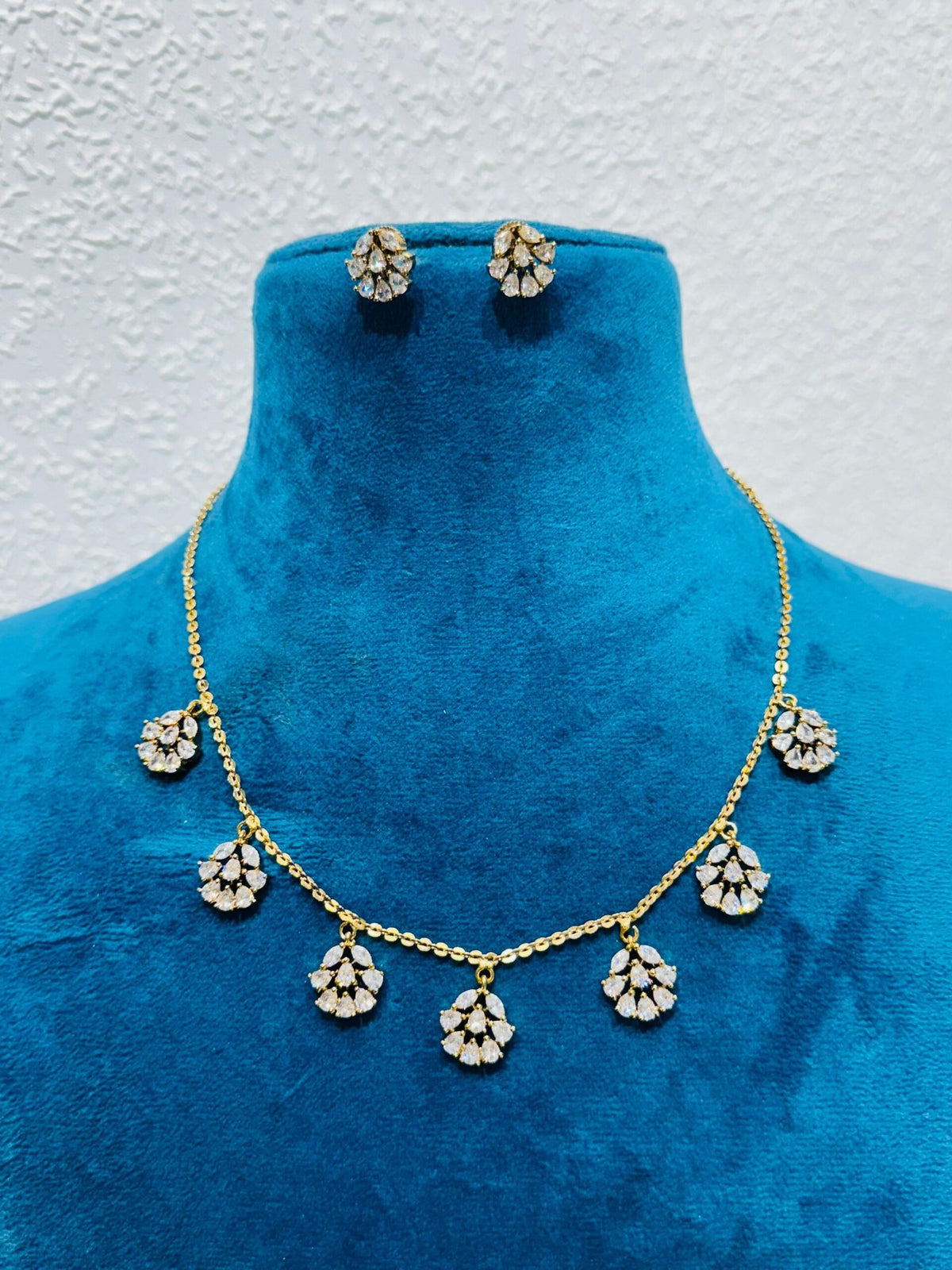
Understanding where Emporia Jewels fits: Emporia Jewels is a retail brand with a deep catalogue range. For resellers and boutique buyers who want consistent quality and design range without minimum order complexity, exploring artificial jewellery at the retail level with a focus on design variety and quality consistency can be an appropriate sourcing approach.
What to Look for in an Imitation Jewellery Wholesale Supplier
This is where many first-time wholesale buyers make costly mistakes. Here is the framework that experienced resellers use to evaluate suppliers before committing to significant orders.
Minimum Order Quantity (MOQ) and structure: Some wholesalers require an MOQ by total value (minimum Rs 5,000 or Rs 10,000 per order). Others require minimum quantities per style or per category. Understand the MOQ structure before you agree to anything. An MOQ that sounds reasonable may become restrictive when applied per style rather than per total order.
Sample availability: Any serious wholesale supplier should allow you to purchase samples or a small trial order before you commit to bulk quantities. If a supplier does not offer samples or resists small trial orders, treat this as a caution sign. You need to assess actual quality before committing significant budget.
Product photography vs actual stock consistency: A persistent problem in the wholesale imitation jewellery market is the gap between catalogue photography (which may show premium samples or enhanced photography) and the actual stock shipped. Customer photos from existing buyers of the supplier are your most reliable quality indicator.
Consistency across batches: For resellers, one of the most commercially damaging issues is receiving a reorder that looks noticeably different from the original stock. Ask suppliers specifically about their batch-to-batch consistency and look for evidence of how they handle quality complaints.
Transparency of materials: A wholesale supplier should be able to tell you specifically what the base metal is, what the plating type is, and what the stones are. This information is essential if your end customers ask about materials, and they will.
The Geography of Imitation Jewellery Wholesale in India
Different cities and regions are known for specific jewellery styles. Knowing where to source by style is practically useful for building a differentiated retail offering.
Jaipur: The primary wholesale market for kundan, meenakari, and Rajasthani-style jewellery. The Johari Bazaar and surrounding markets are India's most concentrated imitation jewellery wholesale hub. Jaipur suppliers are also the best source for enamel work and lac jewellery.
Mumbai (Dharavi, Kurla, Dadar): A major hub for contemporary fashion jewellery, Indo-western styles, and mass-market imitation pieces. Pricing in Mumbai wholesale markets is competitive, and the variety is very wide.
Kolkata: Strong for traditional Bengali and East Indian styles, silver-tone oxidised pieces, and filigree-influenced designs. The Gariahat and Hatibagan areas have significant wholesale concentrations.
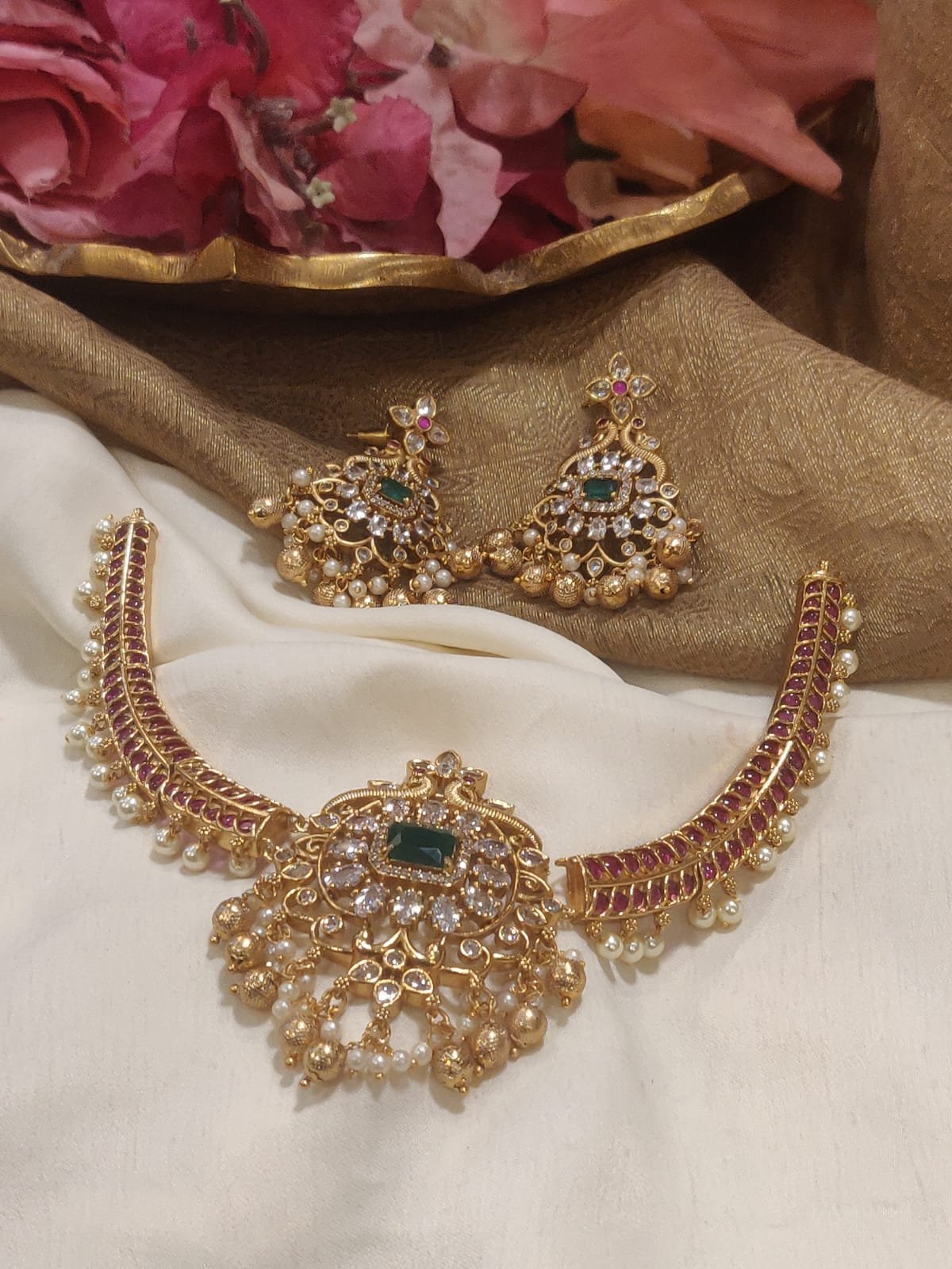
Chennai and Hyderabad: Primary sources for South Indian temple jewellery, kemp stone pieces, and traditional Andhra and Tamil Nadu bridal jewellery styles. For resellers targeting South Indian communities or the broader traditional jewellery market, these are essential sourcing geographies.
Online wholesale platforms: IndiaMart, Meesho's wholesale layer, and branded distributor channels have expanded imitation jewellery wholesale access to buyers who cannot travel to physical wholesale markets. These platforms have the same quality assessment challenges as any online purchase, amplified by the volume involved.
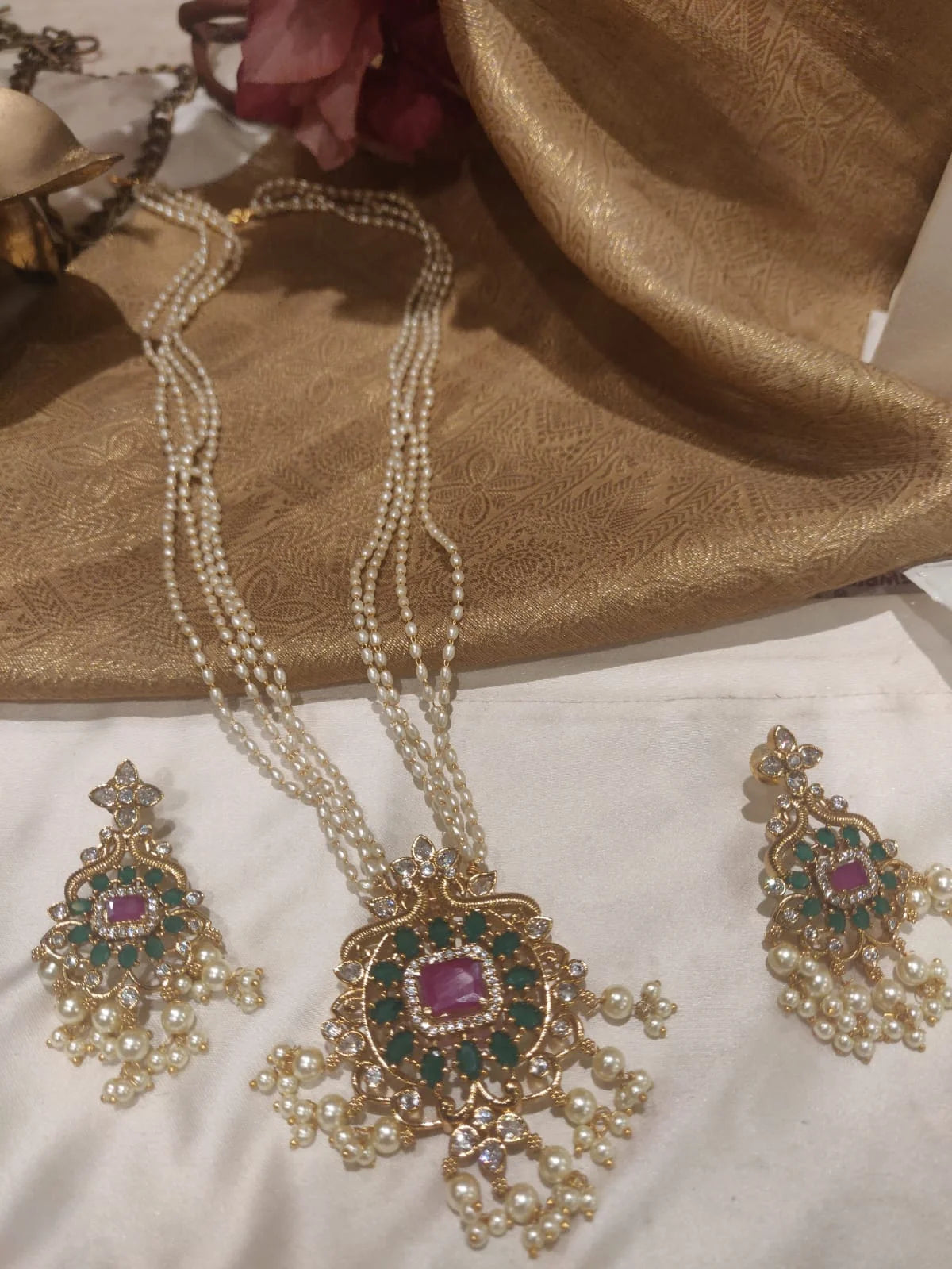
The bridal collections at Emporia Jewels represent the kind of curated, occasion-specific catalogue that serves the retail end of the supply chain well.
Pricing Realities: What Margins Look Like in Imitation Jewellery Retail
Understanding the margin structure helps you assess whether a wholesale offer is genuinely competitive.
General market practice in imitation jewellery suggests:
- Wholesale prices are typically 40 to 60 per cent below the suggested retail price for standard fashion jewellery
- For premium or handcrafted pieces, the wholesale-to-retail margin narrows
- Very cheap wholesale pricing relative to comparable retail products is a reliable indicator of compromised material quality or plating thickness
Margins for resellers depend on:
- The channel (Instagram reselling, physical boutique, gifting business have different overhead and pricing structures)
- The design exclusivity of what you are selling (generic styles face more price pressure than distinctive or curated designs)
- Your volume and the consistency of your sourcing
For resellers building an Instagram or social-commerce business, sourcing pieces that have design individuality rather than mass-market generic styles is more sustainable commercially.
What NOT to Do When Sourcing Imitation Jewellery Wholesale
These are the mistakes most commonly made by first-time wholesale buyers:
Committing to a large first order without sampling: Always sample first. Always.
Choosing on price alone without quality assessment: The lowest wholesale prices in imitation jewellery typically reflect thin plating, low-grade base metal, or poor stone setting quality.
Ignoring return and exchange terms with the supplier: Understand the supplier's policy for defective goods before you order, not after stock arrives.
Not checking for design overlap with competitors: If you are reselling through Instagram or a boutique, buying the same designs that fifty other local resellers carry undercuts your ability to differentiate.
Underestimating packaging and presentation costs: The final appearance of what your customers receive includes how it is packaged. Factor packaging into your unit cost calculation.
For the retail customer experience side, the handcrafted jewelry range demonstrates how craft-quality presentation elevates product value perception.
Frequently Asked Questions
Q1. What is a reasonable minimum order for a first wholesale purchase of imitation jewellery in India?
For first orders, aim to keep total commitment low until you have verified quality and batch consistency. Many distributors and wholesale retailers accept orders from Rs 3,000 to Rs 10,000 as a starting point. Avoid committing to very large first orders regardless of how attractive the pricing appears.
Q2. Is it better to source imitation jewellery wholesale online or from physical wholesale markets?
Physical wholesale markets allow you to assess quality directly before purchasing, which is a significant advantage. Online wholesale offers broader access and convenience but requires more rigorous quality vetting through samples and reviews.
Q3. How do I handle customer complaints about plating wear as a reseller?
Set accurate expectations with your customers about the material nature of imitation jewellery and care requirements. Have a clear exchange policy for manufacturing defects. Use accurate material descriptions in your own product listings.
Q4. Can I source South Indian temple jewellery at wholesale prices from online platforms?
Yes, but quality varies significantly. For high-quality temple jewellery wholesale, direct sourcing from Chennai or Hyderabad-based suppliers or their established online channels is more reliable than generic online wholesale platforms.
Q5. What documentation should I ask a wholesale supplier for before placing a large order?
Ask for: a sample of the actual stock (not catalogue photography), clear pricing with MOQ terms in writing, a return policy for defective goods in writing, and if possible, references from existing buyers.