

Handcrafted Jewellery: The Definitive Guide to Evaluating Artisanal Heritage and Modern Heirloom Quality
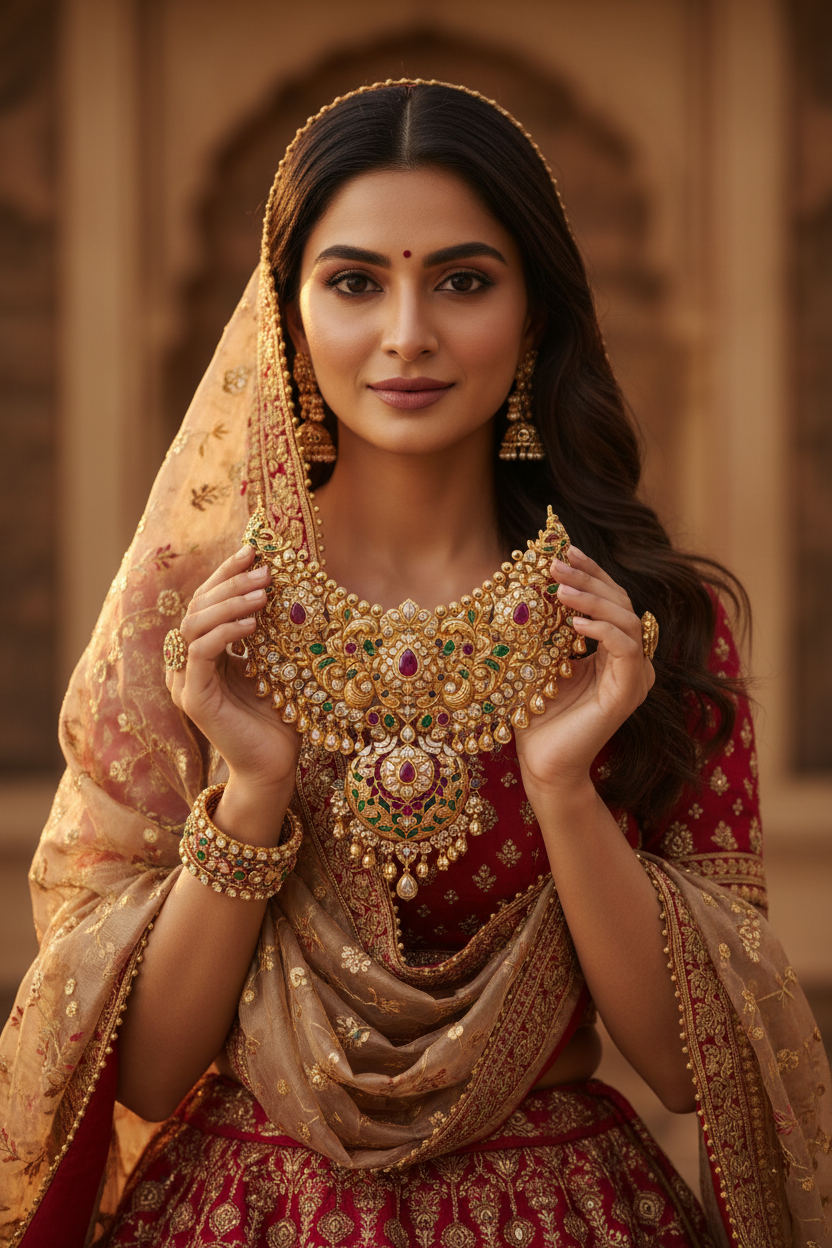
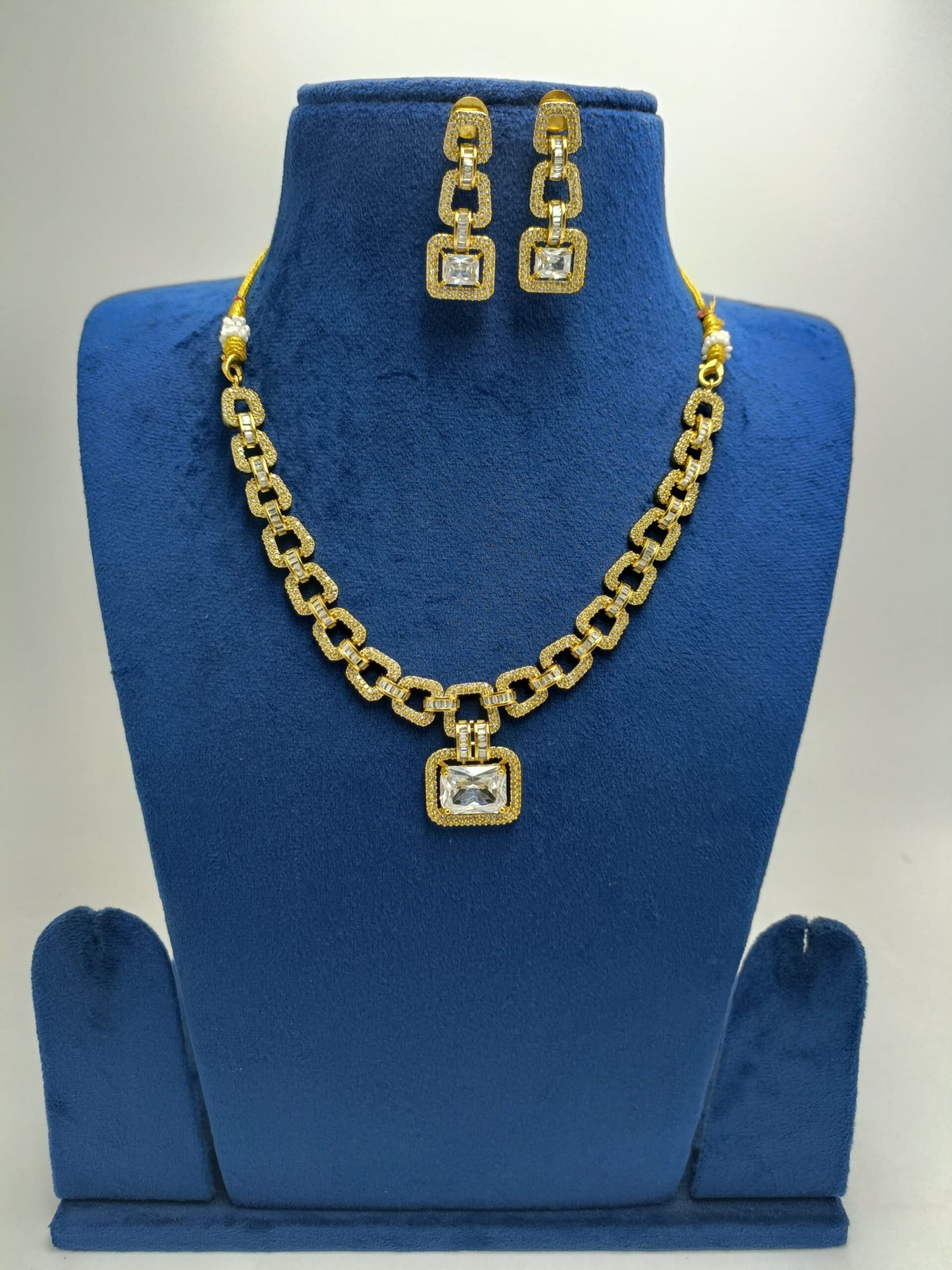
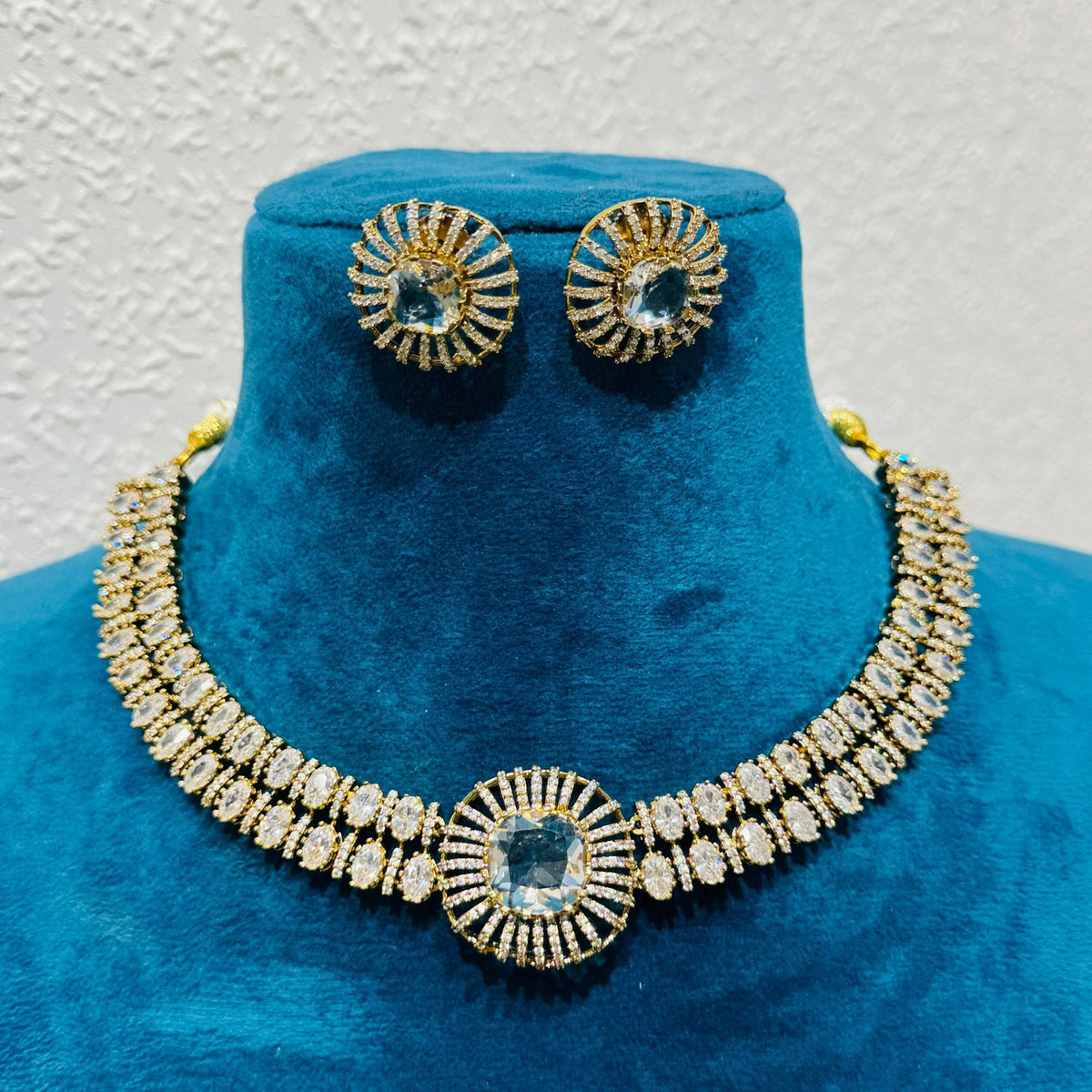
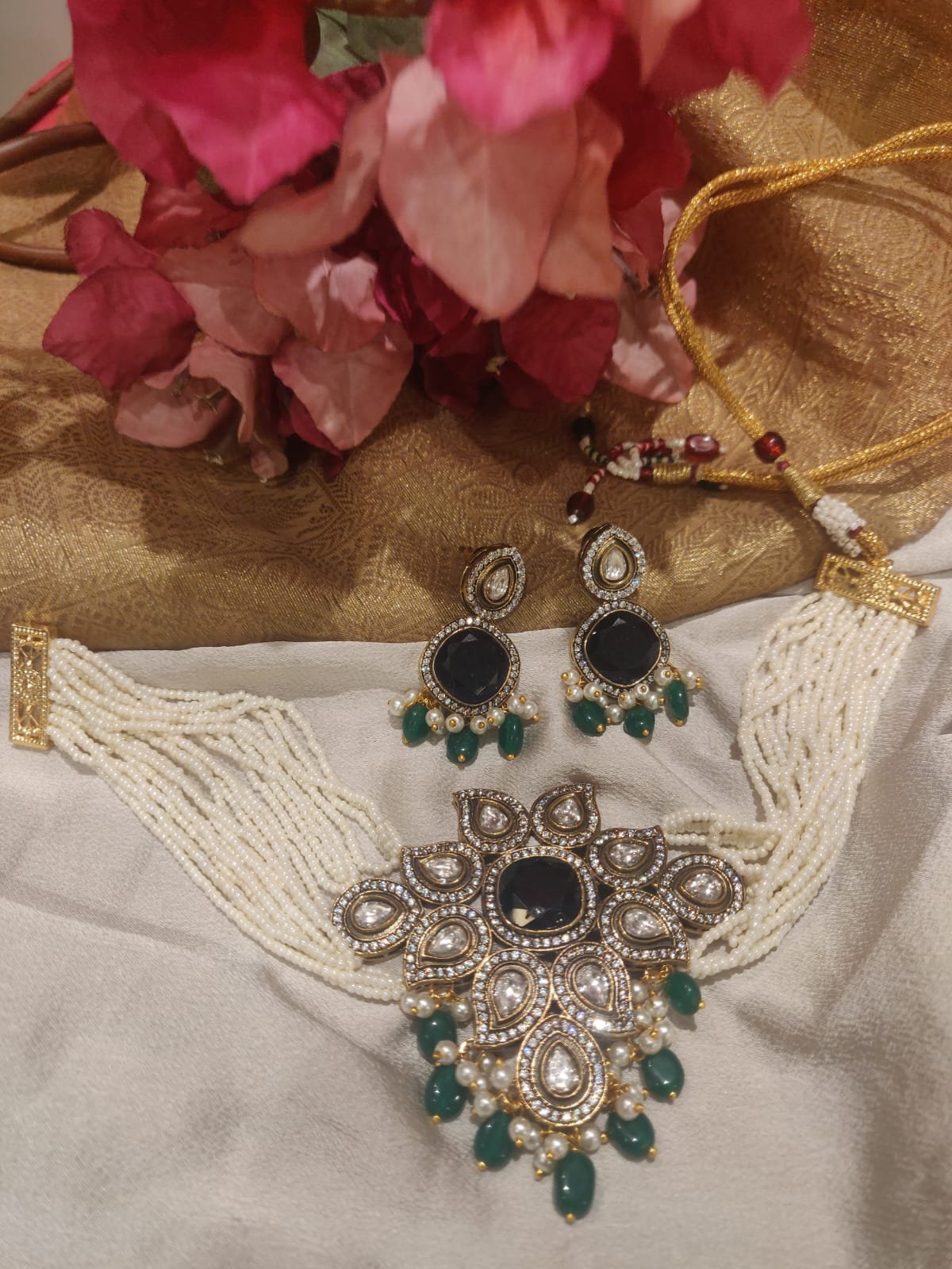
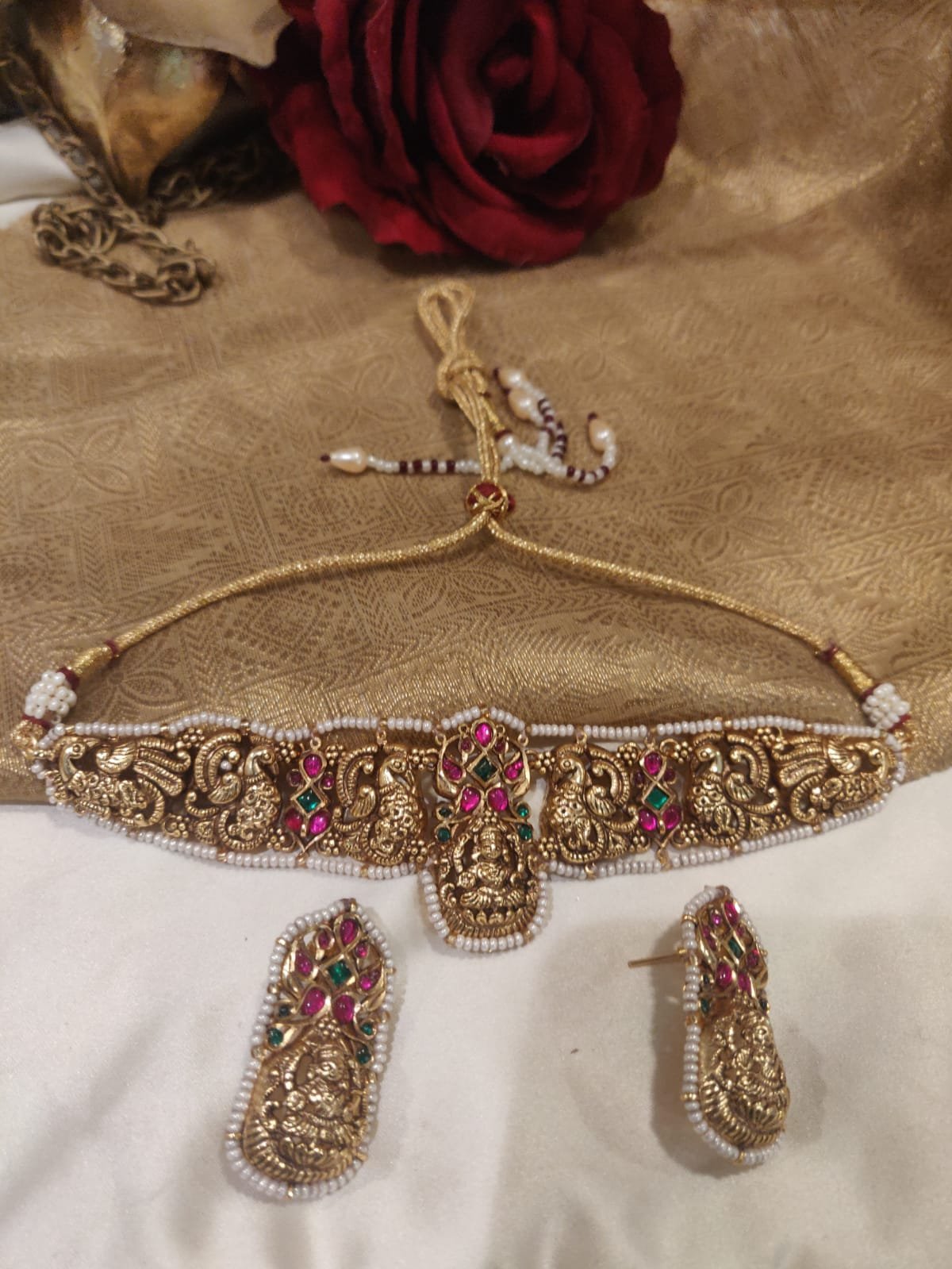
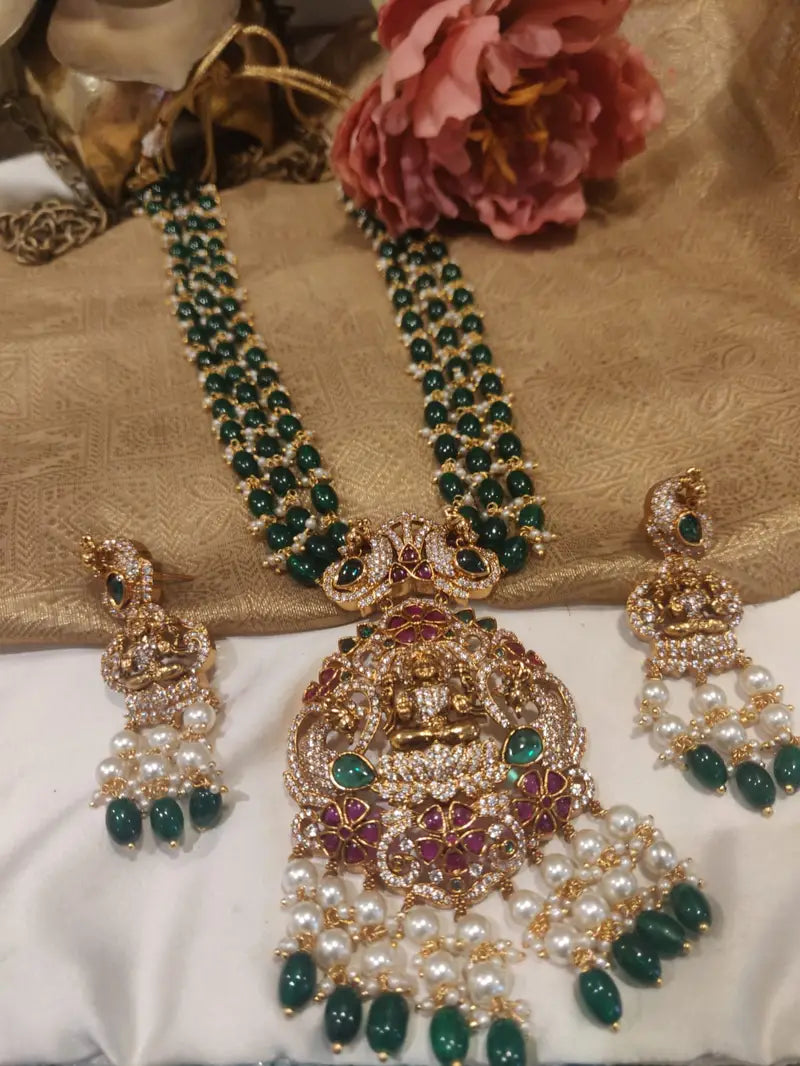
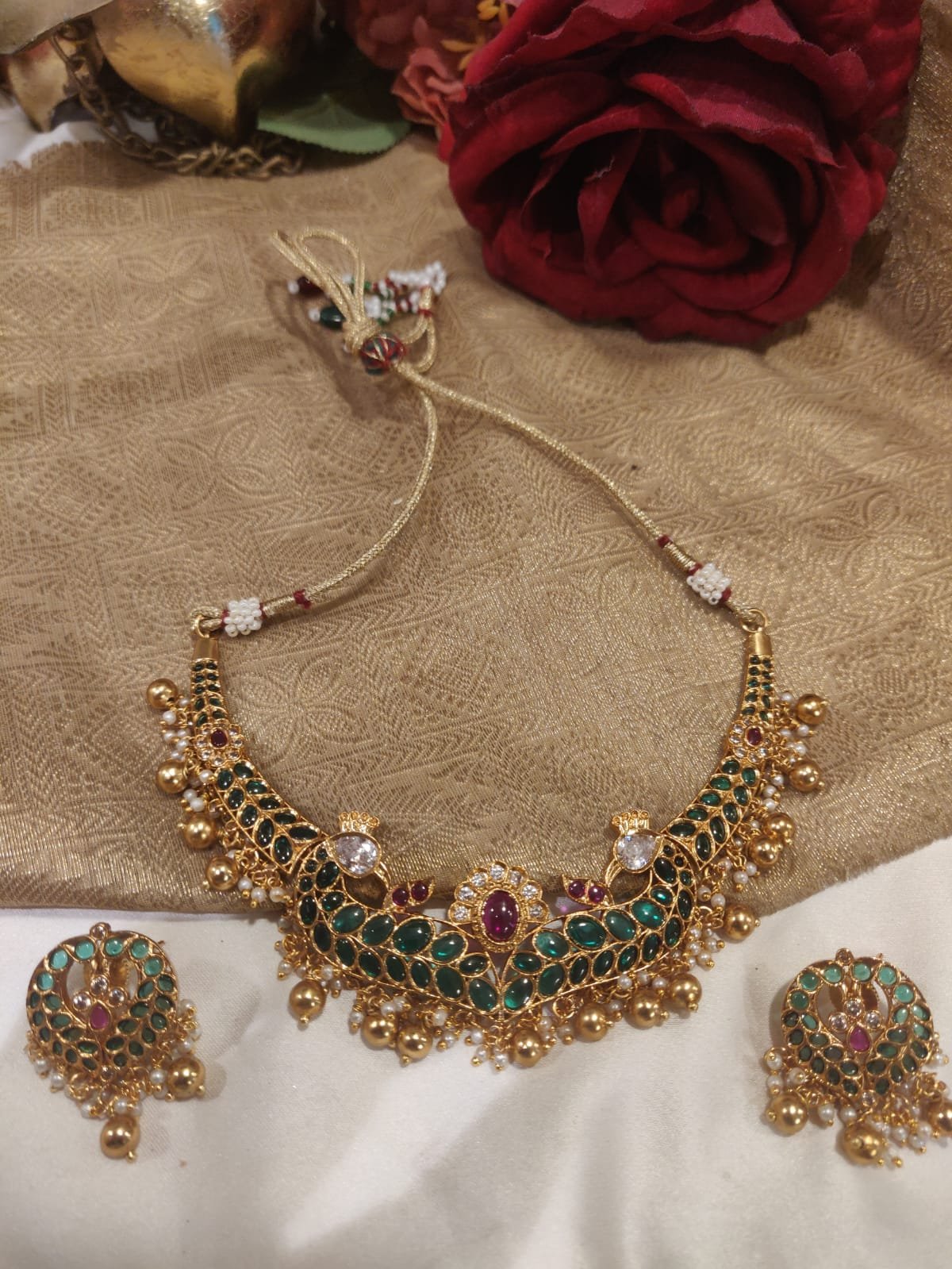
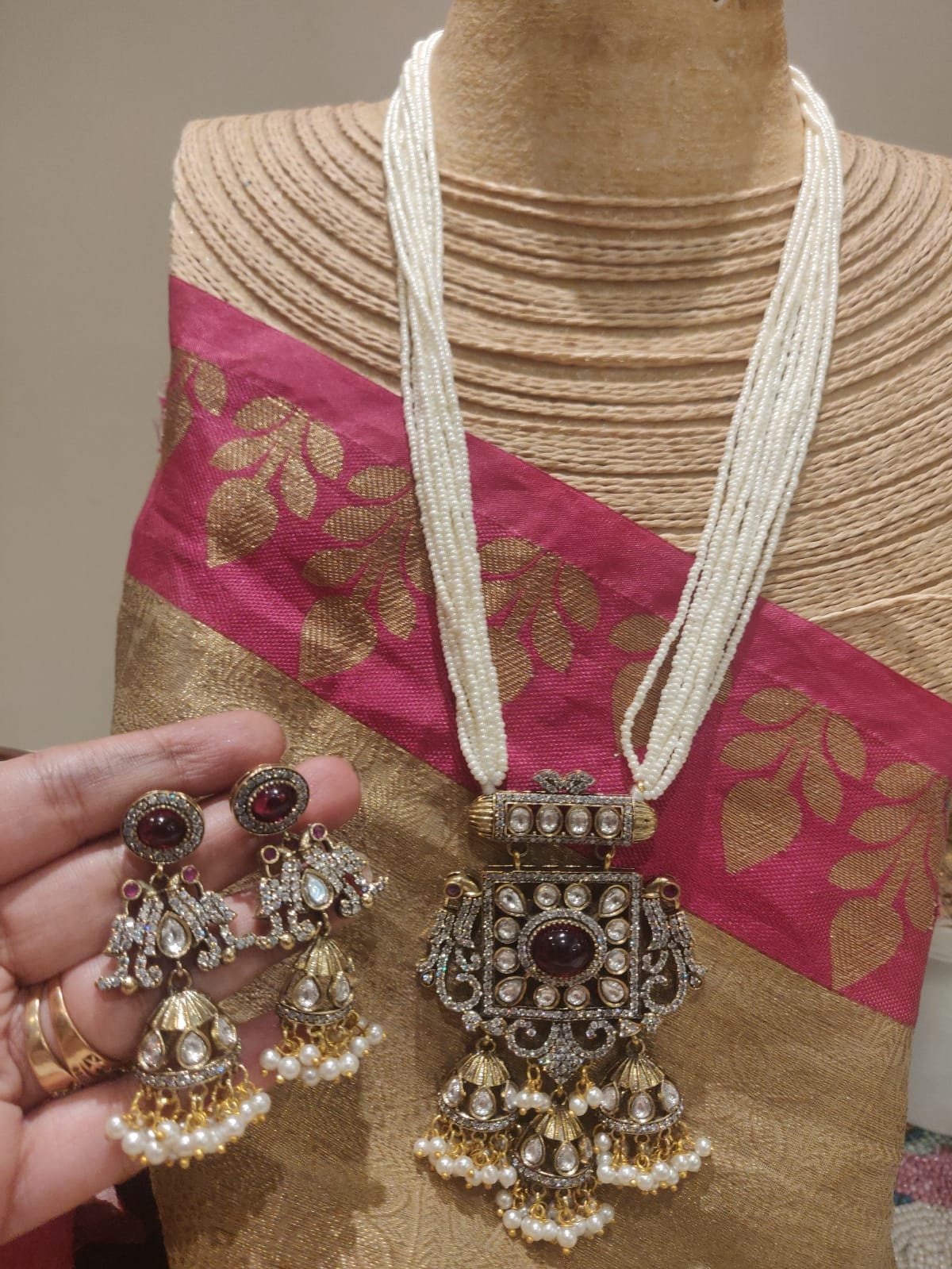
Discerning collectors seek more than mere ornamentation; they look for historical narratives captured in precious metals and gemstones. Handcrafted jewellery offers a tangible connection to generations of artistry, preserving cultural legacies that automated assembly lines simply cannot replicate. Understanding the techniques, material grades, and evaluation standards empowers you to invest in authentic, high-value wearable art, from a classic pearl necklace and earring set to elaborate bridal ensembles.
The Structural Anatomy of Artisanal Jewellery Making
Defining the Core Metallurgical Techniques
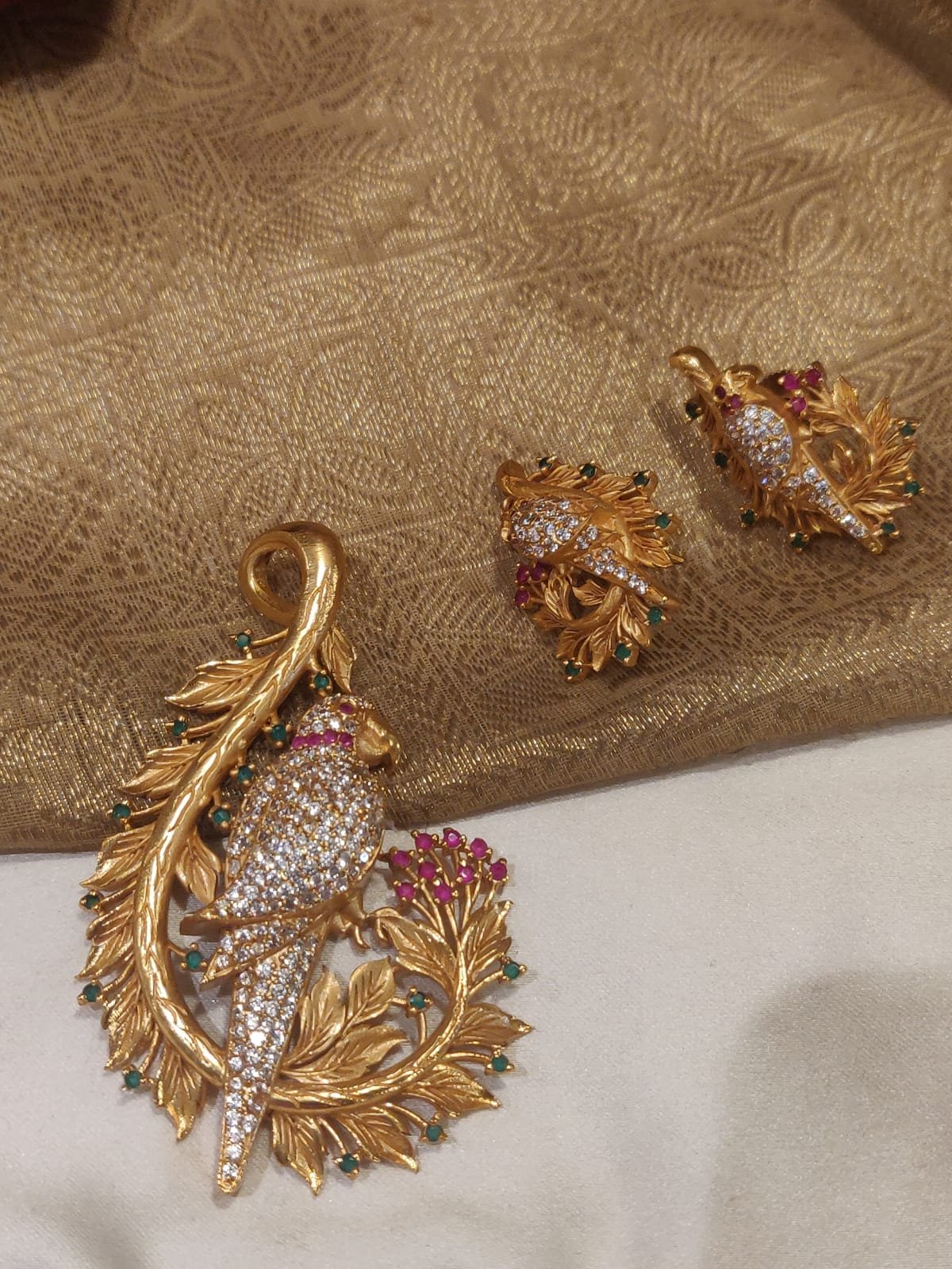
In practice, expert metalsmiths utilize ancient techniques like filigree, chasing, and repousse to manipulate sheet metal and fine wire into intricate patterns. These legacy processes require intense manual calibration because minor fluctuations in flame temperature can permanently warp the delicate metal matrix. Real-world application shows that sterling silver and 22-karat gold remain the preferred mediums due to their optimal malleability and enduring structural integrity.
|
Attribute |
Handcrafted Method |
Mass-Produced Method |
|
Design Authenticity |
Each piece possesses unique variations and human nuances. |
Replicated identically using standardized industrial molds. |
|
Structural Durability |
Wrought and work-hardened metals yield superior tensile strength. |
Cast metal can contain microscopic air bubbles, causing brittle joints. |
|
Setting Precision |
Prongs and bezels are tailored specifically to individual stone shapes. |
Uniform pre-cast settings force stones into standard dimensions. |
The Integration of Authentic Gemstone Settings
Master artisans secure precious and semi-precious stones using tailored bezel, prong, or tension settings that conform to the natural contours of each raw crystal. Unlike mechanized casting where uniform stones are forced into rigid pre-made templates, hand-setting prevents structural stress that can fracture delicate mineral structures over time. Consequently, custom-fit settings significantly reduce the risk of stone loss while maximizing light refraction through precise positioning.
Materials, Regional Legacies, and Authenticity Markers
Identifying Fine Heritage Metals and Alloys
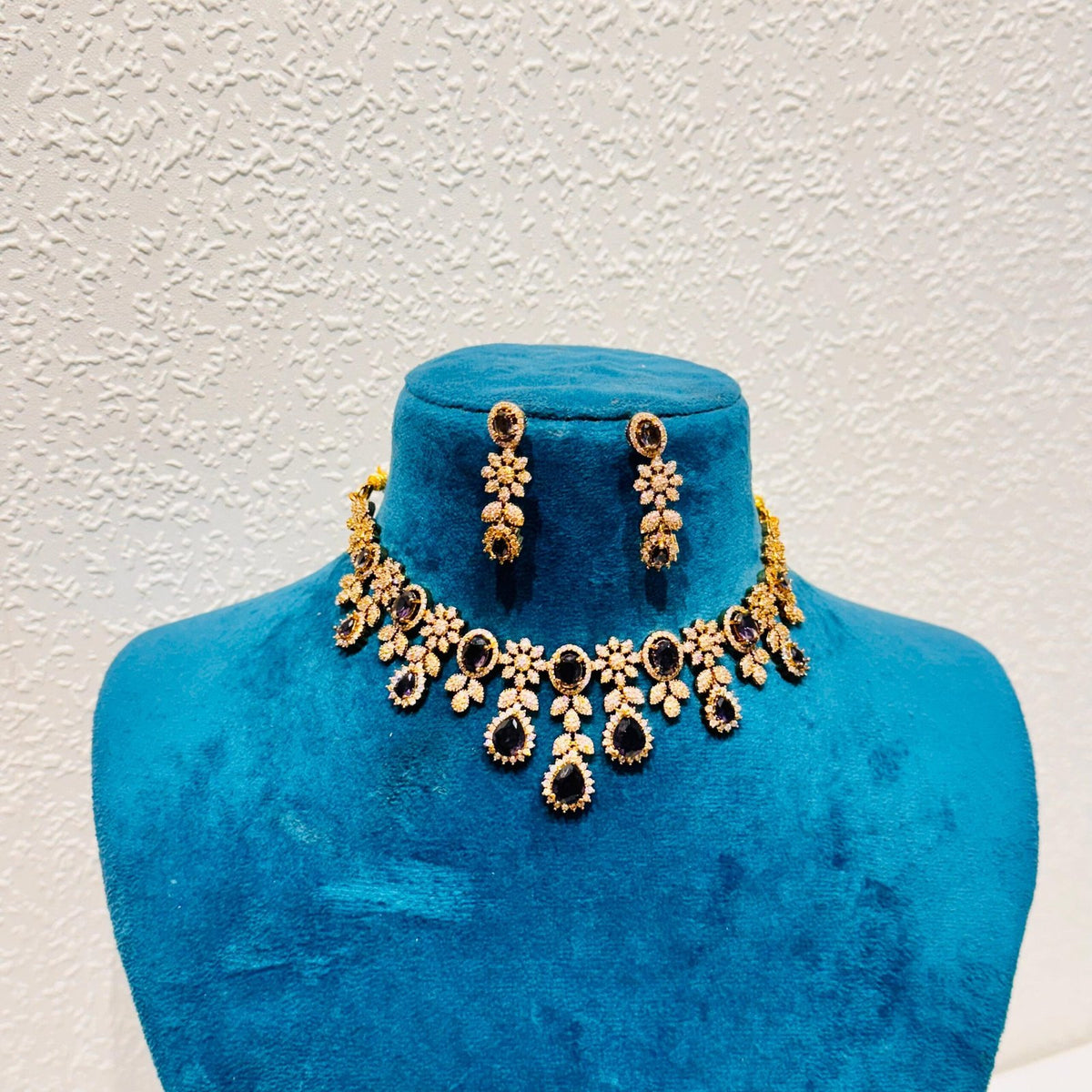
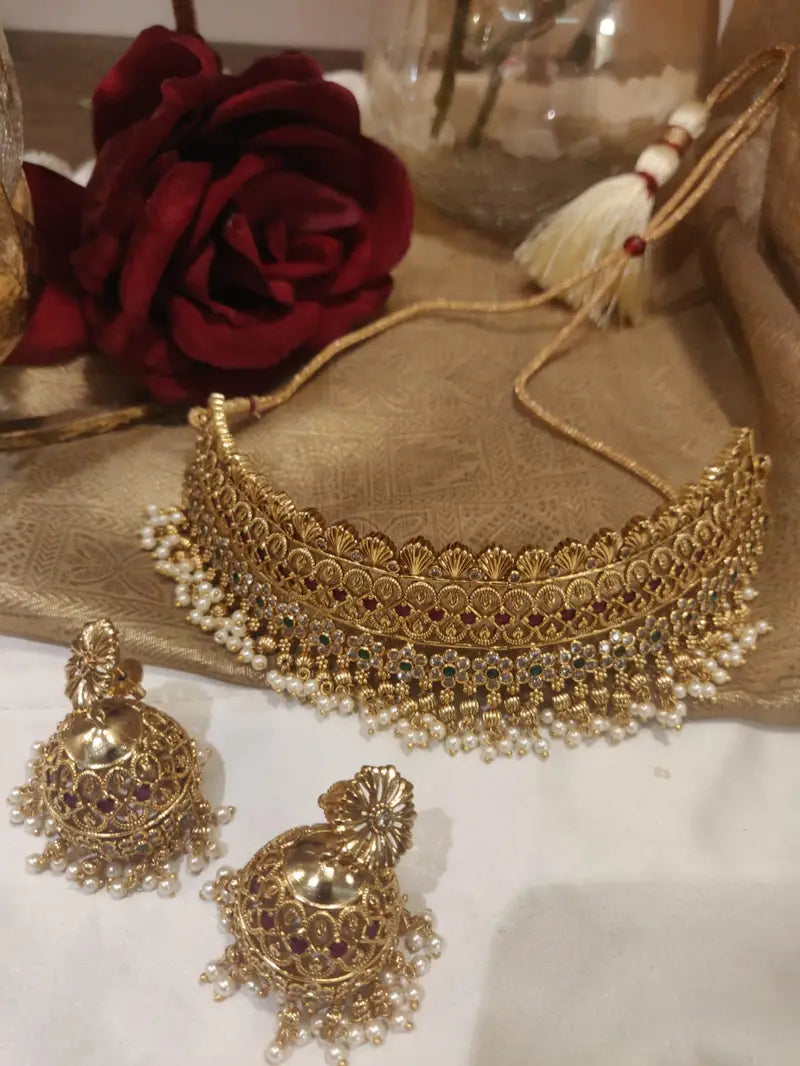
Collectors must analyze metal purity hallmarks and alloy compositions to verify the intrinsic value of heritage jewellery pieces. While standard copper-rich brass serves as an affordable base for traditional statement pieces, premium designs utilize high-purity silver and gold alloys to prevent premature oxidation and skin discolouration. Genuine handcrafted jewellery houses, including premium e-commerce platforms like Emporiajewels, emphasize certified materials to ensure long-term wearability and heirloom preservation, offering everything from fancy artificial jewellery to fine metal creations.
-
Sterling Silver: Standard ninety-two point five percent purity provides an ideal structural base for tribal and contemporary minimalist designs.
-
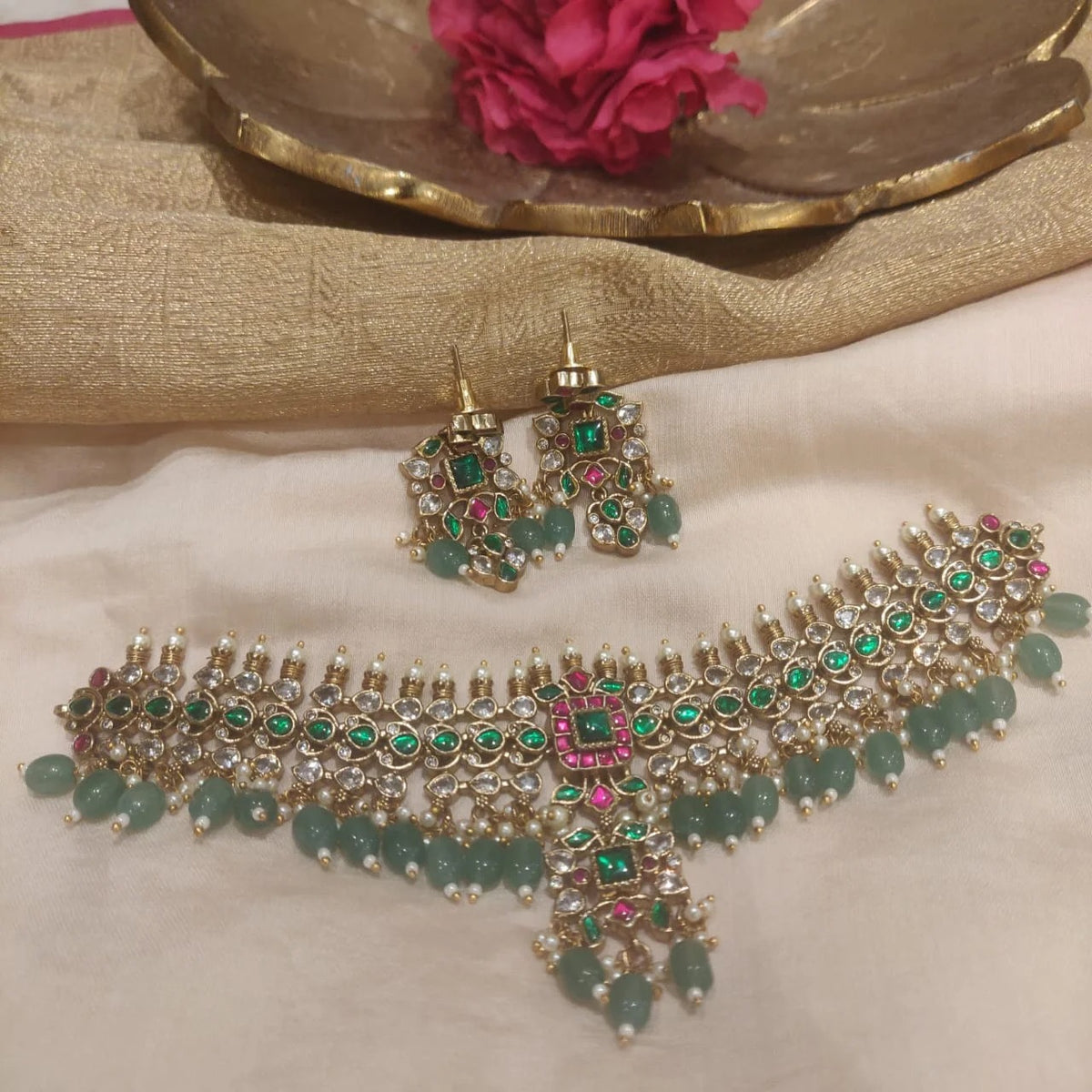
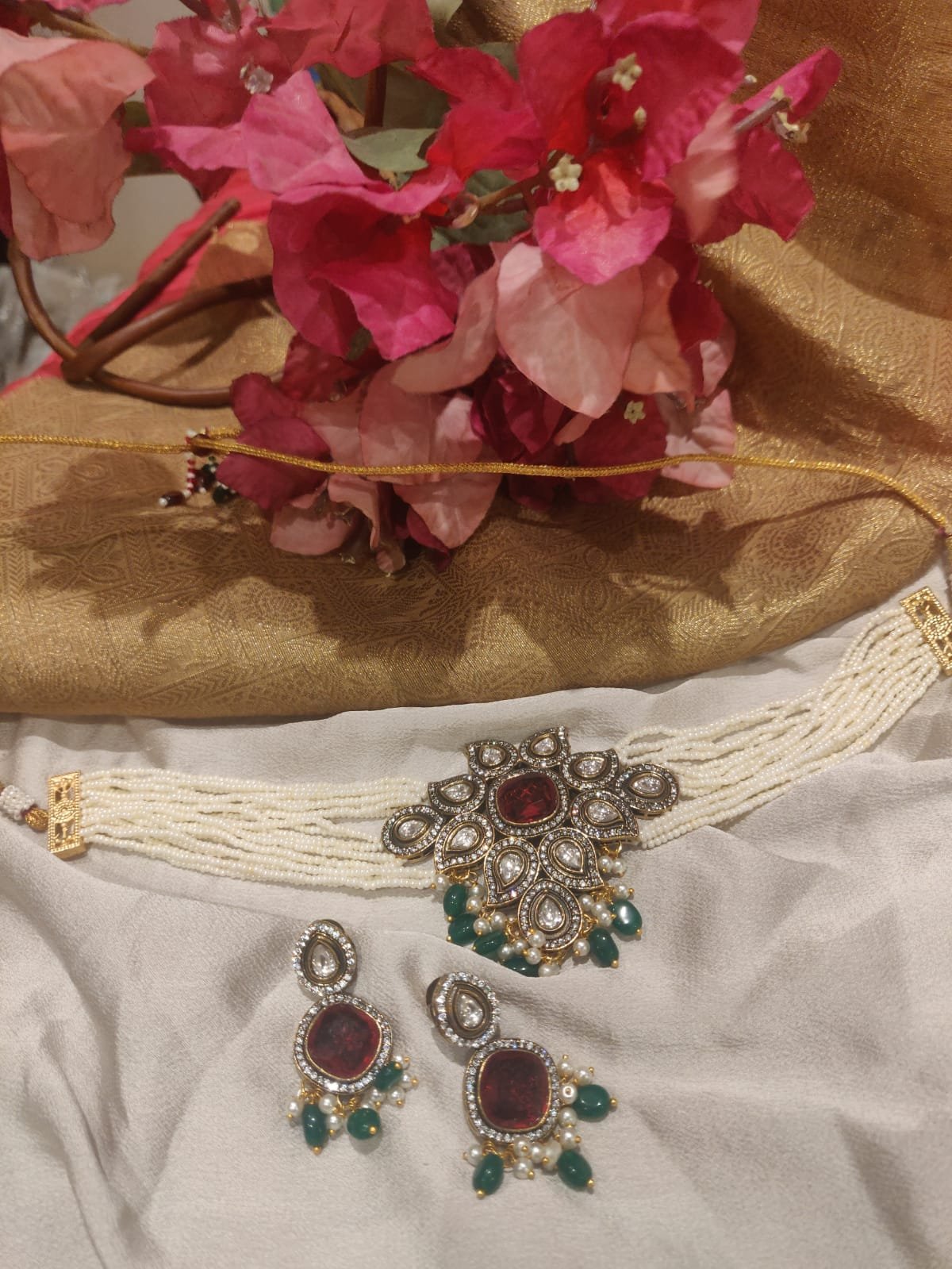
Kundan Setting: This method involves inserting highly refined, twenty-four-karat gold foil between gemstones and their solid metal mounts. For more information, explore the Traditional gold bangle designs.
-
Meenakari Enamelling: Artisans apply colored mineral oxides onto engraved metal surfaces before firing them at high temperatures.
-
Terracotta and Brass: These earth-derived materials offer durable, rustic alternatives that are deeply rooted in rural Indian artisan communities.
Distinguishing Hand-Worked Finishes from Machine Polishing
A close physical inspection of the jewellery surface often reveals microscopic variations that serve as the definitive signature of human craftsmanship. Machine-stamped items display sterile, perfectly uniform edges and flawless, flat planes that lack individual character. Conversely, hand-finished surfaces feature subtle hammer marks and organic texture variations that enhance the overall depth and visual interest of the piece.
Consumer Evaluation: How to Buy and Maintain Handcrafted Pieces
The Step-by-Step Quality Assessment Protocol
Discerning buyers should employ a systematic verification process to distinguish genuine artisan creations from clever commercial imitations. Checking joint strength and hinge fluidity is critical because manual solder points should look clean without excess build-up or visible gaps. Today's buyers can conveniently source verified pieces by browsing fashion jewellery online, ensuring that your investment supports true traditional craftsmanship rather than mass-produced factory replicas.
-
Inspect all solder joints under a magnifying loupe to confirm seamless connections without bubbles.
-
Test clasp mechanisms repeatedly to ensure the tension is firm and the closure is completely secure.
-
Examine the back of the piece to verify that metal polishing is consistent across hidden areas.
-
Verify the presence of recognized purity hallmarks and artisan signature stamps on the metal surface.
-
Assess gemstone security by gently nudging the stones with a wooden toothpick to detect loose fittings.
Archival Preservation and Long-Term Care Standards
Proper maintenance of handcrafted pieces requires a deep understanding of how different metals and organic materials react to environmental elements. Exposure to moisture, harsh cosmetics, and extreme temperature fluctuations can degrade delicate enamel work and accelerate the tarnishing of fine metals. Implementing a rigorous preservation routine guarantees that these delicate works of art maintain their brilliance for subsequent generations.
-
Store individual pieces in separate, airtight tarnish-resistant pouches to prevent metal-on-metal scratching and oxidation.
-
Clean metal surfaces using a dry, ultra-soft microfiber cloth instead of abrasive chemical jewelry cleaners.
-
Avoid exposing organic gemstones like pearls and turquoise to water, soaps, perfume, or hairspray.
-
Remove all handcrafted rings and bracelets before performing physical labor or swimming in chlorinated water.
Market Economics, Fair Trade, and Value Investment
Understanding the True Cost and Pricing Dynamics
The pricing model of authentic handcrafted jewellery reflects the extensive time, specialized skill, and fair wages allocated to the master creators. When you purchase from dedicated platforms like Emporiajewels, the cost accounts for sustainable material sourcing and direct-to-artisan compensation structures, and you can explore designer jewellery online to find pieces that suit every occasion. This ethical economic model directly preserves vanishing craft traditions by providing sustainable livelihoods to generational family workshops globally.
|
Material & Craft Category |
Typical Metal Baseline |
Primary Valuation Drivers |
Artisan Compensation Share |
|
Fine Kundan and Meenakari Gold |
Twenty-two-karat solid gold |
Generational artisan skill, design complexity, and metal weight. |
High direct-to-maker payout ratios. |
|
Premium Sterling Silver Filigree |
Ninety-two point five percent silver |
Intricate wire-wrapping hours and microscopic structural solder points. |
Substantial wage allocation per design. |
|
Earthy Brass and Terracotta Works |
Refined jewelry-grade brass alloy |
Local community sourcing, custom clay baking, and hand-painting. |
Direct financial support for rural cooperatives. |
Evaluating Handcrafted Jewellery as a Generational Asset
Beyond their immediate aesthetic appeal, artisanal jewellery pieces often appreciate in cultural and financial value as traditional crafting skills become increasingly rare. Traditional gold bangle designs, for instance, carry deep heritage significance that mass-market fashion accessories simply cannot replicate, and they depreciate far less due to their historical and material value. Investing in high-grade artisanal jewellery ensures that you acquire a durable asset that transcends fleeting fashion cycles.
Frequently Asked Questions
How do I verify if a piece of handcrafted jewellery is authentic?
You can verify authenticity by inspecting the piece for minor organic irregularities, checking for official metal purity hallmarks, and reviewing the artisan sourcing documentation provided by the seller.
Why is handcrafted jewellery more expensive than mass-produced alternatives?
The higher price reflects the intensive labour hours, specialized generational techniques, premium materials, and ethical fair-wage compensation paid directly to the skilled artisans.
Can handcrafted jewellery be customized or repaired easily?
Yes, because these pieces are constructed manually, independent jewellers can easily adjust settings, solder joints, or replace individual components without compromising the overall design integrity.
How does buying handcrafted jewellery support local artisan communities?
Purchasing these pieces provides sustainable incomes, funds community workshops, and directly incentivizes younger generations to keep ancient heritage crafting techniques alive.
Does handcrafted jewellery tarnish faster than machine-made jewellery?
Tarnishing is determined entirely by the alloy composition and storage environment rather than the manufacturing method used to shape the piece.