


Handcrafted Jewellery in India: Why the Craft Matters and How to Find Pieces That Are Actually Made by Hand
The word "handcrafted" appears on a significant percentage of jewellery listings online in India. It is used to signal quality, authenticity, and value. It is also one of the most casually applied and least verified claims in the jewellery category. Understanding what genuine handcrafted jewellery actually involves in the Indian context, and how to distinguish it from mass-produced pieces that carry the same label, is genuinely useful knowledge for anyone who cares about what they are buying and why.
This is not a guide to expensive jewellery. Handcrafted jewellery in India spans an enormous price range. The craft is in the process, not the price. What follows is an honest account of what that process involves.
What Does Handcrafted Actually Mean in Indian Jewellery?
In Indian jewellery manufacturing, the term "handcrafted" can legitimately apply to several different levels of human craft involvement.
Fully handmade: Every stage of production involves skilled human work. The metal is hand-formed, hand-soldered, and finished manually. Stone settings are placed and secured individually by hand. This applies to a small number of artisan jewellers and traditional craft workshops. Production is slow, and quantities are limited.
Hand-finished: The base form is cast or machine-produced, but the finishing, detailing, stone setting, and surface work are done by hand. This is the most common form of "handcrafted" jewellery in the fashion and artificial jewellery market. The human skill is in the detailing and setting work, not in the primary metal shaping.
Hand-assembled: Pre-made components (chains, pendants, stone settings) are assembled by hand into a finished piece. This is the lowest interpretation of "handcrafted" and is really assembly rather than craft. Many mass-market online jewellery pieces fall into this category.
When you see "handcrafted" in a jewellery listing, it is useful to ask which of these levels the description actually refers to. Genuine handcrafted pieces with skilled artisan work show it in their detailing: irregular but intentional surface textures, slight variations between similar pieces that indicate human rather than machine production, and a density of detail that mass production cannot replicate economically.
India's Major Handcrafted Jewellery Traditions
India has one of the most diverse jewellery craft landscapes in the world. Each regional tradition involves specific skills, materials, and design languages that have been developed over centuries.
Meenakari (Jaipur, Rajasthan): Enamel work on metal surfaces. Skilled artisans apply powdered glass enamel into engraved recesses and fire the piece at high temperature. Multiple firings are required for multi-colour designs. Each colour must dry and fire before the next is applied. The result is a hard, vivid glass surface bonded to the metal.
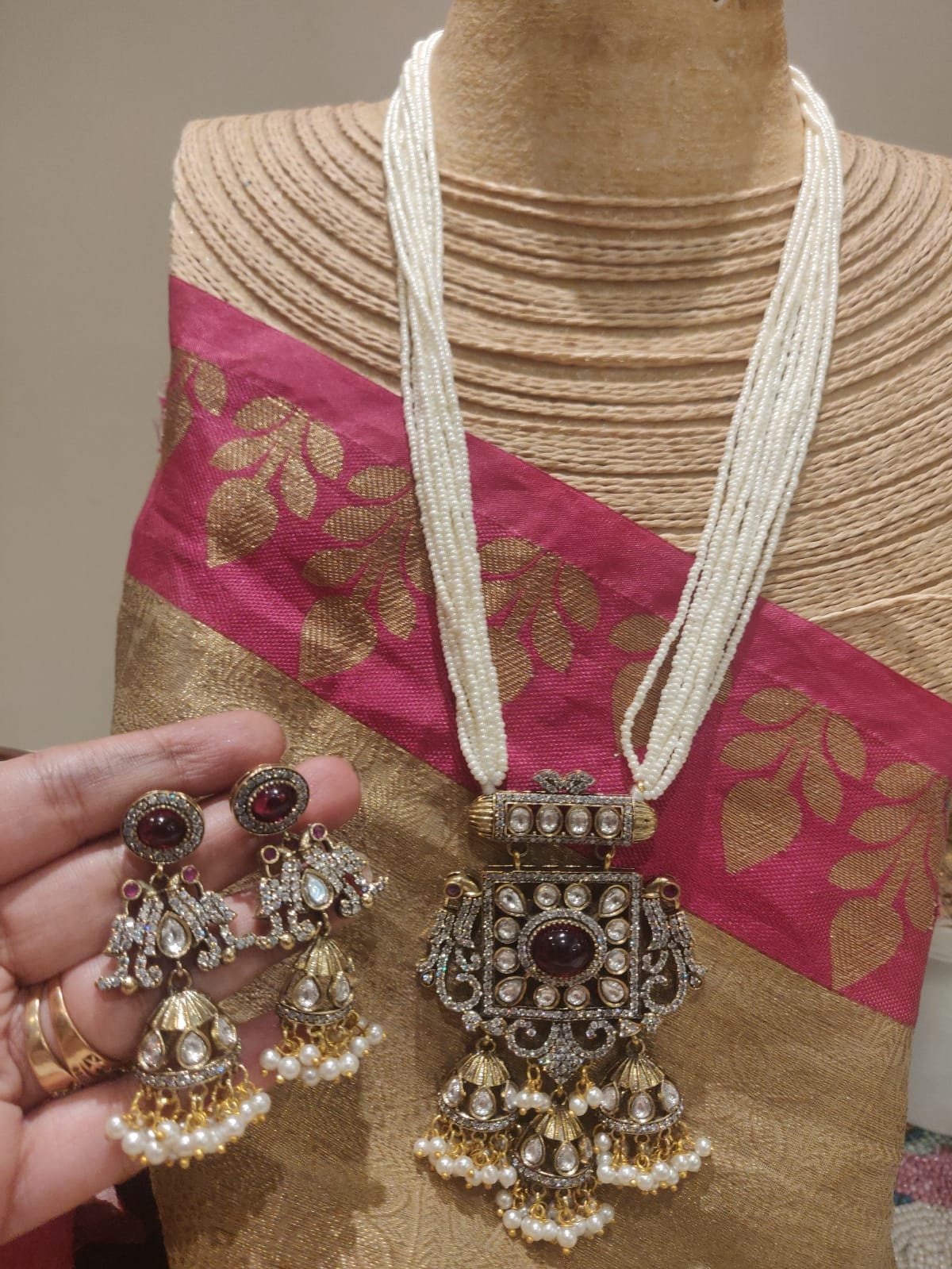
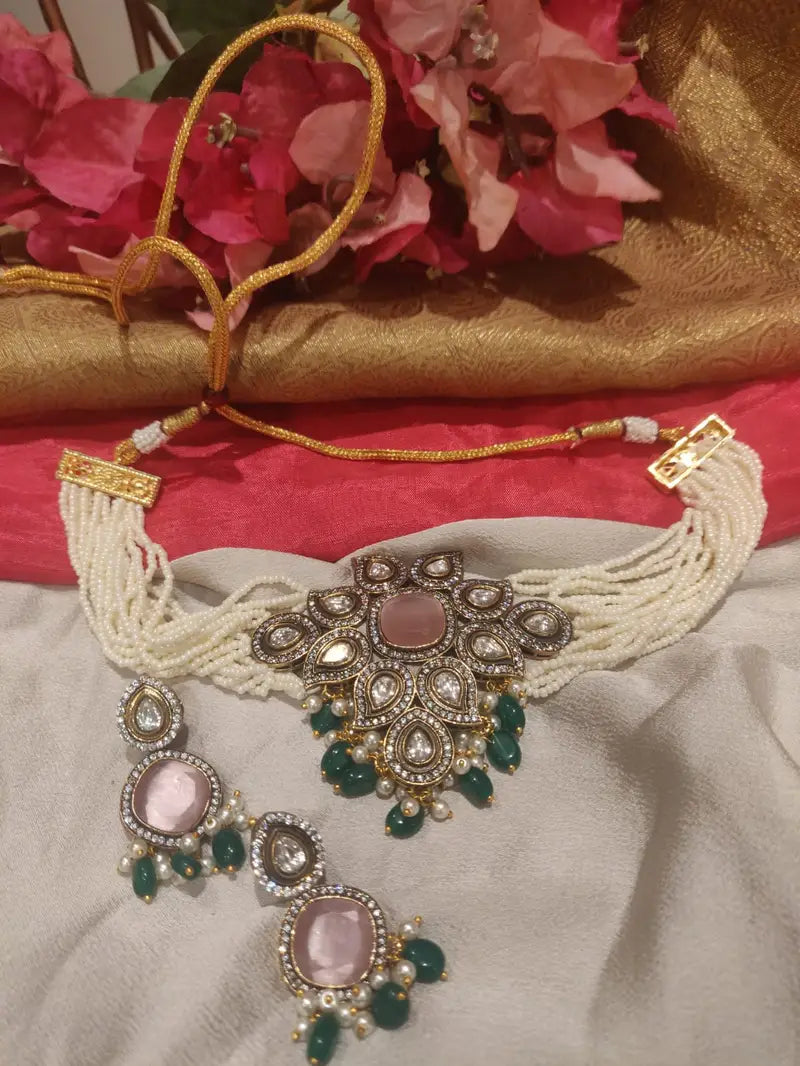
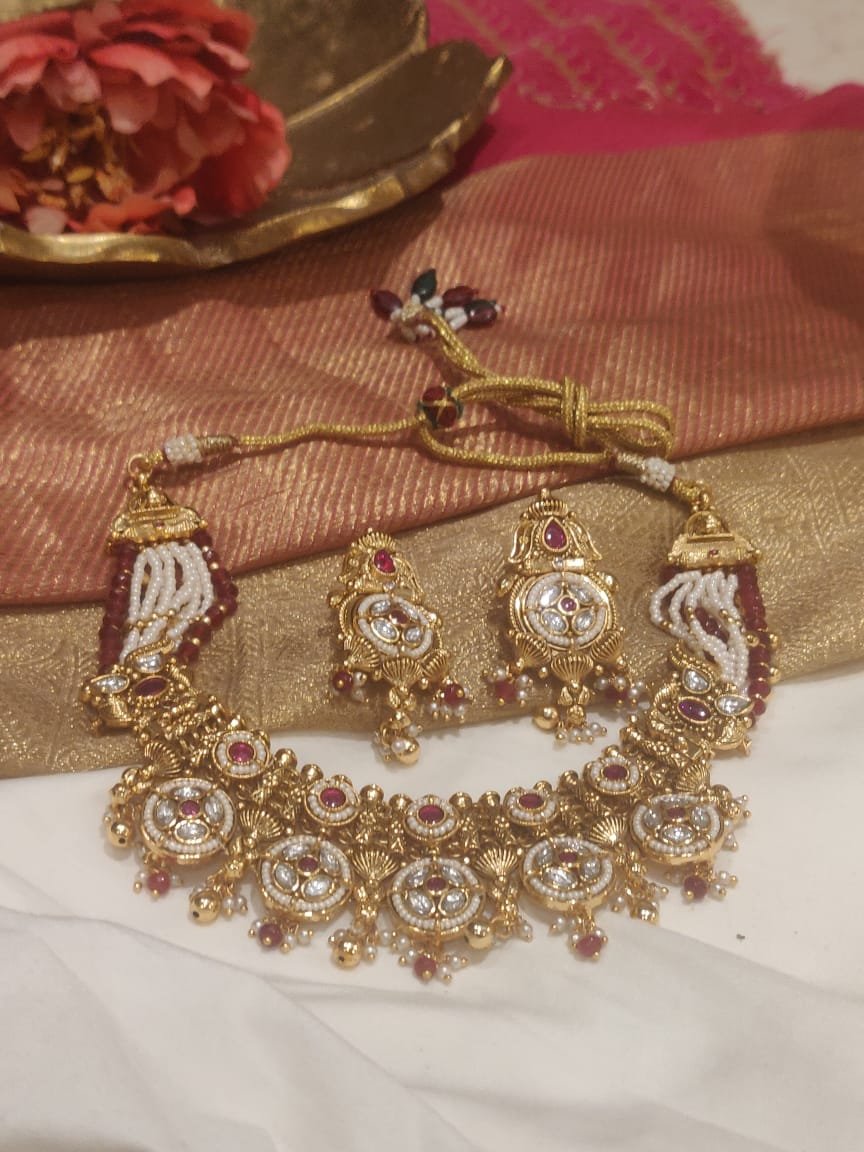
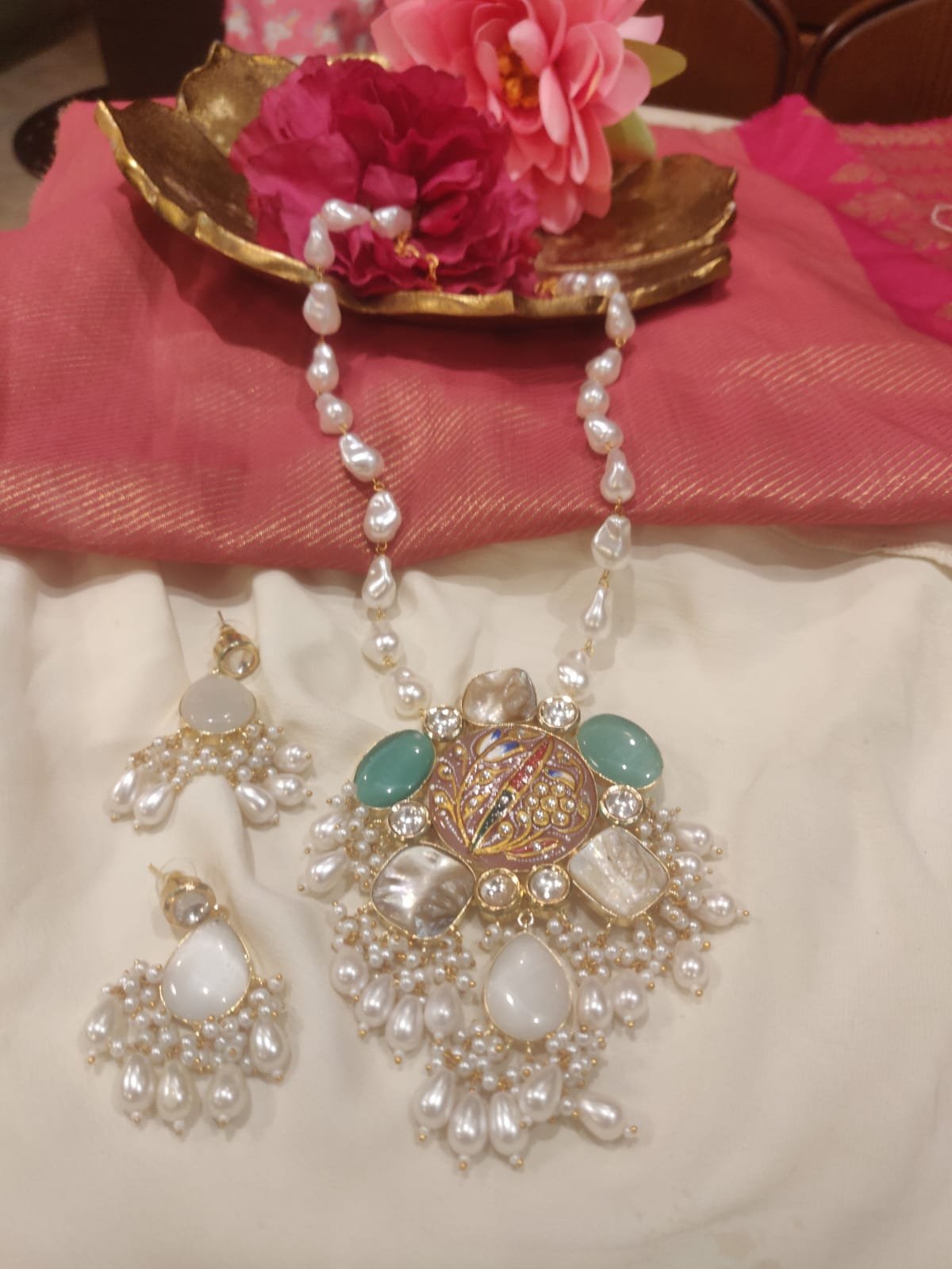
Kundan setting (Jaipur, Delhi): Flat stones are pressed into a lac (resin) base within a gold-tone metal framework by a specialist kundan setter. The setting requires precision: each stone must be level, flush, and secure. The lac must be at the correct temperature and consistency. This is entirely manual, skilled work.
Filigree (Cuttack, Odisha): Extremely fine wires of metal are twisted and soldered into intricate open-work patterns. Odishan filigree is internationally recognised as one of the finest examples of this craft form anywhere. Each piece requires hours of skilled handwork.
Dhokra (Bastar, Chhattisgarh and West Bengal): A lost-wax casting process using an ancient technique. Each piece is individually hand-formed in wax, encased in clay, fired, and then cast in metal. Because the wax original is destroyed in the casting process, every dhokra piece is unique.
Bidriwork (Bidar, Karnataka): A technique where a zinc-copper alloy is inlaid with fine silver wire in intricate patterns. The base metal is darkened with a chemical treatment, creating a striking contrast with the silver. Entirely manual and highly skilled.
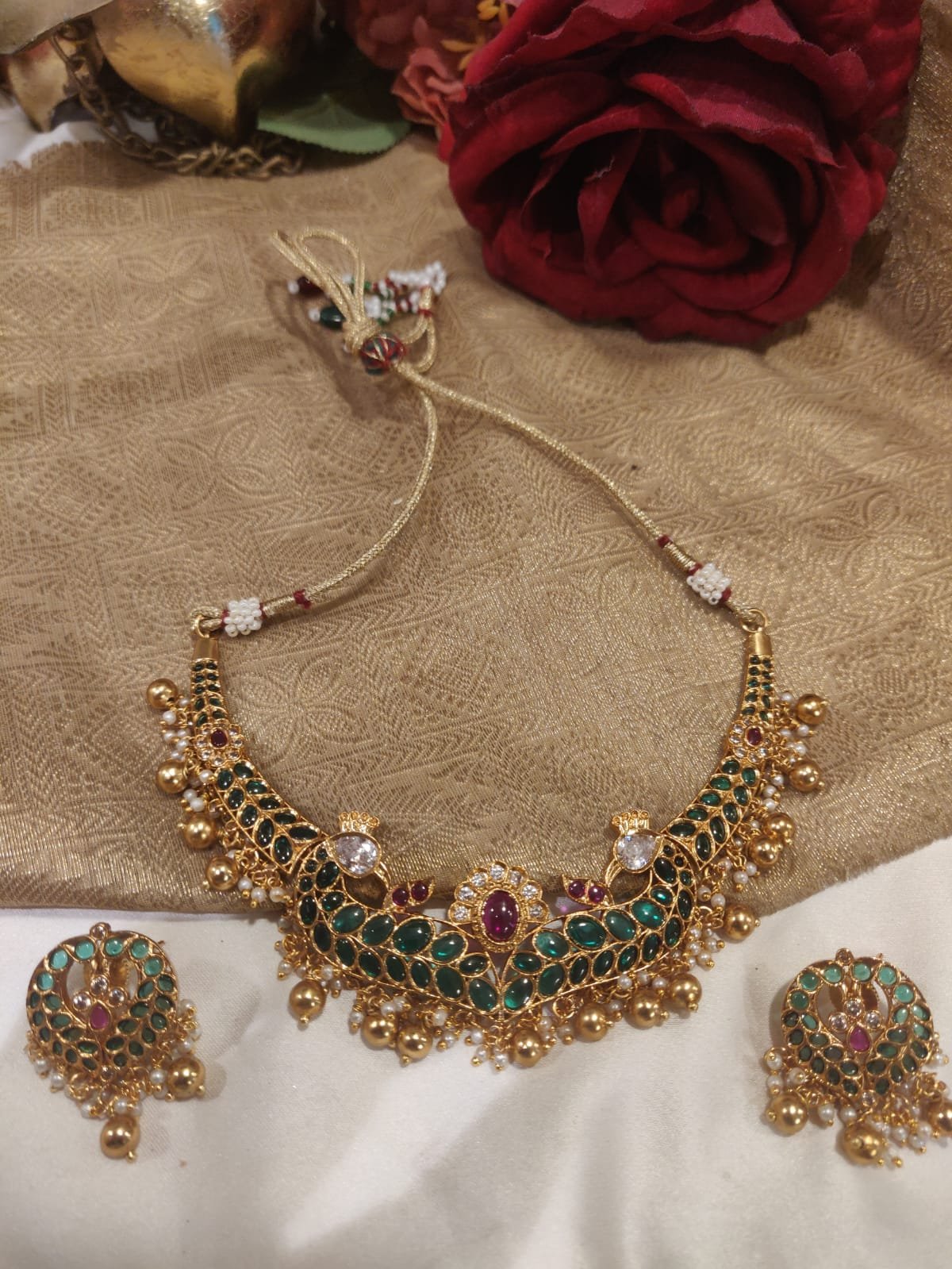
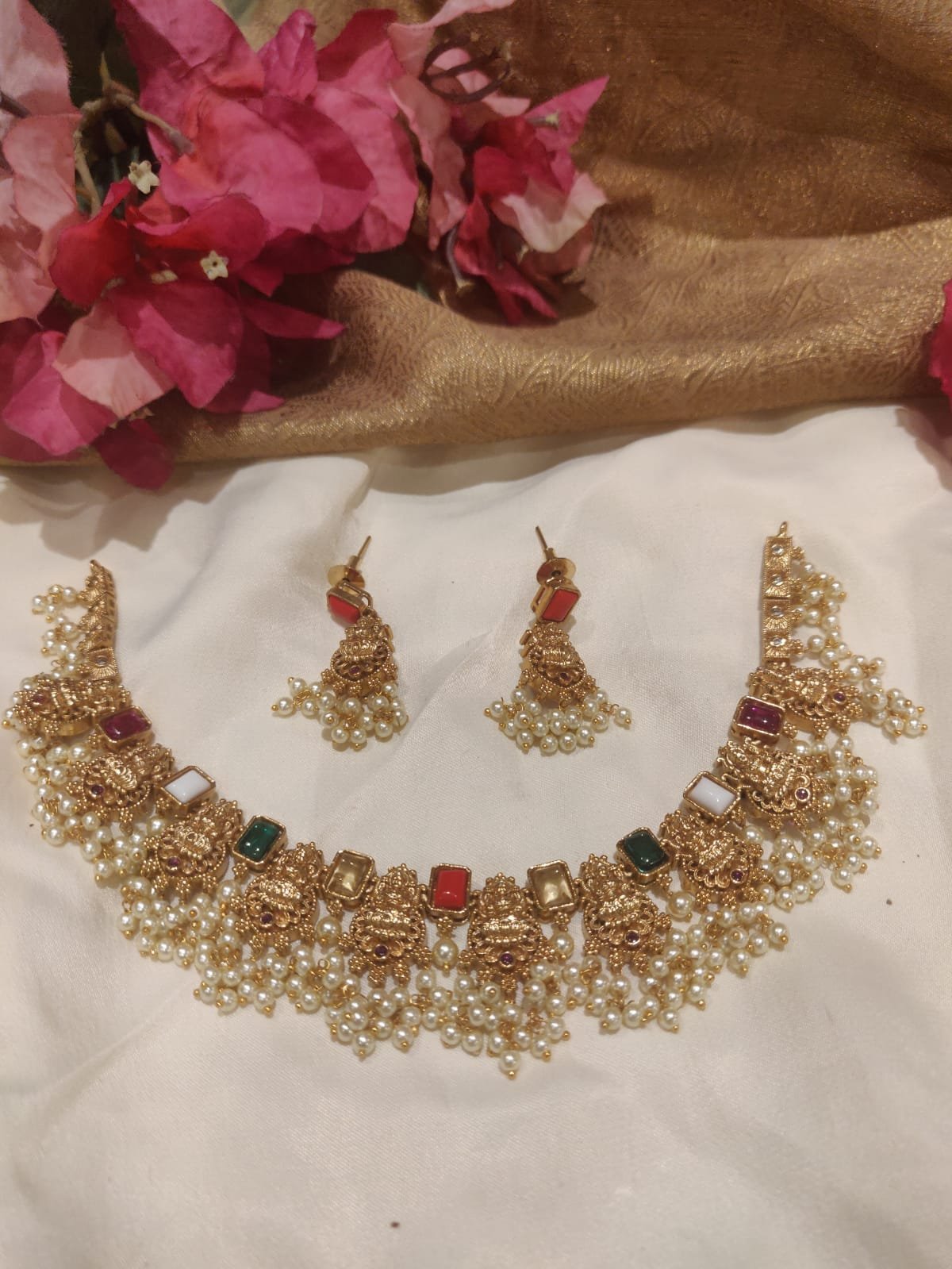
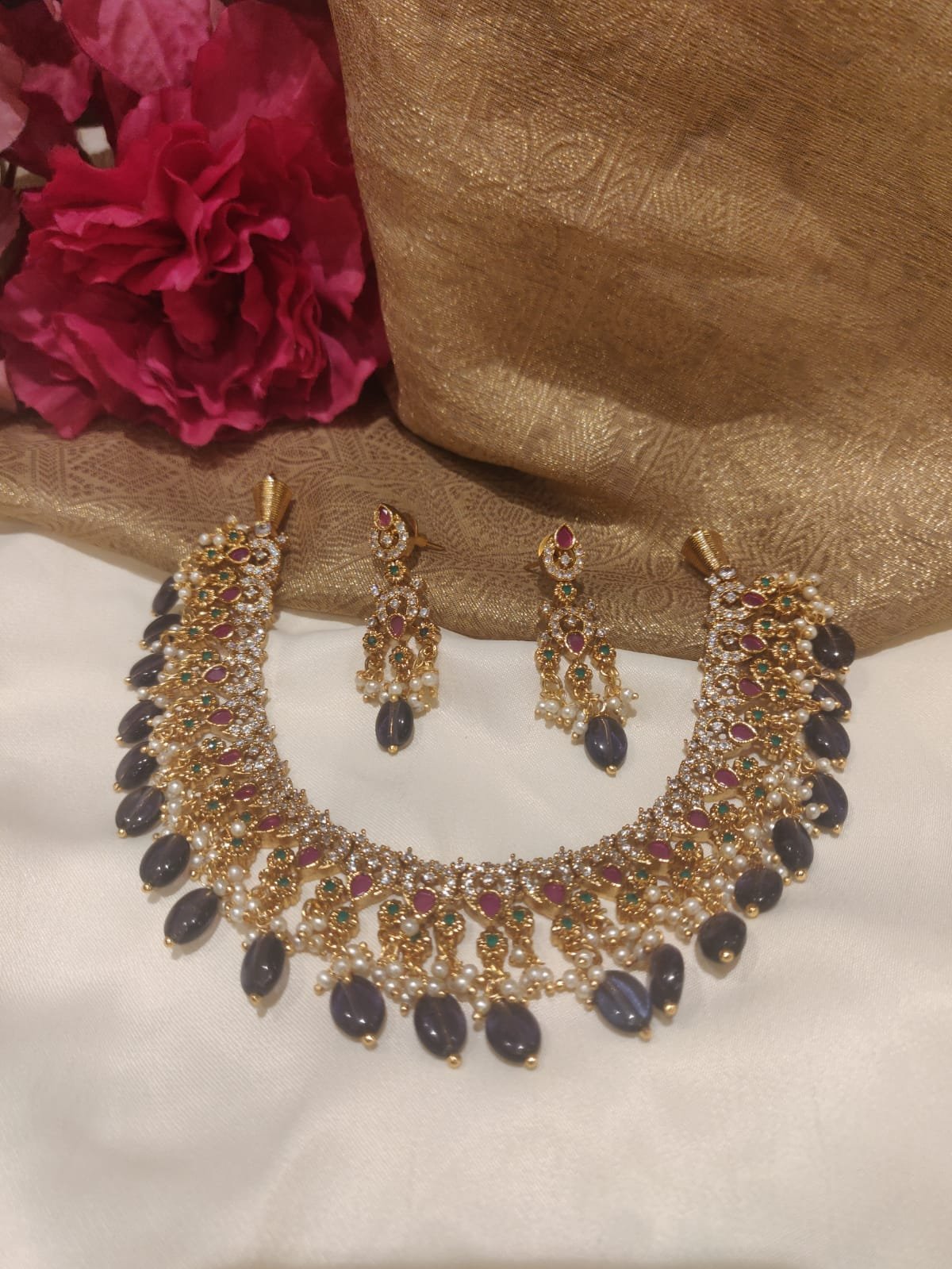
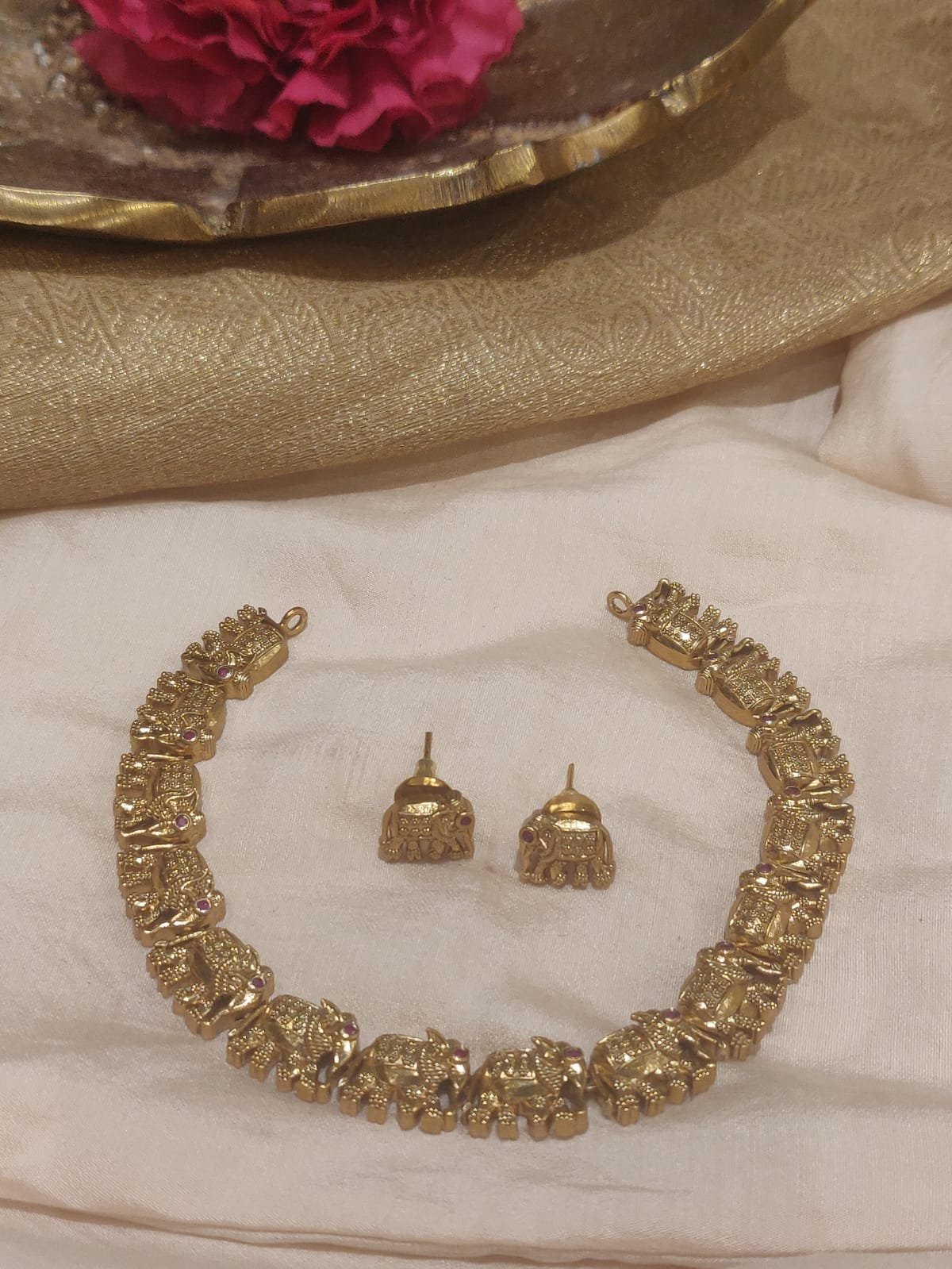
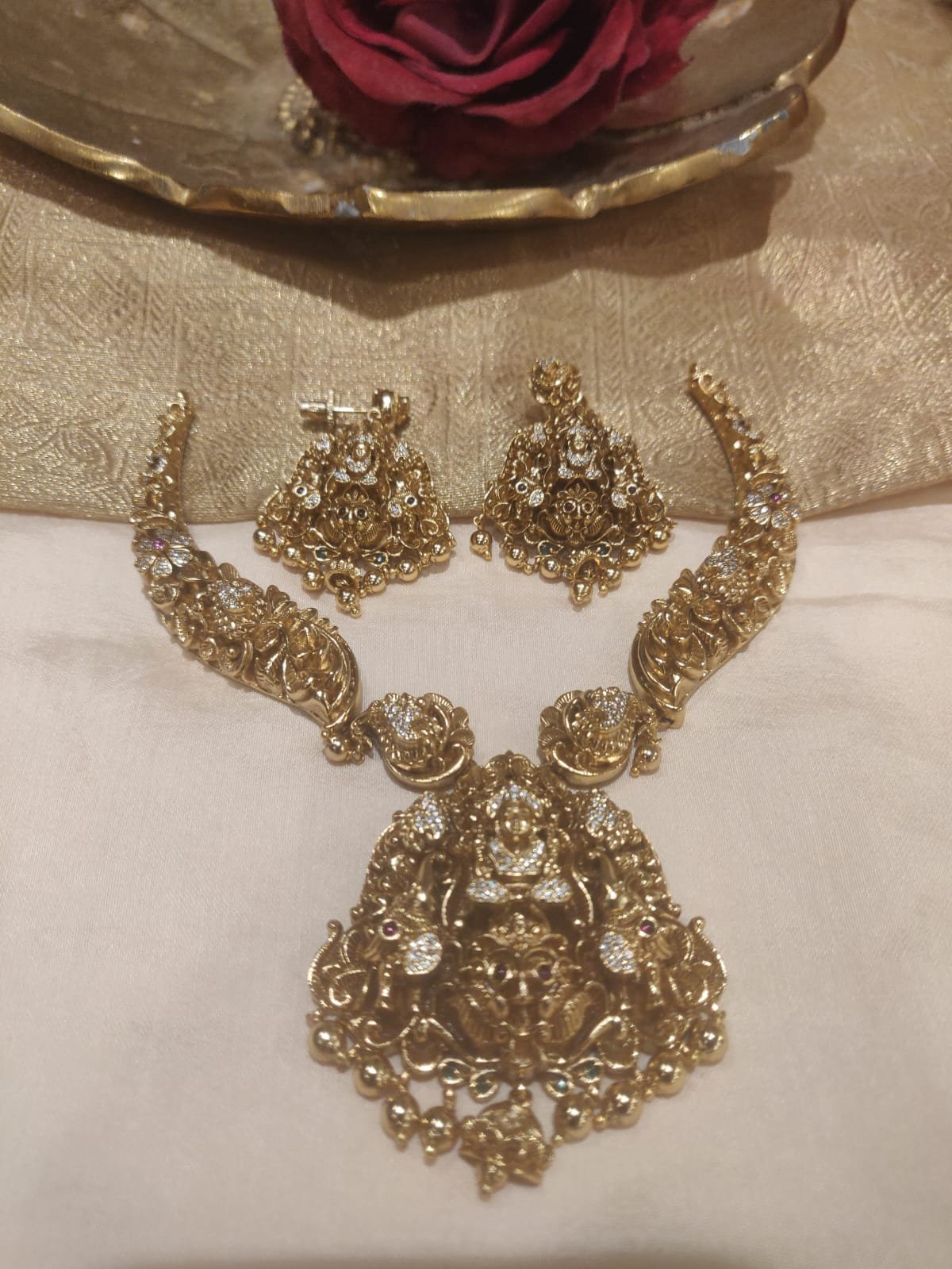
Temple jewellery (Tamil Nadu, Karnataka): Deity motifs, coin detailing, and kemp stone settings worked in antique gold-tone metal. The best temple jewellery pieces are crafted by hereditary artisan families in South Indian traditions.
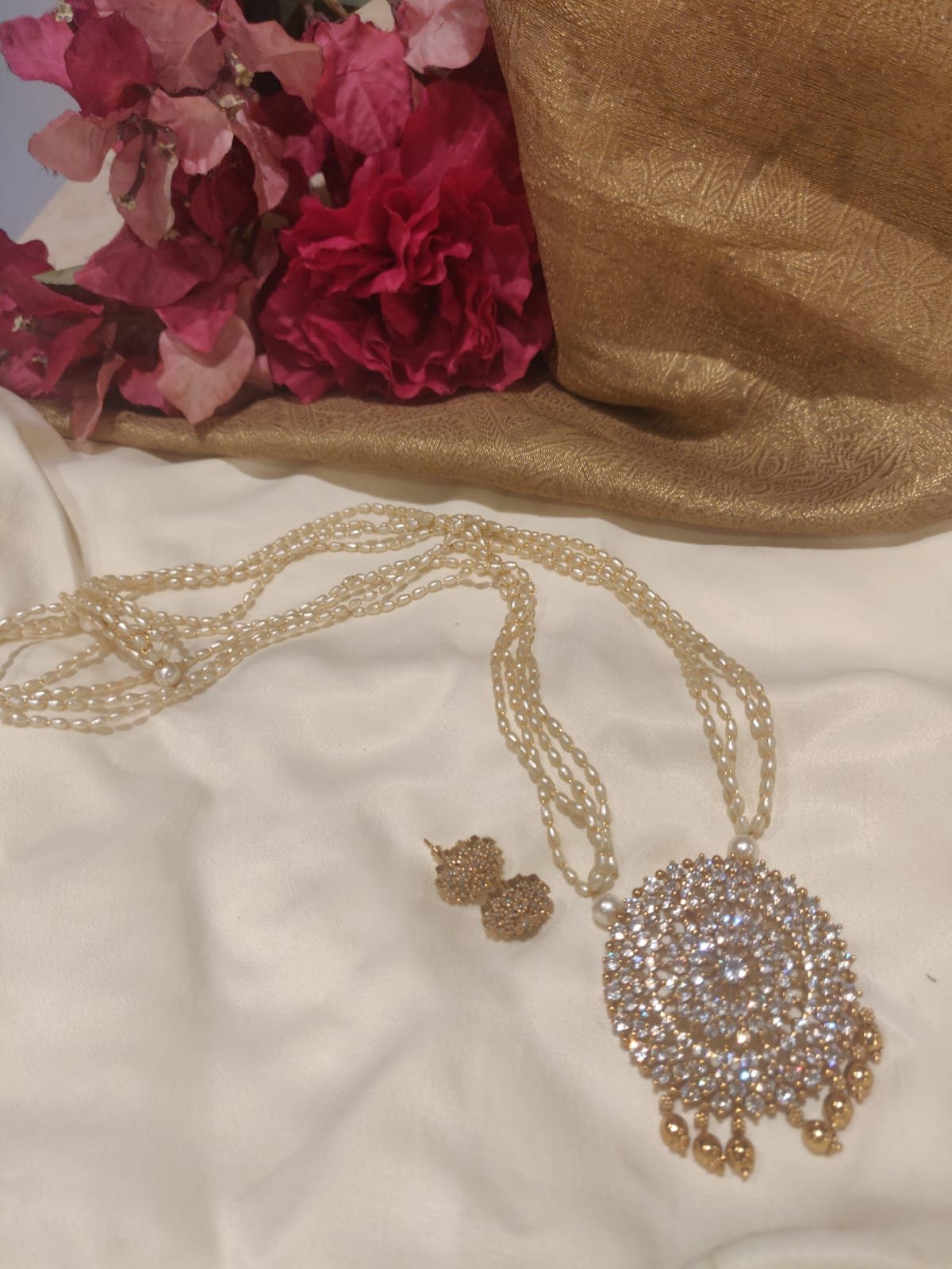
Explore the handcrafted jewelry range at Emporia Jewels to see pieces that draw from these craft traditions.
How to Identify Genuinely Handcrafted Jewellery in an Online Listing
This is the section most buyers need the most. Here is what genuine handcrafted work looks like in product descriptions and photographs.
Slight variations between similar pieces: Machine production creates identical units. Hand work produces pieces that are closely similar but not perfectly uniform. If every piece in a set is pixel-perfect identical in close-up photography, the work is likely machine-produced.
Density and depth of detail: Handcrafted pieces typically carry more intricate detailing than machine-produced equivalents at the same price point. The individual attention of a skilled artisan allows details that automated processes cannot replicate economically.
Honest production descriptions: Sellers who describe their production process specifically, naming the technique, the regional tradition, or the artisan origin, are more credible than those who use the word "handcrafted" without any supporting context.
Price point relative to complexity: Genuinely handcrafted pieces with significant artisan time invested cost more than machine-produced alternatives. A piece priced identically to mass-market alternatives but described as "fully handmade" should prompt scepticism.
Weight and tactile quality: Handcrafted pieces using quality base metals have a solidity that hand-assembled or injection-moulded pieces lack. In online shopping, customer reviews that mention the feel and weight of a piece are among the most reliable quality indicators.
Why Handcrafted Jewellery Matters Beyond the Aesthetic
Choosing handcrafted jewellery in India is not just a style decision. It is a choice that has real consequences for the artisan communities whose livelihoods depend on traditional craft skills remaining commercially viable.
India's craft sector employs an enormous number of skilled workers across hundreds of regional traditions. Many of these traditions are at risk as mass production undercuts handmade pricing and younger artisans choose industrial work over the years of learning that traditional craft skills require.
When you buy a genuine handcrafted piece, the premium you pay over a machine-produced equivalent supports the continuation of skills that cannot be replaced once they are lost.
This is not a guilt argument. It is a value argument. A well-made handcrafted piece carries a design intelligence, a human presence, and a specificity of detail that machine production genuinely cannot replicate. You get more. The artisan earns more. The tradition continues.
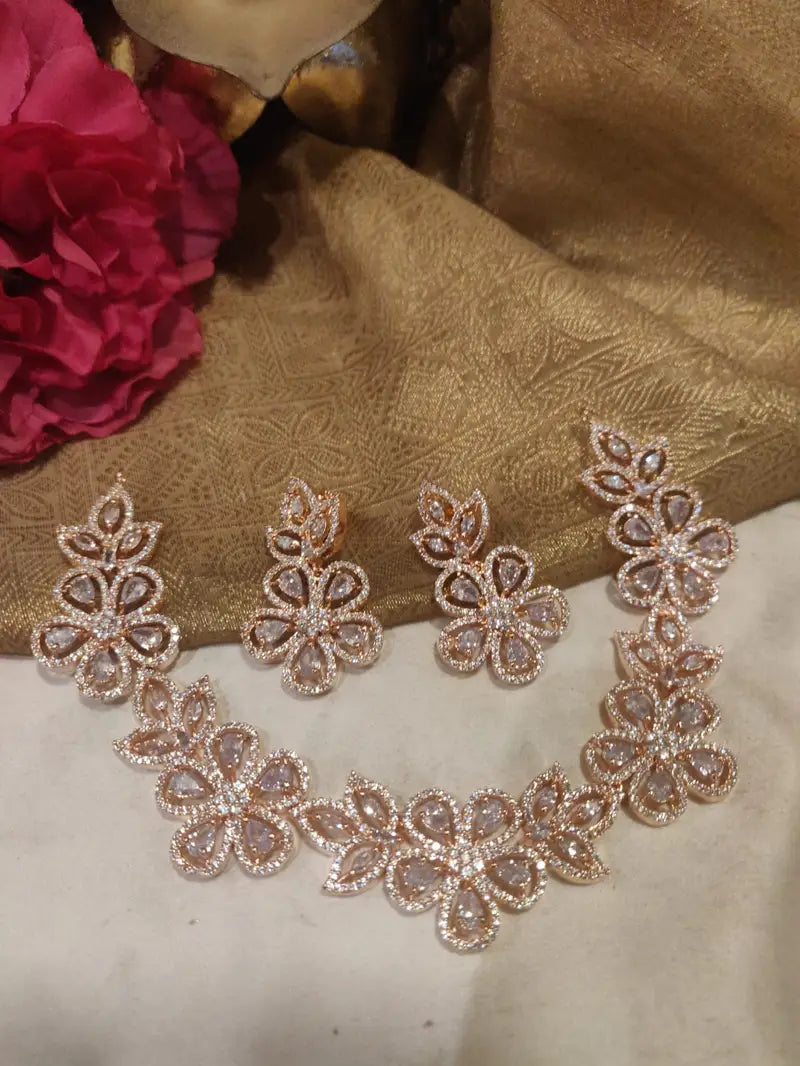
The artificial jewellery range at Emporia Jewels includes pieces where artisan craft techniques are applied within the accessible pricing of fashion jewellery.
Occasions and Styling for Handcrafted Jewellery
Handcrafted pieces tend to have a visual character that is stronger and more individual than mass-produced equivalents. They work best in contexts where that character has space to be appreciated.
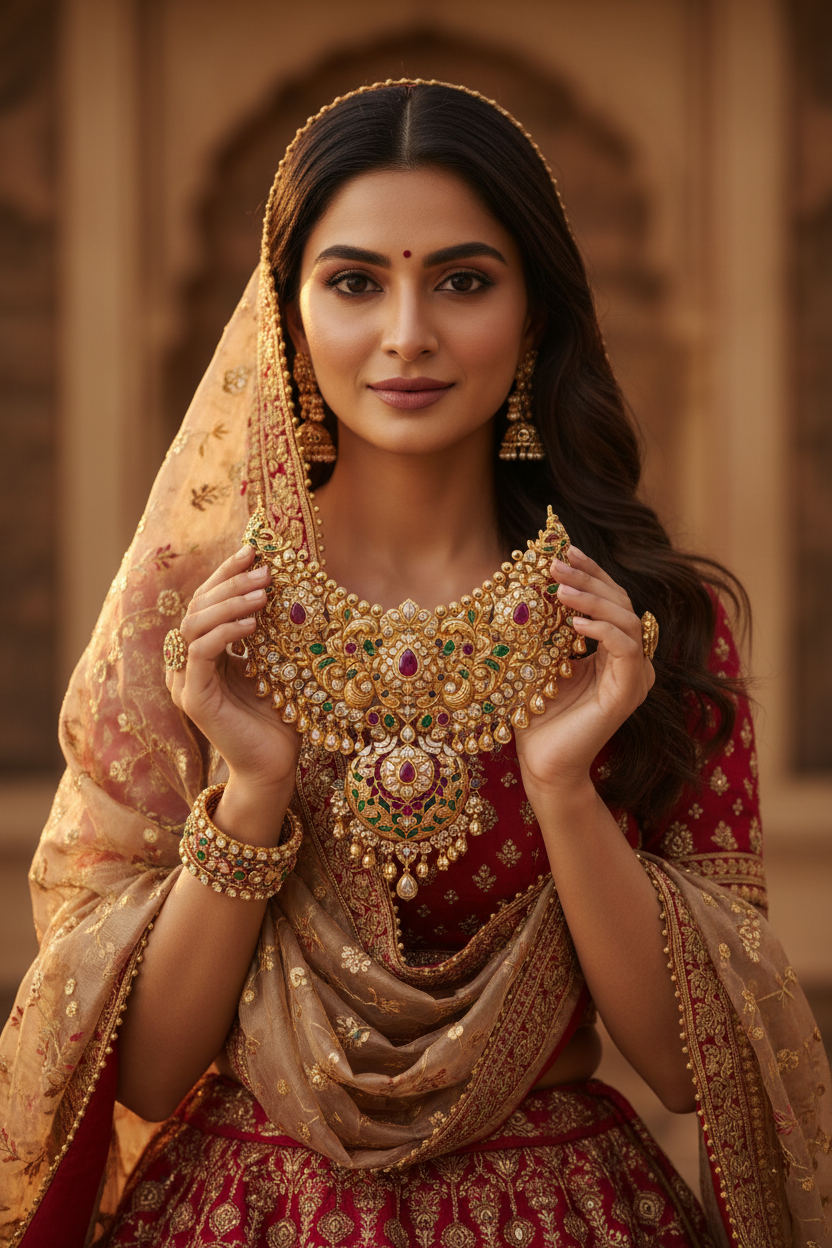
For traditional occasions (weddings, festivals, cultural events), handcrafted temple jewellery, meenakari, or kundan pieces carry the visual weight and cultural relevance that the occasion calls for. The bridal collections page features pieces in this category.
For everyday wear, a single handcrafted piece used as a deliberate style anchor works better than multiple handcrafted pieces competing with each other. One strong handcrafted earring or pendant with simpler supporting pieces is a more elegant approach.
For gifting, a handcrafted piece carries a meaning that factory-produced jewellery does not. The craft tradition, the time invested, and the individuality of a handcrafted piece make it a more considered and more lasting gift.
The fashion jewellery range includes handcrafted technique pieces at accessible fashion jewellery price points for buyers who want craft quality without bridal occasion budgets.
Frequently Asked Questions
Q1. How can I verify that jewellery labelled handcrafted online is genuinely made by hand?
Look for specific production descriptions that name the technique and regional tradition. Check for slight natural variations between pieces in product images. Read customer reviews that comment on the quality and detail of the piece in person.
Q2. Is handcrafted jewellery more expensive than mass-produced jewellery?
Generally, yes. Skilled artisan time costs more than machine production. However, handcrafted fashion jewellery in India is still accessible at prices that represent genuine value for the craft quality involved.
Q3. Which Indian city is best known for handcrafted jewellery?
Jaipur is the most widely recognised centre for handcrafted jewellery in India, particularly for kundan and meenakari work. Other important centres include Cuttack for filigree, Hyderabad for pearl jewellery, and various South Indian cities for temple jewellery traditions.
Q4. Can handcrafted artificial jewellery match the quality of handcrafted fine jewellery?
In terms of craft skill involved in the setting and finishing work, yes. The distinction is in the materials (base metal versus gold, glass versus precious stones), not in the quality of the handwork itself.
Q5. Is handcrafted jewellery appropriate for daily wear?
It depends on the piece. Some handcrafted pieces are designed for occasional wear. Others, particularly well-made chain pieces or simple handcrafted studs, are durable enough for regular use. Assess the individual piece rather than the category.