

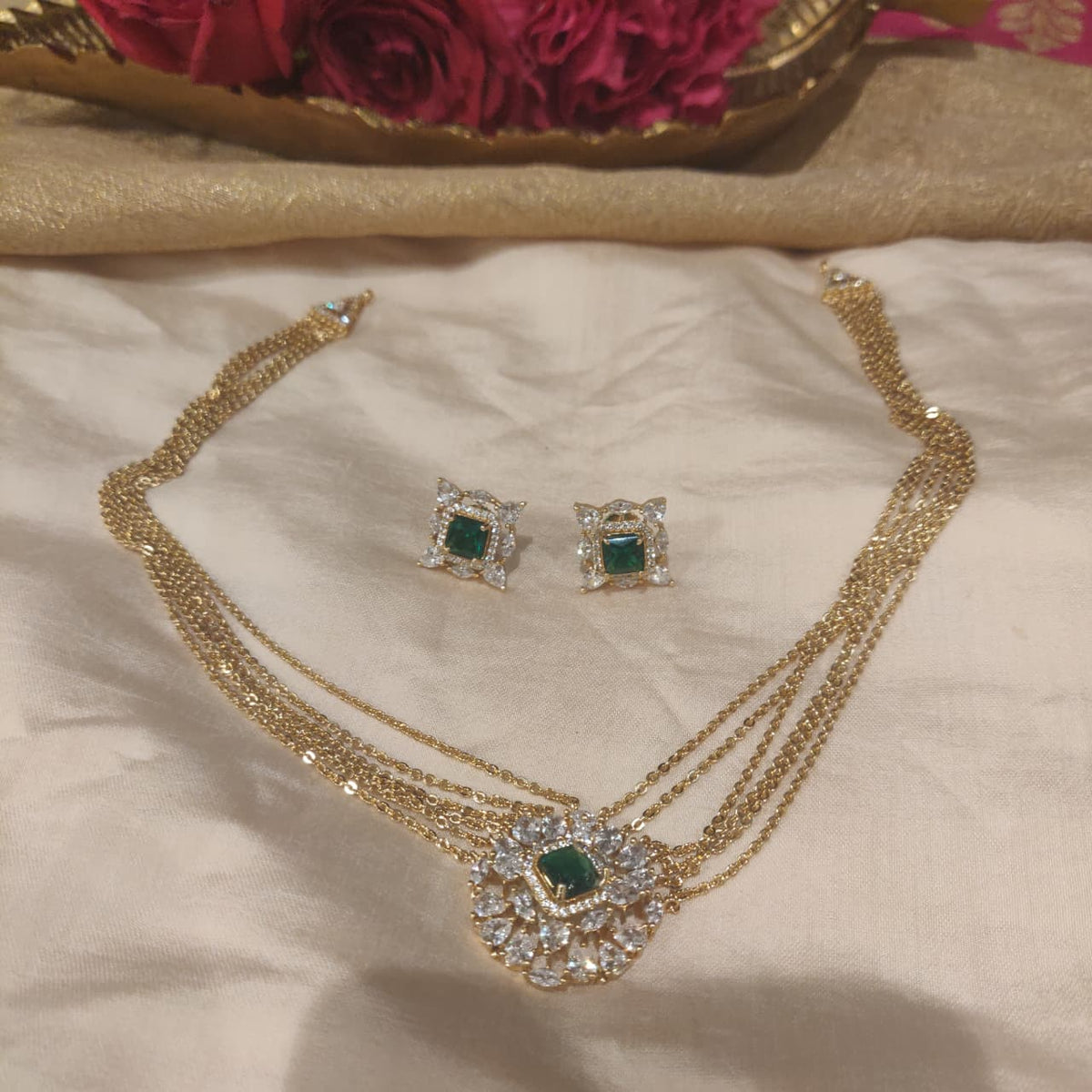
Gold Plated Jewellery Online: What the Label Actually Means and How to Buy It Right
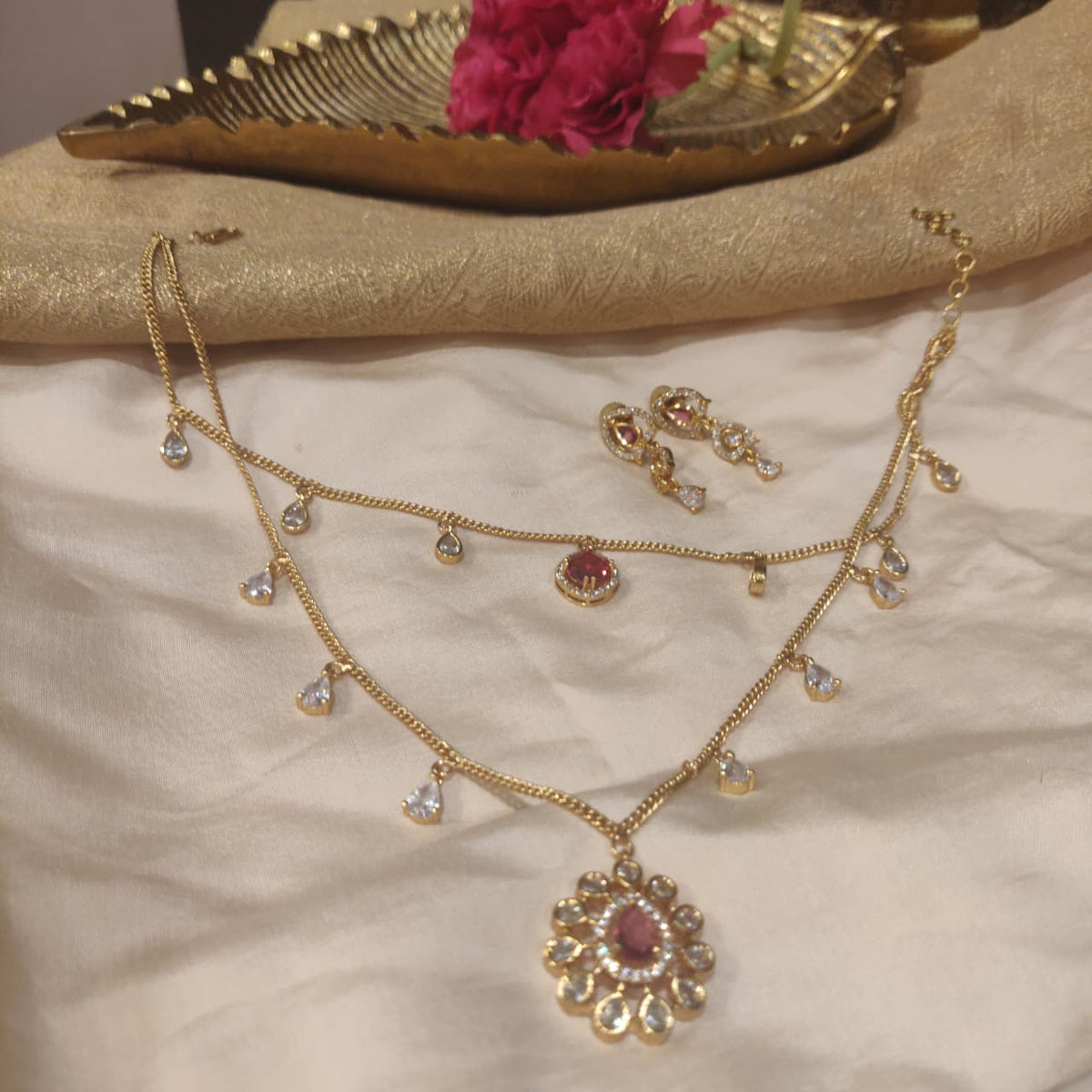
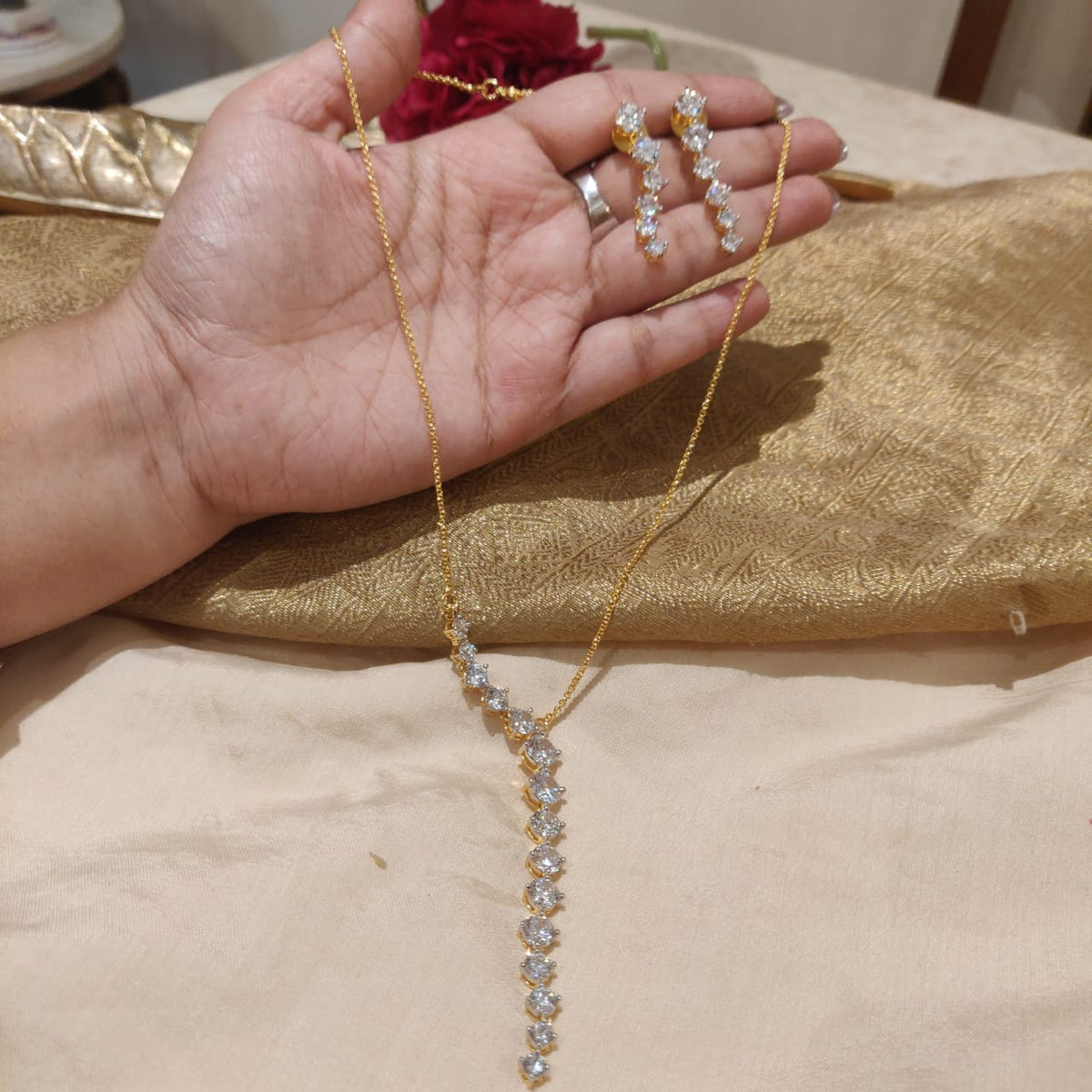
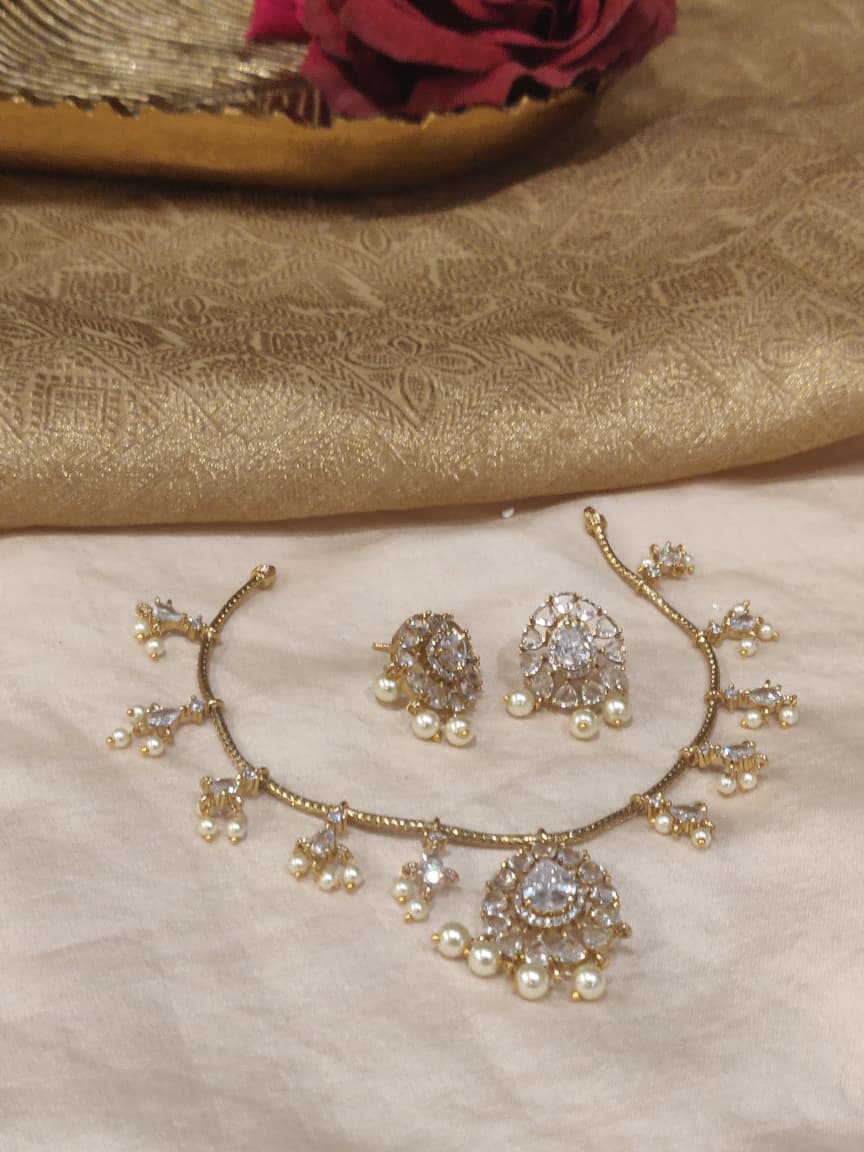
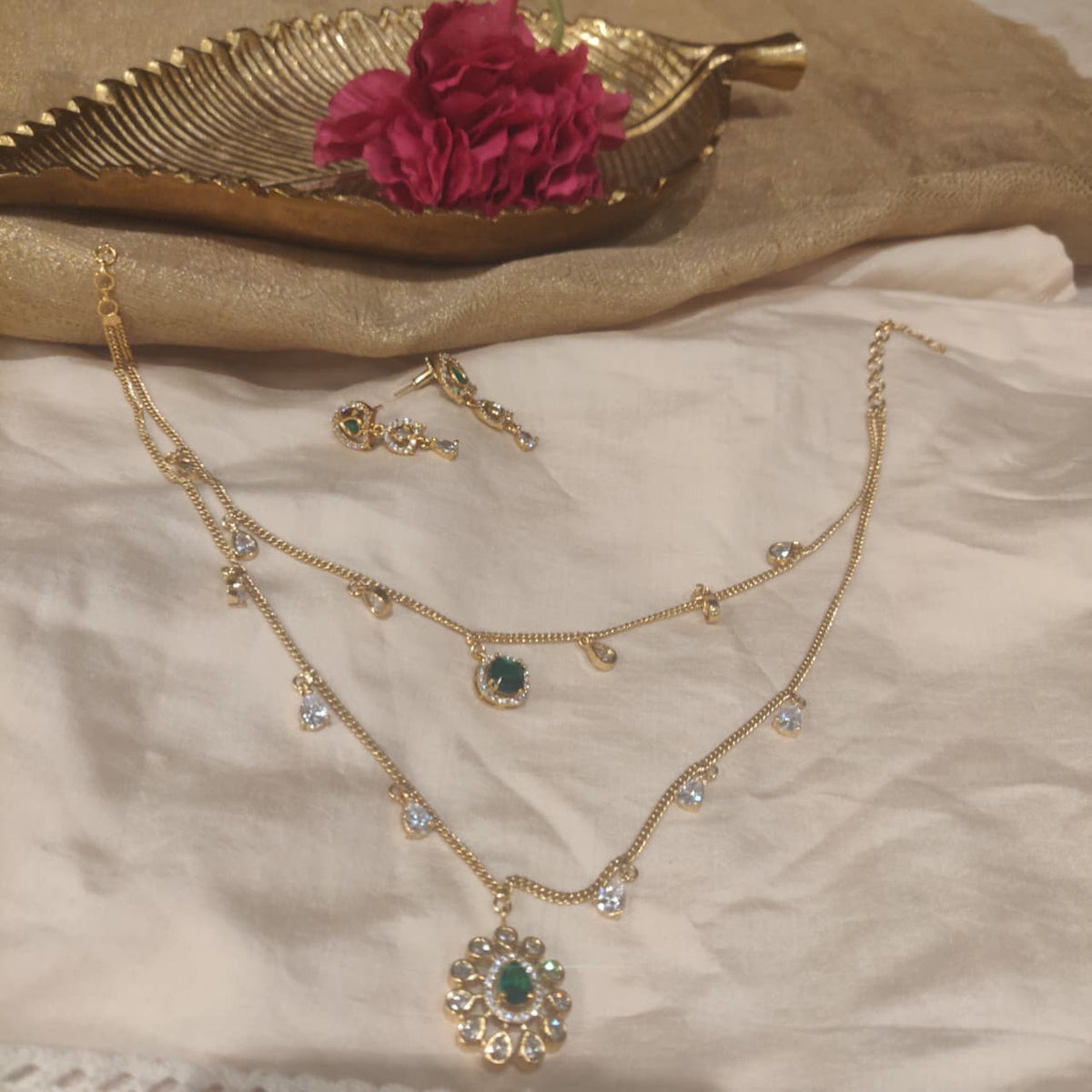
Gold-plated jewellery is everywhere online, and the term is used across a wide range of products at very different quality levels. At one end of the spectrum are well-made pieces with substantial plating over a quality base metal. At the other end are thinly coated pieces that lose their finish within weeks. The term "gold-plated" tells you the method, not the quality. That distinction matters enormously when you are shopping.
This guide explains exactly what the gold plating process involves, what separates a good gold-plated piece from a poor one, and how to make purchase decisions that hold up beyond the first few wears.
What Gold Plating Actually Means
Gold plating is a process called electroplating. A base metal object (usually brass, copper, or zinc alloy) is submerged in a solution containing dissolved gold and an electrical current is passed through the solution. Gold ions are deposited onto the surface of the base metal, forming a thin layer.
The key variables that determine quality:
Plating thickness: Measured in microns. Thicker plating lasts longer. Standard fashion jewellery is plated at 0.5 to 1 micron. Better quality pieces use 2 to 3 microns or more.
Base metal quality: A good base metal (brass or copper alloy) accepts plating more evenly and holds it longer than a lower-quality zinc or pot metal base.
Plating solution purity: The gold content percentage in the plating solution affects the colour and finish of the final surface. Higher purity solutions produce a more convincing and consistent gold tone.
Surface preparation: The base metal must be perfectly clean and smooth before plating. Poor surface preparation leads to patchy, uneven plating.
When you shop for gold-plated jewellery online, none of these variables is typically disclosed in product listings. This is where understanding what to look for visually and who to trust as a seller becomes critical.
Gold Plated vs Gold Filled vs Gold Tone: What Is the Difference?
These three terms appear constantly in online jewellery listings and are not interchangeable.
Gold plated: A thin layer of gold deposited onto a base metal surface through electroplating. The gold content is minimal. This is the standard for most artificial and fashion jewellery.
Gold filled: A much thicker layer of gold mechanically bonded to a base metal core under heat and pressure. Gold-filled pieces have significantly more gold content than plated pieces and last much longer. This is not typically used in artificial fashion jewellery.
Gold tone: No actual gold involved. The piece has a gold-coloured finish achieved through chemical treatment or coating, not electroplating. Less durable than gold plated.
Most artificial jewellery online in India is gold-plated unless otherwise specified. This is not a problem if you understand what it means and how to care for it. It becomes a problem when sellers are vague about what they are selling.
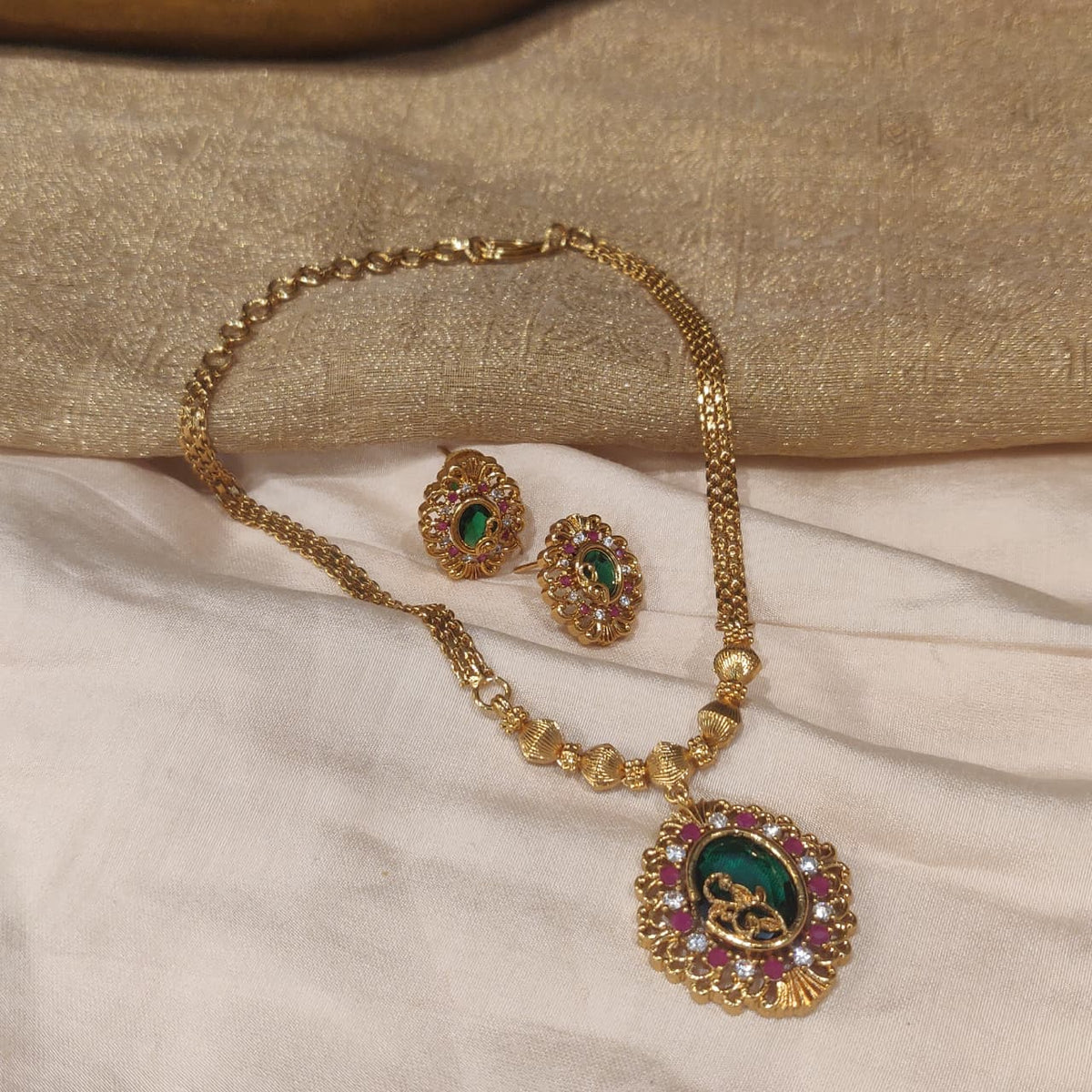
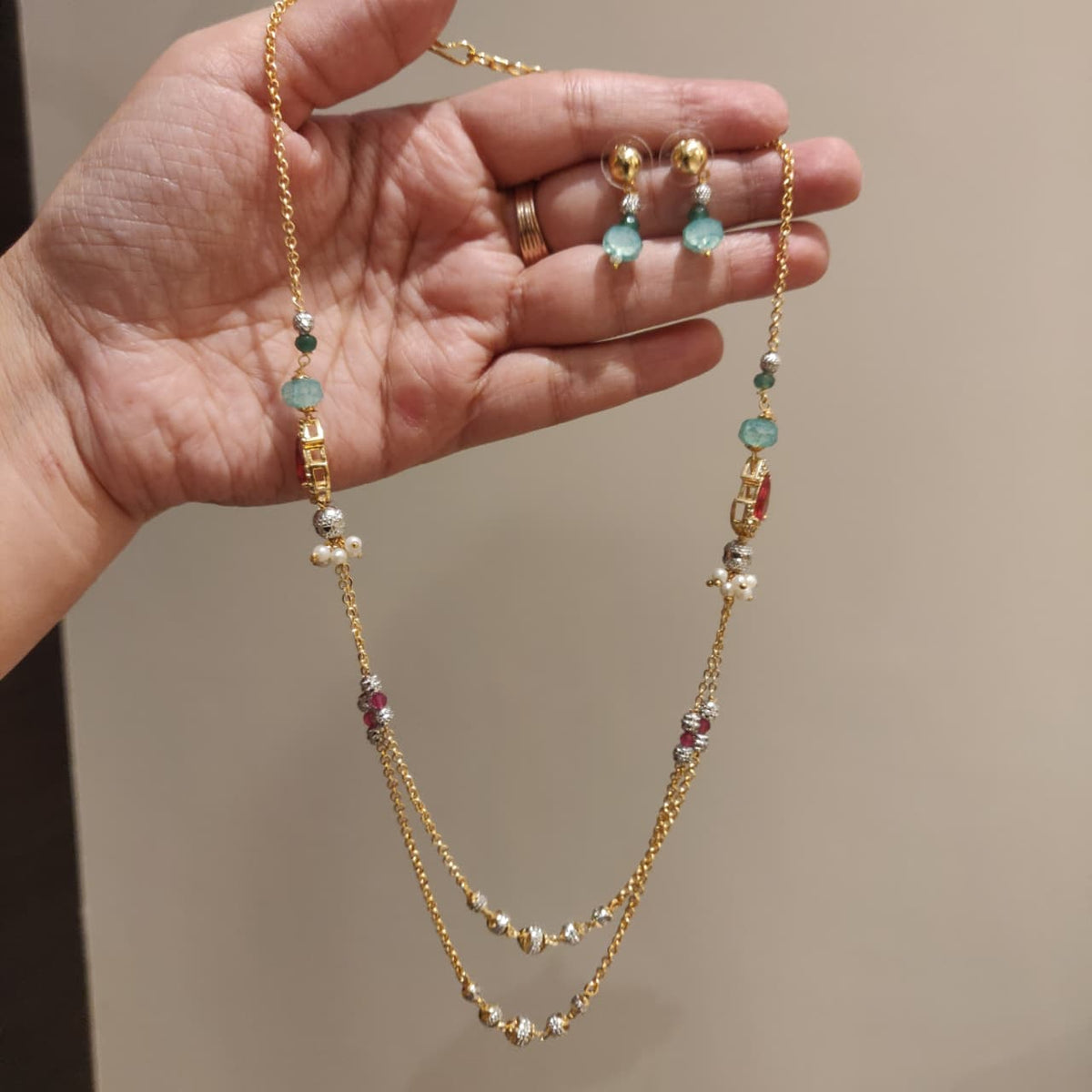
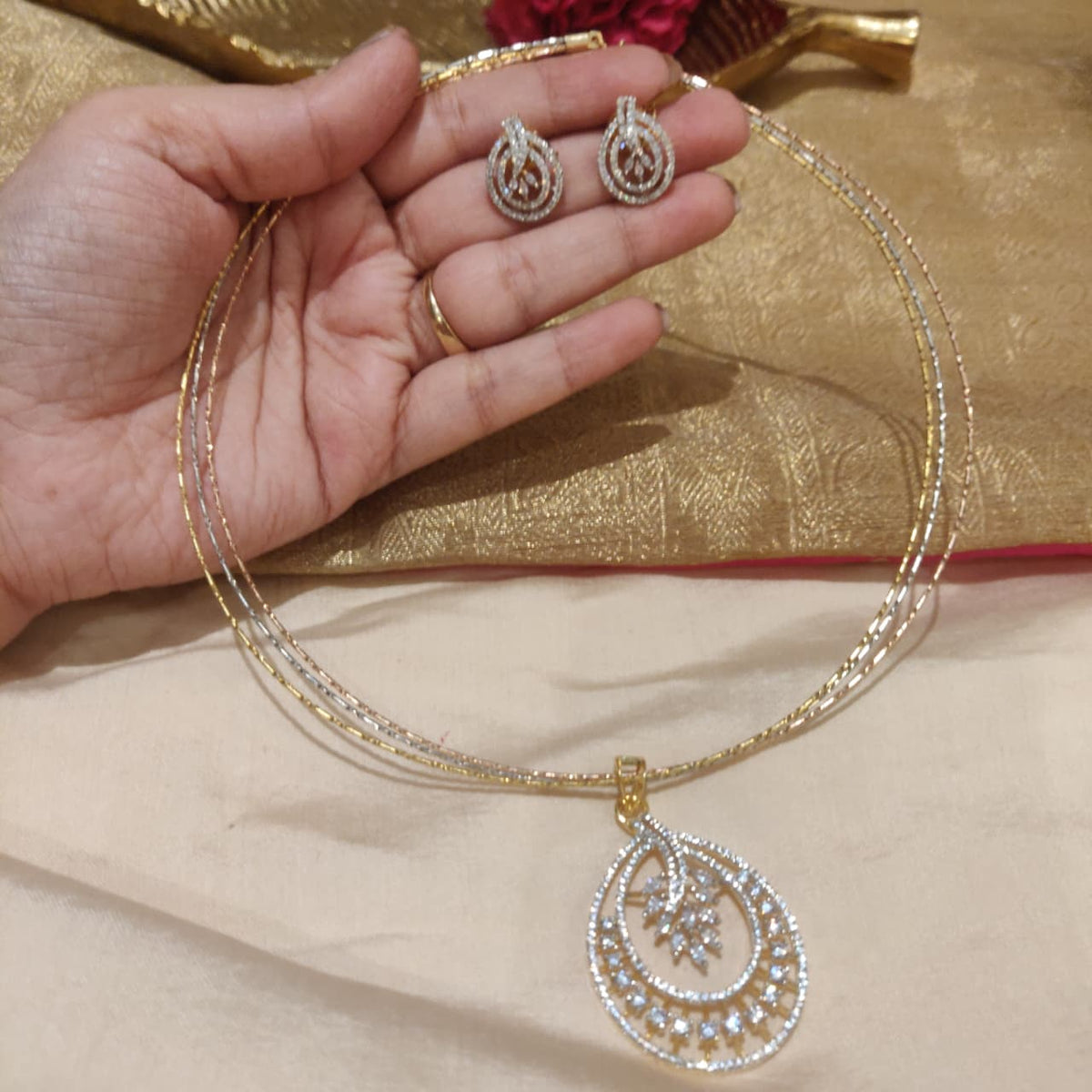
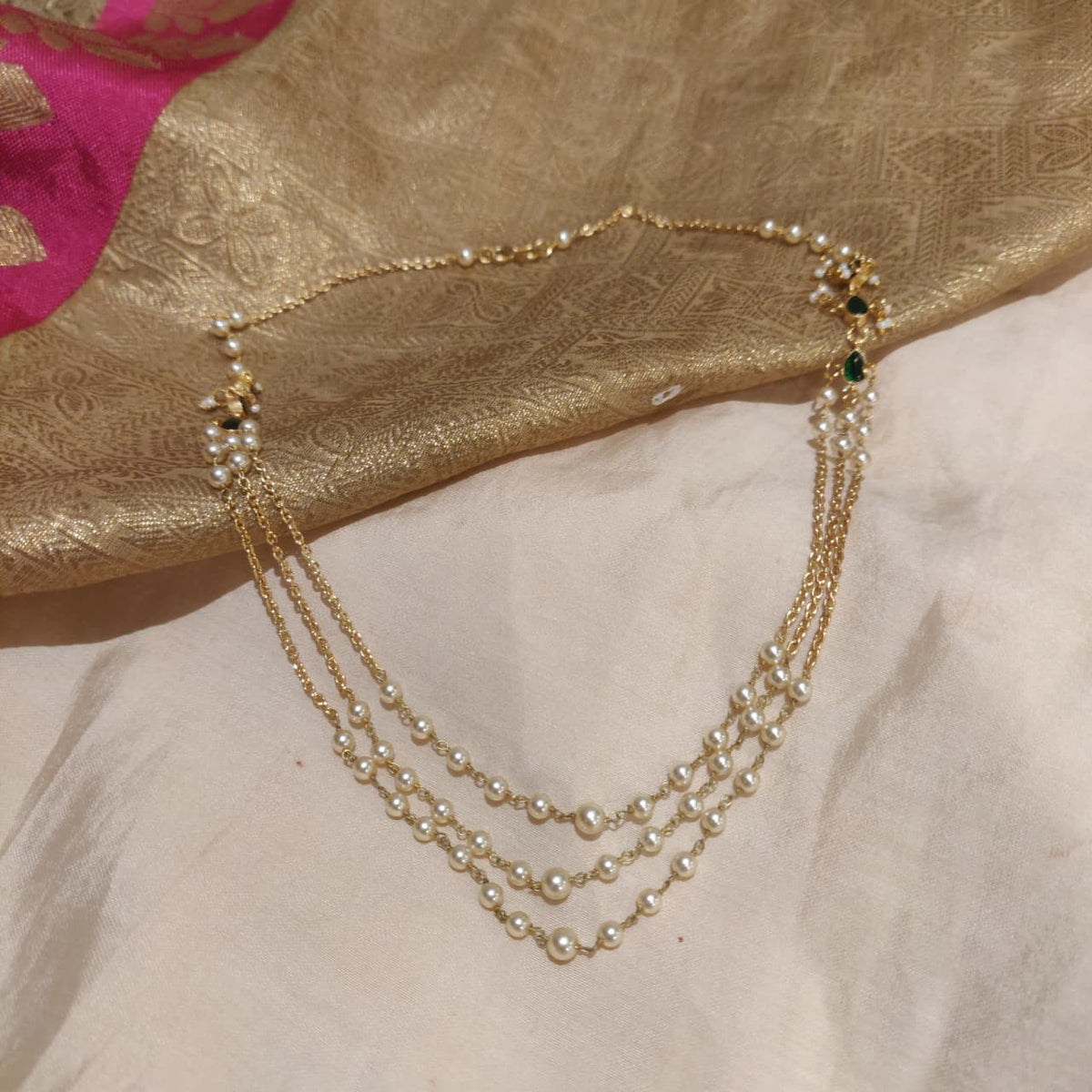
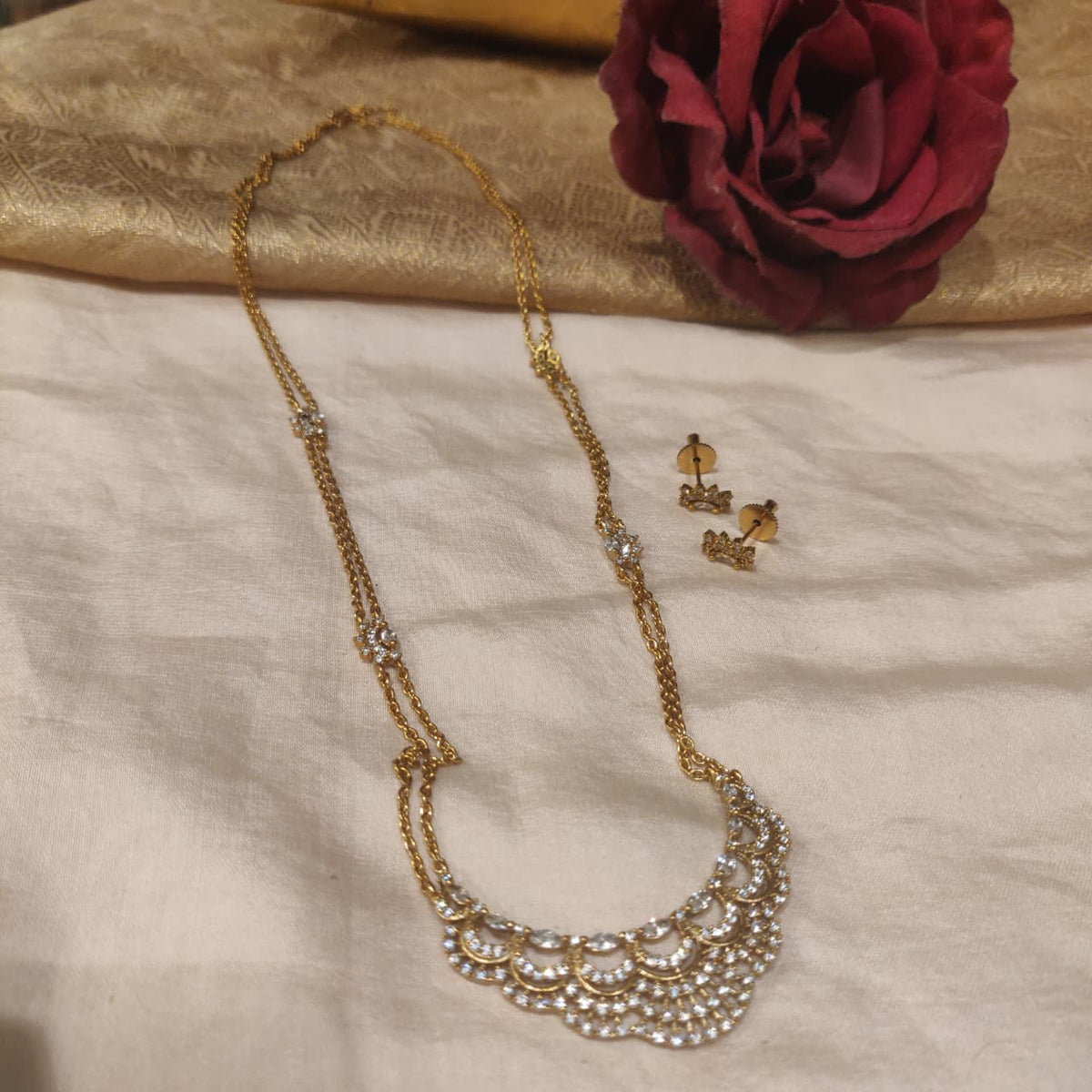
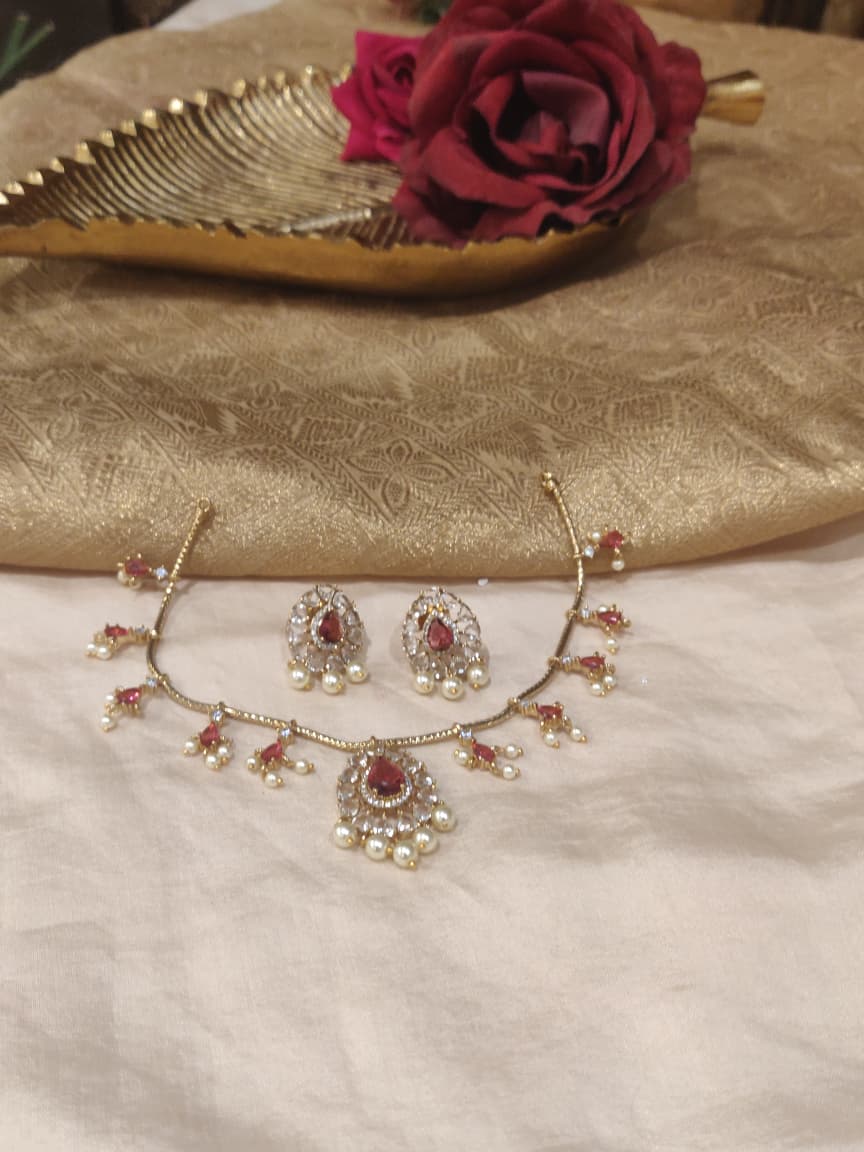
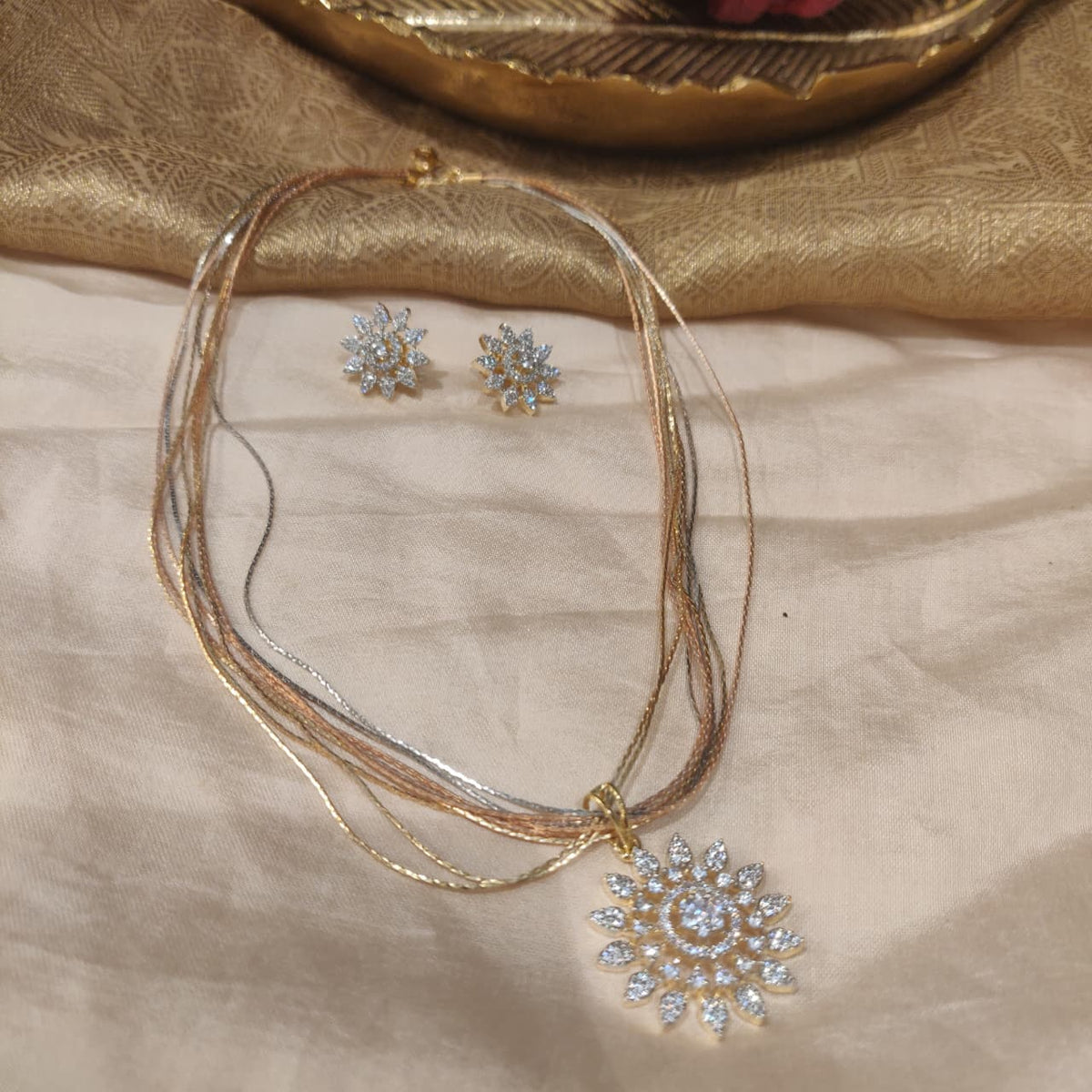
The artificial jewellery range at Emporia Jewels is clearly described, allowing you to understand what you are buying before you order.
Which Styles of Gold Plated Jewellery Last Longest?
Not all gold plated pieces wear at the same rate. Certain design and usage factors affect longevity.
Pieces with lower friction wear better: Earrings last longer than bracelets and rings because they do not rub against surfaces regularly. Necklaces fall in between.
Simpler surface designs hold plating better: Heavily textured or intricately carved surfaces have more edges and raised points where plating wears first. Smoother surfaces maintain an even finish longer.
Heavier base metal pieces hold plating better: A piece with substantial brass underneath shows wear less quickly because the base metal beneath the plating is more forgiving when the surface begins to thin.
Pieces with protective stone settings: Where stones cover a significant portion of the metal surface, the underlying plating is protected from friction in those areas.
For traditional Indian designs in gold plated finish, the handcrafted jewelry range features pieces where the craft quality of the base metal work directly supports the longevity of the plating.
How to Buy Gold Plated Jewellery Online Without Getting It Wrong
A systematic approach to any listing saves disappointment later.
Step 1: Read the material description carefully. Look for specific language: what is the base metal, what is the plating described as (gold plated, antique gold finish, 18kt gold plated, etc.). If the description says only "golden metal," treat this as a red flag.
Step 2: Examine the photography. Good listings show the piece from multiple angles under consistent lighting. Look at edges and raised surfaces in close-up images: these are where plating thinness shows most clearly. Patchy colour or visible base metal tone at edges in the product photo indicates low plating quality.
Step 3: Check verified customer reviews with photos. Customer photos show the real colour of a piece in natural light, which is always more accurate than studio photography. Verified reviews that mention how the piece held up after multiple wears are particularly useful.
Step 4: Confirm the return and exchange policy. Even with careful evaluation, buying jewellery online involves some risk. A seller with a fair and clearly documented exchange policy significantly reduces that risk.
Step 5: Check COD availability. For customers who prefer not to pay online before seeing the product, COD availability removes the financial risk of an advance payment.
Caring for Gold Plated Jewellery: The Practical Version
Gold plating is a surface finish, not a permanent layer. Proper care dramatically extends how long it maintains its appearance.
Do this:
- Store each piece separately in a soft pouch or jewellery box compartment
- Wipe with a soft, dry cloth after wearing to remove sweat and oils
- Put jewellery on after applying makeup, perfume, and hairspray, not before
Avoid this:
- Water contact of any kind: showering, swimming, washing hands while wearing jewellery
- Sleeping in gold plated pieces, which causes friction against fabric overnight
- Storing pieces in stacks where metal surfaces rub against each other
- Applying any chemical cleaner or even water to clean the surface
For kundan-style gold plated pieces where stones are set in a resin base, water is particularly damaging. The kundan jewelry range features these pieces; care instructions above apply fully to that category.
Frequently Asked Questions
Q1. Does gold plated jewellery tarnish?
Over time, the gold plating on a piece can wear and the base metal beneath may oxidise, creating a darker or greenish discolouration. This is normal, and the rate at which it happens depends on plating thickness, base metal type, and care habits.
Q2. Can gold plated jewellery be re-plated?
Yes. A local jeweller can replate gold-plated pieces. This is typically affordable and can restore the appearance of a piece you particularly like. Ask a trusted jeweller for this service.
Q3. Is gold plated jewellery safe for sensitive skin?
When the plating is intact, the gold surface itself is unlikely to cause reactions. If the plating wears through and the base metal is exposed, individuals with nickel sensitivity may experience irritation. Thick plating and proper care reduce this risk.
Q4. What is the difference between 18kt gold-plated and standard gold-plated?
The "18kt" designation refers to the purity of the gold used in the plating solution, not the thickness of the plating. Higher karat plating tends to have a warmer, more accurate gold tone, but does not automatically mean thicker or more durable plating.
Q5. How do I clean gold plated jewellery without damaging it?
Use only a soft, dry microfibre cloth and gentle pressure. Do not use water, soap, baking soda, or commercial jewellery cleaners on gold-plated pieces. These all accelerate plating wear.