




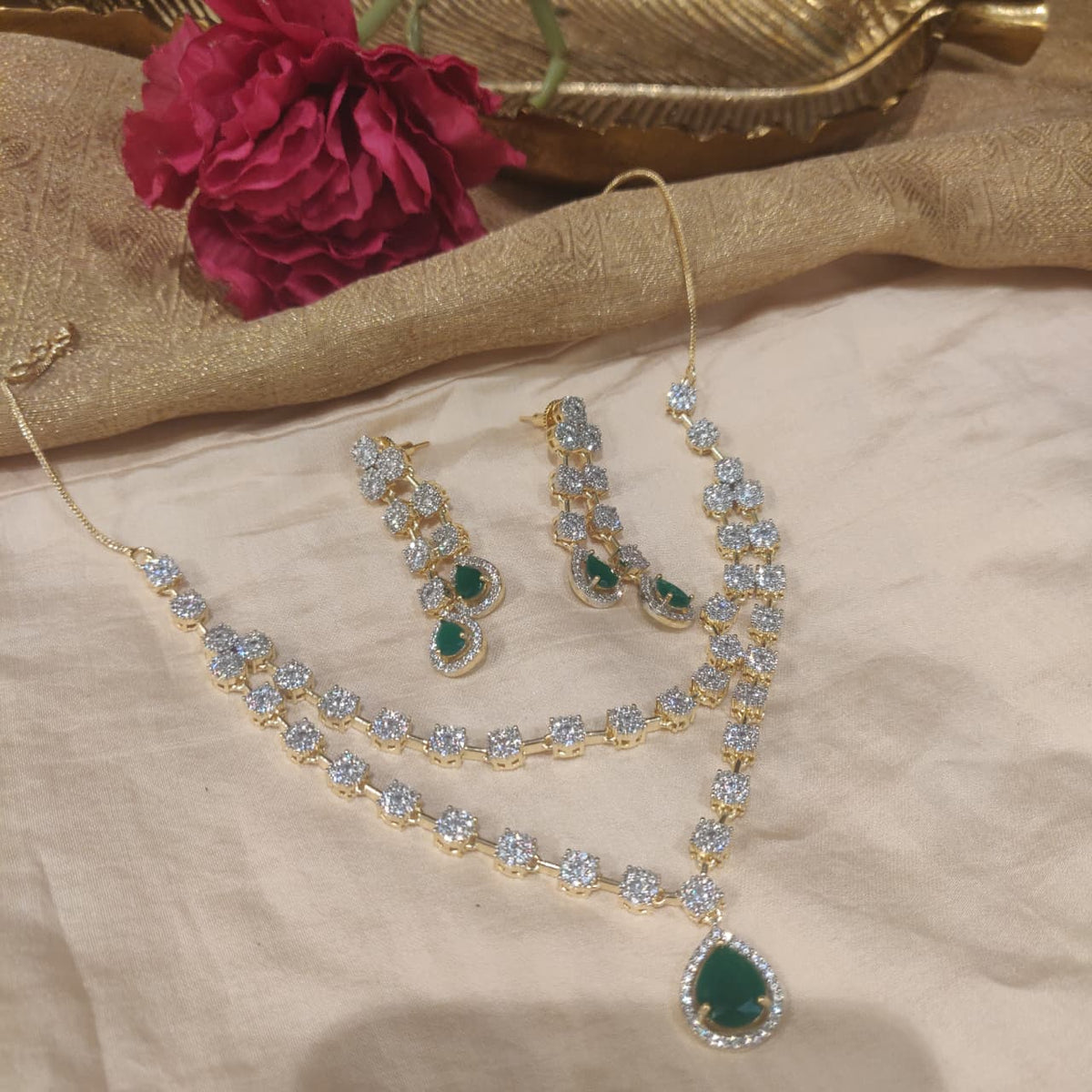

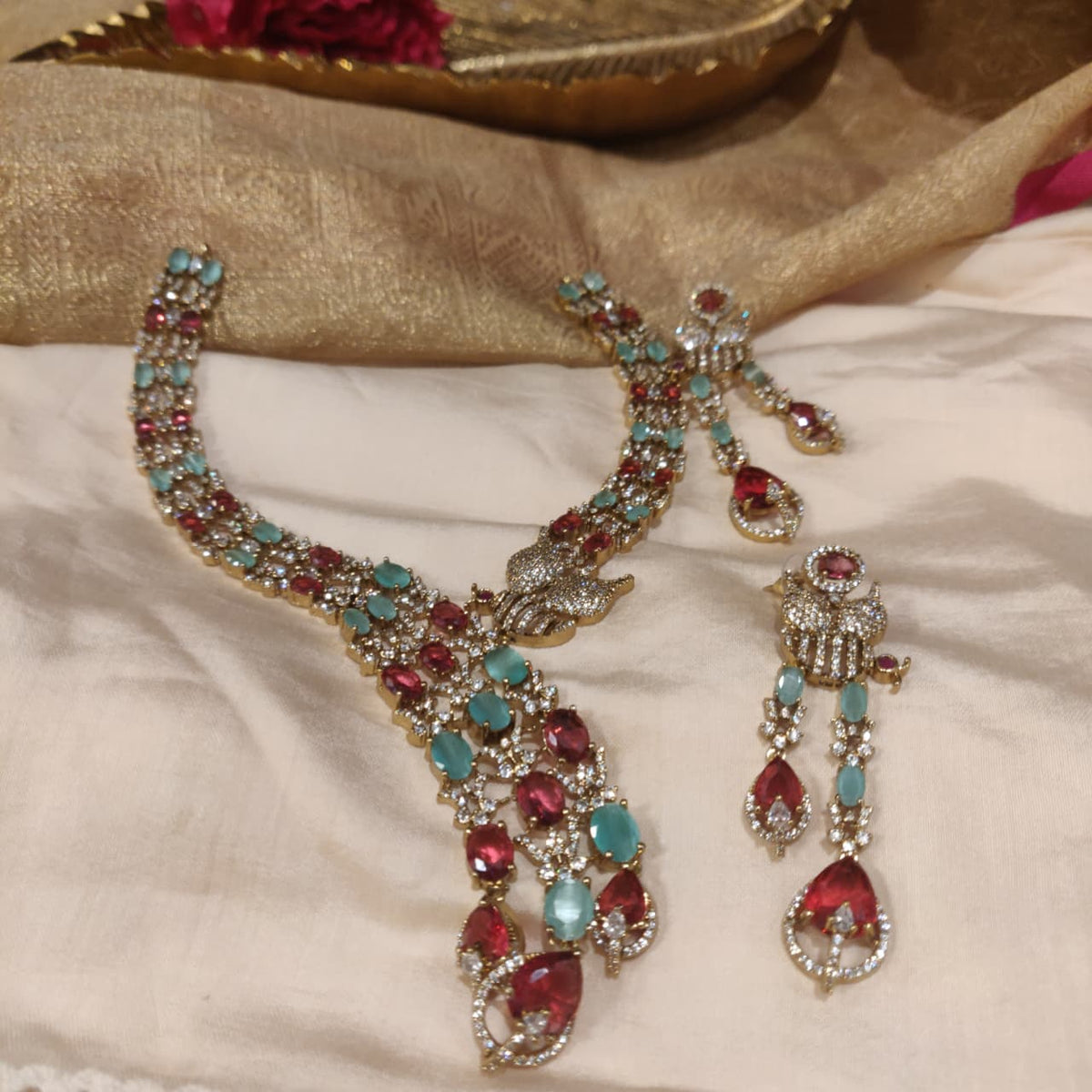
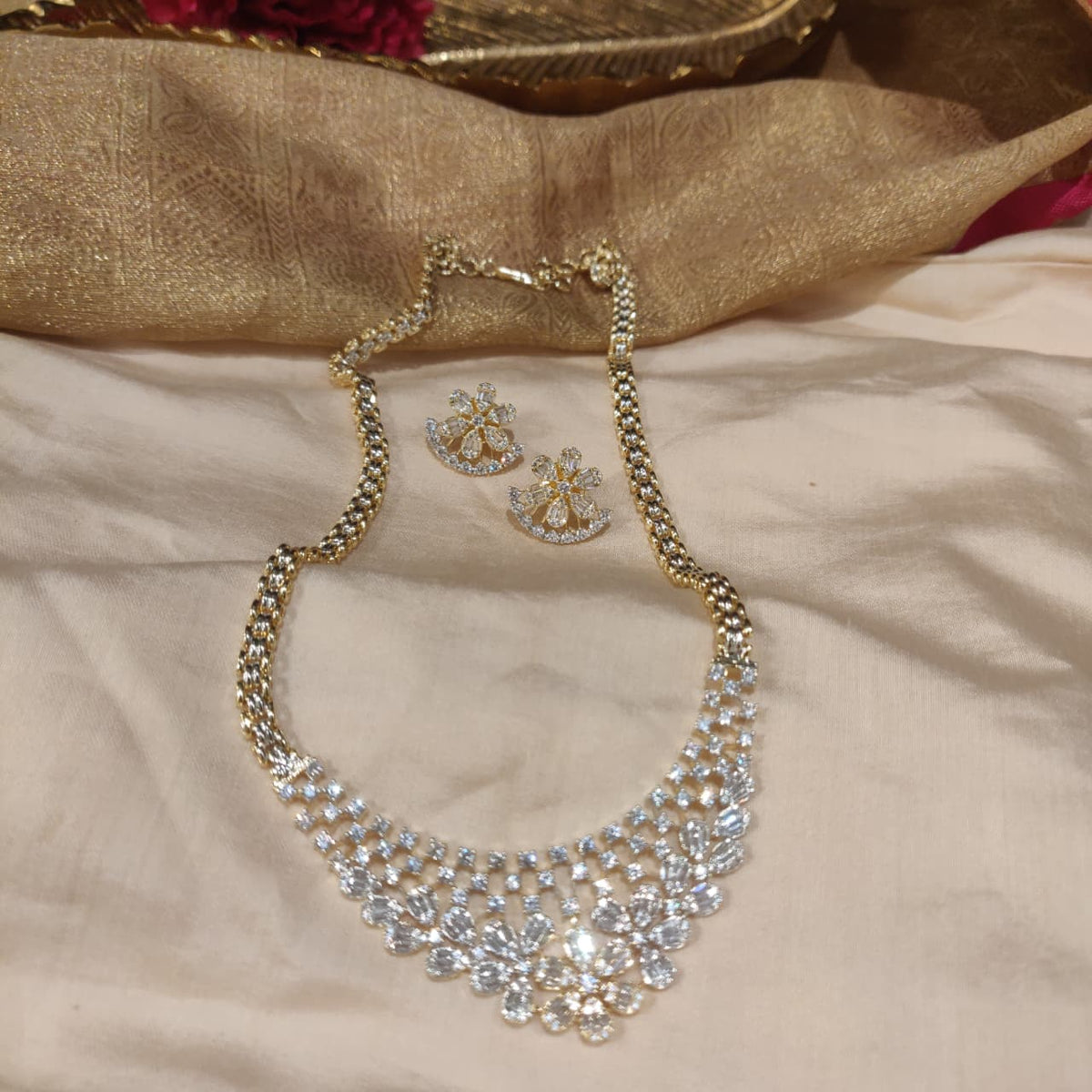
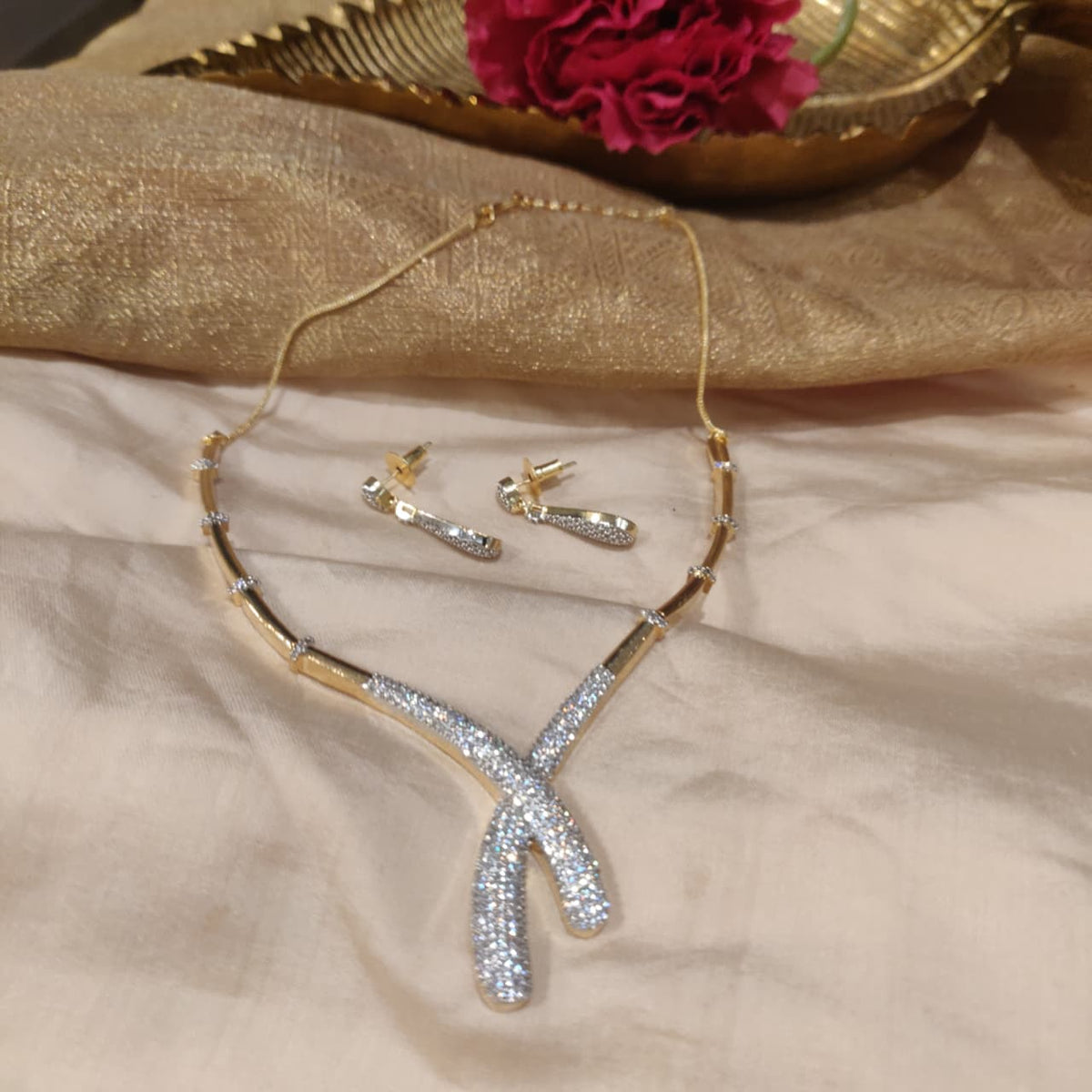
Gold-Plated Artificial Jewellery: What the Plating Thickness Actually Tells You Before You Buy
Gold-plated artificial jewellery sits at the intersection of affordability and visual impact, but not all plating is equal. Understanding the technical differences between plating grades, base metals, and finishing methods helps you choose pieces that hold their colour through festivals, weddings, and daily wear without overspending.
The Science Behind Gold Plating: What You Are Actually Paying For
Plating Thickness and Karat Grade Explained
Gold plating is measured in microns, and this single number determines how long the colour lasts on any artificial jewellery piece. Industry standards classify plating below 0.5 microns as flash plating, 1 to 2 microns as standard fashion jewellery online plating, and anything above 2.5 microns as heavy or micro-gold plating. The karat of the gold used in the plating layer, typically 18K or 24K, affects the colour tone: 24K produces a deeper yellow, while 18K gives a warmer, slightly muted finish that many buyers prefer for traditional Indian sets.
|
Plating Type |
Thickness (Microns) |
Expected Colour Life |
Common Use |
|
Flash Plating |
0.1 to 0.5 |
1 to 3 months |
Fast-fashion accessories |
|
Standard Plating |
0.5 to 1.5 |
3 to 8 months |
Everyday fashion jewellery |
|
Micro-Gold Plating |
2 to 3+ |
1 to 3 years |
Bridal and occasion sets |
|
One-Gram Gold Plating |
3 to 5+ |
2 to 5 years |
Traditional South Indian sets |
Base Metal Quality and Its Role in Longevity
The base metal underneath the plating determines how well the gold layer bonds and how the piece behaves against skin. Brass is the most common base for quality artificial jewellery because it is dense, holds plating evenly, and resists warping; zinc alloy is cheaper but more porous and prone to peeling. A thick plating on a poor base metal will still fail faster than a thinner plating on well-prepared brass, because surface porosity causes the gold layer to lift from the edges first.
How to Inspect Gold Plated Artificial Jewellery Before Purchasing
Visual and Physical Inspection Criteria
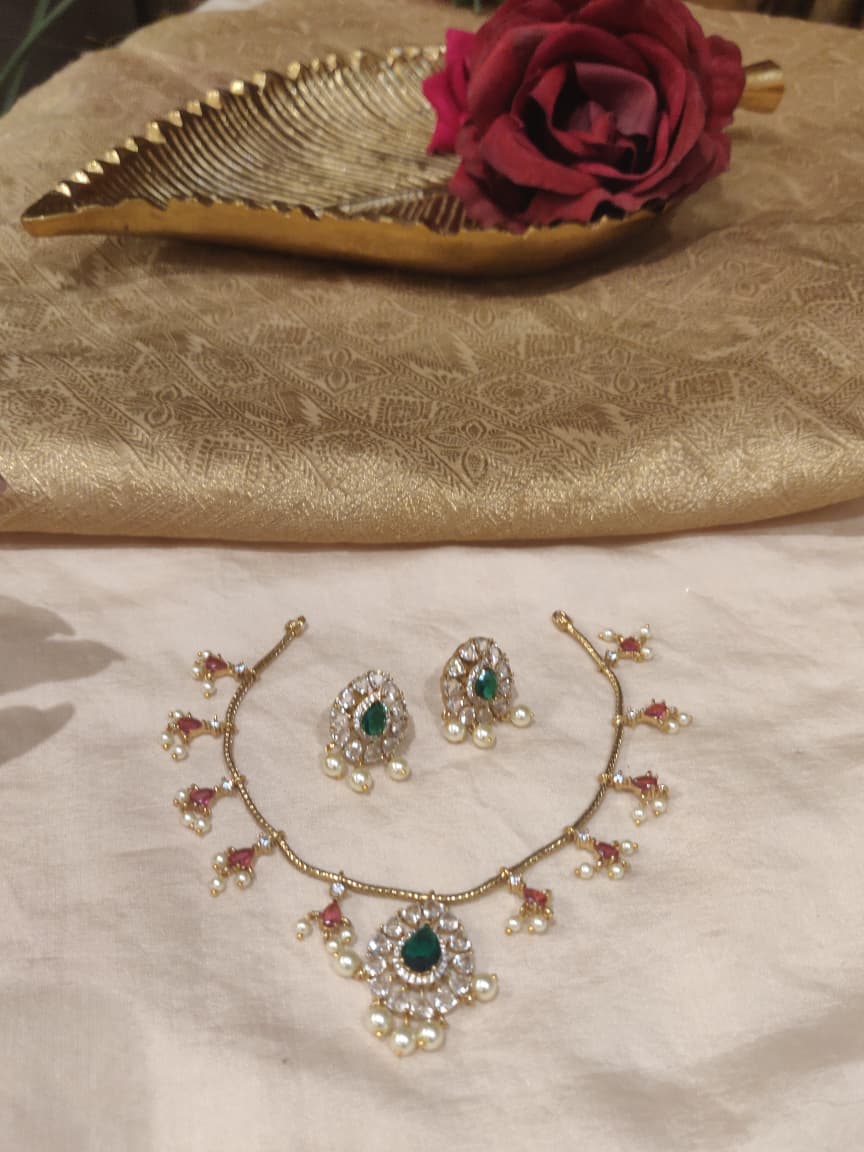
A well-plated piece shows uniform colour across all surfaces, including the back, inner curves, and clasp areas. Uneven colour, visible grey patches near edges, or a brassy undertone showing through are reliable signs of thin or inconsistent plating. Weight is another useful signal: brass-based sets feel noticeably heavier than zinc alloy alternatives of the same size, and that density usually correlates with better construction overall. When shopping for a pearl necklace and earring set, these same inspection principles apply to both the metal components and the pearl settings.
-
Check the reverse side of pendants and earring backs for consistent gold colour.
-
Look for sharp, clean stone settings with no visible glue overflow.
-
Inspect clasps and hinges for smooth movement without rough edges.
-
Confirm that any enamel or meenakari work sits flush with the metal surface.
-
Smell the piece: a strong chemical odour can indicate low-quality finishing compounds.
Reading Product Listings with a Technical Eye
Online listings for gold-plated artificial jewellery vary widely in the information they disclose. Listings that specify micron thickness, base metal type, and plating karat are generally from more accountable sellers; vague terms like "gold-tone" or "gold-finish" without further detail usually indicate flash plating. If the listing does not mention the base metal, assume zinc alloy and price your expectations accordingly.
|
Listing Term |
What It Likely Means |
Buyer Action |
|
"Gold-tone" or "Gold-finish" |
Flash plating, often under 0.5 microns |
Buy only for single-use occasions |
|
"18K Gold Plated" |
18K gold layer, thickness unspecified |
Ask seller for micron detail |
|
"Micro Gold Plated" |
2 microns or more, usually brass base |
Suitable for repeated wear |
|
"One Gram Gold Plated" |
Heavy plating, traditional South Indian style |
Best for bridal and long events |
Occasion-Based Selection: Matching Plating Grade to Purpose
Bridal, Festival, and High-Wear Occasions
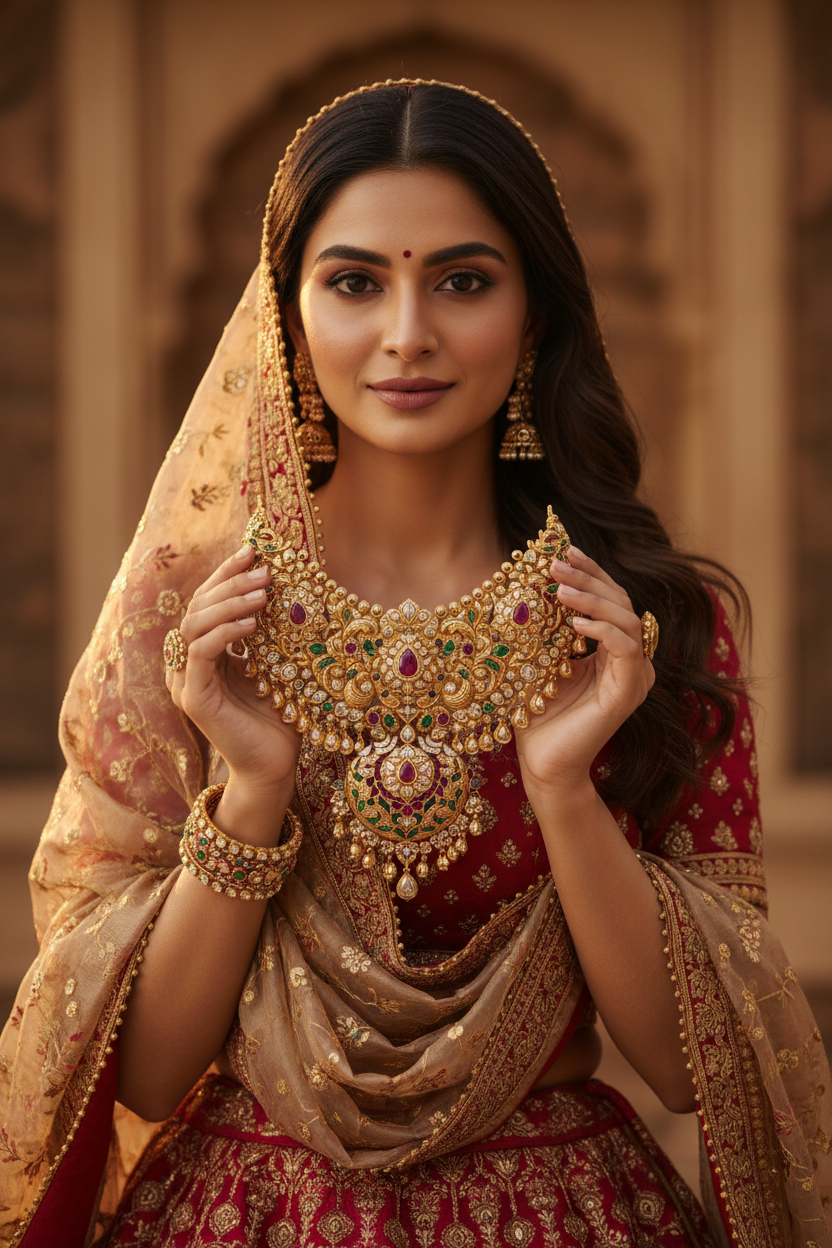
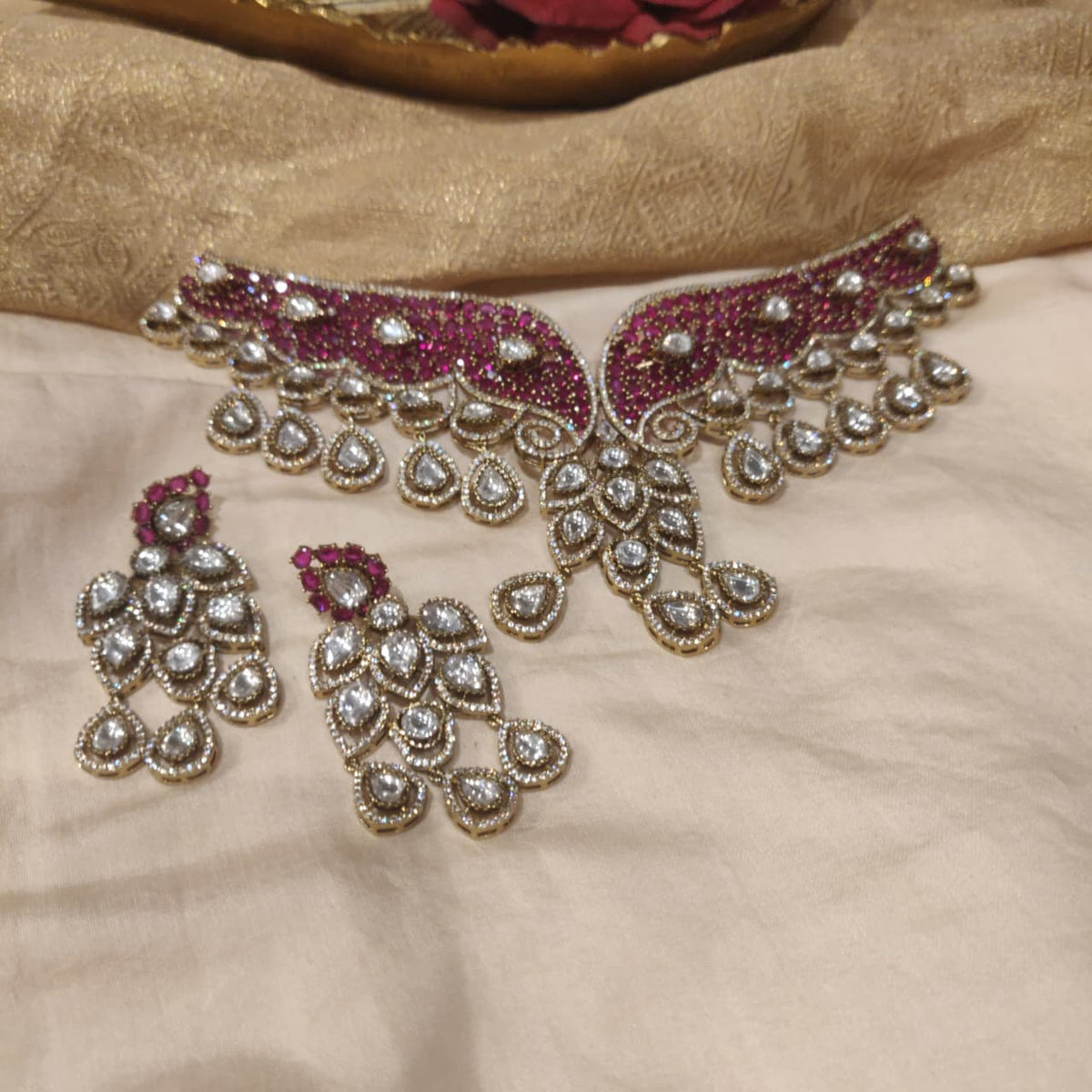
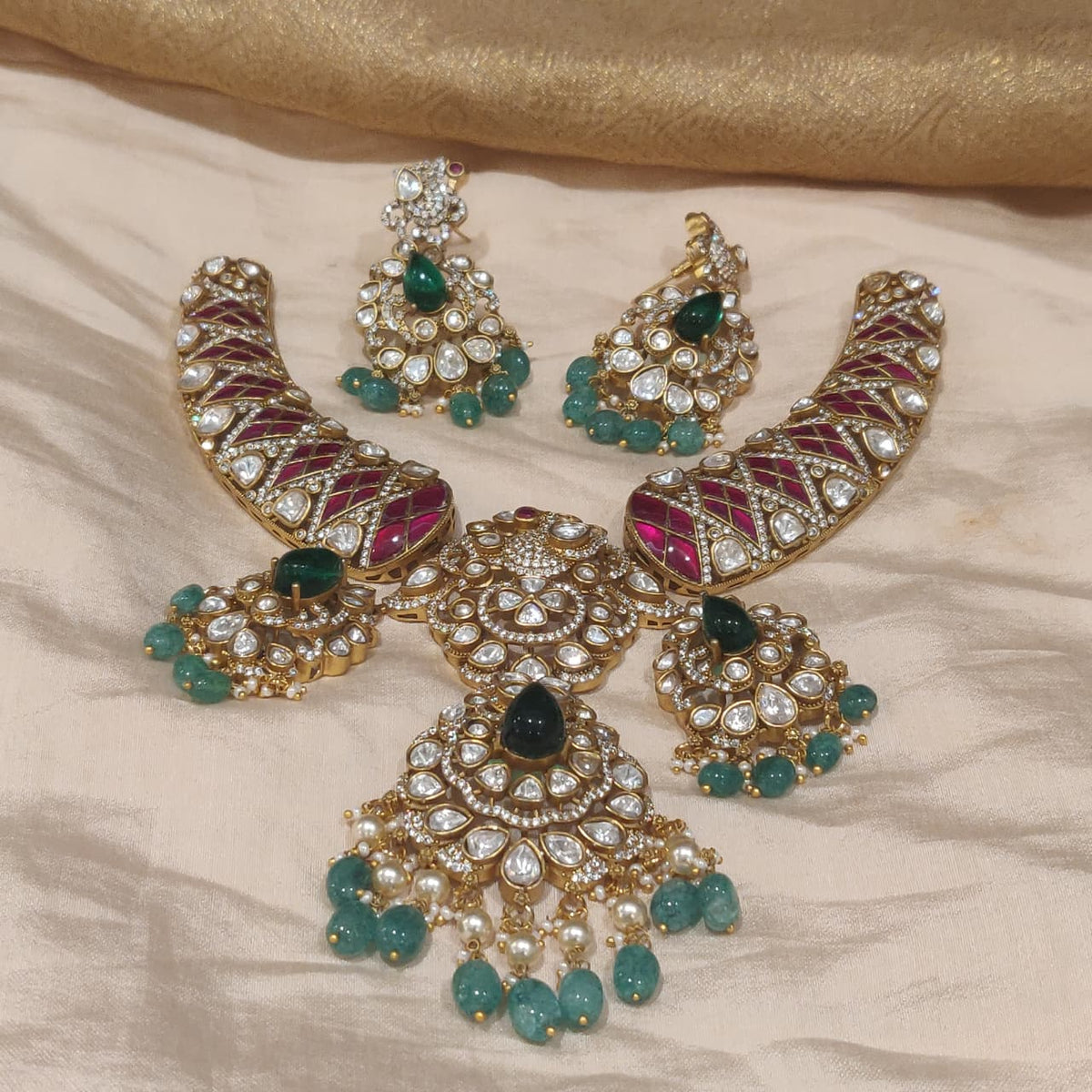
For bridal wear, multi-day festivals, or events involving prolonged contact with skin and fabric, micro-gold or one-gram gold-plated sets are the practical minimum. These heavier plating grades tolerate sweat, friction, and extended wear far better than standard fashion plating. Brides-to-be should prioritise sets where the seller explicitly states plating thickness and offers at least a limited colour warranty. Fancy artificial jewellery in this category often combines heavy plating with intricate stonework, making it well suited to bridal and festive occasions.
-
Bridal necklace sets: choose one-gram or micro-gold plating on a brass base.
-
Maang tikka and matha patti: look for secure pin mechanisms with plated fittings.
-
Bangles and kadas: confirm inner surface plating, as this contacts skin most directly.
-
Earrings for long events: select pieces with plated hooks or screwbacks, not plain wire.
Everyday and Party Wear: Balancing Cost and Colour Life
For casual outings, office wear, or single-occasion parties, standard 18K gold-plated pieces on brass or copper alloy bases offer a sensible cost-to-appearance ratio. Even well-plated jewellery benefits from rest days that allow the metal to recover from moisture exposure. Platforms like Emporia Jewels carry a range of designer jewellery online across these occasion tiers, making it practical to match plating grade to actual use frequency.
Care Practices That Extend the Life of Gold Plated Artificial Jewellery
Daily Habits That Protect the Plating Layer
The most common causes of early wear are moisture, friction, and chemical exposure from perfumes, lotions, and cleaning products. Apply perfume and moisturiser first, allow them to dry fully, then put on jewellery last. Removing pieces before bathing, swimming, or exercising is essential; even brief repeated exposure to chlorinated or salt water accelerates plating loss significantly. Traditional gold bangle designs in plated form are especially vulnerable at the inner surface, which contacts skin continuously, so extra care during removal and storage is worthwhile.
-
Apply all cosmetics, perfumes, and hair products before wearing jewellery. For more information, explore the Traditional gold bangle designs.
-
Remove gold-plated pieces before any water contact, including handwashing.
-
Wipe each piece with a dry, soft cloth after wearing to remove skin oils.
-
Store pieces individually in soft pouches or compartmented boxes to prevent scratching.
-
Keep jewellery away from direct sunlight and humidity during storage.
Frequently Asked Questions
How long does gold plating last on artificial jewellery?
Plating life ranges from one month for flash-plated pieces to three or more years for micro-gold or one-gram gold-plated sets, depending on thickness, base metal quality, and how carefully the jewellery is stored and worn.
Is gold plated artificial jewellery safe for sensitive skin?
Skin reactions depend on the base metal beneath the plating; brass and copper bases are generally better tolerated than zinc alloy, but individual sensitivity varies and cannot be guaranteed without knowing the specific alloy composition of each piece.
What is the difference between 18K and 24K gold plated jewellery?
18K gold plating uses an alloy with 75% gold content, producing a warmer tone, while 24K plating uses pure gold and gives a deeper, brighter yellow finish commonly seen in traditional South Indian and bridal jewellery.
Can gold-plated artificial jewellery be re-plated?
Yes, most local jewellers and electroplating workshops can re-plate worn pieces, making it a cost-effective way to restore colour on high-quality brass-based sets rather than replacing them entirely.
How do I know if a listing is for genuine gold-plated jewellery or just gold-tone?
Look for listings that specify the plating karat, micron thickness, and base metal; vague terms like "gold-tone" or "gold-finish" without these details typically indicate minimal or flash plating with very short colour life.