


Fashion Jewellery for Saree: A Complete Styling Guide by Saree Type, Occasion, and Neckline
Choosing fashion jewellery for a saree is a different challenge from choosing jewellery for any other outfit. The saree has its own internal visual logic: the fabric weight, the blouse neckline, the drape style, the embellishment level, and the colour palette all create specific demands on the jewellery that completes the look. Get the combination right, and the total effect is genuinely striking. Get it wrong and the jewellery either disappears into the saree or fights with it.
This guide is organised by saree type, so you can go directly to the section that applies to what you are wearing and find specific, actionable recommendations rather than general principles that leave you still uncertain.
Silk Sarees: Kanjivaram, Banarasi, and Paithani
Silk sarees are the heavyweight category in Indian saree dressing. They are rich, structured, and visually dense. The jewellery that works with silk must hold its own against that visual weight.
What works:
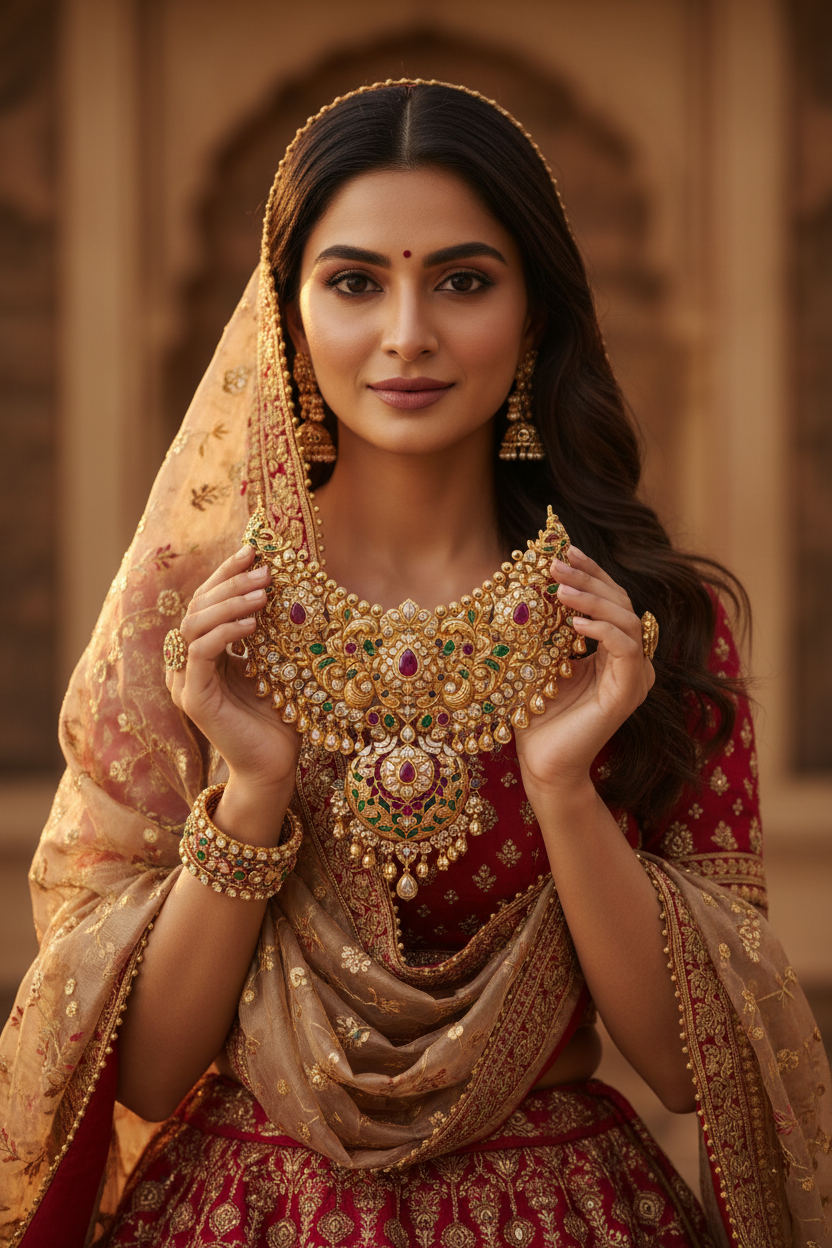
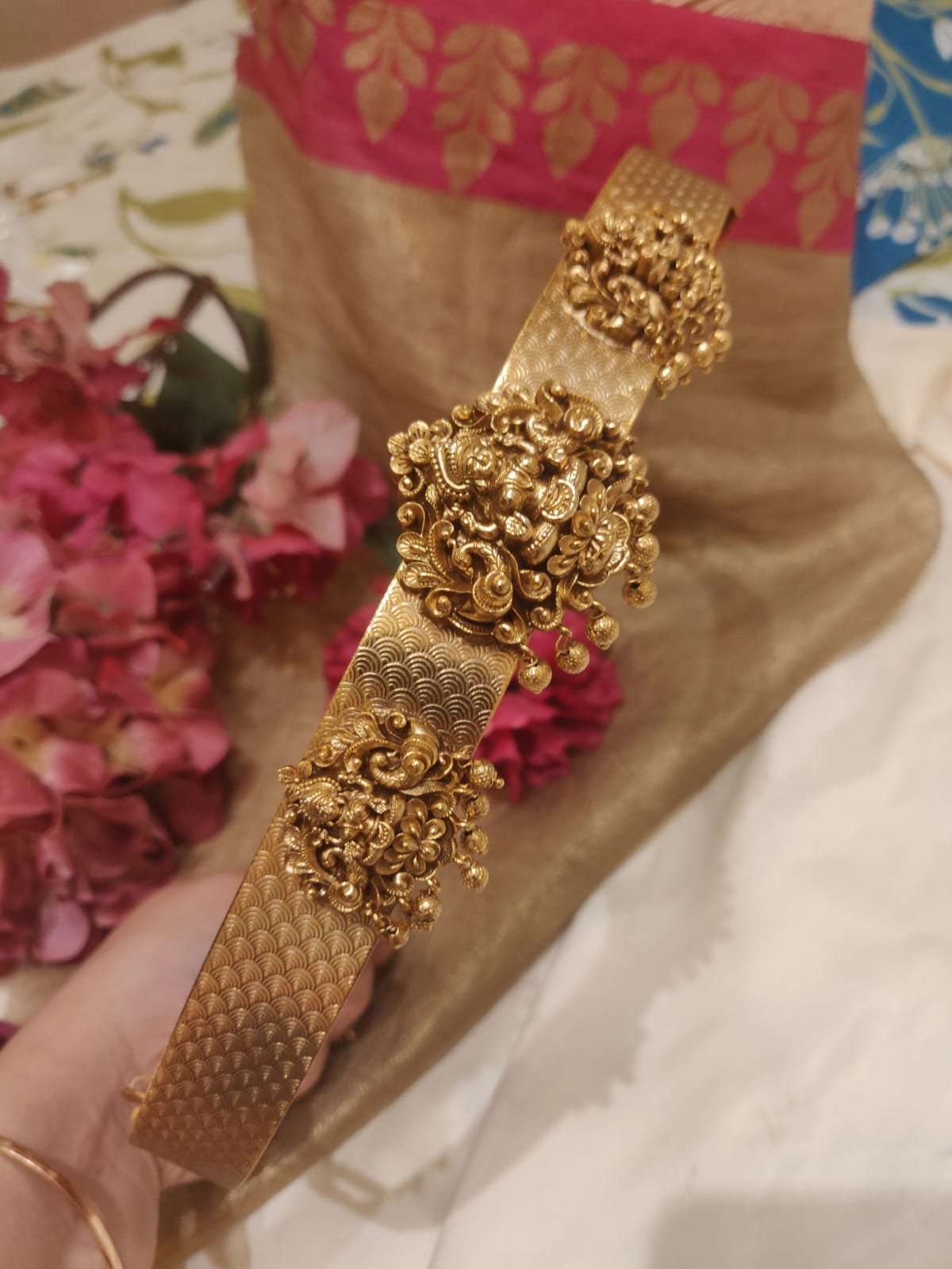
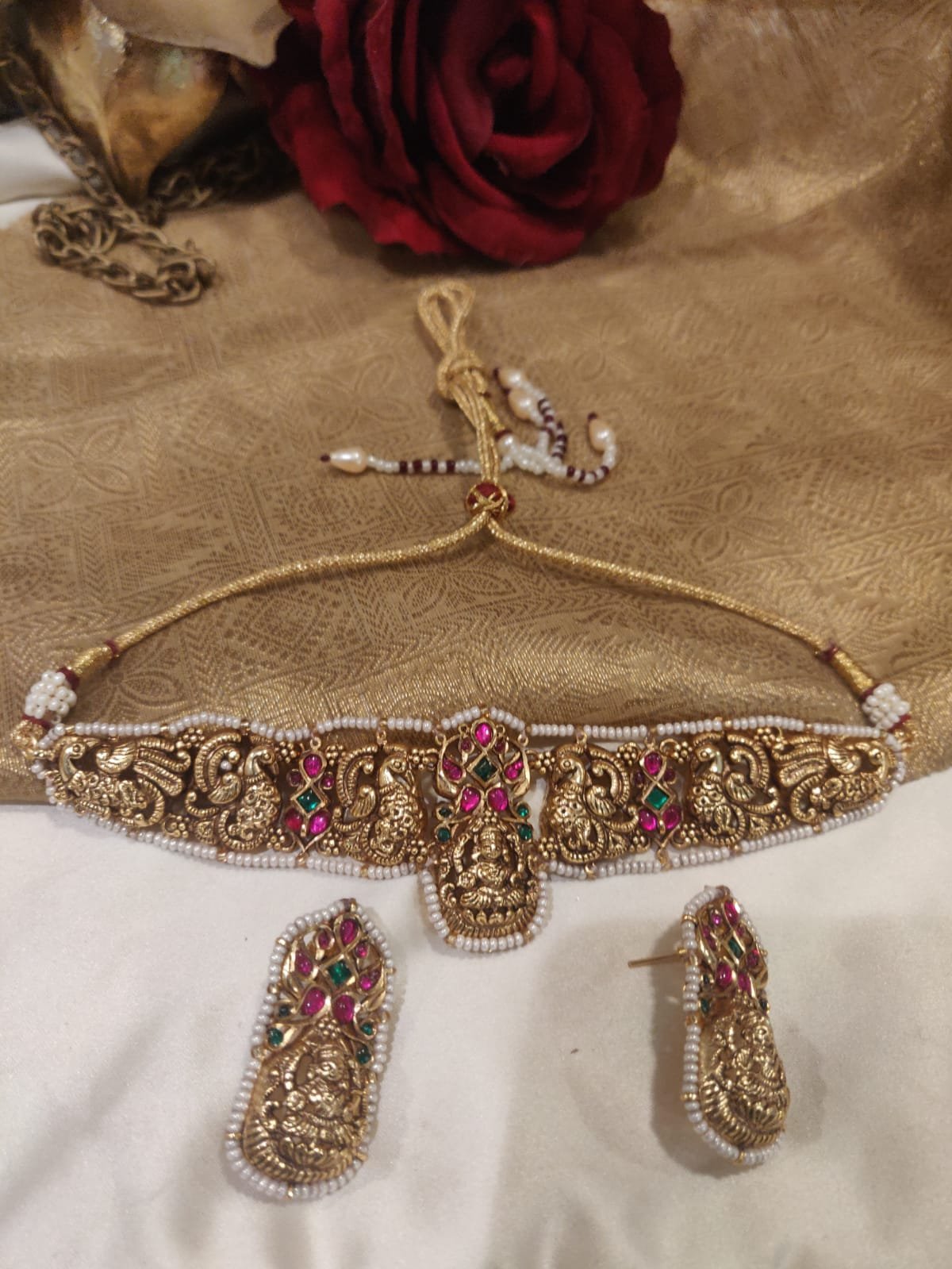
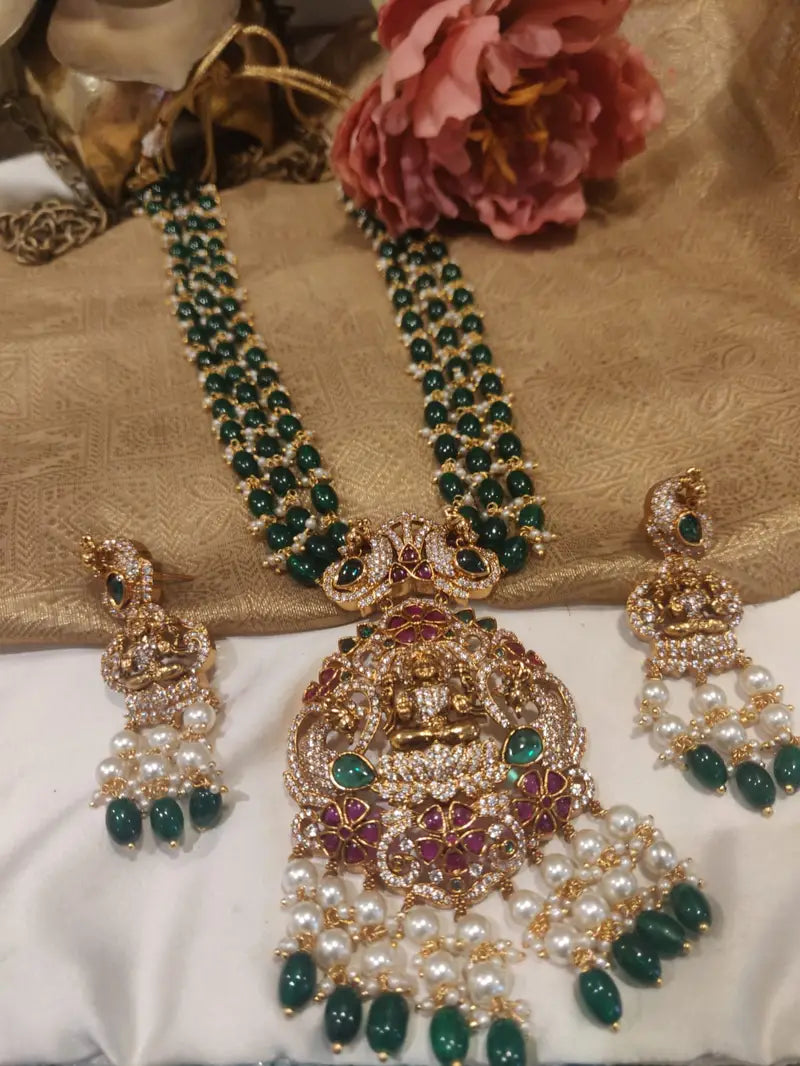
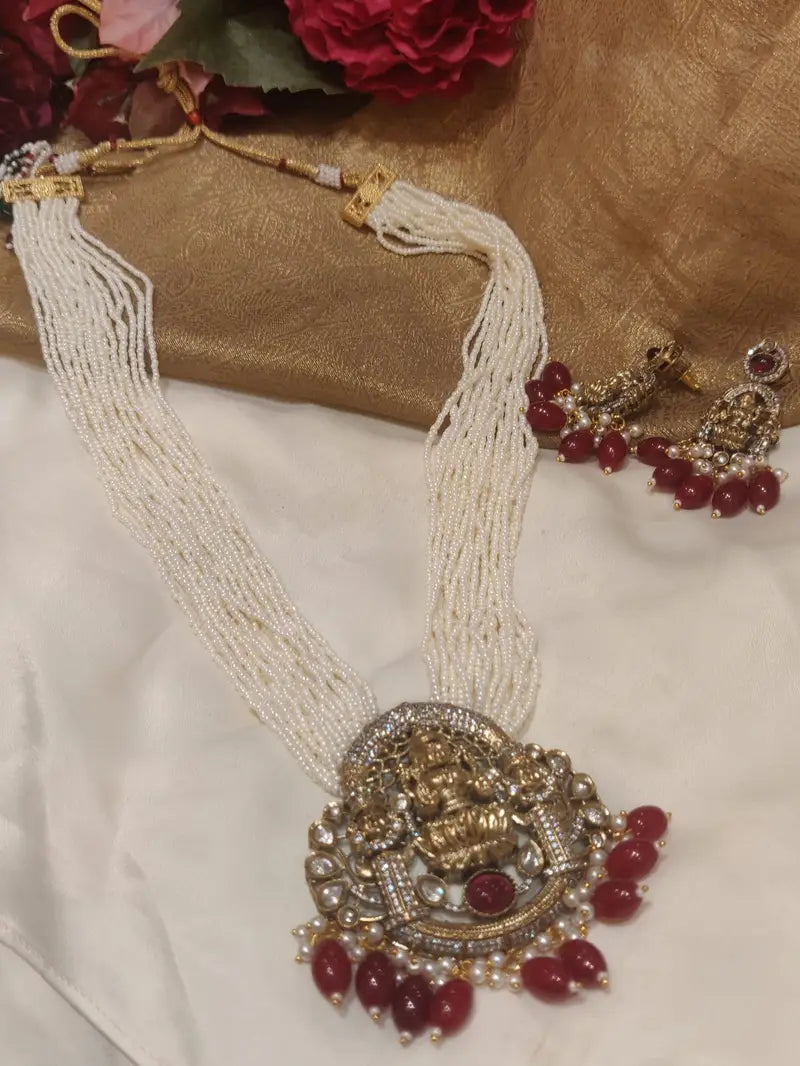
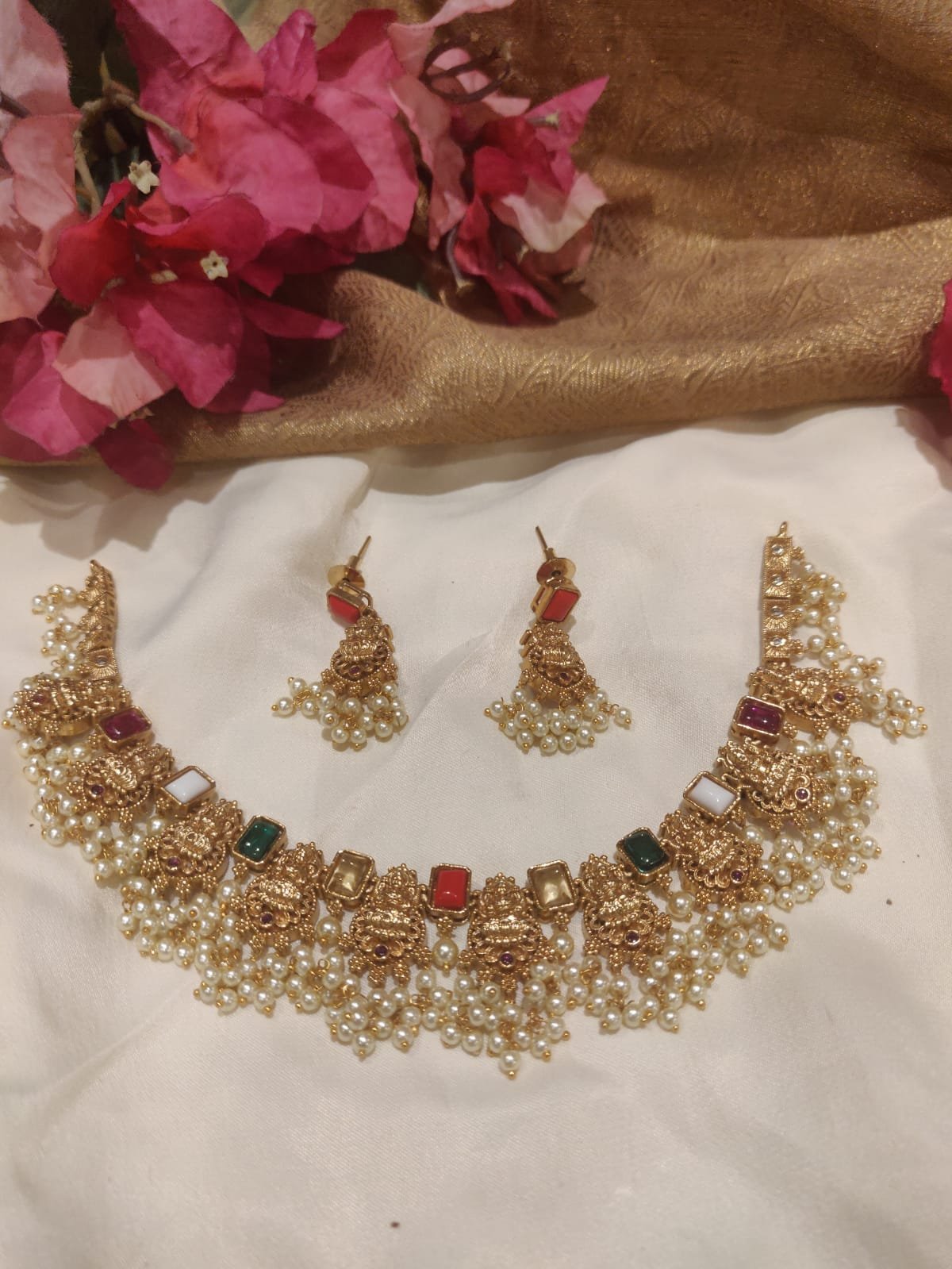
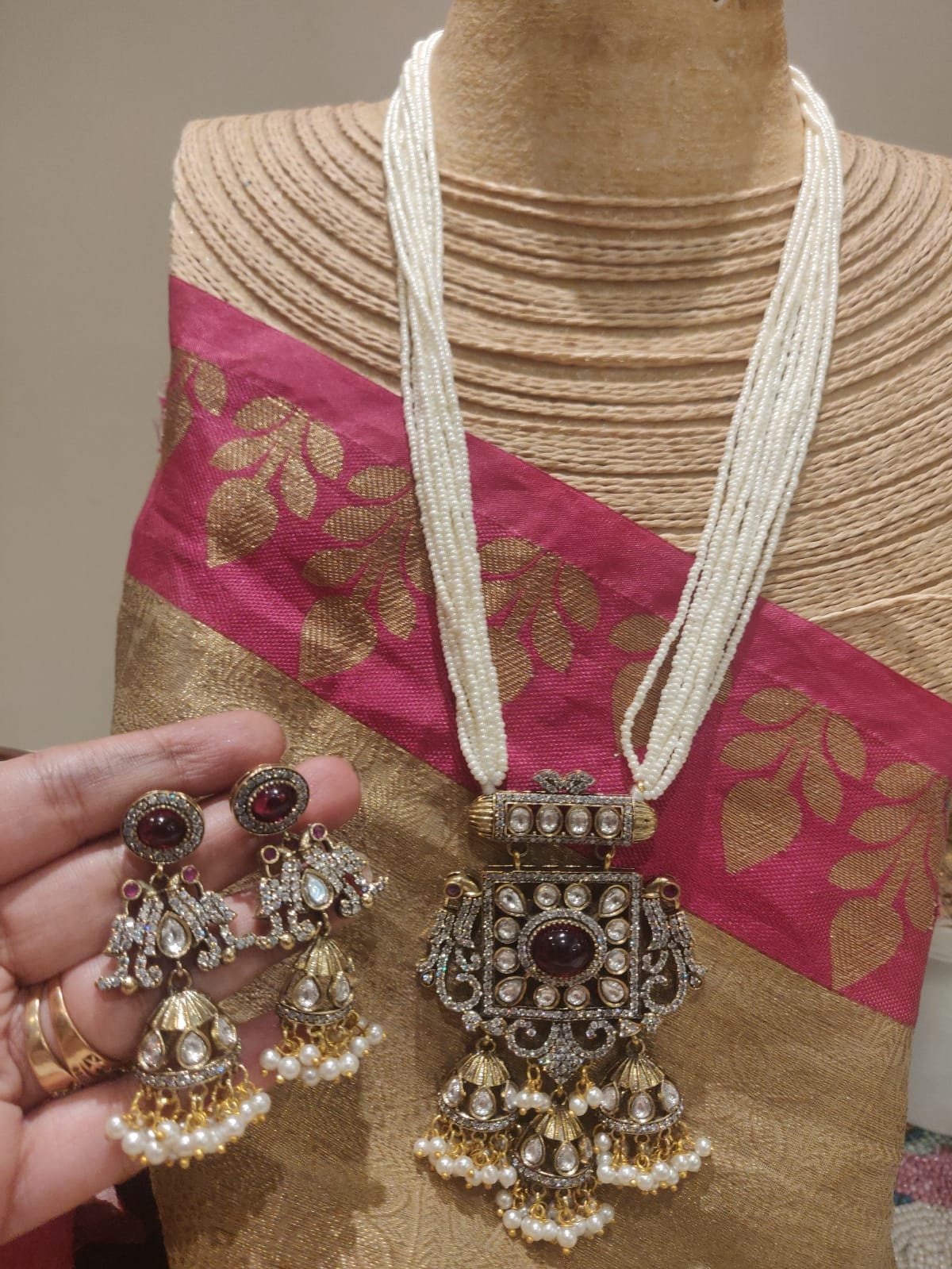
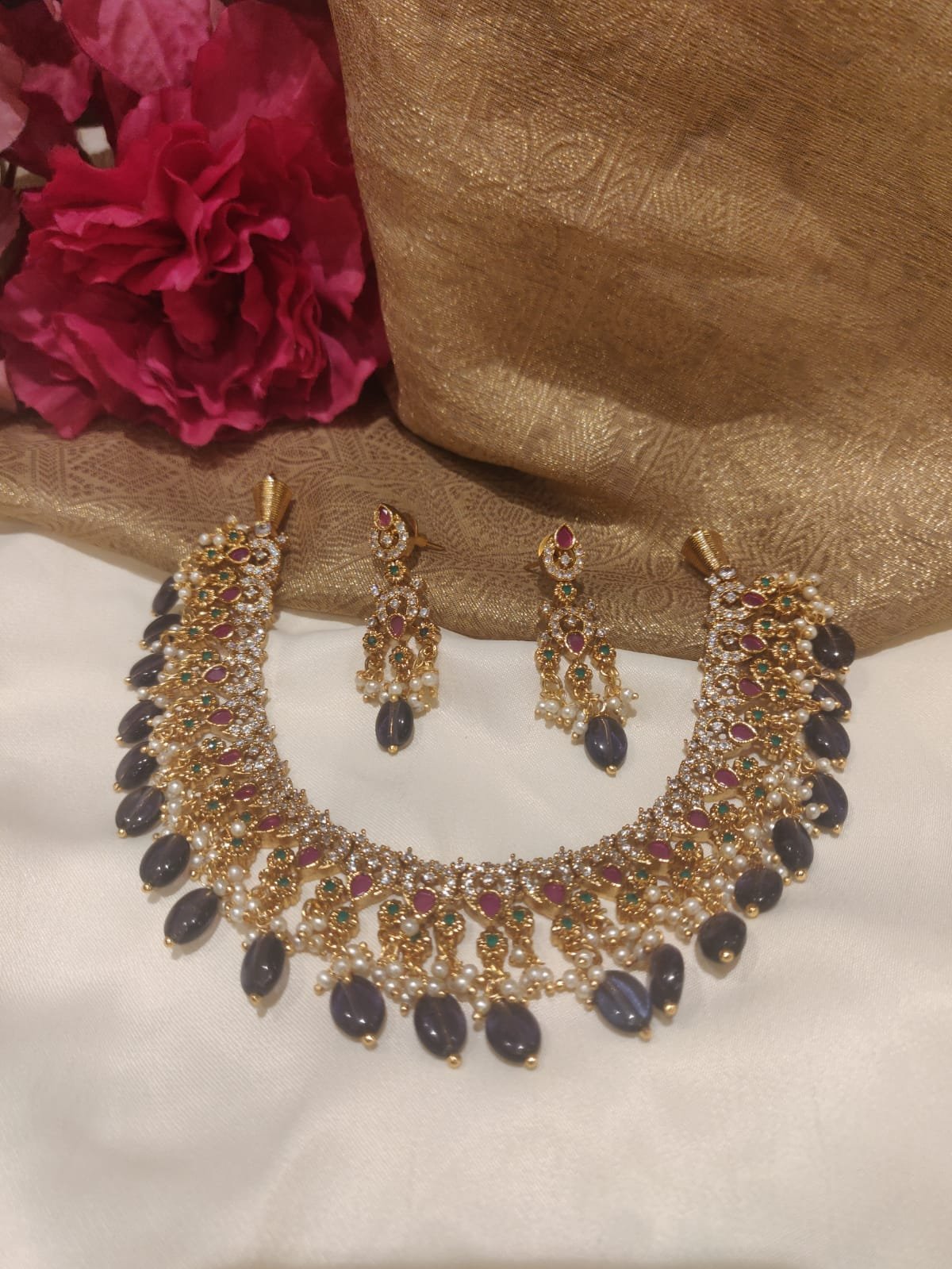
Traditional antique gold-tone necklace sets with substantial stone coverage. Temple jewellery, long harams or structured chokers in kemp or kundan setting. The weight and formality of the jewellery should match the weight and formality of the silk.
Necklace choices: A structured choker or a layered necklace set in antique gold with red-green stone work sits naturally against a Kanjivaram border. For a Banarasi silk with gold zari work, a kundan necklace in gold-tone maintains visual continuity with the fabric's own richness.
Earrings: Jhumkas (basket or chandelier style) in matching antique gold or kemp setting. The earring should be large enough to be visible against the visual density of the saree's border and pallu.
What to avoid: Minimal, delicate contemporary jewellery. It disappears against a rich silk saree. Oxidised silver-tone pieces also create a visual conflict with the warm gold tone that silk sarees naturally call for.
The fashion jewellery range includes traditional-style pieces specifically suited to silk saree occasions.
Cotton and Handloom Sarees: Khadi, Ikat, Chanderi, and Block-Print
Cotton and handloom sarees have a completely different energy from silk. They are understated, textural, and earthy. The jewellery must respect that register rather than overwhelm it.
What works:
Oxidised silver-tone pieces with tribal or geometric detailing. Simple antique gold-tone jhumkas. Minimal beaded necklaces or a single statement pendant on a plain chain. The jewellery should add a single visual note, not compete with the natural character of the fabric.
Necklace choices: An oxidised metal statement necklace in a single layer works well with block-print cotton. A simple chain with a kemp or meenakari pendant adds colour interest without overwhelming an ikat saree's already complex pattern. For a plain khadi saree, a single statement choker in oxidised finish elevates the look without undermining its deliberate simplicity.
Earrings: Small to medium jhumkas in oxidised or simple antique gold setting. Avoid over-scaled earrings with lightweight handloom fabrics. The scale of the jewellery should relate to the visual weight of the fabric.
What to avoid: Heavy bridal-style sets or multi-strand kundan necklaces. These create a visual mismatch with the casual, natural quality of handloom dressing.
Georgette and Chiffon Sarees: Party and Semi-Formal Occasions
Georgette and chiffon sarees have movement and lightness. They are typically worn for parties, receptions, and semi-formal occasions rather than traditional ceremonies.
What works:
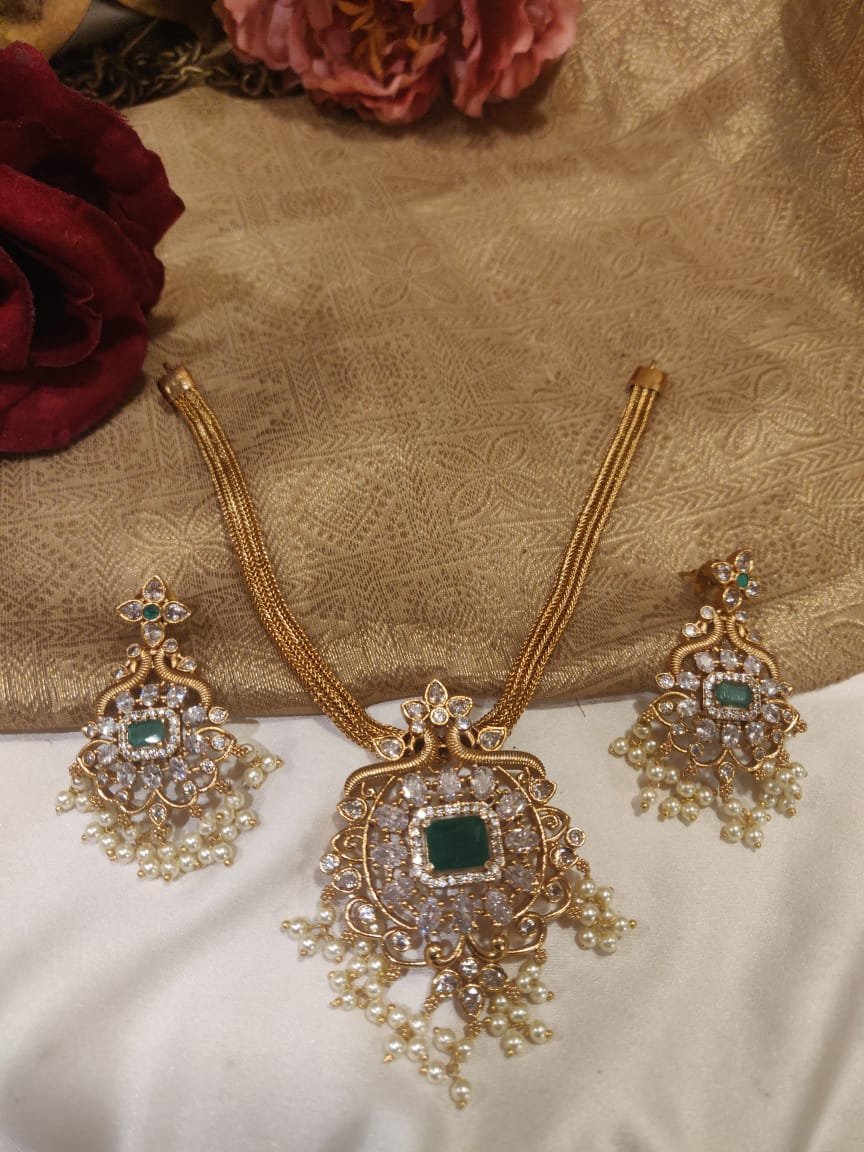
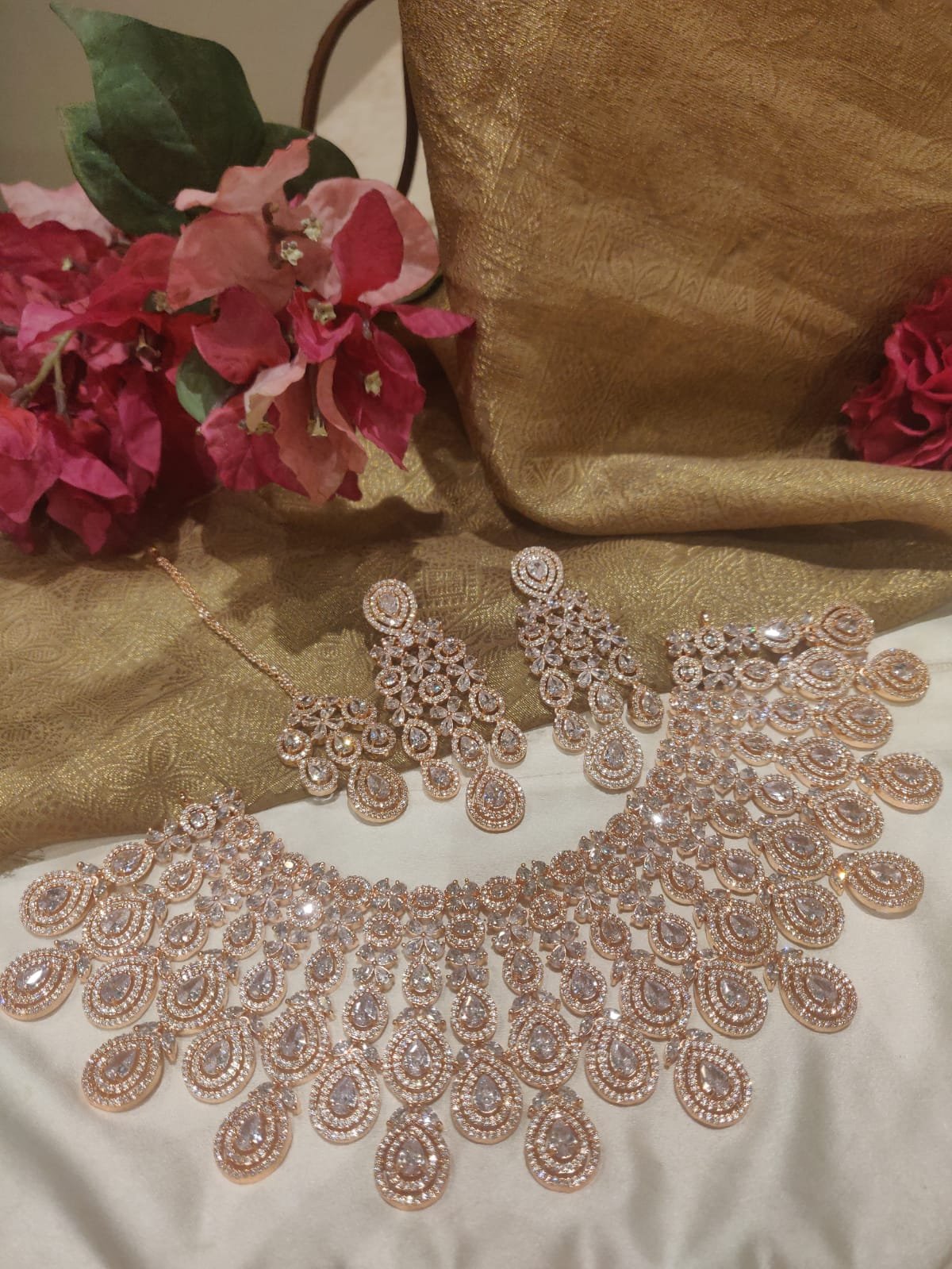
AD stone jewellery in rhodium or polished gold-tone setting. Contemporary fashion jewellery with clean lines. Statement earrings that move well with the fabric's own drape. The jewellery here can be more fashion-forward and less traditionally structured than with silk or cotton.
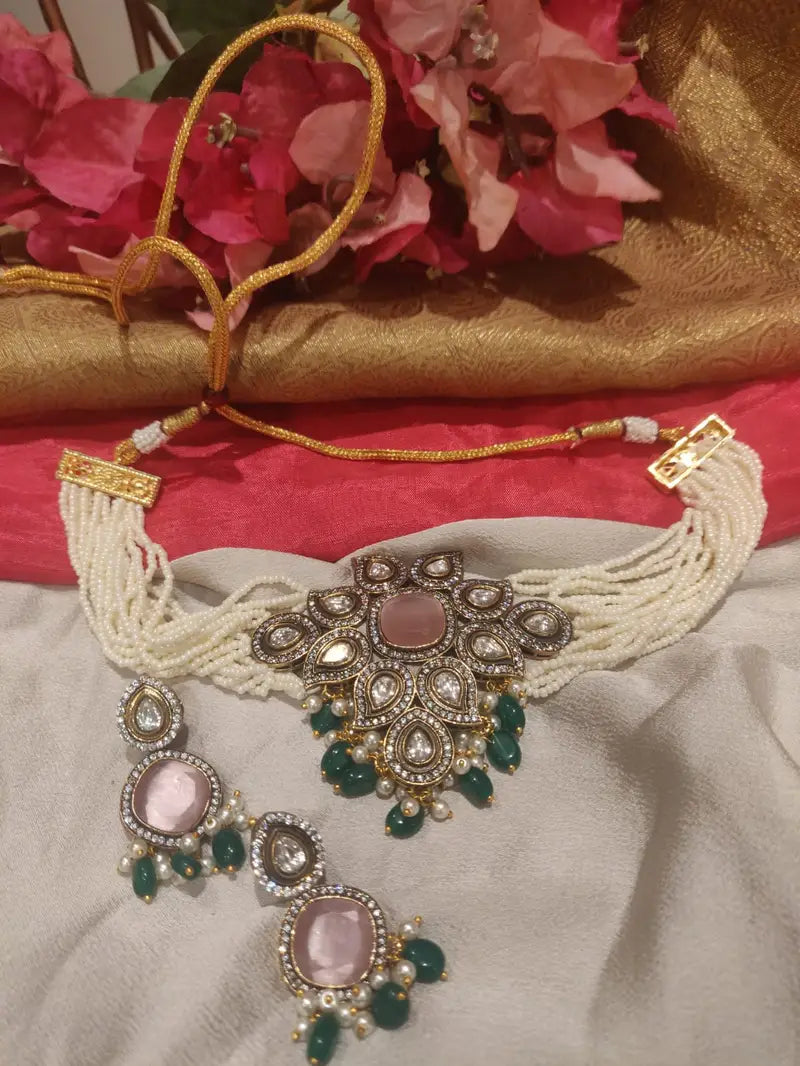
Necklace choices: A statement pendant necklace in AD stone or kundan setting at princess length (17 to 19 inches) works well with the lighter fabric drape. A choker in a contemporary style creates a sharp contrast with the fluid movement of chiffon or georgette. For heavily embellished georgette, keep the necklace simpler and let the earrings be the statement piece.
Earrings: Long chandelier earrings in an AD stone setting work particularly well with chiffon because the earring movement echoes the fabric's movement. Drop earrings in kundan or meenakari setting add colour interest.
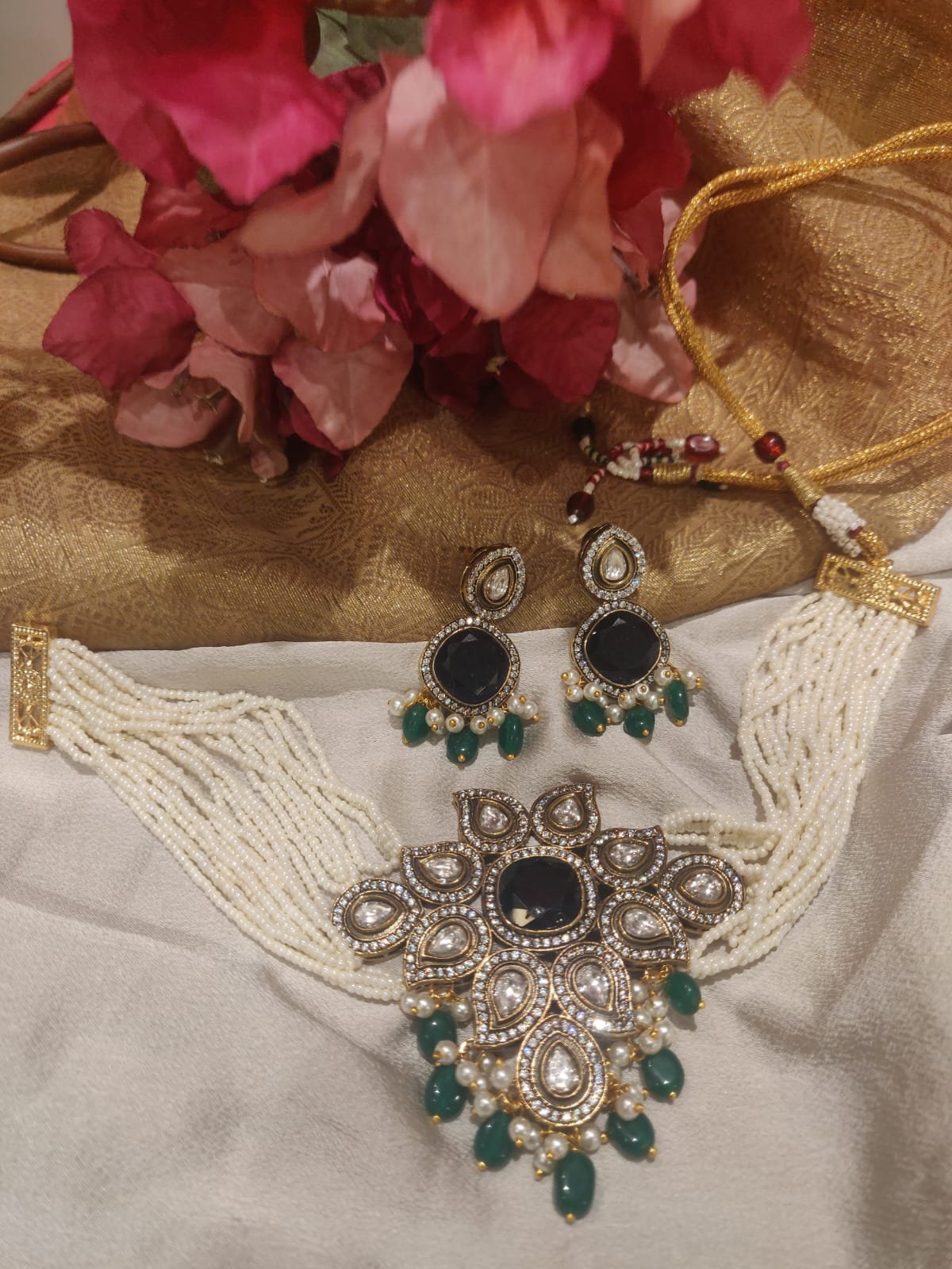
The kundan jewelry range includes pieces that work particularly well with semi-formal occasion sarees.
Net and Embellished Sarees: Weddings and Formal Events
Net sarees with heavy embroidery or sequin work are formal occasion pieces. They are typically worn as wedding guests, at receptions, or for high-fashion events.
What works:
The net fabric itself is light, but the embellishment is heavy. Match the jewellery to the embellishment level rather than to the fabric weight. For a heavily embellished net saree, a single strong piece works better than multiple competing statement pieces.
Necklace choices: If the saree blouse is heavily embellished at the neckline, skip the necklace entirely and focus on statement earrings. If the blouse is simpler, a choker or short necklace in AD stone or kundan setting sits well without competing with the saree embroidery.
Earrings: This is where the jewellery should lead with a net saree. Long AD chandelier earrings or kundan chandbalis work well. The earpiece is the primary jewellery statement; everything else supports it.
What to avoid: Heavy traditional temple jewellery sets with western-influenced embellished net sarees. The design traditions conflict visually.
Matching Jewellery to Blouse Necklines: The Practical Matrix
The blouse neckline determines the necklace more than any other factor.
Deep V-neck blouse: A choker at 14 to 16 inches sits above the V opening and creates a structured counter-balance. A pendant necklace at princess length falls within the V opening visually.
Round neck blouse: A short necklace set or a multi-strand choker sits inside the round neckline cleanly. A pendant necklace at matinee length falls below the neckline.
Boat neck (bateau) blouse: Statement earrings are the primary jewellery choice here. The wide horizontal neckline competes with necklaces. If wearing a necklace, choose a very minimal chain that sits within the neckline rather than at the neckline.
Halter neck or off-shoulder blouse: A choker at the throat is the classic pairing. The exposed shoulder line makes this one of the best contexts for collar-style statement chokers.
High neck or mandarin collar blouse: No necklace. Statement earrings and a maang tikka are the appropriate jewellery choices with a high-neck blouse.
For bridal saree jewellery specifically, the bridal collections range includes full coordinated sets suited to wedding ceremony sarees.
Occasion-Specific Quick Reference
Office saree: Thin chain necklace or a minimal pendant. Small classic jhumkas or studs. Keep it professional and understated.
Puja and religious occasions: Antique gold-tone sets in traditional styles. Temple jewellery is particularly appropriate. Avoid overly contemporary or western-influenced jewellery in religious settings.
Reception as a guest: Statement earrings or a choker necklace in an AD or kundan setting. Let one piece lead and keep others minimal.
Festival (Diwali, Navratri): Colourful meenakari or kemp jewellery that matches or complements the festive colour palette. This is the occasion for more is more.
The artificial jewellery collection covers all these occasion categories across multiple design traditions and price points.
Frequently Asked Questions
Q1. What jewellery works with a plain silk saree in a single colour?
A plain silk saree is the ideal canvas for a statement necklace set because the jewellery has no embellishment to compete with. A structured antique gold choker with heavy stone work or a full temple jewellery set works particularly well on a plain Kanjivaram or Mysore silk.
Q2. Can I wear contemporary fashion jewellery with a traditional Banarasi saree?
Minimalist or contemporary jewellery tends to get visually lost against a rich Banarasi. Traditional gold-tone, kundan, or temple jewellery in a design register that matches the Banarasi's formality is a more balanced choice.
Q3. Should my jewellery match the saree border or the main body colour?
Neither rule is absolute. Matching the stone colour to the border creates visual continuity. Choosing jewellery that contrasts with both the border and body colour makes the jewellery itself the standout element. The approach depends on whether you want the jewellery or the saree to lead the look.
Q4. How many jewellery pieces should I wear with a saree?
For a fully dressed traditional look (wedding or ceremony), necklace, earrings, bangles, and maang tikka are a complete set. For a semi-formal occasion, a necklace and earrings or earrings alone are appropriate. The key principle is that every piece you add should contribute to the look, not just fill space.
Q5. What is the best fashion jewellery choice for a first-time saree wearer?
A simple antique gold-tone jhumka earring and a single coordinated necklace at princess length. Keep the jewellery traditional in tone, moderate in scale, and coordinated between the two pieces. This is the most forgiving and versatile combination for someone still finding their saree styling confidence.