


Earring Design for Females: The Ultimate Guide to Ergonomic Luxury, Metal Standards, and Face-Shape Engineering
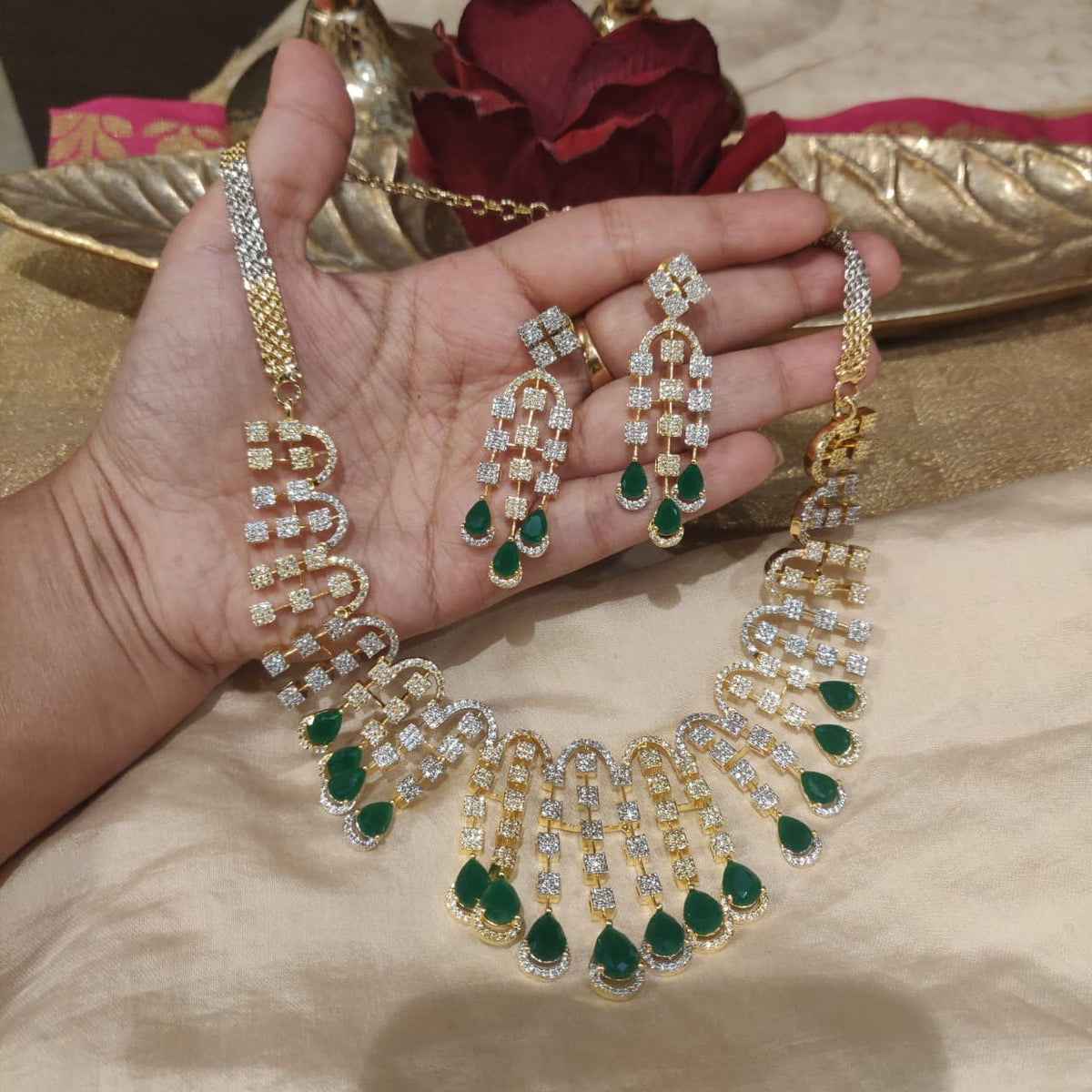
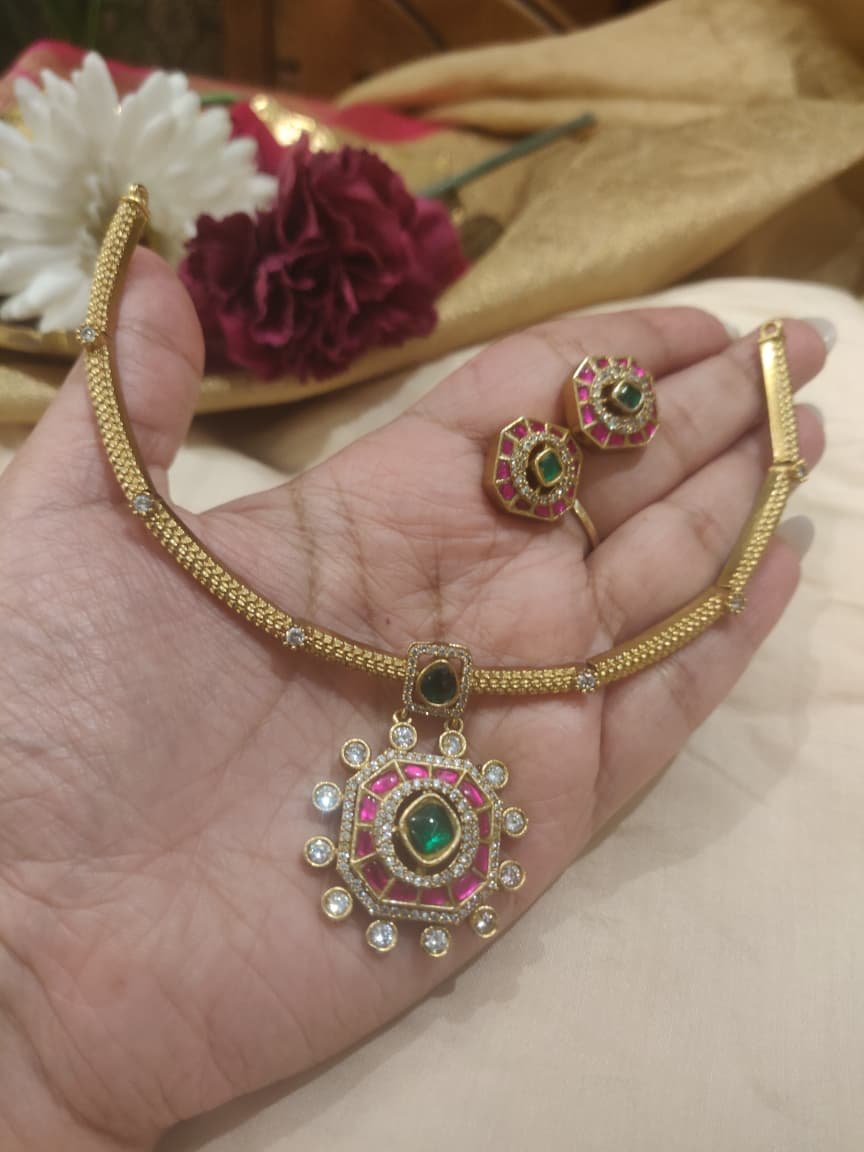
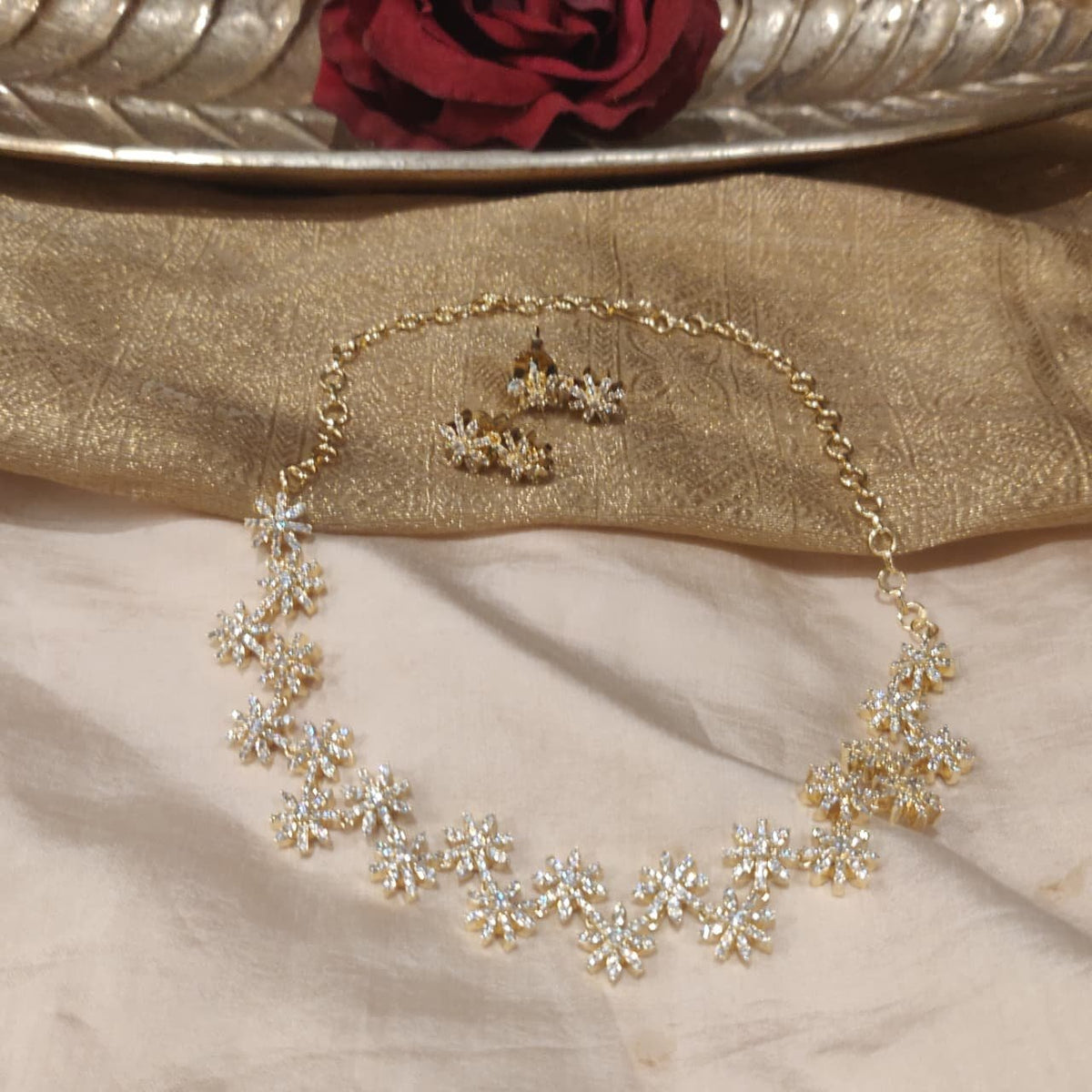
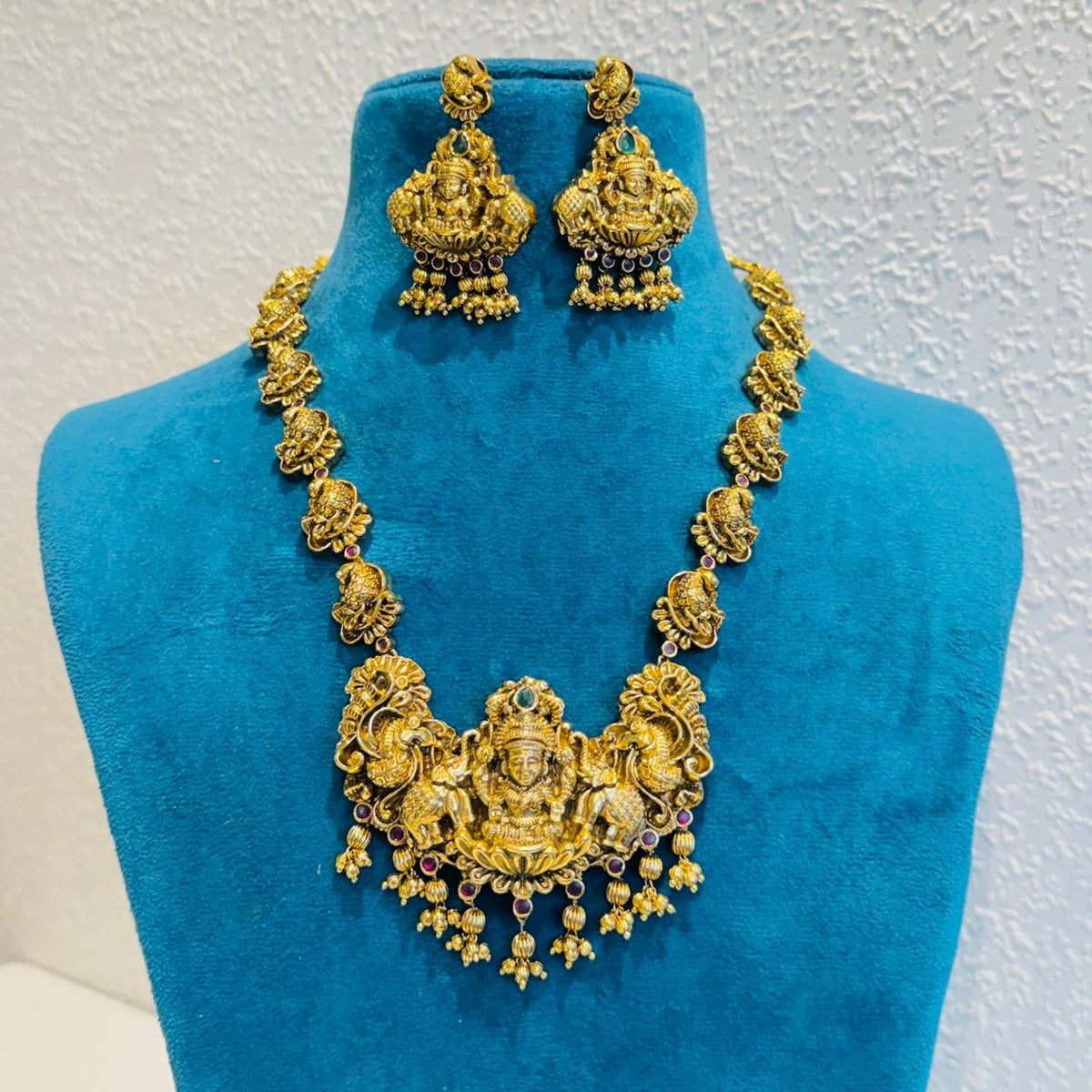
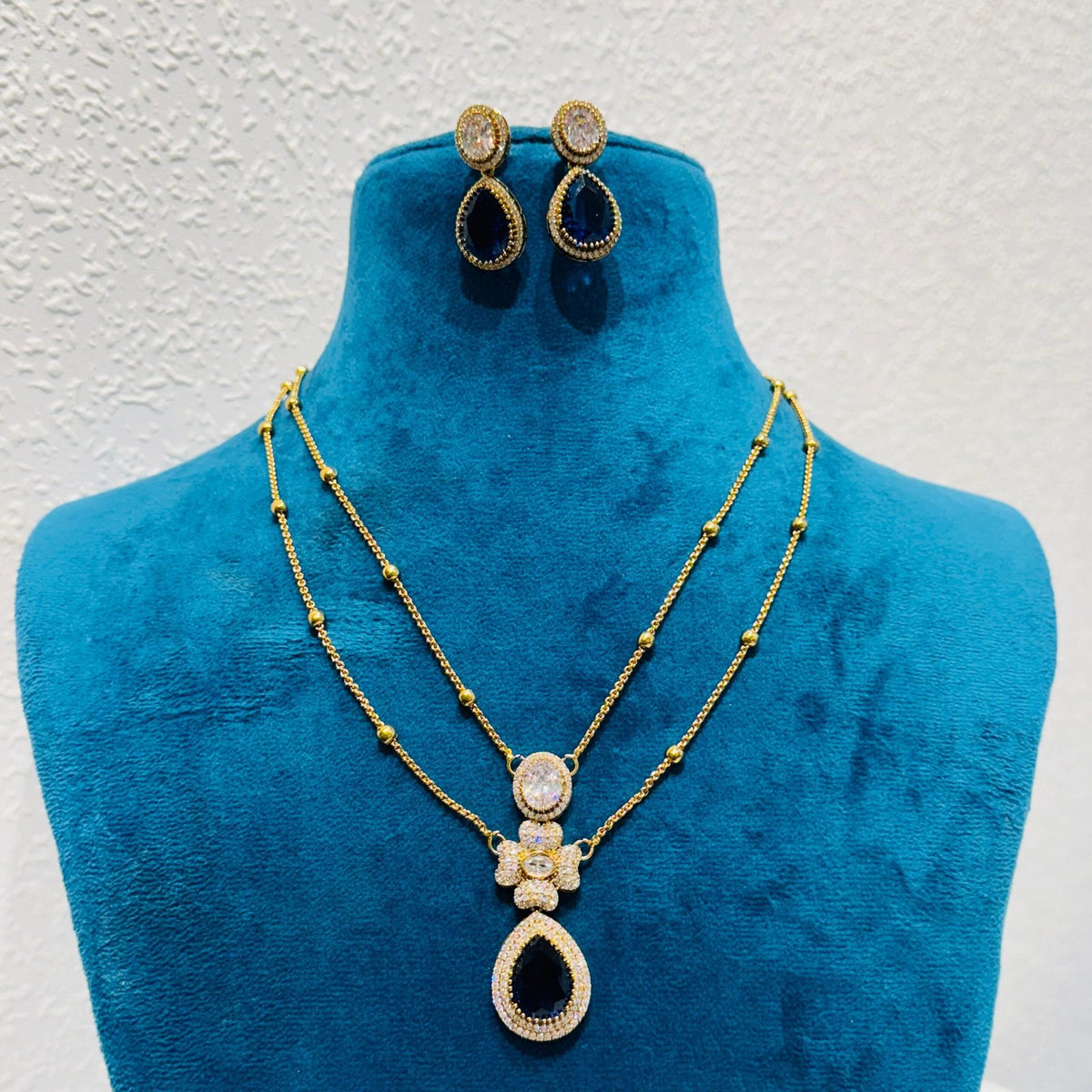
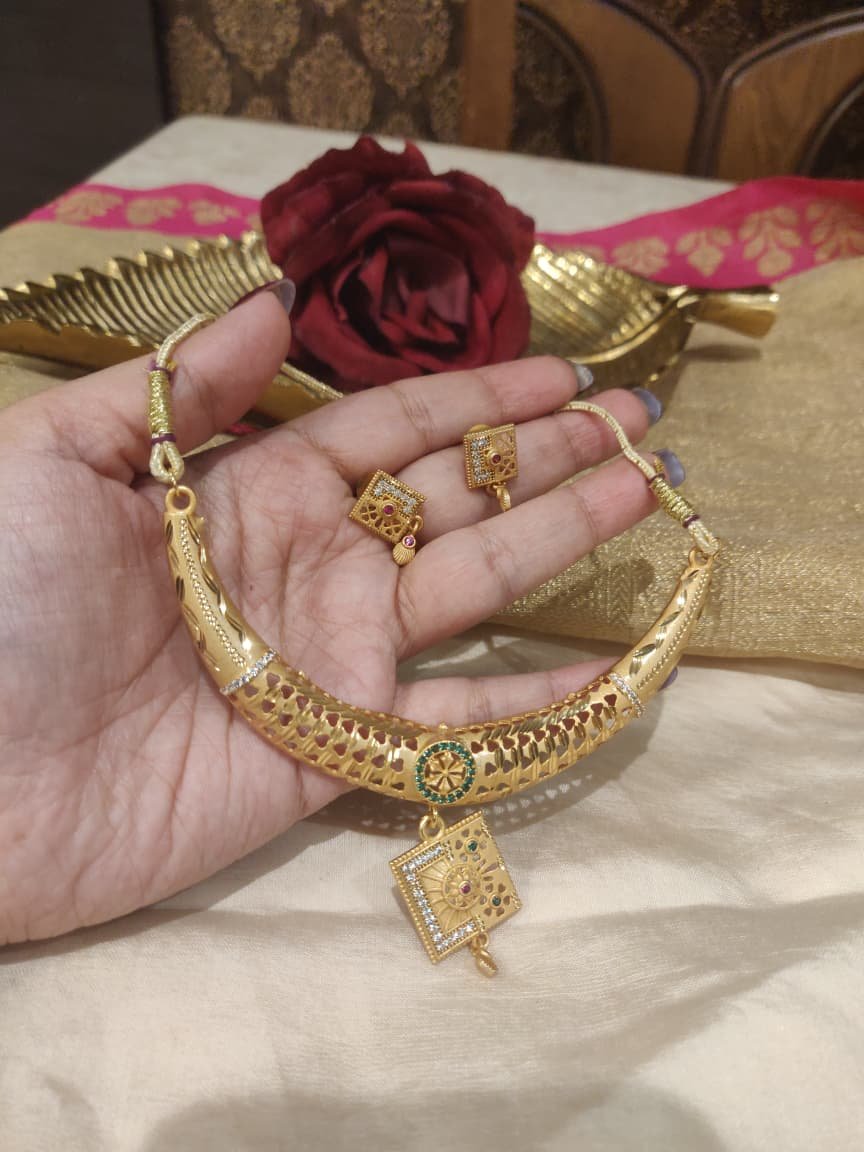
In modern jewellery design, selecting the perfect earring design for female clients requires balancing aesthetic grandeur with physical ergonomics. The contemporary shift toward mindful luxury has redefined how we select metals, weight distributions, and structural locks. This authoritative guide examines the mechanics of choosing high-performing, comfortable earrings that offer impeccable style without compromising long-term earlobe wellness. For more information, explore the fashion jewellery online.
Ergonomic Principles and Metal Standards in Modern Earring Craftsmanship
Metal Purities and Weight Ratios for Lobe Preservation
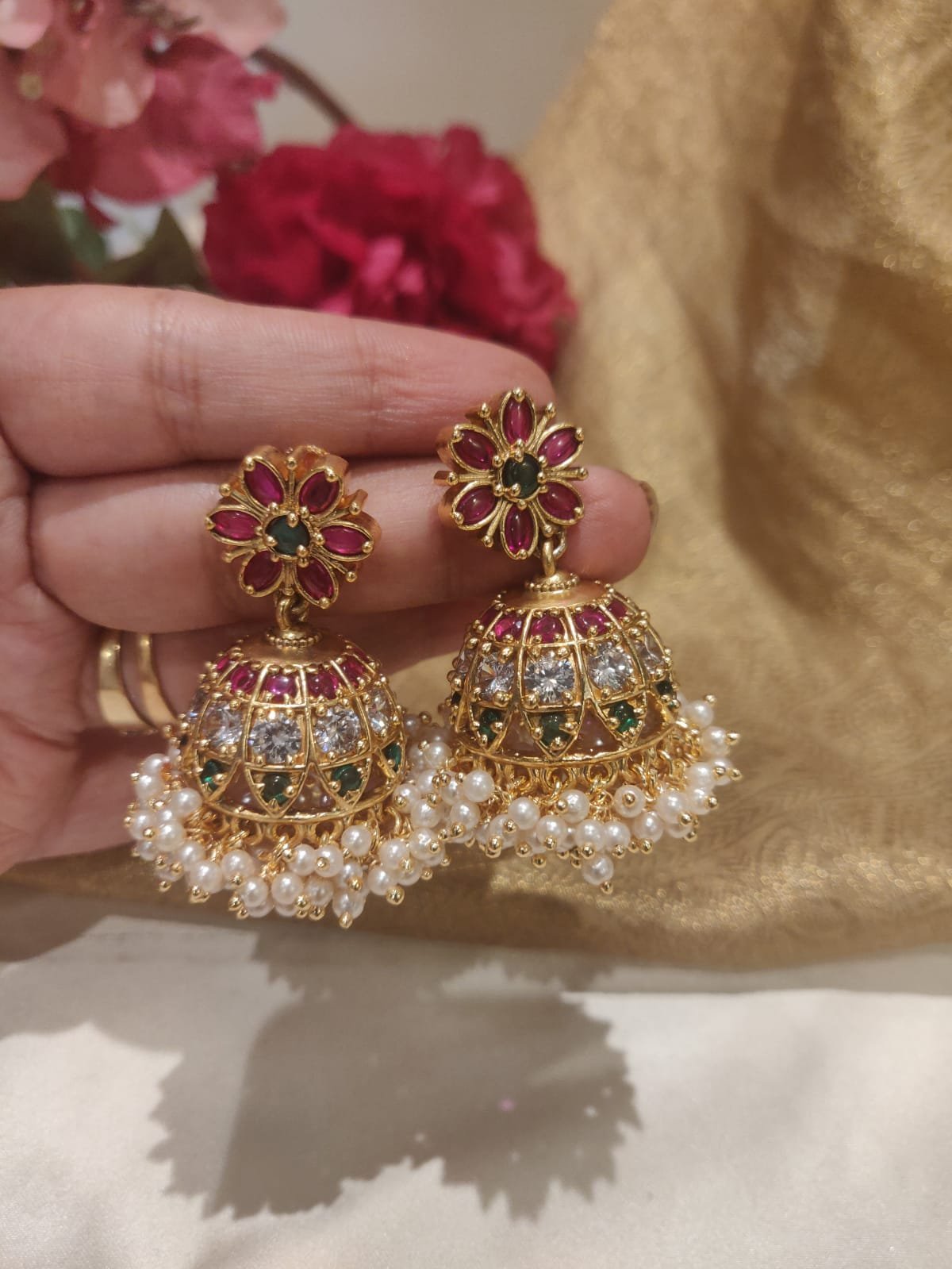
In physical jewellery practice, selecting the appropriate karat weight of gold is fundamental because higher purity alloys like 22kt gold are inherently more malleable and denser than their lower karat counterparts. Structural engineers in the jewellery industry often find that while 22kt gold offers unmatched cultural prestige, 18kt and 14kt gold alloys provide superior tensile strength necessary for secure, intricate stone settings. To prevent permanent earlobe elongation or tearing, modern lightweight designs limit daily-wear single earrings to under five grams while distributing heavier statement weights across reinforced backings. Traditional gold bangle designs follow similar weight-distribution principles to ensure comfort during extended wear.
Hypoallergenic Alloys and Skin Compatibility Metrics
Contact dermatitis triggered by nickel content remains a widespread clinical concern, which makes the rigorous verification of hypoallergenic alloys crucial for everyday female earrings. Premium manufacturers utilize platinum 950 or nickel-free palladium-based white gold to eliminate the irritation risks associated with standard alloyed yellow metals. For sensitive wearers, verifying a certified medical-grade titanium or sterling silver substrate ensures high biocompatibility and longevity during extended periods of continuous wear.
|
Metal Alloy |
Gold Purity Percentage |
Density (g/cm³) |
Vickers Hardness |
Hypoallergenic Rating |
Primary Application |
|
22kt Yellow Gold |
91.6% |
15.6 |
70 to 80 HV |
Excellent |
Traditional Jhumkas & Heritage Bridal Wear |
|
18kt Yellow Gold |
75.0% |
15.2 |
120 to 150 HV |
Very Good |
Premium Diamond Studs & Modern Drops |
|
14kt Yellow Gold |
58.3% |
13.1 |
140 to 165 HV |
Good |
Daily Wear & High-Stress Settings |
|
950 Platinum |
95.0% Pure Platinum |
21.4 |
110 to 130 HV |
Outstanding |
Intricate Solitaire Settings |
|
925 Sterling Silver |
92.5% Pure Silver |
10.3 |
75 to 90 HV |
Moderate |
Contemporary Budget Fashion Earring Design |
Structural Classifications and Locking Mechanisms
Primary Mechanical Designs in Contemporary Settings
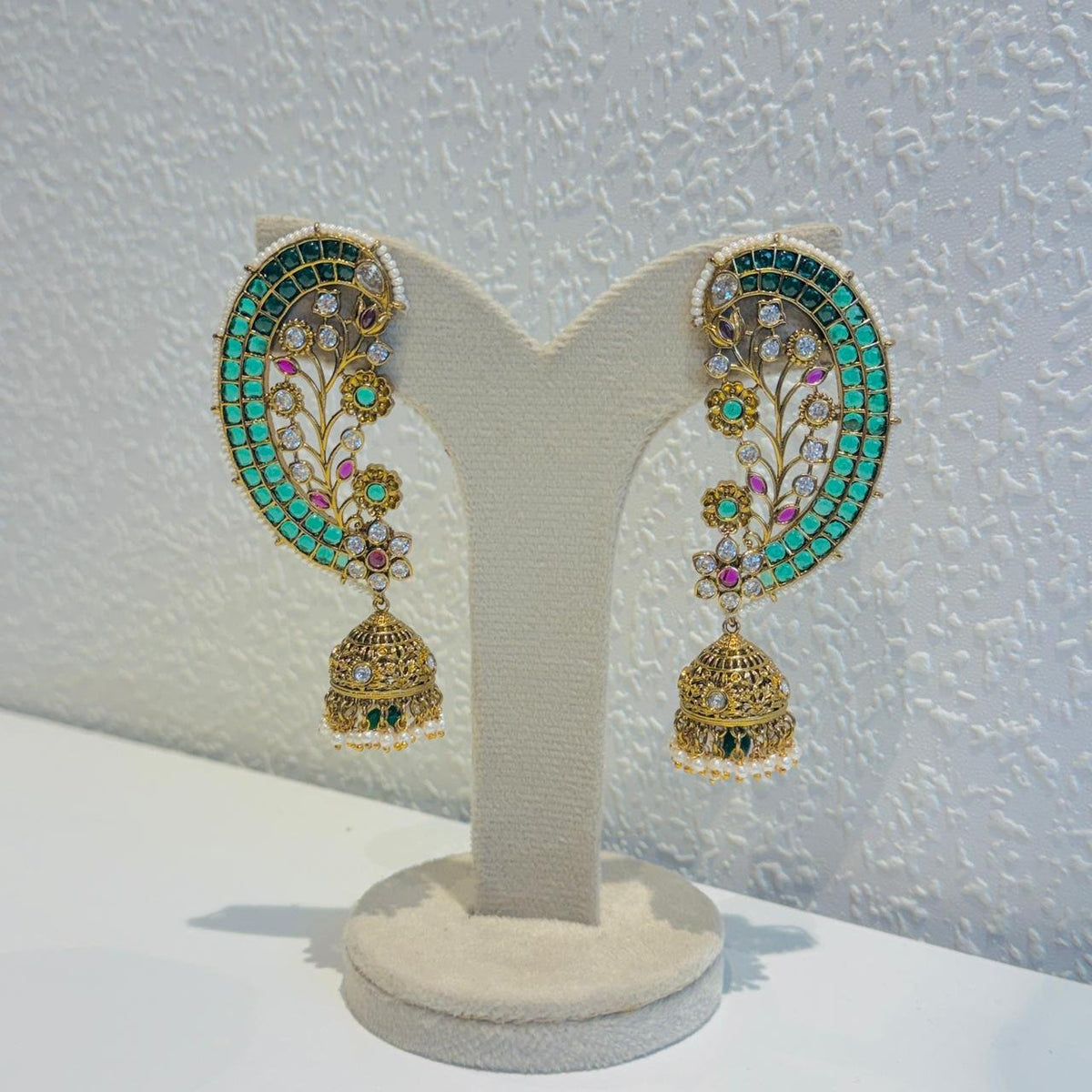
Modern earring design for female consumers encompasses a diverse mechanical taxonomy ranging from classic studs and hugging hoops to elegant linear threaders. In practice, studs remain the industry foundation for ergonomics because they position the centre of gravity directly over the piercing channel, minimizing torque. Conversely, dangle designs and traditional chandeliers extend the length of the lever arm, which dramatically amplifies the mechanical force experienced by the lobe. Shoppers exploring fancy artificial jewellery will find these structural principles applied across a wide range of lightweight contemporary styles.
-
Daily studs should keep under 3 grams total per pair for health.
-
Lever-back closures provide consistent spring tension to secure active styles. For more information, explore the Traditional gold bangle designs.
-
Sui dhaga or threader styles eliminate heavy metal backing weights.
-
Hollowed-out gold casting techniques reduce total weight in chunky hoop shapes.
-
Comfort discs prevent heavier earrings from tilting downward on the lobe.
Security Profiles for Active Wear and Daily Use
The integrity of an earring's backing system is paramount to preventing accidental loss, particularly when working with high-value diamond or solid gold compositions. While convenient friction push-backs are adequate for lightweight ornaments, high-security screw-backs or threaded posts are technically superior for securing precious gemstones. For larger dangling formats, wide-faced plastic clutches or stabilizer discs help distribute the weight across a broader surface area behind the earlobe.
|
Locking System |
Security Level |
Earlobe Weight Capacity |
Mechanical Lifespan |
Best Use Case |
|
Friction Push-Back |
Medium |
Up to 3 Grams |
Moderate (requires tension adjustment) |
Minimalist Studs & Lightweight Casuals |
|
Threaded Screw-Back |
High |
Up to 8 Grams |
Long-Lasting (highly secure) |
High-Value Solitaires & Diamond Accents |
|
English Latch-Back |
Very High |
Up to 12 Grams |
Excellent (hinged mechanism) |
Heavy Huggies & Mid-Weight Drops |
|
Lever-Back Hook |
High |
Up to 6 Grams |
Reliable (spring-loaded clip) |
Precious Stone Chandelier Designs |
Face Geometry and Aesthetic Harmonization
Proportional Calibration for Diverse Bone Structures
Field use commonly shows that selecting an earring design for female patrons is a precise art of balancing facial geometry and visual weight. For instance, individuals with round facial contours benefit from elongated drop earrings or linear bars that create an illusion of vertical length. Conversely, angular jawlines are softened by circular hoops or curved teardrop formats that introduce gentle geometry to contrast the bone structure.
-
Round faces require long drop designs to visually lengthen the jawline.
-
Square bone structures are softened by large circular hoops or oval dangles.
-
Heart-shaped faces harmonize perfectly with teardrop or triangular chandelier silhouettes.
-
Oval profiles enjoy universal compatibility with all structural earring shapes.
-
Diamond contours should avoid long dangles that taper near the chin.
Balancing Hairlines and Necklines with Earring Scale
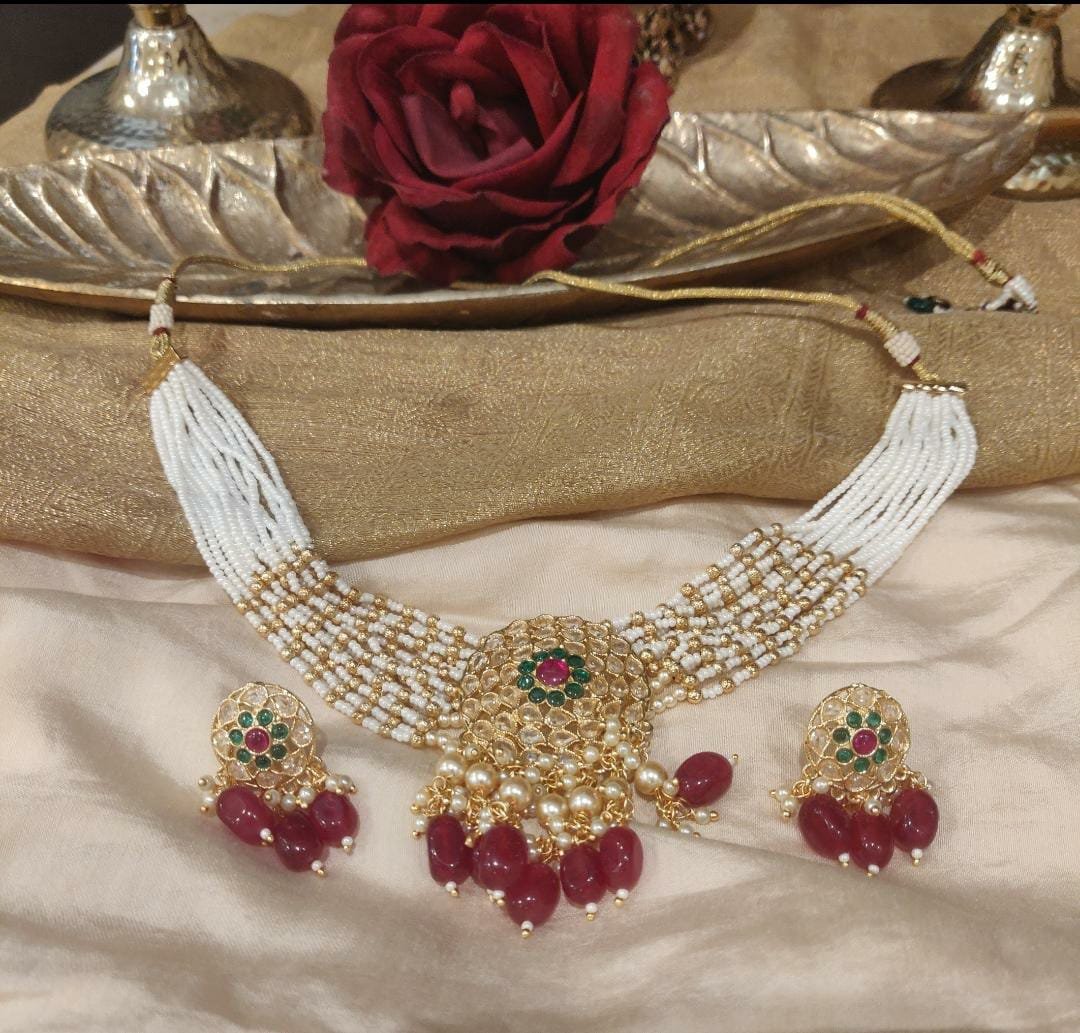
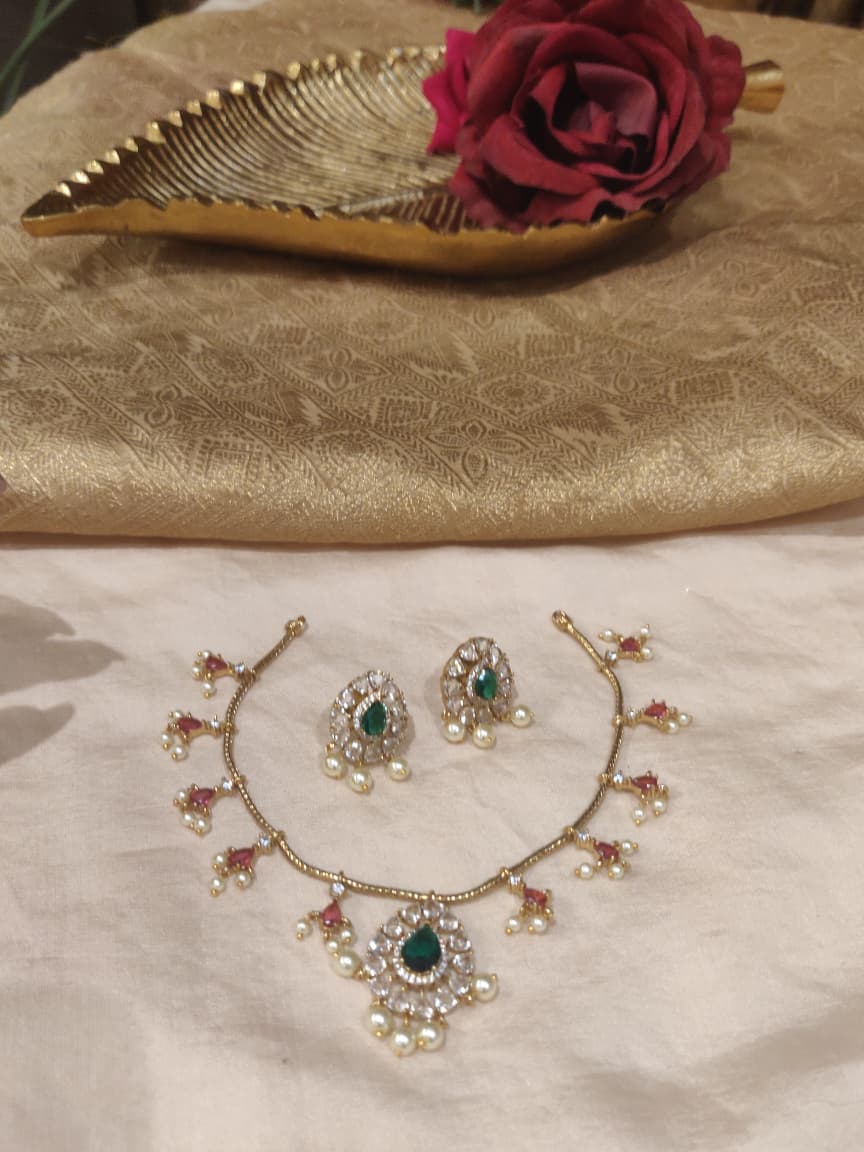
The interaction between jewellery scale, hairstyle, and outfit necklines plays a defining role in how the earring silhouette is perceived. Updo hairstyles expose the jawline, allowing intricate ear cuffs or delicate jhumkas to command visual attention without competing with hair strands. Deep V-neck collars pair seamlessly with medium-length dangles, whereas high necklines are best styled with substantial studs or broad, hugging hoops. A classic pearl necklace and earring set exemplifies how coordinated scale between neckline jewellery and earrings creates a polished, unified look.
Commercial Quality Evaluation and Care Protocols
Inspection Criteria for Premium Jewellery Procurement
-
Verify the purity hallmark stamp on the post or scroll back first.
-
Check the hinge tension of huggie designs to ensure secure closing clicks.
-
Inspect all stone prongs under a jeweller's loupe for precise alignment.
-
Measure the post diameter and length against standardized earlobe thickness guides.
-
Perform a gentle pull test on dangling elements to verify solder integrity.
Scientific Preservation and Cleaning Methods
Over time, skin oils, cosmetics, and atmospheric sulfur accumulate on gold surfaces, dulling the metal's natural lustre and tarnishing alloys. Professional maintenance requires weekly soaking in a solution of mild surfactant and warm distilled water followed by a gentle brush. Emporiajewels recommends storing individual pairs in separate suede pouches to prevent scratch contact between diamonds and softer gold finishes. Collectors seeking designer jewellery online should prioritize pieces that come with care instructions to maintain their finish long-term.
Frequently Asked Questions
What is the most secure backing for daily-wear earrings?
The threaded screw-back mechanism provides the highest level of security for daily wear by preventing accidental slip-offs.
How can I prevent my earlobes from stretching due to heavy designs?
You can prevent stretching by wearing lightweight hollow-cast gold designs and utilizing wide plastic stabilizer clutches behind the lobe.
Which gold purity is ideal for sensitive ears?
An 18kt gold alloy or platinum is ideal for sensitive skin due to its minimal nickel or zinc content.
How often should gold earrings be cleaned?
You should clean your daily earrings once a week using warm distilled water and mild liquid soap.
What is the standard post length for comfortable earring wear?
The standard post length is usually between 9.5 and 11 millimeters to accommodate normal lobe thickness without pinching.