

Fashion Jewellery: A Scientist-Grade Guide to Materials, Lifespan, and Style in 2026
Navigating the modern landscape of fashion jewellery requires understanding the science behind modern metallurgy and protective finishes. In 2026, building a durable, elegant collection relies on selecting high-grade materials and choosing pieces that actively resist tarnishing. This expert guide breaks down industry standards and offers clear, actionable strategies to help you purchase with confidence. For more information, explore the Traditional gold bangle designs.
Decoding Fashion Jewellery Metallurgy and Base Metals
Brass and Copper vs. Low-Grade Zinc Alloys
Choosing beautiful fashion accessories starts with checking the metal base instead of looking only at its surface shine. In practice, good jewellery brass and pure refined copper offer great durability and a heavy feel that lets the pieces drape naturally on your body. Conversely, cheap zinc alloys react quickly with moisture, turning your skin green and weakening your jewellery over time.
|
Base Metal Type |
Typical Lifespan |
Skin Reaction Risk |
Primary Material Characteristics |
Ideal Occasion Wear |
|
Premium Brass |
2 to 4 years |
Extremely Low |
Highly malleable and provides a heavy weight. |
Formal gatherings and statements. |
|
Pure Copper |
1 to 3 years |
Low to Moderate |
Offers rich undertones and excellent tensile strength. |
Casual vintage and boho styles. |
|
Surgical Stainless Steel |
5 or more years |
None |
Resists structural damage and is naturally corrosion-proof. |
Daily active and athletic wear. |
|
Zinc Alloy |
2 to 6 weeks |
High |
Corrodes rapidly under humid conditions. |
Single-use party events. |
Surgical Stainless Steel (SS316L) as the Modern Benchmark
For active wearers who want daily durability, surgical-grade stainless steel represents the ultimate modern material choice. This stable alloy blends chromium and molybdenum to form a thin barrier that shields the core metal from sweat and wet conditions. Selecting steel accessories ensures your daily favourites keep their shape and resist scratches even during busy workouts.
-
It is completely hypoallergenic and entirely free of hazardous nickel or lead stabilizers.
-
The ultra-dense steel alloy naturally resists deep surface scratches and physical impact deformation.
-
It does not undergo oxidation or require frequent chemical cleaning to retain brilliant shine.
Advanced Plating Technologies and Anti-Tarnish Shields
Understanding Gold Micron Thickness and PVD Coatings
The lifetime of gold fashion jewellery depends on the plating thickness and the chemical bonding method used to attach it. Cheap gold flash plating wears away in weeks because the gold coat is very thin. To solve this, quality brands use Physical Vapour Deposition to bond real gold directly to the metal core in a vacuum chamber. Shoppers exploring fashion jewellery online should always verify PVD or micron plating details before purchasing.
|
Plating Method |
Standard Thickness |
Estimated Wear Time |
Optimal Cleaning Method |
Corrosion Resistance |
|
Flash Gold Plating |
0.1 to 0.3 microns |
2 to 6 weeks |
Dry microfibre cloth only. |
Minimal resistance to sweat. |
|
Micron Gold Plating |
1.0 to 3.0 microns |
1 to 3 years |
Mild soapy water. |
High resistance to humidity. |
|
PVD Gold Coating |
3.0 or more microns |
3 to 5 years |
Warm water wipe. |
Exceptional resistance to wear. |
Rhodium Plating and Anti-Oxidation Seals
For silver accessories, an ultra-thin coat of real rhodium provides a great defence against tarnish and air wear. Rhodium is a rare metal that gives a bright shine while completely sealing the base metal away from sweat and humidity. Choosing pieces with this rhodium layer means your jewelry stays bright without the need for constant polishing.
Professional Selection Protocols for Discerning Collectors
Identifying Hypoallergenic Alloys and Avoiding Nickel Contact Dermatitis
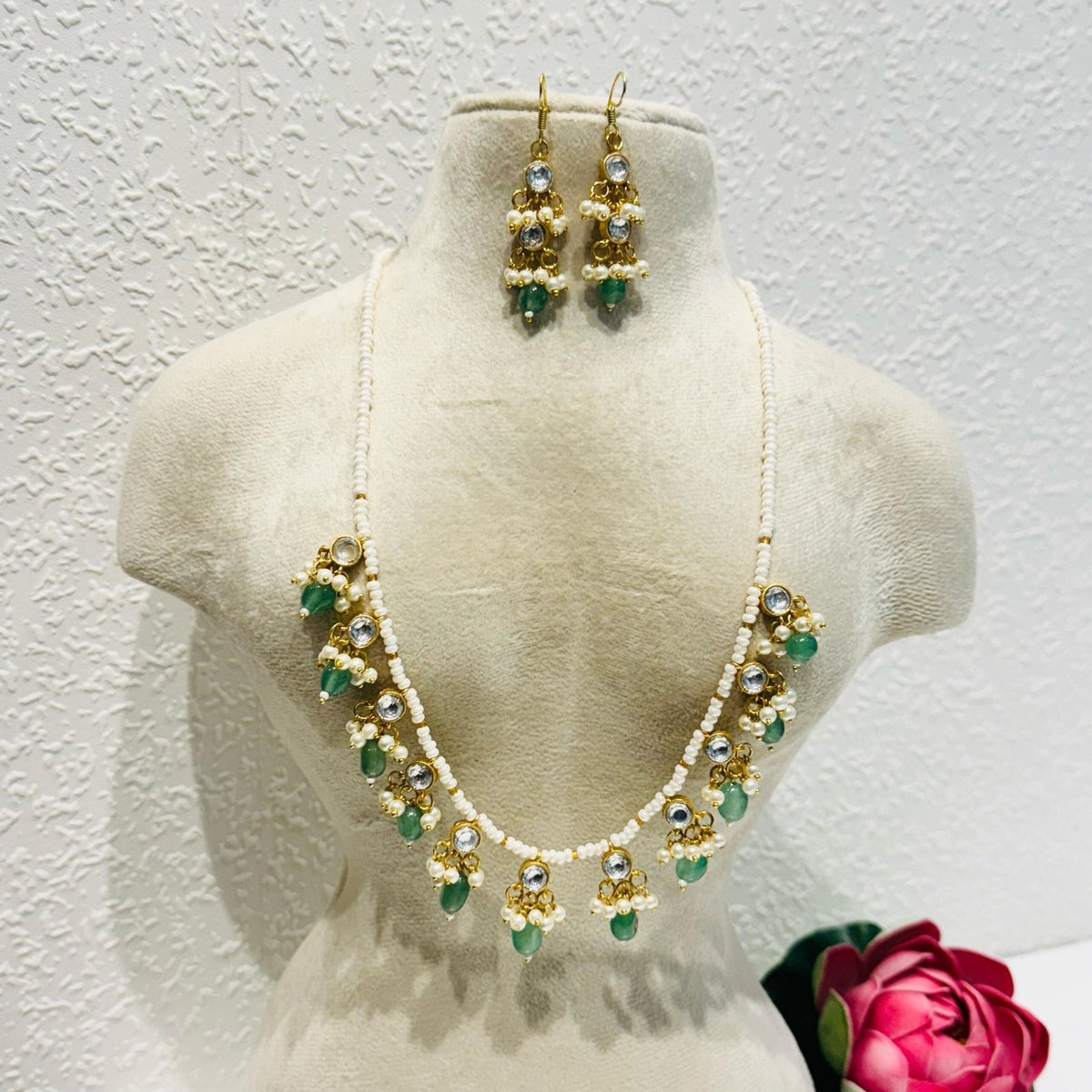
Protecting your sensitive skin from red marks requires a careful look at the materials used in your accessories. Nickel is the main cause of skin allergies, so you must always search for nickel-safe labels before you buy. Real field tests show that checking the base metals and clean coatings will prevent skin pain and keep you comfortable all day. A well-crafted pearl necklace and earring set from a reputable brand will clearly state its hypoallergenic credentials.
-
Examine online specifications carefully for explicit statements confirming zero nickel or lead stabilizers.
-
Verify the manufacturer plating thickness details to ensure they meet standard micron regulations.
-
Check the accessory clasps, jump rings, and solder joints for signs of structural weakness.
-
Review independent customer feedback regarding long-term wear patterns and discolouration issues in hot climates.
Aligning Design Versatility with Practical Wardrobe Integration
Modern style planning focuses on choosing versatile pieces that transition easily from work hours to elegant dinners. Brands like Emporiajewels prioritize this clean balance by making beautiful designs using safe, solid metals and durable coatings. Buying versatile jewelry that goes well with many outfits increases both the wear time and the actual value of your wardrobe. Exploring fancy artificial jewellery options is an excellent way to build a flexible, stylish collection affordably.
Science-Backed Care Protocols for Prolonging Luster
Chemical Exposure Avoidance and Moisture Barriers
Keeping your jewellery collection looking new requires keeping your pieces away from harsh everyday chemicals. Normal house soaps, body perfumes, and makeup lotions contain agents that quickly destroy protective gold coatings. Putting on your makeup and perfume first and letting them dry completely before wearing your jewellery prevents quick wear. Traditional gold bangle designs are especially vulnerable to chemical exposure, so this step is critical for preserving their finish.
Structured Storage and Mechanical Friction Prevention
Good physical storage is just as vital as chemical care for keeping your fashion jewellery free from scratches. Storing your collection in airtight soft bags prevents wet air from rusting the metals and keeps items from rubbing together. Choosing a top brand like Emporiajewels ensures your pieces arrive in strong, custom packaging that serves as great long-term home storage. Those who invest in designer jewellery online should follow these storage steps to protect their investment.
-
Wrap each jewellery item individually in soft cloth pouches to prevent mutual surface scratching.
-
Incorporate active silica gel packets inside your main jewellery storage boxes to trap airborne moisture.
-
Wipe the surface gently with a completely dry microfiber cloth immediately after each wear.
-
Avoid wearing any plated accessories while bathing, showering, or swimming in chlorinated pools.
Educational Resource: Read our complete material compatibility guide to learn more about selecting the safest metals for sensitive skin.
Frequently Asked Questions
Does high-quality fashion jewellery contain skin-sensitizing metals like nickel?
Premium fashion accessories crafted from professional nickel-free brass or surgical-grade stainless steel are completely hypoallergenic and entirely safe for everyday wear on sensitive skin.
What is the main difference between gold flash plating and micron plating?
Flash plating applies an ultra-thin gold coat under one-half of a micron that wears off quickly, while micron plating provides a much thicker gold deposit for years of regular wear.
How often should I wipe down or clean my plated fashion jewellery?
You should clean your worn accessories with a dry microfiber cloth immediately after every wear to eliminate sweat, natural skin oils, and chemical product residue.
Can I safely wear my anti-tarnish fashion jewellery while showering or swimming?
It is highly recommended to remove all plated jewellery before showering or entering a swimming pool because chemical soaps, chlorine, and salt will quickly destroy the delicate protective coatings.
What is the most effective way to store jewellery to prevent tarnishing?
You should store each piece individually inside an airtight fabric-lined pouch with an active silica gel packet to protect the metals from ambient humidity and oxidation.
Why does some fashion jewellery turn the skin a green or black color?
Skin discoloration occurs when cheap copper or zinc alloys in low-grade jewelry react with acidic sweat and moisture to form copper carbonate or other dark surface salts.