

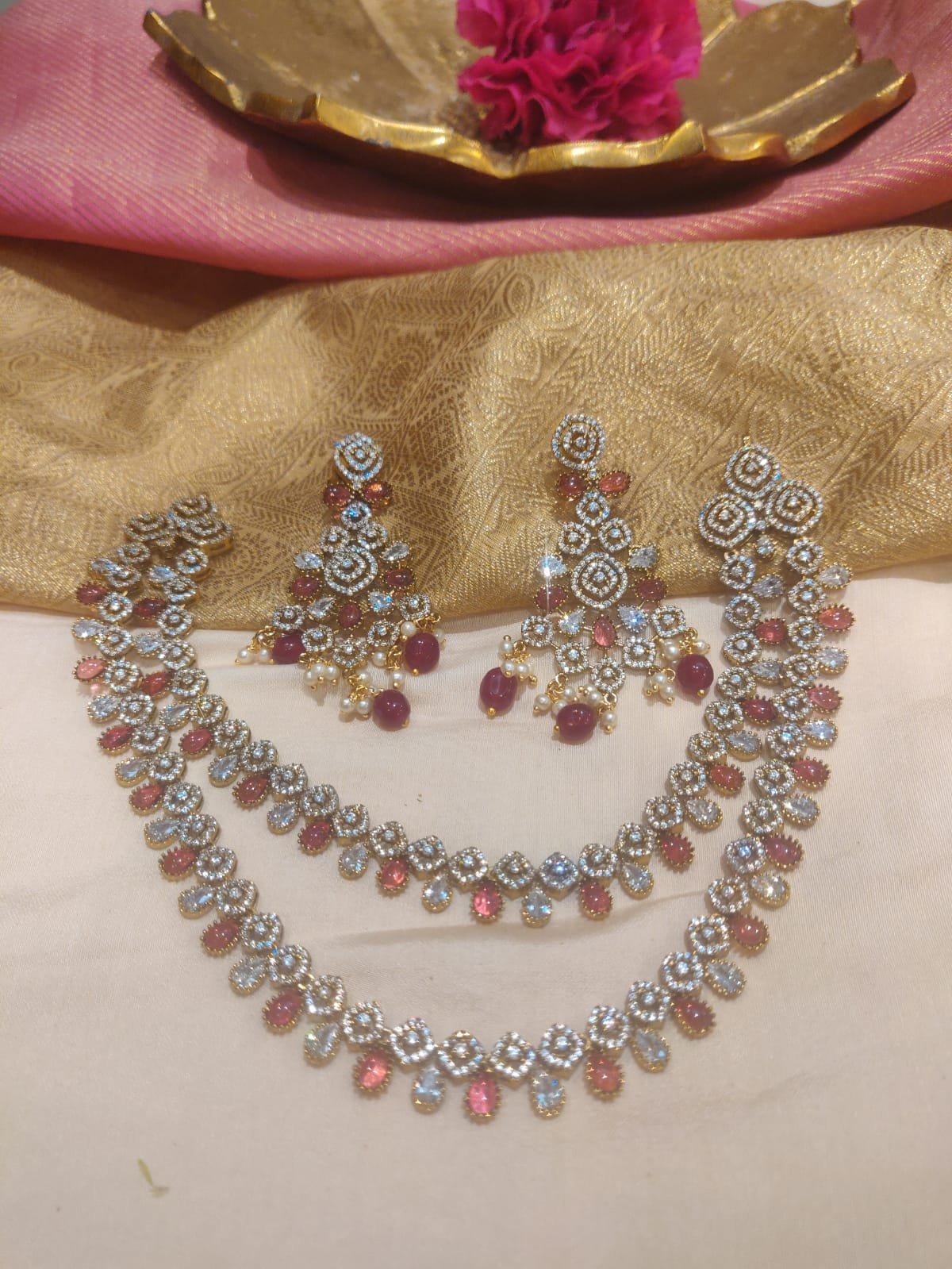
Which Is the Best Artificial Jewellery Brand in India? Here Is How to Actually Evaluate One
Searching for the best artificial jewellery brand in India quickly produces a list of names. What that search does not produce is a clear framework for evaluating what "best" actually means in this category. Best at what, exactly? Lowest price? Widest variety? Most consistent quality? Strongest social proof? Best shipping experience? The answer depends on what you are actually optimising for.
This guide does not make unverifiable claims about which brand is number one. What it does is lay out the criteria that separate a genuinely trustworthy artificial jewellery brand from one that merely has good marketing, and then walk through how Emporia Jewels performs against those criteria. You can apply the same framework to any brand you are considering
The Five Criteria That Actually Define a Good Artificial Jewellery Brand
- Design range and depth
A brand that offers fifty variations of the same necklace style is not the same as one with genuine variety across design traditions, occasion categories, and style registers. The best artificial jewellery brands in India have deep catalogues that cover:
- Traditional regional styles (South Indian, Rajasthani, North Indian bridal)
- Occasion-specific categories (bridal, festive, daily wear, office wear)
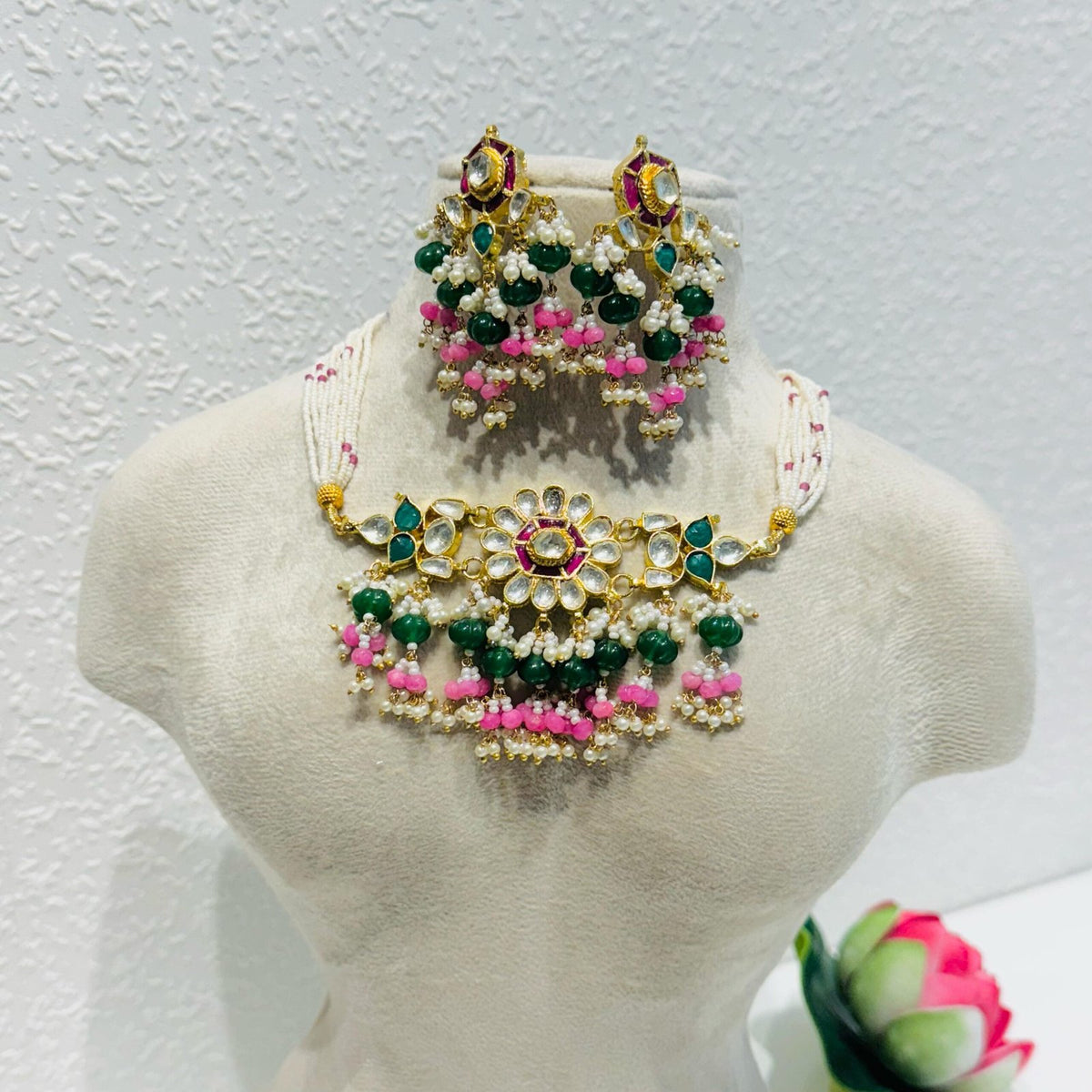
- Multiple design traditions (kundan, meenakari, temple, AD stone, oxidised)
- Lightweight contemporary options alongside heavier traditional pieces
Breadth without depth is not range. A brand should have multiple options within each category, not just a single representative piece.
- Material transparency
A trustworthy brand names its materials specifically in every product listing. Base metal type, plating finish, and stone type: all three should be stated clearly. "Gold-coloured metal with stones" is not a material description. It is an evasion. Brands that describe materials honestly are demonstrating that they stand behind what they sell.
- Quality consistency
This is the hardest criterion to evaluate from outside the brand, but customer reviews over time provide evidence. Look for patterns in reviews: do customers consistently mention that the finish matches the product images? Are there recurring complaints about specific quality issues? A brand's average review score across hundreds of products is more meaningful than the review score on any single listing.
- Customer experience infrastructure
COD availability, clear and fair return or exchange policies, responsive customer service, and reliable shipping are not luxury features. They are baseline requirements for a trustworthy online jewellery seller in India. The absence of any of these should prompt questions.
- Authentic social proof
A brand with one million Instagram followers built on genuine customer engagement is a different entity from one with inflated follower numbers and low engagement rates. Real social proof includes customers sharing unprompted photos of purchases, tagged posts showing pieces worn at actual occasions, and consistent positive commentary across platforms over time.
How Emporia Jewels Performs Against These Criteria
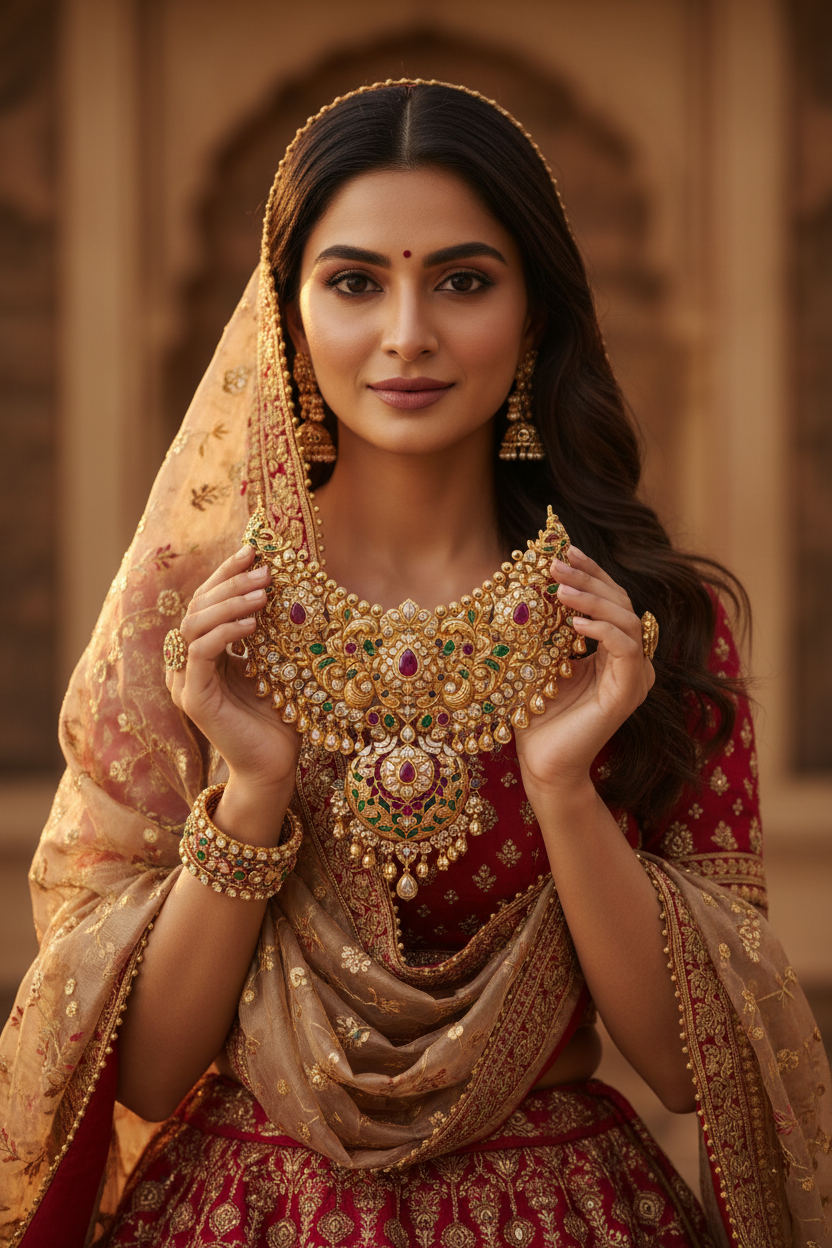
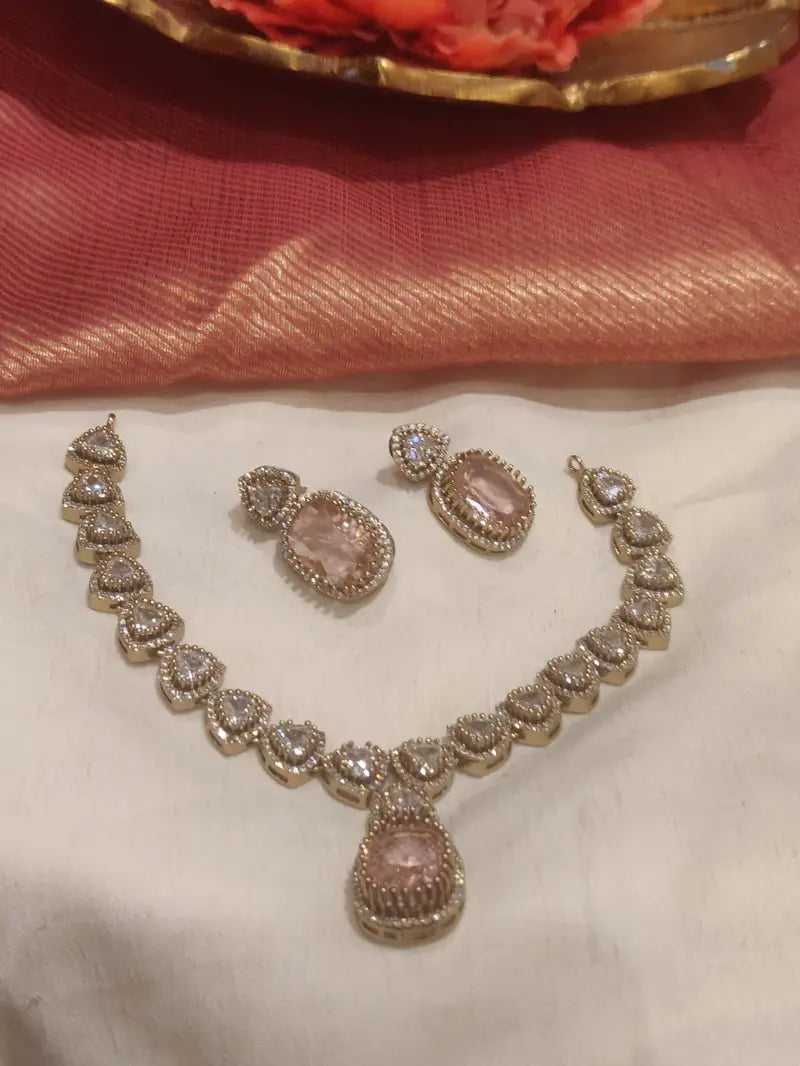
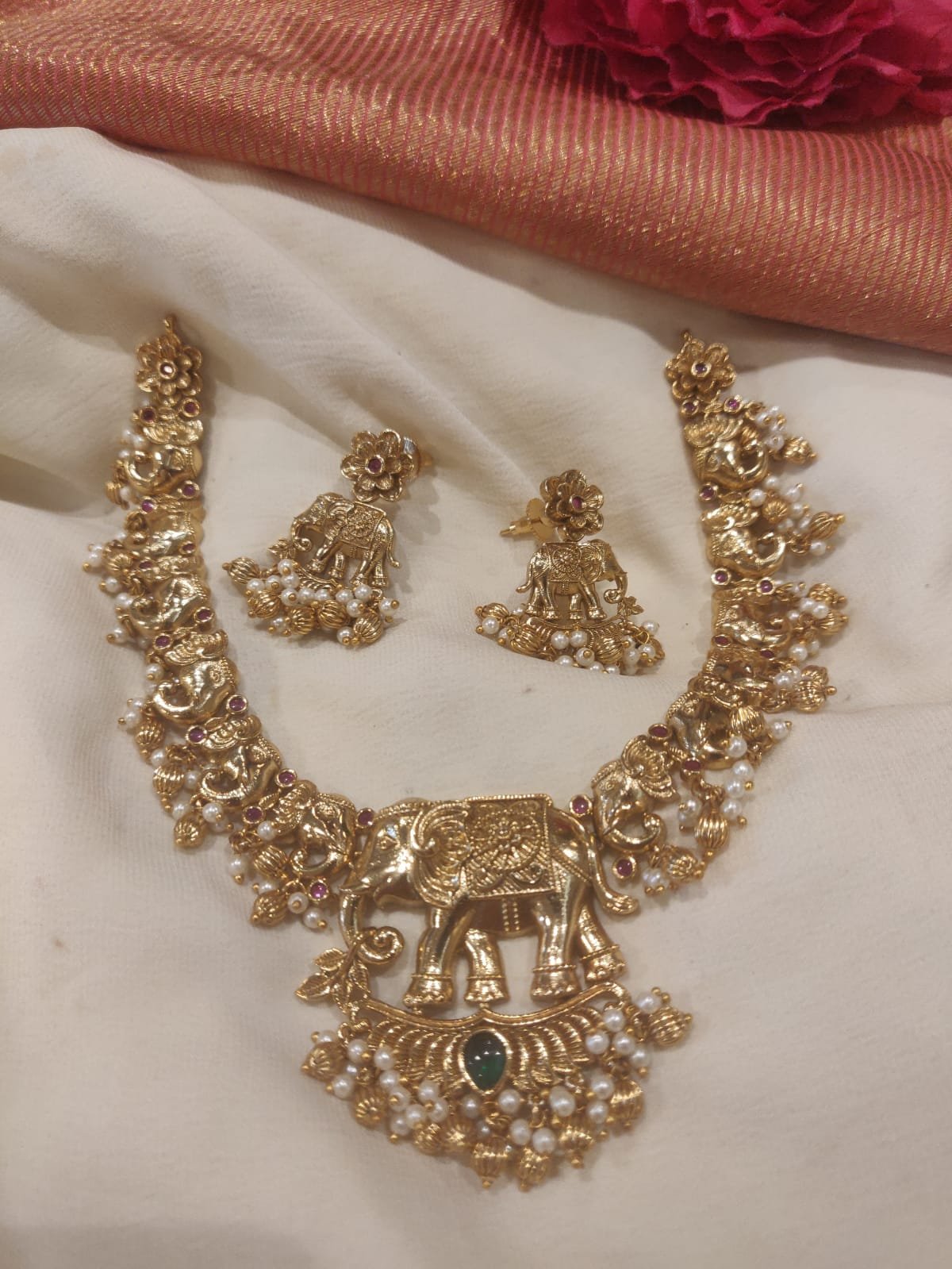
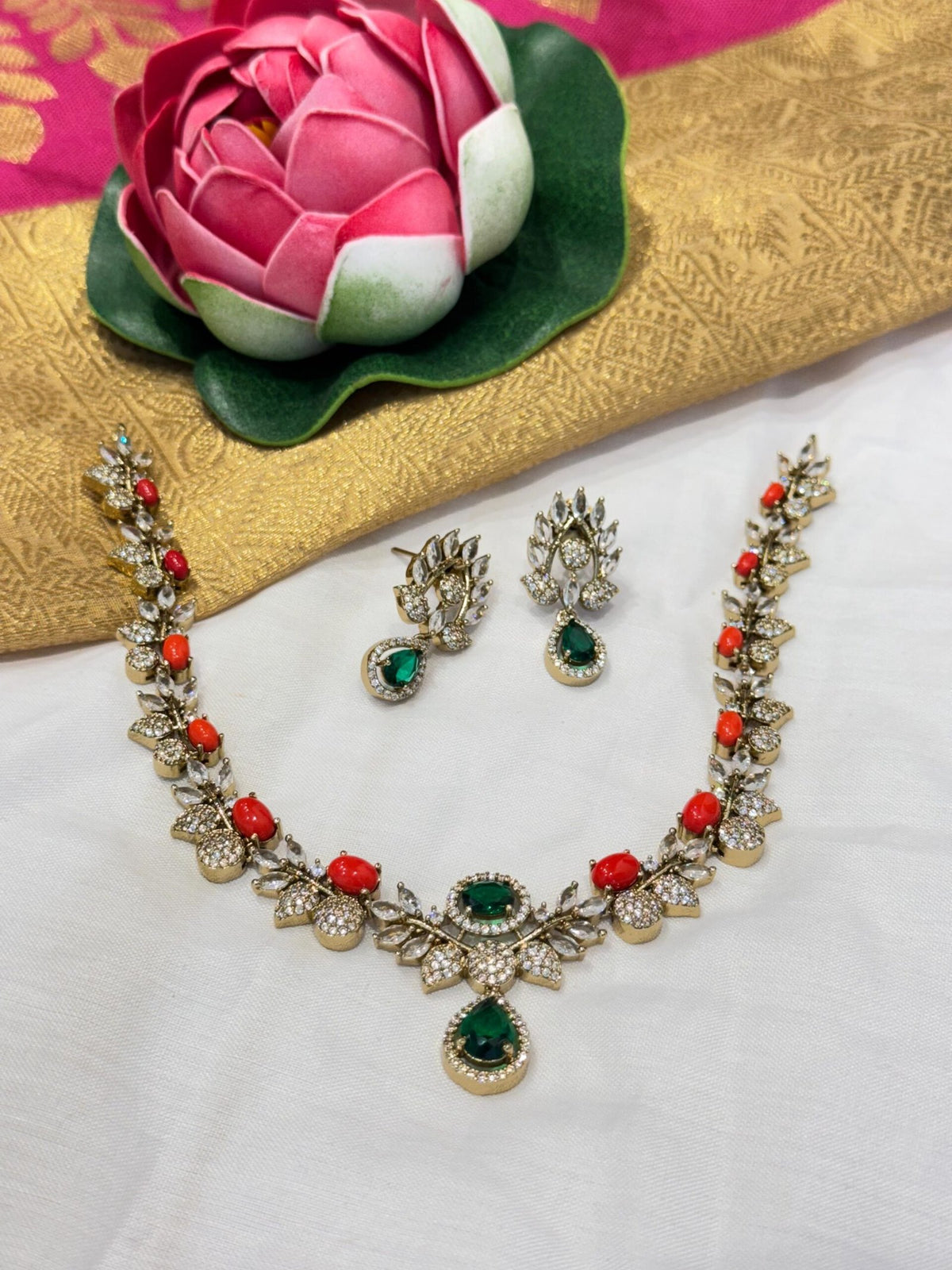
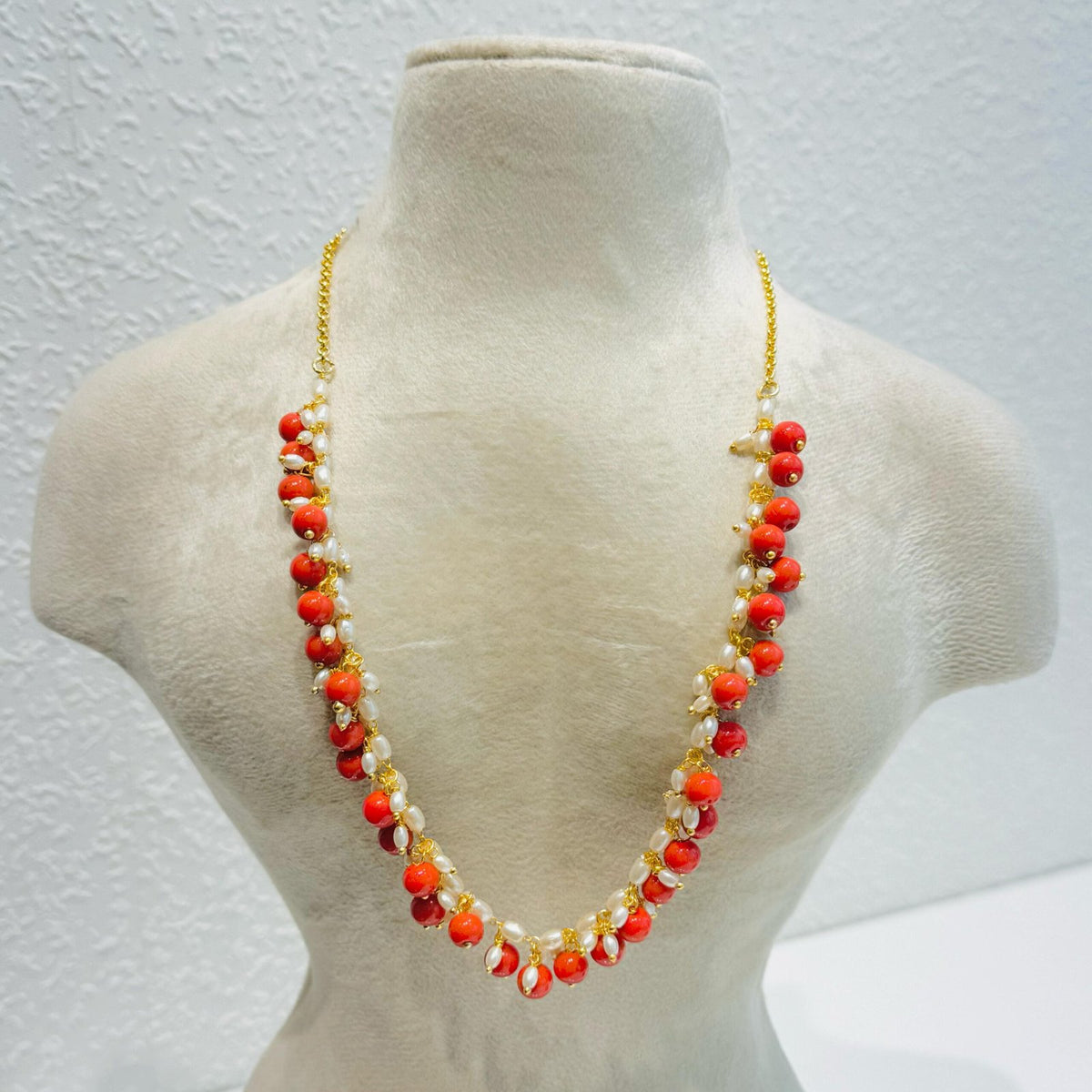
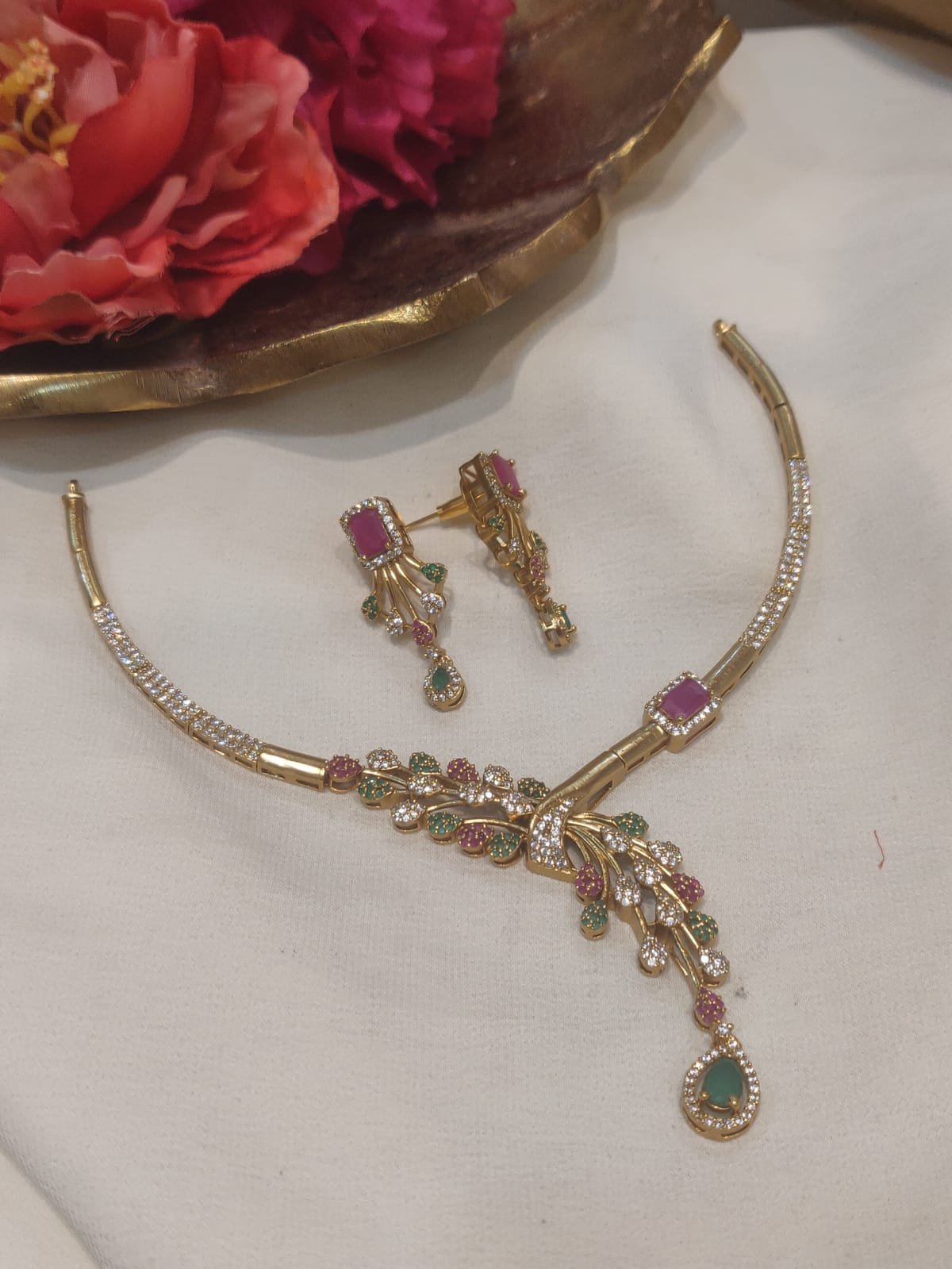
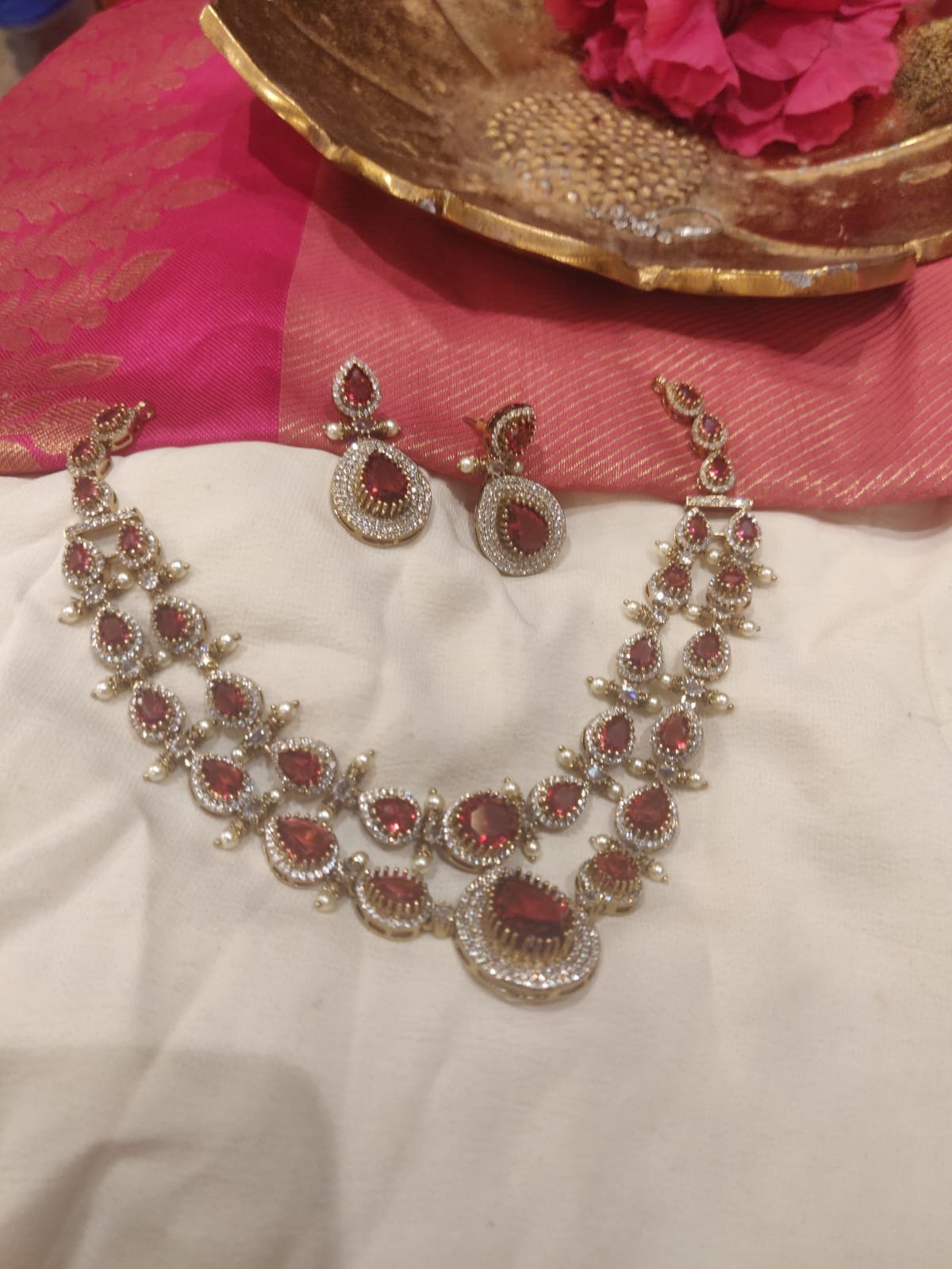
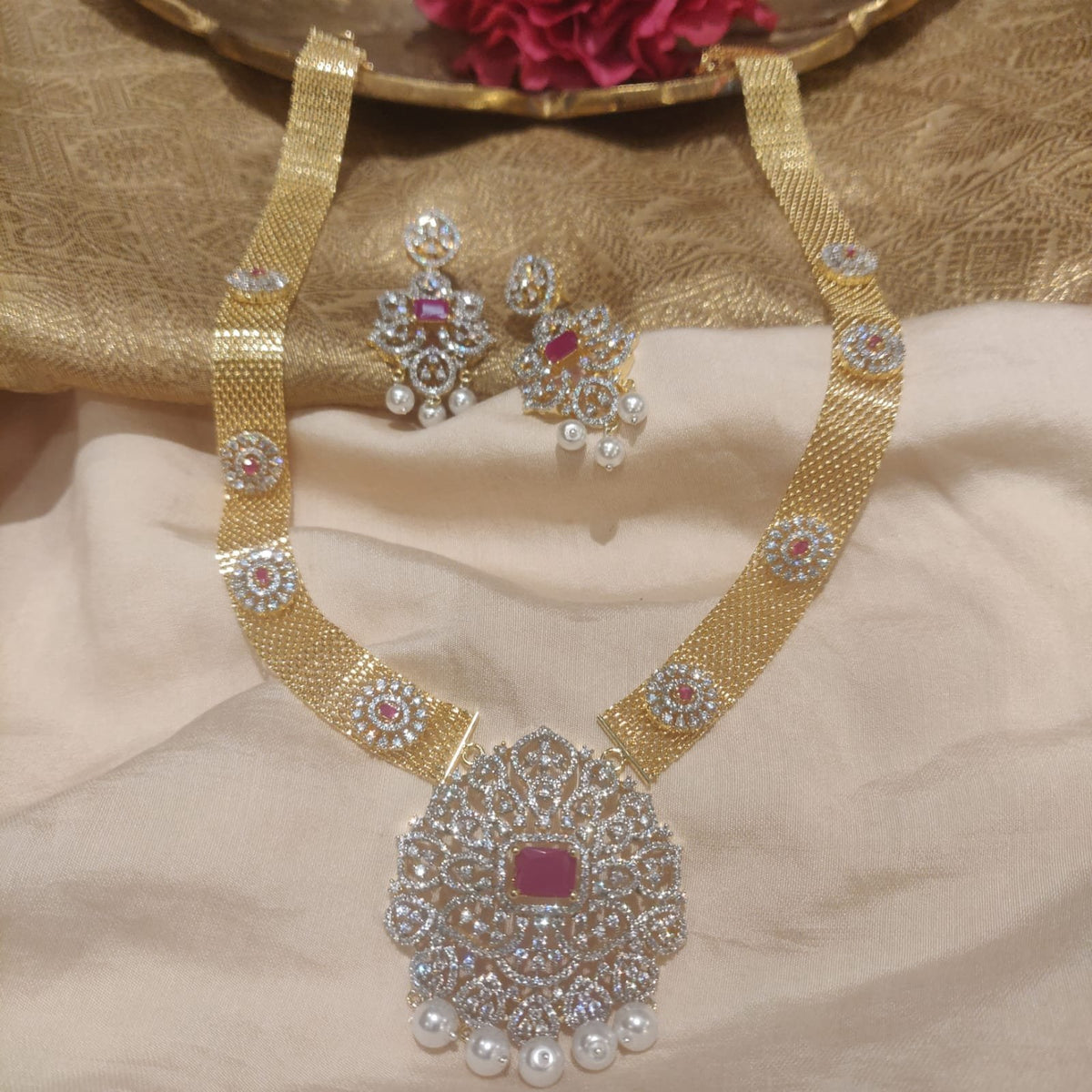
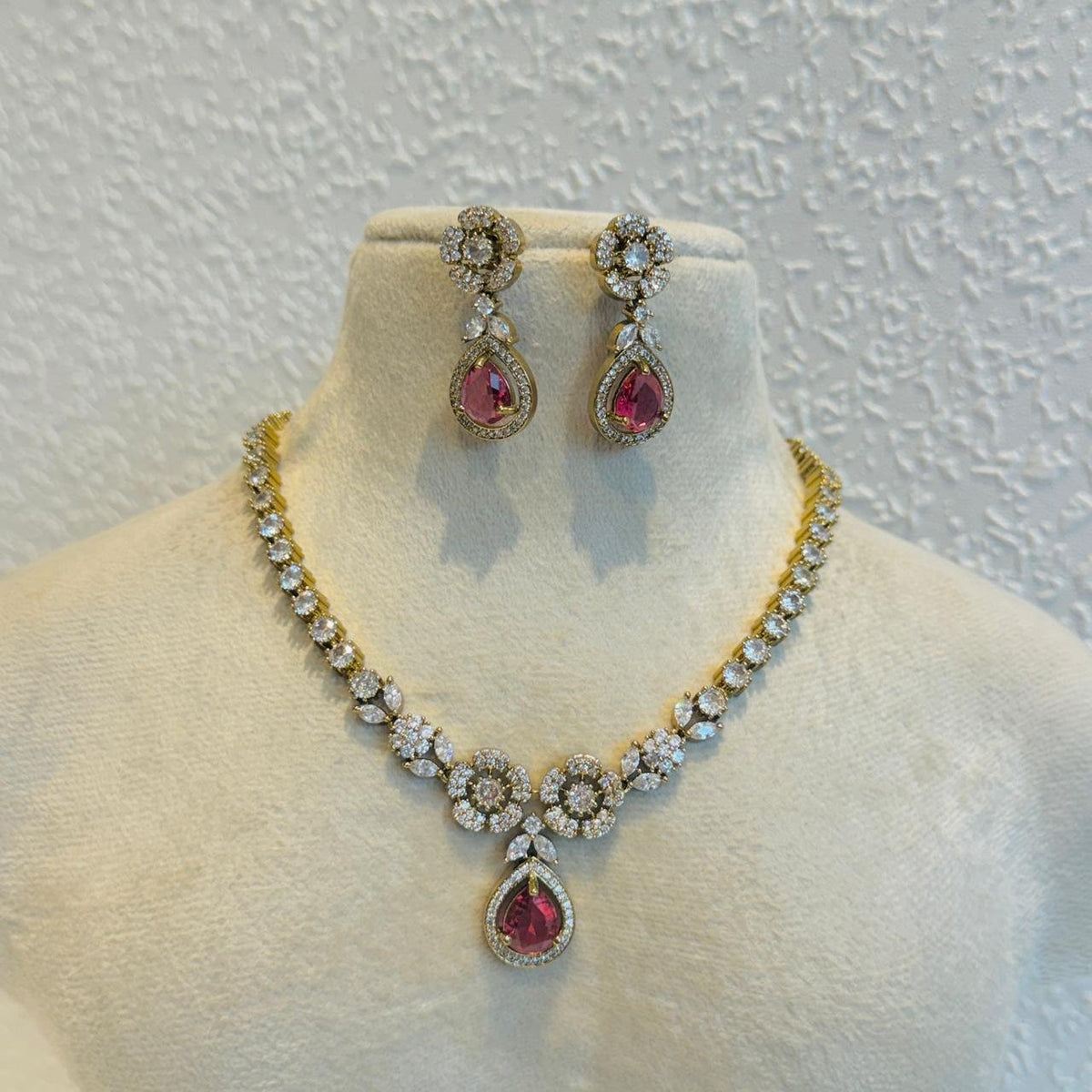
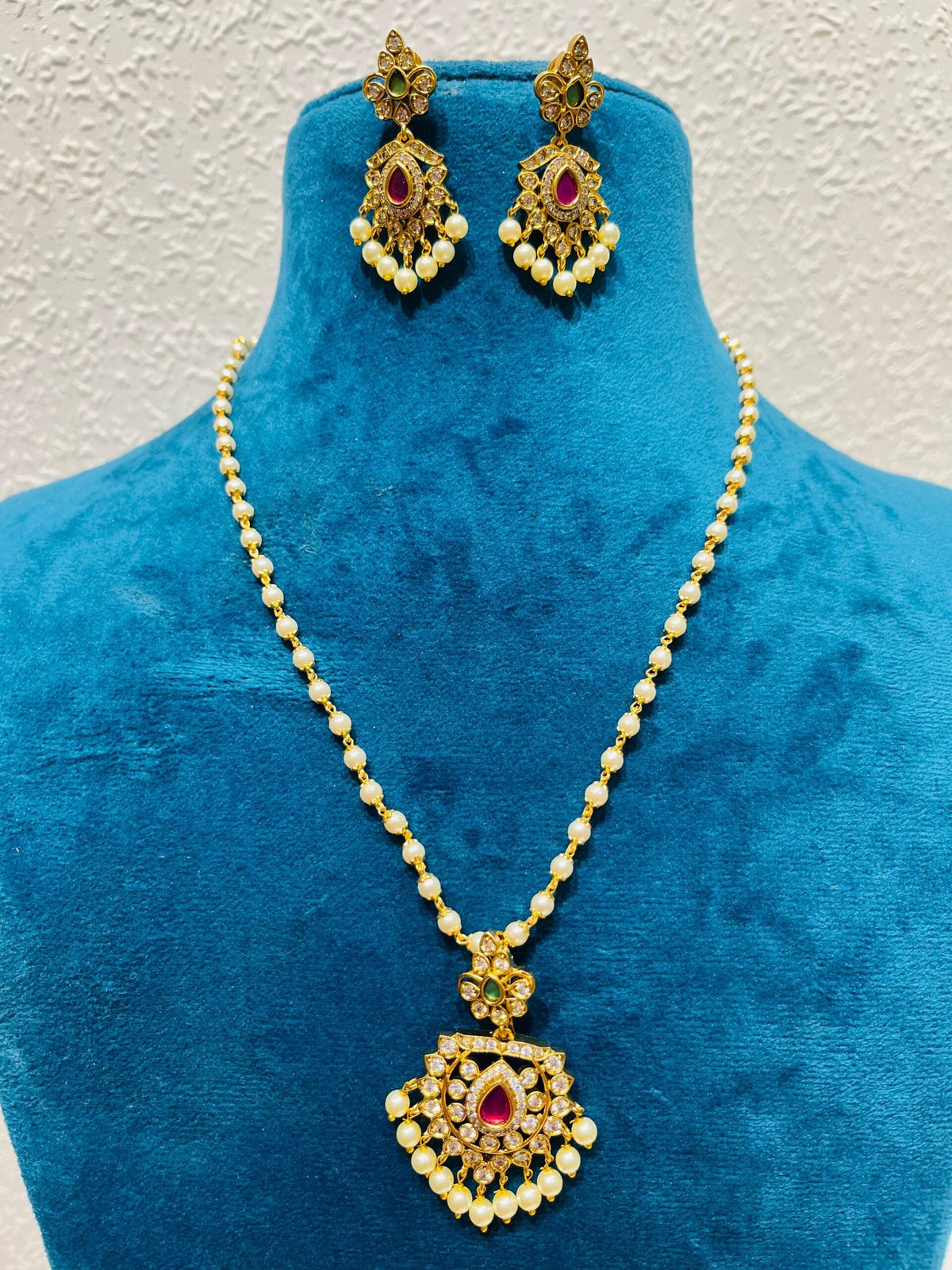
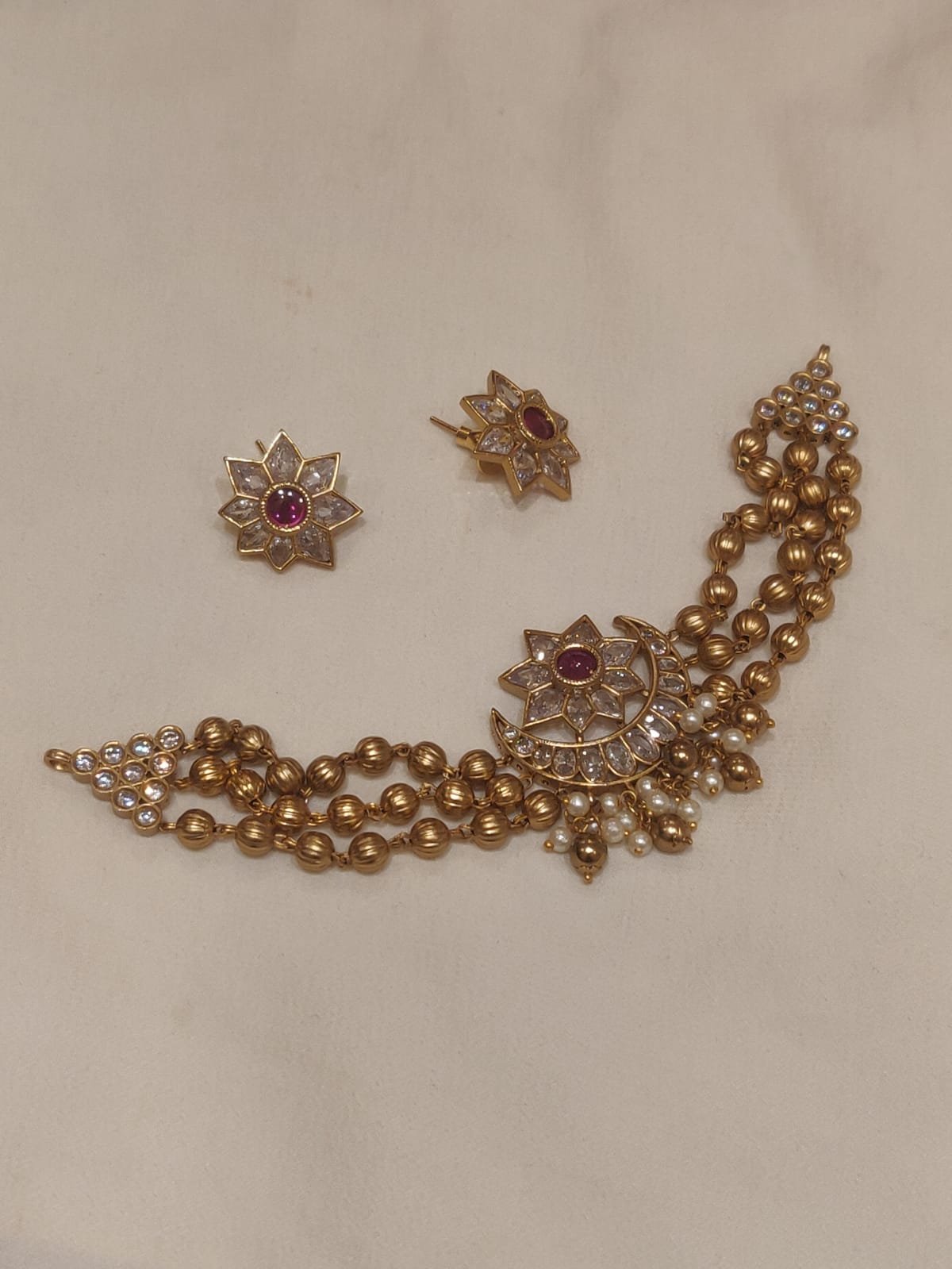
Design range: Emporia Jewels maintains a catalogue that spans traditional South Indian and temple jewellery styles, kundan and meenakari pieces, AD stone designs, bridal sets, and contemporary fashion jewellery. The depth within categories, particularly in bridal and South Indian traditional styles, is a defining characteristic of the brand.
Explore the bridal collections to assess the depth within a single high-demand category.
Material transparency: Product listings at Emporia Jewels specify material details, allowing buyers to make informed decisions rather than relying on vague descriptions.
Quality consistency: Over one million Instagram followers with active, genuine engagement across 71,000 posts represents a community built on real customer satisfaction over time. Brands at this scale of authentic social presence maintain quality because their customer base is large enough to make quality failures publicly visible and commercially significant.
Customer experience: COD is available nationwide. International shipping is offered. These are not aspirational features; they are operational realities that reflect a brand set up to serve a broad customer base reliably.
Social proof: The 1M+ follower count on Instagram, combined with consistent customer post engagement rather than purely brand-produced content, represents genuine social proof of the kind that cannot be manufactured quickly.
The handcrafted jewelry range specifically reflects the brand's investment in craft-quality detailing that distinguishes it from brands competing purely on price.
What to Watch Out For When Evaluating Any Brand
Unverifiable superlatives: "India's number one" or "best in India" without cited, verifiable evidence is a marketing claim, not a fact. No external body certifies artificial jewellery brand rankings in India. Treat these phrases as noise.
Review patterns that look unusual: A brand with hundreds of five-star reviews and almost no three or four-star reviews is statistically unusual. Genuine review distributions include some less-than-perfect scores. Perfect or near-perfect review distributions across all products sometimes indicate curated or incentivised reviews.
Vague return policies: A policy that promises "hassle-free returns" without specifying the conditions, timeframe, or process is not a return policy. It is a phrase. Real policies have specific terms.
Material descriptions that avoid specifics: Any brand that consistently uses phrases like "premium metal" or "high-quality stones" without specifying what those materials actually are is not being transparent about what they sell.
Price as the only differentiator: A brand that competes exclusively on the lowest price point in the category is not investing in material quality, design development, or customer service infrastructure. The lowest-price option is rarely the best-value option.
What Makes the Artificial Jewellery Category Specifically Challenging for Brand Evaluation
Unlike fine jewellery, where hallmarking and certification provide objective quality benchmarks, artificial jewellery has no standardised quality certification in India. There is no external authority verifying that a piece described as "high quality gold plated" meets any specific standard.
This means that brand reputation, customer review history, and transparency of communication are the primary quality signals available to buyers. It also means that a brand's willingness to be specific and honest about what it sells is itself a significant differentiator.
The fashion jewellery and artificial jewellery ranges at Emporia Jewels reflect a catalogue built on design range and honest presentation of a well-defined product category.
Frequently Asked Questions
Q1. Is there an official ranking of artificial jewellery brands in India?
No. There is no official or certified ranking of artificial jewellery brands in India. Claims of being "number one" in this category are marketing statements, not verified rankings.
Q2. How do I compare two artificial jewellery brands before buying?
Apply the five criteria above: design range, material transparency, quality consistency evidence (reviews over time), customer experience infrastructure (COD, returns policy), and authentic social proof.
Q3. Does a higher price always mean better quality in artificial jewellery?
Not necessarily. The price of artificial jewellery reflects materials, craft investment, and brand positioning. A higher price does not guarantee better quality, but a price significantly below the market average often indicates compromises in materials or finishing.
Q4. What should I do if a brand does not disclose what materials their jewellery is made from?
Treat this as a significant warning sign. Material transparency is a baseline expectation from any trustworthy seller. If a brand does not specify its materials, you have no basis on which to evaluate the quality or appropriateness of the product for your skin type or lifestyle.
Q5. Can I trust customer reviews on a brand's own website?
Reviews on a brand's own website are typically moderated and may not show all feedback. Cross-reference with reviews on social media, third-party platforms, and customer-tagged posts for a more complete picture of the actual buyer experience.