


Artificial Jewellery vs Gold Jewellery: An Honest, Practical Comparison for Indian Women
This comparison comes up in real conversations between Indian women all the time. The question is rarely as simple as "which is better." It is almost always more specific than that: better for what occasion, what budget, what level of risk, what style goal, what life stage. The honest answer to "artificial jewellery vs gold jewellery" is that neither category is universally better. Each is the right answer in different circumstances.
What follows is a clear-eyed breakdown of both categories across every dimension that matters to real buyers. No promotional spin in either direction. Just the facts.
Material and Composition: What Each Actually Is
Gold jewellery: Made from real gold, which is a precious metal measured in purity by karat (22kt, 18kt, 14kt are common in India). Higher karat gold has a higher percentage of pure gold and is softer. Lower karat gold is harder and more durable for daily wear because it contains more alloyed metals. Gold jewellery in India is typically hallmarked by the Bureau of Indian Standards (BIS), providing a certified verification of the purity stated.
Artificial jewellery: Made from base metals (brass, copper, zinc alloy) with a surface finish of gold-tone, silver-tone, or antique plating applied through electroplating. It contains no real gold. Stones used are non-precious: American diamond (cubic zirconia), glass (kemp, kundan), shell pearl, meenakari enamel, and similar materials. There is no certification body for artificial jewellery quality in India.
The material difference is fundamental and should never be obscured. Artificial jewellery does not contain gold. It replicates the appearance of gold using surface coatings on base metal.
Cost: The Gap Is Significant and Real
The price difference between gold jewellery and artificial jewellery in India is not marginal. It is categorical.
A gram of 22-karat gold in India is priced based on live commodity market rates, which have consistently risen over the past decade. A single medium-weight gold necklace can cost anywhere from tens of thousands to several lakhs of rupees, depending on weight and design.
A comparable artificial jewellery necklace set costs a fraction of this, often between a few hundred and a few thousand rupees, depending on the complexity of the design and the quality of the craft work.
For buyers with a fixed occasion budget, this cost difference directly determines how many pieces you can own, how many occasions you can dress for, and how much variety your wardrobe can contain.
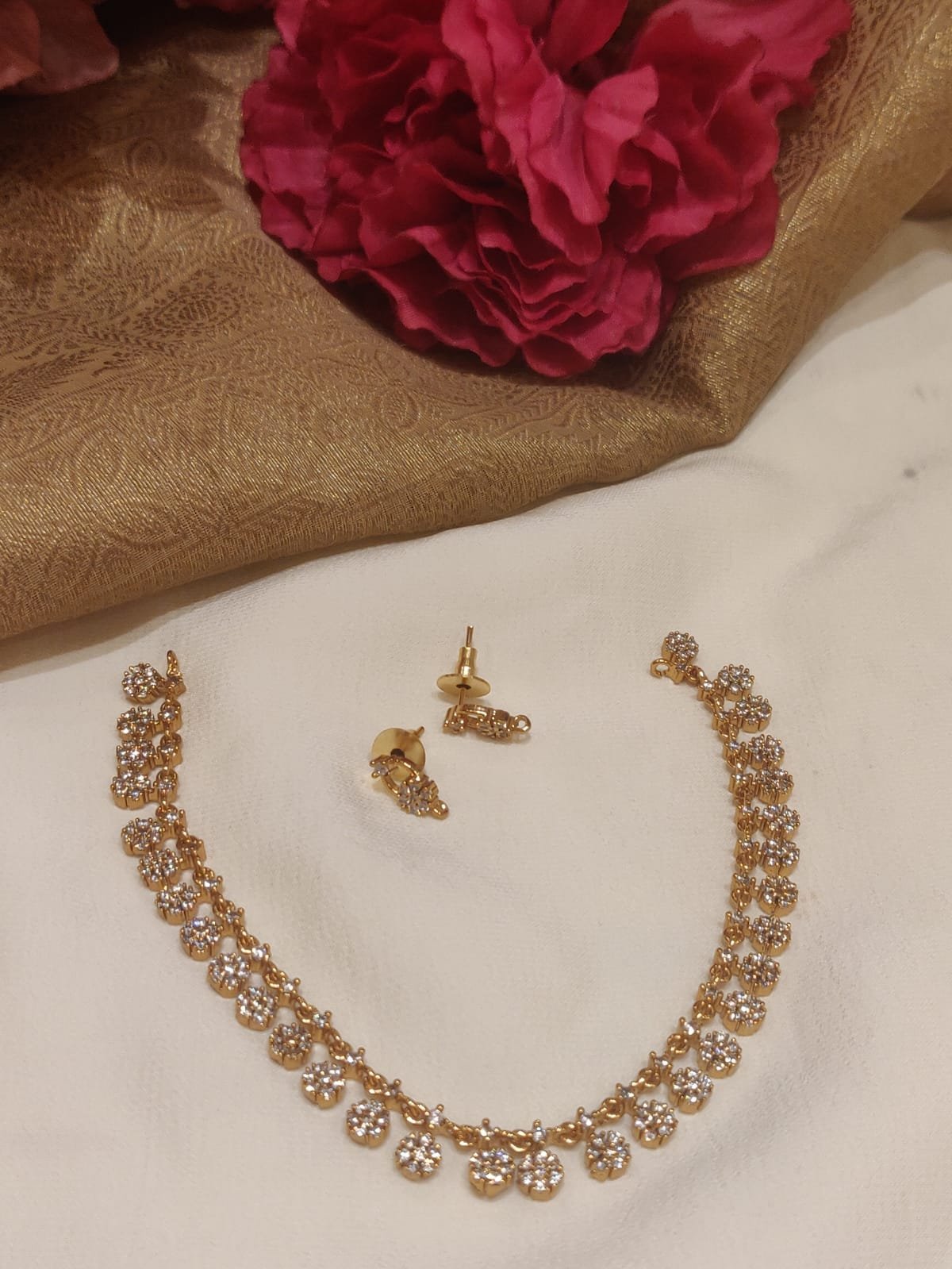
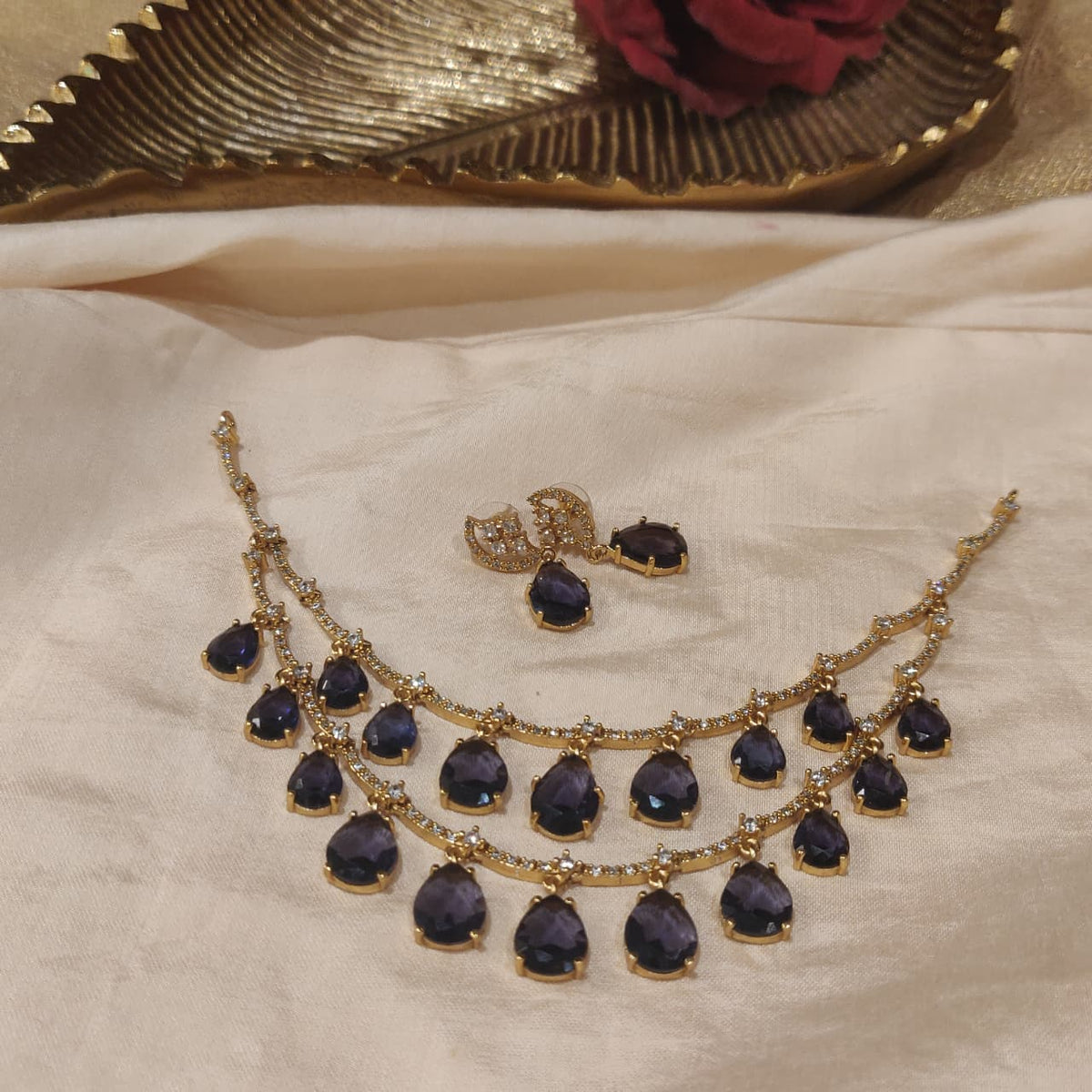
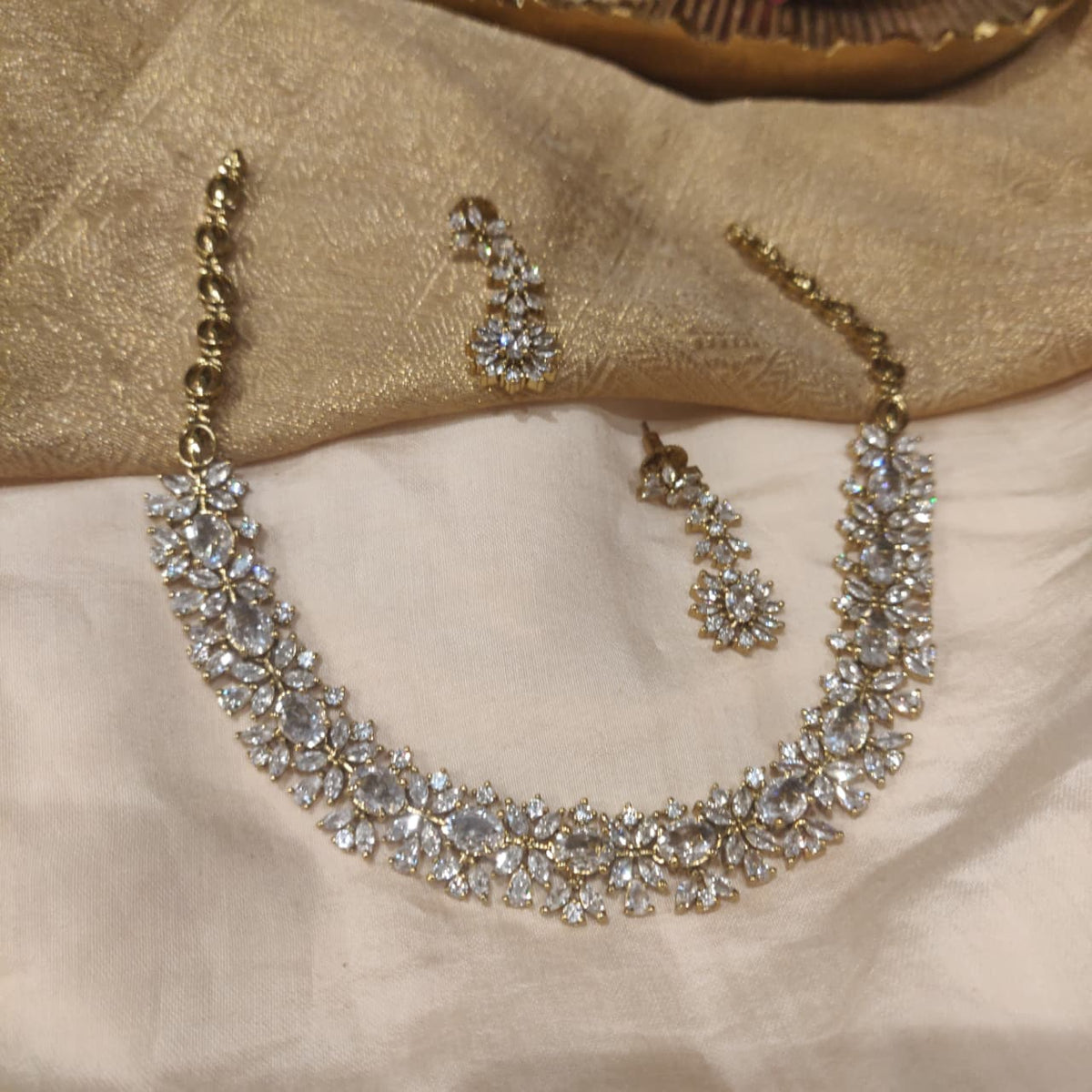
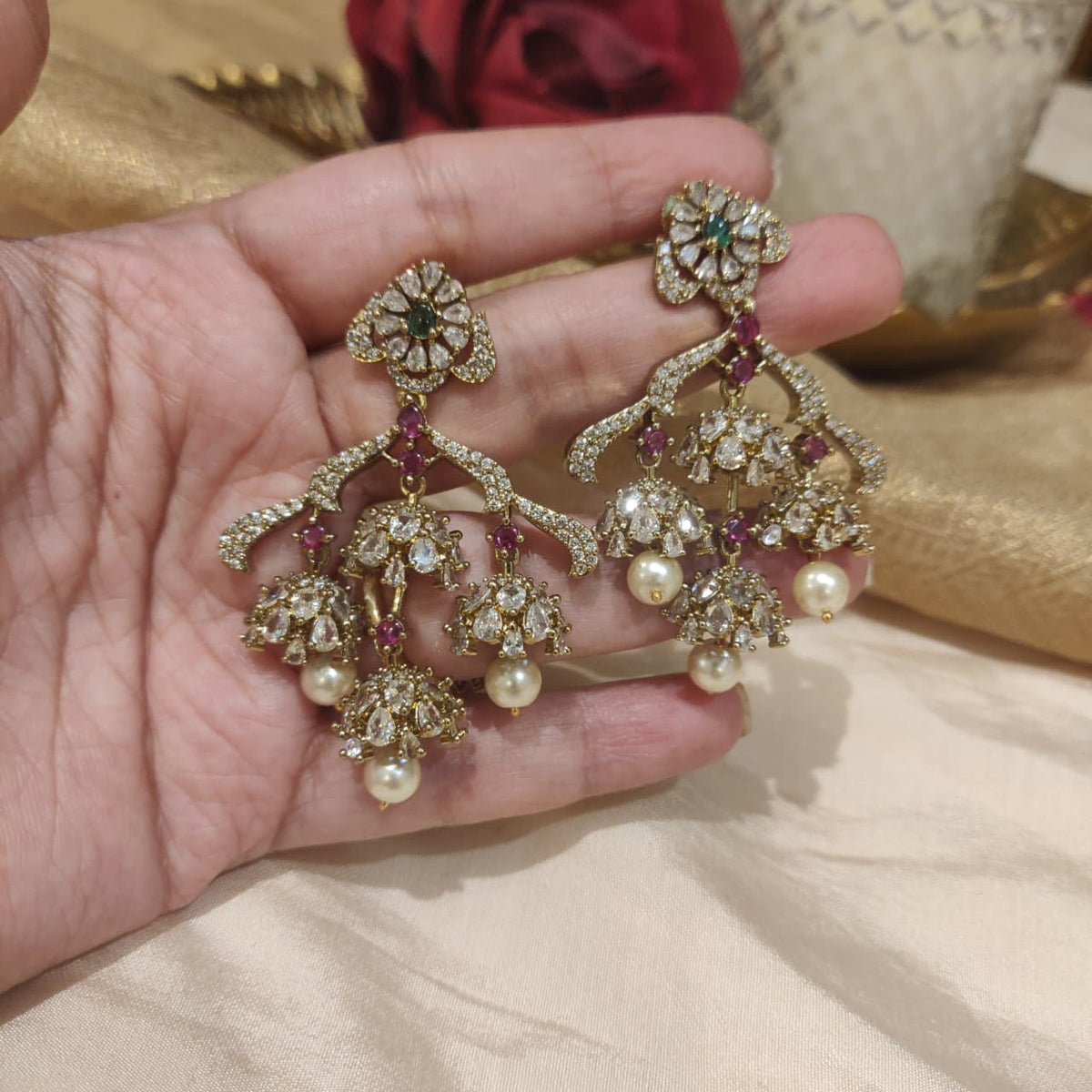
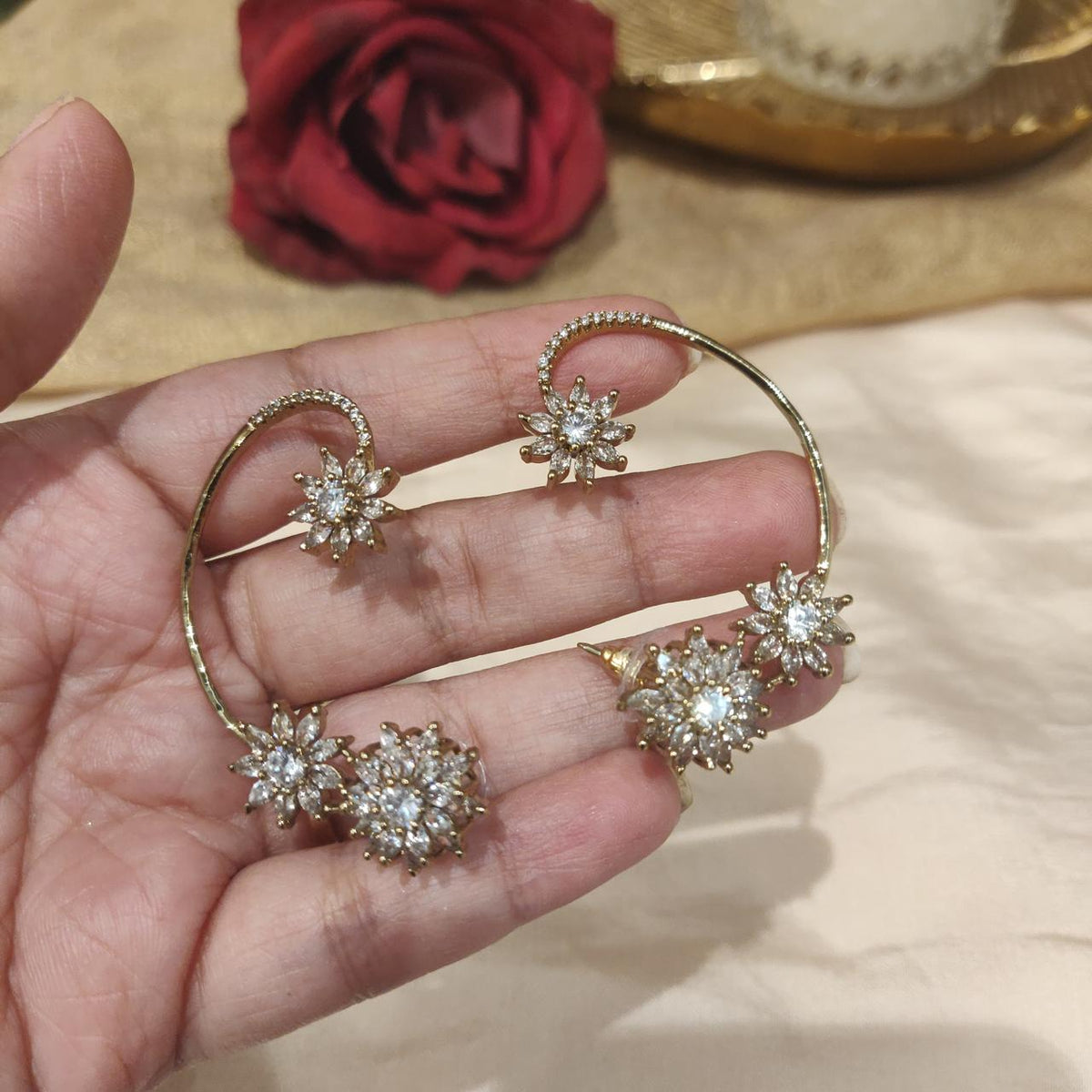
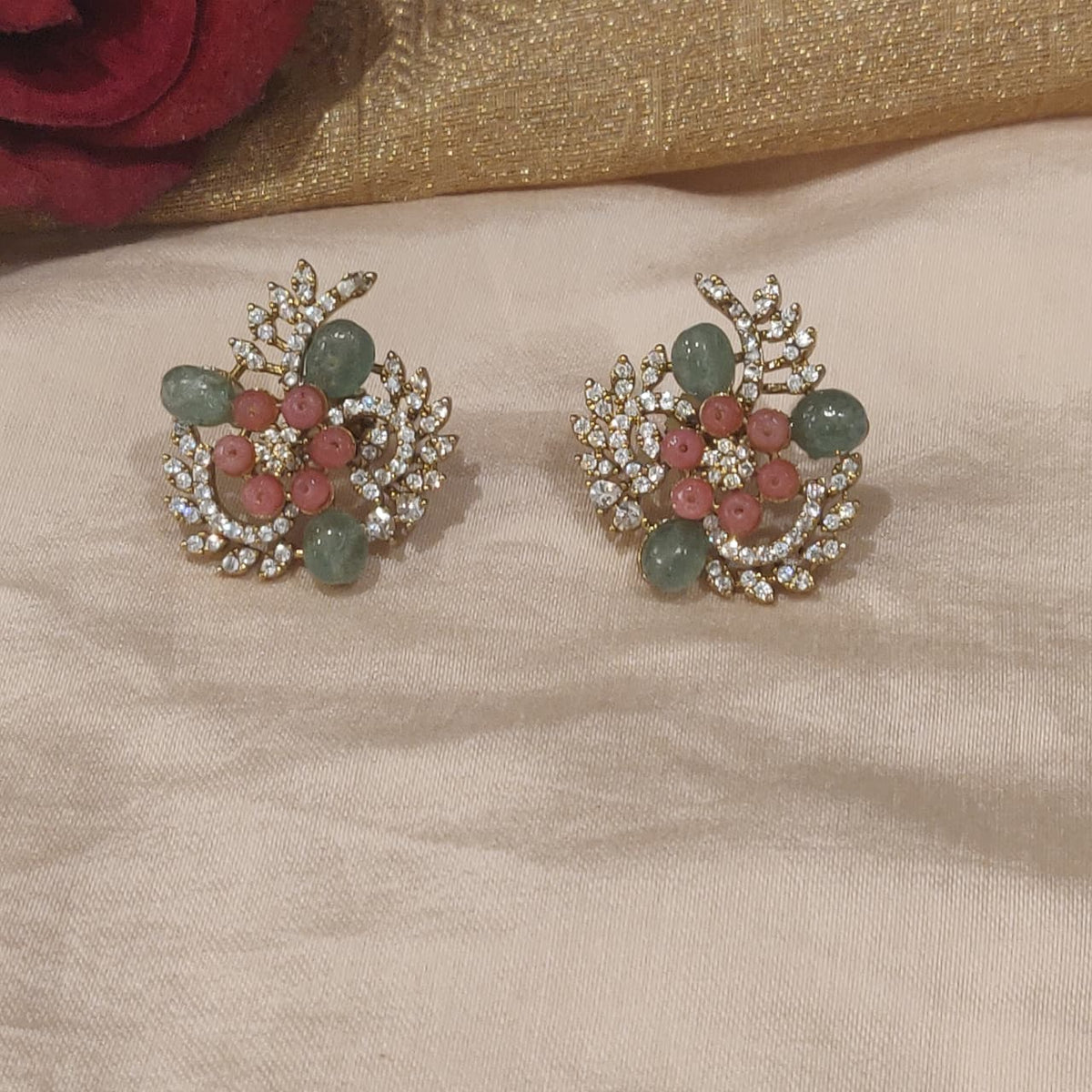
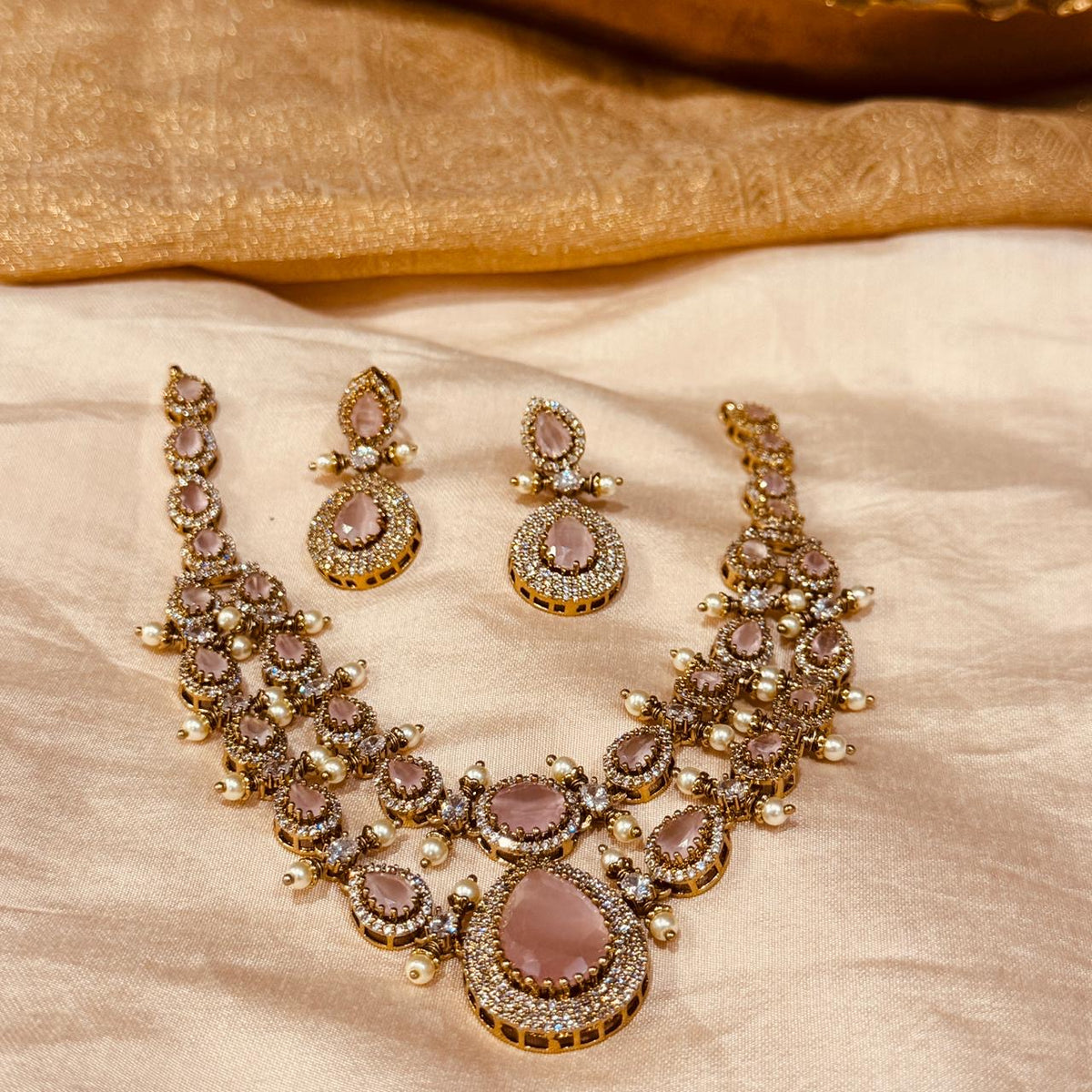
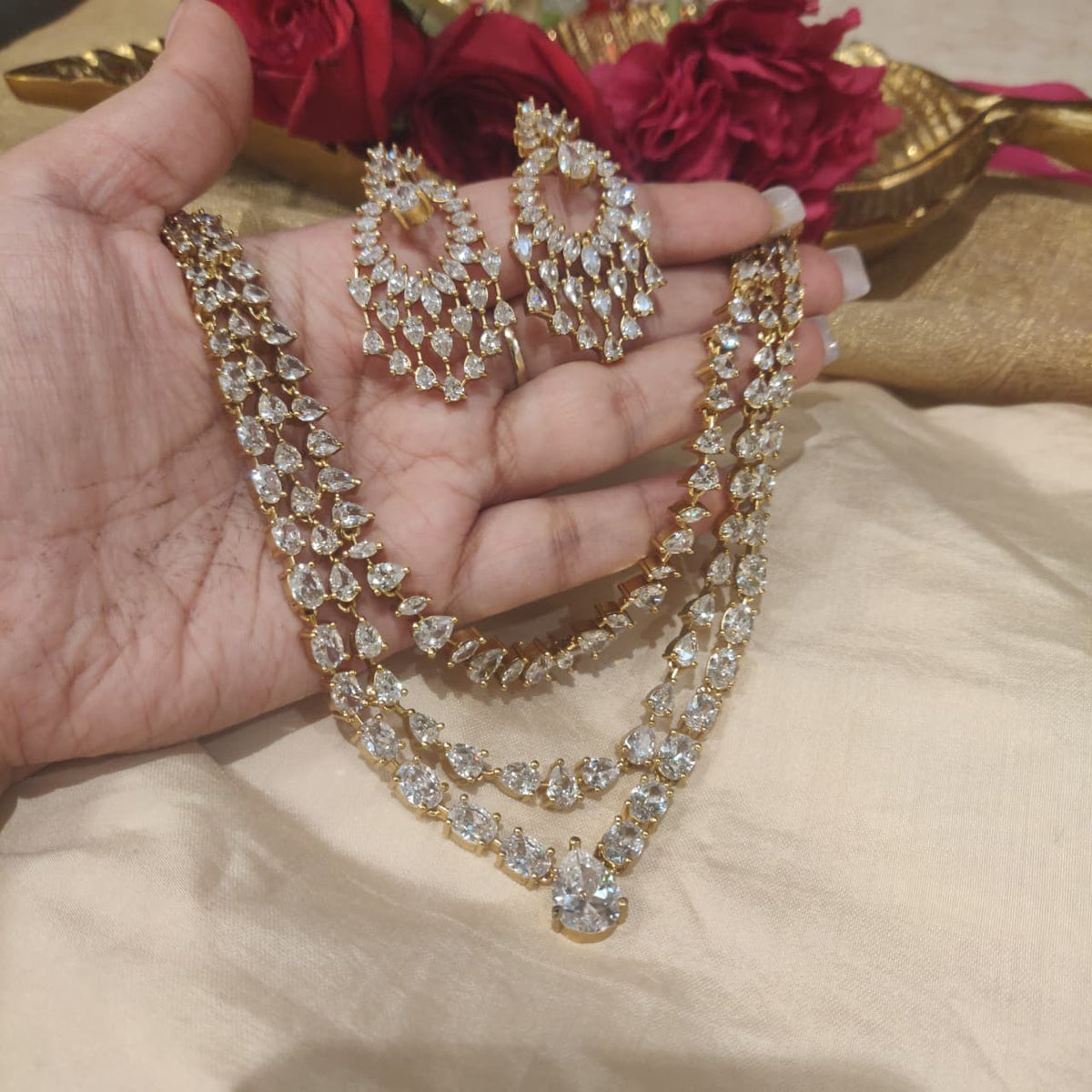
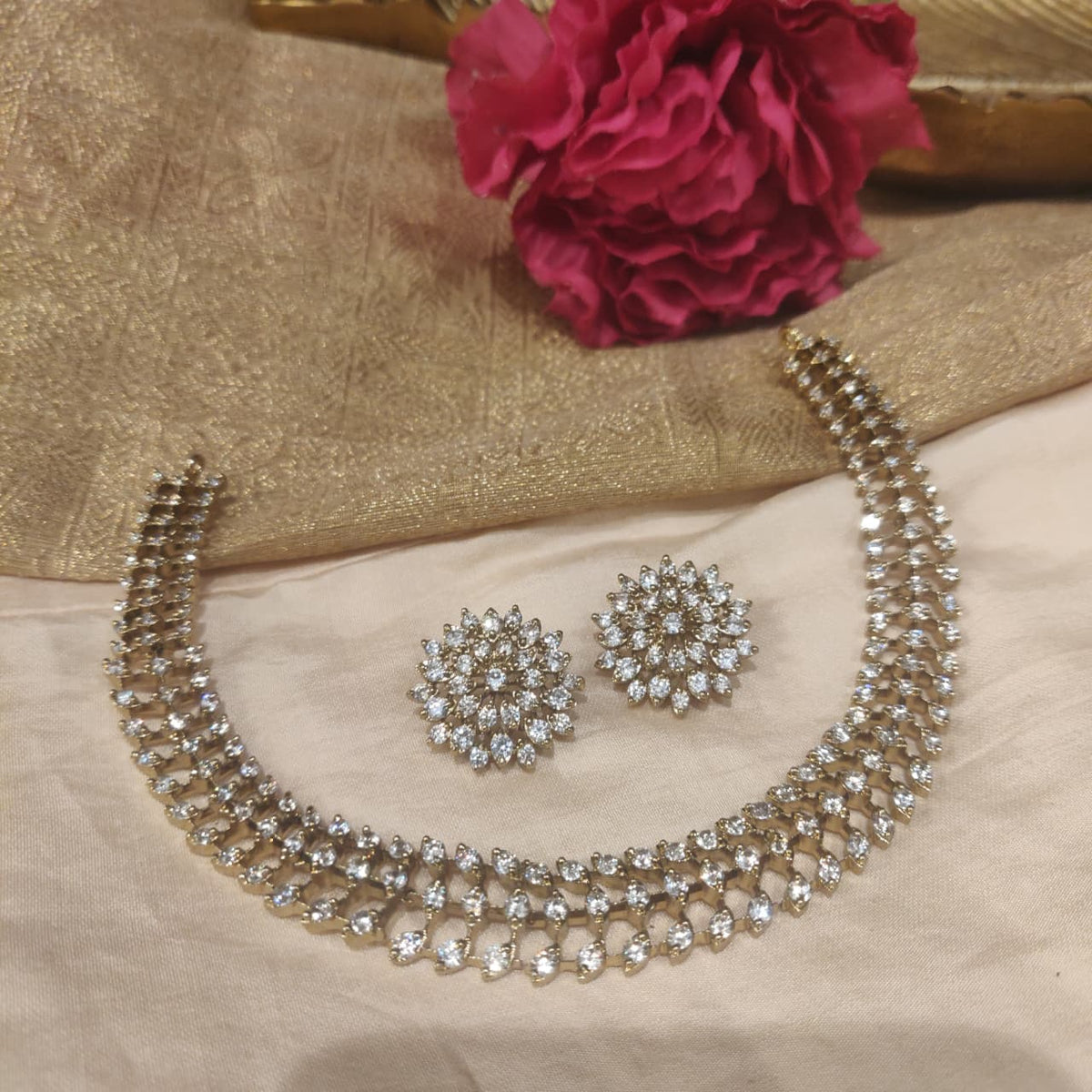
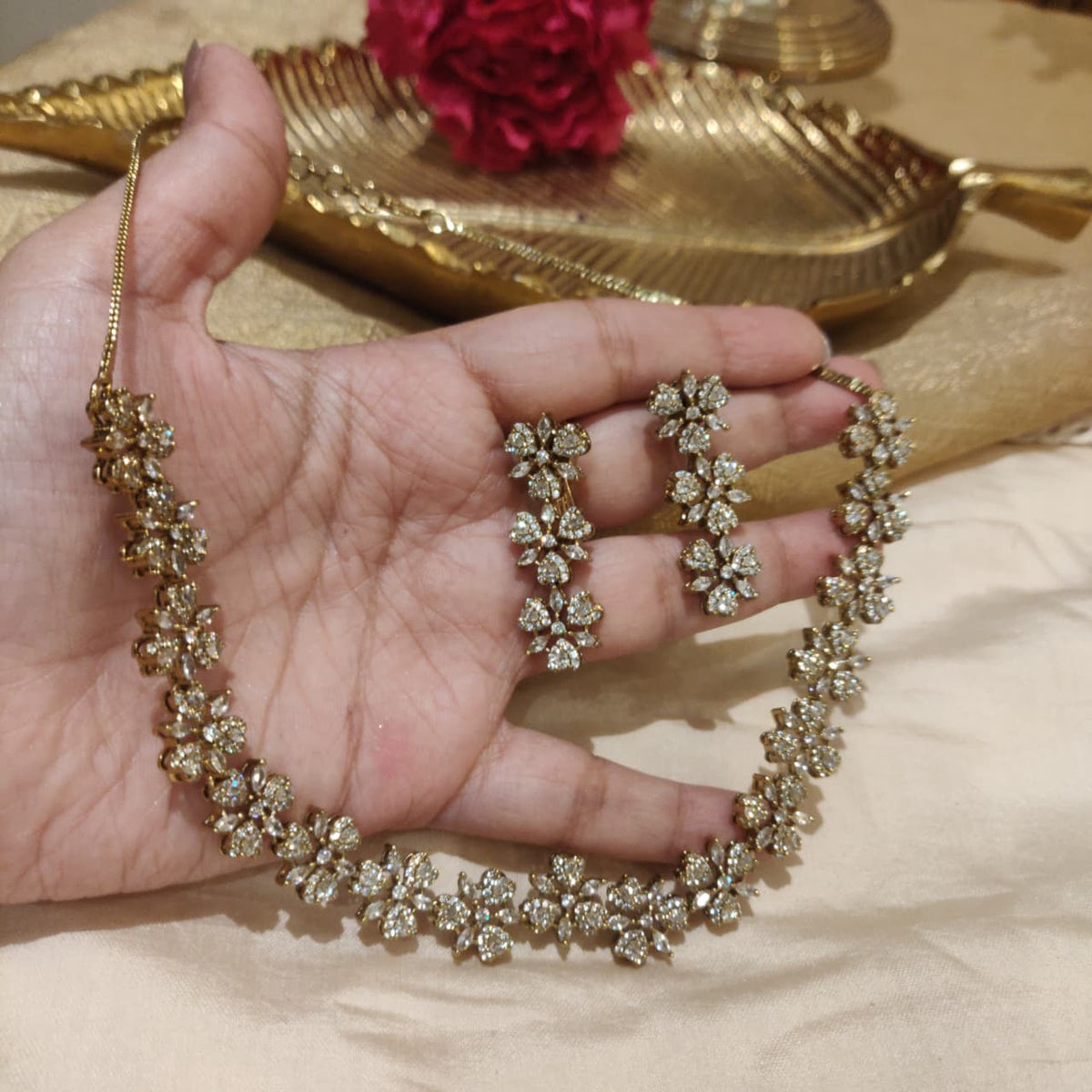
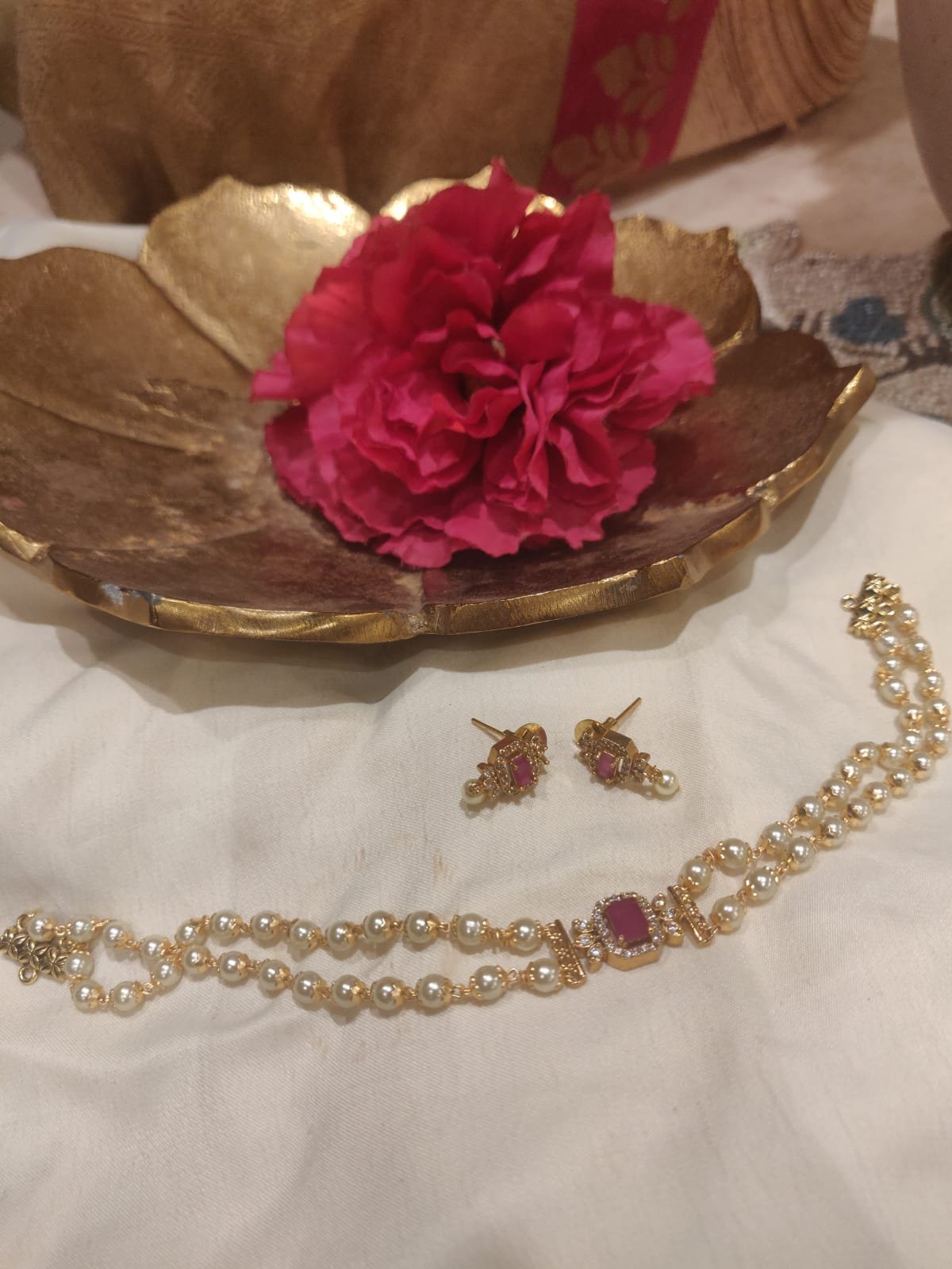
The artificial jewellery range demonstrates the variety that the artificial jewellery price point makes accessible.
Durability and Longevity: An Honest Assessment
Gold jewellery: Real gold does not tarnish, rust, or corrode. It maintains its appearance indefinitely with minimal care. The metal itself is chemically stable. Gold jewellery can be worn daily for decades. It can be repaired, resized, and remade by a skilled jeweller. Gold jewellery purchased today will look identical in twenty years with routine wear.
Artificial jewellery: The gold-tone plating on artificial jewellery is a thin surface coating. It will wear over time, especially with frequent use, exposure to water and sweat, and contact with other surfaces. The rate of wear depends on plating thickness, base metal quality, and how the piece is used and stored. With careful storage and limited exposure to moisture and chemicals, good-quality artificial jewellery maintains its appearance for a meaningful period. But it does not last indefinitely and cannot be restored once the plating wears through in the way that gold jewellery can be restored.
This is not a criticism of artificial jewellery. It is a material reality that any honest comparison must include.
Investment Value: A Critical Difference
Gold jewellery holds monetary value. The gold content of a piece can be sold, exchanged, or melted down for its commodity value at any point. Many Indian families purchase gold jewellery as a form of financial security alongside its ornamental function. BIS hallmarking in India certifies the purity of gold, which underpins its resale value.
Artificial jewellery has no monetary value beyond its retail price. It cannot be sold for material value. It is not an investment in any financial sense. Framing artificial jewellery in investment language is misleading and should be avoided.
This distinction matters for the occasions and life stages when jewellery purchases are also financial decisions: weddings where the jewellery forms part of a traditional exchange, savings converted into wearable assets, and heirlooms intended to pass between generations.
Occasion Appropriateness: Where Each Category Belongs
Gold jewellery is appropriate (and sometimes required) for:
- Traditional ceremonies where gold is culturally mandated (certain community wedding rituals, religious ceremonies)
- Heirloom pieces intended for generational transfer
- Occasions where the monetary value of the jewellery is itself part of the cultural significance
- Daily wear by women who want a long-term investment in their routine jewellery
Artificial jewellery is appropriate (and often superior) for:
- Fashion variety: owning multiple complete sets for different occasions and outfits
- Travel: wearing beautiful jewellery without the risk of losing high-value pieces
- Trend-responsive dressing: changing jewellery with fashion without significant financial commitment
- Multiple occasions in a wedding season without wearing the same pieces repeatedly
- Young women building a jewellery wardrobe before they are at a life stage where gold purchases make financial sense
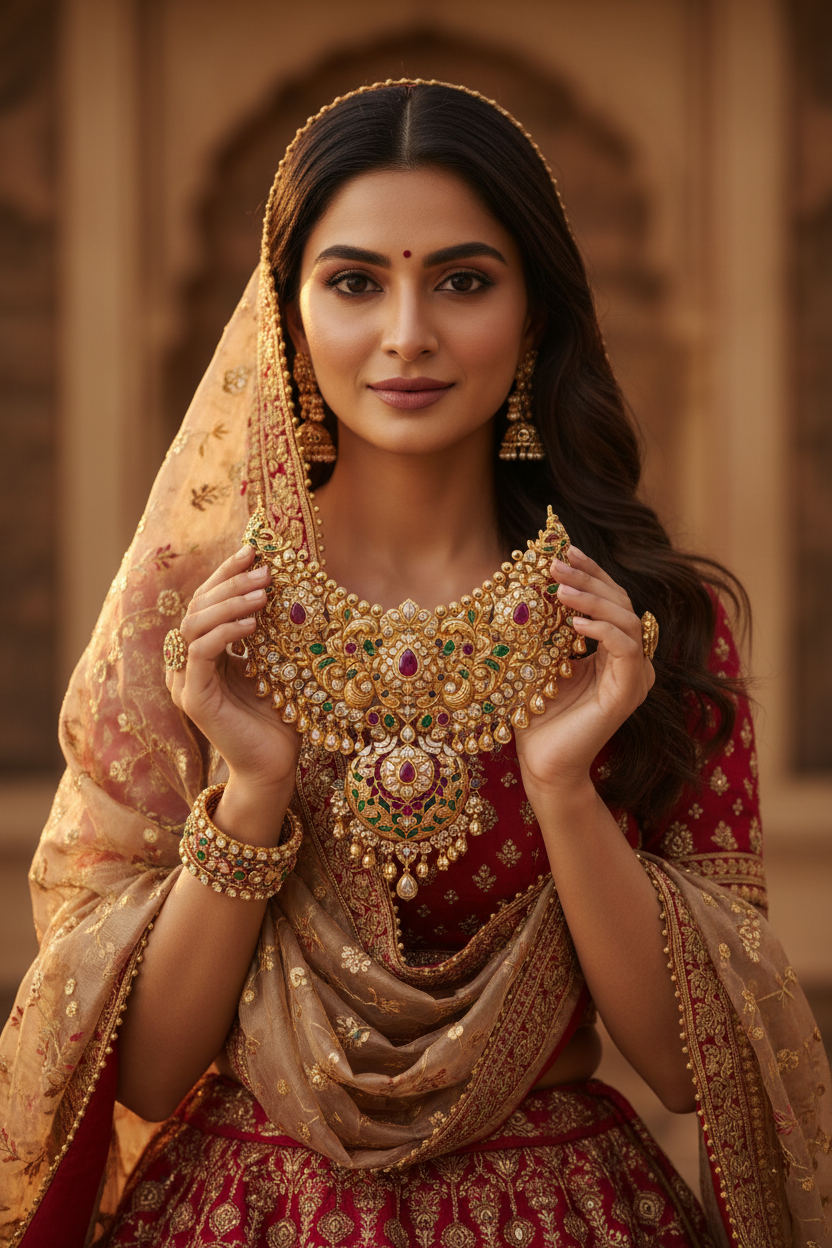
The bridal collections at Emporia Jewels specifically address the bridal context where artificial jewellery has become a mainstream and practical choice for many Indian brides.
Who Should Buy What: A Practical Framework
Buy gold jewellery when:
- The purchase has a financial intent alongside an ornamental purpose
- The piece is intended for daily wear over many years
- Cultural tradition requires gold for a specific ceremony or occasion
- You are buying a piece intended to be an heirloom
Buy artificial jewellery when:
- You want variety across occasions without a high individual cost per piece
- You are building a jewellery wardrobe for fashion purposes
- Travel safety is a concern
- You want to follow design trends without a long-term financial commitment
- You need complete sets for multiple wedding functions, festive occasions, or outfit-specific looks
The fashion jewellery range serves the second set of circumstances precisely.
Frequently Asked Questions
Q1. Does artificial jewellery look obviously different from gold jewellery?
In person, high-quality artificial jewellery in antique or polished gold-tone finish is not immediately distinguishable from gold jewellery in most social contexts. Close examination or testing by a jeweller will reveal the difference.
Q2. Can artificial jewellery cause skin reactions that gold jewellery does not?
Real gold (particularly 22kt) is unlikely to cause skin reactions. Artificial jewellery base metals, particularly those containing nickel, can cause reactions in people with metal sensitivity. This is a real difference worth considering for daily wear pieces.
Q3. Is it practical to wear artificial jewellery for a full Indian wedding day?
Yes, with appropriate care. Avoid water and chemical contact during wear. Remove the jewellery before applying any skincare or fragrance. Well-made artificial bridal sets hold up well through ceremonies when handled with care.
Q4. Can artificial jewellery be repaired if it breaks?
Some repairs are possible (clasp replacement, chain repair). Structural repairs to plated pieces are more limited than with gold, and re-plating requires specialist equipment. Gold jewellery can almost always be repaired or remade.
Q5. Is gold jewellery always a better investment than artificial jewellery?
Gold jewellery holds commodity value and can be a sound financial decision. Artificial jewellery is not a financial investment at all. These are different categories serving different purposes and should not be compared on investment criteria.