

American Diamond Jewelry: 8 Myths Busted and the Real Facts Every Buyer Should Know
Is American diamond jewelry actually made in America? Is it a type of real diamond? Will it look cheap in wedding photos?
These are some of the most common questions shoppers ask, and the answers are often surprising. American diamond jewelry, usually called AD jewelry in India, is one of the most popular choices for receptions, parties, and bridal wear. But it is also one of the most misunderstood.
This article clears up eight common myths, explains the real science behind AD stones, and shows you how to choose and care for AD jewelry with confidence.
First, What Exactly Is American Diamond Jewelry
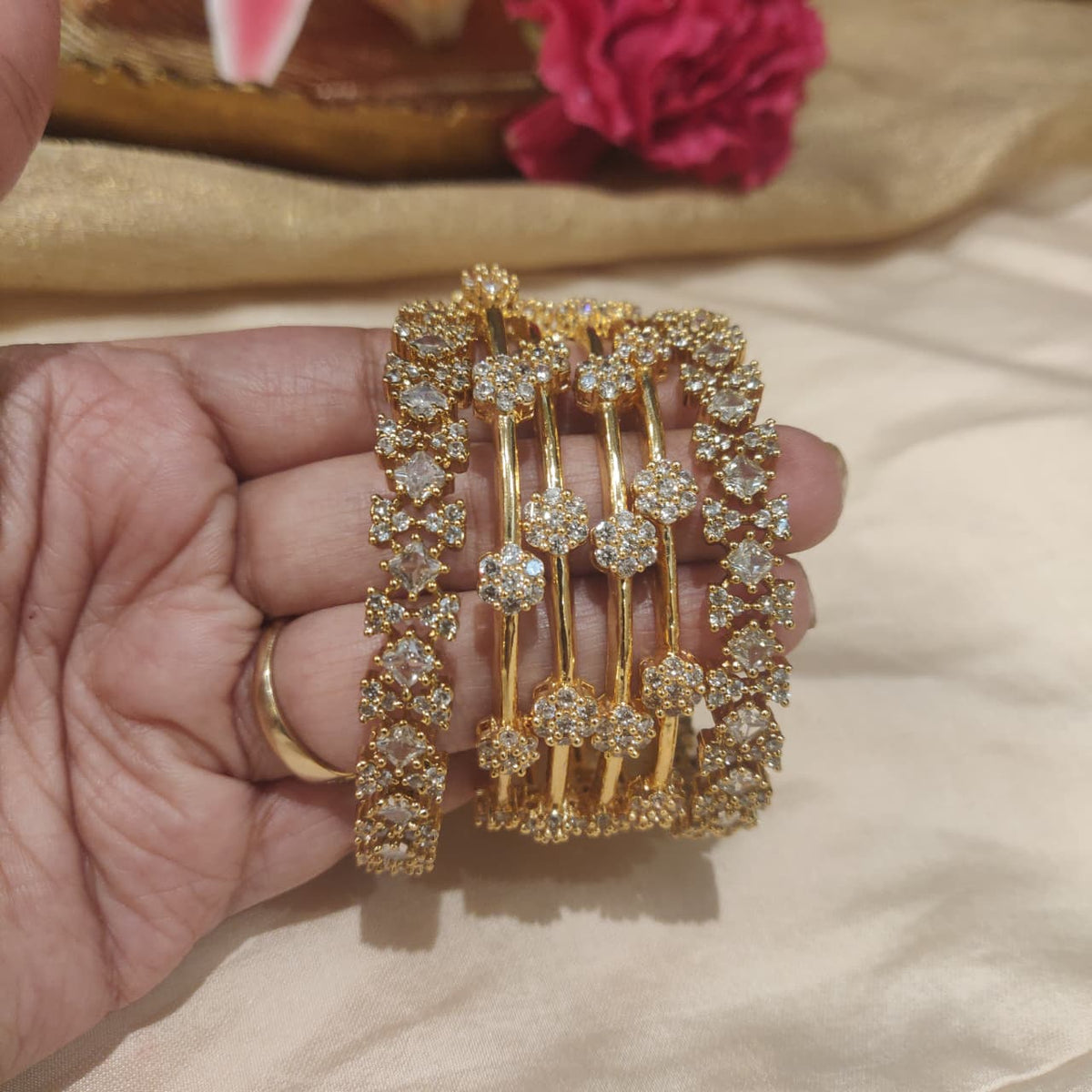
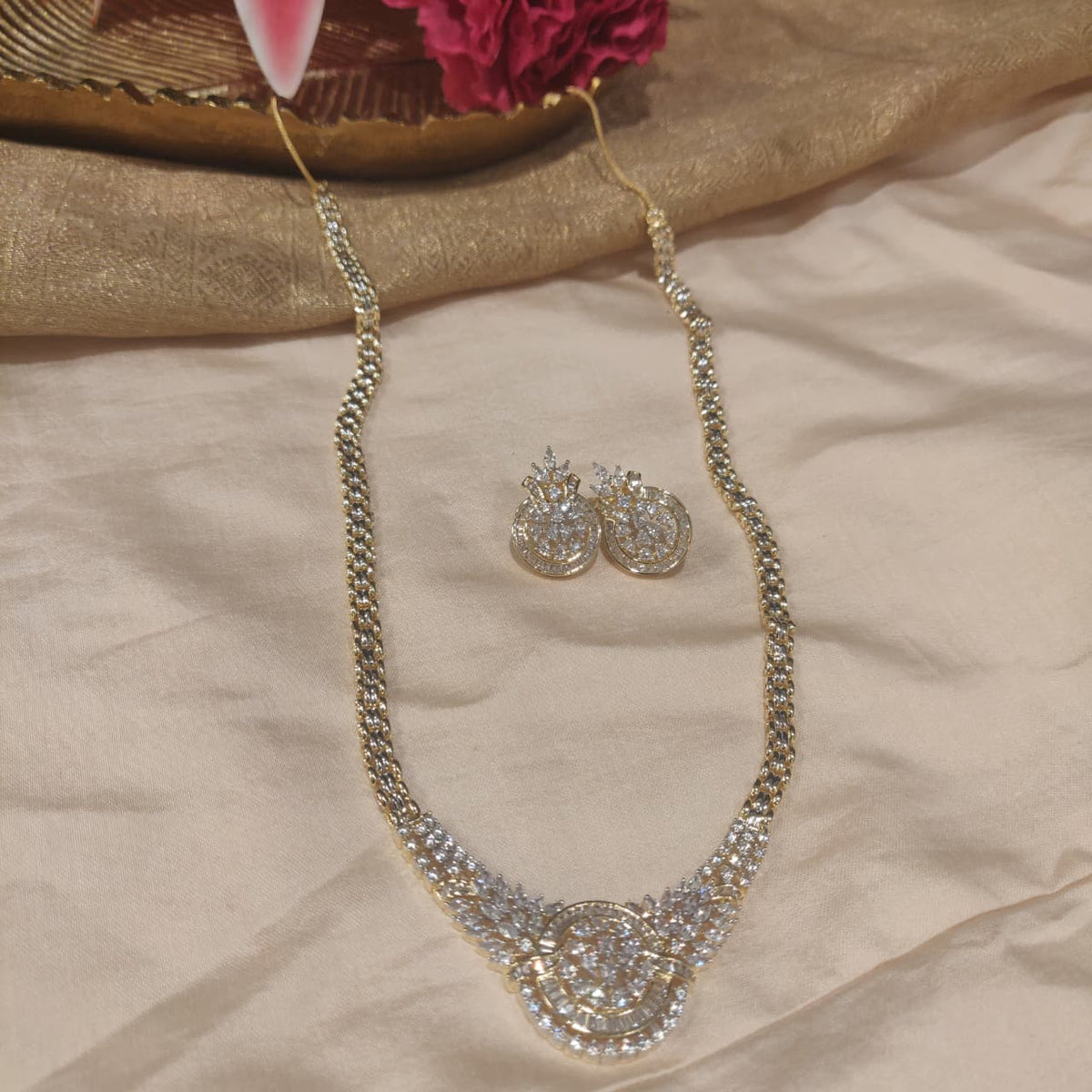
American diamond is a trade name used mainly in India for jewelry set with cubic zirconia, a lab-made crystal of zirconium dioxide. It is cut and polished to look like a diamond.
Cubic zirconia became commercially available in the 1970s, when scientists developed a reliable method to grow the crystals in large quantities. It quickly became one of the most widely used diamond simulants in fashion jewelry worldwide.
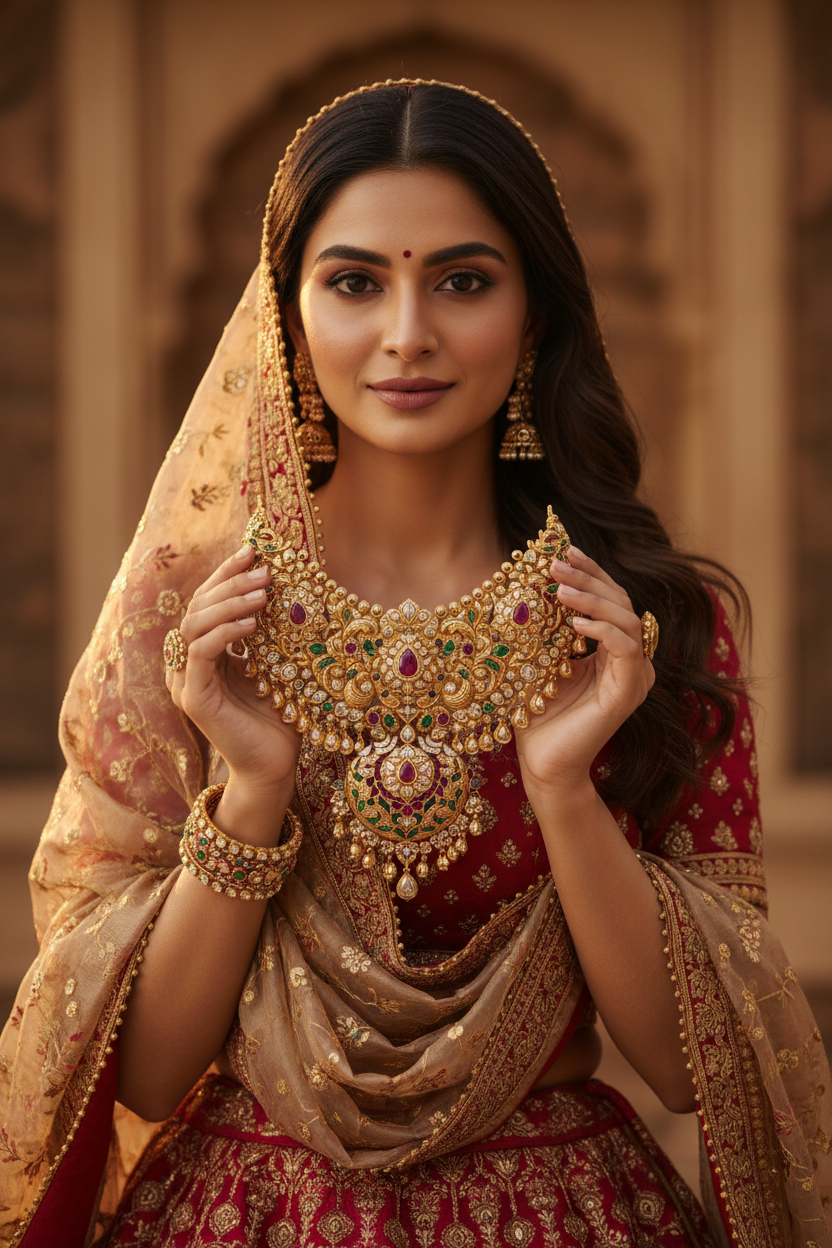
In India, AD jewelry is used for everything from small studs to full bridal sets.
Myth 1: American Diamond Jewelry Comes From America
The fact: The name has nothing to do with where the stones are made. "American diamond" is simply the term that caught on in the Indian market. The same stone is called cubic zirconia, or CZ, in most other countries.
Myth 2: AD Stones Are a Type of Real Diamond
The fact: Cubic zirconia is a completely different material. A diamond is made of carbon. Cubic zirconia is made of zirconium dioxide. They look similar when cut, but they are different stones with different properties.
Myth 3: AD Is Just Glass
The fact: AD stones are not glass. Cubic zirconia is a crystal with a much higher refractive index than glass, which is why it sparkles more. Glass stones tend to look duller and show wear faster.
Myth 4: AD Jewelry Looks Fake in Photos
The fact: Cubic zirconia has a refractive index of about 2.15, close to a diamond's 2.42. It also has higher dispersion, meaning it throws more rainbow-colored flashes of light. Under event lighting and camera flashes, this is part of why AD jewelry photographs with strong sparkle.
The key to a realistic look is choosing well-cut stones and settings that are clean and even.
Myth 5: AD Stones Scratch Easily
The fact: Cubic zirconia rates about 8 to 8.5 on the Mohs hardness scale. Diamond is 10, and glass is around 5.5. This means CZ is harder than many materials you will come into contact with, though it is still not as hard as a diamond.
Over time, stones can get small surface marks if stored carelessly, so it still helps to store pieces separately.
Myth 6: AD Jewelry Is Only for Parties
The fact: AD jewelry works across many occasions:
-
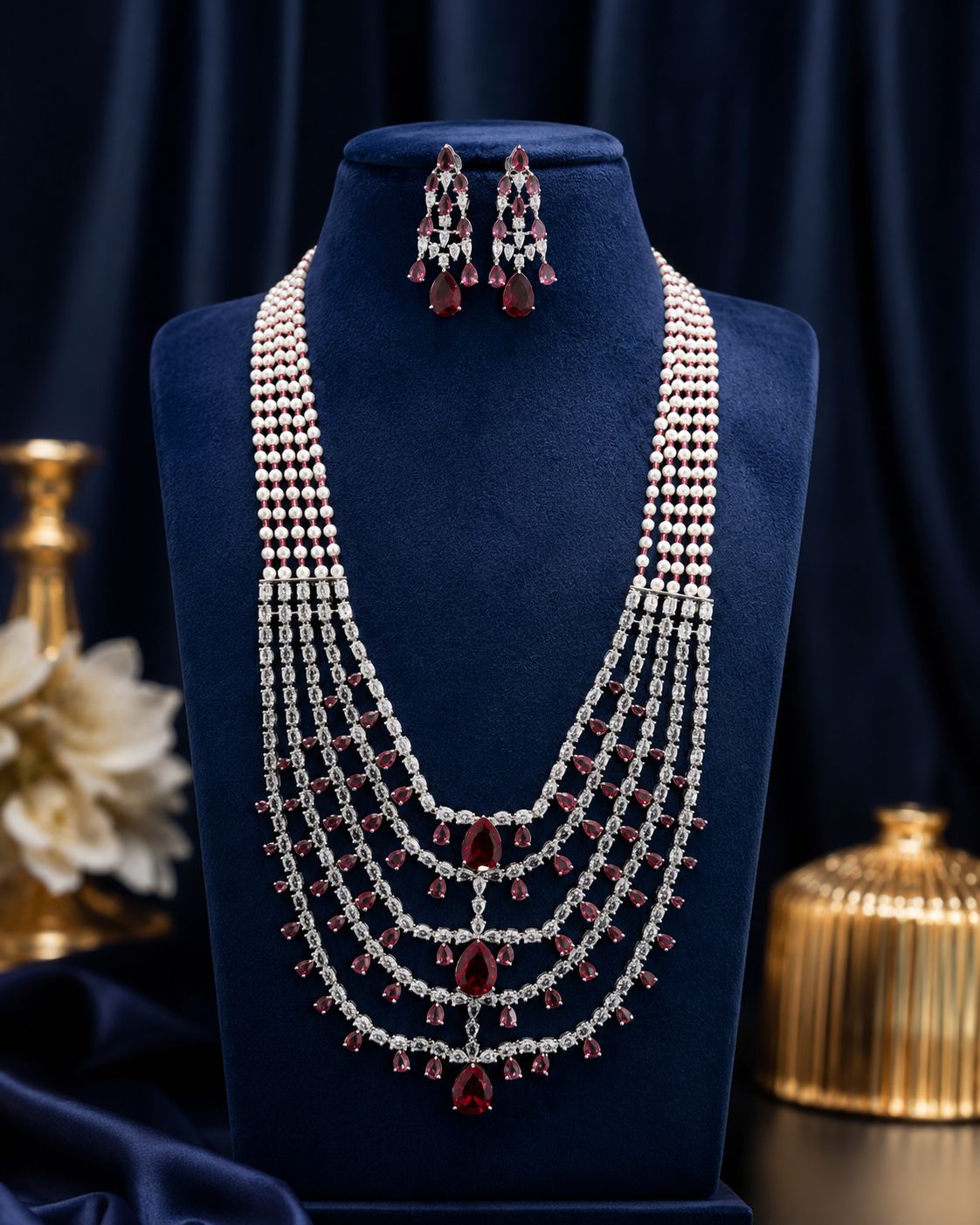
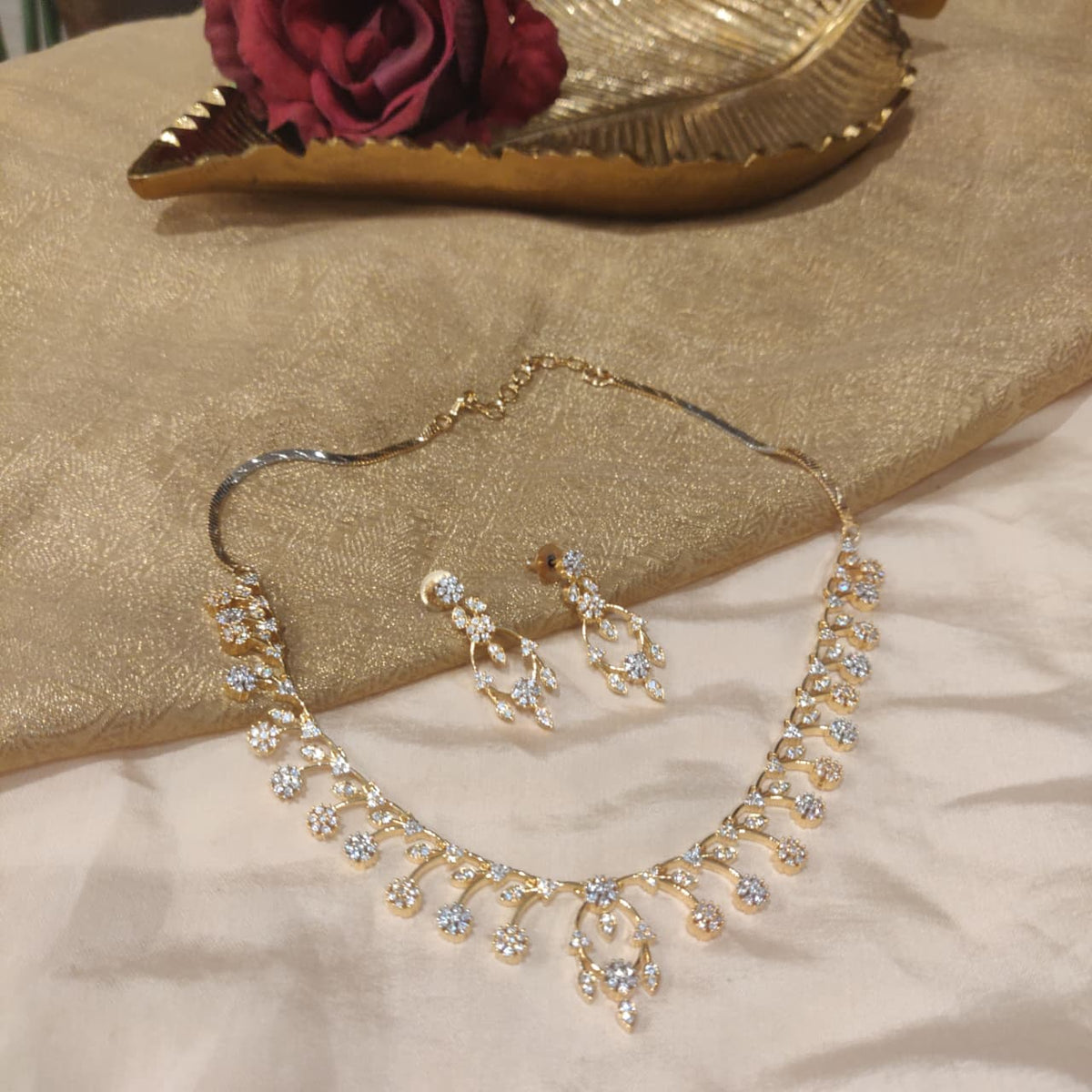
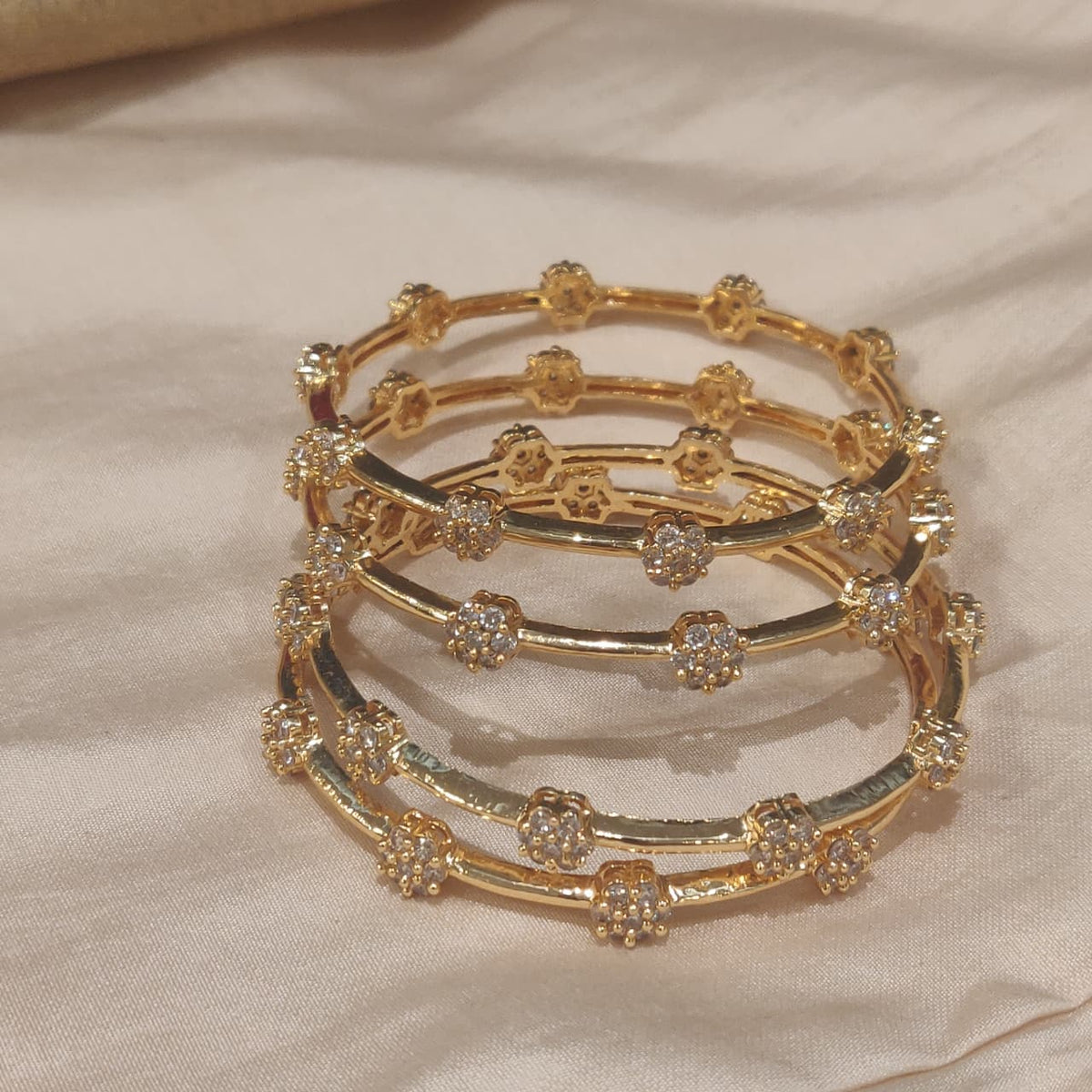
Bridal and reception: Full AD necklace sets with matching earrings and bangles.
-
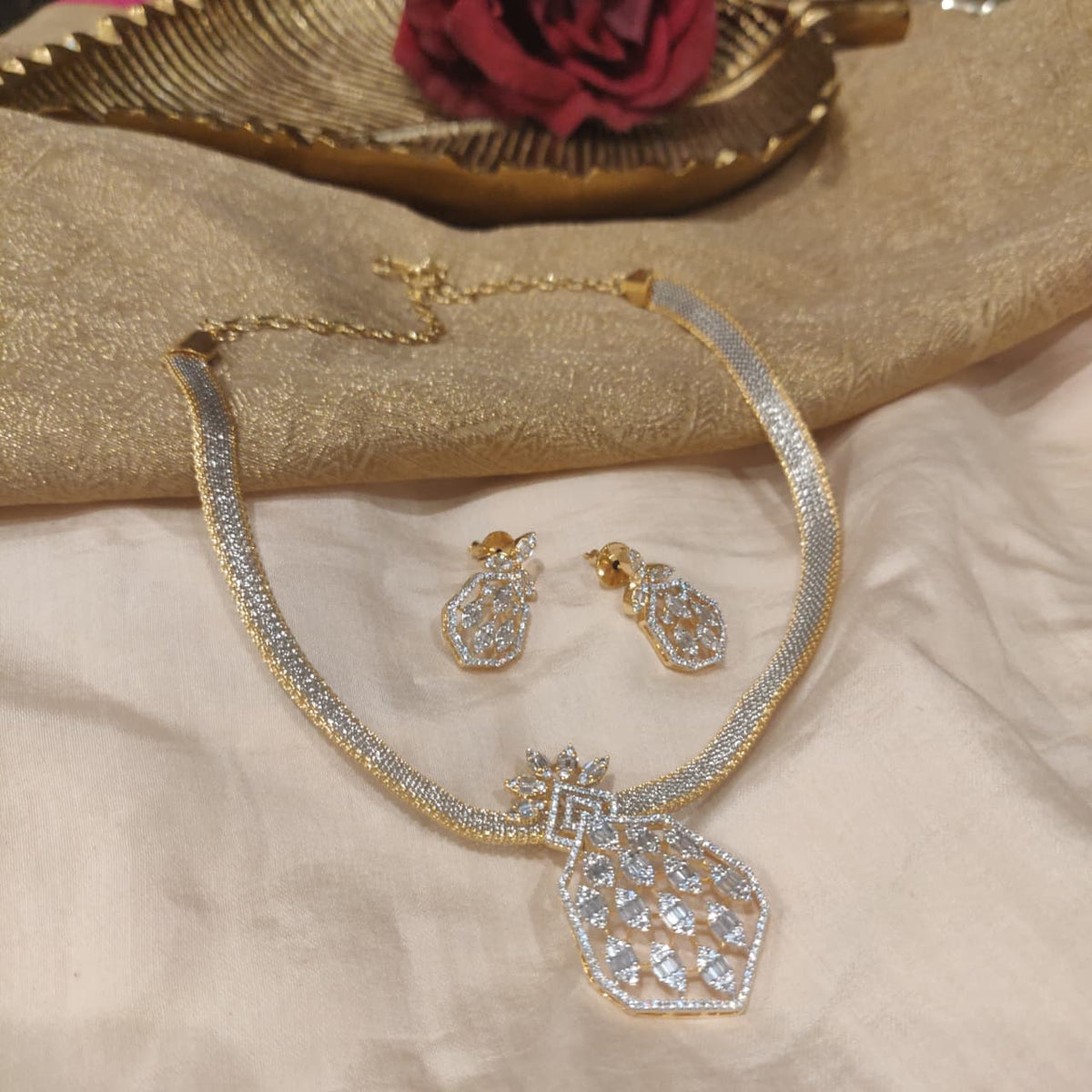
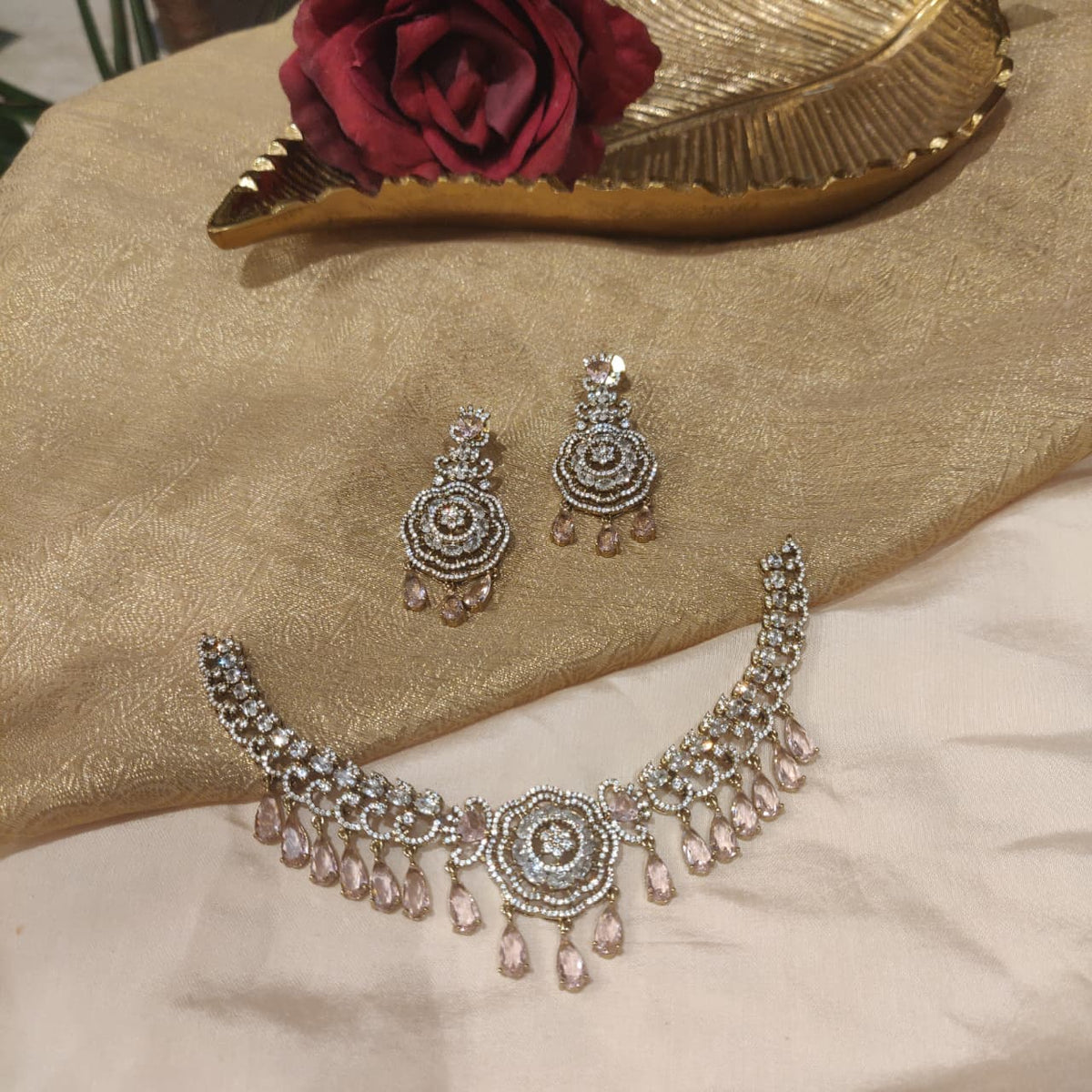
Engagement and cocktail nights: Statement AD earrings or chokers.
-
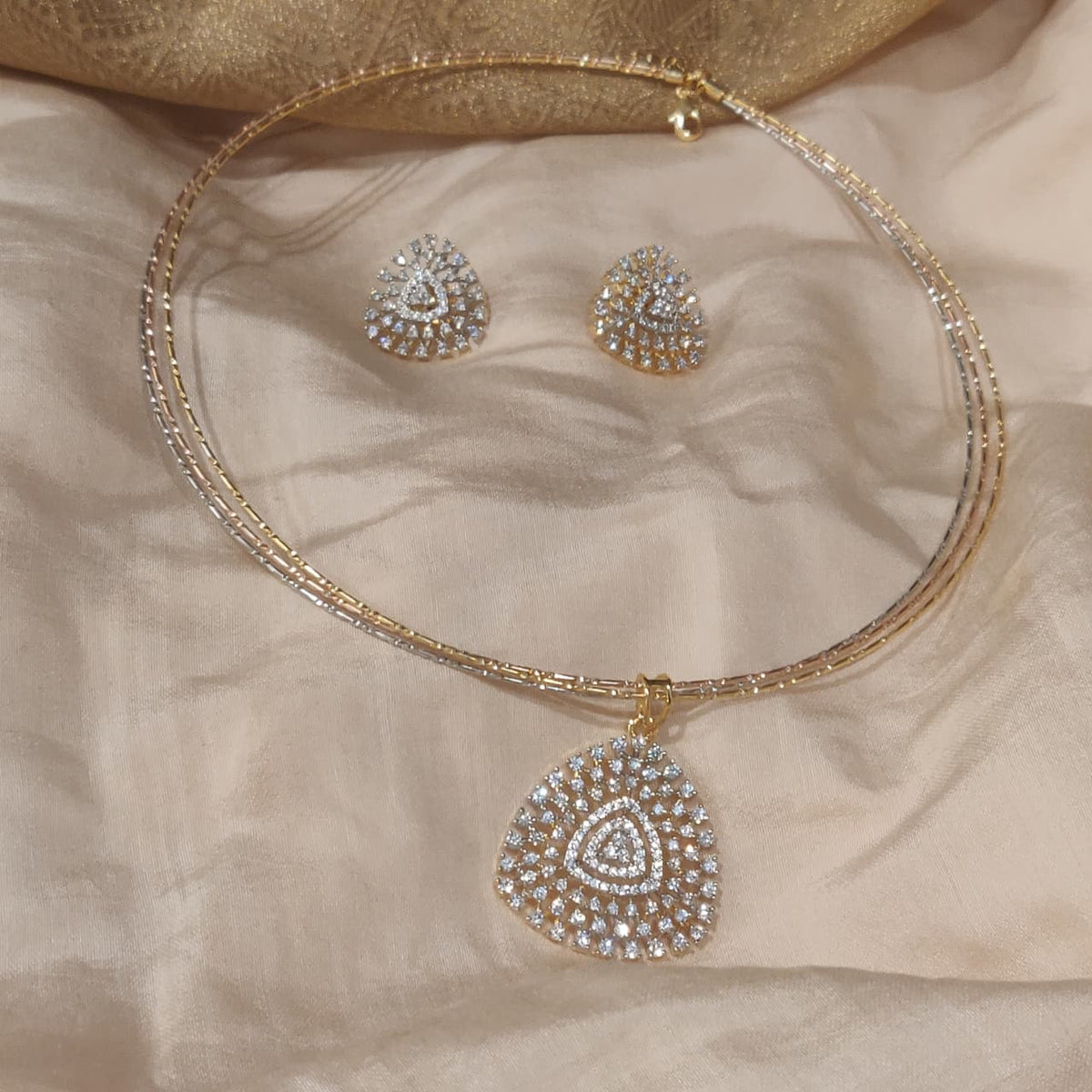
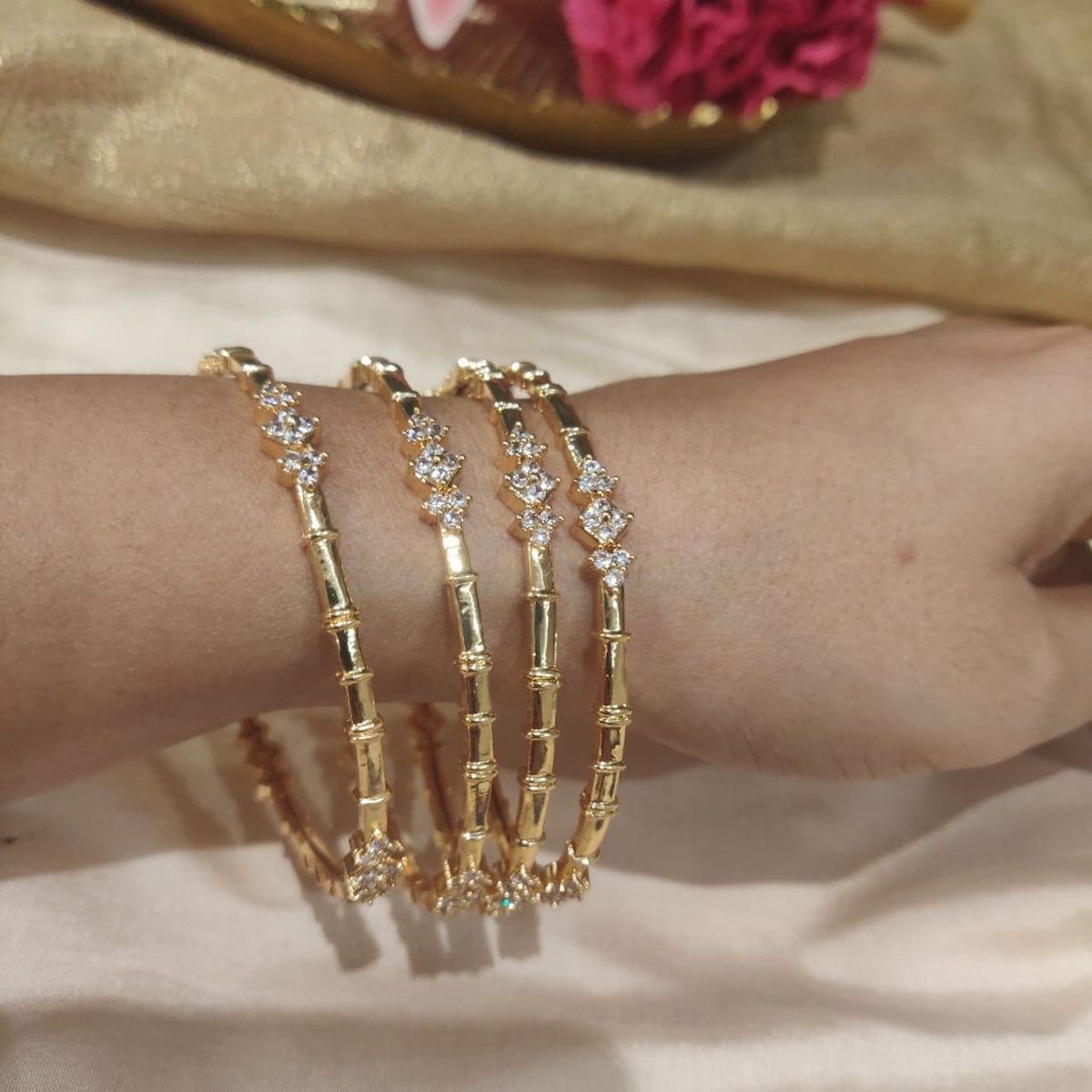
Office and daily wear: Small AD studs, thin bracelets, or a simple pendant.
-
Festive wear: AD earrings with ethnic suits for Diwali, Eid, or Karwa Chauth.
You can browse a wide range of everyday and occasion pieces in the fashion jewellery online collection at Emporia Jewels.
Myth 7: AD Stones Are Always Clear
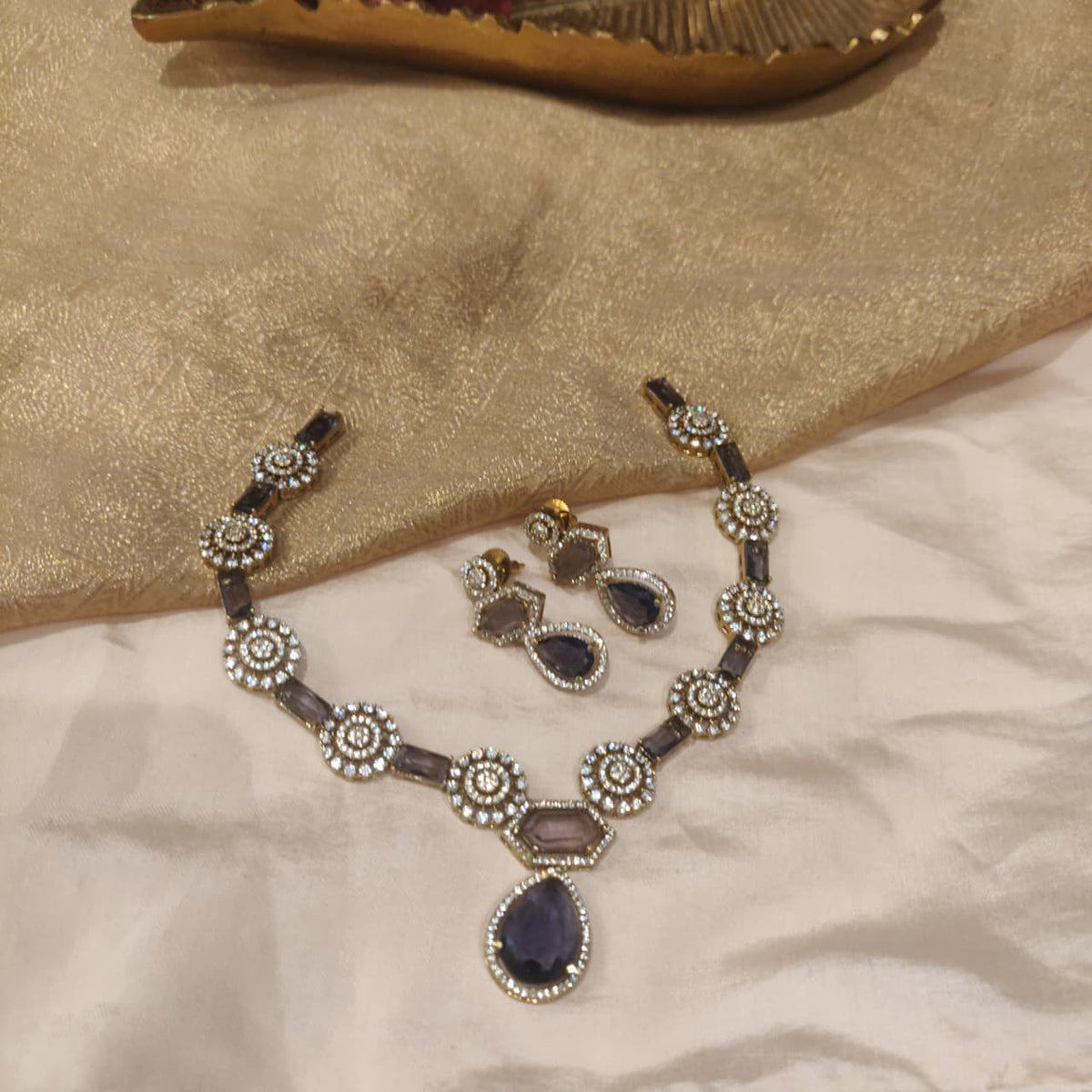
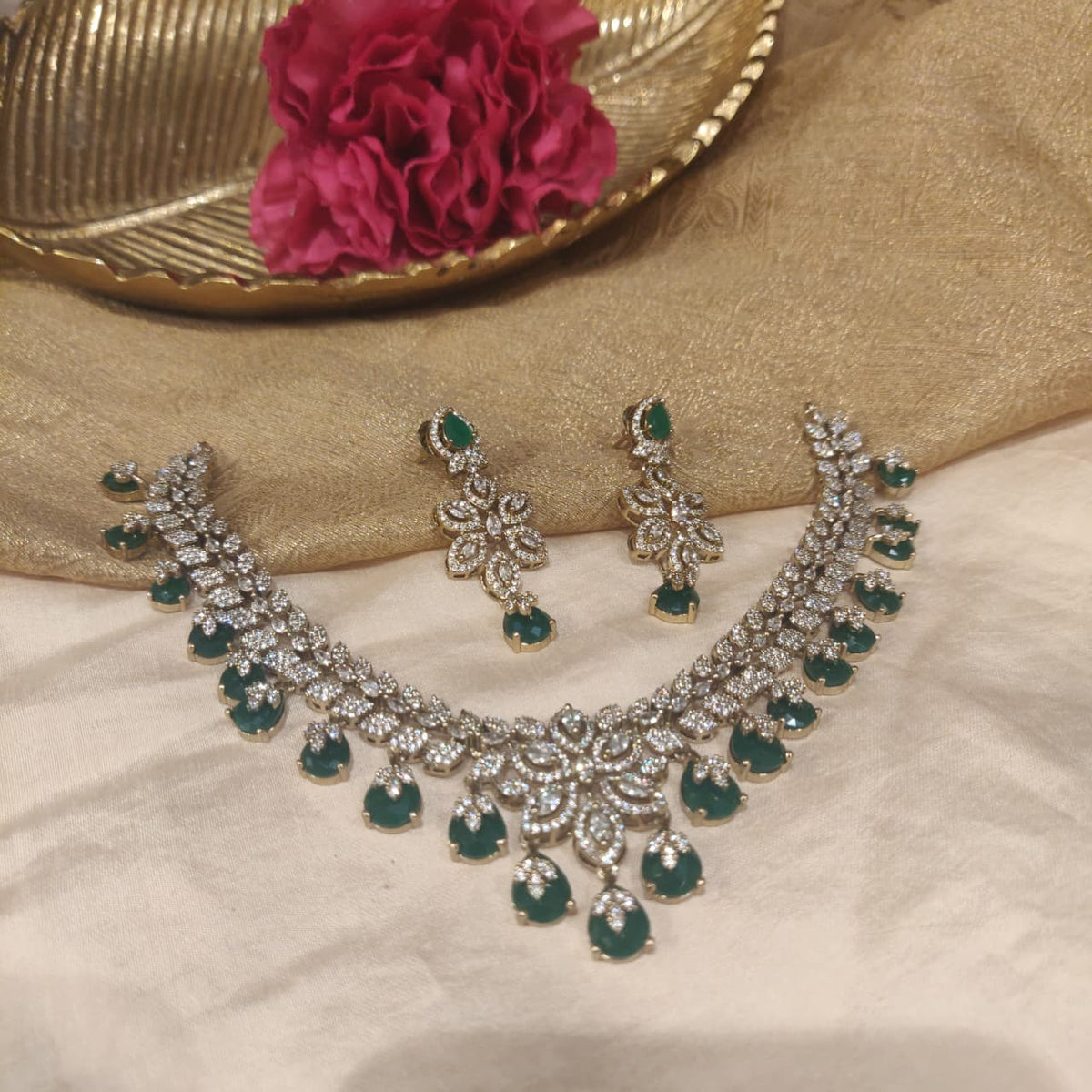
The fact: While colorless stones are the most common, AD stones can be made in many colors, including emerald green, ruby red, sapphire blue, and pink. Colored AD stones are popular for bridal sets that match specific lehenga colors.
Myth 8: All AD Jewelry Is the Same Quality
The fact: Quality varies a lot. The cut of the stone, the precision of the setting, and the finish of the metal all affect how premium a piece looks. Two AD necklaces that look similar online can look very different in person.
AD vs Diamond vs Moissanite: A Quick Comparison
Here is how the three most discussed sparkly stones compare.
Cubic Zirconia (American Diamond)
-
Material: Zirconium dioxide, lab-made
-
Hardness: About 8 to 8.5 on the Mohs scale
-
Sparkle: Strong, with noticeable rainbow flashes
-
Weight: Heavier than diamond at the same size
-
Best for: Fashion and occasion jewelry
Diamond
-
Material: Carbon, natural or lab-grown
-
Hardness: 10 on the Mohs scale
-
Sparkle: Bright, with balanced white and colored flashes
-
Best for: Fine jewelry and long-term investment pieces
Moissanite
-
Material: Silicon carbide, usually lab-made
-
Hardness: About 9.25 on the Mohs scale
-
Sparkle: Very high, with strong rainbow flashes
-
Best for: Fine jewelry alternatives
For most event and fashion wear, AD jewelry offers a strong visual impact for a much lower investment.
How to Choose High-Quality AD Jewelry
Check these points before you buy:
-
Look at the cut. Well-cut stones reflect light evenly. Poorly cut stones look flat or cloudy.
-
Check stone alignment. Stones should sit level and evenly spaced.
-
Examine the setting. Prongs or bezels should hold stones firmly without visible glue.
-
Look at the metal finish. Silver-toned and rose gold-toned finishes should look even, without patches.
-
Match the color. Colored stones should be the same shade across the full set.
Emporia Jewels shows close-up product images so you can check these details before ordering.
How to Style American Diamond Jewelry
For Receptions
Pair a full AD set with a pastel or metallic lehenga. Silver-toned AD jewelry works especially well with ivory, grey, blush, and champagne outfits.
For Cocktail Parties
Statement AD earrings with a simple black or jewel-toned gown create a strong, clean look. Skip the necklace if the earrings are large.
For Ethnic Suits
AD earrings with a matching maang tikka can lift a simple anarkali or sharara for festive events.
For Western Outfits
Small AD studs or a delicate tennis-style bracelet add polish to work outfits and dinner dresses. For more contemporary AD designs, explore the designer jewellery online collection.
Caring for AD Jewelry
-
Store each piece separately in a soft pouch.
-
Avoid perfume, lotion, and water contact.
-
Clean stones with a soft dry brush to remove dust from settings.
-
Polish metal gently with a dry cloth.
-
Check prongs from time to time for any loosening.
Conclusion
The final verdict is simple. American diamond jewelry is not a real diamond, and it is not trying to be. It is a lab-made stone with strong sparkle, good hardness, and wide design flexibility. Once you understand what you are buying, the myths fall away. Choose well-cut stones, check the settings, care for your pieces, and AD jewelry will give you a polished look for receptions, parties, and everyday wear alike.
Frequently Asked Questions
What is American diamond jewelry made of?
It is made with cubic zirconia, a lab-made crystal of zirconium dioxide, set in alloy or other base metals.
Is American diamond the same as cubic zirconia?
Yes. American diamond is the name used mainly in India for cubic zirconia stones.
Does AD jewelry sparkle like real diamonds?
AD stones have a refractive index close to diamond and higher dispersion, so they sparkle strongly with more visible rainbow flashes.
Can AD jewelry be worn every day?
Yes, smaller AD pieces like studs and pendants are suitable for daily wear with proper care.
Is AD jewelry good for bridal wear?
Yes. Many brides choose AD sets, especially for receptions and engagement events, because of their sparkle and design range.
How do I clean AD jewelry?
Use a soft dry brush for the stones and a soft cloth for the metal, and keep pieces away from water and perfume.