

AD Stone Jewellery Review: What Buyers Across India Actually Say After Wearing It
Review content for AD stone jewellery online falls into two unhelpful categories: either enthusiastically positive listings dressed as reviews, or overly critical comparisons to real diamond jewellery that miss the point entirely. Neither is useful to someone who is genuinely trying to decide whether to buy.
This review is structured differently. It draws on the consistent patterns in what real buyers report about AD stone jewellery, what holds up well, what does not, and what most buyers wish they had known before purchasing. It also covers what you should specifically look for when evaluating any AD stone jewellery listing before you order.
What Buyers Consistently Say They Love About AD Stone Jewellery
Across purchase reviews and customer feedback on AD Stone jewellery online in India, several themes repeat with enough consistency to be treated as reliable indicators of what this category genuinely delivers.
The sparkle is real and significant
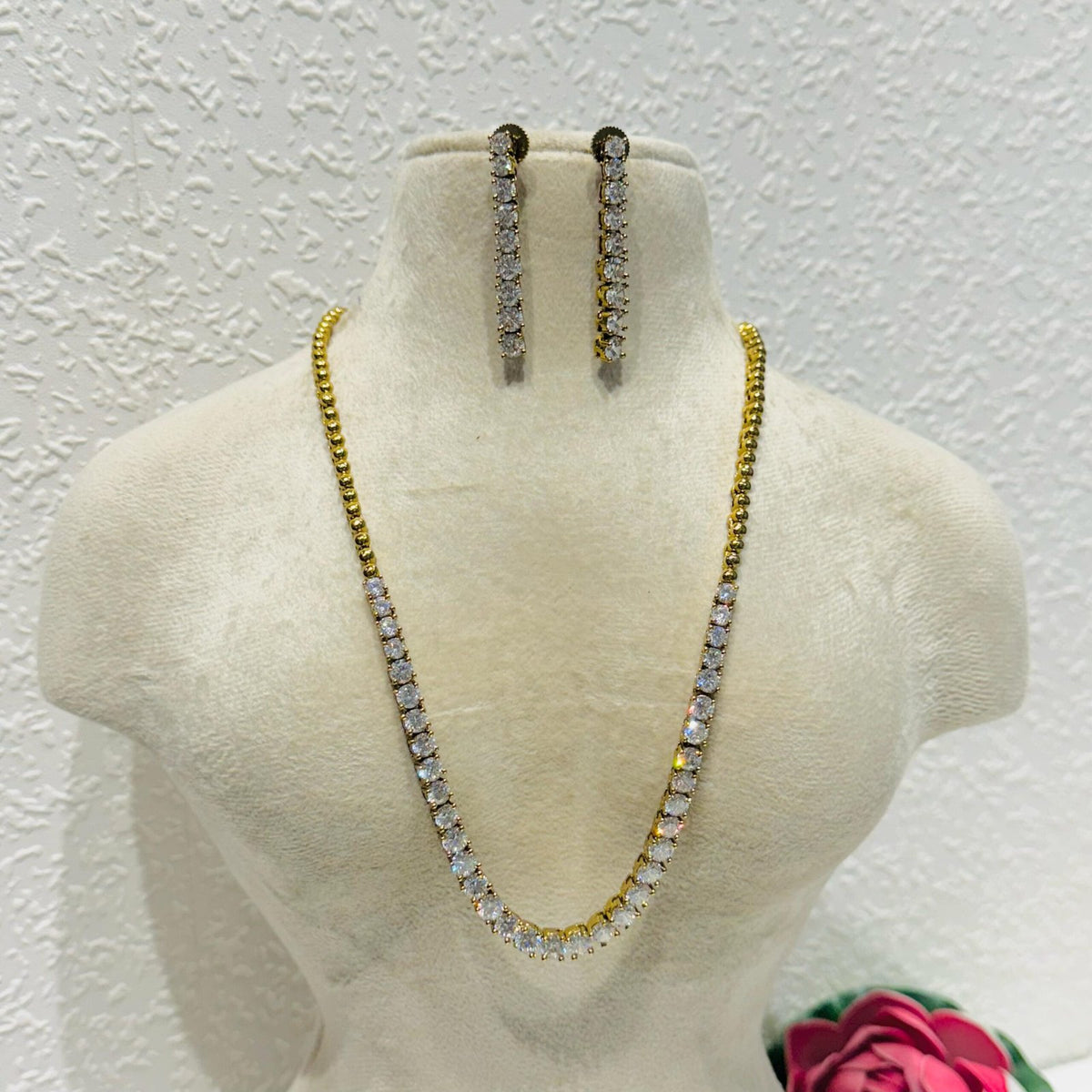
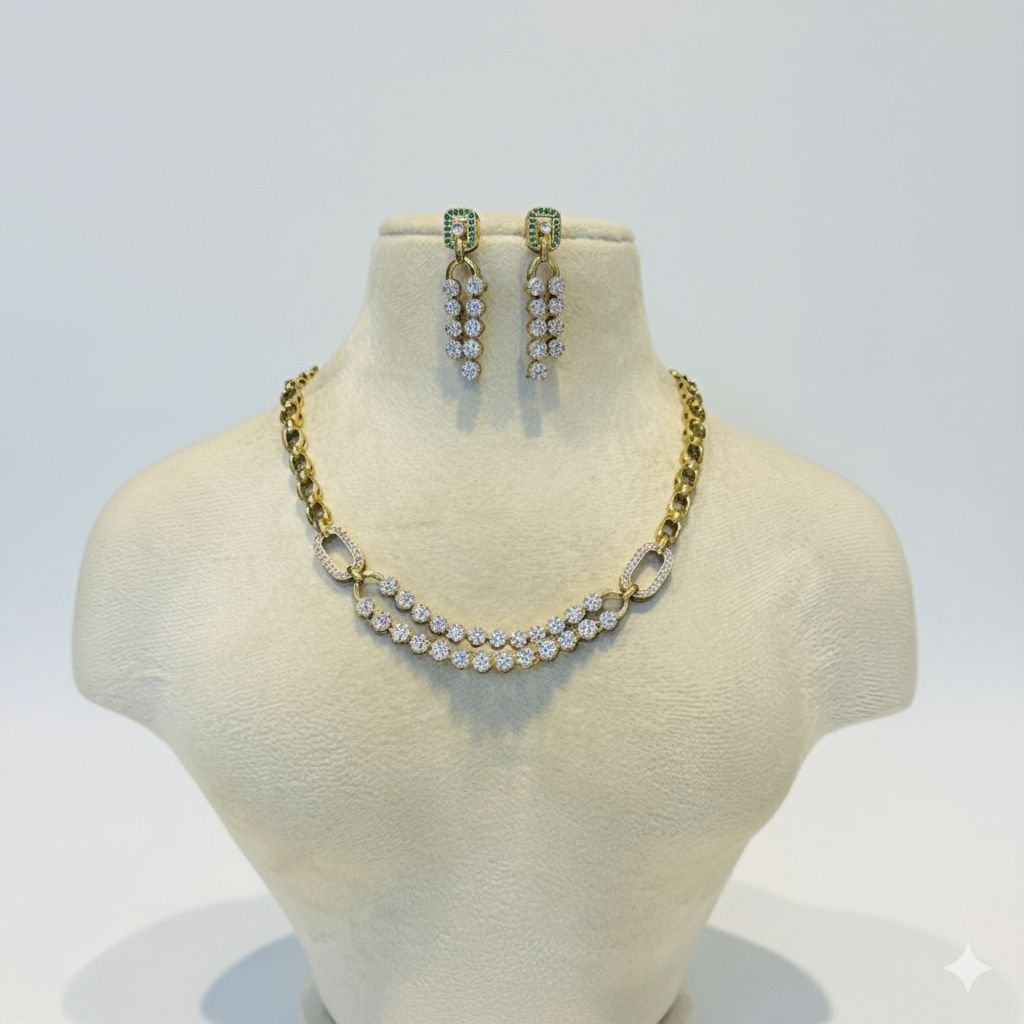
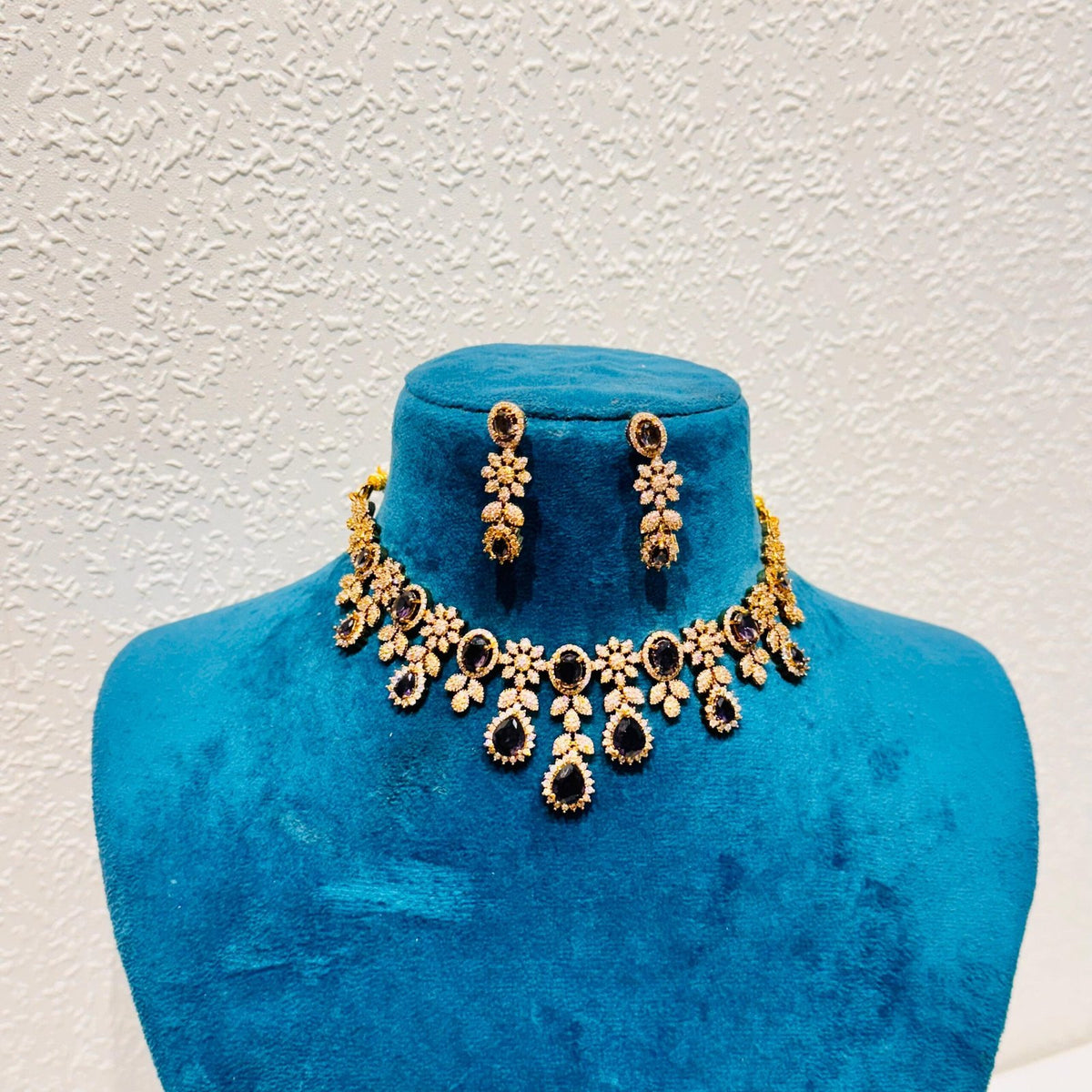
The most consistent positive in reviews of good-quality AD stone jewellery is how well the stones catch light. Cubic zirconia (CZ) has a refractive index between 2.15 and 2.18, which is actually higher than that of a natural diamond; 2.42 is a common comparison. In practical terms, this means CZ stones produce significant, visible sparkle in both natural and flash photography.
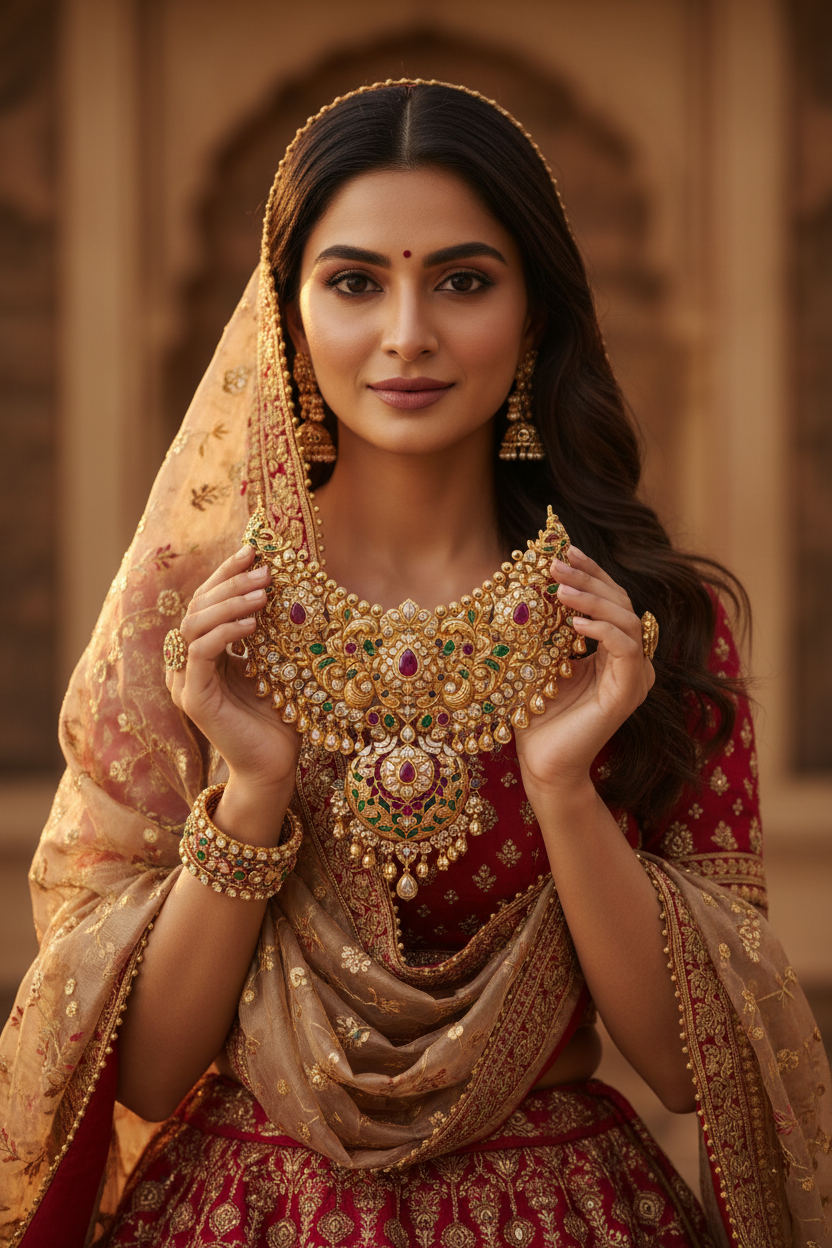
Buyers repeatedly note that AD jewellery looks more impressive in photographs than they expected. Wedding photographers routinely capture the sparkle of CZ stones effectively, which makes AD jewellery a particularly strong choice for brides and wedding guests who prioritise how they will look in photographs.
The price-to-appearance ratio surprises buyers positively
A recurring theme in positive reviews is that buyers expected the jewellery to look cheaper than it does. Good-quality AD stone jewellery in rhodium or gold-tone settings does not immediately read as artificial to most observers in social settings. Buyers report being asked whether pieces are real diamond jewellery.
Versatility across multiple looks
AD stone jewellery occupies a middle ground between heavily traditional designs and contemporary minimal pieces. Buyers note that many AD pieces work across Indian and western outfits without looking out of place in either context. This versatility is frequently cited as a reason for purchasing multiple pieces.
What Buyers Identify as Limitations
Honest review synthesis includes the consistent complaints as much as the consistent praise. Here is what buyers most commonly flag as disappointment:
Shine loss over time with incorrect care
The most common negative review pattern for AD stone jewellery is plating fade or stone cloudiness after several months of regular wear, particularly when pieces are exposed to water, sweat, or chemicals. This is not unique to AD jewellery but it is amplified in this category because the sparkle of CZ stones is the primary appeal. When stones lose their clarity, the piece loses its defining characteristic.
Importantly, buyers who follow correct care instructions (dry storage, no moisture, no chemical exposure) consistently report that pieces maintain their appearance for significantly longer. The limitation is real, but it is largely care-dependent.
Variation in stone quality between sellers
Multiple reviews note that CZ stone quality varies significantly between different sellers. Lower-grade CZ stones appear slightly yellowish, have visible inclusions, or lack the consistent cut quality that produces even sparkle. Buyers who purchase from sellers with clear product descriptions and verified reviews report significantly fewer quality complaints than those who buy based on price alone.
Size discrepancy from product images
A recurring complaint is that pieces arrive smaller than they appeared in product photographs, particularly for pendants and earrings. This is a photography and listing issue rather than a product quality issue, but it affects buyer satisfaction. Checking stated dimensions in product specifications before ordering is the single most effective prevention for this complaint.
The artificial jewellery range includes AD stone pieces with detailed product specifications to support accurate pre-purchase assessment.
Category-by-Category: What Holds Up Best in AD Stone Jewellery
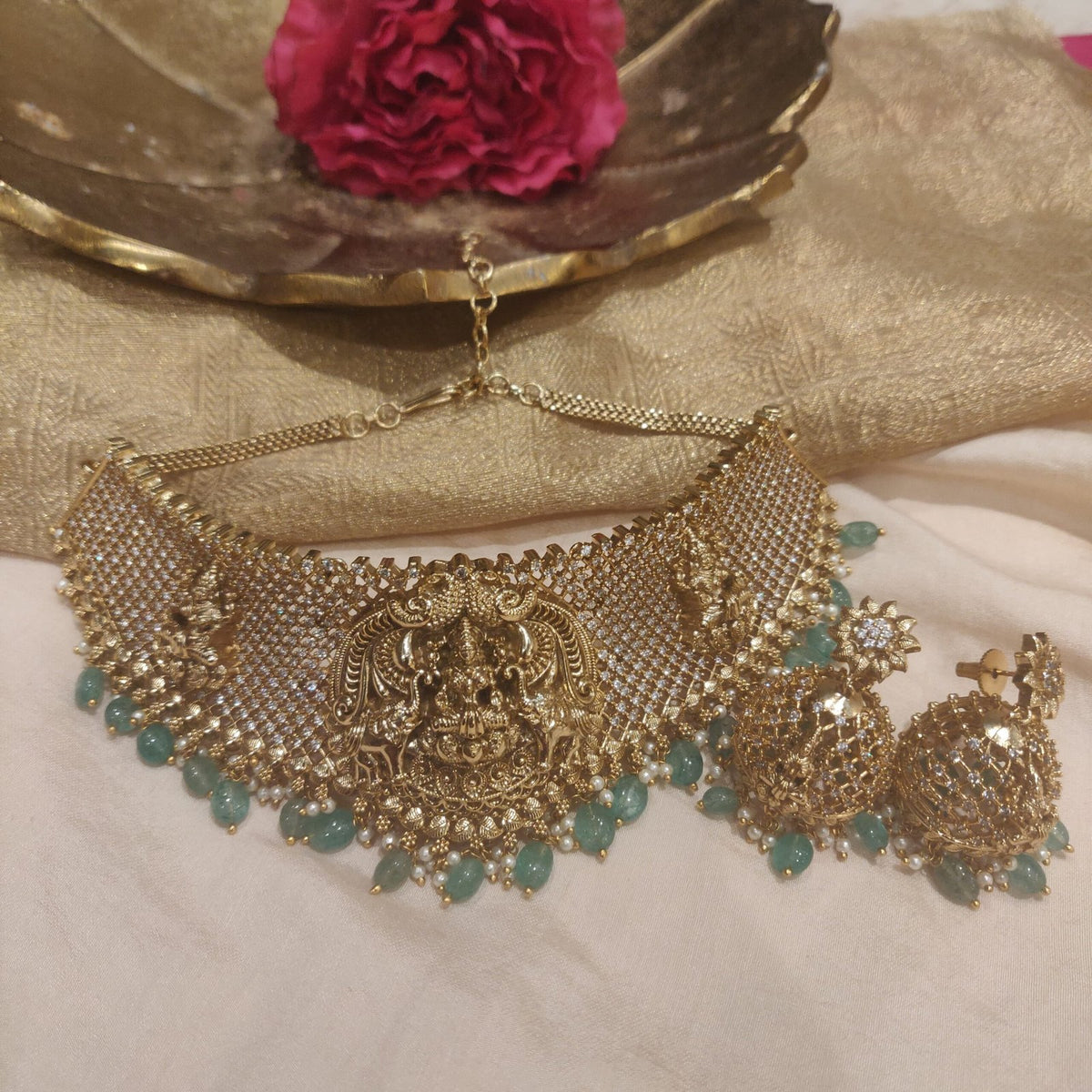
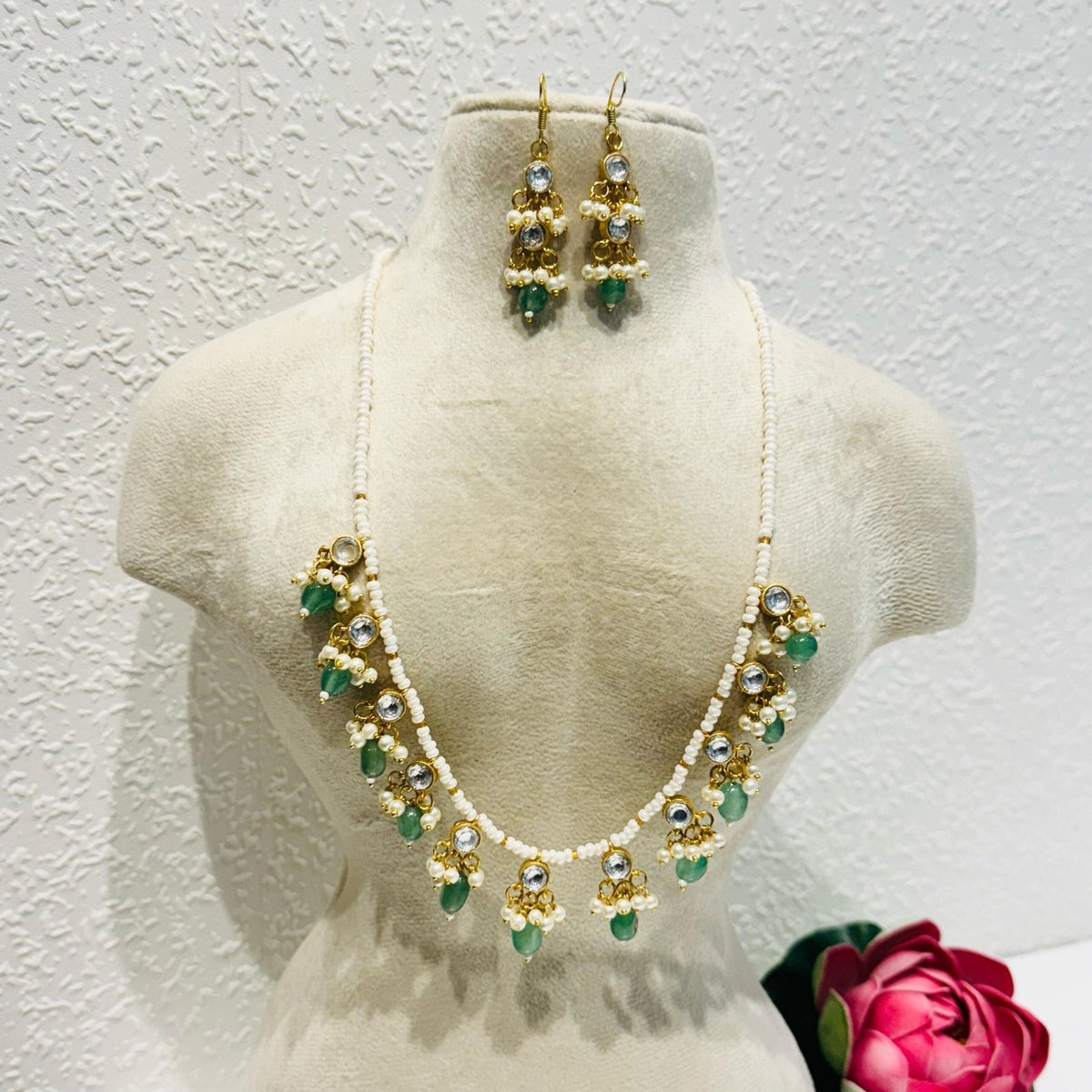
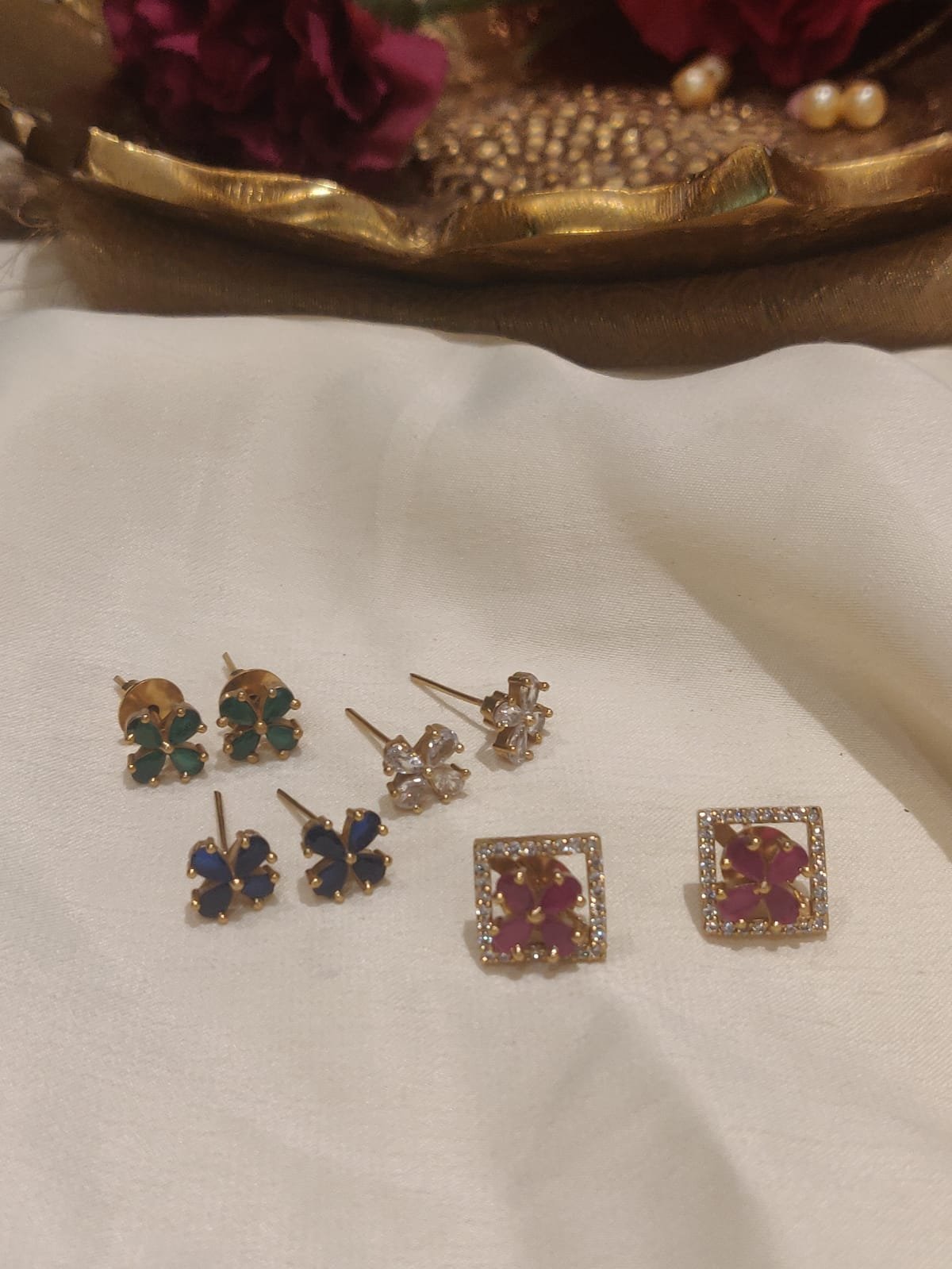
Earrings: Consistently among the best-reviewed AD stone pieces. They see less friction than bracelets and rings, the plating lasts longer, and the sparkle of CZ stones in earring format is particularly effective. Jhumka and chandelier earrings in an AD setting are among the most purchased and best-reviewed pieces in this category.
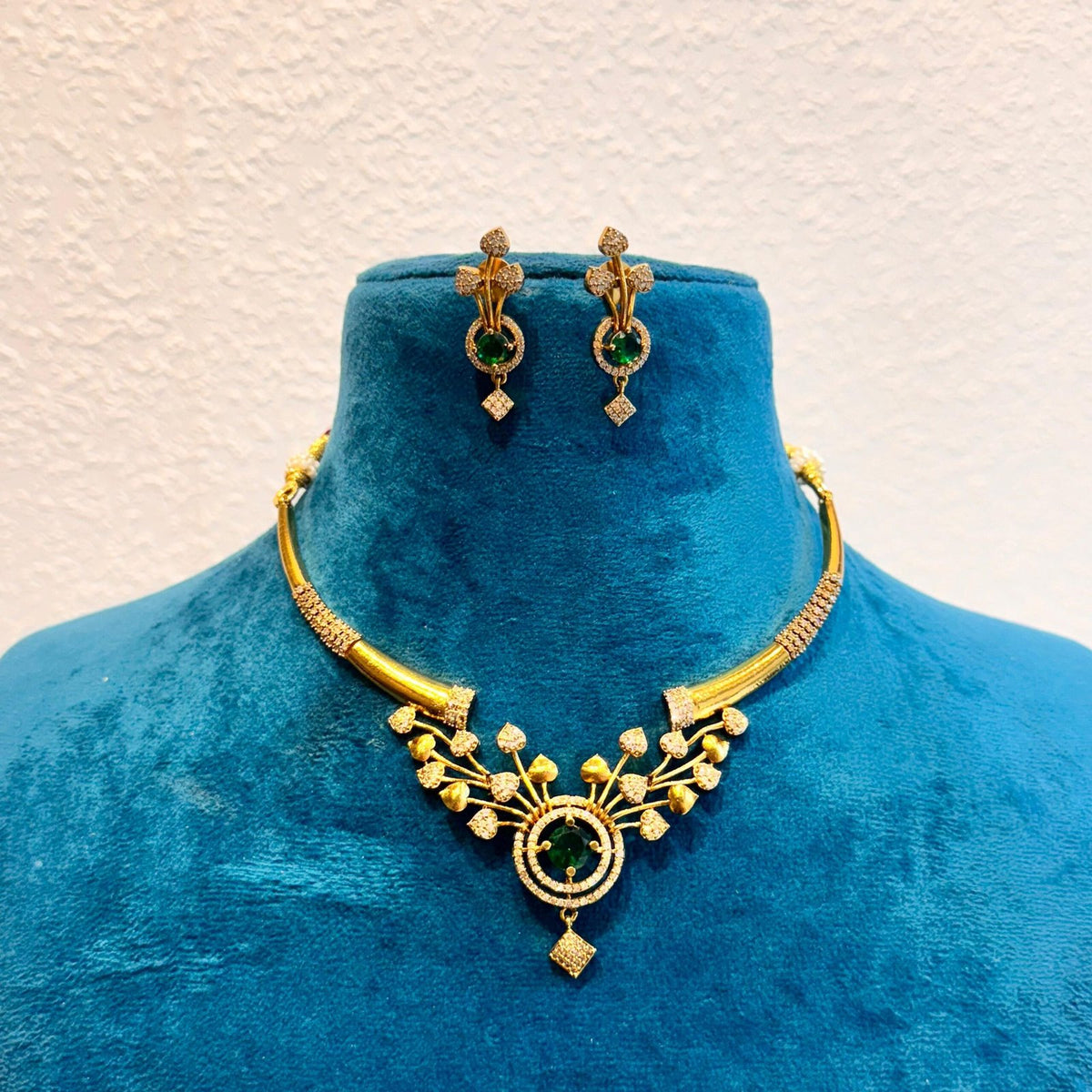
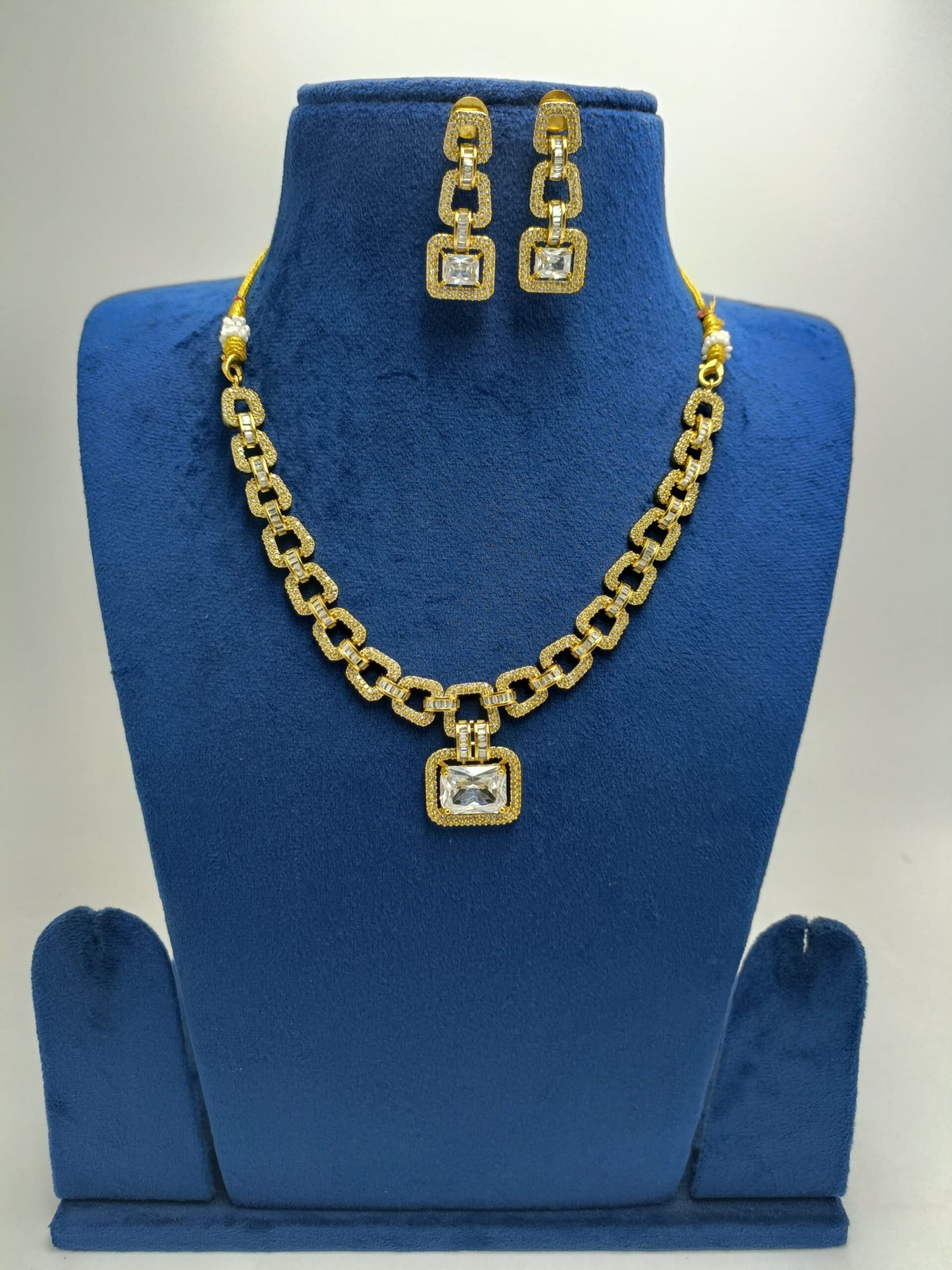
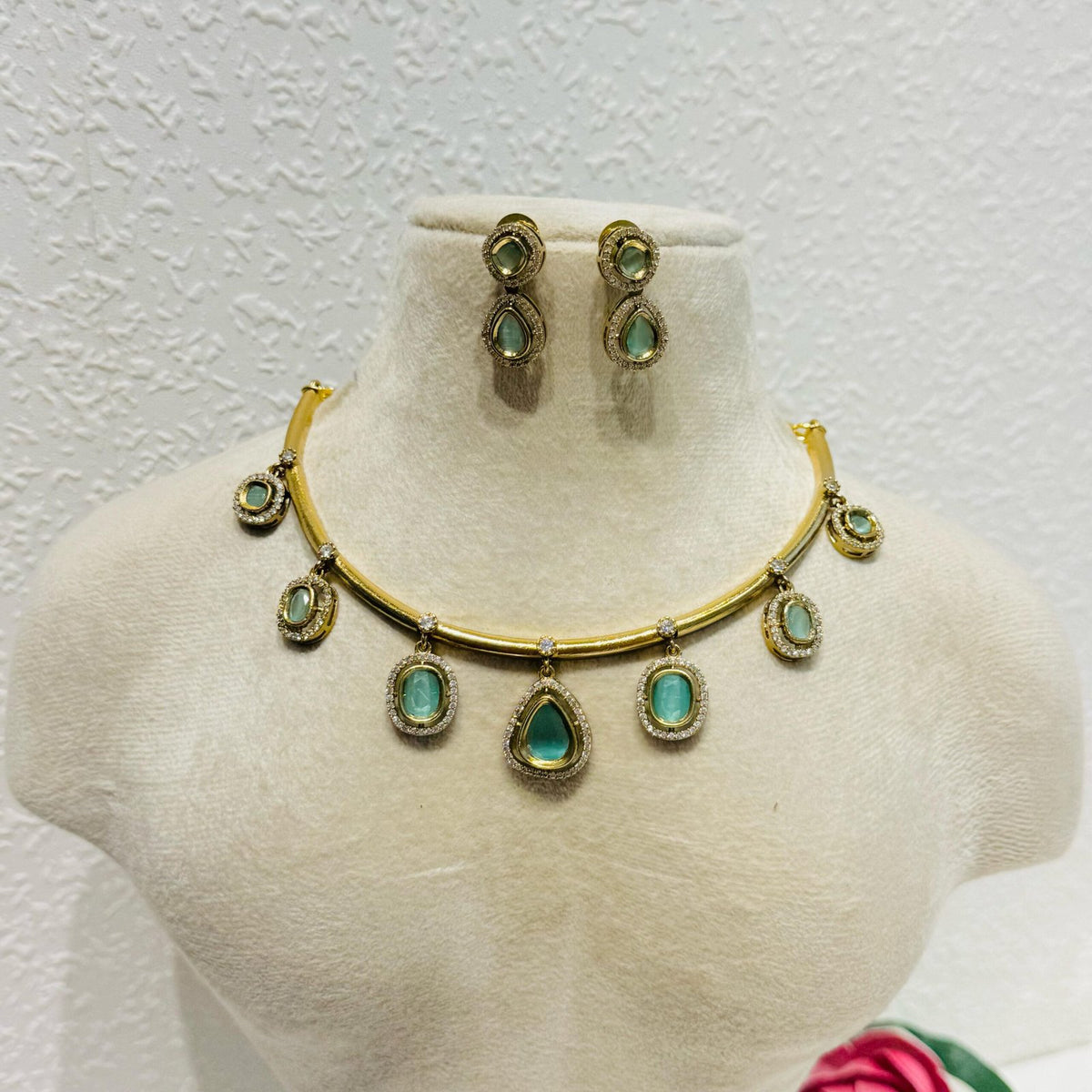
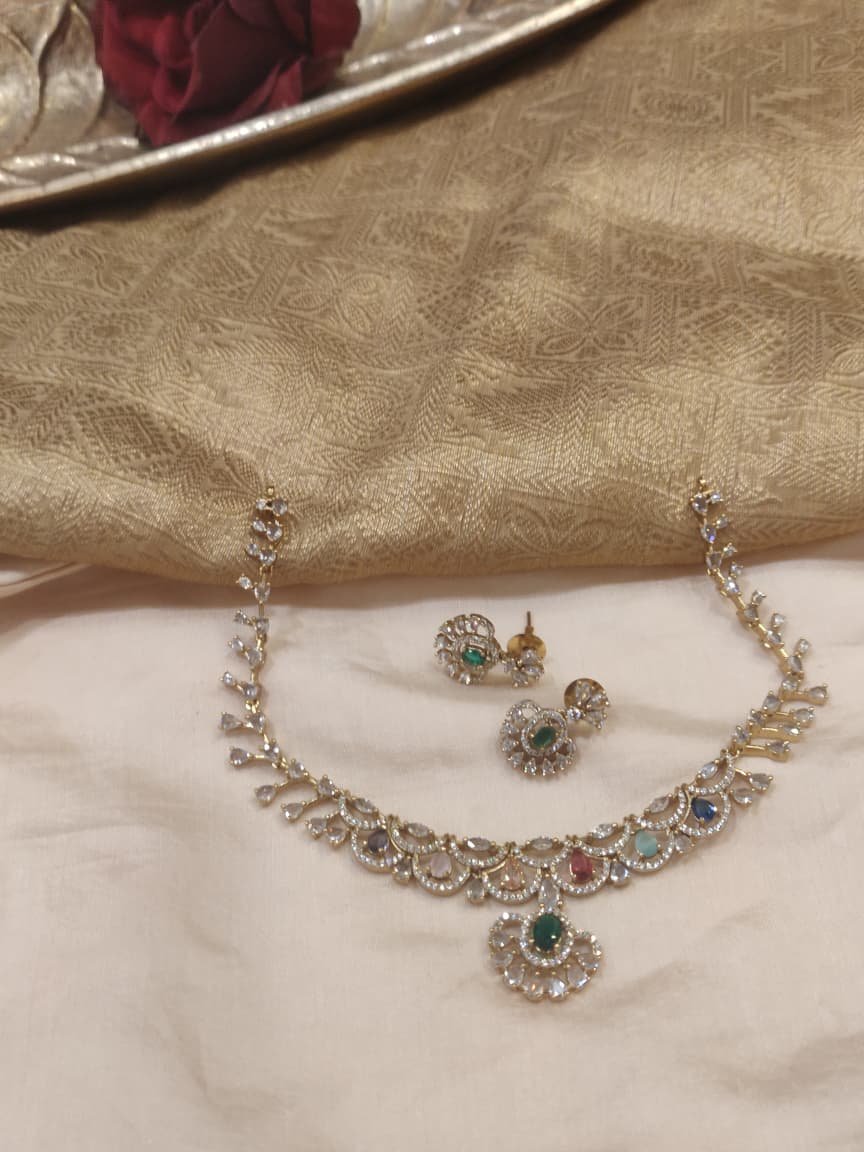
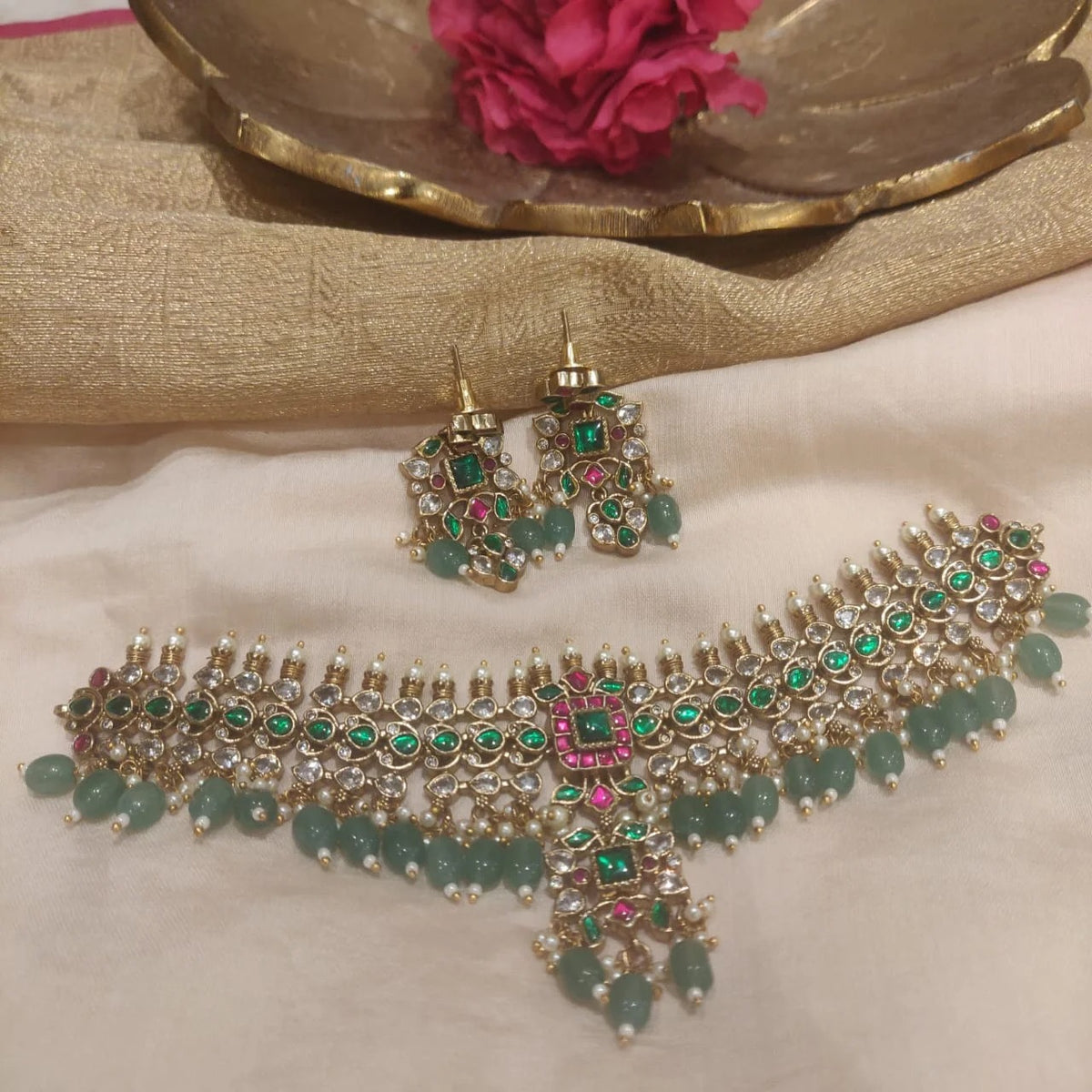
Necklace sets: Good performance when cared for correctly. The main complaint in reviews relates to clasp wear on cheaper pieces. Premium clasps on better-quality necklace sets hold up significantly longer. For bridal use, the bridal collections range includes AD-set necklace options with appropriate clasp quality for occasion wear.
Bangles: Mixed reviews. Bangles experience more surface friction than other jewellery types. Thick AD-set kadas fare better in reviews than delicate chain bangles, which can show plating wear faster at the inner surface where they contact skin. Buyers who wear bangles daily report faster wear than those who wear them only for occasions.
Maang tikka: Consistently positive reviews because maang tikka pieces see limited movement and no skin contact friction. The CZ stone sparkles in a maang tikka, which is particularly visible in photographs because of its forehead placement. This is one of the strongest AD stone purchases for brides and wedding guests.
Haath phool: Reviews are positive for occasion use, but note that the connecting chains between the bracelet and ring sections are the most fragile element. Handle the connecting chains with care and avoid catching them on fabric.
How to Evaluate AD Stone Jewellery Before Buying: A Review-Based Checklist
Based on the patterns in buyer reviews, here is what to specifically check in any listing:
Stone colour consistency: Look for listings where all stones across a piece appear the same colour temperature. Yellowish stones or inconsistent clarity in product images indicate lower-grade CZ.
Setting evenness: In close-up product photographs, check that all stones sit at the same level in their settings without visible gaps between the stone edge and metal border.
Plating description: Listings that specify rhodium plating (for silver-tone AD pieces) or describe their gold-tone plating type are more credible quality indicators than those using generic descriptions.
Dimensions listed: Check the stated size of the pendant, earring drop length, or necklace length. This directly addresses the most common size-disappointment complaint.
Review photo quality: Customer photos that show the piece in natural light, not just in flash photography, give the most accurate quality picture.
The kundan jewelry range includes pieces that combine kundan and AD stone setting, with detailed product information useful for pre-purchase evaluation.
What Buyers Recommend to First-Time Purchasers
The advice that experienced AD stone jewellery buyers most consistently offer to first-time purchasers:
Start with earrings. They are the lowest-risk purchase, the most versatile, and the category where AD jewellery performs most reliably. A good pair of AD jhumkas or chandelier earrings will confirm whether the quality from a particular seller meets your expectations before you commit to a full set.
Read the care instructions before wearing, not after. Storage, moisture avoidance, and cleaning guidance are what determine how long the sparkle lasts. Most buyers who are dissatisfied with longevity did not follow care instructions.
Order from sellers with customer review photos. Studio photography on product pages is optimised. Customer photos in actual wear conditions are not. The gap between the two tells you about quality.
Do not compare to real diamond jewellery. AD stone jewellery is a distinct category with its own merit. Evaluating it against real diamond jewellery sets the wrong expectations and consistently produces dissatisfaction.
For everyday fashion pieces in AD stone setting, the fashion jewellery range offers options at accessible price points with the variety that the category warrants.
Frequently Asked Questions
Q1. Does AD stone jewellery lose its sparkle over time?
CZ stones themselves do not degrade. However, surface scratches from contact with other hard materials and cloudiness from chemical exposure can reduce the apparent sparkle. Proper storage and care maintains CZ clarity for a significant period.
Q2. How does AD stone jewellery perform in wedding photography?
Very well. CZ stones have a high refractive index that produces strong sparkle in both natural light and flash photography. Many brides prefer AD stone jewellery specifically because of how it photographs.
Q3. What is the difference between rhodium-plated and gold-plated AD jewellery?
Rhodium plating produces a bright silver tone that makes CZ stones appear cooler and more diamond-like. Gold-tone plating creates a warmer look suited to traditional Indian settings. Both perform similarly in terms of durability.
Q4. Can AD stone jewellery be cleaned to restore shine?
Use only a dry, soft microfibre cloth. Never use water, soap, or commercial cleaners on plated AD jewellery. Surface scratches on CZ stones cannot be removed at home.
Q5. What should I look for to ensure I am buying quality AD stone jewellery?
Clear CZ stones without visible inclusions or yellow tint, even settings with no gaps, specific plating description in the listing, and verified customer reviews with photographs are the primary quality indicators.